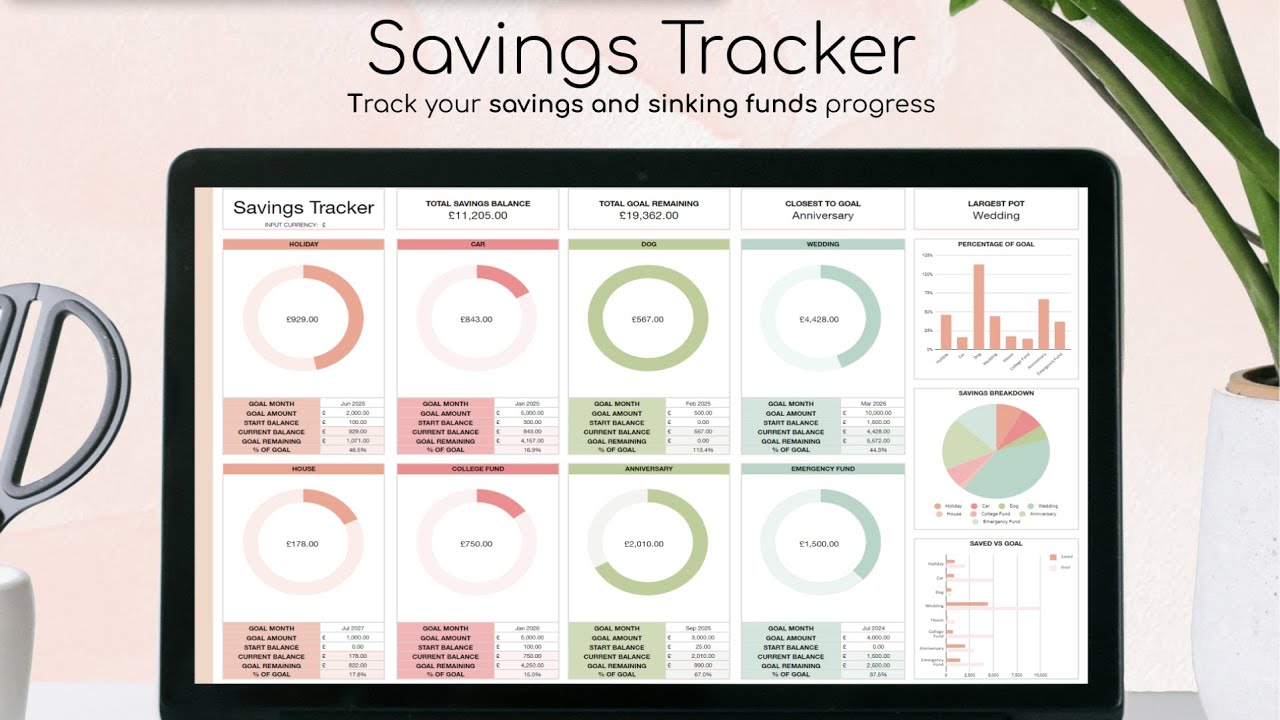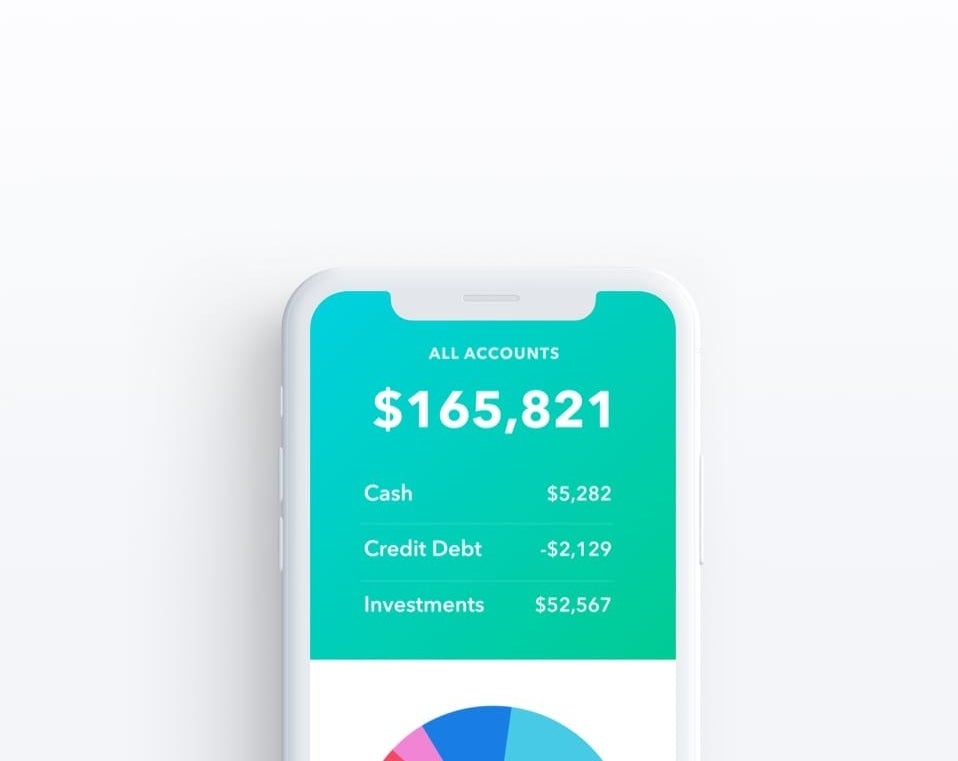
In today’s fast-paced financial landscape, managing expenses efficiently has become more crucial than ever. An expense manager not only tracks spending but also empowers individuals to make informed financial decisions, ultimately leading to a more secure financial future. As we navigate through the complexities of personal finance, understanding the role of an expense manager is essential for achieving our financial goals.
It acts as a vital tool in budgeting, expense tracking, and analyzing spending habits, enabling users to identify patterns and adjust their financial strategies accordingly. With the right features and methods, an expense manager can significantly enhance one’s personal finance journey, paving the way for better financial health.
The importance of an Expense Manager in personal finance
Managing personal finances can often feel overwhelming, yet it is essential for achieving financial stability and independence. An expense manager serves as a vital tool in this journey, helping individuals track, analyze, and optimize their spending habits. By leveraging an expense manager, users gain a clearer understanding of their financial situation, allowing them to make informed decisions that align with their financial goals. The integration of technology in expense management simplifies the process, making it accessible and efficient for everyone.
Using an expense manager is crucial for effective personal financial management. It provides a systematic approach to keeping track of income and expenses, ensuring that individuals remain aware of their financial position. When people are fully informed about their spending habits, they are more likely to identify unnecessary expenditures and adjust their budgets accordingly. This proactive approach to managing finances fosters accountability and encourages responsible spending behaviors. In addition to simply tracking expenses, an expense manager can categorize spending, allowing users to see which areas consume the most resources. This insight is vital for recognizing trends and making adjustments where necessary.
Role of an Expense Manager in Achieving Financial Goals
An expense manager plays a significant role in helping individuals achieve their financial aspirations. By setting specific goals, such as saving for a vacation or paying off debt, users can utilize their expense manager to monitor progress and stay motivated. Engaging with an expense manager can provide clarity on how much needs to be saved monthly to reach these goals.
For instance, if someone aims to save $5,000 for a wedding in two years, an expense manager can help break this down into manageable monthly savings. By analyzing current spending patterns, individuals can identify areas where they can cut back. For example, reducing dining out or entertainment expenses might free up the necessary funds to meet their savings target.
Expense managers also prevent overspending by providing real-time insights. When users input their expenditures, they can set budget limits for different categories. If someone typically spends $300 on groceries but notices they’re at $275 halfway through the month, the expense manager will prompt them to reconsider additional purchases. This awareness serves as a deterrent against impulsive buying, ultimately leading to smarter financial decisions.
Key features to look for in an Expense Manager application
When it comes to managing finances effectively, an expense manager application can be a game-changer. These apps not only help users track their spending but also provide insights that can lead to better financial decisions. Selecting an expense manager app that fits your needs means understanding the essential features that enhance user experience and promote better expense tracking.
One key aspect of a successful expense manager app is its ability to integrate various functionalities that streamline financial management. Below are five essential features that significantly enhance user experience in an expense manager application.
Essential Features for Expense Tracking
These features contribute to a more organized, efficient, and insightful approach to managing expenses:
- User-Friendly Interface: A clean, intuitive design makes it easy for users to navigate the app and enter data quickly. This minimizes the learning curve and encourages consistent usage.
- Automatic Expense Categorization: The ability to automatically categorize expenses helps users see where their money goes without manual input, allowing for more accurate tracking and analysis.
- Real-Time Expense Tracking: Instant updates on transactions keep users informed about their spending habits in real time. This promotes better financial decisions as users can adjust their spending on the go.
- Budgeting Tools: Integrated budgeting features allow users to set limits on various expense categories, helping them stick to their financial goals and avoid overspending.
- Reporting and Analytics: Detailed reports and visual analytics provide insights into spending patterns, enabling users to identify trends and make informed decisions about their finances.
These features work synergistically to create a more engaging and effective expense tracking experience. A user-friendly interface ensures that individuals feel comfortable using the app, while automatic categorization saves time and enhances accuracy. Real-time tracking keeps users accountable, and budgeting tools provide a framework for financial responsibility. Lastly, reporting and analytics empower users by giving them the information they need to make strategic financial decisions.
Comparison of Expense Manager Applications
Comparing different expense manager applications can help highlight the importance of specific features. Two popular expense manager applications, Mint and YNAB (You Need A Budget), showcase a variety of functionalities.
| Feature | Mint | YNAB |
|---|---|---|
| User-Friendly Interface | Yes, with a straightforward dashboard | Yes, but requires a learning phase |
| Automatic Expense Categorization | Yes, with customizable categories | Manual categorization encourages user engagement |
| Real-Time Expense Tracking | Real-time updates with bank syncing | Real-time tracking via manual entry |
| Budgeting Tools | Basic budgeting tools available | Strong emphasis on proactive budgeting |
| Reporting and Analytics | Diverse reports on spending habits | Strong focus on goal tracking and reports |
By examining these two applications, it’s clear that while both offer valuable features, they cater to different user preferences. Mint shines with its ease of use and automatic features, making it ideal for those who prefer a hands-off approach. In contrast, YNAB focuses on proactive budgeting and manual tracking, which may appeal to users looking for a more involved financial management experience.
Different methods for tracking expenses efficiently
Tracking expenses is a crucial aspect of financial management, whether for personal budgeting or business accounting. By employing effective methods, individuals can gain better control over their finances, identify spending patterns, and make informed decisions. Below are three different methods for tracking expenses, along with their advantages and examples of tools that support these methods.
Manual Tracking
Manual tracking involves keeping a physical record of expenses, usually in a notebook or spreadsheet. This traditional method allows users to have a tangible connection to their spending habits.
- Cost-effective: No need for software or subscriptions, just a notebook and a pen.
- Enhanced mindfulness: Writing down each expense can lead to greater awareness of spending habits.
- Customization: Users can create formats that best suit their personal preferences.
However, manual tracking also has its drawbacks. It is time-consuming and prone to human error, such as miscalculating totals or forgetting to record certain expenses.
Digital Tracking
Digital tracking utilizes apps or software to log expenses automatically. This method offers convenience and efficiency, allowing users to integrate various financial accounts for a comprehensive overview.
- Real-time updates: Users can track spending as it happens, which helps in maintaining a current budget.
- Automation: Many applications can sync with bank accounts, automatically categorizing transactions.
- Data analysis: Digital tools often provide insights and visualizations, aiding in better financial decision-making.
Despite these advantages, digital tracking can have a learning curve and may require a subscription fee for premium features. Additionally, reliance on technology can lead to potential data breaches.
Hybrid Tracking Methods
Combining both manual and digital methods can lead to a comprehensive approach to expense tracking. This method allows for flexibility, catering to various situations and preferences.
- Best of both worlds: Users can enjoy the benefits of real-time data while also maintaining a personal touch through manual entries.
- Accessibility: Digital records can be backed up, while manual tracking can serve as a fail-safe in case of technical issues.
- Custom insights: Users can analyze digital data while reflecting manually on their spending for deeper understanding.
While this method can maximize tracking efficiency, it may also require more effort to maintain both systems cohesively.
“Tracking expenses is not just about keeping records; it’s about understanding your financial health and making informed choices.”
Examples of tools and applications that support these tracking methods include:
1. Manual Tracking: Simple notebooks or apps like Google Sheets, where users can create custom templates.
2. Digital Tracking: Applications such as Mint, YNAB (You Need A Budget), and Expensify provide automated solutions with analytics.
3. Hybrid Tracking: Tools like PocketGuard allow for manual entries alongside automated transaction syncing.
These methods each come with their own sets of advantages and limitations, making it essential for individuals to choose the one that best fits their lifestyle and financial goals.
Creating a budget with the help of an Expense Manager
Creating a budget is a fundamental step in managing your finances effectively. With the advent of technology, expense managers have become invaluable tools that simplify the budgeting process. These applications not only track your spending but also help you set realistic financial goals and monitor your progress over time.
To create a budget using an expense manager, follow these essential steps:
1. Set Clear Financial Goals: Begin by defining what you want to achieve financially. This could range from saving for a vacation to paying off debt. Having clear goals will guide your budgeting process.
2. Gather Financial Data: Use your expense manager to collect data on your past income and spending habits. This might include bank statements, receipts, and pay stubs.
3. Categorize Expenses: Divide your expenses into categories such as housing, transportation, groceries, entertainment, and savings. This helps in understanding where your money goes.
4. Determine Fixed and Variable Expenses: Identify which of your expenses are fixed (like rent or mortgage) and which are variable (like dining out or shopping). This distinction will assist in making adjustments.
5. Create the Budget: Allocate a specific amount for each category based on your income and financial goals. An expense manager often has templates or features to assist with this process.
6. Analyze and Adjust: After using your budget for a month or two, review the outcomes with your expense manager. Analyze spending patterns to see if adjustments are necessary.
Adjusting the Budget Based on Spending Habits
Adjusting your budget is crucial for ensuring it remains practical and effective in helping you reach your financial goals. Here are some tips to consider for making adjustments based on the insights provided by your expense manager:
– Identify Trends: Look at the data your expense manager provides to identify trends in your spending behavior. This might reveal areas where you consistently overspend or save.
– Prioritize Needs Over Wants: Based on your spending analysis, differentiate between essential needs and discretionary wants. This will help you allocate funds more judiciously.
– Set Up Alerts: Many expense managers offer alert features that notify you when you approach your budget limits in specific categories. This can help you stay mindful of your spending.
– Reassess Periodically: Make it a habit to review your budget every few months, especially after significant life changes like a new job or moving. Adjust your allocations based on your current financial situation.
– Utilize the Insights: Take advantage of the reports and insights generated by your expense manager. These reports can guide your budget adjustments and help you make informed decisions.
“Adjusting your budget based on real spending habits is key to maintaining financial control.”
Periodic budget reviews and adjustments are vital for staying aligned with your financial goals. They allow you to:
– Stay Relevant: Financial situations change, and a budget that served you well last year might not fit your current circumstances.
– Maximize Savings: Regular reviews can uncover opportunities to save more or reduce unnecessary expenditures.
– Increase Motivation: Seeing your progress towards financial goals can be motivating, encouraging you to stick with your budgeting efforts.
– Enable Adaptation: Life circumstances such as job changes, new expenses, or shifts in priorities necessitate budget adjustments. Periodic reviews allow you to adapt proactively.
By following these steps and tips, your expense manager becomes a powerful ally in creating and maintaining a budget that works for you. Embracing this approach enhances your financial health and empowers you to meet your goals effectively.
How to analyze spending habits using Expense Manager data
Analyzing spending habits through Expense Manager data can provide valuable insights into your financial behavior. By utilizing the features of an expense manager, you can identify where your money goes and how to manage it better. This analysis can help you make informed decisions that align with your financial goals.
Understanding the data presented by your expense manager is crucial for effective analysis. Expense managers typically categorize expenses, track spending over time, and provide visual representations of your financial activity. To interpret this data effectively, consider the following methods:
Identifying Spending Patterns
Recognizing patterns in your spending is an essential step in analyzing your financial habits. By reviewing categorized expenses, you can pinpoint areas where you might be overspending or can cut back. Some common patterns include:
- Recurring Expenses: Highlighting regular payments such as subscriptions, rent, or bills that are essential in budgeting.
- Impulse Purchases: Identifying spontaneous buys that can lead to budget overruns, such as dining out or online shopping.
- Seasonal Variations: Observing fluctuations in spending during holidays or seasons, which may require adjustments in your budget during those times.
- Category Trends: Noticing which categories, such as groceries or entertainment, consume most of your budget, guiding you to prioritize spending.
Utilizing these insights allows you to make informed financial decisions. For example, if you notice a trend of excessive dining out, you can set a budget limit for that category or explore meal preparation alternatives to save money.
“Understanding your spending habits is the first step towards financial control.”
Another important aspect is the visualization of your expenses. Most expense managers offer graphs and charts that depict your spending habits over time. This visual data can help you see:
- Monthly Spending Trends: Whether your expenses are rising or falling over time.
- Comparison with Previous Periods: How your spending compares to prior months or years.
- Budget vs. Actual Spending: How closely your actual spending aligns with your budget, allowing for timely adjustments.
These visual tools enable you to quickly grasp the overall picture of your financial health, making it easier to communicate your status to family or financial advisors.
In conclusion, utilizing an expense manager to analyze spending habits involves identifying patterns, recognizing trends, and leveraging visual data. By interpreting your financial data wisely, you can make informed decisions that lead to better money management and achieving your financial goals.
The impact of technology on expense management
The evolution of technology has significantly transformed the way businesses and individuals manage their expenses. With the rise of digital tools and platforms, traditional methods of expense tracking have become increasingly inefficient, giving way to more streamlined and automated solutions.
The shift from manual expense tracking, often involving spreadsheets and paper receipts, to modern technology-driven systems has enhanced accuracy and efficiency in expense management. Traditional methods were not only time-consuming but also prone to errors, making it difficult to maintain precise financial records. In contrast, contemporary solutions leverage software applications and mobile platforms that automate data entry, categorize expenses, and even integrate with accounting systems. This advancement ensures real-time tracking of expenditures, which is essential for effective budget management.
Comparison of traditional and modern expense tracking methods
Understanding the differences between traditional and modern methods of expense management highlights the benefits of adopting new technologies. Below are some key contrasts:
- Time Efficiency: Traditional methods require manual input and extensive reconciliation, while modern tools automate these processes, saving valuable time.
- Accuracy: Manual entries often lead to discrepancies, whereas technology-driven solutions utilize OCR (Optical Character Recognition) to minimize human error.
- Accessibility: Traditional methods are often limited to specific locations and devices, while cloud-based solutions allow users to access their expense data from anywhere at any time.
- Integration: Modern applications can easily integrate with other financial systems, enabling a seamless flow of information across platforms, unlike traditional methods which operate in silos.
The convenience of mobile apps for expense tracking has further revolutionized the field. Users can snap photos of receipts and instantly record expenses on the go, reducing the risk of losing documentation.
Future trends in expense management technology
The future of expense management technology is poised for continued innovation, with several emerging trends expected to reshape the landscape. These trends include advancements in artificial intelligence, machine learning, and blockchain technology, which can enhance security, automate processes, and provide deeper insights into spending patterns.
Examples of future developments might include:
- AI-Powered Insights: AI algorithms can analyze spending behavior and suggest budget adjustments, enabling smarter financial decisions.
- Blockchain for Transparency: Blockchain technology could provide a secure and transparent way to track expenses, reducing fraud and increasing trust in financial transactions.
- Personal Finance Automation: As technology evolves, personal finance tools will likely integrate advanced automation features that anticipate and categorize expenses without user intervention.
These innovations will not only streamline the expense management process further but also empower users with the knowledge and tools to manage their finances proactively. The implications of these advancements will be profound, fostering greater financial literacy and control among users.
Overcoming common challenges faced with Expense Managers
Using an expense manager can significantly ease the burden of tracking finances, but users often encounter various challenges during their journey. Recognizing these challenges is the first step towards effectively managing them. By implementing certain strategies, users can enhance their experience and maintain better control over their financial data.
One of the most common challenges faced by users of expense managers is data entry accuracy. Many users struggle to input their expenses correctly due to the volume of transactions they deal with daily. This can lead to discrepancies in reports and an inaccurate understanding of financial health.
Data Entry Accuracy
To tackle the issue of data entry accuracy, users can adopt various measures to streamline their processes. For instance, utilizing mobile applications allows users to capture receipts and expenditures on-the-go, reducing the chance of missed entries. Some expense managers also offer features that import transactions directly from bank accounts, minimizing manual input.
A user shared their experience of initially facing inaccuracies in their reports because they would forget to log small daily expenses. After switching to an app that allows for instant scanning of receipts, they found that their accuracy improved significantly. This helped them gain better insights into their spending habits.
Another challenge often reported is the overwhelming amount of information presented in analytics and reports. New users may find it difficult to navigate through the various metrics and charts, which can lead to confusion and misinterpretation of their financial status.
Understanding Reports
To overcome the challenge of understanding complex reports, it is vital for users to take advantage of tutorials and customer support offered by expense manager platforms. Many platforms provide detailed guides and help centers that break down the information into more digestible parts, aiding the user’s comprehension.
Moreover, users can benefit from setting up personalized dashboards that highlight the metrics most relevant to their financial goals. A personal finance enthusiast noted that using a simplified view of their expenses allowed them to focus on key areas without feeling overwhelmed. This approach fostered a clearer financial strategy.
Lastly, some users might struggle with maintaining consistent tracking habits. The best expense manager is only as effective as the user’s commitment to using it regularly. Without consistent use, financial insights become skewed, rendering the tool less effective.
Consistency in Tracking
To encourage consistent tracking, users should establish a daily or weekly routine to review and categorize their expenses. Setting reminders on their phones or using calendar alerts can also help in fostering this habit.
An individual shared how they used to forget to input expenses due to a busy schedule. However, after setting a weekly reminder to review their finances every Sunday evening, they found it easier to stay on top of their spending. This simple change not only improved their tracking but also provided a moment to reflect on their financial goals.
By addressing these common challenges and employing effective strategies, users can significantly enhance their experience with expense managers, leading to a more organized and insightful approach to personal finance management.
The role of collaboration in Expense Management
Collaboration in expense management is essential for both households and organizations. By sharing financial responsibilities, team members can foster a sense of unity and accountability. This approach not only reduces stress but also promotes transparency, allowing everyone involved to understand where resources are allocated and how financial decisions are made.
Effective collaboration involves joint expense tracking and budgeting. Utilizing a shared expense manager can streamline this process, making it easier for everyone to stay informed and engaged. This collaborative effort can enhance the financial health of a household or organization by ensuring that all members contribute to and have a say in financial decisions.
Methods for joint expense tracking and budgeting
Establishing a system for joint expense tracking is vital for maintaining financial clarity. Shared tools and apps can facilitate this process. Below are some effective methods for managing shared expenses:
- Use shared expense tracker apps: Applications like Splitwise, Mint, or YNAB allow team members to input expenses in real-time, keeping everyone updated on spending and budget status.
- Create a communal budgeting spreadsheet: A simple Google Sheets document can serve as a clear visual tool for tracking income and expenses, allowing for collaborative editing and updates.
- Set regular financial check-ins: Weekly or monthly meetings to discuss finances can help teams stay aligned and adjust budgets as needed, ensuring everyone is on the same page.
Communication about expenses is also crucial for effective collaboration. It helps establish expectations and responsibilities, minimizing potential conflicts. Clear and open communication fosters trust and ensures that all stakeholders feel valued and heard.
Tips for effective communication regarding expenses
Engaging in transparent discussions about finances can significantly improve collaboration within any team. Here are some impactful tips to enhance communication regarding expenses:
- Be transparent about financial goals: Clearly defining goals allows all parties to understand the purpose behind spending and budgeting decisions.
- Use clear language: Avoid jargon and ensure that everyone understands the financial terms being used, which promotes clarity and avoids confusion.
- Encourage feedback: Create an environment where partners feel comfortable sharing their thoughts and concerns about expenses, fostering a collaborative atmosphere.
- Document discussions: Keeping notes from financial meetings can help track decisions made and provide a reference for future discussions.
In the realm of expense management, collaboration not only simplifies the financial process but also strengthens the bonds among team members, making it a crucial element in achieving financial success.
End of Discussion
In conclusion, the role of an expense manager extends beyond mere tracking; it is a comprehensive approach to understanding and improving one’s financial situation. By leveraging technology and effective strategies, users can overcome common challenges and collaborate with others in managing expenses. Embracing the insights gained from an expense manager can lead to smarter spending and ultimately, financial freedom.
FAQ Corner
What is the primary function of an Expense Manager?
An Expense Manager primarily helps individuals track and analyze their spending habits, assisting them in budgeting and achieving financial goals.
Can Expense Managers help with budgeting?
Yes, Expense Managers provide tools and insights that facilitate creating and adjusting budgets based on spending patterns.
Are digital Expense Managers better than manual tracking?
Digital Expense Managers often provide more detailed insights and automated tracking, making them more efficient than manual methods.
How can I share expenses with others using an Expense Manager?
Many Expense Managers offer features that allow users to share financial data with partners or family members for collaborative budgeting.
What should I do if I encounter issues with my Expense Manager?
If you face challenges, consult the app’s support section, check FAQs, or seek advice from community forums for solutions.