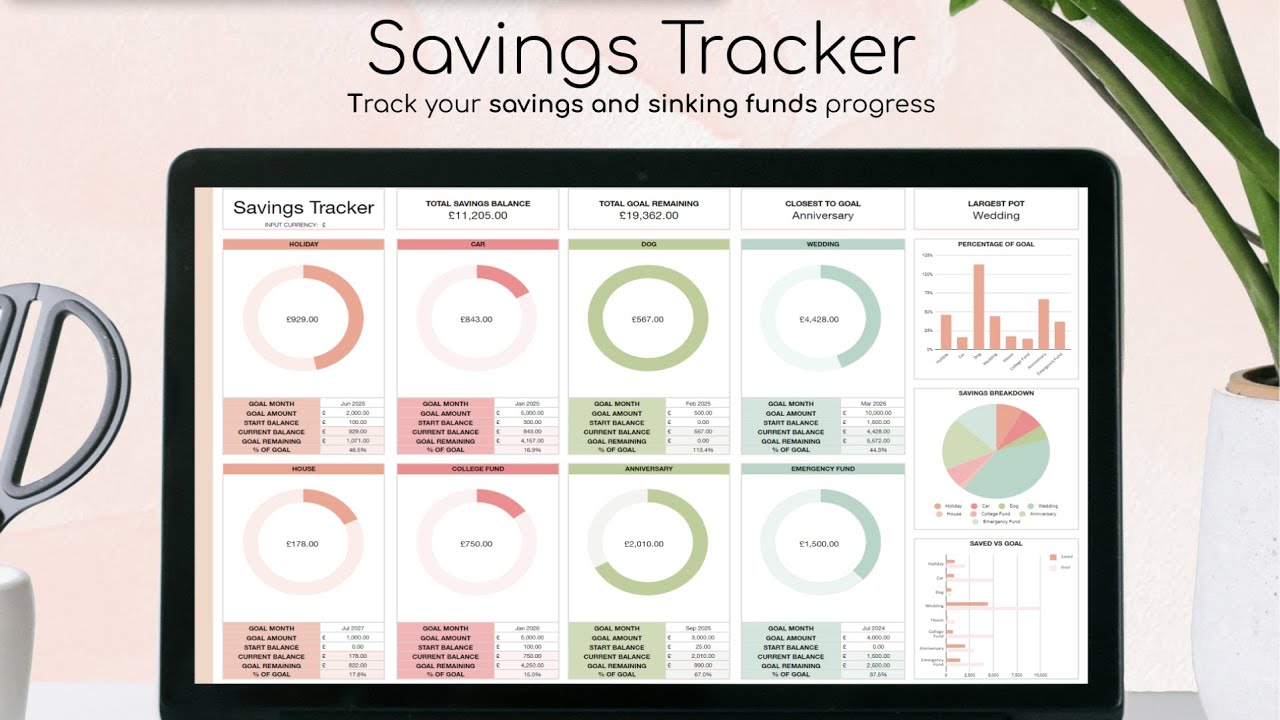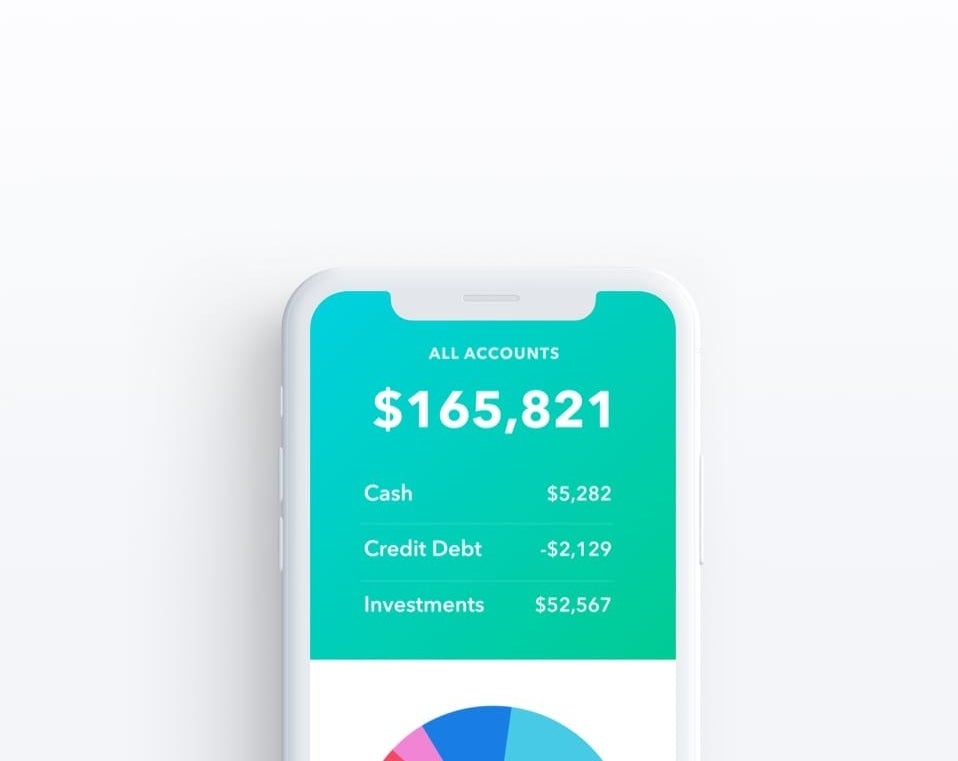
In today’s fast-paced world, managing finances can seem overwhelming, but a budget planner serves as an invaluable tool to simplify the process. By providing a structured way to track income and expenses, it not only helps individuals stay on top of their financial commitments but also empowers them to set and achieve financial goals. Whether you’re looking to eliminate debt, save for a special event, or simply gain peace of mind, a budget planner can make all the difference.
This guide will delve into the myriad benefits of using a budget planner, explore the different types available, and offer practical steps to create and maintain an effective budget. With insights into common pitfalls and motivational strategies, you’ll be well-equipped to take control of your financial future.
The Importance of a Budget Planner in Financial Management
A budget planner is an essential tool in the realm of financial management, aiding individuals in organizing their finances and making informed decisions. By establishing a clear overview of income and expenses, a budget planner serves as a roadmap, steering users away from unnecessary debt and promoting financial freedom.
Effective financial management is not just about tracking expenses; it’s also about understanding one’s financial position. A budget planner helps individuals to create a detailed financial blueprint, highlighting areas where they can cut costs, save money, and allocate funds towards their goals. This structured approach minimizes the likelihood of overspending, as it prompts individuals to plan their purchases thoughtfully.
Psychological Benefits of Using a Budget Planner
Utilizing a budget planner provides significant psychological advantages that contribute to reduced financial stress and improved overall well-being. By having a clear financial plan, individuals can alleviate anxiety associated with money management. The act of creating and adhering to a budget fosters a sense of control over one’s financial situation.
When people feel more in control, they are less likely to succumb to impulsive spending due to emotional triggers. A budget planner can serve as a visual representation of one’s financial health, helping to prevent feelings of overwhelm often associated with financial uncertainty.
“Financial clarity leads to mental clarity.”
Achievable Financial Goals with a Budget Planner
A budget planner not only helps in tracking expenses but also plays a crucial role in setting and achieving various financial goals. By regularly updating and assessing their budget, individuals can prioritize their spending and savings more effectively. Some common goals that can be targeted include:
– Emergency Fund Creation: A budget planner can help allocate funds each month toward building a safety net for unexpected expenses, ensuring financial stability during emergencies.
– Debt Reduction: By organizing monthly payments and identifying areas to cut back on spending, individuals can create a realistic plan to pay down debts such as credit cards or loans.
– Saving for Retirement: A budget planner allows individuals to set aside a specific percentage of their income for retirement accounts, contributing to long-term financial security.
– Purchasing a Home: Budgeting helps in calculating the necessary savings for a down payment, enabling individuals to plan effectively and reach their homeownership goals.
– Travel and Leisure: Distinguishing between essential and non-essential spending allows individuals to allocate funds toward experiences and enjoyment without compromising their financial health.
The integration of a budget planner in daily financial management not only cultivates discipline in spending but also lays the groundwork for future financial aspirations. By achieving these goals, individuals can enhance their quality of life and financial confidence.
Different Types of Budget Planners Available Today
Budget planners have evolved significantly, catering to a wide array of preferences and lifestyles. Whether you prefer going digital or sticking with traditional methods, there is a budget planner that suits your needs. Understanding the different types of budget planners available today can help you choose the one that aligns with your financial goals and personal style.
Budget planners can generally be categorized into three main types: digital apps, spreadsheets, and traditional paper planners. Each type has its unique features, advantages, and potential drawbacks. Here’s an overview of each to help you find the best fit for your budgeting approach.
Digital Budgeting Apps
Digital budgeting apps have gained immense popularity due to their convenience and accessibility. These applications are designed to help users track their spending, set financial goals, and analyze their financial habits.
- Pros:
- Real-time tracking of expenses and income
- Automatic syncing with bank accounts for up-to-date information
- Customizable features that cater to individual needs
- Visual aids such as charts and graphs for easy analysis
- Cons:
- Can be overwhelming for those not tech-savvy
- Potential subscription fees for premium features
- Privacy concerns regarding financial data security
Digital apps are particularly well-suited for tech-savvy individuals who are comfortable with their smartphones or tablets. Users often praise apps like Mint and YNAB (You Need a Budget) for their user-friendly interfaces and comprehensive features. For instance, one user reported, “Mint has transformed how I manage my finances. I love how I can see all my accounts in one place!”
Spreadsheets
Spreadsheets are a versatile option for those who prefer a customizable approach to budgeting. Programs like Microsoft Excel or Google Sheets enable users to create personalized budgeting templates based on their financial needs.
- Pros:
- Highly customizable to match personal preferences
- Free to use if you have access to spreadsheet software
- Suitable for detailed tracking with formulas and functions
- Cons:
- Requires some knowledge of spreadsheet functions for effective use
- Manual entry can be tedious and prone to errors
- Lacks automated features found in dedicated budgeting apps
Spreadsheets are often favored by those who enjoy a hands-on approach to their finances. Users appreciate the flexibility of designing their own budgets. A user shared, “I love how I can modify my spreadsheet whenever my financial situation changes. It feels more personal!”
Traditional Paper Planners
Traditional paper planners remain a popular choice for those who prefer writing things down. These planners come in various formats, from simple notebooks to detailed budgeting journals.
- Pros:
- Physical writing can enhance memory retention
- No reliance on technology or internet access
- Can be aesthetically pleasing and personalized with stickers or drawings
- Cons:
- Requires manual tracking, which can be time-consuming
- Less efficient for tracking real-time expenses
- Physical space may limit the amount of information you can track
Traditional paper planners are often preferred by individuals who enjoy tactile experiences and the act of writing. Users often find it therapeutic and satisfying, with one enthusiast stating, “There’s something calming about writing down my budget. It helps me stay focused on my goals.”
Key Features to Look for in a Budget Planner

A well-designed budget planner can be a game-changer for managing finances. When selecting a budget planner, it’s essential to consider features that not only track expenses but also facilitate goal setting and provide insightful reporting. These functionalities help in achieving financial stability and making informed decisions.
An effective budget planner should encompass a variety of features that cater to the diverse needs of users. These include expense tracking, goal setting, and comprehensive reporting tools. Additionally, the ability to customize options can significantly enhance the user experience, allowing individuals to tailor the planner to fit their unique financial situations.
Essential Features of a Budget Planner
The following essential features should be present in any reliable budget planner, as they contribute to effective financial management:
- Expense Tracking: The ability to log and categorize expenses enables users to see where their money is going and identify areas for improvement.
- Goal Setting: Budget planners should allow users to set financial goals, whether for savings, investments, or debt repayment, providing motivation and direction.
- Reporting Tools: Detailed reports and visualizations help users analyze their spending patterns over time, making it easier to adjust budgets as necessary.
- Customizable Options: Tailoring the planner to individual preferences, such as selecting which categories to track or how to visualize data, enhances user engagement and satisfaction.
- Integration with Financial Accounts: Syncing with bank accounts and credit cards allows for automatic updates and real-time tracking, simplifying the budgeting process.
Comparative Features of Popular Budget Planners
Understanding the differences between various budget planners can aid in making an informed choice. Below is a comparison of popular budget planners based on their features and usability:
| Budget Planner | Expense Tracking | Goal Setting | Reporting Tools | Customizable Options | Integration |
|---|---|---|---|---|---|
| Mint | Yes | Yes | Yes | Limited | Yes |
| YNAB (You Need A Budget) | Yes | Yes | Yes | Highly Customizable | Yes |
| EveryDollar | Yes | Yes | Basic | Moderately Customizable | Limited |
| GoodBudget | Yes | No | Basic | Moderately Customizable | No |
“Choosing the right budget planner is crucial for effective financial management and achieving long-term financial goals.”
Steps to Create an Effective Budget Using a Budget Planner
Creating an effective budget using a budget planner involves a systematic approach that helps you manage your finances better. By following specific steps, you can ensure that you not only track your income and expenses but also make informed decisions about your financial future.
Begin by assessing your total income, which includes your salary, side hustles, or any passive income sources. This initial step provides a clear picture of the money you have available to allocate towards your expenses and savings.
Income Assessment
Start with a comprehensive overview of your income. Document all sources of income to get an accurate estimate of your total monthly earnings. This includes your regular paycheck, freelance income, dividends, and any other monetary inflows.
Total Income = Salary + Freelance Income + Other Income
After calculating your total income, it’s crucial to understand your mandatory expenses, such as rent, utilities, and groceries. This will set the foundation for your budget.
Expense Categorization
Categorizing your expenses helps identify where your money is going. Create different categories for your expenses, ensuring to include both fixed and variable costs. Common categories are:
- Housing (rent/mortgage)
- Utilities (electricity, water, gas)
- Groceries
- Transportation (fuel, public transit)
- Insurance (health, car)
- Savings and Investments
- Discretionary Spending (entertainment, dining out)
Accurate categorization allows you to analyze your spending patterns and make necessary adjustments.
Tracking and Adjusting Your Budget
Maintaining a budget is an ongoing process. Here are some effective tips for tracking and adjusting your budget throughout the month:
1. Regular Check-Ins: Set aside time weekly to review your spending against your budget. This will help you stay within limits and identify areas needing adjustment.
2. Use Budgeting Apps: Leverage technology with budgeting apps that can track expenses in real-time, making it easier to stay accountable.
3. Adjust As Needed: If you find yourself overspending in a category, be flexible and shift funds from other categories or reduce discretionary spending.
4. Review and Reflect: At the end of each month, analyze what worked and what didn’t, allowing you to refine your budgeting strategy for the next month.
Common Pitfalls to Avoid While Creating a Budget
When creating a budget, there are several common pitfalls that can derail your financial planning. Recognizing these will help you stay on track:
“Failing to plan is planning to fail.”
Here are some pitfalls to watch out for:
- Underestimating Expenses
- Not Including Irregular Expenses (e.g., car repairs, medical bills)
- Setting Unrealistic Goals
- Neglecting to Review and Adjust Regularly
- Ignoring Savings and Emergency Funds
By understanding these key steps, tips, and common pitfalls, you can create an effective budget that empowers you to take control of your financial situation.
How to Stay Motivated While Using a Budget Planner
Staying motivated while using a budget planner can be challenging, but it is essential for achieving financial goals and maintaining a sense of control over your finances. Having a clear strategy can help you navigate through the common hurdles that come with budgeting, making the process more enjoyable and less stressful.
To maintain motivation while sticking to your budget, it’s important to set realistic goals and recognize your achievements along the way. Creating a plan that feels manageable can prevent feelings of overwhelm and ensure you stay committed to your financial objectives.
Strategies for Maintaining Motivation
Emphasizing the importance of consistent motivation, here are several strategies to help you adhere to your budget planner effectively:
- Set Achievable Goals: Break down larger financial goals into smaller, actionable steps. For instance, if you aim to save $1,200 in a year, set a monthly saving target of $100. This makes the goal less intimidating and more attainable.
- Track Your Progress: Regularly review your budget and financial goals. Seeing how far you’ve come can boost your motivation and encourage you to keep going. Use tools like graphs or apps that visualize your progress.
- Celebrate Small Wins: Take time to acknowledge your achievements, no matter how minor. Whether it’s sticking to your budget for a week or reaching a saving milestone, celebrate these moments with a small reward, like treating yourself to a low-cost activity.
- Stay Flexible: Life can be unpredictable, so it’s important to adjust your budget as needed. If you encounter unexpected expenses, don’t be discouraged. Adapt your budget rather than abandon it; this shows resilience and commitment.
- Connect with a Community: Surround yourself with like-minded individuals who share similar financial goals. Online forums, social media groups, or local financial workshops can offer support and motivation through shared experiences and advice.
“Budgeting isn’t about limiting yourself—it’s about making the things that excite you possible.” – Unknown
By incorporating these strategies into your budgeting practice, you can foster a lasting motivation that will guide you toward financial stability and success.
The Role of Budget Planners in Saving for Major Life Events
Budget planners play a crucial role in helping individuals prepare for significant life events that require substantial financial resources. Whether it’s planning for a wedding, a dream vacation, or purchasing a new home, effective budgeting can turn these aspirations into reality without jeopardizing one’s regular financial commitments. By mapping out expenses and creating a clear financial strategy, budget planners enable clients to allocate funds wisely and achieve their goals within their means.
Budget planners assist in making informed decisions about saving for major life events by analyzing current finances and identifying areas where savings can be generated. They can suggest tailored saving strategies that consider both short-term needs and long-term financial health. This structured approach ensures that individuals can enjoy significant milestones without the stress of financial strain.
Strategies for Allocating Funds for Major Life Events
To effectively save for major life events, creating a dedicated savings plan is essential. Here are actionable steps to consider:
1. Establish Clear Goals: Define the specific life event and its expected costs. For example, a wedding may require a budget of $20,000, while a down payment on a home could be $50,000.
2. Create a Separate Savings Account: Open a high-yield savings account specifically for the event. This helps in tracking progress and reduces the temptation to spend the funds on everyday expenses.
3. Set a Timeframe: Determine how long you have to save. If planning a wedding in two years, set monthly savings targets based on the total required amount.
4. Analyze Monthly Expenses: Review your current budget to identify discretionary spending that can be reduced. For instance, cutting back on dining out could free up an additional $200 each month, which can then go towards the savings goal.
5. Automate Savings: Set up automatic transfers from your checking account to the savings account. Automating savings makes it easier to build funds without having to think about it.
6. Look for Additional Income Opportunities: Consider side gigs or freelance work to boost your income specifically for the event. For example, utilizing skills like photography or writing can generate extra cash.
7. Track Progress Regularly: Revisit your savings plan monthly to ensure you’re on track. Adjust your budget as necessary based on any changes in income or expenses.
“Budgeting for significant life events is a journey; staying committed to the plan can lead to financial freedom and peace of mind.”
Real-life scenarios provide insight into the effectiveness of these strategies. For example, Sarah and Tom wanted to save for their wedding. They set a budget of $15,000 and planned to marry in 18 months. By identifying areas to cut back, such as reducing their entertainment expenses and cooking at home more often, they managed to save $500 monthly. Additionally, they took on freelance graphic design work during weekends, which contributed an extra $300 monthly to their wedding fund. Through diligent planning and commitment, they successfully reached their goal and celebrated their wedding without debt.
Another example is Michael, who aimed to purchase his first home. With a target of $40,000 for a down payment, he created a robust savings plan over five years. By opening a dedicated savings account and setting up automated monthly transfers of $600, he could closely monitor his progress. Meanwhile, he picked up a part-time job, allowing him to save up an extra $2,000 annually. By keeping track of his budget and making informed financial decisions, Michael successfully bought his home with ease.
These examples illustrate that with effective budgeting and planning, major life events can be financially manageable, allowing individuals to focus on enjoying their milestones rather than worrying about finances.
Common Mistakes to Avoid When Using a Budget Planner
Budgeting is an essential skill that can lead to financial stability and freedom. However, many people make common mistakes when using budget planners, which can derail their financial goals. Understanding these pitfalls and learning how to avoid them is crucial for effective budgeting.
One frequent mistake is not tracking all expenses accurately. Many people tend to overlook small purchases, believing they don’t impact their overall budget significantly. However, these small expenses can add up quickly and lead to overspending. To avoid this, diligently record every transaction, no matter how minor. Another common error is setting unrealistic goals. When budgets are not aligned with income and expenses, frustration can ensue, leading to abandonment of the budgeting process altogether. It’s vital to set attainable financial goals based on realistic assessments of your income and spending habits.
Common Budgeting Errors and Rectification Steps
Understanding prevalent budgeting errors can help individuals make informed decisions and correct their paths. Below are some of the most common mistakes along with corrective measures:
- Ignoring Variable Expenses: Many budgeters focus solely on fixed expenses, neglecting variable costs like groceries and entertainment. This can lead to unexpected financial shortfalls. To correct this, include a buffer or estimate for these variable expenses in your budget.
- Failure to Review the Budget Regularly: A budget is not a one-time setup; it needs regular reviews. If spending patterns change, the budget should be adjusted accordingly. Set monthly reviews to assess and realign your budget with your current situation.
- Not Including Savings Goals: Some individuals forget to allocate funds for savings within their budget. This can hinder long-term financial growth. Make sure to treat savings as a non-negotiable expense, just like rent or utilities.
- Overestimating Income: Anticipating additional income that is not guaranteed can lead to overspending. Always base your budget on fixed income sources and treat any extra income as a bonus rather than a foundation.
A case study illustrates the impact of a common budgeting error. Consider Sarah, who consistently exceeded her monthly budget due to underestimating her grocery expenses. After a few months of frustration, Sarah decided to analyze her spending. She discovered that her weekly grocery runs were considerably higher than her planned amount.
To rectify this, she implemented a meal planning strategy, which allowed her to create a shopping list that aligned better with her budget. Additionally, she began using a budgeting app that provided real-time expense tracking, ensuring she remained aware of her spending throughout the month. By making these adjustments, Sarah not only stayed within her grocery budget but also found herself saving more for her future goals.
Accurate tracking and regular reviews are vital for successful budgeting.
Integrating Budget Planning with Financial Goals
Aligning your budget planner with long-term financial goals is crucial for ensuring that your financial aspirations are met. Whether you are saving for retirement, funding your children’s education, or investing for future wealth, an integrated approach can lead to better decision-making and successful outcomes. By viewing your budget as a dynamic tool rather than a static plan, you can adjust your financial strategy as your goals evolve over time.
Effective budgeting requires not only tracking your income and expenses but also aligning these with your broader financial objectives. Setting clear financial goals is the first step, followed by regular reviews to adapt your budgeting strategies as necessary. This proactive approach ensures that your financial roadmap remains relevant and aligned with your life changes and milestones.
Setting and Revising Financial Goals
Establishing and revising financial goals is essential for a cohesive budget. Here’s a structured approach to ensure your goals and budget work hand-in-hand:
1. Define Your Financial Goals: Start by identifying specific, measurable, achievable, relevant, and time-bound (SMART) goals. For instance, saving $500,000 for retirement by the age of 65, or accumulating $100,000 for your children’s education by the time they reach 18.
2. Prioritize Your Goals: Different goals may require varying levels of funding and timelines. Prioritize them based on urgency and importance, which will help you allocate resources effectively.
3. Develop a Budget Plan: Calculate how much you need to save monthly to reach each goal. This could involve adjusting discretionary spending, increasing income, or reallocating existing savings.
4. Regularly Review and Adjust: Financial landscapes change, so it’s essential to revisit your goals and budget every few months. Be prepared to adjust your budget to reflect new priorities or changes in income.
5. Use a Goal-Tracking Tool: Consider utilizing budgeting software or trackers that help visualize your progress towards each financial goal.
To offer clarity regarding different types of financial goals and the corresponding budgeting strategies, the following table summarizes suggested approaches:
| Financial Goal | Suggested Budgeting Strategy |
|---|---|
| Retirement Savings | Allocate 15-20% of your income monthly into retirement accounts; consider employer matches. |
| Children’s Education Fund | Set up a 529 Plan and contribute regularly, aiming for consistent monthly deposits. |
| Home Purchase | Save for a down payment by creating a dedicated savings account and automating monthly transfers. |
| Emergency Fund | Strive for 3-6 months’ worth of living expenses; allocate a small percentage of income until the goal is reached. |
| Investment Goals | Dedicate a portion of monthly savings to various investments, such as stocks or mutual funds, based on risk tolerance. |
“Integrating your budget with your financial goals transforms your approach to saving and spending, making every dollar work toward your future.”
The Impact of Technology on Budget Planning
Technological advancements have dramatically reshaped the landscape of budget planning, transitioning from manual record-keeping to sophisticated digital platforms. These tools not only streamline the budgeting process but also enhance accuracy and accessibility, allowing users to manage their finances with greater ease and efficiency.
The shift from traditional budgeting methods to technology-driven solutions has resulted in notable improvements in how individuals and businesses approach financial planning. Digital budgeting tools offer features like automated tracking of expenses, real-time updates, and the ability to visualize financial data through graphs and charts.
Transformation of Budgeting Methods
The evolution of budgeting methods has brought about several key enhancements, making it easier for users to maintain control over their finances. Here are some of the pivotal changes brought forth by technology:
- Increased Efficiency: Automated systems reduce the time spent on manual calculations and data entry, allowing users to focus on analyzing their finances rather than just recording them.
- Real-time Tracking: Digital budgeting solutions enable users to receive immediate updates on their spending habits, fostering proactive financial management.
- Accessibility: Cloud-based platforms provide access to financial information from anywhere, making it easier to monitor budgets on-the-go.
- Enhanced Visualization: Users can benefit from visual representations of their data, such as pie charts and bar graphs, which simplify complex financial information.
- Integration with Banking Systems: Many budgeting tools can sync directly with bank accounts, allowing for automatic tracking of transactions, which improves accuracy.
Potential Risks and Rewards
While technology offers numerous advantages, it also presents certain risks that users should be mindful of. Understanding these factors is essential in maximizing the benefits of digital budgeting tools while minimizing potential downsides.
The integration of technology in budgeting introduces both opportunities for improved financial management and risks related to data security.
The rewards of utilizing technology in budget planning include:
- Improved Accuracy: Automation reduces human error, leading to more reliable financial data.
- Customization: Many applications allow users to tailor features to their specific needs, enhancing the budgeting experience.
- Collaboration Features: Some platforms enable shared access, allowing families or business partners to collaborate on budgeting efforts.
However, the risks associated with these technologies must also be considered:
- Data Security Concerns: Storing sensitive financial information online may expose users to data breaches if proper security measures are not in place.
- Dependency on Technology: Users may become overly reliant on digital solutions, which can be problematic if technical issues arise.
- Complexity of Features: Some platforms may offer so many features that they become overwhelming or confusing for users, potentially leading to mismanagement.
User Experiences in Transitioning
Many users who have transitioned from traditional budgeting methods to digital solutions report a significant improvement in their financial management processes. They often describe their experiences as liberating, noting that digital tools allow for more flexibility and adaptability in managing their budgets.
A common sentiment among users is the ease with which they can track their spending and make adjustments in real-time. For example, a user who previously relied on spreadsheets found that a budgeting app provided alerts for overspending, which helped them stay within their financial limits. Another user mentioned that the visualizations offered by their budgeting tool made it easier to identify spending patterns and adjust habits accordingly.
In summary, the impact of technology on budget planning has been profound, bringing both significant rewards and challenges. As users embrace these digital solutions, they continue to navigate the evolving landscape of financial management with a keen understanding of both the tools at their disposal and the risks involved.
Budget Planner Resources for Beginners
Starting a budgeting journey can feel overwhelming for many individuals. However, with the right resources and tools, beginners can set a solid foundation for their financial future. There are numerous options available today that cater specifically to those new to budgeting, making this process more accessible and less daunting.
Financial literacy programs and workshops play a crucial role in enhancing budgeting skills. These initiatives provide structured learning environments where individuals can gain knowledge about managing money, understanding expenses, and creating effective budgets. Participants can benefit from expert guidance, interactive activities, and real-world applications of budgeting principles.
Key Resources and Tools for Budgeting
A variety of resources can assist beginners in their budgeting journey. These tools can simplify the budgeting process and provide valuable insights into spending habits. Here are some essential resources:
- Budgeting Apps: Applications like Mint, YNAB (You Need A Budget), and PocketGuard help users track expenses, set budgets, and monitor financial goals in real-time.
- Online Courses: Websites such as Coursera and Udemy offer comprehensive courses on personal finance and budgeting, enabling learners to study at their own pace.
- Financial Blogs and Websites: Popular sites like The Simple Dollar and NerdWallet provide articles, tips, and tools for effective budgeting and financial planning.
- Books on Budgeting: Titles like “The Total Money Makeover” by Dave Ramsey and “You Are a Badass at Making Money” by Jen Sincero offer insights and practical advice for budgeting beginners.
- Community Workshops: Local non-profits and community centers often host free or low-cost workshops that cover budgeting basics and provide personalized assistance.
These resources equip individuals with the knowledge and tools necessary to take control of their finances effectively.
Benefits of Financial Literacy Programs and Workshops
Financial literacy programs and workshops specifically designed to focus on budgeting skills present numerous advantages. These benefits include:
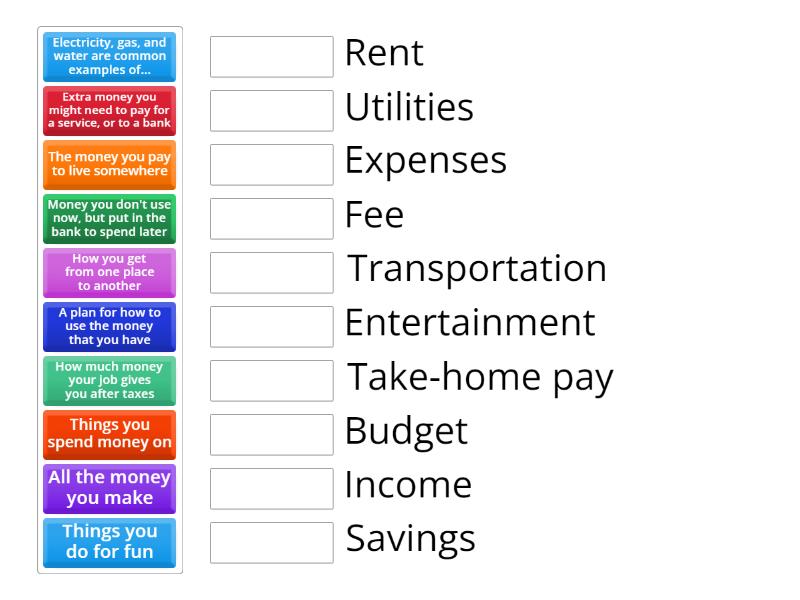
- Improved Understanding of Financial Concepts: Participants gain knowledge about key financial principles, including income, expenses, savings, and debt management.
- Hands-On Experience: Workshops often provide practical exercises that allow participants to apply what they learn in real-life scenarios.
- Networking Opportunities: Attendees can connect with others who share similar financial goals, fostering a supportive community.
- Access to Expert Advice: Many programs offer access to financial advisors or trainers who can answer questions and provide personalized guidance.
Engaging in these programs allows individuals to build confidence in their budgeting abilities and positively impacts their overall financial health.
Testimonials from Individuals Who Transformed Their Finances
Numerous individuals have successfully transformed their financial situations by utilizing budgeting resources and participating in financial workshops. Here are some inspiring testimonials:
- Emily, 29: “After attending a local budgeting workshop, I learned how to track my expenses effectively. I created a budget that helped me save for my first home. It changed my life!”
- Jason, 34: “Using the YNAB app was a game-changer for me. It helped me see where my money was going, and I was able to pay off $10,000 in debt within a year.”
- Samantha, 41: “The online course I took on budgeting made me realize how simple budgeting can be. I now have clear financial goals and a solid plan to achieve them.”
These testimonials highlight the transformative impact of utilizing the right resources and actively participating in financial literacy programs. Many individuals have discovered newfound financial freedom, enabling them to pursue their dreams and secure their financial futures.
Closing Notes
Ultimately, embracing a budget planner is about more than just numbers; it’s about cultivating a healthier relationship with your finances. By understanding the importance of budgeting and implementing the right strategies, you can navigate life’s financial challenges with confidence and clarity. Remember, achieving financial success is a journey, and with the right tools, you’re already on the right path.
FAQ Corner
How often should I update my budget planner?
It’s best to review and update your budget planner at least once a month to reflect any changes in income or expenses.
Can a budget planner help with irregular income?
Yes, budget planners can be customized to accommodate irregular income by setting aside funds during high-earning months for leaner times.
What if I go over my budget?
Going over budget is common; analyze the reasons and adjust your budget or spending habits accordingly for the future.
Are digital budget planners better than paper ones?
It depends on personal preference; digital planners offer convenience and automation, while paper planners may provide a tactile experience that some users prefer.
What features should I prioritize in a budget planner?
Focus on features like expense tracking, goal setting, and ease of use that align with your specific budgeting needs.