 Matthew David
Cleaning apps have transformed the way we manage our household chores, making our lives more organized and efficient. These digital tools, which have evolved significantly over the years, offer a range of features tailored to meet various cleaning needs—whether it’s scheduling, reminders, or integrating with smart home devices.
From their humble beginnings to the sophisticated platforms we see today, cleaning apps have made it easier to maintain cleanliness in our homes. With user-friendly interfaces and smart technology, these apps not only streamline daily routines but also enhance overall household management, adapting to the demands of modern living.
The evolution of cleaning apps in modern households

The rise of cleaning apps represents a significant shift in how households manage cleanliness and organization. With advancements in technology, particularly the proliferation of smartphones and internet connectivity, cleaning apps have emerged as practical tools for enhancing household efficiency. These apps have evolved from simple task lists to comprehensive platforms that offer a variety of features tailored to meet diverse user needs.
The historical context of cleaning apps can be traced back to the early 2000s when basic task management applications began to surface. As mobile technology advanced, app development transitioned from basic functionalities to more complex integrations, including reminders, scheduling, and even smart home connections. Major milestones in this evolution include the introduction of cloud computing, which enabled users to access their cleaning schedules from multiple devices, and the rise of user-friendly interfaces that made it easier for people of all ages to adopt these technologies.
Popular cleaning apps and their unique features
Numerous cleaning apps have gained popularity due to their unique features, catering to various user needs and preferences. Here are some of the most notable ones:
- TaskRabbit: This app connects users with local cleaning professionals. Its unique feature is the ability to schedule tasks on-demand, allowing for immediate assistance whenever needed.
- Cleanify: Cleanify helps users compare cleaning services in their area. Its standout feature is the curated list of vetted professionals, ensuring quality and reliability for household cleaning.
- OurHome: This family-oriented app not only helps manage cleaning tasks but also includes a chore tracking system that promotes accountability among family members. Its gamification elements encourage participation by rewarding points for completed tasks.
- Homezada: This app focuses on overall home management, integrating cleaning tasks with home improvement projects and maintenance schedules. Its unique feature lies in its comprehensive approach to household management.
The impact of cleaning apps on daily routines and household management has been profound, as many users report enhanced organization and reduced stress levels. By streamlining tasks, these apps allow homeowners to allocate their time more efficiently. Users have noted an increase in productivity, as they can easily delegate chores or set reminders for regular cleaning activities.
“Cleaning apps have not only simplified my routine but have also made it more enjoyable by turning chores into manageable tasks.”
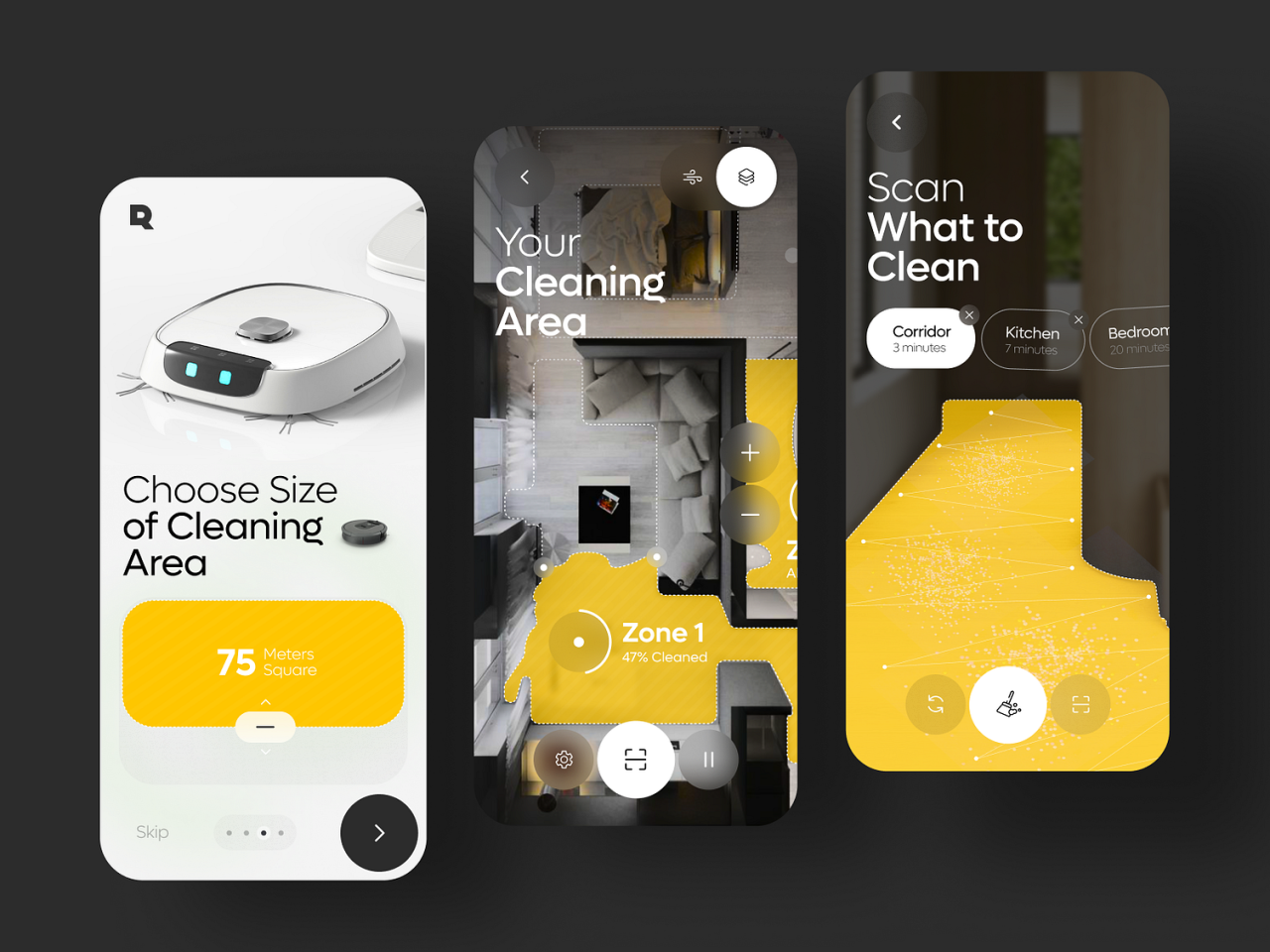
The integration of smart home technology with cleaning apps has further transformed household dynamics. With features that allow users to control devices such as robotic vacuums or washing machines remotely, these apps have made cleaning less of a chore and more of an automated process. Overall, the evolution of cleaning apps reflects a broader trend towards digital solutions in home management, significantly enhancing the way households operate.
Features that make cleaning apps effective for users
Cleaning apps have transformed the way individuals approach household chores, bringing convenience and efficiency to the forefront of daily cleaning tasks. These applications not only streamline the cleaning process but also enhance user engagement through innovative features. By centralizing various cleaning tasks and providing user-friendly interfaces, cleaning apps are becoming essential tools in modern households.
One of the key aspects that contribute to the effectiveness of cleaning apps is their comprehensive feature set designed to improve user experience and operational efficiency. Successful cleaning apps integrate functionalities that cater to diverse user needs and preferences.
Key Features of Cleaning Apps
A robust set of features can significantly enhance the value of cleaning apps. Here are some essential features that users find beneficial:
- Task Scheduling: Users can create and schedule cleaning tasks according to their routines, ensuring that no task is overlooked.
- Progress Tracking: Many cleaning apps provide real-time updates on task completion, allowing users to monitor their cleaning efforts easily.
- Customizable Checklists: Users can personalize cleaning checklists, adapting them to specific cleaning needs, whether it’s a quick tidying up or a deep clean.
- Interactive Tutorials: In-app tutorials guide users through various cleaning techniques and provide tips, making the cleaning process more efficient.
- Feedback and Ratings: Users can rate their cleaning experiences, offering valuable feedback that app developers can use to improve functionality.
Usability Comparison of Cleaning Apps
When examining the usability of various cleaning apps, several factors come into play, particularly design, interface, and accessibility. A well-designed app can significantly affect user satisfaction and engagement.
Cleaning apps often cater to a wide demographic, necessitating an intuitive interface that accommodates users of all ages and tech-savvy levels. A user-friendly design typically includes:
- Simple Navigation: Clear pathways and menus reduce confusion, allowing users to access different features easily.
- Visual Appeal: Aesthetic design enhances user experience, making the app enjoyable to use.
- Accessibility Features: Options such as voice commands and adjustable text sizes ensure that individuals with disabilities can utilize the app effortlessly.
- Multilingual Support: Offering multiple languages can widen the user base, making the app more accessible to non-native speakers.
Integration of Smart Home Technology
The integration of smart home technology into cleaning apps has revolutionized the cleaning process by enhancing overall efficiency. Smart home devices, such as robotic vacuums and smart speakers, can be synchronized with cleaning apps for seamless operation.
This integration allows users to automate their cleaning schedules and control devices remotely. The benefits include:
- Automated Cleaning: Users can set their robotic vacuums to clean at specified times, ensuring that floors are consistently maintained without manual effort.
- Real-Time Monitoring: Users can receive notifications and updates on cleaning progress directly to their smartphones, providing peace of mind while away from home.
- Energy Efficiency: Smart technology optimizes cleaning processes, often using less energy than traditional cleaning methods.
- Enhanced Customization: Users can customize cleaning patterns and specify areas to avoid, allowing for a more tailored cleaning experience.
“Smart home integration not only simplifies the cleaning process but also empowers users with control and flexibility.”
The role of user feedback in shaping cleaning app development
User feedback plays a pivotal role in the development of cleaning apps, acting as a catalyst for refinement and enhancement. As the digital landscape becomes increasingly competitive, developers recognize that insights from users can lead to more effective and user-friendly applications. Embracing feedback enables developers to address pain points and introduce new features tailored to user needs, ultimately improving the overall experience and satisfaction.
User reviews and ratings serve as critical metrics for assessing the success of an app. Positive feedback can highlight effective features, while constructive criticism often reveals areas that require improvement. Gathering and analyzing user feedback helps developers prioritize functionalities, fix bugs, and identify trends that influence future updates. This iterative process fosters a culture of continuous improvement, ensuring that the app remains relevant and efficient.
Case studies of successful adaptation based on user input
Numerous cleaning apps have successfully evolved by incorporating user feedback into their design and functionality. A few notable examples illustrate the power of user engagement in shaping app development:
- Cleaning Master: This app leveraged user feedback to introduce a more intuitive interface. Users highlighted difficulties navigating the original design; developers responded by simplifying the dashboard and integrating customizable cleaning options, resulting in a significant increase in user satisfaction scores.
- HomeCleaning: By closely monitoring reviews, HomeCleaning identified recurring requests for a scheduling feature. The development team implemented this feedback, allowing users to set reminders for regular cleaning tasks. Post-update surveys indicated a marked improvement in user retention and engagement.
- Cleanify: After receiving feedback about the lack of multi-device synchronization, Cleanify’s developers prioritized this feature in their next update. By facilitating seamless access across devices, user ratings increased dramatically, reflecting enhanced user experience.
The iterative design process in these cases illustrates how user feedback can directly influence app functionalities. Each of these examples showcases the importance of actively listening to users and adapting accordingly to meet their evolving needs.
Comparative analysis of apps based on user engagement
Examining cleaning apps with varying levels of user engagement reveals a clear relationship between feedback and app performance. The following insights highlight this correlation:
| App Name | User Engagement Level | Average Rating | Feedback Adaptation |
|---|---|---|---|
| QuickClean | High | 4.8/5 | Implemented user-suggested features promptly, resulting in consistent positive reviews. |
| Spotless | Moderate | 3.5/5 | Delayed response to feedback led to stagnation in user growth and engagement. |
| DustAway | Low | 2.9/5 | Ignored user feedback, resulting in declining user satisfaction and high uninstall rates. |
This comparative analysis underscores that apps which actively integrate user feedback generally achieve higher ratings and better user retention. As a result, fostering a community where users feel heard not only enhances app functionalities but also strengthens brand loyalty. As cleaning apps continue to evolve, the incorporation of user feedback will remain essential for success in an ever-changing market.
Strategies for marketing cleaning apps to target audiences
The successful marketing of cleaning apps requires a keen understanding of the target audience and the channels that resonate with them. With the increasing reliance on technology for daily tasks, cleaning apps have the potential to capture significant market attention. By focusing on effective marketing strategies, developers can enhance visibility and user engagement.
Understanding which marketing channels are most effective for cleaning apps is essential. These can include social media platforms, search engine marketing, and partnerships with influencers in relevant niches. Each channel offers unique ways to connect with potential users and showcase the app’s benefits.
Effective marketing strategies tailored for cleaning apps
Focusing marketing efforts on the right channels ensures that the app reaches its intended audience effectively. The following strategies can be employed to enhance the visibility and appeal of cleaning apps:
- Social Media Marketing: Platforms like Instagram, Pinterest, and Facebook are ideal for visually showcasing cleaning tips, before-and-after transformations, and user testimonials. Regular posts and engaging stories can create a community around the app.
- Content Marketing: Producing valuable content such as blogs, videos, and infographics related to cleaning hacks and home organization offers informative resources that can attract potential users to the app’s website.
- Influencer Partnerships: Collaborating with influencers who focus on home decor, lifestyle, or cleaning can amplify the app’s reach. Influencers can create authentic content that demonstrates the app’s unique features and benefits.
- Search Engine Optimization (): Optimizing the app’s website and content for search engines increases the chances of being discovered by users searching for cleaning solutions. Incorporating relevant s and phrases is crucial.
- Email Marketing: Building an email list allows for direct communication with users, providing updates, promotions, and tips that encourage app engagement and retention.
Promotional campaign plan highlighting unique selling points
Implementing a promotional campaign that emphasizes the app’s unique features is vital for attracting users. The campaign can focus on the following aspects:
- User-Friendly Interface: Highlight how easy it is to navigate the app and schedule cleaning tasks, which can be showcased through engaging video tutorials on social media.
- Customizable Cleaning Plans: Promote the app’s ability to create tailored cleaning schedules based on individual preferences and home layouts, appealing to users’ needs for personalization.
- Eco-Friendly Cleaning Solutions: If applicable, emphasize sustainable cleaning practices within the app, attracting environmentally conscious users.
- Customer Reviews and Testimonials: Sharing positive user experiences and ratings can build trust and credibility, encouraging more downloads.
Integrating social media campaigns with influencer partnerships can enhance the campaign’s reach. For instance, running a contest on Instagram where users share their cleaning successes using the app could encourage engagement and drive downloads.
Demographic analysis for targeted marketing efforts
A thorough demographic analysis can vastly improve the effectiveness of marketing campaigns for cleaning apps. Understanding target demographics allows marketers to tailor content and messaging to resonate with specific groups. Key aspects include:
- Age Group: Younger audiences may prefer tech-savvy features, while older users may value simplicity and ease of use.
- Geographic Location: Tailoring promotions and features based on regional preferences and cleaning challenges can lead to higher engagement rates.
- Lifestyle Preferences: Identifying users focused on sustainability, convenience, or time-saving solutions enables the marketing team to craft targeted messages that align with their values.
Incorporating demographic research into marketing strategies ensures that the campaigns are relevant and effectively reach potential users. By addressing the specific needs and preferences of various segments, cleaning apps can enhance user acquisition and retention rates.
The future of cleaning apps in a post-pandemic world
As society transitions into a post-pandemic era, the expectations around cleanliness and hygiene have dramatically shifted. Consumers are now more aware of the importance of maintaining a clean environment, not just for appearances but for their health and safety. Cleaning apps are poised to adapt to these evolving consumer behaviors by incorporating features that prioritize hygiene, convenience, and sustainability.
The pandemic has instigated a notable change in consumer behaviors towards cleanliness and hygiene. People are increasingly seeking services that provide deep cleaning and disinfecting, reflecting a heightened awareness of germs and viruses. Cleaning apps can capitalize on this trend by introducing features that allow users to easily schedule and customize cleaning services according to their specific hygiene needs.
Emerging technologies and innovations in cleaning apps
Innovations in cleaning app technology are likely to arise in response to ongoing public health concerns. These advancements can enhance both user experience and service efficiency. Future cleaning apps may include:
- Real-time sanitization tracking: Apps could provide users with updates on the cleaning process, including details on the products used and areas that were sanitized, addressing consumer concerns about transparency.
- Integration of AI for personalized services: Utilizing artificial intelligence, apps can analyze user habits and preferences to suggest tailored cleaning schedules and services that meet specific hygiene standards.
- Partnerships with cleaning product manufacturers: Collaborations with eco-friendly brands could allow users to access products that are effective against viruses while also being safe for the environment, promoting both health and sustainability.
- Augmented reality (AR) features: Incorporating AR could enable users to visualize cleaning results in their space before booking services, enhancing user confidence in the cleaning process.
The integration of these features not only responds to heightened hygiene awareness but also positions cleaning apps as essential tools in maintaining a healthy living environment.
Sustainability practices among cleaning apps
As consumer awareness expands beyond hygiene to include environmental responsibility, cleaning apps must prioritize sustainability. Several practices can support this trend:
- Utilization of eco-friendly cleaning products: Many cleaning apps are now offering services that exclusively use biodegradable and non-toxic cleaning agents, ensuring that both homes and the planet remain safe.
- Carbon-neutral operations: Some apps have begun to offset their carbon footprint through various initiatives, such as employing electric vehicles for transportation and supporting reforestation efforts.
- Encouraging recycling and waste reduction: Cleaning services can encourage clients to recycle used cleaning supplies and utilize refillable products, promoting a circular economy.
By adopting sustainable practices, cleaning apps not only fulfill the growing consumer demand for eco-friendly solutions but also contribute significantly to environmental conservation efforts.
“Cleaning apps are not just tools for hygiene; they are becoming integral players in the movement towards a more sustainable future.”
User education and support in utilizing cleaning apps effectively
Cleaning apps are revolutionizing the way we maintain our homes, making it easier than ever to manage tasks and keep spaces tidy. However, for first-time users, navigating these digital tools can be a bit overwhelming. Providing effective education and support will empower users to maximize the functionality of their chosen cleaning app and enhance their overall experience.
To ensure users can fully leverage cleaning apps, it is crucial to provide a comprehensive guide outlining best practices. This guide should include practical tips tailored for beginners as well as advanced features for experienced users. A well-structured approach will lead to greater satisfaction and loyalty among users.
Best practices for first-time users
Understanding the basic functionalities of cleaning apps can significantly enhance user experience. Here are some best practices that first-time users should consider:
- Thoroughly explore the app: Take time to familiarize yourself with the app’s interface, settings, and features. This exploration helps in identifying useful tools for personal cleaning needs.
- Create a personalized cleaning schedule: Leverage the app’s scheduling feature to create a tailored cleaning routine that fits your lifestyle. Consistency leads to better results.
- Utilize reminders: Set up reminders for cleaning tasks to ensure nothing is overlooked. This feature helps maintain your cleaning regimen and promotes accountability.
- Explore tutorials: Many cleaning apps offer tutorial videos or sections. Engaging with these resources can provide valuable insights into maximizing the app’s potential.
- Provide feedback: Utilizing feedback features helps developers improve the app and can lead to enhancements that benefit all users.
Ongoing support and resources play a pivotal role in aiding users to resolve issues and learn new features. It is essential to establish a multi-faceted support system that caters to a variety of user needs.
Ongoing support and resources
Providing ongoing support ensures users feel confident and capable while using cleaning apps. Here are some effective methods to offer continual assistance:
- Comprehensive FAQs: Develop a detailed FAQ section that addresses common queries users might have. This proactive approach can preempt many support requests.
- Live chat support: Implementing live chat options allows users to get immediate assistance. Quick resolutions enhance user satisfaction and usability.
- Email support: Offer an email support system for users who prefer written communication. Ensure timely responses to maintain engagement.
- Regular updates and newsletters: Keep users informed about new features or improvements through newsletters. This encourages users to explore new functionalities.
- In-app notifications: Utilize notifications to alert users about feature updates, tips, or helpful reminders relevant to their cleaning routines.
Encouraging user engagement within a community fosters a supportive environment where users can share experiences and insights about cleaning apps. This community-driven approach enhances user satisfaction and retention.
Community engagement plan
A well-organized community engagement plan is invaluable for nurturing relationships among users. Here are some ideas to facilitate interaction and sharing:
- Online forums or social media groups: Create dedicated spaces where users can discuss tips, share successes, and ask questions about the app.
- User contests and challenges: Organizing monthly challenges—such as ‘Clean Room of the Month’—can motivate users to engage and showcase their cleaning achievements.
- Webinars and workshops: Host live sessions where users can learn about advanced features, best practices, and even get advice from cleaning experts.
- Success stories: Highlight user testimonials and success stories in newsletters and on social media to inspire others and foster a sense of community.
- Feedback sessions: Regularly invite users to share their thoughts on app usability and new features in open forums, encouraging a collaborative atmosphere.
The combination of user education, ongoing support, and community engagement creates a robust framework that enhances the user experience with cleaning apps, ensuring that users feel empowered, informed, and connected.
Conclusion
As we look to the future, cleaning apps are poised to become even more integral to our daily lives. With ongoing technological advancements and an increasing focus on hygiene, these applications will continue to evolve, offering innovative solutions that cater to our ever-changing needs. Embracing these tools not only maximizes efficiency but also helps create a cleaner, healthier home environment.
FAQ Summary
What are the best cleaning apps available?
Some of the most popular cleaning apps include Cleanify, TaskRabbit, and Tody, each offering unique features to assist with household cleaning.
Are cleaning apps easy to use for everyone?
Yes, most cleaning apps are designed with user-friendly interfaces, making them accessible for various demographics, including those who may not be tech-savvy.
Can cleaning apps help with organizing chores?
Absolutely! Cleaning apps often include features for scheduling and tracking tasks, which can help users stay organized and manage their cleaning schedules effectively.
Do cleaning apps integrate with smart home devices?
Many cleaning apps do integrate with smart home technology, allowing users to control devices like robotic vacuums or smart cleaning systems directly through the app.
How can I provide feedback on a cleaning app?
Most cleaning apps have built-in feedback options or direct links to customer support where users can share their experiences and suggestions for improvement.