
 Matthew David
Kicking off with Daily vitamin for teenagers, it’s crucial to understand how these vital nutrients support the growth and development of adolescents. As teenagers experience rapid physical and mental changes, their bodies require a unique blend of vitamins to keep pace with their evolving needs.
This journey through teenage nutrition emphasizes the importance of not only a balanced diet but also the role of daily vitamin supplements. They can provide a backup to ensure that teens receive the essential nutrients required for their health and well-being.
Understanding the Nutritional Needs of Teenagers
Teenagers experience a unique phase of growth and development that significantly influences their nutritional requirements. As they transition from childhood to adulthood, their bodies demand more nutrients to support not just physical growth, but also cognitive and emotional development. This is a crucial time when the right dietary choices can lay the groundwork for a healthy future.
During adolescence, the body undergoes rapid changes, including increased muscle mass, changes in body composition, and the onset of menstruation in girls. These shifts necessitate an increase in caloric intake, as well as a greater focus on specific nutrients. Daily vitamin intake can serve as a valuable complement to a teenager’s diet, ensuring that they receive essential nutrients that may be lacking due to dietary preferences or lifestyle choices.
Important Vitamins for Teenagers
A well-rounded diet is fundamental for teenagers, but certain vitamins play particularly critical roles during this developmental stage. Here are key vitamins that are especially important for teens:
- Vitamin D: Essential for bone health, vitamin D aids in calcium absorption. Adequate levels can help prevent osteoporosis later in life.
- Vitamin A: Vital for vision, immune function, and skin health, vitamin A supports overall growth and development.
- Vitamin C: Important for immune health and collagen production, vitamin C can help in healing and maintaining healthy skin.
- B Vitamins: A group of vitamins including B6, B12, and folic acid, which are vital for energy production, red blood cell formation, and brain health.
Incorporating these vitamins into daily meals can enhance overall health and support the critical changes that occur during the teenage years. It is important for teens to consume a balanced diet rich in fruits, vegetables, whole grains, and lean proteins, while also considering vitamin supplementation when necessary. By making informed dietary choices, teens can ensure that their bodies receive the nutrients they need to thrive during this essential growth period.
The Role of Vitamins in Teenage Health
Teenage years are marked by significant physical and emotional growth, making the intake of essential vitamins crucial for overall health. Vitamins play a pivotal role in supporting bodily functions, enhancing growth, and optimizing mental well-being during this transformative stage. A balanced intake of vitamins ensures that teenagers not only thrive physically but also maintain emotional stability and cognitive sharpness.
Vitamins serve various functions that are particularly important during adolescence. For instance, Vitamin D is vital for bone health, as this is the time when bone density increases significantly. It aids in the absorption of calcium, which is crucial for developing strong bones. Similarly, Vitamin A supports vision and immune function, while Vitamin C is important for skin health and assists in wound healing. B vitamins, particularly B6, B12, and folate, are fundamental in energy production and red blood cell formation. They also play a significant role in brain health, influencing mood and cognitive function.
Differences in Vitamin Needs for Boys and Girls
The vitamin requirements of teenagers vary significantly between boys and girls due to differences in body composition, hormonal changes, and growth rates. Understanding these differences is essential for ensuring each gender meets their specific nutritional needs.
– Boys often require higher amounts of certain nutrients because they typically have higher muscle mass and energy expenditure. For example, they need more Vitamin C and Vitamin E, which are crucial for muscle recovery and skin health.
– Girls, on the other hand, need additional iron during their teenage years, particularly after the onset of menstruation. Iron is essential for preventing anemia, which can lead to fatigue and decreased cognitive function. Additionally, girls may benefit from increased calcium and Vitamin D intake to support bone health, given the increased risk of osteoporosis later in life.
Both genders benefit from a variety of vitamins, but a tailored approach can optimize their health. Maintaining a balanced diet rich in fruits, vegetables, whole grains, and lean proteins can help meet these needs.
Influence of Vitamins on Mood and Cognitive Functions
Vitamins have a profound impact on both mood and cognitive functions, which are critical during the teenage years when mental health is often challenged by peer pressure and academic stress.
– B Vitamins are particularly important for brain health. For example, Vitamin B6 is involved in the synthesis of neurotransmitters such as serotonin, which helps regulate mood.
– Vitamin D has also been linked to mood regulation; low levels of Vitamin D have been associated with increased occurrences of depression and anxiety in teenagers.
– Omega-3 fatty acids, while not a vitamin, are worth mentioning as they are vital for brain function and have been shown to improve mood and cognitive performance.
A diet rich in these vitamins and minerals not only supports physical growth but also empowers teenagers to deal with emotional challenges, enhancing their ability to concentrate and function effectively in school and social environments.
In summary, the role of vitamins in teenage health is multifaceted, influencing everything from physical development to emotional stability. Ensuring proper vitamin intake during these years is essential for fostering a healthy lifestyle that can carry into adulthood.
Common Deficiencies in Teenagers and Their Impacts
Teenagers experience rapid growth and developmental changes, making adequate nutrition crucial during this formative period. However, many adolescents do not meet their nutritional needs, leading to common vitamin deficiencies that can significantly impact their health. Understanding these deficiencies and their implications is essential for fostering overall well-being and supporting healthy development.
One of the most prevalent vitamin deficiencies in teenagers is Vitamin D. This vitamin is essential for calcium absorption and bone health. Many teens do not spend enough time outdoors to receive adequate sunlight, which is necessary for the natural production of Vitamin D in the body. A deficiency can lead to weakened bones, increased risk of fractures, and conditions such as rickets.
Another common deficiency is Vitamin B12, which is crucial for red blood cell formation and neurological function. Many teenagers adopt vegetarian or vegan diets, which may lack sufficient B12, resulting in symptoms such as fatigue, weakness, and cognitive challenges.
Iron deficiency is also widespread among adolescents, particularly in females due to menstruation. Iron is vital for transporting oxygen in the blood, and low levels can lead to anemia, causing fatigue, pallor, and decreased immune function.
Additionally, Vitamin A is often overlooked. It plays a crucial role in vision, immune function, and skin health. Insufficient Vitamin A intake can lead to vision problems, particularly night blindness, and compromised immune responses.
The following are symptoms that may indicate a vitamin deficiency in teens, highlighting the importance of monitoring nutritional intake:
- Fatigue or weakness
- Pale skin or unusual bruising
- Frequent infections or illnesses
- Changes in mood or irritability
- Difficulty concentrating or memory issues
- Hair loss or dry skin
- Vision problems, especially in low light
- Unexplained weight loss or lack of appetite
Recognizing these symptoms early can help in addressing deficiencies promptly. A balanced diet, potentially supplemented by multivitamins, can play a significant role in ensuring that teenagers receive the necessary nutrients for optimal growth and health.
Choosing the Right Daily Vitamin for Teenagers
Selecting the right daily vitamin supplement for teenagers is crucial for supporting their growth, development, and overall health. With the rapid changes occurring during these formative years, a well-balanced vitamin can help fill nutritional gaps, ensuring they receive the essential nutrients necessary for optimal functioning. Knowing how to choose the right product is key, as not all vitamins are created equal.
Teenagers have unique nutritional needs due to their increased physical activity, hormonal changes, and growing bodies. It is important to consider various factors while selecting a vitamin supplement, including the form of the vitamin, the specific nutrients it contains, and the brand’s reputation. Here’s a comprehensive guide to help you make an informed choice.
Comparing Forms of Vitamins
Vitamins for teenagers come in several forms, each with its own set of benefits and drawbacks. Understanding these differences can aid in selecting the most suitable option.
Gummies, tablets, and powders are popular choices among teenagers. Here’s a look at each form:
- Gummies: These are often flavored and easy to chew, making them appealing to teenagers. They usually contain less sugar than candy, but the amount of vitamins can be lower than in tablets. It’s crucial to ensure they contain the right nutrients, as some brands may add unnecessary fillers.
Look for gummies that are free from artificial colors and flavors.
- Tablets: A traditional and widely available form, tablets typically provide a concentrated dose of vitamins and minerals. They are often more affordable than gummies and powders, making them a cost-effective option. However, some teenagers may find tablets difficult to swallow.
Choosing smaller tablets or those designed to dissolve can improve the experience.
- Powders: These can be mixed with water or smoothies for a more versatile option. Powders can provide a higher dose of nutrients and are often free from additives. However, they may require additional preparation time and may not be as convenient for on-the-go lifestyles.
Consider flavored powders to enhance taste and increase compliance.
Expert Recommendations on Brands and Formulations
When it comes to choosing reputable brands, look for products that are third-party tested for quality and efficacy. Experts often recommend the following brands for their commitment to providing balanced formulations for teenagers:
- Garden of Life: Known for whole-food-based vitamins, they offer formulations tailored specifically for teens, ensuring a balance of essential nutrients.
- Rainbow Light: Their products often include a mix of vitamins, minerals, and superfoods, promoting overall health with added digestive support.
- Nature’s Way: This brand provides a variety of multivitamins, including options for specific dietary needs, such as vegetarian or gluten-free.
- SmartyPants: They offer gummies that include Omega-3 fatty acids, making them a great choice for brain health in teenagers.
Always consult with a healthcare professional before starting any vitamin regimen. Understanding the specific needs of a teenager’s diet and lifestyle will help in choosing the most appropriate vitamin supplement, ensuring that they receive the essential nutrients necessary for their growth and development.
The Importance of a Balanced Diet Alongside Vitamins
A balanced diet is essential for teenagers as it lays the foundation for their overall health and well-being. While daily vitamins can play an important role in providing essential nutrients, they should not be seen as a substitute for healthy eating. Consuming a variety of whole foods ensures that teenagers receive a broad spectrum of nutrients that supplements alone cannot fully provide.
A balanced diet rich in fruits, vegetables, whole grains, proteins, and healthy fats delivers important vitamins and minerals in their most bioavailable forms. Whole foods come packed with fiber, antioxidants, and other compounds that work synergistically to promote health. Relying solely on vitamin supplements may lead to nutrient imbalances, as isolated nutrients cannot replicate the complex interplay of nutrients found in whole foods.
Sample Meal Plan Incorporating Essential Vitamins
Creating a meal plan that emphasizes whole foods can help teenagers maximize nutrient intake while supporting their growth and development. Below is a sample day of meals that includes foods rich in essential vitamins:
Breakfast:
– Scrambled eggs with spinach and tomatoes
– Whole grain toast
– A serving of mixed berries (strawberries, blueberries, raspberries)
– A glass of fortified orange juice
Mid-Morning Snack:
– Greek yogurt topped with honey and sliced bananas
– A handful of almonds
Lunch:
– Grilled chicken salad with a variety of colorful vegetables (bell peppers, carrots, cucumbers)
– Quinoa or brown rice as a side
– A piece of fruit, such as an apple or pear
Afternoon Snack:
– Hummus with carrot and cucumber sticks
– A small whole grain wrap with turkey and avocado
Dinner:
– Baked salmon with steamed broccoli and sweet potatoes
– Mixed greens with olive oil and balsamic vinegar for dressing
Evening Snack:
– Air-popped popcorn sprinkled with nutritional yeast
– A square of dark chocolate
This meal plan highlights how to incorporate a variety of foods that are rich in essential vitamins such as A, C, D, E, and K, as well as minerals like calcium and iron.
Whole foods offer a complex matrix of nutrients that work together to promote health, something that isolated supplements cannot match.
The importance of consuming whole foods is underscored by the fact that they provide not just vitamins but also essential fibers and phytochemicals that have positive effects on health. For instance, the fiber found in fruits and vegetables aids digestion and helps maintain a healthy weight, while antioxidants from these foods support the immune system. In contrast, relying solely on supplements could lead to deficiencies in these other critical nutrients.
In summary, while daily vitamins can help fill in nutritional gaps, they should complement, not replace, a well-rounded diet. Whole foods represent the best way for teenagers to nourish their bodies and support their health, setting the stage for a vibrant and energetic life.
Myths and Misconceptions About Vitamins for Teenagers

Navigating the world of vitamins can be tricky for teenagers and their parents, especially with so much information available. Unfortunately, with that information comes a slew of myths and misconceptions that can lead to poor dietary choices or unnecessary anxiety. Understanding what is true and what is not about vitamin supplementation is crucial for ensuring that teenagers receive the nutrients they need for growth and development.
Many teens and parents believe that taking more vitamins always leads to better health. This misconception can lead to over-supplementation, which might cause more harm than good. In reality, the body has limits on how much of certain vitamins it can use, and excess amounts can lead to toxicity. For instance, while vitamin C is essential for immune function, taking it in excessively high doses can cause digestive issues.
Another common myth is that if a teenager eats a balanced diet, they don’t need any additional vitamins. While a well-rounded diet is the best source of nutrients, some teens may not get enough of specific vitamins due to dietary restrictions, lifestyle choices, or increased nutritional needs during growth spurts. For example, teenagers who are vegetarians may lack adequate vitamin B12, which is primarily found in animal products.
It’s also widely believed that all vitamin supplements are created equal. This isn’t true, as the quality and bioavailability of vitamins can vary significantly between brands and formulations. Some supplements may not contain what they claim on the label or may include fillers that can be harmful, particularly for sensitive individuals.
Understanding these misconceptions is vital for both parents and teens. It allows for informed decisions about diet and supplementation, preventing health issues down the line. By distinguishing fact from fiction, teenagers can better manage their health and wellness during this crucial stage of their lives.
Fact vs. Fiction
To clarify some of the common misconceptions around vitamins, here’s a helpful comparison chart:
| Myth | Fact |
|---|---|
| More vitamins mean better health. | Excessive vitamin intake can be toxic and lead to health issues. |
| A balanced diet eliminates the need for supplements. | Some teens may have specific nutrient gaps that require supplementation. |
| All vitamin supplements are equally effective. | Quality and bioavailability can vary greatly between products. |
| Natural vitamins are always better than synthetic ones. | Both can be effective; it depends on the formulation and individual needs. |
| Vitamins can replace a poor diet. | Vitamins should supplement, not replace, a healthy diet. |
Understanding these points can empower teenagers and their parents when making dietary choices, helping to ensure that they meet their health needs effectively.
The Impact of Lifestyle Choices on Vitamin Needs
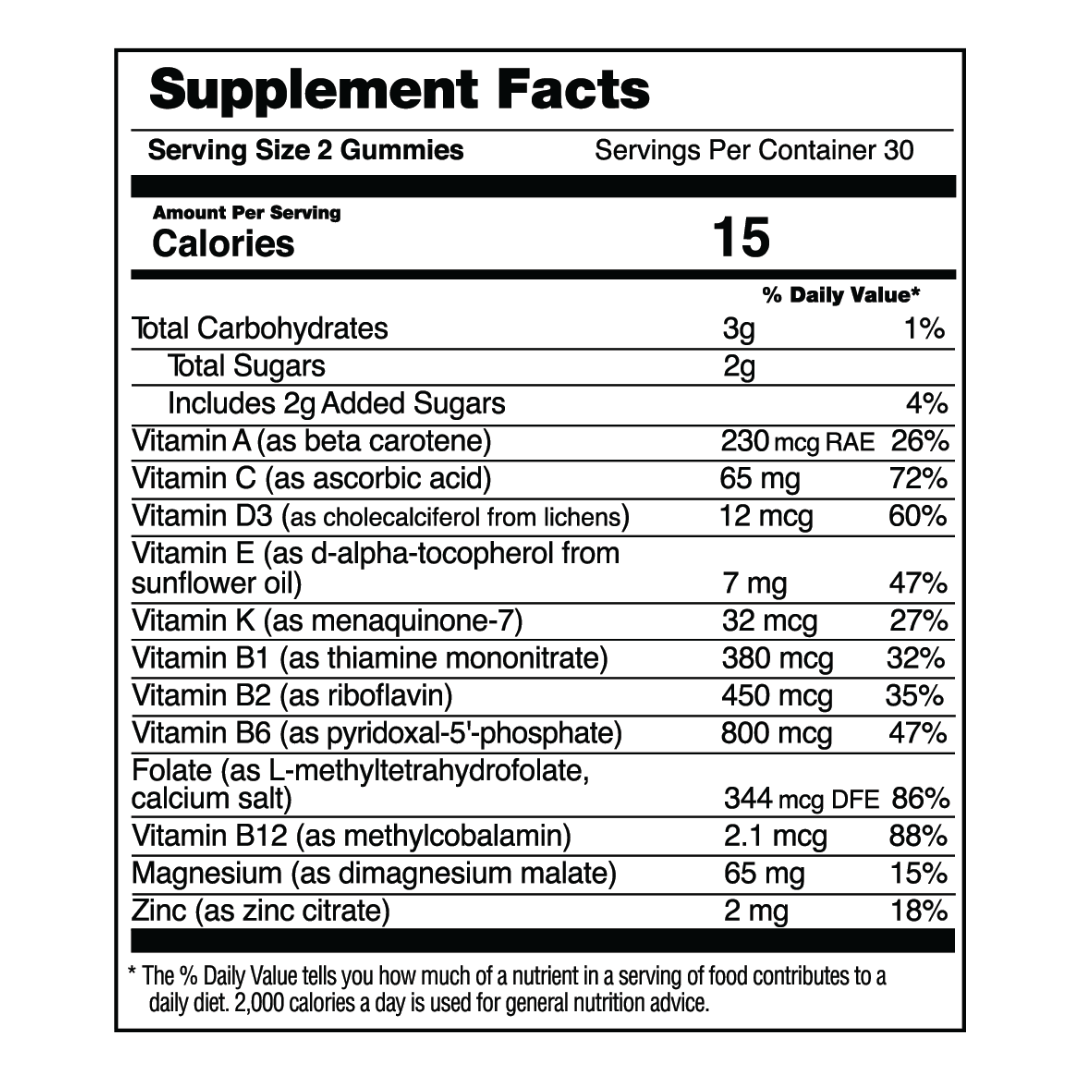
Teenagers are at a crucial stage of development, making their nutritional needs especially significant. As they grow and engage in various activities, lifestyle choices such as diet, exercise, and sleep play essential roles in determining their vitamin requirements. Understanding how these factors influence vitamin needs can help teens adapt their intake to promote optimal health.
Diet quality and variety directly affect vitamin levels. A teenager with a balanced diet rich in fruits, vegetables, whole grains, and proteins typically meets their vitamin needs more effectively than one whose diet consists mainly of fast food and sugary snacks. For instance, Vitamin C found in citrus fruits helps with immune function, while B vitamins from whole grains support energy metabolism. Conversely, a diet low in these essential nutrients can lead to deficiencies, affecting overall health and performance.
Active Teens versus Sedentary Lifestyles
The lifestyle of a teenager significantly influences their vitamin needs. Active teens, who engage in regular physical activities like sports or exercise, may require higher amounts of specific vitamins compared to their sedentary peers. Physical activity increases the body’s demand for certain nutrients to support energy production, muscle repair, and recovery.
When comparing active and inactive lifestyles, consider the following points regarding vitamin needs:
– Increased Energy Expenditure: Active teens burn more calories and, therefore, may need additional B vitamins, such as B6 and B12, which are crucial for energy metabolism and red blood cell production.
– Muscle Repair and Recovery: Vitamins such as Vitamin D and Vitamin E play vital roles in muscle recovery and inflammation reduction. Athletes may require more of these vitamins to facilitate healing after rigorous training sessions.
– Hydration and Electrolytes: While not vitamins, hydration and electrolyte balance are essential for active individuals. This can impact the absorption and effectiveness of vitamins taken, as dehydration can impair nutrient uptake.
– Calcium and Vitamin D: Active teens often need more calcium for bone health, particularly if they engage in weight-bearing exercises. Vitamin D aids in calcium absorption, making it crucial for those with higher activity levels.
To maintain adequate vitamin levels, teens should consider adopting specific strategies tailored to their lifestyle. These include:
– Balanced Meals: Incorporating a variety of nutrient-dense foods within each meal ensures a broader spectrum of vitamins. For example, a colorful salad with leafy greens, bell peppers, and nuts can provide Vitamin A, Vitamin C, and Vitamin E.
– Meal Timing: Regular meal timing is essential. Skipping meals or prolonged periods without food can negatively affect energy levels and vitamin intake. Structured meals and including healthy snacks can help bridge gaps throughout the day.
– Supplementation: In instances where dietary intake may fall short, a multivitamin or targeted supplementation under the guidance of a healthcare professional can help bridge deficiencies, particularly in active teens or those with dietary restrictions.
– Sleep Hygiene: Prioritizing quality sleep can significantly impact nutritional status and vitamin utilization. Sleep supports recovery processes and helps the body effectively use the vitamins consumed through food.
By recognizing the influence of lifestyle choices on vitamin needs, teenagers can make informed decisions to support their health and well-being through adequate nutritional intake.
Monitoring Vitamin Intake and Health Progress
Teenagers are at a crucial stage in their development, making it essential for them to maintain a balanced diet that includes adequate vitamins and minerals. Monitoring vitamin intake and overall health progress is critical not only for physical growth but also for mental well-being. Parents play a vital role in guiding their teens toward healthy habits, ultimately impacting their lifelong health.
Tracking vitamin intake can be achieved through various methods, including food diaries, mobile apps, and nutritional labels. By recording daily meals, teenagers and their parents can identify any nutritional gaps in their diets. This practice fosters awareness and encourages better food choices. Additionally, many apps available today can scan barcodes on food products to provide instant information about vitamin content, making it easier to keep track of daily intake.
Health Check-ups and Healthcare Consultations
Regular health check-ups are essential for monitoring vitamin levels and assessing the overall health status of teenagers. These appointments allow healthcare professionals to conduct blood tests that can identify deficiencies in essential vitamins such as Vitamin D, B12, and Iron. During consultations, healthcare providers can offer personalized advice on dietary changes or supplements if necessary.
Regular consultations foster a proactive approach to health, making it easier to address concerns before they develop into more significant issues. It is recommended that teenagers have annual check-ups, as these sessions can often detect health problems early. Through routine assessments, parents and teenagers gain valuable insights into their health, allowing adjustments to be made promptly.
The following table Artikels the recommended daily vitamin intakes for various age groups of teenagers:
| Vitamin | 11-14 Years | 15-18 Years |
|---|---|---|
| Vitamin A | 600 mcg | 900 mcg |
| Vitamin C | 45 mg | 65 mg |
| Vitamin D | 15 mcg | 15 mcg |
| Vitamin E | 11 mg | 15 mg |
| Vitamin B12 | 1.8 mcg | 2.4 mcg |
Achieving the recommended daily allowances for vitamins can significantly enhance physical health, cognitive ability, and emotional stability during the teenage years. Regular monitoring and professional guidance empower teenagers and parents to make informed decisions, ensuring a vibrant and healthy adolescence.
Closure
In summary, understanding the significance of daily vitamins for teenagers can empower both teens and parents to make informed choices. By being proactive about nutrition and recognizing the importance of these vitamins, teenagers can foster their health and set the foundation for a vibrant future.
FAQ Section
Why do teenagers need daily vitamins?
Teenagers require daily vitamins to support their rapid growth, development, and overall health, ensuring they meet their nutritional needs.
Can a balanced diet replace the need for vitamins?
While a balanced diet is fundamental, it may not always provide all the necessary vitamins, making supplements beneficial for some teens.
How can I know if my teen is vitamin deficient?
Signs of vitamin deficiency can include fatigue, mood swings, and physical symptoms like brittle nails or skin issues; consulting a doctor is advisable for accurate diagnosis.
Are gummy vitamins effective?
Gummy vitamins can be effective, but it’s essential to check the nutritional content and ensure they don’t contain excessive sugars.
What are some common vitamin deficiencies in teenagers?
Common deficiencies include vitamin D, iron, and B vitamins, which can affect energy levels, mood, and overall health.
How do lifestyle choices affect vitamin needs?
Lifestyle factors such as physical activity, diet quality, and sleep patterns can significantly influence the type and amount of vitamins needed.
When should my teen take vitamins?
It’s best for teens to take vitamins at a consistent time each day, preferably with meals to enhance absorption.