
 Matthew David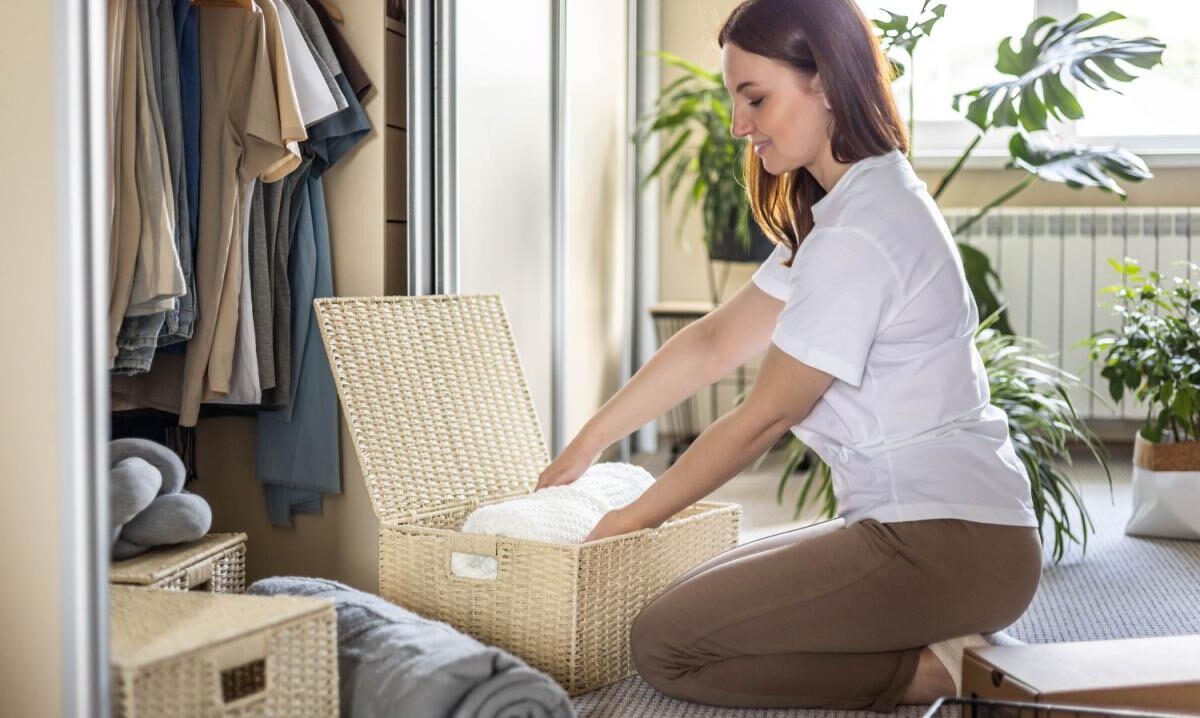
Decluttering tools have become essential companions in our quest for organization, offering innovative solutions that can transform chaotic spaces into serene havens. From physical items that streamline our belongings to digital applications that help us manage our virtual lives, these tools not only simplify our environments but also enhance our overall well-being. In today’s fast-paced world, where both physical and mental clutter can overwhelm us, the right decluttering tools can empower us to reclaim our spaces and our peace of mind.
Understanding the purpose and benefits of decluttering tools is the first step towards embracing a more organized lifestyle. These tools are designed to help categorize, store, and manage our possessions effectively, making it easier to maintain order. They can also boost productivity by minimizing distractions and promoting a clearer mental space, ultimately leading to a more fulfilling and focused life.
Understanding the Concept of Decluttering Tools
Decluttering tools are essential aids designed to help individuals organize their spaces and eliminate unnecessary items. These tools not only facilitate physical organization but also serve deeper psychological purposes, promoting clarity and peace of mind. The primary aim of these tools is to create a more functional and aesthetically pleasing environment, which can lead to improved productivity and enhanced well-being.
Decluttering tools come in various forms, from storage bins and organizers to digital apps and checklists. Their strategic use can significantly enhance productivity by reducing distractions in cluttered environments. When spaces are organized, the brain can focus more on tasks at hand rather than being overwhelmed by disarray. Furthermore, a clean and orderly space can evoke feelings of calmness, making it easier to concentrate and work efficiently. For example, a tidy desk can inspire creativity and streamline workflow, while a clutter-free home can invite relaxation and comfort.
Psychological Benefits of Using Decluttering Tools
Utilizing decluttering tools provides numerous psychological benefits that extend beyond mere organization. By fostering a decluttered environment, individuals can experience heightened mental clarity and reduced stress levels. The act of decluttering is often therapeutic, providing a sense of control and accomplishment. Here are several key psychological benefits associated with the use of decluttering tools:
Reduction of Anxiety: Clutter can be a significant source of anxiety. A tidy space promotes a sense of order and control, which can alleviate feelings of being overwhelmed.
Increased Focus: With fewer distractions in the environment, individuals can concentrate better on their tasks, leading to increased productivity.
Boosted Confidence: Successfully organizing spaces can enhance self-esteem. Accomplishing decluttering tasks encourages a sense of achievement.
Enhanced Creativity: A clean, organized space can stimulate creativity by providing a clear mental canvas, allowing ideas to flow more freely.
Improved Decision-Making: With fewer items to manage, decisions become simpler, which can lead to quicker and more confident choices.
Incorporating decluttering tools into daily routines can lead to a more peaceful state of mind. By addressing the physical manifestations of clutter, individuals often find that they can also tackle emotional and mental clutter, providing a comprehensive boost to their overall wellness. Implementing these tools not only improves one’s immediate living or working environment but can also cultivate lasting positive changes in mental health and productivity.
Essential Decluttering Tools for Home Organization
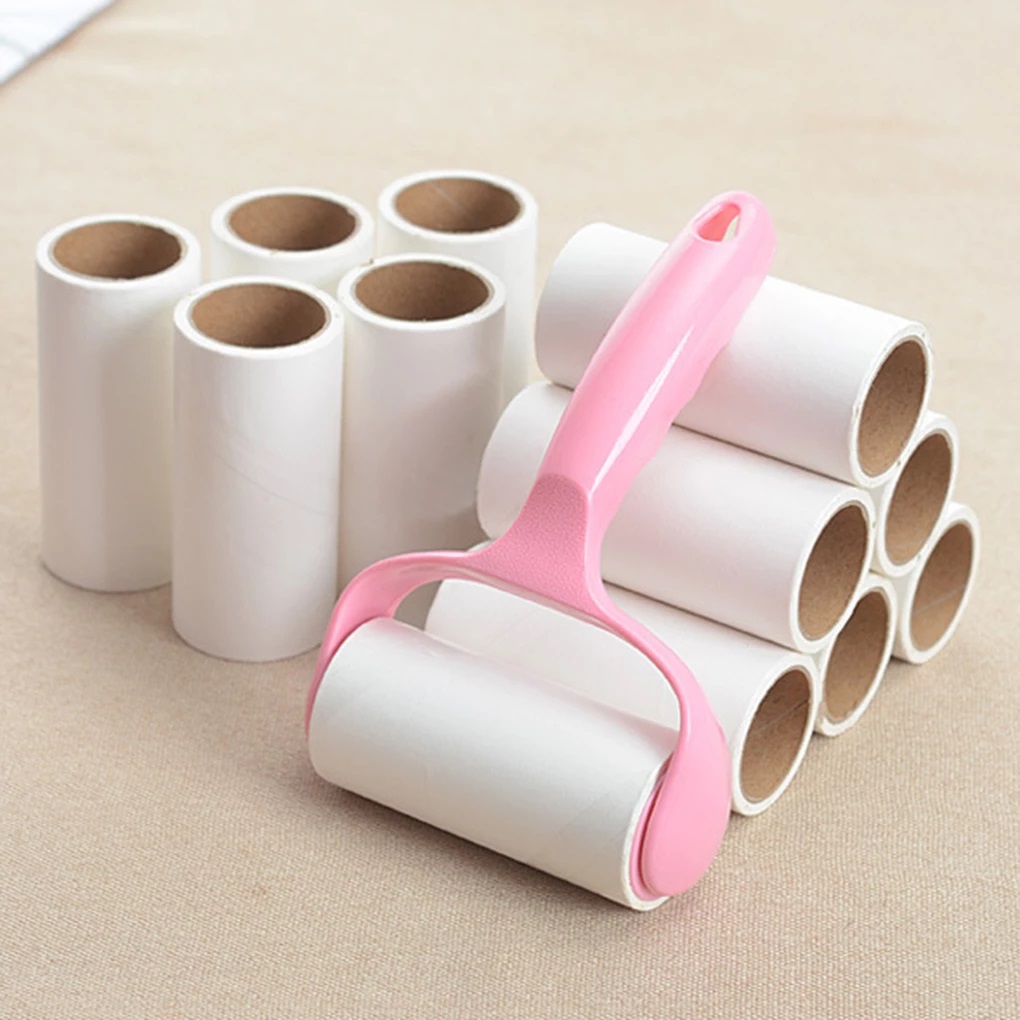
In today’s fast-paced world, maintaining an organized home can feel like a daunting task. However, having the right tools at your disposal can make a significant difference in achieving a clutter-free space. This list Artikels ten essential decluttering tools that every household should consider to enhance their organization efforts and streamline their living environment.
Top Ten Decluttering Tools
Effective decluttering begins with the right tools designed to simplify the process. Each tool serves a specific purpose that contributes to a well-organized home. Below is a detailed description of each essential tool, highlighting its function and usability.
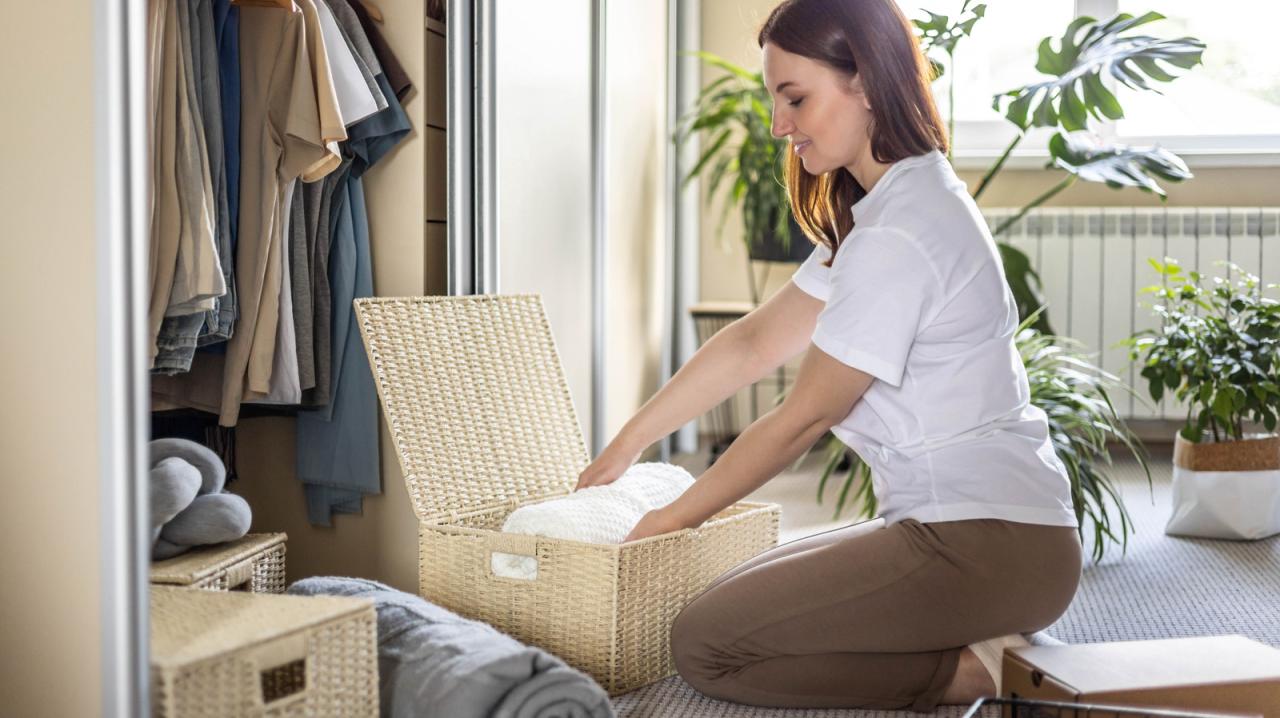
- Storage Bins: Storage bins are versatile and perfect for organizing various items, from clothing to toys. They come in various sizes and materials, allowing you to choose bins that fit your aesthetic while maximizing space. Using labeled bins can make finding items quick and easy, promoting efficient organization.
- Label Maker: A label maker is a game-changer when it comes to decluttering. By clearly labeling storage bins, shelves, and drawers, you can easily identify where things belong. This not only aids in maintaining organization but also encourages everyone in the household to return items to their designated places.
- Drawer Dividers: Drawer dividers help keep smaller items organized within larger spaces, such as utensils in the kitchen or office supplies in a desk drawer. They create separate areas for different items, ensuring that everything has a place and is easily accessible, reducing the time spent searching for what you need.
- Garbage Bags: Often overlooked, garbage bags are essential for decluttering. Keep a stack of bags handy to quickly dispose of items you no longer need, such as old clothes, broken toys, or expired products. Having a designated space for these bags encourages regular decluttering sessions.
- Cleaning Caddy: A portable cleaning caddy allows you to keep all your cleaning supplies organized and within reach. This encourages regular cleaning routines, which is essential for maintaining an organized home. A tidy environment often translates into a decluttered space.
- Over-the-Door Organizers: These organizers are fantastic for maximizing space in small areas, such as bathroom doors or bedroom closets. They can hold various items, including shoes, toiletries, or cleaning supplies, making them easily accessible and reducing visual clutter.
- Multi-Purpose Hooks: Hooks can be placed throughout the home to hang coats, bags, or accessories, helping to keep surfaces clear. They are easy to install and can be moved around, providing flexibility in organizing various items while adding a decorative element to your space.
- Filing System: A well-structured filing system can help manage paperwork and important documents. Use labeled file folders to categorize bills, personal documents, and other essential papers. This prevents important items from getting lost in the clutter of daily life.
- Collapsible Furniture: For those with limited space, collapsible furniture can be a lifesaver. Items such as collapsible tables or storage ottomans provide both functionality and organization, as they can be easily stored away when not in use, maximizing available space.
- Digital Decluttering Tools: In our digital age, apps for organizing tasks, documents, and reminders can significantly aid in decluttering your virtual space. Tools like cloud storage services help manage files efficiently while reducing physical paperwork clutter.
Using the right decluttering tools not only helps organize your home but also contributes to a clear mind and a more productive lifestyle.
Personal experiences have shown that these tools greatly improve home organization. For instance, since incorporating a label maker into my routine, I’ve noticed a remarkable increase in my family’s ability to find and return items to their proper places. Similarly, using storage bins has minimized the visual clutter around my living spaces, making it feel more open and inviting. These tools have proven their worth in simplifying everyday life and maintaining an organized environment.
Innovative Digital Decluttering Tools
In an increasingly digital world, managing the clutter from our devices is essential for maintaining productivity and mental clarity. Digital decluttering involves organizing files, emails, and apps to create a more efficient digital environment. The right tools can significantly streamline this process, ensuring that your digital life is as organized as your physical space.
Digital Decluttering Apps and Software
A range of applications and software have emerged to aid users in managing their digital clutter effectively. These tools boast various features that cater to different needs, making it easier for users to find the right solution.
Some of the most popular digital decluttering tools include:
– Evernote: This app allows users to store notes, documents, and images in a centralized location. Its tagging and search capabilities enable easy retrieval of information. Many users appreciate the seamless syncing across devices, which helps keep everything organized regardless of where it is accessed.
– CCleaner: Primarily known for cleaning up unnecessary files on computers, CCleaner also assists in managing installed applications and browser history. Users benefit from improved system performance and faster processing speeds after decluttering.
– Trello: Trello organizes tasks and projects using boards and lists, making it ideal for both personal and professional use. Users can customize their boards, which helps them visualize their to-do lists and streamline workflows.
– Google Drive: This cloud storage platform allows users to store files and collaborate on documents in real-time. Its robust sharing settings and organization options enable teams to work together efficiently while keeping their files decluttered.
– Unroll.me: For email management, Unroll.me helps users unsubscribe from unwanted newsletters and consolidate their subscriptions into a single daily digest. This significantly reduces inbox clutter and enhances email management.
Digital decluttering holds immense importance in today’s tech-savvy world. As more information and tasks demand our attention, maintaining a clutter-free digital environment is vital for mental well-being and productivity.
“An organized digital space fosters creativity and focus, allowing individuals to dedicate their energy to what truly matters.”
Statistics show that 70% of people feel overwhelmed by the number of digital emails and files they receive daily. Streamlined digital organization through decluttering tools can help mitigate this anxiety. Furthermore, removing unnecessary files can improve device performance, leading to a smoother user experience. Implementing these innovative tools for digital decluttering not only enhances efficiency but also promotes a healthier relationship with technology, enabling users to engage more mindfully with their digital resources.
DIY Decluttering Tools and Techniques
Creating a clutter-free environment can sometimes feel overwhelming, but with the right tools and techniques, it can become a manageable task. DIY decluttering tools provide a cost-effective and personalized way to tackle the mess at home. By utilizing materials you already have or can easily acquire, you can make effective decluttering tools that suit your unique needs.
The beauty of DIY solutions lies in their creativity and adaptability. Not only can you save money by making your own tools, but you also get the chance to customize them to fit your specific space and style. This section will explore inventive ideas to create practical decluttering tools and guide you through the steps needed to make them effective.
Creative DIY Decluttering Tools
There are numerous creative ways to make DIY decluttering tools from common household items. Here are some examples that demonstrate how to maximize utility while minimizing cost:
- Storage Boxes from Shoe Boxes: Transform old shoe boxes into stylish storage solutions. Cover them with fabric or paper for a more decorative look and use them to organize smaller items like stationery or toys.
- Hanging Organizers from Old T-Shirts: Cut and tie the sleeves of old t-shirts to create a hanging organizer that can hold various items like scarves, accessories, or even pantry items.
- Magnetic Strips for Small Items: Attach magnetic strips to your walls and use small metal containers to hold screws, nails, or tools, easily accessible and neatly organized.
- Repurposed Jars for Storage: Use glass jars to store kitchen staples, craft supplies, or miscellaneous items. Label them for easy identification and stack them for space-saving solutions.
- Cable Organizers from Toilet Paper Rolls: Cover toilet paper rolls with decorative paper and use them to organize charging cables, cords, and other small electronics.
Creating these tools not only declutters your space but also adds a personal touch to your organization system.
Step-by-Step Guide to Creating DIY Decluttering Solutions
When embarking on your DIY decluttering journey, following a structured approach can lead to better results. Here’s a simple step-by-step guide to creating effective DIY decluttering tools:
- Assess Your Needs: Identify what areas of your home require organization and what tools are necessary to achieve that goal.
- Gather Materials: Collect items you already have, such as boxes, jars, or fabric, and make a list of additional materials you may need.
- Plan Your Designs: Sketch or visualize how your DIY tools will look and function. Consider aesthetics and practicality.
- Create Your Tools: Follow your plans and assemble the tools. Pay attention to detail to ensure functionality and durability.
- Implement and Organize: Place your new tools in the designated areas and begin organizing your belongings. Make adjustments as necessary to improve efficiency.
- Maintain Regularly: Regularly review your organization system and tweak it as necessary to ensure it continues to work effectively.
By following these steps, you can create useful and tailored decluttering tools that fit seamlessly into your space.
Cost-Effectiveness of DIY Tools Versus Purchased Items
DIY decluttering tools are often more cost-effective than purchasing ready-made solutions.
“On average, DIY projects can save up to 50% or more compared to retail prices for similar items.”
Considering the prices of commercial organizers, which can range from $10 to $100 or more, creating your own tools from items you have at home drastically reduces expenses. Additionally, DIY solutions allow for customization, ensuring that you create exactly what you need without spending on unnecessary features.
Incorporating DIY decluttering tools into your home organization strategy not only fosters creativity but also supports a budget-friendly approach to maintaining an organized and clutter-free environment. Embrace the challenge of making your own tools and enjoy the satisfaction that comes with creating something functional and unique!
Decluttering Tools for Specific Spaces
Decluttering different spaces within your home or office can require unique tools and strategies to effectively manage clutter. Each area often presents its own challenges, and using the right decluttering tools can streamline the process significantly. Understanding which tools are best suited for specific environments allows for a more efficient and organized approach to maintaining cleanliness and order.
Different environments necessitate tailored decluttering strategies due to the distinct types of items stored and the nature of activities conducted in each space. For instance, kitchens often hold various utensils, appliances, and food items that require specific organization methods. On the other hand, garages can accumulate tools, seasonal equipment, and outdoor gear, making vertical storage solutions or storage bins essential. Similarly, offices typically require organizing paperwork, office supplies, and technology, calling for desk organizers and filing systems. Recognizing these unique needs helps in choosing the appropriate decluttering tools, thereby preventing clutter from reaccumulating.
Space-Specific Decluttering Tools
When it comes to decluttering specific spaces, having the right tools can make all the difference. Below is an organized list of effective decluttering tools tailored for various areas, along with their best uses:
- Kitchen:
- Drawer Dividers: Perfect for organizing utensils, cutlery, and kitchen gadgets to keep everything easily accessible.
- Stackable Bins: Ideal for storing pantry items, allowing you to maximize vertical space and easily see contents.
- Magnetic Spice Jars: Useful for freeing up counter space and keeping spices organized and visible.
- Garage:
- Wall-Mounted Shelves: Great for utilizing vertical space, keeping tools and bins off the floor.
- Clear Storage Containers: Best for categorizing items like sports equipment and seasonal decorations while making it easy to see what’s inside.
- Tool Organizers: Essential for keeping tools accessible and arranged, reducing search time during projects.
- Office:
- File Organizers: Important for sorting paperwork, making it easier to find documents and manage important files.
- Desk Trays: Useful for keeping frequently used supplies within reach but organized and tidy.
- Cable Management Clips: Helpful in organizing cords and cables from electronics to prevent tangles and clutter.
“Using specific decluttering tools for each space can transform chaos into order, making maintenance easier in the long run.”
The Role of Decluttering Tools in Minimalist Living
Minimalist living is a lifestyle choice that emphasizes simplicity, intentionality, and the reduction of excess. It revolves around the idea of curating life to include only what adds value or joy. Decluttering tools play a crucial role in this process, serving as facilitators in the journey toward a more minimalist existence. By enabling individuals to streamline their possessions and organize their spaces, these tools help cultivate an environment that reflects minimalist principles.
The connection between minimalist living and decluttering tools is significant; the latter provides practical solutions for overcoming the hurdles of excess. Various tools such as storage solutions, organizational systems, and digital apps assist in the process of sorting, categorizing, and ultimately letting go of unnecessary items. These tools not only simplify the physical act of decluttering but also reinforce the mindset of minimalism, encouraging individuals to be more mindful of their purchases and possessions.
Success Stories of Minimalism Through Decluttering Tools
Numerous individuals have successfully transitioned to a minimalist lifestyle by leveraging decluttering tools effectively. For instance, Marie Kondo’s organizing method has inspired countless people worldwide to declutter their homes and lives. Kondo’s philosophy, centered around the notion of keeping only those items that “spark joy,” has transformed the lives of many. One notable success story is that of a family who used her methods alongside storage bins and labeling systems. They managed to reduce their belongings by over 70% and consequently reported feeling lighter, happier, and more focused on experiences rather than possessions.
Challenges in Transitioning to Minimalism and the Role of Tools
Transitioning to a minimalist lifestyle can present a variety of challenges, including emotional attachment to possessions, decision fatigue, and the overwhelming nature of decluttering. Individuals often face difficulties in discerning what to keep and what to let go of, leading to procrastination and frustration. Decluttering tools serve as essential aids in overcoming these obstacles by providing structured approaches to organization.
For example, the use of boxes for sorting categories (keep, donate, recycle) can alleviate emotional burdens associated with decision-making. Visual aids like checklists and apps that track progress can help to navigate through the decluttering process more systematically. Additionally, timeline planners can make the project seem less daunting, breaking it down into manageable tasks.
Moreover, digital decluttering tools assist in organizing one’s digital life, combating the equally pressing issue of digital clutter. Applications designed to manage files, emails, and photos empower individuals to streamline their digital spaces alongside their physical ones.
Through these practical resources, individuals can find support and motivation, making the transition to minimalism not only feasible but rewarding. As they engage with decluttering tools, they cultivate a mindset that embraces simplicity, ultimately leading to a more intentional and fulfilling way of living.
Evaluating Decluttering Tools for Effectiveness
In the journey of decluttering, having the right tools can significantly impact the process and its outcomes. Evaluating these tools for their effectiveness is essential to ensure that they meet your specific needs and help you achieve your decluttering goals. This evaluation involves various criteria, comparisons, and methods for measuring success post-implementation.
Criteria for Assessing Effectiveness of Decluttering Tools
Establishing a checklist for evaluating decluttering tools is crucial for determining their effectiveness. These criteria provide a systematic way to assess whether a particular tool will fit your decluttering strategy.
- Usability: Is the tool user-friendly? Can it be easily integrated into your routine?
- Adaptability: Does the tool cater to different types of clutter, such as physical items, digital files, or emotional baggage?
- Efficiency: How quickly does the tool help you achieve your decluttering goals? Does it streamline the process?
- Results: What tangible outcomes can be observed after using the tool? Are there measurable reductions in clutter?
- Feedback: Are there reviews or testimonials from other users that highlight successes or challenges with the tool?
Comparison of Traditional vs. Modern Decluttering Tools
When comparing traditional and modern decluttering tools, it’s essential to evaluate usability and results achieved from each category. Traditional tools often include physical boxes, bags, or checklists, while modern tools encompass apps, software, and digital platforms.
- Traditional Tools: Typically straightforward and tangible, such as storage bins or organizing methods, these tools require physical effort and can lead to instant gratification by seeing a clean space.
- Modern Tools: These tools often provide digital assistance, such as organization apps or virtual coaching, which can help track progress and manage clutter over time.
- Integration: Traditional tools may take more time to implement due to the physical nature of organizing. In contrast, modern tools often allow for real-time updates and adjustments.
- Effectiveness: Traditional methods can lead to immediate visual changes, while modern tools may promote sustained organization through ongoing reminders and analytics.
Measuring the Success of Decluttering Efforts
After employing decluttering tools, it is vital to measure the success of your efforts to ensure that you are on track to maintaining a clutter-free environment.
- Visual Assessment: Regularly evaluate the physical space for clutter re-accumulation. A clean space is a clear indicator of successful decluttering.
- Emotional Impact: Assess how you feel in your decluttered space. A sense of calm and order often reflects effective decluttering.
- Time Efficiency: Track the time spent on subsequent organizing tasks. A decrease in time indicates that the decluttering tools have been effective.
- Feedback Loop: Create a system for gathering feedback from household members or users of the space regarding their perceptions of organization and functionality.
“A successful decluttering effort not only clears the space but also enhances the overall quality of life.”
Future Trends in Decluttering Tools
As the world continues to advance at a rapid pace, the tools we use for decluttering our spaces and lives are also evolving. The integration of technology into our daily routines is reshaping how we organize and manage our belongings. Emerging innovations not only provide practical solutions for tidying up but also promote sustainable practices, reflecting a growing awareness of environmental impact. This evolving landscape indicates a significant shift in our approach to personal organization.
With the rise of smart home technology and artificial intelligence, decluttering tools are set to become more intuitive and personalized than ever before. For instance, applications that use machine learning algorithms can analyze users’ habits and preferences to suggest optimal organization strategies or even remind them when it’s time to declutter. Furthermore, augmented reality (AR) tools are emerging, allowing users to visualize their spaces before making changes. Imagine pointing your smartphone at a cluttered room and seeing a digitally enhanced layout that suggests how to arrange items more efficiently.
Emerging Technologies in Decluttering Tools
The future of decluttering tools is intricately tied to advancements in technology. Several emerging technologies stand out in their potential to transform personal organization routines. These include:
- AI-Powered Organizers: Tools that utilize artificial intelligence to suggest decluttering strategies based on data collected from user habits. These tools can tailor their recommendations to individual lifestyles, making them more effective.
- Smart Inventory Systems: These systems can keep track of items within a home, notifying users of duplicates or unused items, thus encouraging consistent decluttering habits.
- AR Visualization Apps: Applications that enable users to visualize how their spaces will look after decluttering. This technology can inspire individuals to make necessary changes by presenting a clearer picture of the end result.
- Eco-Friendly Solutions: Innovations focusing on sustainability, such as biodegradable storage options or apps that connect users with local donation centers, promoting responsible decluttering.
The potential impact of these trends is significant. As decluttering tools evolve to become more personalized and efficient, they can fundamentally change how individuals approach organization. For instance, a busy working professional might rely on AI to streamline their home office setup, while families could use AR apps to involve children in the decluttering process, making it a fun and interactive experience. This shift not only enhances productivity but also fosters a culture of minimalism, encouraging people to view their belongings through the lens of necessity and emotional value rather than mere accumulation.
In this rapidly evolving landscape, decluttering is likely to become less of a chore and more of a lifestyle choice, harmonizing with the technology-driven world we inhabit.
Outcome Summary
In conclusion, embracing decluttering tools can significantly impact our daily lives, providing not just physical organization but also contributing to mental clarity and emotional stability. As we explore innovative solutions, from traditional items to digital apps, we discover that the journey to a clutter-free existence is both achievable and rewarding. By understanding which tools work best for our unique needs and environments, we set ourselves up for long-term success and a more harmonious way of living.
Quick FAQs
What are decluttering tools?
Decluttering tools are items or applications designed to help organize, manage, and reduce clutter in both physical and digital spaces.
How do I choose the right decluttering tool?
Consider your specific needs, the types of spaces you want to declutter, and whether you prefer physical tools or digital solutions.
Can decluttering tools really improve my productivity?
Yes, decluttering tools can minimize distractions and create a more organized environment, leading to enhanced focus and productivity.
Are there any costs associated with digital decluttering tools?
Some digital decluttering tools are free, while others may require a one-time purchase or a subscription fee for premium features.
How often should I use decluttering tools?
Regular use is recommended; incorporating decluttering sessions into your routine can help maintain organization and prevent clutter from reaccumulating.