
 Matthew David
Exercise tracker is a vital tool in modern fitness, helping individuals stay focused and organized in their journey towards health and wellness. As fitness enthusiasts increasingly turn to technology, tracking workouts and progress has become essential for maintaining motivation and accountability. By utilizing an exercise tracker, users can gain insights into their habits and achievements, making it easier to set and reach their goals.
From wearables to mobile apps and traditional journals, the options for tracking exercise are diverse, providing various features that cater to individual preferences. This flexibility not only accommodates different lifestyles but also fosters a deeper connection to one’s fitness journey, ensuring that users remain engaged and committed to their aspirations.
The importance of maintaining a consistent exercise tracker for fitness goals

Keeping a consistent exercise tracker is essential for anyone looking to achieve their fitness goals. An exercise tracker serves as a foundation for accountability, ensuring that individuals stay focused and committed to their routines. When you actively monitor your workouts, you create a tangible record of your progress, making it easier to see how far you’ve come. This not only fosters a sense of accomplishment but also helps in adjusting your fitness strategies to better meet your goals.
Tracking your exercise routine over time provides significant psychological benefits. It helps establish a sense of routine and discipline, which can be crucial in maintaining motivation. By seeing your progress documented, individuals often experience an increase in self-efficacy; the belief that they can achieve their fitness objectives. This reinforcement creates a positive feedback loop, where improvements encourage further efforts. Moreover, knowing that you have a record of your workouts can alleviate anxiety about inconsistency and foster a more proactive approach to exercise.
Increased motivation through progress tracking
Monitoring your fitness journey can lead to heightened motivation through various methods and strategies. By logging workouts, individuals often find themselves more invested in their routines. The following points illustrate how tracking can bolster motivation:
- Visual Progress: Seeing improvements in strength, endurance, or weight loss can be highly motivating. For instance, tracking the number of repetitions or the weights lifted can show tangible growth over time.
- Goal Setting: Setting specific, measurable goals becomes more manageable when tracked. For example, aiming to run a certain distance can be more motivating when you document your progress towards that distance.
- Accountability: Sharing your tracker with friends or family can introduce an element of accountability. For example, participating in a fitness challenge with peers can foster a sense of community, encouraging everyone to stay on track.
- Celebrating Milestones: Tracking accomplishments allows for celebrating small wins, such as completing a workout streak or achieving a personal best. These milestones provide positive reinforcement.
“Tracking your progress isn’t just about numbers; it’s about building a narrative of your journey toward a healthier you.”
In summary, the act of consistently logging workouts transforms fitness from a daunting task into a manageable and rewarding journey. Through clear documentation of efforts, individuals can maintain focus, motivation, and ultimately, reach their fitness aspirations.
Various types of exercise trackers available in the market
With the growing focus on fitness and health, exercise trackers have become essential tools for many individuals. They come in various forms, each catering to different preferences and needs. Understanding the types of exercise trackers available can help you choose the best option for your workout routine.
Types of Exercise Trackers
Exercise trackers can generally be categorized into three main types: wearables, apps, and traditional journals. Each type offers unique features and benefits, making them suitable for different users based on their lifestyle and workout goals.
- Wearables: These devices, such as smartwatches and fitness bands, are worn on the body and continuously monitor activity levels. They often track heart rate, calories burned, steps taken, and even sleep patterns. Popular examples include Fitbit, Apple Watch, and Garmin devices.
- Apps: Fitness tracking apps are available for smartphones and tablets, providing users with the flexibility to log workouts, track progress, and access exercise plans. Notable examples include MyFitnessPal, Strava, and Nike Training Club.
- Traditional Journals: For those who prefer a more tactile approach, traditional journals allow users to manually log workouts and personal fitness goals. This method promotes mindfulness and can serve as a motivational record of progress.
The choice between these types of trackers depends on personal preference and specific fitness goals.
Wearables provide real-time data and convenience, while apps offer versatility, and journals promote reflection and commitment.
Comparison of Features
When deciding which exercise tracker to use, it’s essential to examine the features and advantages each type provides:
- Wearables:
- Real-time tracking of physical activities and health metrics.
- Integration with other health apps and devices for comprehensive tracking.
- Durability and water-resistance, making them suitable for various sports.
- Apps:
- Often free or low-cost, providing budget-friendly options for users.
- Customizable workout plans and access to vast online communities.
- Easy data sharing with friends and tracking social fitness challenges.
- Journals:
- Encourages active engagement and personal reflection.
- Flexibility to customize layouts and tracking methods according to personal preference.
- Accessible anywhere without the need for electronic devices.
Each type has its pros and cons. Wearables provide ease of use and instant feedback but can be costly. Apps offer flexibility and community support but may require a smartphone. Traditional journals encourage personal engagement but lack real-time tracking features. By weighing these factors, users can find the tracker that best aligns with their fitness journey.
How to effectively set up an exercise tracker to maximize its benefits
Setting up an exercise tracker can significantly enhance your fitness journey by helping you monitor your progress, set achievable goals, and maintain motivation. To maximize its benefits, you need to follow a structured approach that includes initial goal setting, data input, and regular updates.
Initial Goal Setting and Data Input
Establishing clear and realistic goals is the first step in effectively setting up an exercise tracker. Goals not only provide direction but also allow you to measure your progress over time. Here are the steps to set your goals and input data into your exercise tracker:
1. Define Your Objectives: Decide what you want to achieve with your exercise tracker. This could include weight loss, muscle gain, increasing endurance, or simply maintaining a healthy lifestyle.
2. Use the SMART Criteria: Make sure your goals are Specific, Measurable, Achievable, Relevant, and Time-bound. For example, instead of saying “I want to exercise more,” a SMART goal would be “I will walk 10,000 steps every day for the next month.”
3. Choose the Right Tracker: Select an exercise tracking app or device that suits your lifestyle. Look for features that allow you to log various activities, monitor your progress, and offer insights based on the data collected.
4. Input Your Baseline Data: Initially input your current fitness level, including weight, height, age, and any relevant medical conditions. This information will help personalize your tracker and provide tailored recommendations.
5. Log Your Exercises: Consistently log your workouts by entering the type of exercise, duration, and intensity. Regularly updating this data is crucial for tracking progress accurately.
Maintaining Regular Updates
Keeping your exercise tracker up-to-date is essential for maintaining accurate data and reflecting your progress over time. Here are effective strategies for regular updates:
– Set Reminders: Use calendar alerts or notifications on your device to remind you to log your exercises daily or weekly.
– Create a Routine: Incorporate data logging into your workout routine. For instance, log your exercises right after completing them to ensure timely updates.
– Review Your Progress: Regularly review the data you’ve entered to identify trends and areas for improvement. This reflection will also motivate you to stay on track.
Customizing the Tracker
Personalization is key to making an exercise tracker work for you. Customizing your tracker according to your preferences and lifestyle can lead to a more enjoyable and effective experience. Consider the following aspects:
– Select Preferred Activities: Most trackers allow you to select which types of exercises you want to include. Focus on activities you enjoy to enhance adherence to your routine.
– Adjust Goals as Needed: As you progress, revisit your goals and modify them to align with your evolving fitness level and ambitions. For example, if you successfully reach your initial goal, set a new challenge.
– Track Additional Metrics: Depending on your fitness journey, you might want to track additional factors, such as nutrition, hydration, or sleep patterns, to get a holistic view of your health.
“Customizing your tracker can make fitness feel less like a chore and more like a lifestyle.”
Understanding the metrics provided by exercise trackers
Exercise trackers have revolutionized how we approach fitness by providing valuable insights into our physical activities. These devices and applications gather a myriad of data, helping users monitor their exercise habits and overall health. Understanding the key metrics offered by these trackers is crucial for anyone looking to improve their fitness levels and make informed health choices.
One of the primary reasons these metrics are important is that they allow users to quantify their efforts and results. By interpreting the data gathered, individuals can recognize patterns in their exercise routines, identify areas needing improvement, and establish realistic goals. Common metrics include steps taken, heart rate, calories burned, distance traveled, and active minutes.
Key metrics and their significance
To effectively utilize exercise trackers, users should familiarize themselves with the following key metrics and their relevance to personal health:
- Steps Taken: Often considered the cornerstone of fitness tracking, this metric provides a straightforward measure of daily physical activity. Aiming for 10,000 steps daily is a common goal, indicating a moderately active lifestyle.
- Heart Rate: Monitoring heart rate during workouts offers insights into cardiovascular health. A lower resting heart rate often indicates better cardiovascular efficiency, while tracking peak heart rates during exercise helps ensure workouts are effective.
- Calories Burned: Understanding calories burned during exercise can help users manage their weight. Tracking this metric is essential for individuals looking to lose or maintain weight, as it directly correlates with energy expenditure.
- Distance Traveled: Particularly relevant for runners and cyclists, this metric allows users to gauge their endurance and performance over time. An increase in distance can indicate improved fitness levels.
- Active Minutes: This metric measures the duration of time spent engaging in moderate to vigorous physical activity. It is crucial for meeting recommended activity levels and can indicate overall lifestyle changes.
Monitoring these metrics not only helps gauge progress but also empowers users to make informed adjustments to their exercise routines. For example, if a user notices a decrease in their average steps over time, it might be an indication to incorporate more physical activity into their day. Similarly, consistently high heart rates during workouts may suggest the need for more varied intensity levels to enhance fitness gains.
By keeping an eye on these metrics, users can effectively track their progress and make necessary adjustments to their fitness routines, leading to better overall health outcomes.
The role of community and social sharing in using exercise trackers
Community engagement is a crucial aspect of maintaining motivation and accountability in fitness tracking. When individuals use exercise trackers, they often find that connecting with others who share similar goals enhances their commitment to a healthier lifestyle. The shared journey fosters a sense of belonging, which can be a powerful motivator. Users are not only accountable to themselves but also to their peers, encouraging them to push through challenges and celebrate successes together.
Social sharing platforms have transformed the way exercise trackers are used. Many users turn to various online communities to share their progress, seek advice, or simply find inspiration. The incorporation of social features into fitness apps allows users to interact with each other, providing a supportive environment that can lead to improved outcomes. This engagement can take many forms, making it easy for individuals to find a platform that suits their preferences.
Platforms for sharing progress and experiences
Several platforms have emerged as popular spaces for users to share their fitness journeys. These platforms not only allow individuals to track their progress but also enable them to connect with others. Some notable platforms include:
- Strava: Known for its cycling and running features, Strava fosters a community where users can share workouts, interact with friends, and participate in challenges.
- MyFitnessPal: This platform integrates nutrition and exercise tracking, allowing users to share their meal plans and fitness goals with friends.
- Fitbit Community: Users of Fitbit devices can join various groups, participate in challenges, and share their progress with fellow users, enhancing motivation.
- Instagram: Many fitness enthusiasts share their workouts, tips, and achievements on their personal accounts, creating a sense of accountability within their followers.
Social interaction not only enhances the overall experience of using an exercise tracker but also enriches the journey towards better health. For instance, participating in group challenges can spur users to meet their goals faster. An example of this is the “10,000 steps a day” challenge, where individuals strive to meet a collective target, fostering competition and camaraderie. Additionally, users can offer and receive encouragement through comments and likes, reinforcing positive behaviors and creating a supportive atmosphere.
“The strength of the team is each individual member. The strength of each member is the team.”
Overcoming common challenges faced while using an exercise tracker
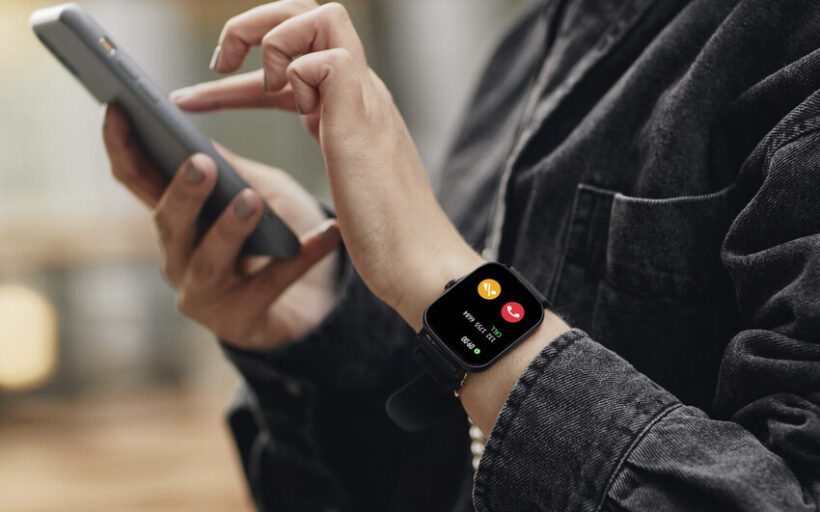
Using an exercise tracker can significantly enhance your fitness journey, but it also comes with its own set of challenges. Many users experience issues that can hinder their progress, such as data accuracy and consistency. Understanding these common problems and knowing how to overcome them can ensure you maximize the benefits of your tracker.
One of the most frequently encountered issues is the accuracy of the data being recorded. Exercise trackers can sometimes miscalculate steps taken, calories burned, or distance covered, which can lead to frustration and a lack of trust in the device. This inaccuracy can stem from various factors, including improper wear of the device, poor GPS signal, or even the type of exercise being performed. To tackle this, users should ensure their devices are calibrated correctly. For example, regularly updating the tracker’s firmware and confirming personal data—like weight and height—can improve data accuracy. Additionally, it’s advisable to cross-check the tracker’s data with other sources, like a fitness app or traditional pedometer, to ensure consistency.
Another challenge users face is maintaining consistency in usage. Life can get busy, and the motivation to track workouts might wane. However, establishing a routine can help. Setting reminders or incorporating the tracker into a daily habit, like wearing it during specific activities or syncing it regularly with your smartphone, can enhance adherence. For instance, a user may find it helpful to sync their tracker every evening, turning it into a nightly ritual that allows for reflection on the day’s activity.
Additionally, as fitness journeys evolve, so should tracking habits. What works for beginners may not suffice as one progresses to more advanced workouts or changes fitness goals. Adapting the use of exercise trackers can keep users engaged and motivated. For instance, switching from basic step tracking to more advanced metrics like heart rate zones or sleep quality can provide deeper insights into overall well-being.
Understanding these elements can make a significant difference in how effectively exercise trackers enhance fitness routines. By addressing accuracy concerns and fostering consistency, users can truly harness the power of their devices to support their evolving fitness journeys.
The future of exercise tracking technology and trends
The landscape of exercise tracking technology is rapidly evolving, driven by advancements in various fields such as wearable tech, mobile apps, and artificial intelligence. As fitness enthusiasts and casual users alike increasingly rely on these tools to monitor their health and performance, the future promises even more innovative features and integrations that will enhance user experience.
Emerging technologies, such as machine learning and artificial intelligence, are significantly influencing the development of exercise trackers. These advancements enable devices to offer personalized recommendations based on individual user data, making fitness tracking more effective. For instance, smart sensors and biometric monitors are becoming more sophisticated, allowing for real-time data collection and analysis. Wearable devices now incorporate advanced algorithms that can predict potential health issues by analyzing trends over time. The integration of augmented reality (AR) and virtual reality (VR) also holds promise, offering immersive workout experiences that could redefine how users engage with their fitness routines.
Future features enhancing user experience
As technology advances, several potential features are emerging that could revolutionize the user experience with exercise trackers. These features focus on enhancing personalization, interactivity, and connectivity.
- AI-driven coaching: Personalized virtual coaches could provide real-time feedback during workouts, helping users adjust their form and technique dynamically.
- Seamless integration: Future trackers may integrate seamlessly with smart home devices, allowing for automated adjustments in environments for a more conducive workout atmosphere.
- Social connectivity: Enhanced social features could include virtual group workouts, enabling friends to join sessions regardless of location, creating a sense of community.
- Biometric improvements: Future trackers might feature advanced sensors capable of more accurately measuring vital signs, including blood glucose levels or hydration status in real-time.
- Gamification: Incorporating game-like elements could motivate users by rewarding them for achieving fitness goals, fostering a fun and engaging workout environment.
Current trends in fitness tracking also indicate a shift towards holistic health management. Popular devices now track not only physical activity but also sleep patterns, nutrition, and mental well-being. For example, many trackers provide insights into stress levels through heart rate variability monitoring. As awareness of mental health grows, expect these trackers to evolve further, possibly integrating features that promote mindfulness and stress reduction exercises. Wearables are also exploring the use of biometric data to offer insights about recovery and readiness for workouts, allowing users to optimize their training schedules.
In summary, the future of exercise tracking technology is bright, with emerging trends and features aimed at creating a more personalized, engaging, and health-focused experience for users.
Summary
In summary, an exercise tracker serves as a powerful ally in achieving fitness goals by providing valuable insights, fostering community engagement, and offering customization options. By overcoming common challenges and embracing emerging technologies, users can enhance their experience and stay motivated. Whether you are just starting out or looking to refine your routine, finding the right exercise tracker can make all the difference in your fitness journey.
Helpful Answers
What should I look for in an exercise tracker?
Look for features that match your fitness goals, like step tracking, heart rate monitoring, and user-friendly interfaces.
Can I use an exercise tracker without a smartphone?
Yes, many exercise trackers function independently and can sync data to a computer or display metrics directly on the device.
How often should I update my exercise tracker?
Regular updates after each workout session are ideal to keep your data accurate and relevant.
Are exercise trackers waterproof?
Many exercise trackers are designed to be water-resistant or waterproof, but always check the specifications before use in water.
Can I share my progress with friends?
Yes, most exercise trackers and apps offer social sharing features that allow you to connect and share progress with friends and communities.