
 Matthew David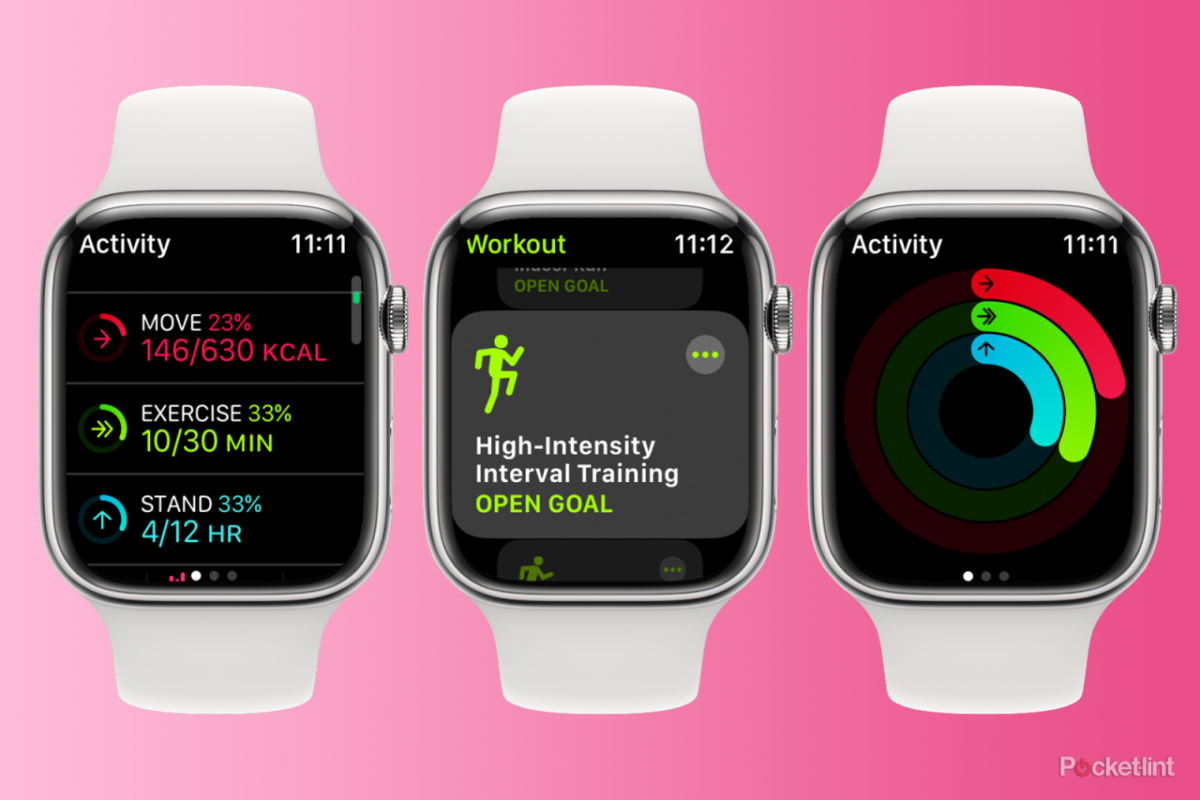
Fitness watch apps have revolutionized the way we monitor our health and stay active. These innovative applications offer a range of functionalities that not only track physical activity but also engage users in their fitness journeys. From heart rate monitoring to GPS tracking, these features create a comprehensive health tracking experience that motivates users to achieve their fitness goals.
As technology has evolved, so have the capabilities of these apps, leading to a surge in popularity. The integration of user-friendly interfaces ensures that individuals of all ages can easily navigate their fitness data. With the right blend of features and usability, fitness watch apps have become essential tools for anyone looking to maintain a healthy lifestyle.
Fitness watch app functionality plays a crucial role in user engagement and health tracking.
The functionality of fitness watch apps is pivotal in maintaining user engagement and effectively tracking health metrics. These applications offer a range of features that not only motivate users but also provide them with valuable insights into their physical activities and overall health. By integrating technology into fitness routines, these apps create a more interactive and informative experience for users, encouraging them to stay committed to their health goals.
One of the most significant features of fitness watch apps is heart rate monitoring. This functionality allows users to track their heart rate in real-time, providing insights into their cardiovascular health and workout intensity. By understanding their heart rate zones, users can optimize their exercise routines, ensuring they are training effectively while minimizing the risk of overexertion. Another essential feature is GPS tracking, which enables users to map their outdoor workouts, such as running or cycling. This capability not only helps in tracking distance and speed but also allows for the exploration of new routes, enhancing the exercise experience. Step counting is another fundamental feature, where users can monitor their daily physical activity. This gamified approach encourages more movement throughout the day, as users strive to meet their step goals.
Popular fitness watch apps, such as Strava, Fitbit, and Apple Health, each offer unique functionalities that cater to different preferences. For instance, Strava excels in its community aspect, allowing users to connect and compete with friends and other athletes, which fosters motivation. Fitbit focuses on comprehensive health tracking, including sleep patterns and nutrition, while Apple Health emphasizes a holistic view of health data by integrating information from multiple sources for better analysis.
The importance of user-friendly interfaces in these apps cannot be overstated. A well-designed interface enhances usability, ensuring that users can easily navigate through various features without feeling overwhelmed. Intuitive designs that prioritize simplicity allow users to quickly access vital information, set goals, and monitor progress. Features like customizable dashboards and easy-to-read graphs contribute to a more engaging experience, making health tracking a seamless part of daily life. As users become more comfortable with the app, they are more likely to engage consistently, leading to better health outcomes.
“A user-friendly interface is critical for maintaining user engagement and promoting healthy habits.”
The evolution of fitness watch apps highlights the rapid advancements in health technology.
Over the past decade, fitness watch apps have undergone a significant transformation, reflecting the fast-paced advancements in health technology. Initially designed to merely track steps and monitor heart rates, these apps have expanded their functionalities to encompass a wide range of health metrics and personalized coaching features. This evolution showcases the merging of health awareness with cutting-edge technology, leading to more user-friendly and effective tools for maintaining fitness.
The integration of mobile technology with wearable devices has been a game-changer in fitness tracking. Early fitness watches operated on basic functionalities, but the incorporation of smartphones has revolutionized how users interact with their fitness data. With the advent of Bluetooth connectivity and mobile apps, users can track their performance in real-time, receive notifications, and analyze their health trends over time. This seamless connection allows for a comprehensive view of fitness activities, motivating users to achieve their health goals.
Trends in User Preferences Towards App Functionalities
As fitness watch apps have evolved, user preferences have shifted significantly. The following trends highlight what users are increasingly looking for in their fitness applications:
- Comprehensive Health Monitoring: Users now prefer apps that offer a holistic approach to health, including sleep tracking, stress management, and nutrition guidance, in addition to physical activity tracking.
- Personalization: Customized workout plans and health recommendations based on individual fitness levels and goals are becoming essential features, enhancing user engagement and satisfaction.
- Community Features: Social sharing capabilities and community challenges have gained popularity, as users seek motivation and support from their peers through social interactions within the app.
- Integration with Other Devices: The ability to sync data with other smart devices, such as heart rate monitors or smart scales, has become a preference, allowing for a more comprehensive health tracking experience.
- Gamification: Incorporating game-like features, such as achievement badges and challenges, increases user motivation and encourages more consistent app usage.
The shift towards these functionalities illustrates a growing desire for holistic and personalized fitness solutions, reflecting users’ evolving needs and the advancement of health technology. As a result, developers of fitness watch apps are continually innovating to meet these demands, ensuring that users have access to the most effective and engaging tools for their fitness journeys.
The role of data privacy and security is paramount in the design of fitness watch apps.
In an era where personal data is a valuable commodity, fitness watch apps are often at the forefront of gathering sensitive information about users’ health and habits. This makes data privacy and security pivotal in their design. With the increase in health consciousness and the popularity of wearable technology, developers must prioritize safeguarding user data. This includes not only the personal health metrics collected by the app but also the user’s location and usage patterns.
To effectively protect user data within fitness watch apps, developers should adopt best practices that encompass various aspects of data security. These practices ensure that user data is not just collected but handled responsibly. First and foremost, implementing end-to-end encryption is crucial. This means that user data is encrypted at the point of collection and decrypted only when it reaches the intended recipient, making it nearly impossible for unauthorized parties to access sensitive information.
Another significant measure is to limit data collection to only what is absolutely necessary. By adopting the principle of data minimization, companies can reduce the risk of exposure. For example, if an app does not need a user’s precise location to function optimally, it should avoid asking for that information. This not only enhances user trust but also reduces the data footprint of the app.
Best Practices for Protecting User Data
The implementation of robust data privacy and security measures is essential for the integrity of fitness watch apps. Below are some best practices that can be adopted:
- Regular Security Audits: Conducting frequent security assessments helps identify vulnerabilities and rectify them promptly. This proactive approach is crucial in maintaining a secure platform.
- User Authentication: Employing strong authentication methods such as two-factor authentication (2FA) provides an extra layer of security, ensuring that only authorized users can access sensitive information.
- Data Anonymization: Anonymizing user data means removing identifiable information, which allows companies to analyze usage trends without compromising individual privacy.
- Transparent Data Policies: Clearly communicating data usage policies to users helps build trust and ensures that users are aware of what data is being collected and for what purposes.
Communicating data usage policies transparently is vital for fostering user trust. Companies should utilize straightforward language in their privacy policies, ensuring that users can easily understand the information being presented. Engaging users through notifications about updates to data usage policies can also enhance transparency. Moreover, providing a clear opt-in or opt-out option for data collection empowers users to take control of their personal information.
When examining different fitness watch apps, notable variations in data security measures can be observed. For instance, Fitbit has garnered attention for its strong encryption and commitment to user privacy, while Strava faced scrutiny over its data sharing practices. On the other hand, Apple Health emphasizes user data protection with features like on-device processing and user consent requirements. By comparing these approaches, it becomes evident that the landscape of fitness watch apps varies significantly concerning data security, making it essential for users to choose solutions that align with their privacy preferences.
User demographics provide insights into the target audience for fitness watch apps.
Fitness watch apps have gained immense popularity across various segments of the population, responding to diverse user demographics. These apps are designed to cater to individuals with a range of age groups and lifestyles, ensuring that users can track their fitness journeys and achieve their personal health goals. Understanding this demographic spectrum is crucial for app developers as it enables them to tailor features and functionalities that resonate with their target audience.
The landscape of fitness watch apps is shaped by distinct age groups and lifestyles, each presenting unique fitness needs and preferences. Younger users, typically aged 18-34, may focus on high-intensity workouts and social sharing, while middle-aged users, ranging from 35 to 54, often prioritize health monitoring and preventive care. Older adults, 55 and above, are inclined towards ease of use, with a focus on maintaining mobility and managing chronic conditions. This variety in age influences the design and functionality of fitness apps, as different features appeal more to specific demographics.
Age Groups and Lifestyle Preferences
Exploring the different age groups and their lifestyle preferences reveals how fitness watch apps adapt to meet varying needs.
- Young Adults (18-34 years): This demographic often seeks apps that offer social connectivity, gamification, and integration with social media. They are more likely to engage in group activities and share their fitness progress online.
- Middle-Aged Adults (35-54 years): Users in this group tend to focus on sustaining health and preventing issues. Apps that provide insights into heart rate, sleep patterns, and stress management resonate well with them.
- Seniors (55 years and older): Older users prioritize simplicity and usability. Features that help manage medications, track heart health, and encourage light physical activity are particularly beneficial for this demographic.
The fitness goals of users also vary significantly, which affects how fitness watch apps tailor their offerings. Some users may aim for weight loss, others may focus on improving endurance or strength, while some might be interested in overall wellness. This diversity prompts apps to integrate customizable goals and fitness plans that adapt to individual progress.
Fitness Goals and App Adaptations
Fitness watch apps employ various strategies to cater to the different fitness goals of their users.
- Weight Loss: Many apps provide calorie tracking, meal suggestions, and personalized workout plans designed to promote fat loss and maintain motivation.
- Endurance Training: Users aiming to improve stamina benefit from apps that offer long-distance running plans and performance analytics to track improvements over time.
- Strength Training: Fitness apps often include features that support strength progress, such as detailed workout logs and instructional videos for proper techniques.
- Wellness and Mindfulness: Some apps focus on overall health, incorporating stress reduction techniques, meditation guidance, and sleep tracking, catering to users interested in holistic wellness.
The popularity of fitness watch apps can be examined through compelling statistics, shedding light on their acceptance across various demographics. Recent studies indicate that as of 2023, over 40% of adults aged 18-34 own a fitness watch, with adoption rates declining in older demographics. Additionally, surveys show that around 60% of users report increased motivation and engagement in their fitness routines due to app usage.
“Fitness watch apps have transformed the way individuals track their fitness journeys, significantly enhancing motivation across diverse age groups.”
The impact of social features on the motivation of fitness watch app users is significant.
The integration of social features in fitness watch apps has transformed the way users engage with their fitness journeys. By connecting individuals through shared experiences, challenges, and progress tracking, these apps create an environment that fosters motivation and accountability. The social dynamics introduced by such features can significantly enhance user experience and drive engagement.
Social challenges and leaderboards serve as powerful motivators for users, leveraging competitive spirit to encourage more consistent and vigorous participation in fitness activities. For instance, many fitness apps offer weekly or monthly challenges that allow users to compete against friends or the wider community. This competitive edge not only creates a sense of urgency to achieve personal bests but also encourages users to push their limits. Leaderboards display rankings based on performance metrics such as steps taken, workouts completed, or calories burned, further motivating users to improve their standings.
Engagement through Social Features
The psychological benefits of sharing fitness progress within a community are profound. When users share their achievements, whether it’s completing a difficult workout or reaching a weight loss goal, they not only gain affirmation and encouragement from peers but also reinforce their commitment to their fitness objectives. Engaging with others fosters a sense of belonging, which can be critical for maintaining motivation over time.
Key social features that enhance user interactions include:
- Sharing Progress: Users can post updates on their workouts, nutrition, and overall health, allowing friends to cheer them on and celebrate milestones.
- Challenges and Competitions: Specific challenges, such as “30-Day Step Challenge,” encourage users to participate actively and gain recognition for their efforts.
- Community Support Groups: These groups can provide emotional and motivational support, helping users navigate their fitness journeys more effectively.
- Social Media Integration: Connecting fitness apps to social media platforms allows users to broadcast their achievements to a wider audience, increasing motivation through social validation.
- Personalized Feedback: Users receive tailored encouragement or advice from community members and fitness professionals, enhancing their experience and improving performance.
The impact of these social features is evident in numerous real-life examples. A study published in the Journal of Medical Internet Research found that participants in social fitness programs reported greater motivation and adherence to their fitness goals when compared to those who worked out alone. Users of popular fitness apps like Strava and MyFitnessPal often highlight the role of community in achieving their fitness goals, citing regular engagement with peers as a key factor in maintaining their workout routines.
“Fitness is a journey best traveled together. Sharing achievements with others amplifies commitment and motivates continued progress.”
The future trends in fitness watch app development indicate a shift towards personalized experiences.

As the fitness landscape continues to evolve, fitness watch apps are increasingly focusing on delivering personalized experiences tailored to individual user needs. This transformation is largely driven by advancements in machine learning and artificial intelligence (AI), which are enabling apps to offer customized workout plans, nutrition guidance, and overall health management strategies that fit seamlessly into users’ lifestyles.
Machine learning and AI technologies are at the forefront of creating tailored workout plans for users. By analyzing data such as previous activity levels, fitness goals, and progress over time, these technologies can generate workout regimens that are not only more effective but also more enjoyable for users. For example, an app might recognize that a user enjoys high-intensity interval training (HIIT) and suggest similar workouts while gradually increasing intensity based on the user’s performance metrics. The ability to adapt plans dynamically ensures that the user remains engaged and motivated, ultimately leading to better adherence and results.
Integration of Health Metrics
The potential for integrating additional health metrics into fitness watch apps is vast, particularly with features like sleep tracking and nutrition logging. These integrations can provide a more comprehensive view of a user’s overall health, further personalizing their fitness journey.
Sleep tracking can offer insights into how rest impacts performance, allowing users to adjust their training schedules accordingly. For instance, an app might suggest lighter workouts on days following poor sleep patterns, helping users to recover effectively. Similarly, nutrition logging allows users to input their daily food intake, which can be analyzed alongside their fitness data to provide holistic recommendations.
The following benefits illustrate the importance of these integrations:
- Enhanced sleep quality insights lead to optimized workout recovery.
- Nutritional analysis helps users make informed dietary choices that complement their fitness goals.
- Comprehensive health tracking enables users to see the correlation between their habits and overall well-being.
As wearable technology continues to advance, predictions suggest significant evolution in the fitness industry. Devices may become more intuitive, incorporating biometric sensors that monitor heart rate variability, blood glucose levels, and even hydration status. For example, future fitness watches might alert users to dehydration during intense workouts or suggest personalized hydration strategies based on temperature and humidity levels.
Moreover, the integration of augmented reality (AR) could provide immersive workout experiences, allowing users to visualize their progress and engage in virtual fitness communities. By leveraging AI to create virtual fitness coaches, users can receive real-time feedback and motivation during their workouts, making technology an integral part of their fitness journey. This innovative approach to health and fitness will revolutionize how users interact with their fitness watch apps, paving the way for a healthier, more active lifestyle.
The relationship between fitness watch apps and overall health outcomes warrants exploration.
Fitness watch apps have emerged as powerful tools in the realm of health and wellness, providing users with actionable insights into their physical activities, sleep patterns, and overall well-being. These applications are not just gadgets but integral components of a healthier lifestyle, enabling individuals to track their progress and make informed decisions about their fitness journeys. With a growing body of research, the connection between using fitness watch apps and enhanced health outcomes is becoming increasingly clear.
Studies have demonstrated a strong correlation between the use of fitness apps and significant improvements in various health metrics among users. One notable study published in the *Journal of Medical Internet Research* found that participants who used fitness apps showed a marked increase in physical activity levels and improvements in body mass index (BMI) over a six-month period. By analyzing data from over 1,000 individuals, researchers reported that regular app usage led to better adherence to exercise regimens and dietary guidelines. Another research report indicated that individuals using fitness trackers experienced lower blood pressure and improved cholesterol levels, suggesting that these apps play a crucial role in promoting cardiovascular health.
Management of Chronic Conditions and Enhancement of Wellness
Fitness watch apps are particularly beneficial for individuals managing chronic conditions like diabetes, hypertension, and obesity. These apps often include features that allow users to monitor vital health metrics, set reminders for medication, and log dietary intake, which is essential for maintaining overall health in these populations. For instance, the Diabetes Prevention Program emphasizes the importance of tracking physical activity and food consumption, both of which can be effectively monitored through fitness apps.
The ability to visualize data trends can motivate users to maintain healthier habits. Many apps provide personalized feedback and tips based on user data, which can lead to increased motivation. A case study published in *Preventive Medicine Reports* highlighted how a diabetes patient managed to lower their HbA1c levels by actively using a fitness app that encouraged daily exercise and healthy eating. The app not only provided tracking capabilities but also offered community support, enhancing the patient’s commitment to their health plan.
Testimonials from individuals using fitness watch apps underscore their positive influence on health outcomes. One user shared that after using a fitness watch app for three months, they lost 15 pounds and significantly increased their daily step count. The app’s reminders and challenges transformed their approach to physical activity, encouraging them to make exercise a regular part of their routine. Another individual dealing with anxiety reported that tracking their sleep patterns and physical activity helped them identify stress triggers, leading to improved mental wellness.
In summary, the relationship between fitness watch apps and overall health outcomes is profound. These tools not only facilitate tracking and management of health metrics but also empower users to take charge of their wellness journeys, fostering a proactive approach to health that can lead to lasting improvements.
The challenges in developing a fitness watch app include technical and market considerations.
Developing a fitness watch app is a multifaceted challenge, blending technical innovation with market demands. Both developers and users expect seamless integration of features that enhance user experience while addressing the complexities of health tracking. As the fitness wearable market continues to evolve rapidly, understanding these challenges is crucial for delivering a successful application.
The technical and market challenges faced during the development of fitness watch apps can significantly impact the app’s functionality and user engagement. Developers must navigate hardware limitations, software compatibility, and user interface design, all while keeping in mind the ever-changing fitness trends and user expectations. The balance between robust performance and user-friendly design is essential for creating an appealing and effective fitness watch app.
Key obstacles in fitness watch app development
Several obstacles can hinder the development process of a fitness watch app. Understanding these roadblocks can lead to more effective strategies for overcoming them:
- Hardware Limitations: Fitness watches often come with limited processing power and battery life, which constrains the app’s capabilities. Developers must optimize code and features to ensure functionality without draining resources.
- Software Compatibility: Different operating systems and device models mean that apps must be optimized for various platforms, increasing the complexity of the development process.
- User Interface Challenges: Designing an intuitive and engaging user interface that fits on a small screen while delivering comprehensive data can be a significant hurdle.
- Data Accuracy: Collecting and analyzing health data accurately is critical. Developers need to ensure that sensors and algorithms yield reliable results to maintain user trust.
The role of user feedback in design process
User feedback is an integral part of the iterative design process in app development. Gathering insights from users helps developers understand what features resonate and which areas need improvement. Regularly incorporating feedback leads to a product that evolves with user needs, ultimately enhancing satisfaction and retention.
The following points highlight the significance of user feedback:
- Identifying Pain Points: Feedback reveals user frustrations and challenges, allowing developers to address these issues effectively.
- Feature Prioritization: Users often provide insights into which features they find most valuable, guiding developers in prioritizing updates and new functionalities.
- Testing Usability: Conducting usability testing with real users provides invaluable data on how the app performs in real-world scenarios.
Strategies for overcoming technical challenges
Developers can adopt several strategies to mitigate common technical challenges in fitness watch app development. Implementing these strategies can lead to more efficient workflows and robust applications.
Effective strategies include:
- Agile Development: Utilizing agile methodologies allows for flexibility in design and rapid iteration based on user feedback.
- Cross-Platform Tools: Leveraging development tools that support multiple platforms can streamline the app development process and improve compatibility.
- Performance Optimization: Focus on optimizing code and minimizing resource use to enhance performance across devices.
- Robust Testing: Implement thorough testing protocols to ensure functionality and data accuracy before launch, reducing post-launch issues.
“User feedback is not just a formality; it’s a vital component of the development lifecycle that can make or break the success of a fitness watch app.”
Conclusion
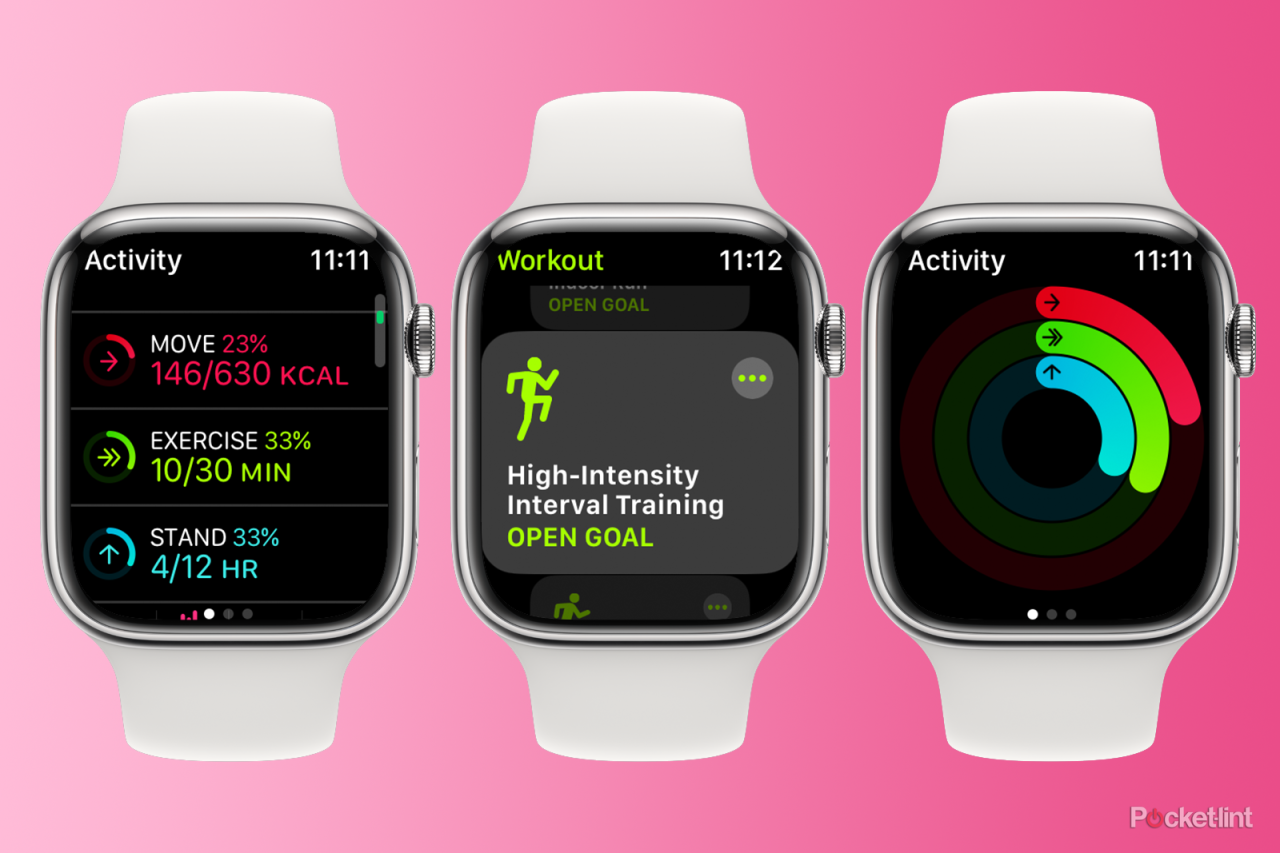
In summary, fitness watch apps represent a significant leap forward in personal health management and user engagement. They not only provide valuable insights into health metrics but also foster a sense of community among users. As technology continues to advance, these applications are poised to become even more personalized and integral to our wellness journeys.
FAQ Resource
What types of fitness metrics can these apps track?
Fitness watch apps can track a variety of metrics including steps taken, distance traveled, heart rate, calories burned, sleep quality, and even advanced metrics like VO2 max.
Are fitness watch apps compatible with all devices?
Most fitness watch apps are compatible with both iOS and Android devices, but specific compatibility may vary depending on the app and the watch model.
Do fitness watch apps require a subscription?
While many fitness watch apps offer free versions with basic features, some may require a subscription for advanced functionalities and personalized coaching.
Can fitness watch apps help with specific health conditions?
Yes, many fitness watch apps provide features designed to help users manage specific health conditions, such as diabetes or hypertension, by tracking relevant metrics.
How can I ensure my data is secure on these apps?
To ensure data security, choose apps that have strong privacy policies, use encryption, and allow you to control what data is shared and with whom.