
 Matthew David
Health tracking tools have become an essential part of our daily lives, revolutionizing how we manage our personal health and wellness. From simple pedometers to sophisticated mobile apps, these tools have dramatically evolved, providing users with invaluable insights into their health metrics and progress. The integration of technology in health management has not only made monitoring our fitness levels easier but has also empowered us to take control of our well-being.
As we dive deeper into the world of health tracking tools, we’ll explore their historical evolution, how they enhance fitness routines, the importance of data privacy, and the future trends shaping their development. These tools reflect a significant shift in the way we perceive and approach health management, and understanding their capabilities can lead to better health outcomes for individuals seeking to improve their lifestyle.
The evolution of health tracking tools and their impact on personal health management
The journey of health tracking tools has been a fascinating evolution, from rudimentary methods to sophisticated applications that empower individuals to take charge of their health. Over the years, these tools have transformed personal health management, making it easier for people to monitor their fitness, nutrition, and overall well-being. This transformation reflects a broader trend towards proactive health management, where individuals are encouraged and equipped to make informed decisions about their health.
Historically, health tracking began with simple methods such as diary entries and charts used to record physical activity or symptoms. In the mid-20th century, with the advent of more sophisticated medical technology, tools like pedometers emerged, allowing individuals to count steps and estimate distance traveled. While these early devices were limited in scope, they laid the groundwork for future innovations. The introduction of computerized systems and personal health records in the late 20th century marked a significant leap forward, enabling more detailed tracking of health metrics.
Technological advancements have played a pivotal role in shaping the design and functionality of modern health tracking tools. The emergence of wearable technology, such as fitness trackers and smartwatches, has revolutionized the way people monitor their health. These devices not only track physical activity but also monitor heart rates, sleep patterns, and even blood oxygen levels. The integration of mobile apps further enhances these capabilities, allowing users to log their food intake, set fitness goals, and receive personalized feedback.
A notable example of early health tracking methods is the use of manual food diaries, where individuals would write down their meals to keep track of caloric intake. Today, applications like MyFitnessPal provide users with barcode scanning technology and extensive food databases to log meals effortlessly. Additionally, early pedometers were primarily mechanical, relying on steps taken to estimate distance. Modern wearables, however, utilize accelerometers and gyroscopes, providing accurate real-time data and insights that were previously unimaginable.
The impact of these advancements on personal health management is profound. They not only promote accountability but also encourage users to cultivate healthier habits. With data-driven insights at their fingertips, individuals can adapt their routines based on real-time feedback, fostering a culture of self-awareness and proactive health care. As technology continues to evolve, the future of health tracking will likely integrate even more sophisticated analytics and personalized health recommendations, ultimately enhancing personal health management on an unprecedented scale.
How health tracking tools can enhance fitness routines

Health tracking tools have revolutionized how fitness enthusiasts approach their routines, providing a wealth of data at their fingertips. These tools, ranging from wearable devices to mobile applications, offer insights that can motivate and guide individuals in their quest for improved health outcomes. By integrating these tools into daily fitness routines, users can establish clear goals, track their progress, and make informed decisions about their health.
The integration of health tracking tools into fitness routines can greatly enhance effectiveness and accountability. Firstly, these tools allow users to set specific, measurable goals, such as achieving a certain number of steps per day or burning a particular number of calories during workouts. By clearly defining these objectives, individuals can remain focused and motivated. Additionally, many tools provide real-time feedback, which can be crucial during workouts. For instance, smartwatches can notify users when they reach their target heart rate, encouraging them to push harder or take a break as needed.
Specific features that motivate individuals to reach fitness goals
Various features embedded in health tracking tools serve to motivate users in their fitness journeys. Understanding these features can empower individuals to maximize their efforts in achieving their desired outcomes.
One significant feature is the activity log, which records daily exercises, steps taken, and calories burned. This log not only helps users stay accountable but also highlights patterns in their activities. Regularly reviewing this data can instill a sense of achievement and drive people to maintain or enhance their efforts.
Another motivating feature is goal setting and reminders. Users can set personalized goals within the app or device, and receive notifications or reminders to keep them on track. For example, if a user has set a goal to walk 10,000 steps daily, reminders can encourage them to move when they have been inactive for too long.
Social sharing options also play a significant role in motivation. Many applications allow users to share their achievements with friends or within communities. This creates a sense of camaraderie and competition, propelling individuals to push themselves further. For instance, participating in challenges where users can compete for the most steps in a week can boost motivation significantly.
Additionally, features such as progress tracking and data analytics can significantly enhance motivation. By visually displaying progress through graphs and statistics, users can see how far they have come, making the journey feel more tangible. This can be especially powerful when coupled with insights or suggestions based on their performance, helping users adjust their routines accordingly.
When comparing different types of health tracking tools, it’s essential to consider their unique functionalities. Wearable fitness trackers, such as Fitbit or Garmin, offer comprehensive monitoring of various metrics, including heart rate, sleep quality, and GPS tracking for outdoor activities. Mobile apps, like MyFitnessPal or Strava, provide detailed insights into dietary habits and community engagement, allowing for an integrative approach to health. Smartwatches, combining the functionalities of both wearables and apps, offer users the convenience of tracking fitness alongside regular smartphone features.
In conclusion, health tracking tools have become invaluable assets for fitness enthusiasts. By integrating these tools into daily routines, users can leverage their features to stay motivated and achieve their health goals effectively.
The role of data privacy in health tracking tools
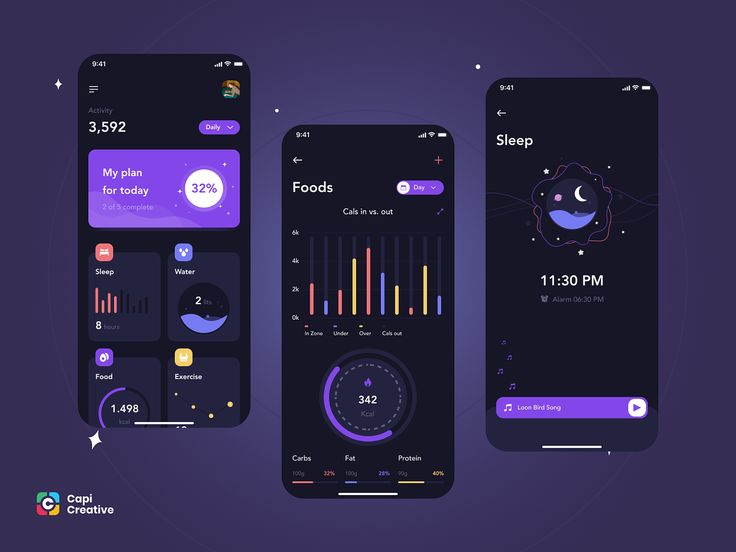
As health tracking tools become increasingly popular, the importance of data privacy cannot be overstated. Users of these applications often input sensitive personal information, ranging from health metrics to lifestyle habits. While these tools can provide valuable insights and support healthier living, they can also expose users to significant privacy risks if data is not adequately protected. Understanding and managing these risks is essential for anyone engaged with health tracking technologies.
Data privacy concerns are paramount when using health tracking tools. These applications often collect a wealth of personal data, which can include medical history, fitness levels, dietary habits, and more. If this data is mishandled, it could lead to serious consequences, including identity theft and unauthorized use of personal health information. One significant risk is data breaches, where hackers gain access to sensitive information stored on servers. High-profile incidents, such as the 2020 breach of health data from a fitness tracker, highlight the vulnerability of personal health data. Furthermore, users may not be aware of how their data is shared or sold to third parties, including advertisers and insurance companies, which raises ethical concerns about consent and transparency.
To mitigate the risks associated with sharing personal health data, users should implement several strategies to enhance their data security when using health tracking tools. It is crucial to perform due diligence before selecting a tool by reviewing its privacy policy to understand how data is collected, stored, and shared. Users can also take advantage of tools that use encryption to protect data during transmission and storage, ensuring that unauthorized parties cannot access their information.
Regular updates to software and apps are vital, as these updates often include security patches that protect against newly discovered vulnerabilities. Another important step is to utilize strong, unique passwords and enable two-factor authentication whenever possible, adding an extra layer of security. Users should also consider the extent of the data they choose to share, opting for the minimum necessary information to achieve their health tracking goals.
“The right to privacy is a fundamental human right, and this extends to our health data.”
By integrating these practices into their usage of health tracking tools, individuals can better safeguard their personal health information, ensuring that they derive the maximum benefit from these technologies without compromising their privacy.
Customization features in health tracking tools and their benefits
Customization features in health tracking tools have become a cornerstone in personal health management. These features allow users to tailor their experience according to their unique health needs, preferences, and goals. By providing personalized settings, health tracking tools can significantly enhance user engagement and satisfaction, leading to improved health outcomes.
The significance of customization lies in its ability to cater to individual needs. Everyone’s health journey is different, influenced by factors such as age, lifestyle, medical history, and personal goals. Health tracking tools equipped with customization options can adapt to these diverse requirements. For instance, users can set specific fitness goals, dietary preferences, and activity levels, allowing the tool to provide more relevant feedback and advice. Personalized settings can lead to better health outcomes for several reasons. First, they promote adherence to health plans, as users are more likely to stick with a program that resonates with their personal aspirations. Second, they offer a sense of ownership over one’s health journey, which can boost motivation and accountability. Lastly, tailored notifications and reminders can help users stay consistent with their routines, whether it’s exercising, taking medication, or drinking enough water.
Examples of popular health tracking tools with notable customization options
Several health tracking tools stand out for their robust customization features, helping users engage more effectively with their health. These tools illustrate how personalization can enhance user experience and outcomes.
– MyFitnessPal: This app allows users to customize their fitness goals, meal plans, and dietary preferences. Users can track their calorie intake based on individual nutritional requirements, making it easier to achieve weight loss or management goals.
– Fitbit: Beyond just tracking steps, Fitbit offers personalized exercise recommendations and reminders, allowing users to set specific fitness targets based on their activity levels. Users can also customize watch faces and notifications for a more personalized experience.
– Apple Health: Apple Health enables users to choose which health metrics to track, such as heart rate, sleep patterns, and hydration levels. This flexibility allows users to focus on the aspects of health that matter most to them.
– Samsung Health: This tool provides a myriad of customization options, including personalized workouts and health insights based on user activity and goals. The app can track a wide variety of health metrics, allowing users to tailor their data collection according to their needs.
Incorporating such customization features not only enhances user engagement but also fosters a deeper connection to health management, ultimately leading to healthier lifestyles and better outcomes.
The integration of health tracking tools with wearable technology
The integration of health tracking tools with wearable technology has transformed how individuals monitor and manage their health. This synergistic relationship enhances the functionality and accuracy of health metrics, allowing users to gain deeper insights into their well-being. Wearables such as fitness trackers and smartwatches have become essential companions for those seeking to achieve their health goals, providing real-time data that can be easily accessed and interpreted through companion health tracking applications.
The seamless integration of health tracking tools with wearable devices creates a user experience that is not only convenient but also highly informative. These integrations allow for automatic data synchronization, eliminating the need for manual entry. Users can effortlessly track various health metrics, including heart rate, steps taken, sleep patterns, and calorie expenditure. This information can be aggregated in a central application that provides comprehensive insights, enabling users to recognize patterns and trends over time.
One key functionality of this integration is the ability to set personalized health goals. For instance, many wearable devices feature algorithms that analyze user activity and suggest adjustments to achieve desired outcomes. This is particularly beneficial for users aiming for weight loss, improved fitness levels, or better sleep quality. Additionally, health tracking tools can leverage data from wearables to provide tailored health recommendations, enhancing the personalized user experience.
Another important aspect is the continuous health monitoring capabilities provided by wearables, which are especially vital for individuals with chronic conditions. For example, smartwatches can monitor heart rhythms and alert users to irregularities, allowing for timely medical intervention. This proactive approach to health management is made possible through the integration of advanced sensors found in wearable devices, combined with sophisticated health tracking tools that analyze this data effectively.
Popular wearable technologies
Several wearable technologies complement health tracking tools efficiently, enhancing their functionality and user engagement. The following are notable examples:
- Fitbit: Known for its wide range of fitness trackers, Fitbit synchronizes data such as steps, heart rate, and sleep quality with its app, providing users with a comprehensive view of their health.
- Apple Watch: This smartwatch offers health monitoring features like ECG, blood oxygen level tracking, and integration with Apple Health, making it a powerful tool for users aiming for holistic health management.
- Garmin: Primarily focused on fitness and outdoor activities, Garmin wearables provide advanced metrics for athletes, including VO2 max, recovery time, and training load, seamlessly integrating with their health tracking apps.
- Samsung Galaxy Watch: This device combines fitness tracking with health monitoring features, syncing seamlessly with Samsung Health to offer insights on stress levels, heart health, and more.
- Whoop Strap: A subscription-based wearable, Whoop provides in-depth analytics on recovery, strain, and sleep performance, catering especially to serious athletes seeking to optimize their training.
The combination of these wearable technologies with health tracking tools not only enhances the user experience but also empowers individuals to take charge of their health in a more informed and proactive manner. By leveraging data in real-time, users can make adjustments that align with their health objectives and lifestyle, ultimately leading to better health outcomes.
The future trends in health tracking tools
The future of health tracking tools is on the brink of a significant transformation, driven by technological advancements and the increasing demand for personalized healthcare experiences. As these tools evolve, they promise to enhance the way individuals manage their health, making tracking and understanding health metrics more intuitive and accessible.
Artificial Intelligence and Machine Learning in Health Tracking
Artificial intelligence (AI) and machine learning (ML) are set to revolutionize health tracking technology, providing unprecedented levels of insight and functionality. These technologies enable health tracking tools to analyze vast amounts of data, identifying patterns and trends that would be impossible for humans to discern. This capability allows for more accurate predictions regarding health risks and personalized recommendations for users.
AI algorithms can process data from various sources, including wearable devices, health apps, and medical records, creating a comprehensive view of an individual’s health. By employing predictive analytics, AI can forecast potential health issues based on lifestyle choices, historical data, and genetic predispositions. For instance, a study by the Journal of the American Medical Association demonstrated how machine learning could predict the onset of diabetes up to five years in advance by analyzing user data from health apps.
Moreover, AI-powered chatbots and virtual health assistants are becoming integral to health management. They provide users with real-time feedback on their health metrics, such as blood pressure or glucose levels, and offer personalized advice on lifestyle changes. This interaction not only enhances user engagement but also fosters a proactive approach to health management.
Future innovations in health tracking tools aim to address current limitations such as data privacy and user interface complexity. Enhanced security measures, such as blockchain technology, will help protect user data, ensuring that sensitive health information remains confidential. Furthermore, developments in user-centered design will simplify interactions with these tools, making them more accessible to a broader audience, including those who may be less tech-savvy.
In conclusion, the integration of AI and machine learning will empower health tracking tools to provide deeper insights, foster user engagement, and ultimately transform health management into a more personalized and effective experience.
Ending Remarks
In conclusion, health tracking tools are more than just gadgets; they are powerful allies in our quest for better health. By harnessing technology, these tools not only motivate us to stay active but also ensure that we are informed about our health status. As innovations continue to emerge, the future of health tracking promises even more integration and personalization, making health management more accessible and effective for everyone.
FAQ Compilation
What are health tracking tools?
Health tracking tools are devices or applications that help individuals monitor and manage their health metrics, such as fitness levels, nutrition, sleep patterns, and more.
How do health tracking tools work?
These tools collect data through sensors or manual input, analyze it, and provide feedback or recommendations to users to help them achieve their health goals.
Are health tracking tools safe to use?
While many health tracking tools are generally safe, it is essential to be aware of data privacy concerns and ensure that the tool you choose has robust security measures in place.
Can anyone use health tracking tools?
Yes, health tracking tools can be used by anyone interested in monitoring their health, regardless of fitness level or health status.
Do health tracking tools replace professional medical advice?
No, health tracking tools are designed to complement, not replace, professional medical advice. Always consult with healthcare providers for medical concerns.