
 Matthew David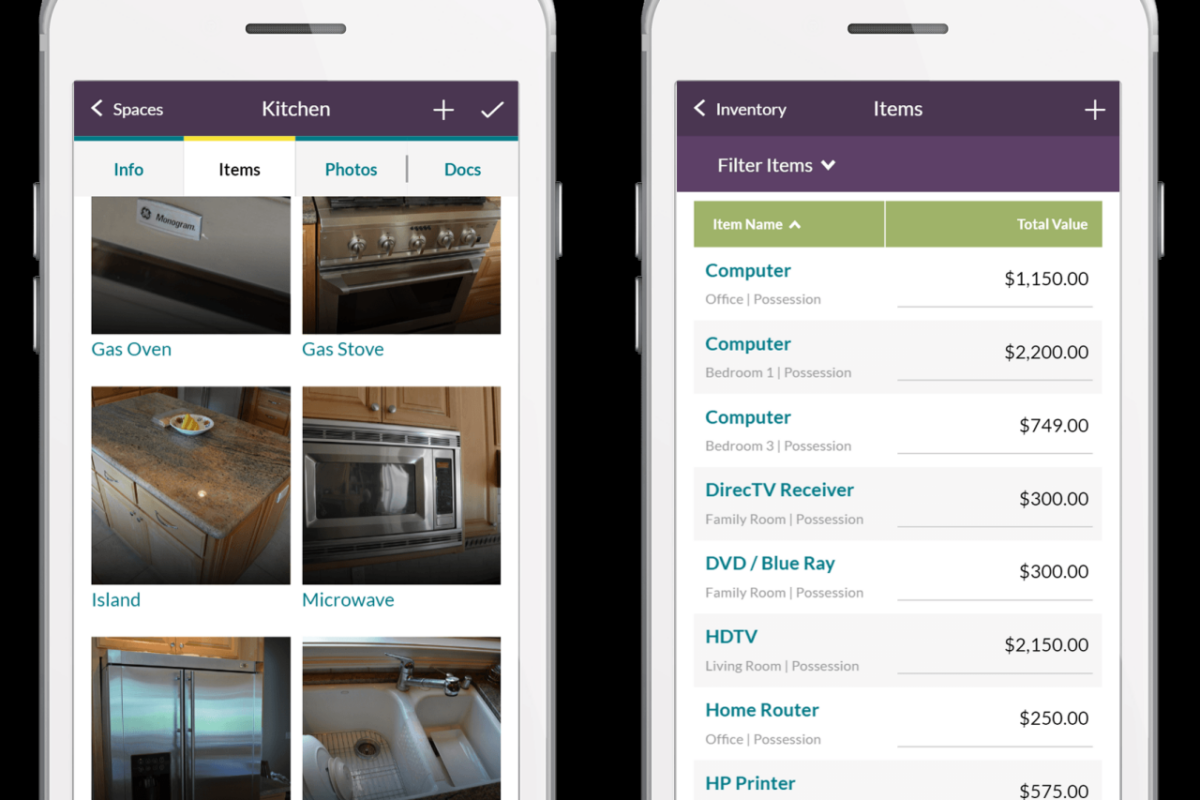
Home inventory app is a game changer for homeowners, simplifying the way we keep track of our possessions and manage our assets. With the ever-growing complexity of home ownership, having a digital inventory at your fingertips can make a world of difference, especially during stressful situations like insurance claims or loss assessments.
Imagine the ease of recalling every item in your house without rifling through drawers or taking mental notes; that’s the convenience a home inventory app offers. From ensuring you’re adequately covered by your insurance to helping you provide detailed claims in case of theft or damage, this app serves as both a safety net and a valuable organizational tool.
The importance of having a home inventory app for homeowners
Maintaining a detailed record of your belongings is essential for every homeowner. A home inventory app simplifies this task, allowing you to catalog items conveniently and efficiently. This digital solution not only helps you keep track of your possessions but also plays a crucial role in safeguarding your investments and providing peace of mind.
A home inventory app is an invaluable tool for managing assets effectively. By enabling homeowners to document their belongings, it creates a comprehensive list that can be accessed anytime, anywhere. In the unfortunate event of theft, damage, or natural disasters, having an organized inventory can significantly ease the process of filing insurance claims. The app provides evidence of ownership and item valuation, which insurers often require during claims assessments.
Situations where a home inventory app is beneficial
In various scenarios, a home inventory app proves its worth, making it an essential tool for every homeowner. Here are some instances highlighting its importance:
- Theft or Loss: If your home is burglarized, having a documented inventory of your valuables ensures you can quickly report stolen items to the authorities and file an insurance claim. For instance, if a laptop, jewelry, or significant artwork is taken, the app’s records help substantiate your claims.
- Natural Disasters: In the aftermath of disasters like floods or fires, an inventory app enables homeowners to itemize lost possessions swiftly. For example, after a fire, you can refer to your app to recall specific items you owned, facilitating a smoother claims process with your insurance provider.
- Home Renovations: Planning a renovation can be chaotic, but documenting your belongings can help you avoid damage during construction. Using an inventory app, you can keep track of which items are stored away, ensuring they remain safe throughout the process.
- Estate Planning: When preparing your estate or passing items to heirs, an inventory app provides clarity on what you own. This transparency helps your loved ones understand the value of your possessions and makes the distribution process easier and fairer.
“A well-maintained home inventory can save countless hours of stress and financial loss during unforeseen events.”
Key features to look for in a home inventory app
When selecting a home inventory app, it’s crucial to consider features that will enhance your experience and ensure that you can manage your belongings effectively. A well-rounded app can provide not only convenience but also peace of mind, especially in cases of loss or damage.
Essential functionalities that users should prioritize include barcode scanning, cloud backup, and report generation. These features can streamline the inventory process and offer valuable tools for organizing and retrieving information about your possessions.
Barcode scanning
Barcode scanning is a highly efficient feature that allows users to quickly add items to their inventory by simply scanning the barcode on the product. This eliminates the need for manual entry, reducing the possibility of errors and saving time.
A comprehensive barcode scanning feature can:
- Provide instant access to product information, including manufacturer details and warranty status.
- Enable users to update their inventory rapidly as new items are purchased.
- Support batch scanning, allowing multiple items to be added simultaneously, which is particularly useful for larger inventories.
Utilizing barcode scanning can create a seamless experience for users, making inventory management a straightforward task rather than a chore.
Cloud backup
Cloud backup functionality is another pivotal feature to consider. It ensures that your inventory data is securely stored and accessible from multiple devices. In case of a device loss or failure, having your information backed up in the cloud protects against data loss.
A reliable cloud backup can:
- Offer real-time synchronization across devices, allowing users to access their inventory from anywhere.
- Provide automatic backups, ensuring that updates are saved without manual intervention.
- Facilitate sharing with family members or cohabitants, allowing everyone to stay informed about the household inventory.
This feature is essential for anyone looking to maintain an organized and updated inventory effortlessly.
Report generation
The ability to generate reports is invaluable for users who need to assess their possessions for insurance or tax purposes. A robust reporting feature can provide insights into the total value of items, categorize possessions, and even track depreciation over time.
Report generation can:
- Allow users to create customized reports based on various criteria, such as item type, purchase date, or value.
- Help in preparing insurance claims by providing detailed lists of items and their values.
- Enable users to monitor their inventory trends, assisting in future purchasing decisions.
Having comprehensive reporting capabilities can transform how users manage their home inventory, making it a powerful tool for financial planning and asset management.
Comparative analysis of home inventory apps
When evaluating different home inventory apps, it is essential to compare the features they offer to determine the best fit for your needs. While some apps may excel in one area, others might provide a more balanced suite of features.
Key aspects to consider include:
- User interface and ease of use: A clean, intuitive design can significantly enhance the user experience.
- Pricing models: Some apps may offer free versions with basic features, while others provide premium options with advanced functionalities.
- Integration with other services: Apps that integrate with cloud storage solutions or insurance providers can offer added convenience.
By carefully comparing these elements, users can select an app that aligns with their specific inventory management requirements and lifestyle.
Step-by-step guide on how to create a home inventory using an app
Creating a comprehensive home inventory can simplify managing your belongings, assist in insurance claims, and help track item values over time. Using a home inventory app makes this process more efficient, allowing for easy organization and updates. Here’s how to get started with setting up your home inventory from scratch.
Setting Up the Home Inventory App
To begin using a home inventory app, follow these essential steps:
1. Choose the Right App: Select a home inventory app that fits your needs. Features to consider include photo uploads, categorization options, and cloud storage. Popular options include Sortly, Home Inventory, and Nest Egg.
2. Create an Account: Download the app and set up your user account. Most apps will require an email address and password for security.
3. Familiarize Yourself with the Interface: Spend some time navigating through the app. Understanding how to add items, categorize them, and locate information will save time later.
4. Start Adding Items: Begin documenting your belongings. For each item, include:
– Name
– Description
– Purchase date
– Value
– Photos for visual reference
The Importance of Categorizing Items
Efficient categorization of items within your inventory is crucial for easy navigation and management. By organizing your belongings into logical groups, you can quickly locate items when needed.
– Categories to Consider:
– Electronics
– Furniture
– Clothing
– Kitchenware
– Personal Items
Using categories not only enhances organization but also aids in the claims process if your items are lost or damaged. For example, if a disaster occurs, knowing which items belong to which category can streamline the insurance claim process.
Maintaining and Updating Your Inventory Regularly
To keep your inventory accurate and useful, it’s essential to perform regular maintenance and updates. Here are tips for staying on top of your inventory:
– Set Reminders: Use a calendar or reminder system to alert you when it’s time to update your inventory, ideally every six months or after significant purchases.
– Document New Purchases Immediately: Make it a habit to log any new purchases right away. This can prevent forgetting important items over time.
– Review and Remove Unwanted Items: If you donate or dispose of items, reflect these changes in your inventory to maintain accuracy.
Regularly updating your home inventory ensures that you are prepared for any unexpected events, such as theft or natural disasters.
– Backup Your Data: Ensure that your app supports cloud backup or export options. This is crucial for preserving your inventory information in case of app issues or device loss.
By following these steps, you can create a thorough and organized home inventory, making it easier to manage your belongings and protect your investments.
The role of technology in enhancing home inventory management
The integration of technology into home inventory management is revolutionizing how homeowners track and manage their possessions. Traditional methods often relied on manual lists or spreadsheets, which could be cumbersome and prone to errors. With the emergence of advanced digital solutions, homeowners can now enjoy streamlined processes that enhance efficiency, accuracy, and overall user experience.
Technology has transformed traditional methods of home inventory management by automating data collection, simplifying organization, and facilitating real-time updates. Modern apps leverage cloud storage, making it easy for users to access their inventory from any device, anywhere. The ability to scan barcodes or take photos of items allows for quick entry and retrieval of information, while cloud backup ensures that data is safe and retrievable in case of device loss.
Integration of AI and machine learning in inventory apps
Artificial Intelligence (AI) and machine learning are at the forefront of creating smarter home inventory apps. These technologies enable apps to learn from user behavior and improve over time, tailoring features that enhance usability and accuracy.
For instance, AI algorithms can analyze patterns in inventory usage, suggesting optimal organization strategies or alerting homeowners when certain items are running low. Machine learning systems can also detect anomalies in inventory data, helping users identify discrepancies and reduce the risk of loss. This proactive approach to inventory management not only saves time but also minimizes the frustration often associated with manual tracking.
The following features highlight how technology improves user experience and accuracy in inventory tracking:
- Automated Categorization: Advanced algorithms sort items into categories automatically, simplifying the management process and allowing users to find items quickly.
- Smart Notifications: Users receive alerts for items that require attention, such as expiration dates for food or reminders for maintenance of equipment.
- Visual Inventory Management: Users can take photos of items, making it easier to visualize possessions and enabling rapid identification of items within the app.
- Voice-Activated Features: Integration with virtual assistants allows users to add or query items hands-free, enhancing accessibility and convenience.
The incorporation of these technological advancements signifies a pivotal shift in home inventory management, empowering homeowners to maintain accurate records effortlessly. With the right tools, managing personal belongings has become a streamlined, efficient process that reduces the burden of traditional inventory tracking.
Common mistakes to avoid when using a home inventory app
Managing a home inventory through an app can streamline the process of tracking personal belongings, ensuring you have detailed records for insurance claims, moving, or simply staying organized. However, users often encounter common pitfalls that can compromise the accuracy and reliability of their inventory. Understanding these mistakes is vital for maximizing the effectiveness of your home inventory app.
One of the most common errors is underestimating the importance of regular updates. Failing to keep your inventory current can lead to discrepancies, especially after significant purchases, disposals, or relocations. Inaccurate records can affect insurance claims and leave you unprepared for emergencies. Additionally, neglecting to categorize items correctly can lead to confusion when searching for specific items or assessing their values.
Failure to document item details
Providing insufficient details about each item in your inventory can significantly impact its usability. Simply listing the item name without context can make it challenging to remember the item’s value, purchase date, or warranty information later on. Here are key points to consider:
- Include purchase receipts: Attach digital copies of receipts or warranty documents to each item in your inventory for easy access when needed.
- Record item conditions: Note whether items are in new, used, or damaged condition, as this can influence their value during insurance claims.
- Take photographs: Capture clear images of each item, especially valuable ones, to provide visual proof of ownership and condition.
Neglecting to backup your inventory
Many users overlook the importance of backing up their inventory data, which can lead to loss in case of app failure or device malfunction. Regular backups ensure your information is safe and retrievable. Consider these practices:
- Utilize cloud storage: Sync your inventory app with a reliable cloud service to automatically save your data.
- Export data periodically: Use the app’s export feature to create CSV or PDF files for offline storage.
- Schedule regular backups: Set reminders to back up your inventory at regular intervals, so you don’t forget.
Ignoring app features
Users frequently fail to take full advantage of the features offered by home inventory apps, which can lead to missed opportunities for better organization and efficiency. Here are some features that are often underutilized:
- Tags and categories: Use tags to categorize items for easier sorting and retrieval. For example, group items by room, value, or type.
- Search functionality: Familiarize yourself with the search tools within the app to quickly locate items without scrolling through lists.
- Alerts and reminders: Set reminders for items that may require maintenance or replacement, such as expiry dates on warranties or insurance policies.
Keeping your home inventory app updated and well-documented can save you time and hassle when it matters most.
Best practices for maintaining an accurate home inventory
Keeping an accurate home inventory is crucial for effective property management, insurance claims, and safeguarding valuables. A well-maintained inventory helps in easily tracking possessions, determining their worth, and ensuring peace of mind. By adopting best practices, homeowners can ensure their inventory remains precise and current.
Regular reviews and updates of your inventory data are essential for maintaining accuracy. Changes in ownership, new purchases, or disposals of items can occur frequently, making it necessary to revisit your inventory periodically. By scheduling routine check-ins, you can identify discrepancies and make necessary adjustments.
Essential best practices for maintaining your home inventory
To effectively manage your home inventory, consider implementing the following best practices:
- Conduct Regular Audits: Schedule annual or bi-annual reviews of your inventory to verify the presence and condition of items, making updates as necessary.
- Document New Purchases Immediately: As soon as you acquire a new item, add it to your inventory with details such as purchase date, price, and warranty information.
- Utilize Technology: Use inventory management apps or digital spreadsheets to easily update and access your inventory from anywhere, making it simple to keep track of items on the go.
- Take Photos: Photograph high-value items and include these images in your inventory records. This visual documentation can be invaluable for insurance claims and can help in accurately assessing your belongings.
- Include Serial Numbers: Record serial numbers for electronics and appliances. This information is crucial for verifying ownership and can expedite the claims process.
- Store Documents Safely: Keep receipts, warranties, and appraisals stored securely, either digitally or in a safe location, to aid in the claims process if needed.
“An organized home inventory is not just about tracking possessions; it’s about ensuring peace of mind and preparing for the unexpected.”
Incorporating these practices into your routine can transform your home inventory from a simple list into a comprehensive, reliable resource. Efficient management of your inventory enables you to respond quickly to changes and claims, ensuring all your belongings are accounted for and valued correctly.
The benefits of sharing your home inventory with family members
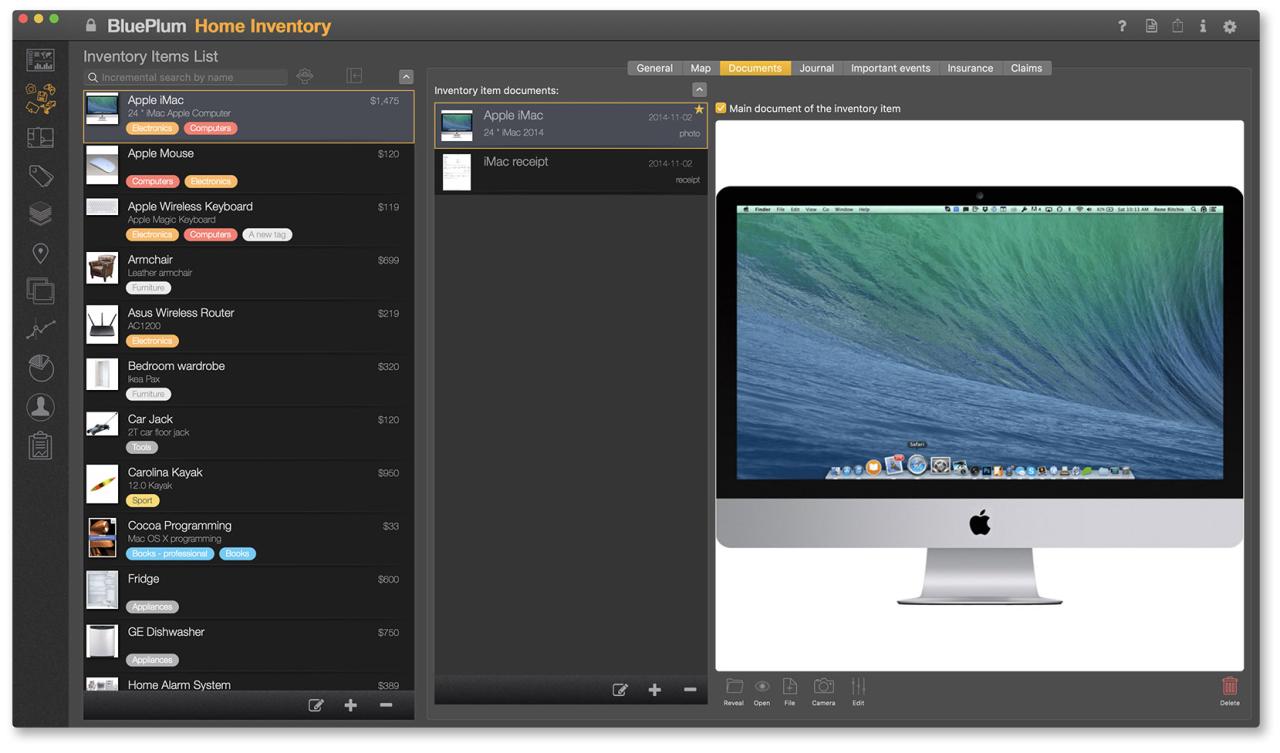
Sharing your home inventory with family members can significantly improve communication regarding asset management. It creates an open line for discussions about what items hold value, where important documents are kept, and how to approach decisions related to your household. This collaborative environment ensures that everyone is on the same page, eliminating confusion and misunderstandings.
In emergency situations, having a shared resource is invaluable. In the event of a disaster—such as a fire or flood—knowing what possessions are available can aid in making quick decisions about what to salvage. A pre-established inventory can also streamline insurance claims, making the process less stressful during an already challenging time.
Enhancing decision-making through shared access
Shared access to your home inventory provides a basis for informed decision-making among family members. With everyone able to view the inventory, it becomes easier to discuss and decide on various aspects, such as:
Evaluating item importance:
Family members can assess which items are crucial to them and prioritize accordingly.
Planning for the future:
Understanding the value of possessions can help in planning for relocation, sale, or inheritance.
Streamlining organization:
Regular discussions about the inventory can lead to better organization and management of items.
This shared resource promotes transparency and encourages collaborative efforts in managing the household’s assets. By fostering an environment where family members can contribute to and discuss the inventory, you not only enhance communication but also create a collective sense of responsibility in managing your family’s belongings.
Comparing different home inventory apps on the market
When it comes to managing personal belongings, choosing the right home inventory app can make all the difference. These apps are designed to help you track and manage your assets efficiently, but with so many options available, it’s crucial to compare their features, pricing, and user feedback.
Understanding the distinctions between these apps empowers consumers to make informed decisions based on their unique needs. Below is a detailed comparison of some of the most popular home inventory apps currently available.
Comparison of Popular Home Inventory Apps
Here’s a consolidated view of the leading home inventory apps, highlighting their pricing, features, and user reviews for easy reference:
| App Name | Pricing | Key Features | User Reviews |
|---|---|---|---|
| Sortly | Free for basic; $39/month for premium | Visual inventory management, QR code scanning, cloud backup |
|
| Home Inventory | $39.99 (one-time purchase) | Detailed tracking, reports, insurance tracking |
|
| StuffKeeper | Free; $2.99/month for ad-free experience | Multi-device sync, photos, voice notes |
|
| My Stuff | $4.99 (one-time purchase) | Barcode scanning, customizable categories |
|
User experiences shed light on the strengths and weaknesses of each app. Sortly has gained a reputation for its user-friendly interface, making it a go-to for those who prefer visual organization. However, some users find its premium pricing steep for advanced features. Home Inventory, while robust with its extensive tracking capabilities, can be daunting for newcomers due to its complexity. StuffKeeper appeals to users looking for straightforward and quick inventory management, although it may not meet the needs of those requiring more comprehensive tracking. My Stuff balances usability and functionality, though users note its lack of cloud integration as a drawback.
Comparing these apps helps clarify which one aligns best with individual preferences and requirements, ensuring a smoother inventory management experience.
The impact of home inventory apps on insurance policy management
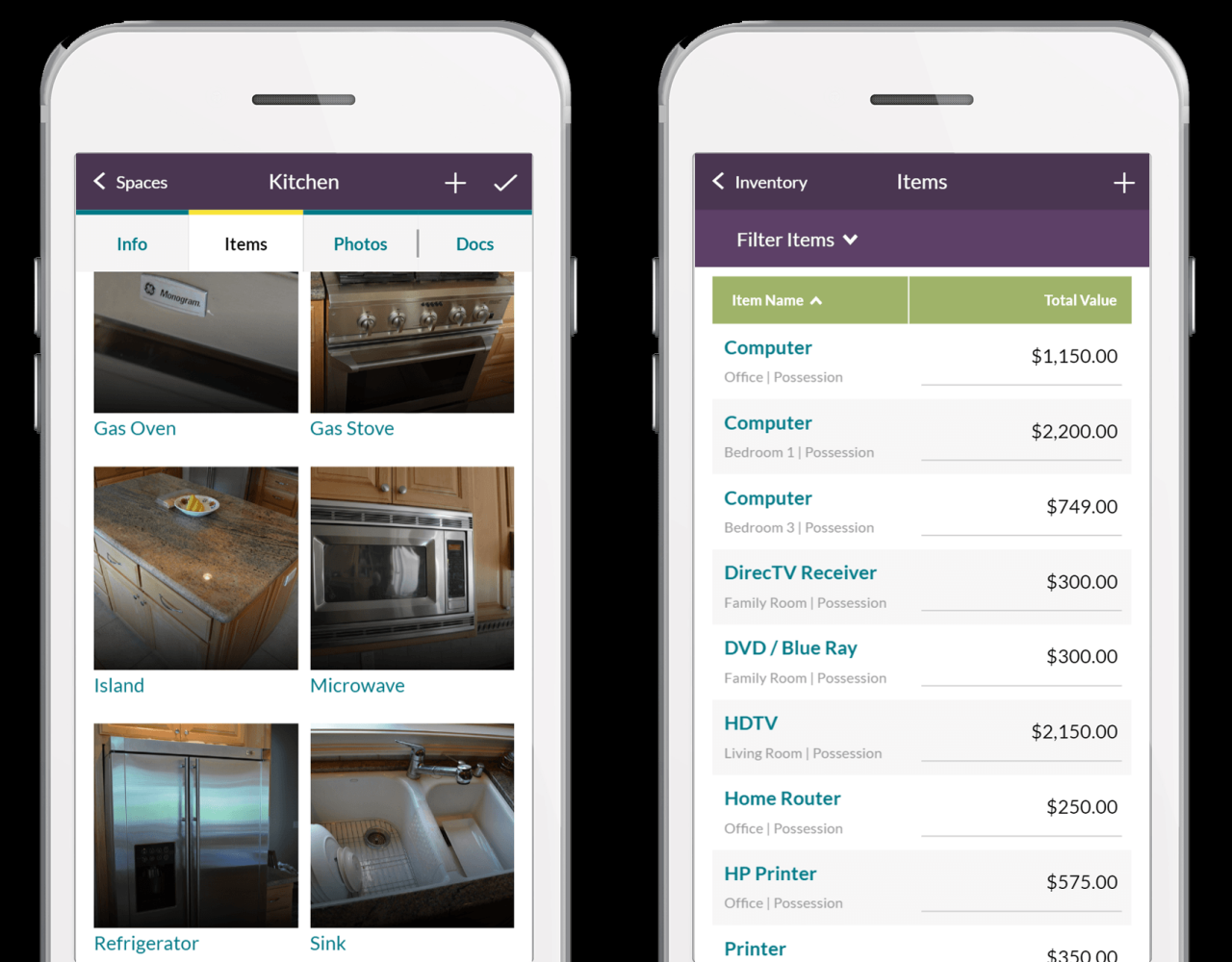
Home inventory apps have transformed the way homeowners approach insurance policy management. By providing a streamlined platform to catalog belongings, these apps simplify the process of both filing claims and ensuring adequate coverage. With a detailed inventory readily accessible, users can make informed decisions about their insurance needs, ultimately enhancing their protection and peace of mind.
A home inventory app streamlines the management of insurance policies by centralizing all necessary information about personal property. Users can easily document items, track their values, and categorize them for quick access. This organized approach aids in the accurate reporting of claims, as users can provide insurers with precise details about their possessions. Furthermore, a comprehensive inventory can reveal potential gaps in coverage and inform policy adjustments, ensuring that homeowners are adequately protected against loss.
Influence of Detailed Inventory on Coverage and Premiums
Having a detailed inventory significantly influences both coverage options and insurance premiums. Insurers often reward policyholders who demonstrate a proactive approach to managing their assets. The following points illustrate how a well-maintained inventory can impact insurance:
– Accurate Valuation of Coverage: Listing high-value items helps ensure that insurance coverage is reflective of actual risks. For example, a homeowner with a documented collection of vintage jewelry can secure appropriate coverage instead of risking underinsurance.
– Premium Adjustments: By providing a thorough inventory, users may qualify for lower premiums. Insurers appreciate clients who take steps to protect their assets and may offer discounts for maintaining an updated inventory.
– Easier Claims Process: In the event of theft or damage, having a detailed inventory simplifies the claims process. For instance, one homeowner was able to recover full value on lost electronics simply by presenting an organized list accompanied by receipts, demonstrating the effectiveness of their app.
– Understanding Liability and Coverage Gaps: With a clear inventory, homeowners can identify potential liabilities and ensure they have comprehensive coverage. For example, a user discovered they were underinsured for their home office equipment, prompting an increase in their policy limits.
In addition to these advantages, maintaining an up-to-date inventory has led to real-life benefits for many users. One documented case involved a family who experienced a fire in their home. Thanks to their home inventory app, they could quickly catalog and list items lost in the fire, expediting their claim and ensuring a smoother recovery process. This illustrates the app’s value in mitigating stress and enhancing efficiency during difficult times.
Future trends in home inventory app development
The landscape of home inventory apps is continuously evolving, driven by technological advancements and changing user expectations. As homeowners seek greater efficiency and convenience in managing their belongings, developers are responding with innovative solutions. This discussion explores anticipated trends that will shape the future of home inventory applications and the features that are likely to become standard.
Emerging Technologies in Home Inventory Apps
The integration of advanced technologies will significantly influence the development of home inventory apps. These technologies aim to enhance user experience, streamline processes, and bolster security.
- Artificial Intelligence (AI): AI algorithms can analyze user habits and suggest optimal ways to organize and manage inventory. For instance, a home inventory app might utilize AI to recommend items that need to be replaced based on usage patterns.
- Augmented Reality (AR): AR can provide users with a virtual view of their inventory, allowing them to visualize items in their space before making decisions. Imagine being able to see how a new piece of furniture fits into your living room using just your smartphone.
- Blockchain Technology: For security and transparency, blockchain can be used to verify ownership and provenance of items. This feature would be particularly valuable for high-value assets, providing users with peace of mind regarding their investments.
User-Centric Features Shaping Development
User needs and preferences are at the heart of app development. As homeowners become more tech-savvy, their expectations regarding functionality and ease of use are evolving. This shift drives developers to incorporate features that enhance user satisfaction.
- Smart Integration: Home inventory apps are increasingly integrating with smart home devices. This allows users to track inventory using voice commands or automated systems. For example, a user could say, “List all items in my garage,” and receive an instant summary.
- Cloud Storage Solutions: As digital organization becomes essential, cloud storage options will allow users to access their inventory from anywhere. This flexibility is vital for those who frequently travel or manage properties remotely.
- User Customization: Tailored interfaces and personalized settings will enable users to adapt the app to their specific needs. This could include customizable categories for inventory items or adjustable notifications for maintenance reminders.
Potential Standard Features in Home Inventory Apps
As the market for home inventory apps matures, certain features are likely to become standardized across platforms, setting a benchmark for future applications. These enhancements focus on usability, security, and comprehensive functionality.
- Automated Backups: Regular automated backups ensure that users never lose their inventory data, even in the event of device failure or loss. This reliability is essential for maintaining a complete record of belongings.
- Insurance Integration: Direct connections with insurance providers can streamline claims processes, allowing users to easily document and report losses. This feature could save time and reduce stress during challenging situations.
- Comprehensive Reporting Tools: Generating reports for valuation, insurance, and tax purposes will become standard. Users will appreciate the ability to quickly produce detailed overviews of their inventory, aiding in financial planning and assessments.
Closure
In summary, a home inventory app not only protects your belongings but enhances your overall management of them. By integrating technology into your routine, you can avoid common pitfalls and ensure your inventory is always accurate, accessible, and beneficial to you and your family.
Answers to Common Questions
What is a home inventory app?
A home inventory app is a digital tool that helps homeowners keep track of their possessions, making it easier to manage assets and file insurance claims.
How does a home inventory app help with insurance claims?
It provides a detailed record of your belongings, which simplifies the claims process by allowing you to provide precise information about lost or damaged items.
Can I share my home inventory with family members?
Yes, many apps allow you to share your inventory, enhancing communication and collaboration in managing family assets.
Do I need a lot of technical skills to use a home inventory app?
No, most home inventory apps are designed to be user-friendly, requiring minimal technical skills to set up and maintain.
How often should I update my home inventory?
It’s recommended to update your inventory at least once a year or whenever you acquire or dispose of significant items.
Are home inventory apps secure?
Most reputable home inventory apps offer secure cloud storage options, ensuring your data is protected from unauthorized access.
Can I access my home inventory on multiple devices?
Yes, many home inventory apps sync across devices, allowing you to access your inventory from smartphones, tablets, and computers.