
 Matthew David
In today’s fast-paced world, the significance of a well-organized home cannot be overstated. A Home organizer app is more than just a digital tool; it’s a game-changer that can enhance your living environment and overall quality of life. By addressing clutter, these apps help reduce stress and increase productivity, allowing you to focus on what truly matters. Imagine effortlessly managing your tasks, schedules, and belongings all in one place, leading to a more harmonious and efficient daily routine.
As we dive deeper into the world of home organization, it’s important to recognize how these apps can transform not only your physical space but also your mental clarity. By incorporating features that cater to individual needs, these applications empower users to reclaim control over their homes while boosting their overall well-being.
The Importance of Home Organization in Modern Living
In today’s fast-paced world, home organization has become essential for maintaining not just a tidy living space but also a balanced lifestyle. As more individuals find themselves juggling work, family, and personal commitments, the significance of an organized home environment cannot be overstated. An orderly space provides a sanctuary where one can recharge and find clarity amidst the chaos of modern living.
The impact of clutter on mental health and productivity is profound. Numerous studies have shown that a disorganized home can lead to increased stress levels, anxiety, and feelings of overwhelm. For example, a 2010 study published in the journal “Personality and Social Psychology Bulletin” found that women who described their homes as cluttered were more likely to experience elevated levels of cortisol, a stress hormone. This high-stress environment can hinder one’s ability to focus, leading to decreased productivity. In contrast, a well-organized space fosters a sense of control and reduces the distractions that can impede daily functioning.
Impact of Clutter on Daily Life
The consequences of clutter extend beyond mental distress; they also affect efficiency in daily tasks. An organized home allows for smoother routines and quick access to necessary items, ultimately saving time and reducing frustration. Here are some ways in which home organization translates into improved efficiency:
- Easy Access to Essentials: An organized kitchen, where utensils and ingredients are systematically stored, allows for quicker meal prep. Imagine looking for a pan without having to dig through a pile of mismatched items—it’s not just about cleanliness but functionality.
- Streamlined Daily Routines: When every item has its designated place, morning routines become less chaotic. For instance, having a dedicated spot for keys and bags can prevent the last-minute scramble often experienced when heading out the door.
- Enhanced Focus on Tasks: A tidy workspace fosters greater concentration. A study from Princeton University found that physical clutter in one’s surroundings competes for attention and ultimately reduces performance and productivity.
Creating an organized environment can lead to a cascade of positive effects. For instance, consider the impact of a well-organized closet. When clothes are sorted by type and color, selecting an outfit becomes a breeze, saving both time and mental energy. This small change can lead to a more confident start to the day as individuals feel more prepared.
In summary, the importance of home organization in modern living is multifaceted. It not only enhances one’s mental well-being but also significantly improves the efficiency of daily tasks, leading to a more harmonious and productive lifestyle.
Features to Look for in a Home Organizer App
Home organizer apps have become essential tools for managing everyday tasks, decluttering spaces, and enhancing productivity. With a plethora of options available, identifying the right features can significantly improve user experience. The best apps offer functionalities that not only streamline organization but also promote effective time management, making daily routines more efficient.
A well-rounded home organizer app should prioritize user-friendly features that cater to various organization needs. Here are five essential features to look for when selecting a home organizer app, each of which contributes to a more organized lifestyle:
Task Management
Effective task management is crucial for maintaining order in any home. Apps that offer this feature allow users to create, assign, and track tasks easily. This not only helps in keeping a checklist of chores but also aids in prioritizing them based on urgency.
- Task Creation: Users can create tasks with deadlines, ensuring nothing falls through the cracks.
- Progress Tracking: Visual indicators, such as progress bars or completion percentages, help users stay motivated.
Calendar Integration
Integrating a calendar feature helps users coordinate tasks with their schedule. This is particularly beneficial for families or individuals juggling multiple commitments.
- Syncing Capabilities: The ability to sync with other calendars ensures that users can see all their commitments in one place.
- Event Reminders: Notifications for upcoming tasks and events enhance time management by reducing the likelihood of missed deadlines.
Inventory Tracking
An inventory tracking feature allows users to keep tabs on household items, which is crucial for decluttering and managing supplies.
- Stock Levels: Users can set alerts for low-stock items, which can prevent last-minute trips to the store.
- Organized Categorization: Grouping items by category improves the efficiency of locating items when needed.
Room Layout Planning
Some apps provide room layout planning tools, enabling users to visualize their space and plan organization before making changes.
- 3D Visualization: This feature allows users to create a virtual representation of their space, enhancing planning accuracy.
- Furniture Arrangement Suggestions: Offering suggestions based on user inputs helps maximize space efficiency.
Collaboration Tools
For households with multiple members, collaboration tools are essential. These allow everyone to participate in organization and task management.
- Shared Access: Users can share tasks and lists with family members, fostering teamwork and accountability.
- Real-Time Updates: Notifications about changes made by collaborators help everyone stay informed and engaged.
Different home organizer apps may excel in various features, so it’s helpful to compare them based on the above criteria. For example, Todoist is known for its robust task management capabilities, while Trello shines in visual project management, and Google Keep offers seamless calendar integration. Evaluating these features can guide users in selecting the app that best meets their organizational needs and lifestyle preferences.
The Role of User Interface in Home Organizer Apps
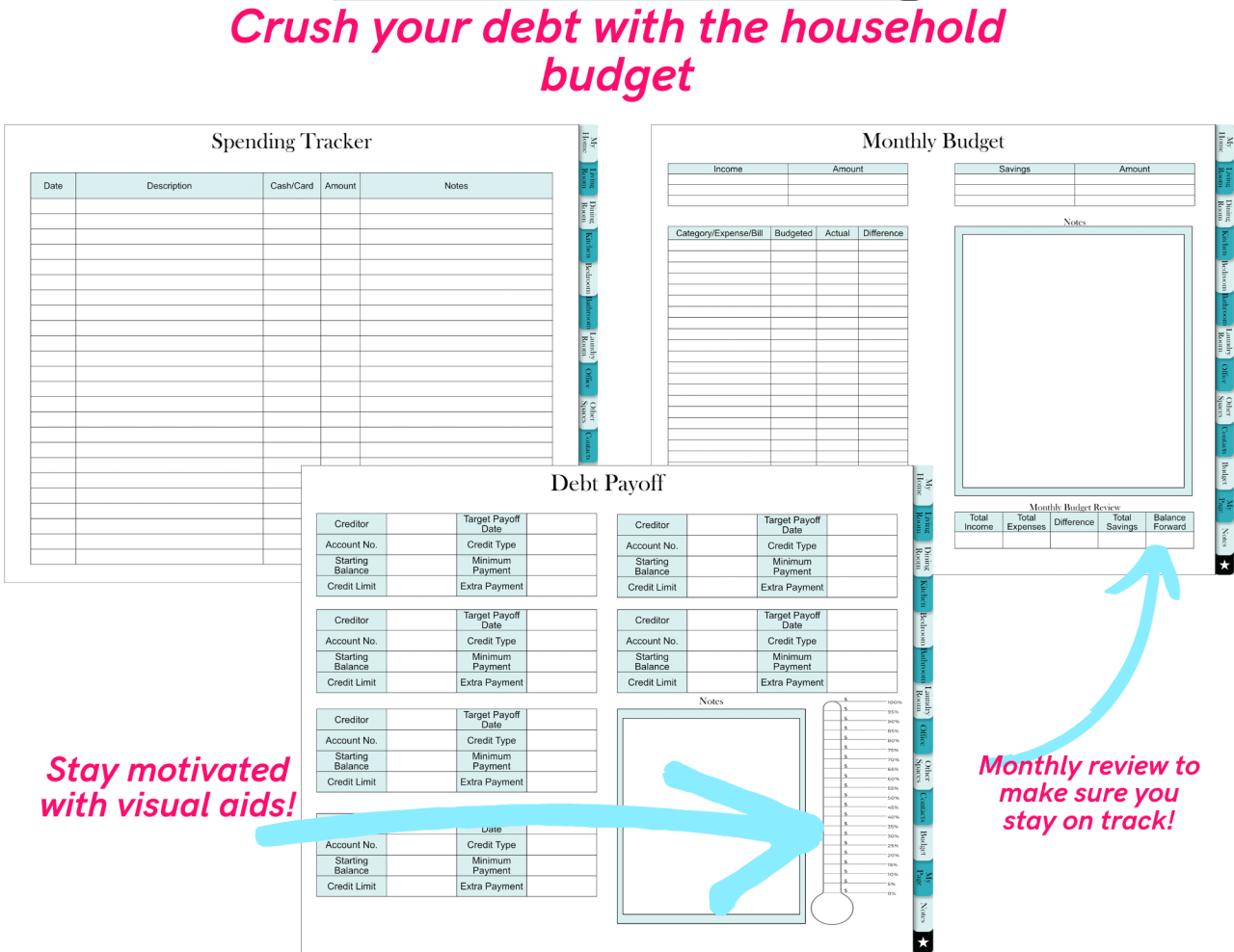
The user interface (UI) plays a pivotal role in the effectiveness and usability of home organizer apps. A well-designed UI not only enhances user engagement but also promotes efficiency in managing household tasks and organizing personal spaces. The overall experience is greatly influenced by how users interact with the app, making UI design a critical factor in its success.
The usability of home organizer apps is directly linked to their user interface design. A clear and cohesive UI allows users to understand functionalities without extensive instruction. When users encounter a visually appealing interface combined with intuitive navigation, they are more likely to stay engaged and utilize the app effectively. In essence, a thoughtful UI design can significantly enhance user satisfaction and productivity.
Intuitive Navigation and Visual Appeal
Intuitive navigation ensures that users can find what they need quickly and without confusion. When designing a home organizer app, the layout should facilitate a seamless journey through various features such as task lists, inventory management, and scheduling tools. Employing a clean and simple layout allows for easy identification of key actions and features.
The visual appeal of the app also plays an essential role in attracting and retaining users. Aesthetic elements like color schemes, graphics, and typography contribute to the overall user experience. Here are a few aspects that highlight the importance of intuitive navigation and visual appeal:
- Consistent Design Elements: Consistency in buttons, icons, and menus helps users develop familiarity and comfort with the app. For example, apps like Todoist utilize a uniform color palette and iconography, allowing users to navigate effortlessly.
- Clear Call-to-Action Buttons: Well-placed and visually distinct buttons guide users towards completing tasks. An app like Trello uses large, easily identifiable buttons that streamline project management.
- Minimalist Aesthetic: A decluttered interface enhances focus. For instance, Evernote embraces a minimalist design, promoting simplicity while allowing users to concentrate on note-taking and organization.
- Responsive Design: A mobile-friendly approach ensures accessibility across devices. Apps like Notion adapt their layouts for both mobile and desktop, making information easily digestible, regardless of the screen size.
Implementing these principles can lead to increased user satisfaction and loyalty. A straightforward and aesthetically pleasing interface not only attracts users but also encourages daily usage, ultimately helping them achieve their organization goals more efficiently.
“A well-crafted user interface is the bridge between the user and their organizational dreams.”
Customization Options in Home Organizer Apps
Customization is a key feature in home organizer apps, allowing users to adapt the app to suit their specific needs and preferences. This personalization enhances user satisfaction, making it easier for individuals to manage their homes effectively. When users can tailor the app to their unique organizational styles, they are more likely to utilize its features fully, leading to improved productivity and a sense of control over their living spaces.
Users can customize various features within home organizer apps to address specific organizational tasks. This flexibility enables them to create a system that works best for their lifestyle and preferences. By adjusting settings, themes, and functionalities, users can streamline their organizational processes, ensuring that they stay on top of their tasks without feeling overwhelmed. The importance lies in creating an efficient workflow that fits seamlessly into their daily routines.
Available Customization Options
Numerous customization options are available in popular home organizer apps, each providing unique tools to enhance the user experience. Here are some common features users can modify:
- Task Categories: Users can create custom categories for tasks, allowing them to sort items by room, project, or priority. This helps in easily locating and managing tasks based on specific needs.
- Reminder Settings: Many apps allow users to set personalized reminder notifications for tasks. Users can choose the frequency and timing of reminders based on their schedules, ensuring they never miss a deadline.
- Themes and Layouts: Users can often select different themes or layouts for the app interface. This can include color schemes, font sizes, and arrangements that make the app visually appealing and easy to navigate.
- Integration with Other Tools: Some apps offer the option to link with other tools or services, such as calendars or grocery lists. This integration allows for a more cohesive organizational experience across different platforms.
- Custom Labels and Tags: Users can often create their own labels or tags for items, which can help in organizing belongings according to personal criteria, making retrieval easier.
Customizing these aspects of a home organizer app can significantly enhance a user’s ability to manage their tasks and belongings, leading to a more organized and stress-free home environment.
Integration with Other Tools and Devices
Home organizer apps have revolutionized the way individuals manage their daily tasks and household responsibilities. The ability to integrate these applications with other tools, such as calendars and smart devices, enhances their functionality and provides users with a cohesive experience. This integration not only streamlines processes but also ensures that all aspects of home management are interconnected, leading to increased productivity and efficiency.
One significant advantage of home organizer apps is their capability to sync with digital calendars like Google Calendar or Outlook. This integration allows users to import tasks, reminders, and events directly into their calendar, ensuring they never miss important deadlines or appointments. Furthermore, syncing with to-do lists enables users to view their tasks alongside their scheduled events, providing a comprehensive overview of their day.
Benefits of a Unified Organizational System
Having a unified organizational system across different platforms significantly enhances user experience by minimizing the friction that often accompanies switching between various applications. The following points illustrate the advantages of such a system:
- Centralized Information: All important information is stored in one place, eliminating the need to juggle multiple apps. For instance, a home organizer app can consolidate shopping lists, cleaning schedules, and meal plans in a single interface.
- Improved Efficiency: Users can complete tasks more quickly when they can access all their tools easily. For example, when paired with smart home devices, users can set reminders to water plants or turn off lights at specific times, making home management smoother.
- Enhanced Collaboration: Many apps offer features that allow family members or housemates to collaborate on tasks. Integrations with communication platforms like Slack or Microsoft Teams enable teams to share updates seamlessly.
Successful integrations that enhance functionality include connecting with voice-activated smart devices such as Amazon Alexa or Google Assistant. For example, a user can create a grocery list via voice command, which is then automatically updated in the home organizer app. This functionality not only saves time but also ensures that the list is always accessible and up-to-date.
In summary, the integration of home organizer apps with various tools and devices creates a more efficient and user-friendly experience, making home management less overwhelming and more enjoyable.
Tips for Maximizing the Use of a Home Organizer App
Using a home organizer app can transform your space and enhance your productivity when it’s utilized to its fullest potential. Here are some actionable strategies to ensure you’re getting the most out of your app experience, keeping your home organized and your tasks on track.
Actionable Tips for Effective Organization
Implementing these tips can significantly improve your organizational skills and make your daily routines smoother. Consider the following strategies:
- Set Clear Categories: Organize your lists by creating specific categories such as cleaning tasks, grocery lists, or maintenance schedules. This helps in quickly referencing and managing your responsibilities.
- Prioritize Tasks: Use the app’s features to mark high-priority items. Identifying what needs immediate attention can streamline your day and prevent last-minute rushes.
- Utilize Reminders: Set timely reminders for tasks and appointments. Notifications will help ensure that no important task slips through the cracks, keeping you on track.
- Regular Reviews: Schedule weekly reviews of your organized lists. This practice allows you to assess what has been completed and what still requires attention, making adjustments as necessary.
- Share with Family: If the app allows collaboration, share your lists with family members. This encourages teamwork in household tasks, ensuring everyone stays informed and involved.
Maintaining Organized Lists
Consistent maintenance of your lists is crucial for long-term organization. Regular updates prevent clutter and ensure that the information remains relevant. Here are effective methods to maintain your lists:
- Daily Check-ins: Spend a few minutes each day updating your lists. Mark off completed tasks and add new items as they arise, which keeps everything fresh and manageable.
- Monthly Clean-up: At the end of each month, review your lists and remove any outdated or irrelevant items. This practice helps maintain a clear and focused perspective.
- Utilize Tags and Filters: Many organizer apps offer tagging and filtering options. Use these features to quickly locate specific tasks or items when you need them, enhancing efficiency.
Importance of User Feedback
User feedback is paramount in enhancing the performance of any app, including home organizers. Sharing your insights can lead to significant improvements and updates. Here’s how user feedback contributes to better app experiences:
- Identifying Bugs: Reporting glitches or bugs helps developers refine the app, ensuring smoother functionality for all users.
- Feature Enhancements: Suggestions for new features or modifications based on your experiences can lead to updates that align better with user needs.
- Community Improvement: Engaging with other users through feedback forums creates a supportive community where shared experiences can lead to collective organizational wisdom.
Case Studies on Successful Home Organization Using Apps
Many individuals and families have turned to home organization apps to transform their living spaces and enhance their productivity. This section highlights two detailed case studies showcasing how these apps have made a significant impact on the lives of users, the methods they utilized, and the challenges they overcame along the way.
Case Study 1: The Johnson Family
The Johnson family, consisting of two working parents and three children, struggled with clutter and disorganization in their busy household. They decided to implement a home organization app called “Home Inventory” that enables users to catalog their possessions and manage household tasks effectively.
The key methods used by the Johnsons included:
- Cataloging: The Johnsons took two weekends to photograph and categorize every item in their home using the app. This created a comprehensive inventory of their belongings.
- Task Management: They utilized the app’s task management feature to assign specific chores to each family member based on their availability and age.
- Inventory Check: The app sent reminders to review their inventory quarterly, helping them to declutter by donating items no longer needed.
The results were impressive. Within three months, the Johnsons reported a 50% reduction in household clutter and improved family cooperation in maintaining organization. However, they faced initial resistance from the children, who were reluctant to part with certain toys. They overcame this by involving the kids in the donation process, explaining the importance of sharing and making room for new experiences.
Case Study 2: Maria’s Minimalist Journey
Maria, a single professional and aspiring minimalist, found herself overwhelmed by her belongings. After reading about home organization apps, she decided to try “Clutterfree,” which focuses on decluttering and simplifying spaces.
Maria adopted the following strategies:
- Daily Declutter Tasks: She set a daily reminder on the app for 15-minute decluttering sessions, allowing her to tackle one area at a time without feeling overwhelmed.
- Progress Tracking: Using the app’s progress tracking feature, Maria documented her journey with before-and-after photos, which motivated her to continue.
- Goal Setting: She set specific goals, like reducing her wardrobe by 30% within two months, which provided clear objectives and a sense of accomplishment.
Maria faced challenges such as emotional attachment to items and the temptation to revert to old habits. She overcame these hurdles by seeking support from online minimalist communities through the app’s forum, where she found encouragement and shared tips from others on similar journeys. Within six months, she transformed her living space into a serene and organized environment, enhancing her mental clarity and productivity.
Both the Johnson family and Maria exemplify the effectiveness of home organization apps in creating structured, clutter-free spaces. Their journeys illustrate that while challenges may arise, the right tools and community support can lead to significant positive changes in home organization.
The Future of Home Organizer Apps
As technology continues to evolve, the landscape of home organizer apps is set to undergo significant transformations. With the advent of new trends and advancements in technology, these applications will not only enhance their functionality but also improve user engagement and satisfaction. The integration of advanced features will help users streamline their home management processes, making them more efficient and user-friendly.
One of the most exciting prospects for home organizer apps involves the integration of artificial intelligence (AI) and machine learning (ML). These technologies promise to personalize the user experience by analyzing individual preferences, habits, and behaviors. AI algorithms will sift through user data to provide tailored recommendations, reminders, and organizational strategies that align with each user’s unique lifestyle. This level of personalization can foster greater user satisfaction and loyalty as the app becomes an indispensable tool in everyday life.
Technological Advancements Impacting Home Organizer Apps
Emerging technologies are expected to reshape how home organizer apps function. Key advancements include:
- Smart Home Integration: The seamless synchronization with smart home devices will allow users to control various aspects of their home environments directly through the app, making organization even more intuitive.
- Augmented Reality (AR): This technology could enable users to visualize how items fit into their spaces before making organizational decisions, providing a more interactive experience.
- Voice Assistants: Integration with voice-activated systems like Amazon Alexa or Google Assistant will facilitate hands-free organization, allowing users to manage tasks and reminders simply by speaking.
The growing trend towards sustainability will also play a crucial role in shaping future home organizer apps. Users are increasingly mindful of their environmental impact and are looking for solutions that help reduce waste and promote eco-friendly practices. This could lead to features that encourage recycling, upcycling, and the thoughtful disposal of household items.
User Needs and Expectations
Market research indicates that users are seeking more than just basic organizational tools. Their expectations have evolved, and they now desire features that enhance usability and connectivity. Important insights into user needs include:
- User-Friendly Interface: Intuitive design remains a top priority, ensuring that users can navigate the app effortlessly.
- Customization Options: Users appreciate the ability to personalize their experience, from choosing themes to setting specific reminders and notifications.
- Community Features: Many users value the opportunity to connect with others, share tips, and gain inspiration through community forums within the app.
These insights highlight the importance of continuous research and development in the home organization sector, ensuring that apps not only meet current demands but anticipate future trends as well. With ongoing advancements and the increasing reliance on technology, home organizer apps are poised to become integral to effective home management.
Final Wrap-Up
In conclusion, the future of home organization is bright, thanks to innovative apps that cater to diverse user needs and preferences. With advancements in technology and user-centered designs, these tools promise to simplify our lives, making organization accessible and enjoyable. By embracing a Home organizer app, you’re not just investing in a tool; you’re cultivating a lifestyle that prioritizes clarity, efficiency, and peace of mind.
FAQ Section
What is a Home organizer app?
A Home organizer app is a digital tool designed to help users manage tasks, schedules, and belongings efficiently, promoting a more organized lifestyle.
How can a Home organizer app improve my productivity?
By streamlining tasks and integrating various scheduling tools, a Home organizer app helps reduce clutter and distractions, allowing for better focus and efficiency.
Are Home organizer apps user-friendly?
Most Home organizer apps prioritize intuitive design and user-friendly interfaces, making them accessible for users at all tech levels.
Can a Home organizer app help with family organization?
Yes, many apps offer features that enable family members to share tasks and schedules, making collective organization easier and more effective.
Are there any costs associated with using a Home organizer app?
While some Home organizer apps are free, many offer premium features or subscriptions for enhanced functionality, so users can choose based on their budget and needs.
How do I choose the right Home organizer app for me?
Consider your specific organizational needs, desired features, and user reviews when selecting a Home organizer app that fits your lifestyle.