
 Matthew David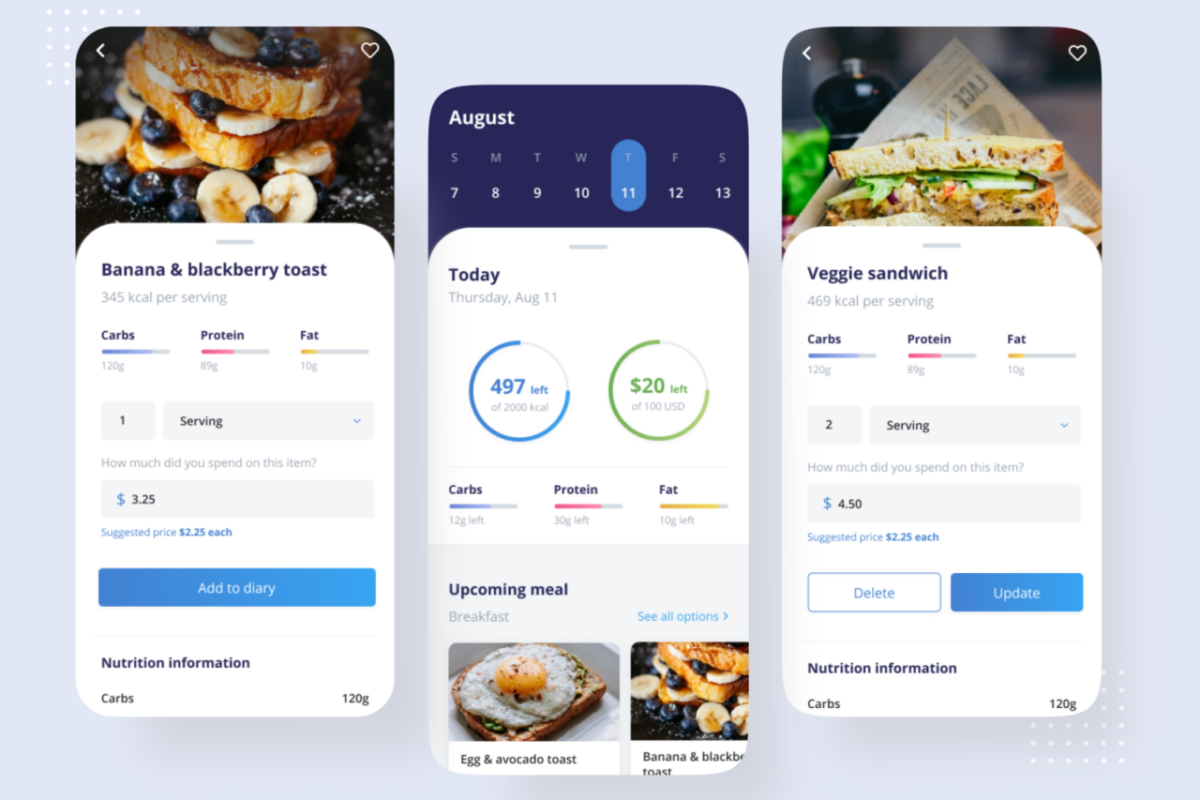
Meal tracker serves as an essential tool for anyone looking to enhance their nutritional awareness and improve their dietary habits. By systematically monitoring what you eat, a meal tracker allows you to gain insight into your food consumption patterns, enabling you to make informed decisions that align with your health goals. Whether you are aiming to lose weight, manage a health condition, or simply develop healthier eating habits, implementing a meal tracker can illuminate the path to achieving these objectives.
Research indicates that individuals who consistently track their meals report a greater understanding of their nutritional intake and experience a higher likelihood of achieving their dietary goals. In fact, studies suggest that meal tracking can help identify nutritional deficiencies and food patterns, making it a pivotal component for dietary success. This overview will explore various methods of meal tracking, tips for incorporating it into daily routines, and the psychological and physical benefits it can offer.
The importance of maintaining a meal tracker for nutritional awareness
Keeping a meal tracker serves as a powerful tool for individuals seeking to enhance their nutritional awareness and improve their overall dietary habits. By documenting food intake, individuals can gain a clearer perspective on their eating patterns, allowing them to make informed decisions about their health. This process goes beyond mere calorie counting; it encourages mindfulness around food choices, portion sizes, and the nutritional quality of meals.
Utilizing a meal tracker has been shown to promote healthier eating habits across various demographics. A study published in the American Journal of Preventive Medicine found that participants who recorded their food intake lost nearly twice as much weight over six months compared to those who did not track their meals. This correlation highlights how tracking can lead to greater accountability and awareness regarding one’s dietary practices. Furthermore, research conducted by the National Institutes of Health indicates that individuals with diabetes who used meal-tracking apps were better able to maintain their blood sugar levels, illustrating the importance of this practice in chronic disease management.
Identification of food patterns and nutritional deficiencies
A meal tracker not only assists in weight management but also helps individuals identify food patterns and nutritional deficiencies. By consistently logging meals and snacks, users can spot trends in their eating habits, which can illuminate areas for improvement. For instance, someone may discover they consistently skip breakfast, leading to overeating later in the day. Understanding these patterns allows for strategic modifications that promote balanced nutrition.
To further illustrate the benefits of tracking, consider the following points regarding food patterns and deficiencies:
- Tracking can reveal frequent consumption of processed foods or added sugars that may be detrimental to health.
- It allows individuals to pinpoint specific nutrients that are lacking in their diet, such as fiber, vitamins, or minerals.
- By observing meal timing and portion sizes, users can adjust their habits to align better with their health goals.
- Meal tracking can expose emotional eating triggers, leading to improved strategies for managing stress or boredom eating.
Incorporating a tracking system can also be particularly beneficial for various groups. For athletes, monitoring macronutrient intake is essential for optimizing performance and recovery. For those with dietary restrictions or specific health conditions, meal tracking aids in managing food choices and ensuring nutritional needs are met. For instance, individuals following a gluten-free diet can use a meal tracker to ensure they avoid gluten-containing foods while still receiving adequate nutrition.
“The first step toward change is awareness. The second step is acceptance.”
By raising awareness of dietary habits and guiding individuals toward making healthier choices, meal trackers empower users to take charge of their nutritional health. As people become more conscious of what they consume, they are better equipped to make decisions that foster long-term well-being, thereby enhancing their quality of life.
Various methods of meal tracking and their effectiveness
Meal tracking has become an essential part of healthy living for many individuals. By keeping a record of what we eat, we can gain insights into our nutritional habits, identify areas for improvement, and ultimately achieve our health goals. There are several effective methods of meal tracking, each catering to different needs and lifestyle preferences.
Digital Meal Tracking Apps
Meal tracking apps have gained popularity due to their convenience and user-friendly interfaces. Apps like MyFitnessPal, Lose It!, and Cronometer allow users to easily log their meals, track calories, and monitor macronutrient intake.
- MyFitnessPal: This app features a vast food database, barcode scanning, and community support, which makes it easy to log meals and connect with others on similar journeys.
- Lose It! Focused on weight loss, this app allows users to set goals and provides insights based on logged meals, helping users stay on track.
- Cronometer: Ideal for those interested in micronutrients, Cronometer offers detailed nutritional breakdowns and allows users to track vitamins and minerals.
The effectiveness of these apps lies in their ability to provide instant feedback and insights, making it easier for individuals to make informed dietary choices. However, reliance on technology can sometimes lead to inaccuracies in logging and potential overemphasis on calorie counting.
Traditional Meal Journals
For those who prefer a more mindful approach, maintaining a meal journal can be an effective method. This involves writing down food intake, portion sizes, and accompanying emotions or hunger levels.
- Simplicity: A journal requires no technology and allows for personal expression, which can enhance mindfulness about eating habits.
- Reflection: Writing about meals can help identify emotional eating patterns and triggers, promoting a healthier relationship with food.
- Customization: Individuals can personalize the journal to include additional sections such as mood, physical activity, or specific dietary goals.
While meal journals can be beneficial for mental clarity and self-reflection, they may lack the automation and instant accessibility of digital tools, which could be a drawback for some users.
Spreadsheets for Meal Tracking
Another effective method for meal tracking is using spreadsheets. Programs like Microsoft Excel or Google Sheets allow users to create customizable meal logs tailored to their specific needs.
- Flexibility: Users can design their meal tracking system, including categories such as calories, macronutrients, and even personal notes.
- Data Analysis: Spreadsheets provide analytical capabilities, allowing users to visualize trends in their eating habits through charts and graphs.
- Accessibility: Cloud-based spreadsheets can be accessed from any device, making it easy to log meals on the go.
Despite the advanced features, spreadsheets may be less intuitive for those unfamiliar with software, and they require more time to set up compared to apps.
Digital Versus Traditional Tracking Methods
When comparing digital and traditional meal tracking methods, each has unique advantages and disadvantages.
- Efficiency: Digital methods often provide quicker logging, while traditional methods may require more time but foster greater mindfulness.
- Data Accuracy: Apps typically offer food databases that can enhance accuracy, whereas journals and spreadsheets rely on user honesty and memory.
- Accessibility: Digital apps are portable and often come with built-in features, while traditional methods may require physical space to maintain.
Each method caters to different lifestyles and preferences. Tech-savvy individuals might thrive on apps, while those seeking a more introspective approach might find journals more effective. Ultimately, the best method is one that aligns with personal goals and habits.
Tips for incorporating a meal tracker into daily routines

Integrating a meal tracker can significantly enhance your awareness of dietary habits, helping you make healthier choices. However, busy lifestyles often complicate the consistent use of such tools. This section explores actionable strategies to seamlessly incorporate meal tracking into your daily routine while maintaining motivation and setting realistic goals.
Creating a Meal Tracking Routine
Establishing a routine for meal tracking is essential for success. Here are several strategies to help you integrate tracking into your busy life:
- Designate Specific Times for Tracking: Set aside dedicated moments each day, such as during breakfast or right after meals, to log your food intake. This consistent timing can turn meal tracking into a habit.
- Use Mobile Apps: Leverage meal tracking apps that allow you to log meals quickly with features like barcode scanning. This ensures you can record your meals on the go, saving time and effort.
- Plan Weekly Meals: Spend a little time each week planning your meals and snacks. Documenting these plans in your tracker can provide a clear roadmap and reduces the stress of last-minute decisions.
- Keep Your Tracker Handy: Whether it’s a physical journal or an app on your phone, ensure your tracker is always accessible. This encourages immediate logging rather than trying to remember meals later.
Sticking to your goals while meal tracking requires a realistic approach. Setting achievable targets will keep you motivated and prevent feelings of overwhelm.
Setting Realistic Goals for Meal Tracking
Establishing realistic goals is crucial for maintaining consistency. Here’s how you can do it effectively:
- Start Small: If you are new to meal tracking, begin with tracking just one meal a day. Gradually increase to more meals as you become accustomed to the process.
- Focus on Nutritional Quality: Instead of obsessing over calories, aim to include a variety of food groups in your meals. This will help you enjoy your food while ensuring you’re meeting your nutritional needs.
- Use Milestones: Break your tracking goals into smaller milestones, such as tracking every day for a week. Celebrate these achievements to maintain motivation.
Adhering to a meal tracking routine can be challenging, but finding ways to stay motivated is essential for long-term success.
Maintaining Motivation While Tracking Meals
Staying motivated is key to consistent meal tracking. Here are methods to keep your spirits high:
- Reflect on Progress: Regularly review your entries to see how far you’ve come in your tracking journey. Acknowledging improvements can boost your confidence and commitment.
- Engage with a Community: Join online forums or social media groups focused on meal tracking and healthy eating. Sharing experiences and tips can inspire you and make tracking feel less isolating.
- Incorporate Rewards: Set up a reward system for reaching specific goals. Treating yourself to a non-food reward can reinforce positive behavior.
- Stay Flexible: Understand that perfection isn’t necessary. If you miss a day or slip up, don’t be too hard on yourself. Just get back on track the next day.
“The key to meal tracking is to make it a seamless part of your life rather than an added burden.”
The psychological benefits of using a meal tracker
Maintaining a meal tracker can be a transformative practice that extends beyond nutrition and health. It offers profound psychological benefits, enhancing self-discipline and self-awareness while also contributing to emotional well-being. The act of logging meals encourages individuals to develop a structured approach to eating, which fosters a greater sense of control over one’s dietary choices. This structured habit can lead to improved mental health outcomes, such as reduced anxiety and enhanced mood.
Establishing self-discipline through meal tracking can greatly influence an individual’s mindset. The act of consistently recording food intake cultivates a sense of accountability, allowing users to understand their eating patterns better. As individuals become more aware of what they consume, they may find it easier to make healthier choices, which can positively impact their self-esteem. Self-awareness gained from tracking meals can lead to insights about emotional eating patterns, helping individuals identify triggers and address underlying issues rather than resorting to unhealthy coping mechanisms.
Connection between meal tracking and improved mood or reduced anxiety
The relationship between meal tracking and emotional well-being is significant. Engaging in this practice can lead to improved mood and reduced anxiety levels for several reasons. First, individuals who track their meals often report feeling more in control of their eating habits, which can alleviate the stress associated with weight management and dietary choices. This sense of control can foster a more positive self-image, as people see their efforts reflected in their progress.
Moreover, meal tracking can serve as a form of mindfulness, encouraging individuals to slow down and engage with their food. This conscious eating practice can enhance enjoyment of meals, leading to a more satisfying dining experience. As a result, individuals may find that they eat more slowly and thoughtfully, which can further reduce feelings of anxiety related to food.
Additionally, tracking meals can help users establish healthy routines, which provide a sense of stability and predictability in daily life. Stability is vital for mental health, as it creates a supportive framework for individuals to thrive.
“Mindfulness in eating can lead to improved satisfaction and mental clarity.”
Fostering a positive relationship with food
Using a meal tracker can significantly contribute to developing a healthier relationship with food. By recording meals and understanding the nutritional value of what is consumed, individuals can shift their perspective from viewing food as an enemy or a source of guilt to appreciating it as fuel and enjoyment. This shift is crucial in combating disordered eating patterns often characterized by guilt and anxiety surrounding food choices.
Meal tracking can also encourage exploration of new foods and recipes, promoting a sense of adventure in eating. By trying diverse foods and understanding their nutritional benefits, individuals can cultivate curiosity and enjoyment in their meals. This positive engagement with food can help dismantle restrictive mindsets that may have previously defined their eating habits.
Furthermore, meal tracking fosters a greater appreciation for the body and its needs. As individuals learn to listen to their hunger cues and nourish themselves appropriately, they often develop a more compassionate and respectful view of their bodies. This newfound respect is essential for a sustainable, healthy lifestyle, as it nurtures a balanced approach to eating that is neither overly strict nor indulgent.
In summary, the psychological benefits of using a meal tracker extend far beyond weight management; they encompass self-discipline, self-awareness, mood improvement, and a healthier relationship with food.
Challenges faced when using a meal tracker and strategies to overcome them
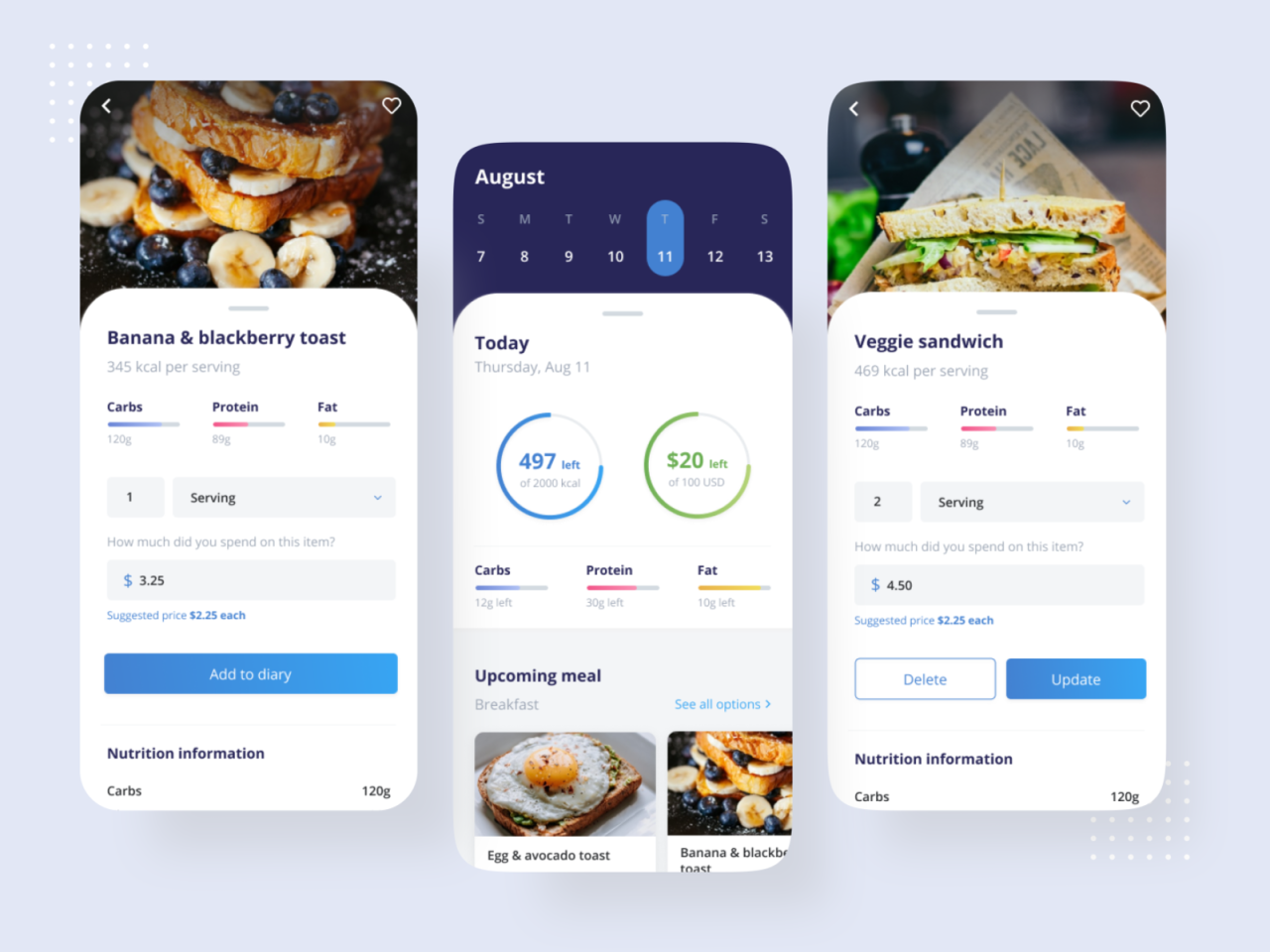
Meal tracking can be a powerful tool for maintaining healthy eating habits and achieving nutritional goals. However, users often encounter various challenges that can hinder their progress. Understanding these obstacles and developing strategies to tackle them can substantially improve the meal tracking experience.
One common challenge individuals face when using a meal tracker is the initial time investment required to log meals accurately. Many people find it tedious to input every bite they consume, leading to frustration and inconsistency. To overcome this, consider simplifying the process by using apps that offer barcode scanning or meal suggestions based on previous entries. Additionally, taking a few minutes each week to plan meals can save time daily and make logging easier.
Another obstacle is the struggle to stay motivated. As time goes on, individuals may feel the excitement diminish, leading to less frequent entries. To combat this, set tangible short-term goals, like tracking meals consistently for a week or experimenting with new recipes. Incorporating gamification elements, such as earning rewards for logging meals, can also help maintain enthusiasm.
Impact of social situations on meal tracking
Social situations often pose significant challenges to meal tracking, especially during gatherings, parties, or dining out. These environments can lead to temptations and make it difficult to stay within one’s dietary goals. To effectively manage this, preparation is key. Before attending an event, consider eating a healthy snack to reduce hunger and the likelihood of overeating. Additionally, researching the menu ahead of time allows for informed choices, ensuring that there are options aligned with dietary goals.
During social gatherings, it’s helpful to be open about your meal tracking journey with friends and family. This can foster support and understanding, encouraging others to join in or respect your choices. If you encounter a situation where meal tracking seems impossible, simply note down what you’ve eaten afterward, even if you miss some specifics.
Dealing with plateaus in progress and maintaining engagement
Plateaus in progress can be discouraging when meal tracking, making it essential to know how to navigate these periods. A plateau may occur when the body adapts to a routine, slowing fat loss or weight management efforts. To address this, reevaluate your meal plans and consider incorporating more variety. Experiment with new recipes, different cooking methods, or unique ingredients to reignite interest and benefit your nutritional intake.
It’s also beneficial to regularly review personal goals. If they seem too easy or overly ambitious, adjust them to better fit current progress and lifestyle changes. Engaging with online communities or local groups that focus on healthy eating can provide motivation and fresh ideas. Sharing experiences and tips with others can also help rekindle the enthusiasm necessary for successful meal tracking.
In conclusion, while meal tracking presents various challenges, understanding and implementing strategies to address these issues can significantly enhance the experience. By preparing for social situations and remaining adaptable during plateaus, individuals can maintain their commitment to healthy eating and achieve their nutritional goals.
How to analyze tracking data for better meal planning
Analyzing tracking data is a crucial step in refining meal planning to achieve nutritional goals and enhance overall health. By carefully reviewing the data collected through meal tracking, you can gain insights into your dietary habits, helping to make informed adjustments that align with your personal health objectives. This process not only aids in identifying patterns but also facilitates a proactive approach to nutrition.
Effective data analysis begins with gathering and organizing your meal tracking information. This may include details such as calorie counts, macronutrient breakdowns, meal timing, and even emotional states during meals. Once you have a sufficient amount of data, it is beneficial to review it periodically to identify trends and recurring issues.
Methods for Reviewing Meal Tracking Data
To effectively analyze your meal tracking data, consider the following methods that promote a clearer understanding of your eating habits:
1. Weekly Summaries: Create weekly summaries of your meals, focusing on key metrics like total calorie intake, macronutrient ratios, and food variety. This allows you to spot patterns over time.
– For example, if you notice consistently high carbohydrate intake on weekends, you can plan to incorporate more balanced meals during those days.
2. Nutritional Goals Comparison: Compare your tracking data against established nutritional goals. If your goal is to reduce sugar intake, analyze your meal data to identify high-sugar foods that frequently appear in your diet.
– You may find that soft drinks and desserts are contributing significantly to your sugar levels, prompting you to seek healthier alternatives.
3. Use of Visual Tools: Visualizing your data can make it easier to grasp trends at a glance. Utilize charts to display daily caloric intake or macronutrient distribution.
– For instance, a pie chart illustrating the percentage of carbs, proteins, and fats can help you evaluate if you are meeting your macros effectively.
4. Identifying Trigger Foods: By examining your meal data, you might uncover trigger foods that lead to overeating or unhealthy choices. Keeping a record of your emotional state during meals can provide context for these insights.
– If you feel stressed and consistently reach for high-calorie snacks, this pattern can guide you to find healthier stress-relief methods.
5. Feedback Loops: Create a feedback loop by setting goals based on your analysis and then tracking progress to measure the effectiveness of changes made. For example, if you decide to cut back on processed foods, monitor your energy levels and mood over a month to assess the impact of this change.
6. Peer Comparison: If you are part of a meal tracking community or have friends with similar goals, sharing insights can provide motivation and new ideas. Discussing meal ideas or challenges can inspire better choices based on collective experiences.
“The more you understand your eating patterns, the better equipped you are to make informed adjustments toward healthier choices.”
Visualizing data trends can significantly enhance comprehension and retention of the information gathered. By utilizing software or apps that allow you to create graphs and track progress over time, you can better understand how your dietary choices affect your goals.
A line graph showing monthly weight changes in correlation with dietary adjustments can provide clarity on what works and what doesn’t. Additionally, maintaining a color-coded spreadsheet of foods based on nutritional values can help you quickly identify which foods align with your dietary needs.
By regularly analyzing and interpreting your meal tracking data, you can cultivate a more effective meal planning strategy that not only optimizes nutrition but also accommodates personal preferences and lifestyles. This continuous evaluation fosters a deeper connection to your eating habits, ultimately leading to more substantial and lasting health improvements.
The role of meal tracking in weight management and fitness goals
Meal tracking is a vital tool in the journey toward achieving weight management and fitness goals. It plays an instrumental role in helping individuals gain awareness of their eating habits, making it easier to recognize patterns, identify areas for improvement, and ultimately make informed choices that support their health goals. By keeping a close eye on what they consume, individuals can better understand the caloric intake versus expenditure, leading to more effective weight loss strategies or fitness enhancements.
The impact of meal tracking on weight loss or fitness goals cannot be overstated. Research indicates that people who actively track their meals tend to lose more weight than those who do not. A study published in the American Journal of Preventive Medicine found that individuals who kept food diaries lost twice as much weight as those who did not. This method encourages accountability and mindfulness around eating, which can lead to healthier food choices. More significantly, it provides data that can be analyzed to spot trends and make adjustments accordingly, which is vital for sustained weight management.
Success stories from meal tracking
Many individuals have achieved remarkable success through meal tracking. For instance, Sarah, a 32-year-old marketing professional, used a meal tracking app to document her food intake and exercise routines. Over six months, she lost 30 pounds by simply being aware of her eating habits and staying committed to her fitness regime. By tracking her meals, she discovered that late-night snacking was a significant contributor to her weight gain. After she identified this pattern, she made conscious changes, which led to successful weight loss and improved energy levels.
Similarly, Jack, a 28-year-old fitness enthusiast, incorporated meal tracking into his routine to gain muscle. By logging his protein intake, he ensured he met his nutritional needs for muscle growth while adjusting his caloric intake based on his workout intensity. After three months, Jack gained 10 pounds of lean muscle, attributing this achievement directly to his consistent meal tracking and dietary adjustments.
The effectiveness of meal tracking is amplified when combined with physical activity. Regular exercise not only helps burn calories but also influences metabolic rates and overall health. Engaging in physical activities while tracking meals provides a comprehensive approach to weight management. By understanding the caloric burn from workouts and aligning it with food intake, individuals can create a sustainable balance that leads to long-term success.
Incorporating physical activity into a meal tracking regimen enhances the benefits significantly. Individuals can better gauge their progress by aligning their caloric intake with their exercise routines. For instance, if someone burns 500 calories during a workout, they can adjust their meal portions to fit within their desired caloric limits for the day. This dynamic approach is crucial for those serious about reaching their fitness goals and maintaining a healthy lifestyle.
“Tracking what you eat and how you move is the key to understanding your body and achieving your fitness aspirations.”
Future trends in meal tracking technology
As technology continues to evolve at a rapid pace, the landscape of meal tracking is set for exciting transformations. Innovative solutions are emerging that leverage artificial intelligence (AI) and wearable devices, promising to enhance how individuals monitor their dietary habits. These advancements not only aim to improve personal health outcomes but also to revolutionize the broader food and nutrition landscape.
AI-based meal tracking applications, for instance, are becoming increasingly sophisticated. They analyze user data to provide personalized recommendations and insights. These systems can identify food patterns and suggest meals that align with an individual’s health goals, dietary restrictions, or nutritional needs. For example, apps like MyFitnessPal and Lose It! are already utilizing machine learning algorithms to help users track macro and micronutrients more effectively. Furthermore, the integration of image recognition technology allows users to take photos of their meals, automatically recognizing the food items and logging them into their dietary records.
Implications of personalization in meal tracking
Personalization in meal tracking is paving the way for a more tailored approach to nutrition. The ability to customize dietary recommendations based on personal preferences, health conditions, and lifestyle factors is becoming more prevalent. This shift is significant as it allows users to engage more actively in their health management.
The following points illustrate how personalization is reshaping meal tracking:
- Customized Dietary Plans: Advanced algorithms can formulate unique meal plans that cater to individual health goals, whether it’s weight loss, muscle gain, or managing chronic conditions.
- Nutritional Insights: Users receive real-time feedback based on their eating habits, empowering them to make informed decisions about their food choices.
- Behavioral Modifications: Personalized notifications and reminders can help reinforce positive eating habits and reduce unhealthy choices.
- Integration with Health Data: Wearable devices can track physical activity and correlate it with dietary intake, providing a comprehensive picture of an individual’s health.
The evolution of meal tracking technology indicates a significant shift in the food and nutrition landscape. As these technologies advance, they promise to foster a more health-conscious society. For instance, the rise of smart kitchen appliances that can suggest recipes based on available ingredients and nutritional requirements showcases how interconnected our nutritional choices are becoming. The future of meal tracking not only focuses on compliance but also emphasizes education and awareness, ensuring users are informed about the nutritional aspects of their food.
“Emerging technologies are transforming meal tracking into a personalized experience, ensuring better health outcomes and greater engagement.”
Final Summary
In conclusion, meal tracking is not just about logging food; it’s an empowering practice that fosters greater awareness, self-discipline, and a healthier relationship with food. By overcoming challenges and utilizing the insights gained from tracking, individuals can significantly enhance their meal planning and achieve their fitness goals. As technology continues to evolve, the future of meal tracking promises even more personalized and effective approaches to managing one’s dietary journey. Embrace the power of meal tracking and unlock the potential for a healthier you.
FAQ Summary
What is a meal tracker?
A meal tracker is a tool or application used to log and monitor food intake, helping individuals track their nutritional habits and goals.
Can I use a meal tracker without a smartphone?
Yes, you can use traditional methods like paper journals or spreadsheets to track your meals if you prefer not to use a smartphone.
How often should I update my meal tracker?
Ideally, you should update your meal tracker daily to ensure accurate tracking of your eating habits.
Will meal tracking help me lose weight?
Yes, many people find that meal tracking aids in weight loss by increasing awareness of portion sizes and food choices.
Do I need to track every single meal?
While tracking every meal can provide the most accurate data, you can start by logging key meals or days to ease into the habit.
Is meal tracking beneficial for mental health?
Yes, meal tracking can improve mental health by promoting mindfulness around food choices and enhancing self-discipline.
How do I stay motivated to keep tracking my meals?
Set realistic goals, celebrate small achievements, and remind yourself of the benefits to stay motivated with meal tracking.