
 Matthew David
Mindfulness app usage is on the rise as more individuals seek to improve their mental health and well-being. These apps offer a convenient way to engage in mindfulness practices, making it easier to incorporate meditation and focus into our busy lives. With a blend of technology and ancient techniques, mindfulness apps aim to foster awareness, reduce stress, and promote emotional resilience.
Understanding the concept of mindfulness and its relevance to daily living is crucial. Mindfulness, at its core, involves being present in the moment, acknowledging one’s thoughts and feelings without judgment. Its impact on mental health is profound, as research shows that regular mindfulness practice can lead to decreased anxiety, improved focus, and enhanced overall well-being. With the right features and scientific backing, mindfulness apps can significantly contribute to a healthier lifestyle.
Understanding the Concept of Mindfulness
Mindfulness is the practice of being fully present and engaged in the moment, without judgment. It is about noticing your thoughts, feelings, and sensations as they arise and accepting them without trying to change or suppress them. This practice is increasingly recognized for its significance in daily life, helping individuals navigate through stress, anxiety, and the fast pace of modern living. By cultivating mindfulness, people can enhance their overall well-being and foster a deeper connection with themselves and their environment.
The impact of mindfulness on mental health is profound and multifaceted. Research has shown that regular mindfulness practice can lead to reductions in symptoms of anxiety and depression. It encourages individuals to develop a compassionate relationship with their thoughts and emotions, which can decrease the tendency to dwell on negative experiences. One study conducted by the University of Massachusetts found that participants who engaged in an eight-week mindfulness program reported significant decreases in mood disturbance and stress, illustrating the effectiveness of mindfulness in improving emotional resilience.
Moreover, mindfulness practices promote healthier coping mechanisms. Rather than reacting impulsively to stressors, individuals learn to pause and observe their thoughts and feelings. This shift in perspective can lead to more thoughtful and constructive responses, ultimately enhancing emotional stability. Mindfulness also fosters a sense of control over one’s mental processes, allowing individuals to break free from the cycle of rumination that often accompanies anxiety and depression.
Role of Focus and Awareness in Mindfulness Practices
Focus and awareness are central components of mindfulness practices, enabling individuals to cultivate a clearer understanding of their inner experiences. The cultivation of focus allows practitioners to anchor their attention on the present moment, whether through breath, bodily sensations, or external stimuli. This concentrated awareness acts as a tool for gaining insight into one’s habitual thought patterns.
The importance of awareness in mindfulness cannot be overstated. It involves a non-judgmental observation of thoughts and feelings as they arise. This practice encourages individuals to acknowledge their mental states without becoming entangled in them. The benefits of enhanced focus and awareness are numerous, including:
- Improved concentration and attention span.
- Greater emotional regulation and stability.
- Increased self-awareness, leading to personal growth.
- Enhanced resilience to stress through better coping strategies.
By engaging in mindfulness techniques, such as meditation or mindful breathing, individuals develop their capacity for focus and awareness. The journey into mindfulness is not only about stress reduction but also about deepening one’s understanding of the intricate relationship between thoughts, emotions, and physical sensations. This holistic approach contributes significantly to improved mental health and overall quality of life.
Features of a Mindfulness App
Mindfulness apps have become essential tools for individuals seeking to incorporate mindfulness practices into their daily lives. These apps provide a variety of features designed to enhance user experience, making mindfulness more accessible and engaging. Among these distinct features, guided meditations and personalized programs play a crucial role, along with progress tracking that can serve as a motivational tool.
Guided Meditations and Personalized Programs
Guided meditations are a cornerstone feature of mindfulness apps, providing users with structured sessions led by experienced instructors. These meditations cater to various needs, such as stress reduction, anxiety management, or improving focus. The presence of a guide helps users feel supported, especially those who are beginners or may struggle to meditate alone.
Personalized programs further enhance the user experience by tailoring content to individual preferences and goals. These programs often start with a brief assessment of the user’s needs and current mindfulness practices. Based on the results, the app can recommend specific meditations, breathing exercises, and mindfulness activities that align with the user’s objectives. This customization fosters a sense of ownership over the mindfulness journey, encouraging users to engage consistently.
The integration of both guided meditations and personalized programs creates a comprehensive approach to mindfulness practice, making it easier for users to stick to their routines and discover what works best for them.
Tracking Progress and User Motivation
Progress tracking is an essential feature that can significantly motivate users and improve their mindfulness practices. Many apps provide visual representations of users’ meditation streaks, time spent meditating, and overall progress toward their goals. This data can boost accountability, as users see tangible evidence of their dedication and growth.
Moreover, the ability to set goals and receive reminders can help users stay on track. For instance, an app may prompt users to complete a meditation session or explore a new technique, reinforcing the habit of mindfulness practice.
In addition, sharing achievements with friends or within a community can enhance motivation through social support. Features that allow users to see their friends’ progress or participate in group challenges can create a sense of camaraderie and commitment.
As users witness their journey and personal growth through progress tracking, they are more likely to remain engaged and committed to their mindfulness practices, ultimately leading to more significant benefits for their mental well-being.
The Science Behind Mindfulness Apps

Mindfulness apps have surged in popularity, with many individuals turning to technology to enhance their mental well-being. This increase in usage is backed by a growing body of psychological research demonstrating the effectiveness of mindfulness practices in reducing stress, improving focus, and enhancing overall emotional health. The convergence of these ancient mindfulness techniques with modern technology underscores their relevance and accessibility in today’s hectic world.
Psychological research has increasingly validated the benefits of mindfulness practices. Studies have shown that engaging in mindfulness meditation can lead to measurable changes in brain activity, particularly in areas related to stress regulation, emotional regulation, and self-awareness. For example, a key study conducted by neuroscientists at Harvard University found that participants who practiced mindfulness meditation showed increased gray matter density in the hippocampus, which is crucial for learning and memory, as well as a decrease in gray matter in the amygdala, a region associated with stress and anxiety.
Technology’s Influence on Mental Well-Being
The role of technology in shaping our mental health is multifaceted. While excessive use of technology can lead to negative outcomes such as anxiety and loneliness, mindfulness apps leverage this platform to promote positive mental health outcomes. These apps provide users with accessible mindfulness practices, guided meditations, and educational resources that can be easily integrated into daily routines.
Research demonstrates that smartphone applications can effectively deliver mindfulness training, making it convenient for users to engage in these practices at their own pace. A noteworthy study published in the journal *Health Psychology* revealed that participants who used mindfulness apps reported a significant reduction in perceived stress levels compared to those who did not engage with mindfulness through technology.
The impact of mindfulness apps on stress reduction can be observed through various metrics, including self-reported stress levels, emotional regulation, and overall life satisfaction. A meta-analysis of randomized controlled trials indicated that mindfulness interventions, including those delivered via apps, resulted in medium to large effects in reducing anxiety and depression symptoms. Users often appreciate the structured approach that these apps provide, as it can help demystify the practice of mindfulness, making it more accessible for those who might feel overwhelmed by traditional meditation techniques.
“Mindfulness apps bridge the gap between ancient practices and modern technology, allowing users to cultivate a mindful lifestyle with ease.”
Popular Mindfulness Apps in the Market
In recent years, mindfulness apps have surged in popularity as people seek to cultivate a sense of calm and well-being in their fast-paced lives. These apps offer a variety of tools and techniques that can support users in their mindfulness journey, making practices like meditation and breathing exercises accessible anywhere and at any time. This discussion highlights three prominent mindfulness apps, comparing their unique features, user experiences, and overall effectiveness based on user feedback.
Headspace
Headspace is widely recognized for its user-friendly interface and comprehensive approach to mindfulness. It offers a variety of guided meditations, courses, and sleep aids tailored to users’ needs. One of the app’s standout features is its “Sleepcasts,” which are designed to ease users into sleep with calming storytelling and soundscapes.
User testimonials often praise Headspace for its engaging content and approachable style. Many report significant improvements in their ability to manage stress and anxiety, with over 60% of users indicating they feel calmer after using the app. However, some users note that a subscription fee might be a barrier to accessing all content, although the free trial provides a good introduction to its capabilities.
Calm
Calm stands out for its extensive library of sleep stories, meditation sessions, and relaxation techniques. It aims to provide a holistic approach to mental wellness, making it appealing to a broad audience. The app features sleep music, guided meditation, and even masterclasses from mindfulness experts, fostering a deeper understanding of the practice.
Statistics reveal that Calm has over 100 million downloads, with many users appreciating the variety of content it offers. Notably, the soothing design and serene visuals enhance the user experience. However, some users have expressed concerns about the app’s pricing model, noting that while the free version is beneficial, the premium content is often considered essential for a complete experience.
Insight Timer
Insight Timer is unique in that it combines guided meditations with a vast community aspect. Users can choose from thousands of free meditations led by various teachers, which allows for a personalized experience based on individual preferences. The app also features community groups and discussions, creating a space for users to connect and share their mindfulness journeys.
This app has been well-received, with many users highlighting its extensive library as a key strength. A survey indicated that around 80% of users find it significantly helpful for their meditation practice. On the downside, the app’s interface may seem less polished compared to its competitors, and users might find it overwhelming to navigate through the vast assortment of content available.
“Mindfulness apps can transform our approach to mental wellness, making meditation and relaxation more accessible than ever.”
In summary, while each of these mindfulness apps offers unique features and benefits, users may choose one over another based on personal preferences, budget constraints, and specific mindfulness goals. Overall, the growing evidence of their effectiveness in enhancing mental well-being continues to drive interest in these digital companions.
Designing a Mindfulness App
Creating a mindfulness app requires a thoughtful approach to design that prioritizes user experience and accessibility. An intuitive interface can significantly enhance the effectiveness of the app, making mindfulness practices more approachable for users. The design process involves several steps that focus on understanding user needs and preferences, ensuring that the app not only looks good but also serves its purpose effectively.
Steps in Designing an Intuitive Mindfulness App Interface
When designing a mindfulness app, it’s essential to follow a structured approach that encompasses the following key steps:
1. User Research: Begin by gathering insights into user demographics, preferences, and mindfulness practices. Surveys and interviews can provide valuable data to shape your design.
2. Define User Personas: Develop personas that represent different user segments. These personas should include user goals, pain points, and motivations regarding mindfulness.
3. Wireframing and Prototyping: Create wireframes to Artikel the app’s layout and functionality. Prototyping allows you to test user interactions and flow before finalizing the design.
4. User Testing: Conduct usability testing with real users to gather feedback on the app’s interface and features. This step is crucial for identifying areas that may need improvement.
5. Iterate and Refine: Based on user feedback, make necessary adjustments to the design. This iterative process ensures that the app evolves to meet user needs effectively.
Importance of User Feedback in the Design Process
User feedback plays a pivotal role in the success of any app, particularly in mindfulness applications where user experience is paramount. Gathering feedback from users can lead to more effective, user-centered designs.
Feedback helps identify usability issues and areas for improvement that the design team may overlook. For example, if users find navigation confusing, incorporating their suggestions may lead to a more intuitive interface. Moreover, user feedback fosters a sense of community and ownership among users, making them feel valued in the development process.
Incorporating feedback can lead to features that enhance user engagement, such as personalized recommendations or tailored mindfulness practices. Consistent user interaction with the app allows developers to track how users engage with the content, providing insightful data that can inform future updates and enhancements.
Ultimately, integrating user feedback ensures that the app not only serves its purpose but also resonates with users on a deeper level, promoting adherence to mindfulness practices.
Balancing Functionality and Aesthetics to Enhance User Engagement
Striking a balance between functionality and aesthetics is crucial in designing a mindfulness app. A visually appealing design can draw users in, while solid functionality keeps them engaged.
To achieve this balance, consider the following principles:
– Simplicity: A clean and minimalistic design reduces cognitive load, allowing users to focus on their mindfulness journey. Avoid cluttering the interface with unnecessary elements.
– Consistent Theme: Use a harmonious color palette and typography that aligns with the concept of mindfulness. Soft colors and serene design elements can foster a calm atmosphere.
– Intuitive Navigation: Ensure that users can easily navigate through various features without confusion. Clear paths to access meditations, progress tracking, and settings enhance the user experience.
– Engaging Content: Utilize captivating images and soothing sounds to create an immersive experience. For instance, nature scenes can visually represent mindfulness themes while calming audio can accompany meditation sessions.
– Feedback Mechanisms: Incorporate subtle feedback in the app, such as animations or sounds, to reinforce user actions, making the experience more interactive and enjoyable.
By prioritizing these principles, designers can create a mindfulness app that is not only functionally robust but also aesthetically pleasing, thereby enhancing user engagement and encouraging regular use.
Challenges in Using Mindfulness Apps
As mindfulness apps gain popularity, users often encounter various challenges that can hinder their practice. While these applications offer guidance and convenience, they present barriers that can affect the effectiveness of mindfulness techniques. Understanding these challenges is essential for harnessing the full potential of mindfulness practices.
Technological advancements have made mindfulness more accessible, yet they also come with risks, particularly regarding technology addiction. Many users find themselves frequently drawn to their devices, which can lead to distractions rather than the intended focus on mindfulness. The paradox of mindfulness apps lies in their potential to promote awareness while simultaneously fostering dependency on technology. Research indicates that excessive smartphone use can limit the time individuals spend in reflective and meditative states. This addiction can manifest in compulsive checking of notifications, scrolling through social media, or even engaging with the app in a distracted manner, ultimately undermining the core principles of mindfulness. For instance, a user might set out to engage in a 10-minute meditation session but ends up distracted by incoming messages or notifications, resulting in fragmented attention and diminished benefits from the practice.
To navigate these challenges and maintain a balanced approach to mindfulness, users can adopt several strategies. First, setting specific time limits for app usage can help create a healthy boundary around technology. This may involve scheduling mindfulness sessions at a particular time of day and resisting the urge to check the app outside those moments. Additionally, users can create a distraction-free environment by silencing notifications or using “Do Not Disturb” modes during mindfulness practices. Another effective method is to integrate mindfulness into daily routines, such as mindful walking or breathing exercises, which can reduce reliance on the app while still cultivating presence and awareness.
Furthermore, users should periodically assess their relationship with the app. Reflecting on whether the app is enhancing or detracting from their practice can provide valuable insights. Keeping a mindfulness journal to track progress, insights, and emotional responses can also help individuals stay grounded and aware of their usage patterns. Ultimately, finding a balance between the conveniences of mindfulness apps and the fundamental principles of mindfulness is crucial for fostering a truly enriching practice.
Future Trends in Mindfulness Technology
As mindfulness continues to gain traction in our fast-paced world, the integration of advanced technologies is poised to transform how we practice and engage with mindfulness. Emerging technologies like Artificial Intelligence (AI) and Virtual Reality (VR) are becoming instrumental in creating immersive mindfulness experiences that cater to diverse user needs. This evolution promises not only to enhance mindfulness practices but also to create more personalized and accessible experiences for users across various demographics.
Integration of AI and Virtual Reality in Mindfulness Experiences
The incorporation of AI and VR into mindfulness practices offers innovative ways to deepen user engagement and enhance overall experiences. AI can analyze user behavior and preferences, providing tailored recommendations and progress tracking. This adaptability ensures that users receive content that resonates with their unique mindfulness journeys.
Virtual Reality, on the other hand, creates immersive environments that transport users to calming landscapes, such as serene beaches or peaceful forests, while they practice meditation. This level of immersion can significantly reduce stress and promote a greater sense of presence, making mindfulness practices more effective.
Examples of these technologies in action include:
- Guided Meditations in VR: Applications are being developed that immerse participants in 360-degree environments, allowing them to practice mindfulness in stunning visuals that enhance relaxation and focus.
- AI-Driven Chatbots: These tools provide on-demand mindfulness support, offering personalized advice, meditation suggestions, and even emotional check-ins, adapting responses based on users’ emotional states.
- Wearable Technology: Devices equipped with AI can monitor physiological signals, such as heart rate and stress levels, prompting users to engage in mindfulness exercises when stress is detected.
The potential for personalization and accessibility in mindfulness technology is enormous. With AI algorithms capable of learning from user interactions, experiences can be tailored to suit individual preferences, making mindfulness accessible to people with different backgrounds and needs. For instance, users with disabilities can benefit from features like voice-activated controls or visual aids, ensuring that everyone can participate in mindfulness practices regardless of their circumstances.
“Technology has the power to bring mindfulness to those who may not have access to traditional practices, creating a more inclusive environment for personal growth.”
The Role of Community in Mindfulness Practices
Mindfulness is often seen as a solitary practice, but the role of community in enhancing mindfulness practices cannot be understated. Many mindfulness apps are now integrating features that foster connections among users, creating a supportive atmosphere that significantly enriches the mindfulness experience. These connections help individuals feel less isolated in their journeys, leading to deeper engagement with the practice and improved mental well-being.
Mindfulness apps can facilitate community building among users through various interactive features. Many apps offer forums and chat rooms where users can share experiences, challenges, and successes in their mindfulness practices. Additionally, features such as guided group meditations, live discussions, and community challenges encourage participation and connection. Such platforms allow users to form bonds over shared experiences, facilitating the cultivation of a sense of belonging.
Benefits of Group Meditations and Discussions
Engaging in group meditations and discussions provides numerous benefits that can enhance the individual mindfulness experience. Participating in collective sessions not only amplifies the energy within the group but also offers a supportive space for personal growth and understanding. Below are key benefits derived from communal mindfulness activities:
Enhanced Motivation:
Practicing in a group can boost motivation and commitment to regular meditation practices, as individuals often feel inspired by the collective energy of others.
Shared Learning:
Group discussions allow for the exchange of insights and techniques, enriching each participant’s understanding and practice of mindfulness.
Emotional Support:
A community can provide emotional reinforcement during challenging times, creating a safe space for individuals to express their thoughts and feelings.
Accountability:
Being part of a mindfulness community encourages accountability, pushing individuals to maintain their practices and reflect on their progress.
Increased Awareness:
Engaging with others can enhance self-awareness through shared experiences, helping individuals gain new perspectives on their thoughts and feelings.
Creating supportive environments within mindfulness apps is essential for fostering community engagement. Here are some strategies to cultivate such environments:
- Incorporate user-generated content features, allowing users to share their meditation experiences, insights, and personal stories.
- Organize regular live events such as Q&A sessions with mindfulness experts to encourage interaction and provide valuable information.
- Create specialized groups based on user interests or specific mindfulness practices to facilitate deeper connections.
- Encourage feedback and suggestions from users to continually improve community features and ensure they meet the needs of participants.
- Implement gamification elements, such as rewards for participation, to motivate users to engage more actively with the community.
By integrating these strategies, mindfulness apps can significantly enhance user experiences and create robust, supportive communities that elevate the practice of mindfulness for everyone involved.
Mindfulness Across Different Cultures
Mindfulness and meditation are practices deeply embedded in various cultures worldwide, each offering unique perspectives and methodologies. As globalization fosters greater interaction among different societies, the adaptation and integration of mindfulness practices have become increasingly prominent. This sharing of ideas has allowed a richer understanding of what it means to be mindful, revealing how diverse cultures interpret and implement these concepts.
In the East, mindfulness often has its roots in ancient spiritual traditions, particularly Buddhism. Practices such as Vipassana meditation emphasize awareness and insight into the nature of reality. Here, mindfulness is not only a technique but a path toward enlightenment, intertwined with moral values and ethical considerations. The practice usually involves sitting in silence, focusing on breath, and observing thoughts without attachment, encouraging individuals to cultivate an understanding of impermanence and suffering.
In contrast, within Western contexts, mindfulness has largely been secularized and integrated into therapeutic settings. The Mindfulness-Based Stress Reduction (MBSR) program developed by Dr. Jon Kabat-Zinn is a prime example. It adapts Eastern mindfulness techniques into a structured format that focuses on stress relief and emotional regulation. This approach often emphasizes practical applications in everyday life, such as managing anxiety, improving concentration, and enhancing overall well-being.
Methodological Comparison of Mindfulness Practices
The methodologies of mindfulness differ significantly between Eastern and Western cultures, reflecting varied values and societal needs. Eastern practices are often holistic, integrating physical, mental, and spiritual well-being, while Western methodologies tend to focus on mental health and personal development. Here are some notable differences:
- Intent and Purpose: Eastern practices prioritize spiritual growth and understanding the self, whereas Western practices often emphasize therapeutic outcomes and stress management.
- Structure and Formality: Eastern traditions may involve more ritualistic elements, such as specific chants and postures, while Western adaptations are generally more flexible and user-friendly for contemporary lifestyles.
- Integration with Daily Life: Mindfulness in the West often emphasizes mindfulness in daily activities, such as eating or walking, making it accessible to a broader audience.
“Mindfulness is the awareness that arises through paying attention, on purpose, in the present moment, and non-judgmentally.” – Jon Kabat-Zinn
As mindfulness continues to evolve, the blending of these methodologies offers a comprehensive approach to well-being that respects cultural traditions while addressing modern-day challenges. Through this intercultural dialogue, mindfulness becomes not only a personal practice but a shared global experience, fostering greater understanding and compassion among diverse populations.
Evaluating the Effectiveness of Mindfulness Apps
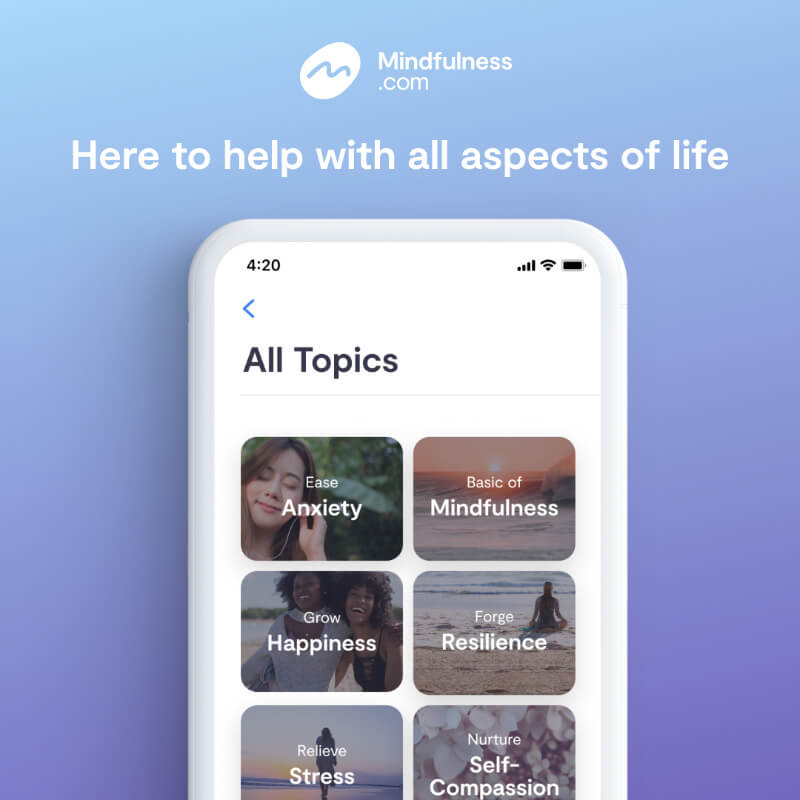
In the world of mindfulness, apps have become popular tools for individuals seeking to enhance their mental well-being. However, the effectiveness of these applications can vary significantly based on user preferences and goals. Evaluating their effectiveness is essential for individuals to ensure they are utilizing tools that truly aid in their mindfulness journey.
Criteria for Evaluation
To effectively evaluate mindfulness apps, users should consider a set of key criteria that align with their personal needs. These criteria help in selecting an app that will be most beneficial in promoting mindfulness practices.
- User Interface and Experience: A clean, intuitive interface is crucial for encouraging regular use. An app that is easy to navigate allows users to focus more on mindfulness rather than figuring out how to use the features.
- Content Variety: A diverse range of guided meditations, breathing exercises, and mindfulness techniques can cater to different preferences and keep users engaged. Apps that regularly update their content often provide added value.
- Customization Options: The ability to personalize settings, such as session length and meditation types, enhances the user experience and allows for a tailored mindfulness practice that meets individual needs.
- Progress Tracking: Tracking progress through metrics like streaks, achievements, or mood logs can motivate users to stay committed to their mindfulness journey.
- Community Support: Access to a community or forums can provide encouragement and shared experiences, allowing users to feel part of a larger mindfulness movement.
Importance of Setting Personal Goals
Setting personal goals is vital when using mindfulness apps, as it gives users a clear direction and purpose. Without defined objectives, individuals may struggle to find motivation or measure progress effectively. Personal goals can range from improving concentration to reducing anxiety levels, and they serve as benchmarks for success.
Establishing these goals encourages users to reflect on their mindfulness practices and adjust them according to their evolving needs. For instance, someone aiming to enhance their emotional regulation might focus on daily meditations that specifically target emotional awareness. This focused approach enhances the overall mindfulness experience.
Moreover, when users set realistic and achievable goals, they are more likely to experience a sense of accomplishment, which reinforces their commitment to the practice. Regularly revisiting and updating these goals based on personal growth allows users to stay engaged and motivated.
Measuring Progress and Success
Measuring progress is essential in any mindfulness practice to ensure users remain aware of their growth and areas for improvement. Mindfulness apps often provide various methods for tracking success, which can include:
- Mood Journals: Users can maintain a log of their emotions before and after meditation sessions, providing insight into the impact of their practice on their mental state.
- Session Completion Rates: Keeping track of how many sessions users complete can indicate consistency and dedication to mindfulness practice.
- Self-Assessment Surveys: Many apps offer surveys that help users evaluate their mental health and stress levels over time, allowing for reflection on their progress.
Incorporating these methods fosters a deeper understanding of one’s mindfulness journey, leading to more informed decisions about the practices that work best for each individual.
Closure
In conclusion, the integration of mindfulness apps into our daily routines presents a valuable opportunity for personal growth and mental health enhancement. As users navigate the various offerings and capabilities of these apps, they can unlock deeper insights into their emotional states and cultivate a more balanced life. With ongoing advancements and a supportive community, the future of mindfulness technology promises even greater accessibility and effectiveness.
Question Bank
What is the main purpose of a mindfulness app?
The main purpose is to help users practice mindfulness and meditation techniques to enhance mental well-being and reduce stress.
Are mindfulness apps suitable for beginners?
Yes, many mindfulness apps cater to beginners with guided meditations and easy-to-follow instructions.
Can I use mindfulness apps offline?
Most apps offer offline access to content after downloading, but you may need an internet connection for certain features.
How often should I use a mindfulness app?
For best results, it’s recommended to use the app daily or several times a week, even for short periods.
Is there a cost associated with mindfulness apps?
Many mindfulness apps offer free content, but some may require a subscription for premium features and personalized programs.