 Matthew David
Exploring the realm of Sleep app, we embark on a journey through the vital role that quality sleep plays in our overall well-being. Sleep is not merely a passive activity; it’s an essential component that fuels our bodies and minds, impacting everything from cognitive function to emotional health. As we delve into the complexities of sleep, we uncover how both the quality and quantity of sleep can dramatically influence our physiological state, immune response, and even our metabolic processes.
In today’s fast-paced world, many are turning to technology for help in achieving better sleep. Sleep apps have emerged as powerful allies, equipped with features designed to track and enhance our sleep patterns. From monitoring sleep cycles to providing guided relaxation techniques, these applications are transforming the way we approach our nightly rest. Whether you struggle with insomnia or simply wish to improve your sleep quality, understanding how these tools work is crucial.
The Importance of Sleep for Overall Health
Quality sleep is a fundamental pillar of good health, often overlooked in our busy lives. It plays a critical role in physical and mental well-being, affecting everything from immune function to emotional balance. Sleep is not just a passive state; it is an active period in which vital processes occur, allowing our bodies and minds to recuperate and regenerate. The benefits of a good night’s sleep extend beyond merely feeling rested; they encompass a wide range of physiological and psychological advantages that are essential for maintaining overall health.
Physiologically, sleep is crucial for numerous bodily functions. During sleep, the body undergoes repair processes, which include muscle growth, tissue repair, and protein synthesis. The immune system, too, relies on sleep; it is during this time that cytokines, which are proteins that fight off infection and inflammation, are produced. Lack of sleep can significantly impair the immune response, making individuals more susceptible to illnesses. Moreover, sleep plays a pivotal role in metabolic processes and hormonal balance. For example, sleep deprivation can disrupt insulin sensitivity, leading to weight gain and increasing the risk for type 2 diabetes.
Impact of Sleep on Cognitive Function and Emotional Well-Being
The relationship between sleep and cognitive function is well-documented. Adequate sleep is essential for memory consolidation, information processing, and problem-solving skills. When we sleep, our brains organize and store memories, making it easier to recall information later. Conversely, insufficient sleep can lead to cognitive deficits, affecting attention span, decision-making abilities, and even creativity.
In terms of emotional well-being, sleep deprivation can have profound effects. Studies reveal that lack of sleep is associated with increased anxiety, depression, and irritability. When sleep quality declines, the brain’s ability to regulate emotions diminishes, leading to heightened emotional reactivity. This can create a vicious cycle; poor emotional health can further disrupt sleep, leading to a decline in both mental and physical health.
The importance of sleep cannot be overstated; it is vital for maintaining a robust immune system, supporting metabolic health, enhancing cognitive performance, and promoting emotional stability. As such, prioritizing sleep is an essential aspect of a healthy lifestyle that should not be neglected.
How Sleep Apps Can Enhance Sleep Quality
Sleep apps have revolutionized how we approach our nightly rest, offering tools and features that address various aspects of sleep health. These applications leverage technology to track, analyze, and improve sleep patterns, making it easier for users to understand their sleep habits and take actionable steps towards better sleep quality. By integrating modern science with user-friendly interfaces, sleep apps are becoming indispensable for anyone looking to enhance their rest.
One of the key features commonly found in sleep apps is sleep tracking. This feature typically utilizes the phone’s sensors or wearable devices to monitor movement and heart rate, providing insights into sleep stages such as light, deep, and REM sleep. The data collected helps users identify patterns and disruptions in their sleep cycles. Moreover, many apps offer personalized sleep goals based on individual sleep needs and preferences.
Additionally, soundscapes and guided meditations are popular tools within these applications. Relaxation sounds, white noise, or nature sounds can create a calming environment that promotes better sleep onset and reduces nighttime awakenings. Guided meditations often help users unwind before bed, addressing anxiety or stress that may hinder sleep.
Comparison of Sleep Apps Based on Functionality and User Interface
When comparing sleep apps, it’s essential to consider both functionality and user interface, as these elements significantly impact user experience and effectiveness.
1. Sleep Cycle: This app employs advanced algorithms to analyze sleep patterns and wakes users during their lightest sleep phase, which can lead to a more refreshed feeling upon waking. Its user interface is clean and intuitive, making navigation effortless.
2. Pillow: Known for its integration with Apple Health, Pillow provides comprehensive sleep analysis and features sleep sounds to improve sleep quality. The user interface is visually appealing, with easy-to-read graphs showcasing sleep data.
3. Calm: While primarily a meditation app, Calm includes sleep stories and relaxing sounds, making it effective for users who struggle with sleep onset due to stress. Its engaging design and interactive features provide a welcoming experience.
4. SleepScore: This app uses a non-contact sleep monitoring system, providing users with a unique perspective on their sleep quality. The user interface emphasizes data visualization, which can be particularly helpful for interpreting complex sleep information.
Each of these apps demonstrates unique strengths in both functionality and design, allowing users to choose based on their specific sleep needs and preferences.
Sleep tracking metrics are crucial for users to understand their sleep quality better. These metrics typically include:
– Sleep Duration: The total amount of time spent asleep each night.
– Sleep Efficiency: The percentage of time spent asleep while in bed, indicating overall sleep quality.
– Restfulness: A measure of how restful the sleep was, often calculated based on disturbances and awakenings.
– Heart Rate Variability: An indicator of stress and recovery during sleep, providing insights into overall health.
“Understanding sleep metrics enables users to make informed decisions about their sleep habits and routines.”
With the plethora of sleep apps available, individuals can significantly enhance their sleep quality through personalized insights, engaging features, and actionable data, ultimately leading to improved overall well-being.
Analyzing Different Types of Sleep Applications

The growing awareness of sleep’s critical role in overall health has led to a surge in the development of various sleep applications. These apps primarily focus on three main categories: sleep tracking, relaxation, and meditation. Each type serves a distinct purpose and appeals to different user needs, making it essential to understand their unique features and benefits. This analysis will clarify the differences between each type, the advantages of multi-functional apps, and insights into user demographics.
Distinctions Between Sleep Tracking, Relaxation, and Meditation Apps
Understanding the distinctions between sleep tracking, relaxation, and meditation apps helps users choose the right tools for their sleep improvement journeys.
Sleep tracking apps are designed to monitor and analyze users’ sleep patterns. They typically utilize sensors in smartphones or wearable devices to collect data on sleep duration, quality, and cycles. Many of these apps offer personalized insights and recommendations based on users’ sleep data, helping them identify habits that may affect their rest. For example, apps like Sleep Cycle provide detailed analytics on how long users spend in deep and light sleep, along with suggestions for optimizing their sleep hygiene.
Relaxation apps focus on creating a calming environment conducive to sleep. These applications may offer ambient sounds, white noise, or guided relaxation exercises to help users unwind before bedtime. For instance, apps like Calm or Relax Melodies give users a range of soothing sounds to choose from, allowing them to customize their relaxation experience. These apps are particularly beneficial for individuals who struggle with anxiety or racing thoughts that interfere with falling asleep.
Meditation apps, on the other hand, guide users through mindfulness and meditation practices aimed at promoting relaxation and mental clarity. They often include sessions specifically designed to prepare the mind for sleep, featuring techniques such as deep breathing and visualization. Headspace and Insight Timer are popular examples, with specific content tailored for sleep improvement. By incorporating mindfulness into the nightly routine, users can foster a sense of peace that enhances their ability to fall asleep.
Advantages of Multi-Functional Sleep Apps
While single-purpose apps serve their respective functions effectively, multi-functional sleep apps provide a more comprehensive approach to sleep wellness. These apps combine features from sleep tracking, relaxation, and meditation, catering to users who prefer an all-in-one solution.
The benefits of using multi-functional sleep apps include:
- Holistic Approach: Users can monitor their sleep patterns, engage in relaxation techniques, and practice meditation, all within a single app.
- Convenience: Having all necessary tools in one platform eliminates the need to switch between multiple applications, saving time and enhancing user experience.
- Personalized Recommendations: Multi-functional apps often provide tailored suggestions based on integrated data from various functions, leading to more effective sleep improvement strategies.
- Cost-Effectiveness: Purchasing a single app that combines multiple features may be more economical than subscribing to several individual apps.
User Demographics for Different Types of Sleep Apps
User demographics vary significantly across the different types of sleep applications. Sleep tracking apps tend to attract a younger audience, particularly tech-savvy individuals aged 18 to 34, who appreciate data-driven insights for personal improvement.
In contrast, relaxation apps appeal more to individuals seeking stress relief, which can span a broader age range, including busy professionals and parents, typically aged 25 to 45.
Meditation apps, while popular among younger users as well, have found a substantial audience among older adults, particularly those aged 40 and above, who are looking to improve their mental health and quality of life. This demographic shift indicates a growing recognition of the importance of mindfulness in maintaining a healthy lifestyle.
As sleep continues to be a priority for more individuals, the diversity in sleep applications allows users to find the most suitable solutions tailored to their personal needs and preferences.
How to Choose the Right Sleep App for Your Needs
Selecting the right sleep app can significantly enhance your sleep quality and overall well-being. With a multitude of options available, it is essential to consider several factors to find an app that aligns with your specific sleep goals and preferences. This guide aims to Artikel the key criteria for selecting a sleep app, helping you make an informed decision.
Essential Criteria for Selecting a Sleep App
When looking for a sleep app, it is vital to prioritize features that suit your individual requirements. Here are the main aspects to consider:
- User Interface: An intuitive and user-friendly interface ensures seamless navigation, making your experience pleasant.
- Tracking Capabilities: Look for apps that offer detailed tracking of sleep patterns, including duration, quality, and disturbances.
- Sounds and Guided Meditations: Features such as soothing sounds and meditative guides can aid relaxation and improve sleep initiation.
- Customizable Alerts: Alarms that wake you during light sleep phases can make waking up feel less jarring.
- Integration with Other Devices: Compatibility with fitness trackers or smartwatches enhances data accuracy and is often preferred by users.
Comparison of Key Features in Sleep Apps
To aid your selection, here’s a comparison table showcasing features to prioritize when evaluating sleep apps:
| Feature | App A | App B | App C |
|---|---|---|---|
| Sleep Tracking | Yes | Yes | No |
| Sound Library | Extensive | Moderate | Limited |
| Guided Meditations | Yes | No | Yes |
| Custom Alarms | Light Sleep | Standard | No |
| Device Integration | Yes | No | Yes |
Importance of Privacy and Data Security
When using sleep apps, safeguarding your personal data should be a top priority. Many sleep apps collect sensitive information about your sleep patterns, health data, and even location. It’s crucial to ensure that the app you choose has robust privacy policies and data encryption measures to protect your information.
“Your sleep data is personal; ensure it is treated with the utmost confidentiality.”
Look for apps that offer transparency on how they collect, store, and use your data. Check for compliance with data protection regulations, such as GDPR, which can indicate a commitment to user privacy. By prioritizing privacy and security, you can enjoy the benefits of a sleep app without compromising your personal information.
User Experiences with Popular Sleep Apps
Many users have turned to sleep apps in their quest for better rest, sharing a range of experiences that highlight both the positive impacts and the challenges they face. For instance, one user of the “Calm” app reported that its sleep stories significantly reduced her time to fall asleep, allowing her to drift off peacefully with engaging narratives. Conversely, a “Sleep Cycle” user noted that tracking her sleep patterns helped her identify disruptions, leading to adjustments in her nighttime routine. These testimonials encapsulate the effectiveness of various sleep apps in promoting quality sleep.
Despite the benefits, users encounter common challenges such as initial confusion with app functionalities and the inconsistency of tracking results. To overcome these hurdles, many users suggest taking time to explore the app’s features and utilizing tutorial resources available within the apps. Community forums and feedback options also provide support, creating a shared space for users to share tips and tricks.
An important aspect of user satisfaction is the features offered by these sleep apps. Users often highlight the following functionalities as most beneficial:
- Personalized sleep insights based on data tracking
- Relaxation tools including guided meditations and soothing sounds
- Smart alarm features that wake users during light sleep cycles
- Sleep sounds and music tailored to individual preferences
- Integration with wearable devices for more accurate monitoring
- Goal-setting options to encourage better sleep habits
“Sleep apps not only help me track my sleep but also guide me through relaxation techniques that make a world of difference.”
The Role of Technology in Sleep Science
Advancements in technology have significantly influenced the field of sleep research and app development, opening new avenues for understanding and improving sleep quality. As we delve deeper into the complexities of sleep, technology has enabled researchers and developers to gather data, analyze patterns, and create innovative solutions for sleep-related issues. This integration has not only improved the accuracy of sleep studies but has also democratized access to sleep science, allowing individuals to monitor their sleep health conveniently and effectively.
The intersection of technology and sleep science has led to groundbreaking developments in both research methodologies and the tools available to consumers. Wearable devices, such as smartwatches and fitness trackers, are now ubiquitous, providing real-time data on sleep patterns, heart rate, and movement during sleep. These devices utilize advanced sensors and algorithms to track sleep stages and duration, offering users insights that were once only accessible through clinical sleep studies. This has transformed the landscape of sleep monitoring, allowing individuals to take charge of their sleep health from the comfort of their homes.
Integration of Artificial Intelligence and Machine Learning in Sleep Apps
The integration of artificial intelligence (AI) and machine learning (ML) into sleep apps represents a significant leap forward in the personalization and efficacy of sleep solutions. These technologies analyze vast amounts of sleep data to identify patterns and correlations, enabling more accurate recommendations tailored to individual users. For example, AI-driven algorithms can learn a user’s sleep habits over time, adjusting advice and notifications based on factors such as sleep quality, environmental conditions, and lifestyle changes.
Many sleep apps now employ machine learning to provide actionable insights. Some applications analyze sleep cycle data to suggest optimal times for users to go to bed or wake up, enhancing overall sleep efficiency. For instance, an app might recommend a bedtime based on a user’s historical sleep patterns and current conditions, such as stress or caffeine consumption. Furthermore, AI can assist in developing smart alarms that wake users during the lightest sleep phase, minimizing grogginess and enhancing morning alertness.
Changes in Traditional Sleep Study Methods
The traditional methods of conducting sleep studies have undergone substantial transformation due to technological innovations. Historically, polysomnography, which involves spending a night in a sleep lab connected to multiple sensors, was the gold standard for diagnosing sleep disorders. However, this can be inconvenient and uncomfortable for many individuals. With the advent of home sleep testing devices, patients can now conduct sleep studies in their own environments, leading to more natural sleep observations.
These home testing devices often incorporate simplified sensor technology that measures critical sleep metrics, such as oxygen levels and heart rate, without the need for extensive monitoring equipment. This shift not only increases accessibility but also reduces costs associated with sleep studies. A notable example includes portable monitors that utilize pulse oximetry to assess sleep apnea, allowing for faster diagnosis and treatment.
Moreover, smartphone applications have emerged as a supplemental tool for tracking sleep patterns. Many of these apps use audio or motion sensing to detect sleep disturbances and provide users with detailed analyses of their sleep quality, contributing to a better understanding of personal sleep behaviors.
Technology’s role in sleep science continues to evolve, promising even greater advancements that will enhance our understanding of sleep and its significance to overall health and well-being.
Future Trends in Sleep App Development
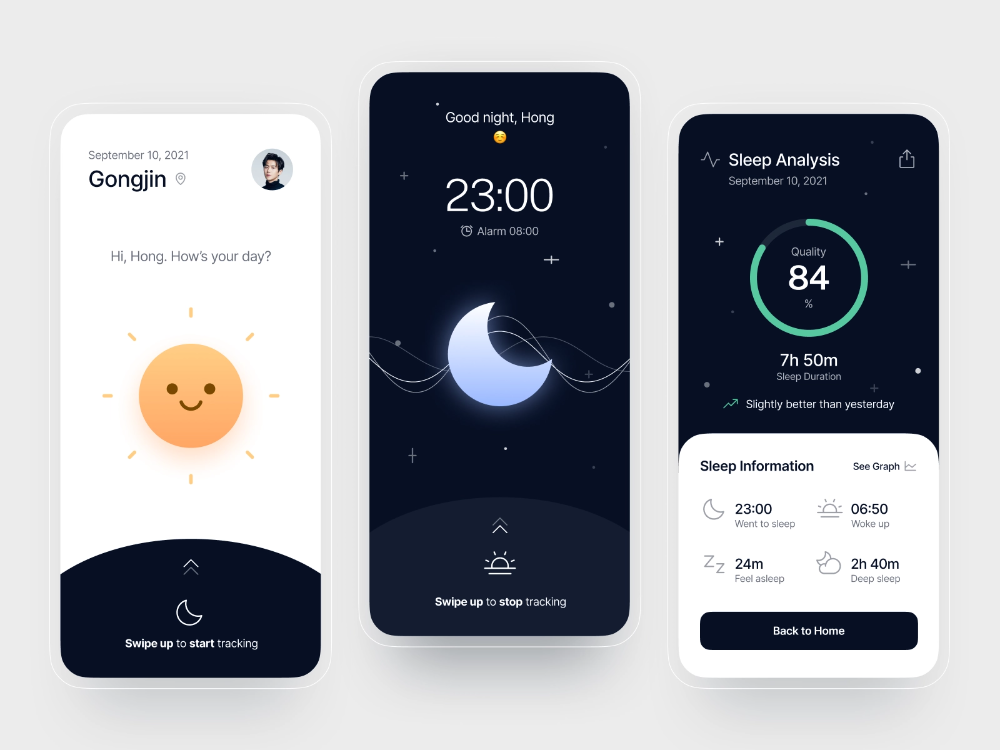
As we move forward into 2024 and beyond, the realm of sleep app technology is on the brink of exciting innovations. Users can expect advancements that not only enhance sleep quality but also provide more personalized experiences based on individual sleep patterns and health data. The integration of artificial intelligence (AI), machine learning, and advanced biometric monitoring is set to redefine how we approach sleep health.
Emerging trends indicate a significant shift toward more interactive and adaptive sleep solutions. In the coming years, we can anticipate features that not only track sleep but also actively improve it through recommendations and environmental adjustments. For example, sleep apps may analyze users’ sleeping data in real-time and suggest optimal sleep environments, such as adjusting room temperature or lighting based on individual preferences and sleep phases. Such advancements promise to bridge the gap between passive monitoring and active sleep enhancement.
Impact of Wearable Technology on Sleep App Functionalities
Wearable technology is poised to revolutionize sleep app functionalities by providing real-time data that enhances user experience and sleep tracking accuracy. Devices like smartwatches and fitness trackers collect valuable biometric information, such as heart rate, body temperature, and movement patterns, which can be utilized to provide a more comprehensive analysis of sleep quality.
The potential of wearables lies in their ability to seamlessly integrate with sleep apps, allowing users to achieve a deeper understanding of their sleep health. By combining data from wearables with app analytics, users can receive tailored feedback on their sleep habits and lifestyle choices, promoting better sleep hygiene and overall well-being.
Innovative features that may become mainstream in sleep applications include:
- Real-time Sleep Coaching: AI-driven suggestions based on live data to improve sleep habits.
- Environmental Monitoring: Integration with smart home devices to adjust lighting, temperature, and sound for optimal sleep settings.
- Personalized Sleep Plans: Customized recommendations that evolve based on user behavior and feedback.
- Integration with Health Data: Combining sleep data with other health metrics for a holistic view of well-being.
- Sleep Community Features: Sharing insights and tips with a community to foster collective improvement in sleep health.
- Advanced Soundscapes: Curated background sounds or music that adapts to users’ sleep cycles for enhanced relaxation.
- Sleep Debt Tracking: Features to monitor accumulated sleep debt and provide actionable insights to recover lost sleep.
As these innovative features gain traction, sleep apps will evolve from simple tracking tools into sophisticated sleep management systems, helping users achieve their best rest yet.
Epilogue
In summary, as we navigate the landscape of sleep and technology, it becomes evident that Sleep app plays a pivotal role in enhancing our health and quality of life. With various types of apps available, understanding their functionalities and how they cater to our individual needs is essential for selecting the right one. As technology continues to evolve, we can expect even more innovative features that will help us master the art of restful sleep.
General Inquiries
What are sleep apps?
Sleep apps are mobile applications designed to help users monitor, analyze, and improve their sleep patterns through various features such as tracking sleep cycles, offering relaxation techniques, and providing insights based on user data.
Are sleep apps effective?
Many users report improved sleep quality and better understanding of their sleep patterns after using sleep apps, although results can vary based on individual needs and app features.
Do sleep apps require a subscription?
While some sleep apps are free, many offer premium features that require a subscription for full access to advanced tools and functionalities.
Can I use multiple sleep apps at once?
Yes, you can use multiple sleep apps simultaneously; however, it may lead to conflicting data and confusion, so it’s best to stick to one or two that meet your needs.
Are sleep apps safe to use?
Most reputable sleep apps prioritize user privacy and data security, but it’s essential to review their privacy policies and permissions before use.