
 Matthew David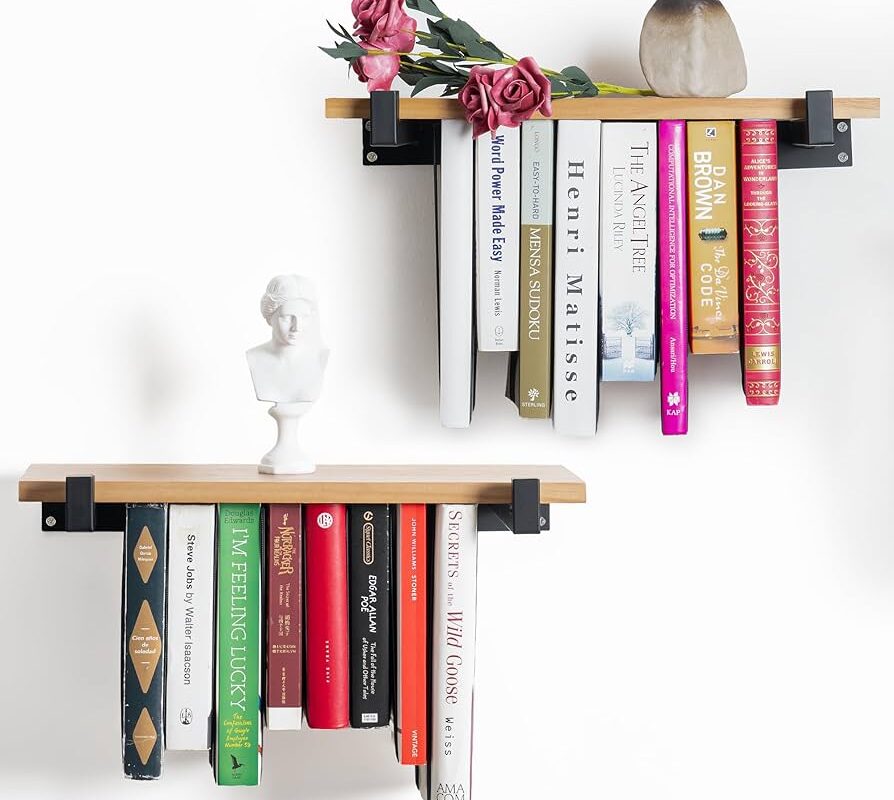
Space-saving solutions are essential in today’s fast-paced world, especially as urban living spaces shrink. Finding ways to maximize every square inch of our homes can transform cluttered areas into organized havens.
From innovative furniture designs that serve multiple purposes to clever storage ideas hidden in plain sight, these solutions not only enhance functionality but also bring a sense of calm and order to our environments.
Innovative furniture designs that maximize space efficiency
In today’s fast-paced world, where urban living often equates to limited space, innovative furniture designs have emerged as a game changer. These designs not only enhance the aesthetic appeal of small living areas but also offer practical solutions that cater to diverse needs. By incorporating multifunctional and modular furniture, individuals can transform their homes into functional havens without compromising on style.
Multifunctional furniture for small spaces
Multifunctional furniture plays a crucial role in maximizing the utility of limited spaces. Such pieces are designed to serve multiple purposes, which is essential for those living in compact apartments or homes. For instance, a sofa bed can function as both a comfortable seating area during the day and a cozy bed at night. Similarly, a coffee table with storage compartments can keep living spaces tidy by hiding away clutter.
Key examples of multifunctional furniture include:
- Ottomans with Storage: These versatile pieces can be used as footrests, extra seating, or storage for blankets and magazines.
- Convertible Dining Tables: These tables can expand for larger gatherings and retract to save space when not in use.
- Wall-Mounted Desks: Ideal for home offices, they can be folded away when not in use, freeing up floor space.
Modular furniture for flexible use
Modular furniture is another innovative solution that adapts to various needs and spaces. This type of furniture is composed of individual units that can be rearranged or combined to fit different layouts and functions. This flexibility is particularly beneficial for individuals or families who may need to modify their living space frequently.
The versatility of modular furniture can be illustrated through:
- Sectional Sofas: These can be configured in numerous ways to suit different room shapes and sizes, allowing for easy reorganization.
- Stackable Chairs: Perfect for dining or workspaces, they can be stacked away to create more room when needed.
- Modular Shelving Units: These can be expanded or reduced in size and can fit into various areas, adapting to changing storage requirements.
Vertical furniture solutions for enhanced storage
Vertical furniture solutions have a significant impact on creating additional storage in small spaces. By utilizing vertical space, homeowners can keep their living areas organized and functional. This approach not only maximizes storage but also draws the eye upward, making spaces feel larger.
Examples of effective vertical furniture solutions include:
- Tall Bookcases: These utilize wall height to provide ample storage without occupying much floor space.
- Wall-Mounted Cabinets: These can store items above the ground level, freeing up floor area for other uses.
- Bunk Beds: Ideal for children’s rooms or guest accommodations, they make use of vertical space to fit two sleeping areas in the footprint of one.
Creative storage solutions that enhance organization in limited spaces
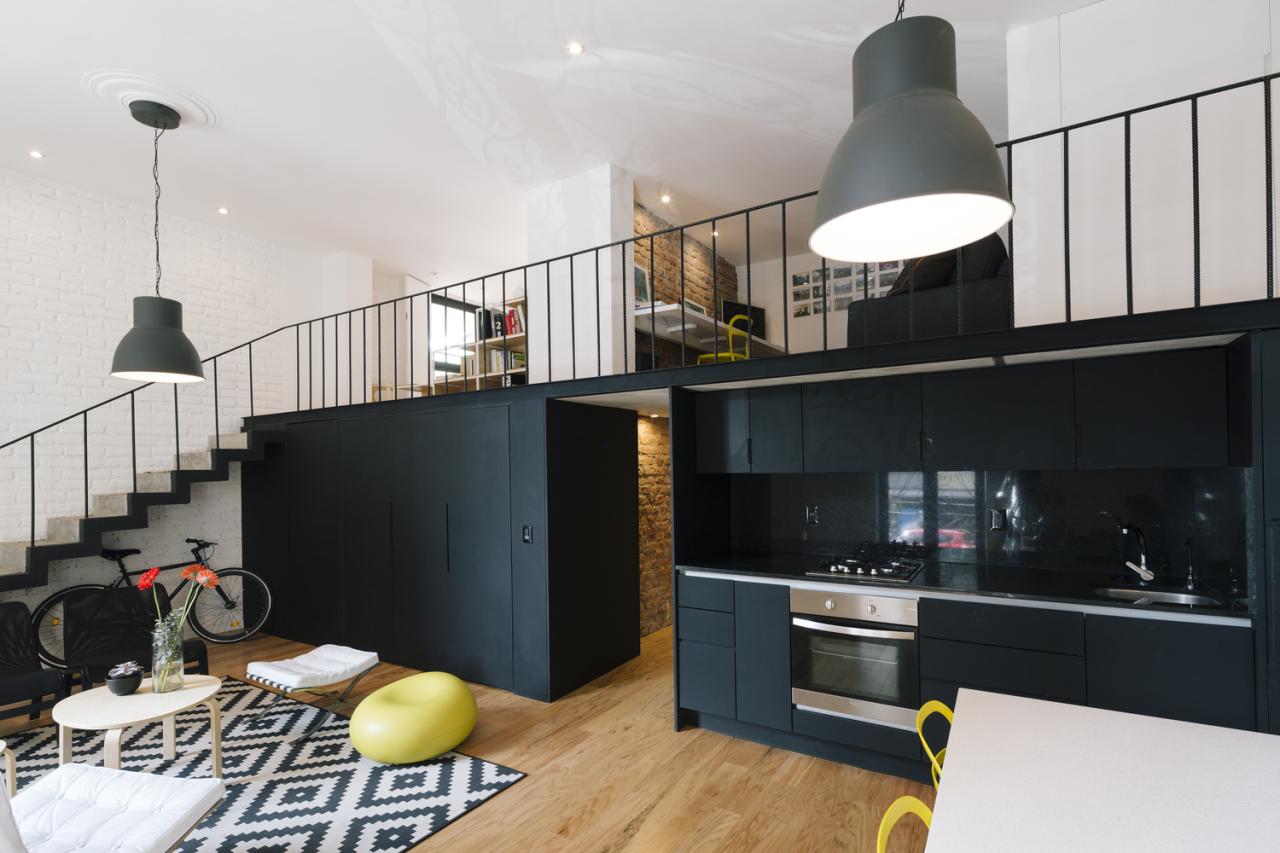
In today’s world, maximizing space has become crucial, especially for those living in smaller homes or apartments. Creative storage solutions not only help declutter our surroundings but also enhance organization, making it easier to find and access our belongings. Here are some innovative ideas that utilize every nook and cranny of your living space effectively.
Under-bed storage options
Utilizing the space beneath your bed is a fantastic way to keep items out of sight while still being easily accessible. This area often goes unnoticed and can be transformed into a practical storage solution. Here are several creative ideas for under-bed storage:
- Rolling storage bins: These are ideal for storing shoes, seasonal clothing, or linens. They glide easily in and out, making retrieval a breeze. Look for containers with wheels to enhance accessibility.
- Bed risers: Elevate your bed to create more space underneath. This not only allows for larger storage boxes but also helps in keeping your bedroom feeling spacious and airy.
- Under-bed drawers: Consider investing in drawers that fit perfectly under your bed frame. These can be used for various items, and having designated drawers keeps your storage organized.
- Vacuum-sealed bags: For clothes or bedding, vacuum-sealed bags can drastically reduce the amount of space they occupy, allowing for easy storage under the bed.
Wall-mounted storage systems
Wall-mounted storage systems provide an excellent solution for limited floor space. They can be customized to fit personal preferences and can be arranged in myriad configurations to suit any decor style. Here are some effective ideas for wall-mounted storage:
- Floating shelves: These add visual interest to your walls while providing space for books, decorative items, or even plants. You can mix different sizes and shapes for a more dynamic look.
- Pegboards: A pegboard can serve as a multifunctional organizational tool. Hang tools, craft supplies, or kitchen utensils to keep everything visible and within reach.
- Wall-mounted baskets: These can be used in various rooms—kitchens, bathrooms, or entryways—for storing smaller items like mail, toiletries, or even toys. They keep things organized while adding a stylish element to your decor.
- Magnetic strips: Perfect for the kitchen or workshop, magnetic strips can hold knives, tools, or other metal items, keeping them organized and off your counters.
Utilizing closets and corners with clever organizational tools
Closets and corners often present unique challenges in small spaces, but with the right organizational tools, they can become functional and efficient. Here are some strategies for optimizing these areas:
- Corner shelves: Install corner shelving units to take advantage of often-wasted space. These can be used for books, plants, or decorative items.
- Over-the-door organizers: These are fantastic for closets, providing additional storage for shoes, accessories, or cleaning supplies without taking up floor space.
- Multi-tiered hangers: Maximize hanging space in closets by using multi-tiered hangers for pants or scarves. This keeps items organized and allows for better visibility.
- Storage bins and labels: Use clear bins to categorize items in closets. Labeling bins allows for quick identification and retrieval, making it easier to maintain organization.
Techniques for decluttering spaces to create a more spacious environment
Creating a decluttered space is essential for fostering a more spacious and serene living environment. Techniques that focus on sorting and categorizing belongings not only help to reduce clutter but also facilitate a more organized lifestyle. By understanding the methods available, individuals can transform their spaces into havens of minimalism and tranquility.
The process of decluttering begins with effective sorting methods, which can be categorized into several key approaches. Each technique serves to streamline belongings and create a more inviting atmosphere. Understanding these methods is crucial for anyone looking to maximize their living space.
Sorting and categorizing belongings
Utilizing structured sorting techniques can drastically reduce clutter and improve organization. The following methods provide a framework for assessing what to keep and what to let go:
- The Four-Box Method: This involves labeling four boxes as “Keep,” “Donate,” “Trash,” and “Relocate.” As you go through your items, you place each item in one of the boxes based on its condition and significance.
- The Timer Technique: Set a timer for a fixed duration, such as 15 or 30 minutes, and focus solely on decluttering during that time. This method encourages quick decision-making and prevents overthinking.
- One-Year Rule: If you haven’t used an item in the past year, consider letting it go. This rule is particularly effective for seasonal items or clothing that no longer fits.
- Category Sorting: Tackle sorting by category rather than by room. For example, collect all books from your home and sort through them collectively. This can provide a clearer picture of what you own.
The importance of minimalism in achieving a tidy and open living space cannot be overstated. Embracing minimalism encourages individuals to focus on quality over quantity, leading to a more purposeful selection of belongings.
Principles of minimalism
Minimalism is not just about owning fewer items; it’s a lifestyle choice that promotes clarity and peace. The following principles highlight its significance:
- Intentional Living: Minimalism encourages individuals to be more intentional about the items they bring into their lives, fostering a sense of purpose and mindfulness.
- Visual Clarity: A minimalist environment reduces visual noise, creating a peaceful atmosphere that can enhance focus and productivity.
- Space Utilization: By reducing clutter, minimalism allows for more effective use of space, making rooms feel larger and more functional.
The psychological benefits of decluttering also play a significant role in effective space utilization. A decluttered environment can lead to decreased stress and increased mental clarity, offering a refreshing perspective on space and functionality.
Psychological benefits of decluttering
Decluttering has profound psychological effects that can enhance overall well-being. Understanding these benefits is key to motivating oneself to embrace a more organized lifestyle.
- Reduced Anxiety: Clutter can be overwhelming, and reducing it can significantly lower anxiety levels, creating a more calming environment.
- Increased Focus: A tidy space allows for improved concentration and productivity, making it easier to engage in creative or work-related tasks.
- Sense of Accomplishment: The act of decluttering can provide a sense of achievement, boosting self-esteem and encouraging further organization efforts.
The relationship between a clutter-free environment and improved mental health is clear. Decluttering not only enhances physical space but also promotes a sense of peace and well-being, paving the way for a more enjoyable living experience.
The role of color and lighting in making small spaces feel larger
Creating the illusion of space in smaller areas is a fascinating interplay of color and lighting. These two elements are not just aesthetic choices but powerful tools that can transform a cramped environment into an open, airy retreat. Understanding how to manipulate color palettes and lighting sources can enhance the perception of dimensions in any room, making it feel more expansive and inviting.
Color palettes that create an illusion of more space
The choice of color plays a pivotal role in how spacious a room feels. Lighter hues such as whites, creams, soft pastels, and light grays reflect light, which can amplify the perception of openness. Here are some effective strategies for selecting color palettes that enhance the feeling of space:
Monochromatic Schemes:
Using varying shades of a single color creates a seamless flow and can visually expand the room.
Cool Colors:
Colors like blues and greens have a calming effect and tend to recede, giving the sense of greater depth.
Accent Walls:
Strategically placed darker colors on one wall can add depth, helping the other walls feel more spacious.
Ceiling Colors:
Painting the ceiling a lighter color than the walls can make the ceiling appear higher.
Natural and artificial lighting influences on room dimensions
Lighting significantly impacts how we perceive the size of a room. Natural light, when maximized, can make spaces feel vibrant and larger. On the other hand, artificial lighting needs to be thoughtfully designed to create a welcoming environment. Consider the following aspects:
Natural Light:
Large windows and strategically placed mirrors can enhance daylight, making the space feel more open.
Layered Lighting:
Combining ambient, task, and accent lighting creates depth and dimension, drawing the eye upwards and around.
Warm Light:
Utilizing warm LED bulbs can create an inviting atmosphere, making a small space feel cozy without closing it in.
Using mirrors and reflective surfaces to enhance space visibility
Mirrors can be a game changer in small spaces. They not only reflect light but also give the illusion of depth. Here are some effective ways to incorporate mirrors and reflective surfaces:
Large Mirrors:
A big mirror on one wall can instantly double the perceived space and reflect light, brightening the room.
Mirrored Furniture:
Incorporating mirrored tables or cabinets can add elegance while making the space feel larger.
Reflective Decor:
Using decor items with metallic or glass finishes can enhance light reflection, contributing to the open feel.
Outdoor space-saving solutions for maximizing gardens and balconies
Making the most of limited outdoor space can transform your garden or balcony into a functional and enjoyable area. This requires clever planning and innovative solutions that focus on verticality, compact furnishings, and smart storage. By using these space-saving techniques, you can enhance your outdoor living experience without feeling cramped.
Vertical gardening methods
Vertical gardening is an excellent way to cultivate plants in limited ground space, utilizing walls, fences, and even railings. This method not only maximizes planting area but also adds visual interest and green beauty to your outdoor environment. Here are some popular vertical gardening techniques:
- Wall planters: These are mounted directly onto a wall and can hold various plants, from herbs to flowers. They come in pre-made kits or can be DIY projects, allowing for personalization.
- Pallet gardens: Old wooden pallets can be transformed into vertical gardens by filling the slats with soil and plants, creating a rustic yet functional garden space.
- Hanging pots: Suspended pots can be arranged at different heights, providing a cascading effect and appealing aesthetics. These can be hung from hooks or ceiling mounts.
- Vertical trellises: Using a trellis allows climbing plants to grow upward, increasing your planting area while adding structure and design to your space.
Compact furniture options
When it comes to outdoor furniture, choosing compact and multifunctional pieces can make a significant difference in comfort and utility without compromising space. Here are some ideal options for balconies and patios:
- Folding chairs and tables: These can be easily stored when not in use, freeing up valuable floor space.
- Stackable furniture: Stackable chairs and tables can be piled together, providing flexibility to rearrange as needed.
- Benches with storage: Benches that double as storage provide seating while keeping items like cushions or gardening tools out of sight.
- Ottomans with hidden compartments: These can serve as footrests or additional seating while offering space for stowing away blankets or small gardening supplies.
Smart storage solutions for outdoor equipment
Keeping outdoor spaces tidy while storing equipment can be achieved through innovative storage solutions. These strategies help in maintaining a neat appearance while ensuring easy access to necessary items:
- Vertical storage racks: Ideal for bikes, tools, and gardening supplies, vertical racks maximize the use of wall space, keeping the ground area clear.
- Storage benches: Combining seating and storage, these benches can hold items like cushions, gardening tools, or pool equipment, blending functionality with style.
- Under-rail storage boxes: These boxes fit neatly under balcony railings or patio edges, providing discreet storage while keeping items easily accessible.
- Garden sheds or cabinets: Compact outdoor storage units can house larger items like lawnmowers or bulk supplies, keeping them protected from the elements while ensuring your outdoor space remains uncluttered.
Smart home technology that contributes to space optimization
Smart home technology is revolutionizing how we manage our living spaces, making them not only more efficient but also more enjoyable. With the advent of various smart devices, homeowners can maximize their space while ensuring comfort and functionality. This technology not only improves aesthetics but also contributes to a more organized and manageable living environment.
One of the most significant advantages of smart home devices is their ability to control and manage space usage efficiently. From smart thermostats to lighting systems, these devices can optimize spaces based on individual needs and preferences. For instance, smart lighting can be programmed to adjust according to the time of day or occupancy, reducing energy consumption and creating a more spacious feel in the home.
Smart devices for space management
The integration of smart devices into home design enhances functionality while optimizing available space. Various devices available today can help streamline daily activities and reduce clutter.
- Smart Thermostats: These devices learn your heating and cooling preferences and automatically adjust settings to save energy and space. By ensuring that living areas maintain optimal temperatures without excessive heating or cooling, they help maximize comfort without requiring bulky heating and cooling units.
- Smart Plugs and Outlets: These allow homeowners to control electrical devices remotely, ensuring that only the necessary devices are powered on. This not only reduces energy waste but also frees up space by eliminating the need for multiple power strips.
- Wireless Speakers and Smart Assistants: Compact and functional, these devices reduce the need for multiple audio setups and can manage other smart devices, further enhancing space efficiency.
The ability to monitor and suggest space-saving strategies is another key feature of smart home technology. Various apps and systems are designed to analyze space usage and provide recommendations for improvement.
Apps and systems for space optimization
A variety of applications can help homeowners understand how to make the best use of their available space.
- Home Design Apps: These applications allow users to visualize their space and experiment with furniture arrangements, helping to identify the most efficient layouts.
- Inventory Management Apps: By tracking items within the home, these apps enable users to declutter and optimize storage options, ensuring that every inch of space is utilized effectively.
- Smart Home Systems: Platforms like Google Home or Amazon Alexa can integrate various devices and provide insights into energy usage, allowing for strategic adjustments that promote space efficiency.
Incorporating technology into home design not only enhances functionality but also paves the way for innovative space-saving solutions. For example, furniture with built-in technology, such as smart desks that adjust height or multifunctional sofas that convert into beds, can significantly increase the usability of a space.
Examples of technology integration in home design
The following examples illustrate how technology can be integrated into home design to enhance functionality and promote space optimization.
- Smart Furniture: Items like foldable wall desks or extendable dining tables can adapt to the number of occupants or activities, saving space when not in use.
- Automated Blinds: These can be programmed to open or close based on sunlight and time of day, helping to control temperature and lighting without requiring bulky window treatments.
- Digital Wall Art Displays: These allow homeowners to showcase multiple artworks within a single frame, eliminating the need for numerous physical pieces and creating a clean, modern aesthetic.
By leveraging smart home technology, homeowners can transform their living spaces into more efficient, organized, and enjoyable environments.
DIY projects to create personalized space-saving solutions
Creating personalized space-saving solutions can transform your living area into a more functional and organized space. By harnessing your creativity and a few basic tools, you can build custom furniture that perfectly fits your needs and enhances your home’s aesthetics. DIY projects not only save money but also allow you to tailor solutions that reflect your style and preferences.
One of the most effective ways to maximize storage in small spaces is through custom shelving units. These units can be designed to fit specific areas in your home, whether it’s in a living room, bedroom, or kitchen.
Step-by-step guide to building custom shelving units
Building your own shelving units allows you to create a practical storage solution that meets your unique requirements. Here’s a simple guide to get started:
1. Measure Your Space: Start by measuring the area where you want to install the shelves. Consider the height, width, and depth to ensure a good fit.
2. Choose Materials: Select materials that suit your style and budget. Plywood, reclaimed wood, or MDF are great options.
3. Design Your Shelves: Sketch a design that includes the number of shelves and their spacing. This helps visualize the final product.
4. Cut the Wood: Use a saw to cut your materials according to your measurements. Safety goggles are a must!
5. Assemble the Frame: Begin assembling the frame by attaching the vertical supports and horizontal shelves using brackets or screws.
6. Finish Your Shelves: Sand the edges for a smooth finish and apply paint or stain to match your decor.
7. Install the Shelves: Secure your shelves to the wall using anchors for stability, especially if they will hold heavy items.
Building custom shelves not only optimizes space but also allows for personalization in design and finish.
Repurposing old furniture into functional pieces
Repurposing old furniture is an excellent way to save space and reduce waste. Instead of discarding furniture that no longer serves its original purpose, consider giving it a new life.
Transforming items like an old dresser into a shelving unit or a ladder into a bookshelf can provide functionality while maintaining a unique character in your home. Here’s a brief guide on how to repurpose:
– Old Dresser into a Bookshelf: Remove the drawers and secure the dresser to the wall for stability. Paint or refinish to match your decor, and use the top for decor or additional storage.
– Ladder Bookshelf: Sand and paint an old wooden ladder. Lean it against the wall and use the rungs to hold books, plants, or decorative items.
– Coffee Table Storage: If your coffee table has a hollow space underneath, add baskets or bins for storing blankets, magazines, or toys, keeping the surface clear.
These projects not only create more space but also add a unique touch to your home.
Benefits of sustainable practices in DIY projects
Sustainability is an essential aspect of modern DIY projects, especially when it comes to space-saving solutions. Implementing eco-friendly practices can significantly enhance the overall benefit of your projects.
Using reclaimed wood or upcycling materials reduces waste and minimizes the environmental impact. Additionally, sustainable projects often lead to higher quality and more durable furniture. Consider the following benefits:
– Environmental Impact: Reduce landfill waste by repurposing furniture and using sustainable materials, which contributes to a healthier planet.
– Cost Effectiveness: Repurposing old items or sourcing materials from sustainable sources often costs much less than purchasing new, mass-produced furniture.
– Unique Design: Sustainable DIY projects often lead to one-of-a-kind pieces that reflect your personal style and values.
By embracing these practices, you not only create beautiful, functional spaces but also contribute positively to the environment.
Cultural perspectives on space-saving practices around the world
Around the globe, various cultures have developed unique approaches to space-saving practices, reflecting their lifestyles, values, and environmental contexts. From urban environments to rural settings, the necessity of maximizing limited space has led to innovative designs, clever uses of materials, and the incorporation of traditional elements that resonate with cultural heritage. This examination reveals how different societies adapt to small living spaces and the significance of traditional design elements in enhancing functionality.
Global Approaches to Small Living Spaces
Different regions of the world exhibit distinct attitudes toward small living spaces, shaped by cultural norms and practical necessities. For instance, in Japanese culture, the concept of *mottainai* — the idea of minimizing waste — influences living arrangements, leading to the design of homes that focus on multifunctional furniture and sliding doors. These elements not only save space but also create a flexible living environment that can adapt to various needs throughout the day.
Similarly, in Scandinavian countries, where minimalism is a key aesthetic, the use of clean lines and light colors in small apartments maximizes perceived space. Furniture is often designed to be sleek and multipurpose, allowing for a harmonious blend of form and function.
In contrast, traditional homes in Mediterranean cultures often feature compact living areas that are enhanced with outdoor spaces, such as balconies or terraces. These designs encourage outdoor living, effectively expanding the usable area without the need for additional indoor square footage.
Significance of Traditional Design Elements
Traditional design elements play a crucial role in maximizing space across various cultures. These elements often reflect the climate, resources, and social practices of a region. For example, in the Andes of Peru, *chullpas* — ancient burial towers — illustrate how vertical construction maximizes limited land. In contrast, the *futons* used in Japan highlight the practice of folding bedding, allowing for daily conversion of living space from a bedroom to a functional area for social gatherings.
– Specific traditional design elements that aid in space-saving include:
- Tatami mats in Japan, which serve as flooring and bedding, creating adaptable living spaces.
- Murphy beds in Western countries, allowing rooms to serve multiple purposes throughout the day.
- Built-in storage solutions in Scandinavian design, integrating shelves and cabinets seamlessly into walls to reduce clutter.
- Courtyards in Mediterranean homes, extending living areas outside while enhancing airflow and natural light.
These elements not only optimize space but also provide cultural significance, instilling a sense of identity and continuity in a rapidly changing world.
Influence of Urban Living on Space-saving Innovations
Urban living significantly influences space-saving innovations, as city dwellers are often faced with smaller homes and higher living costs. In densely populated cities like New York and Tokyo, innovative solutions have emerged to address these challenges.
For instance, New York’s micro-apartments are designed to maximize every inch, incorporating modular furniture that can transform a small space into a highly functional environment. These apartments often feature open layouts, clever storage solutions, and multipurpose areas that encourage efficient use of limited space.
In Tokyo, the trend of capsule hotels has taken off, allowing travelers to experience compact living without sacrificing comfort. The design of these units includes basic amenities in a highly efficient layout, demonstrating how urban spaces can be reimagined to serve the needs of a fast-paced lifestyle.
Innovations in urban living continue to evolve, with smart technology also playing a role in enhancing space efficiency. For example, automated furniture that can adjust to different uses throughout the day represents a blending of technology and design that promotes optimal use of space.
Concluding Remarks
In conclusion, embracing space-saving solutions can significantly improve how we interact with our living spaces. By integrating smart design, organization techniques, and a touch of creativity, we can create environments that feel larger, more inviting, and more efficient.
Question Bank
What are space-saving solutions?
Space-saving solutions are strategies and designs that maximize the functionality of limited spaces, making them more organized and efficient.
How can furniture be multifunctional?
Multifunctional furniture serves multiple purposes, such as a sofa bed that provides seating during the day and a bed at night, optimizing space usage.
Why is decluttering important?
Decluttering helps to create a more spacious environment, making it easier to find things and enjoy a tidier living area.
How can lighting affect a small space?
Proper lighting can enhance the perception of space, making a room feel larger and more inviting through the use of natural light and strategic lighting fixtures.
What are some outdoor space-saving ideas?
Vertical gardening, compact furniture, and smart storage solutions can maximize the utility of balconies and gardens while maintaining comfort and aesthetics.