
 Matthew David
Heart rate monitors have become a vital tool for anyone looking to optimize their fitness journey. They offer real-time insights that help individuals tailor their workouts and manage their health more effectively. As technology advances, these devices evolve, providing even deeper insights into our cardiovascular health and overall well-being.
With a variety of heart rate monitors available today, from wrist-worn devices to chest straps, users have options that suit their lifestyle and fitness needs. Understanding the fundamental principles behind these monitors, the benefits they provide during exercise, and their role in health management can empower individuals to take charge of their fitness like never before.
Understanding the Basics of Heart Rate Monitors
Heart rate monitors (HRMs) are essential tools for fitness enthusiasts and medical professionals alike. They provide real-time data that is vital for tracking exercise intensity and overall heart health. Understanding the fundamental principles behind these devices can empower users to make informed decisions about their health and fitness routines.
Heart rate monitoring technology, at its core, relies on the detection of blood flow through the skin. This is typically achieved through two primary methods: electrocardiogram (ECG) and photoplethysmography (PPG). ECG monitors utilize electrodes placed on the skin to measure the electrical activity of the heart, offering precise heart rate readings. PPG monitors, commonly found in wearable devices, use a light source and a photodetector to measure blood volume changes in the microvascular bed of tissue, allowing for non-invasive tracking of heart rates.
Types of Heart Rate Monitors
The market today offers a variety of heart rate monitors, catering to different needs and preferences. Each type has its unique advantages and specific use cases. Understanding these can greatly assist in choosing the right device.
- Chest Strap Monitors: These devices offer high accuracy and are often preferred by serious athletes. They use electrodes to detect electrical signals from the heart and typically connect to a watch or smartphone for data display.
- Fitness Bands: Wearable bands provide continuous heart rate monitoring along with additional fitness tracking features like steps, sleep, and calories burned. They are ideal for everyday users looking to maintain a healthy lifestyle.
- Smartwatches: Combining style and functionality, smartwatches offer heart rate monitoring alongside various apps for fitness and health tracking. They cater to users who desire both technology and fashion in one device.
- Arm and Wrist Monitors: These devices are easy to use and provide heart rate data without the need for a chest strap. They are suitable for casual users who prefer less intrusive monitoring.
Essential Features to Consider
When selecting a heart rate monitor, several key features should be taken into account to ensure it meets your specific needs. Evaluating these features can enhance the user experience and effectiveness of the device.
- Accuracy: Look for monitors that are known for their precision, especially if you are training for specific athletic goals.
- Battery Life: A long-lasting battery is crucial, especially for those who engage in prolonged activities or prefer continuous monitoring.
- Connectivity: Ensure the device can sync with your smartphone or other apps to track and analyze your data effectively.
- Comfort and Fit: Choose a device that fits well and feels comfortable during your workouts, as this will encourage consistent use.
Choosing the right heart rate monitor can significantly influence your training outcomes and health management.
The Importance of Monitoring Heart Rate During Exercise
Monitoring heart rate during exercise is fundamental for anyone looking to optimize their workout performance. Understanding how your heart responds to physical activity can help you tailor your training regimen to achieve specific fitness goals, whether you aim to lose weight, build endurance, or improve overall cardiovascular health. Heart rate serves as a reliable indicator of workout intensity, allowing you to gauge your efforts and adjust accordingly for maximal benefits.
The use of heart rate monitors has become increasingly popular among athletes and fitness enthusiasts. These devices provide real-time feedback on heart rate, allowing users to stay within their optimal training zones. By tracking heart rate, athletes can ensure they are training at the right intensity to stimulate physiological adaptations, enhance performance, and prevent overtraining. This technology not only empowers athletes to push their limits but also informs them when to ease off, promoting a balanced approach to training.
Training Zones and Corresponding Heart Rate Ranges
Understanding different training zones is essential for effective heart rate monitoring. Each zone corresponds to specific heart rate ranges, which influence training outcomes. Here’s a breakdown of these zones:
- Resting Zone: 50-60% of maximum heart rate (MHR) – This zone is ideal for recovery and everyday activities.
- Fat Burn Zone: 60-70% of MHR – This zone promotes fat metabolism and is effective for weight loss.
- Cardio Zone: 70-80% of MHR – Training in this zone improves cardiovascular fitness and endurance.
- Anaerobic Zone: 80-90% of MHR – This zone enhances speed and power, suitable for high-intensity interval training.
- Red Line Zone: 90-100% of MHR – This is where maximum effort occurs, typically for short bursts during sprints or competitive events.
Utilizing these training zones allows athletes to strategically plan their workouts. For example, a runner focusing on endurance might spend more time in the cardio zone, while a sprinter may prioritize the anaerobic zone to enhance explosiveness.
“Monitoring heart rate is key to unlocking peak performance and ensuring every workout counts.”
Employing heart rate monitors effectively can lead to significant improvements in fitness and performance. With accurate data, athletes can adjust their training plans to maximize their potential, reducing the risk of injury and promoting sustainable progress.
Benefits of Using Heart Rate Monitors for Health Management
Heart rate monitors have become integral tools in the realm of health management, offering numerous advantages for individuals dealing with chronic health conditions, those aiming for weight management, and fitness enthusiasts looking to meet their goals. By providing real-time data, these devices empower users to make informed decisions about their health and well-being.
Heart rate monitors can play a vital role in managing chronic health conditions, such as heart disease, diabetes, and obesity. For individuals with heart-related issues, monitoring heart rate helps assess the effectiveness of medications and lifestyle changes, allowing for timely adjustments. Consistent tracking can lead to better control of heart rhythms and overall cardiovascular health. For those with diabetes, heart rate data can indicate how physical activity impacts blood glucose levels, aiding in better glycemic control. Furthermore, in obesity management, heart rate monitors encourage awareness of physical activity levels, promoting engagement in exercise that is safe and effective.
Role of Heart Rate Monitoring in Weight Management and Fitness Goals
Monitoring heart rate is a critical component in achieving weight management and fitness ambitions. By understanding how heart rate correlates with caloric burn, individuals can tailor their workouts to optimize fat loss or muscle gain. A target heart rate zone can be established, guiding users towards the intensity of exercise that yields the best results for weight loss or fitness enhancement.
Engaging in workouts that elevate the heart rate into the target zone can maximize metabolic efficiency. This approach ensures that individuals are not overexerting themselves while still reaping the benefits of their efforts. The use of heart rate monitors during various activities not only enhances workout effectiveness but also reduces the risk of injury by preventing overtraining or undertraining.
Comparison with Traditional Methods of Assessing Heart Health
When comparing heart rate monitors with traditional methods of assessing heart health, such as manual pulse checks or periodic check-ups, the advantages of monitors become evident. While traditional methods provide a snapshot of heart health, heart rate monitors deliver continuous, real-time data, which can lead to proactive management.
Traditional methods may miss out on fluctuations that occur during daily activities, while heart rate monitors capture these variations, providing deeper insights. The ability to analyze trends over time allows users to identify patterns related to stress, sleep, and physical activity that may not be visible through standard assessments. For example, a study from the American Heart Association highlights how continuous heart rate monitoring can predict cardiac events more effectively than occasional doctor visits.
In summary, heart rate monitors serve as powerful allies in health management, facilitating personalized and timely interventions that traditional methods may overlook. By leveraging technology, individuals are better equipped to navigate their health with precision and confidence.
Understanding Heart Rate Variability and Its Implications
Heart rate variability (HRV) is a crucial indicator of the autonomic nervous system’s regulation of the heart. It refers to the variation in time intervals between consecutive heartbeats, showcasing the heart’s adaptability to stressors and changes in the environment. A higher HRV generally reflects a healthy, well-functioning cardiovascular system, while a lower HRV can indicate stress, fatigue, or potential health issues. Understanding HRV is essential for anyone interested in enhancing their overall wellness and optimizing their fitness levels.
Heart rate variability is measured using various methods, primarily through heart rate monitors equipped with advanced sensors. These devices can detect the precise timing of each heartbeat, allowing for accurate calculations of HRV. The two most common methods for measuring HRV are:
1. Time-domain analysis: This method assesses the amount of variability in heartbeats over a specific period. Common metrics include the standard deviation of all intervals (SDNN) and the root mean square of successive differences (RMSSD). These metrics provide insight into the autonomic nervous system’s balance between sympathetic (fight or flight) and parasympathetic (rest and digest) branches.
2. Frequency-domain analysis: This technique breaks down heart rate signals into different frequency components, revealing how much of the variability is due to parasympathetic and sympathetic activity. The analysis can be done using Fast Fourier Transform (FFT) or other signal processing techniques, yielding key indices like low-frequency (LF) and high-frequency (HF) components, which help in understanding heart rate dynamics better.
Monitoring heart rate variability offers various benefits for overall wellness, including:
– Stress management: Regular tracking of HRV can help individuals identify stress patterns, allowing them to implement relaxation techniques such as deep breathing or meditation more effectively.
– Improved fitness: Athletes often use HRV to tailor their training regimens, ensuring they don’t overtrain and can recover adequately between workouts.
– Health insights: Consistent low HRV readings may signal health issues, prompting individuals to seek medical advice early. This proactive approach can lead to better health outcomes.
– Sleep quality assessment: HRV can indicate how well the body recovers during sleep, leading to better sleep hygiene practices when monitored regularly.
Monitoring and understanding heart rate variability is not just about fitness; it’s about a deeper understanding of your body’s response to life’s challenges.
Best Practices for Using Heart Rate Monitors
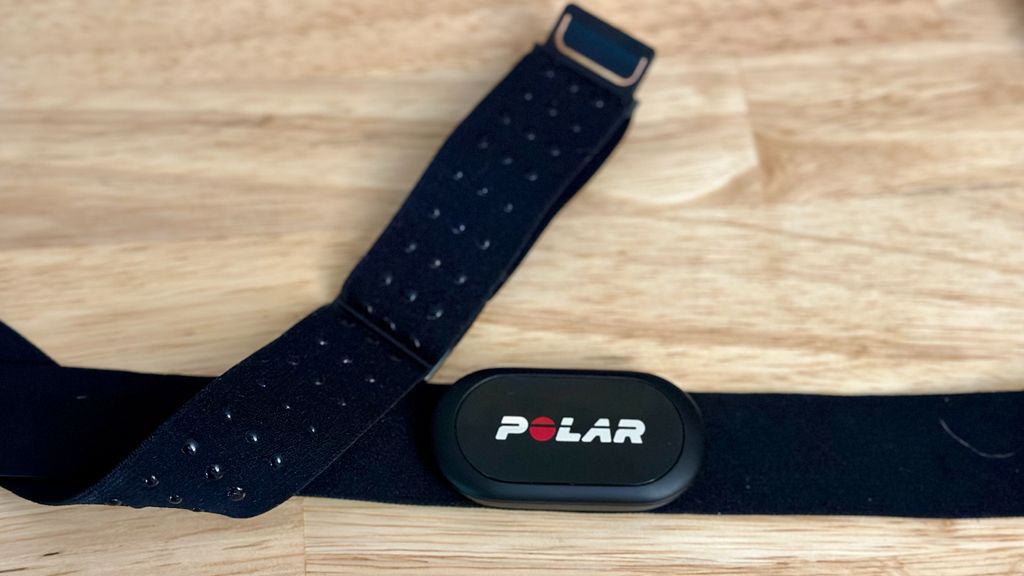
Using a heart rate monitor can be a game changer for anyone looking to optimize their fitness routine or track their health. However, to gain the most accurate data and insights, proper use and maintenance are essential. By adhering to best practices, users can avoid common pitfalls and make the most of this valuable tool.
Wearing and maintaining a heart rate monitor correctly is crucial for accurate readings. Start by ensuring that the monitor’s sensors are clean and free from moisture or sweat, as this can interfere with its functionality. When putting on a chest strap monitor, position it just below your chest, centered over your sternum. The elastic band should be snug but not too tight to avoid discomfort. With wrist-based monitors, wear the device a finger’s width above your wrist bone, ensuring it’s snug against your skin for optimal sensor contact. Regularly check the battery life and replace it as needed, as a weak battery can lead to inaccurate readings.
Common Mistakes and How to Avoid Them
Many users experience inaccuracies or frustrations due to common mistakes. Understanding these errors can help in achieving better performance from your heart rate monitor.
One common mistake is wearing the monitor too loosely, which can lead to erratic readings. Ensure that the device fits securely, allowing for sensor accuracy without compromising comfort. Another frequent issue arises from poor battery maintenance. Users may forget to replace batteries regularly or check for low power warnings. Following a schedule to maintain battery life can eliminate this problem. Additionally, not calibrating the monitor before workouts can result in skewed data. Always ensure the device is properly calibrated for your specific metrics.
Interpreting Heart Rate Data Effectively
Understanding heart rate data is vital for maximizing the benefits of your workouts. Here’s a step-by-step guide to help beginners interpret their heart rate metrics:
1. Know Your Maximum Heart Rate (MHR): This is generally calculated as 220 minus your age. For example, a 30-year-old would have an MHR of 190 bpm.
2. Determine Your Heart Rate Zones:
– Resting Heart Rate (RHR): Measure in the morning before getting out of bed. A lower RHR indicates better cardiovascular fitness.
– Warm-Up Zone (50-60% of MHR): Ideal for warming up before workouts.
– Fat Burn Zone (60-70% of MHR): Great for weight loss and improving endurance.
– Aerobic Zone (70-80% of MHR): Best for building cardiovascular fitness.
– Anaerobic Zone (80-90% of MHR): Excellent for high-intensity training.
– Red Line Zone (90-100% of MHR): For advanced training and competition.
3. Track Your Progress: Regularly record your heart rate data to observe trends over time, which helps in adjusting your training intensity accordingly.
4. Evaluate Recovery Times: After intense workouts, track how quickly your heart rate returns to normal. Faster recovery indicates better fitness levels.
By following these practices and understanding your heart rate metrics, you can effectively use a heart rate monitor to enhance your fitness journey and make informed health decisions.
Technological Advances in Heart Rate Monitoring Devices
The realm of heart rate monitoring has witnessed significant technological advancements in recent years. With the integration of sophisticated sensors and innovative algorithms, modern devices not only offer accurate heart rate readings but also provide more comprehensive insights into overall health and fitness. These advancements are reshaping how users engage with their health and fitness routines, delivering real-time data that empowers informed decisions.
One of the most notable innovations is the development of optical heart rate sensors, which use light to measure blood flow and determine heart rate. These sensors are typically incorporated into wearables such as smartwatches and fitness bands, offering a non-invasive and convenient way to track heart health. Furthermore, advancements in artificial intelligence (AI) and machine learning are enhancing the accuracy of heart rate data by filtering out noise and improving the interpretation of various physiological signals. This allows for the detection of irregular heart rhythms and abnormal patterns, enabling proactive health management.
Integration with Other Fitness Devices and Apps
The synergy between heart rate monitors and other fitness devices has become increasingly prominent, fostering a more comprehensive health tracking ecosystem. Many heart rate monitors now seamlessly integrate with smartphones, fitness apps, and smart home devices. This integration allows users to analyze their heart rate data alongside other metrics, such as steps taken, calories burned, and sleep quality.
In addition to standalone fitness apps, heart rate monitors are now frequently incorporated into multi-functional devices. For instance, smartwatches and fitness trackers not only monitor heart rates but also offer functionalities like GPS tracking, sleep monitoring, and workout guidance. This multifaceted approach enhances the user experience, providing a more holistic view of health and fitness.
The following table highlights some popular heart rate monitor brands and their unique features:
| Brand | Unique Features |
|---|---|
| Garmin | Advanced GPS tracking, VO2 max estimation, and recovery time advisor. |
| Polar | User-friendly interface, customizable training programs, and in-depth fitness analytics. |
| Fitbit | Sleep tracking, guided breathing sessions, and community challenges for motivation. |
| Apple | Seamless integration with iOS devices, ECG capability, and health app compatibility. |
| WHOOP | Focus on recovery metrics, strain tracking, and personalized coaching insights. |
Each of these brands has carved out a niche in the market, ensuring that there are options tailored to varying user needs—whether that be in-depth fitness analytics or user-friendly interfaces. Ultimately, the integration and advancements in heart rate monitoring technology continue to evolve, providing users with valuable insights that can enhance their fitness journeys.
The Future of Heart Rate Monitoring in Health and Fitness
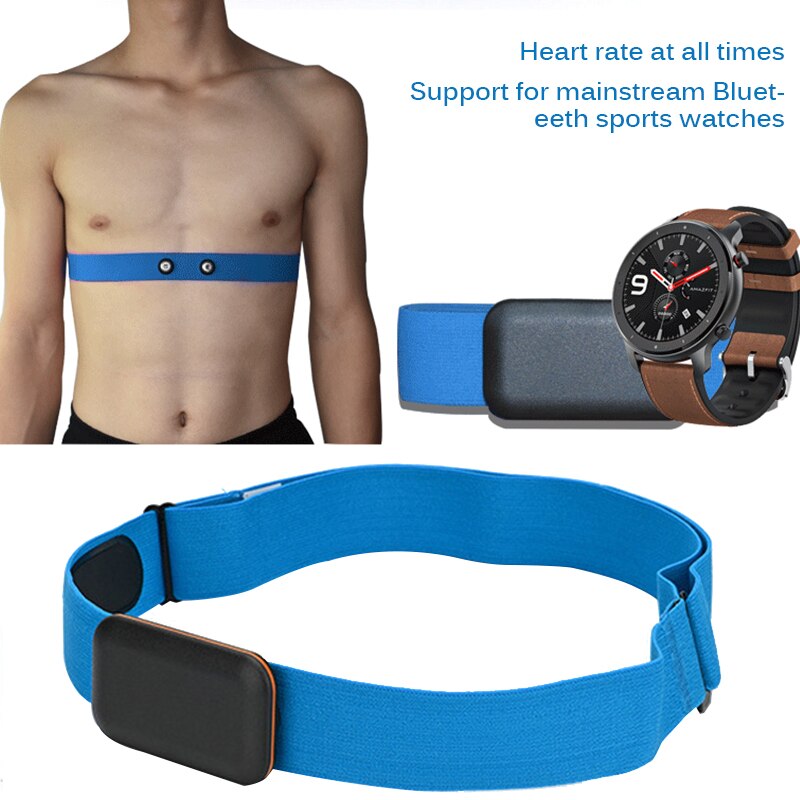
The future of heart rate monitoring is poised for significant advancements that will redefine personal health and fitness management. As technology evolves, we can expect heart rate monitors to integrate more sophisticated features that provide deeper insights into our health. With the rise of wearable technology and artificial intelligence, heart rate monitoring is likely to become an integral part of personalized healthcare, offering tailored solutions that go beyond traditional metrics.
One major development on the horizon is the integration of advanced sensors and machine learning algorithms into heart rate monitors. These enhancements will allow for real-time data analysis, providing users with immediate feedback on their cardiovascular health and fitness levels. For instance, future heart rate monitors may be able to detect irregular heart rhythms or signs of overtraining, alerting users to potential health issues before they become severe.
Predictions for Heart Rate Monitor Evolution
The evolution of heart rate monitors will incorporate several key trends that are already beginning to take shape in the industry. These include:
- Wearable Technology Integration: Expect heart rate monitors to seamlessly integrate with other wearable devices such as smartwatches, fitness trackers, and smart clothing. This connectivity will create a comprehensive health monitoring ecosystem, giving users a holistic view of their fitness journey.
- Advanced Data Analytics: The future may see the utilization of big data in analyzing heart rate readings. By aggregating data from millions of users, companies can identify trends and develop personalized fitness recommendations tailored to individual needs.
- AI-Powered Insights: Artificial intelligence will play a critical role in interpreting heart rate data, providing predictive analytics to help users optimize their workouts and recovery periods. For example, AI can recommend specific heart rate training zones based on past performance and recovery patterns.
- Enhanced Accuracy: With advancements in sensor technology, future heart rate monitors are expected to achieve unprecedented accuracy in readings, allowing for precise tracking of heart rate variability and overall cardiovascular health.
The implications of these advancements are profound, particularly in relation to personal health management. As heart rate monitors become more advanced, they will empower individuals to take charge of their health in more informed and actionable ways. By leveraging advanced data analytics, users can receive personalized fitness solutions that cater to their unique physiological responses, leading to more effective training regimens and improved overall health outcomes.
“The next generation of heart rate monitors will not only track your heart rate but also predict and enhance your fitness journey.”
Wrap-Up
In summary, heart rate monitors are more than just gadgets; they are essential tools that enhance our understanding of our bodies during physical activity and contribute to long-term health management. As we look to the future, these devices will continue to innovate, offering even greater insights and aiding in personalized fitness solutions. Investing in a heart rate monitor could very well be the first step toward a healthier, more informed lifestyle.
Frequently Asked Questions
What is a heart rate monitor?
A heart rate monitor is a device that tracks your heart rate, providing insights into your cardiovascular fitness and performance during exercise.
How does a heart rate monitor work?
Most heart rate monitors use sensors to detect your pulse, either through the skin or by using electrodes, converting this information into data displayed on a screen or app.
Can heart rate monitors be used for medical purposes?
Yes, some heart rate monitors can be used to monitor conditions such as arrhythmia or to track recovery in patients, but they should not replace professional medical devices.
Are wrist-based heart rate monitors accurate?
Wrist-based monitors can be less accurate than chest straps, especially during high-intensity exercise, but many newer models have improved their accuracy significantly.
What should I consider when choosing a heart rate monitor?
Look for features such as accuracy, ease of use, battery life, compatibility with apps, and whether it has additional features like GPS or workout tracking.