Foam roller is not just a trendy fitness accessory; it’s a versatile tool that can elevate your workout routine and enhance recovery. Whether you’re a seasoned athlete or a casual gym-goer, understanding the benefits and techniques of foam rolling can significantly improve your performance and well-being.
From its unique design features to the physiological advantages it offers, foam rollers come in various shapes and sizes, tailored to meet specific needs. This guide delves into the anatomy of foam rollers, the science behind their effectiveness, and how they seamlessly integrate into different fitness regimens, making them essential for anyone looking to optimize their physical health.
The Anatomy and Design Features of a Foam Roller
Foam rollers are essential tools in the realm of fitness, physical therapy, and wellness. Their unique design and material composition contribute significantly to their effectiveness in muscle recovery and injury prevention. Understanding the anatomy of foam rollers reveals how various features can impact performance and user experience.
Materials Used in Foam Roller Construction
Foam rollers are made from a variety of materials, each offering distinct benefits and performance characteristics. The most common materials include:
- EVA Foam: Ethylene-vinyl acetate (EVA) foam is a popular choice due to its durability and ability to withstand compression. It provides a good balance of firmness and comfort, making it suitable for most users.
- PE Foam: Polyethylene (PE) foam is often used for softer rollers. Its lightweight nature allows for easy transport, while its softer texture is beneficial for beginners or those with sensitive muscles.
- High-Density Foam: High-density rollers are designed for advanced users. They provide a firmer surface that can penetrate deeper into muscles, offering more intense relief during self-myofascial release.
- Textured Foam: Some foam rollers feature ridges or bumps, which can enhance the massage effect. This design can target trigger points more effectively, making them a preferred choice for athletes and those engaged in high-intensity training.
Sizes and Shapes of Foam Rollers
The variety in size and shape of foam rollers allows users to select the most appropriate type for their needs. The most common dimensions include:
- Standard Size: Typically 36 inches in length and 6 inches in diameter, standard foam rollers are versatile and can be used for a wide range of exercises and muscle groups.
- Half-Round Rollers: These rollers are flat on one side, allowing for balance and stability work in addition to muscle recovery. They are often used in physical therapy settings.
- Mini Rollers: Compact and often around 12 inches in length, mini rollers are ideal for targeting specific areas or for travel. They are easy to carry and store.
- Long Rollers: Longer than standard rollers, these are designed for larger muscle groups and can be particularly effective for group classes or team training sessions.
Impact of Design on Effectiveness
The design of foam rollers is crucial for their efficacy in muscle recovery. Key design factors include:
- Firmness: A roller’s density influences how deeply it can penetrate muscle tissue. Firmer rollers can provide a more intense massage, which can be beneficial for experienced users.
- Surface Texture: Textured rollers can enhance sensory feedback and stimulate blood flow, promoting faster recovery. They are particularly effective for targeting specific muscle knots.
- Shape Variability: The shape of the roller can affect the angle of application against the muscle, allowing users to adapt their technique to focus on various muscle groups or trigger points.
“Choosing the right foam roller is not just about preference; it’s about understanding how different materials and designs affect your body’s recovery and performance.”
The Benefits of Incorporating Foam Rollers into Your Workout Routine
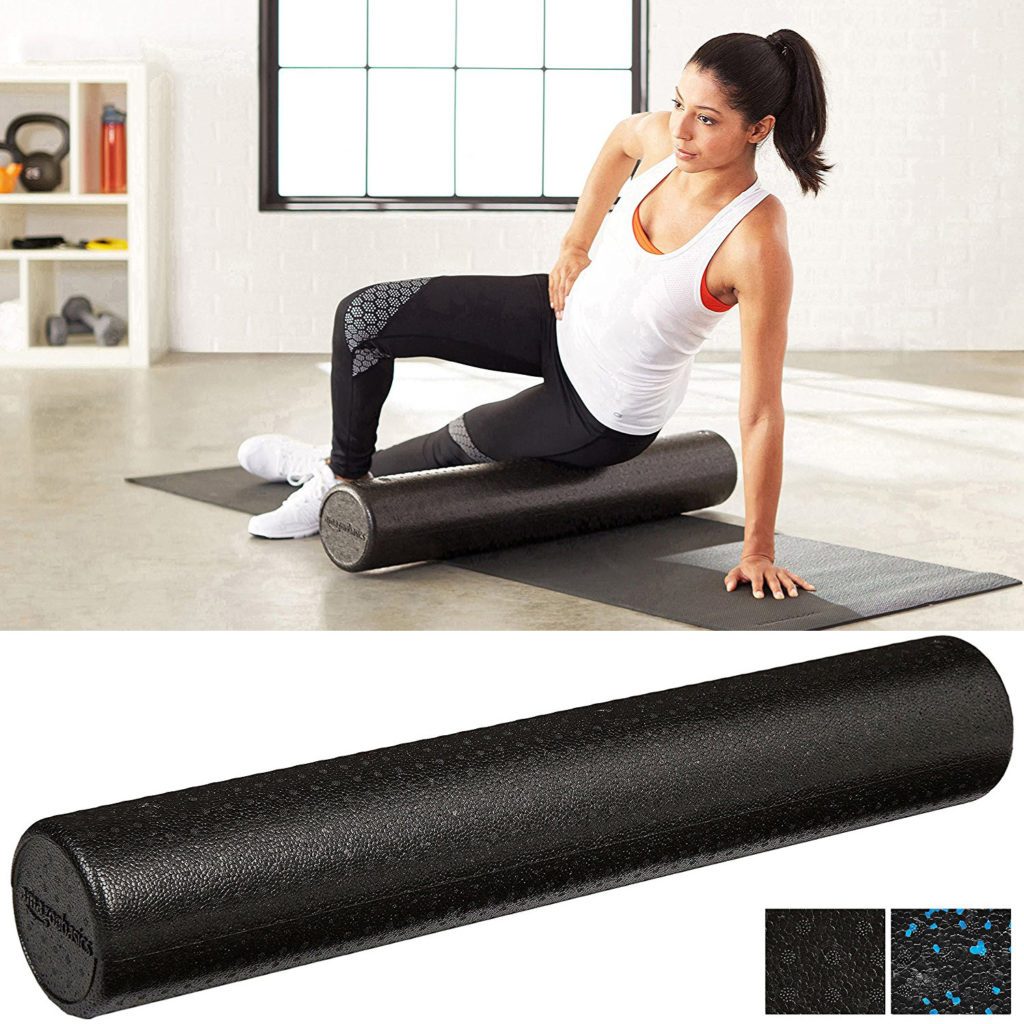
Foam rollers have become an essential tool for athletes and fitness enthusiasts alike, providing an array of physiological and psychological benefits. By incorporating foam rolling into your workout routine, you not only enhance your physical performance but also contribute to overall well-being. This practice can lead to improved muscle recovery, flexibility, and even mental relaxation, making it a multifaceted asset in any fitness regimen.
Physiological Benefits of Foam Rolling
Foam rolling serves as a self-myofascial release technique, which has significant implications for muscle health. The primary physiological benefits include:
- Reduction of Muscle Soreness: Foam rolling can decrease delayed onset muscle soreness (DOMS) after workouts, allowing for quicker recovery times and the ability to train more frequently.
- Improved Circulation: By applying pressure to specific areas, foam rolling increases blood flow to the muscles and connective tissues, facilitating nutrient delivery and waste removal.
- Enhanced Muscle Elasticity: Regular foam rolling can break down adhesions and scar tissue, leading to greater muscle elasticity and improved overall tissue health.
Improvement of Flexibility and Range of Motion
Integrating foam rolling into your warm-up and cool-down routines can significantly enhance flexibility and range of motion. The benefits of this practice include:
- Increased Joint Mobility: Foam rolling helps to release tightness in muscle groups surrounding joints, promoting greater range of motion in activities like squats and lunges.
- Dynamic Warm-up: Engaging in foam rolling before workouts can effectively prime your muscles for movement, making them more responsive and flexible.
- Long-term Flexibility Gains: Regular use of foam rollers can lead to lasting improvements in flexibility, as consistent pressure on tight muscles promotes long-term adaptations in muscle length and elasticity.
Psychological Benefits of Foam Rolling
Beyond physical benefits, foam rolling also offers notable psychological advantages, particularly in stress relief and relaxation. The following points highlight its impact on mental well-being:
- Stress Reduction: The rhythmic pressure of foam rolling can stimulate the parasympathetic nervous system, promoting relaxation and reducing overall stress levels.
- Mental Focus: Foam rolling encourages mindfulness and body awareness, helping individuals to connect with their physical state, which can enhance focus during workouts.
- Enhanced Recovery Mentality: Incorporating foam rolling into a self-care routine can instill a sense of discipline and commitment to health, fostering a positive mindset towards recovery and fitness goals.
Techniques for Effective Foam Rolling
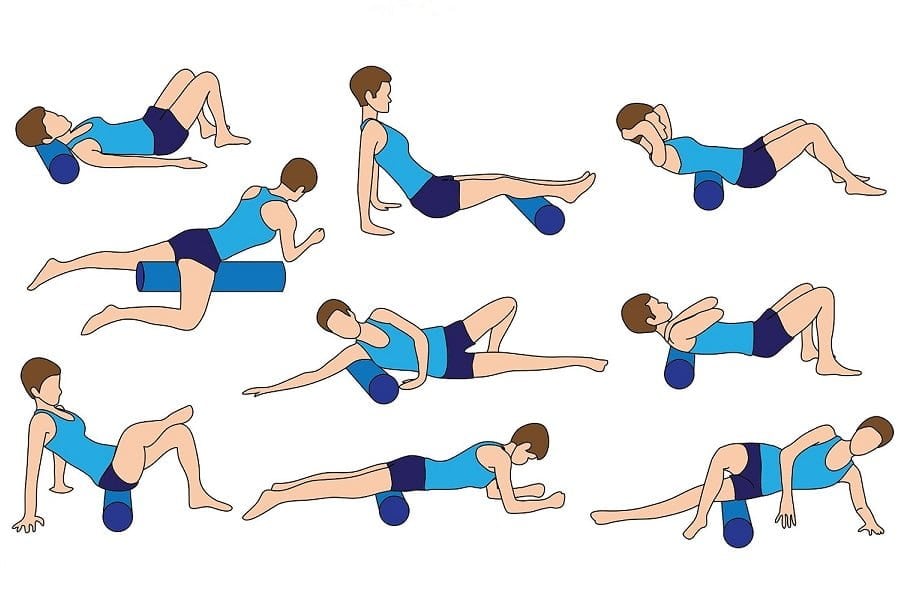
Foam rolling is an essential part of any fitness routine, helping to alleviate muscle soreness, improve flexibility, and enhance recovery. Understanding the various techniques for foam rolling can maximize the benefits, ensuring you get the most out of your rolling sessions. Below, we delve into the specifics of how to foam roll different muscle groups effectively.
Foam Rolling Techniques by Muscle Group
Different muscle groups require distinct approaches to foam rolling. Knowing how to target each area can enhance your rolling experience. Here’s a breakdown of techniques for key muscle groups:
Quadriceps
When rolling the quadriceps, position yourself face down with the foam roller placed under your thighs.
- Start with your elbows on the ground, supporting your upper body.
- Roll from your hip to your knee, pausing on any tight spots for 15-30 seconds.
Hamstrings
To target the hamstrings, sit on the ground with the roller positioned under your thighs.
- Lean back slightly, using your hands for support.
- Roll from your knees to your glutes, focusing on any sensitive areas.
Upper Back
For the upper back, lie back with the roller positioned between your shoulder blades.
- Cross your arms over your chest or place them behind your head.
- Gently lift your hips off the ground to roll along the thoracic spine.
Calves
Rolling the calves can relieve tightness and improve mobility.
- Sit with the roller under your calves, using your hands for balance.
- Roll from your ankle to your knee, adjusting pressure by lifting your hips.
Step-by-Step Guide to Proper Foam Rolling
To optimize your foam rolling session, it’s important to follow a proper technique. Here’s a simple step-by-step guide:
1. Choose the Right Roller: Start with a standard foam roller. If you’re new to foam rolling or have sensitive muscles, opt for a softer roller.
2. Warm-Up First: Engage in light cardio to increase blood flow to your muscles, preparing them for rolling.
3. Position Yourself Correctly: Sit or lie on the foam roller, ensuring the targeted muscle is on top.
4. Use Controlled Movements: Roll slowly over the muscle, applying gentle pressure. Aim for a pace of about 1 inch per second.
5. Focus on Trigger Points: When you find a sore spot, pause and breathe deeply for 20-30 seconds. This will help release tension.
6. Don’t Overdo It: Limit your rolling session to 5-10 minutes per muscle group to avoid excessive soreness.
Common Mistakes in Foam Rolling
Many individuals make errors that can diminish the effectiveness of foam rolling. Awareness of these common mistakes can help in achieving better results.
Using excessive force can lead to tissue damage rather than relief.
- Rolling too fast: This can prevent muscle relaxation and limit the benefits.
- Neglecting to breathe: Holding your breath can increase tension in the muscles.
- Applying too much pressure: It’s important to start gently and gradually increase pressure as needed.
- Rolling over joints: This can cause discomfort and injury; focus solely on muscle belly.
Foam Rolling for Injury Prevention and Rehabilitation
Foam rolling is not just a trendy fitness tool; it plays a crucial role in both preventing injuries and aiding rehabilitation. By integrating foam rolling into regular training routines, athletes can enhance their performance while minimizing the risk of injuries. Understanding how foam rolling contributes to injury prevention and rehabilitation helps athletes and enthusiasts make informed decisions about their recovery processes.
Foam rolling aids in injury prevention by enhancing muscle elasticity, improving overall flexibility, and promoting better blood circulation. By targeting specific muscle groups and fascia, foam rolling can alleviate muscle tightness, which is often a precursor to injuries. It helps reduce muscle soreness post-exercise and ensures that the muscles are adequately prepared for the demands of physical activity. Regular foam rolling sessions can create a more resilient body capable of withstanding the stress of training and competition.
Foam Rolling in Injury Rehabilitation
Foam rolling is a valuable component in rehabilitation programs for sports injuries, helping to restore mobility and reduce pain. For athletes recovering from injuries, foam rolling aids in the recovery process by breaking down scar tissue, enhancing tissue regeneration, and improving range of motion. Medical professionals often recommend foam rolling as part of a comprehensive rehabilitation strategy, particularly for common injuries such as strains, sprains, and overuse injuries.
Incorporating foam rolling into rehabilitation programs can yield significant benefits. For instance, a case study involving a professional soccer player recovering from a hamstring strain highlighted the importance of foam rolling. The athlete used foam rolling techniques alongside physical therapy, resulting in improved muscle function and a quicker return to play. Another example is a marathon runner who integrated foam rolling into their post-run routine, leading to reduced recovery time and fewer occurrences of injuries over the training cycle.
“Foam rolling not only aids in immediate recovery but also builds a strong foundation for long-term athletic performance.”
Athletes across various sports utilize foam rolling as a part of their recovery strategy. For example, a basketball player frequently uses a foam roller to target tightness in the hip flexors, crucial for their explosive movements on the court. Similarly, a weightlifter incorporates foam rolling to alleviate muscle soreness in the lower back, helping to maintain their lifting performance while minimizing injury risk.
Incorporating foam rolling into both preventative and rehabilitative practices creates a well-rounded approach to athletic health. The key is consistency and understanding how to properly execute foam rolling techniques for maximum effectiveness.
Comparing Foam Rollers with Other Recovery Tools
Foam rollers have gained popularity as an effective self-myofascial release tool, but they are just one option among various recovery tools available. Understanding how foam rollers compare to other tools can help individuals make informed choices about their recovery practices. This section delves into the key differences between foam rollers and other self-myofascial release devices, as well as the advantages and disadvantages when contrasted with professional massage therapy.
Key Differences Between Foam Rollers and Other Self-Myofascial Release Tools
There are several self-myofascial release tools available, including massage balls, massage sticks, and percussion massagers. Each of these tools serves a purpose, but their methods of delivering relief vary.
- Foam Rollers: Typically larger and designed for use on larger muscle groups. They require body weight for the application of pressure, which can help release knots and tension effectively.
- Massage Balls: Smaller and more targeted, these allow for precise pressure on specific trigger points. Ideal for areas that are difficult to access with a foam roller, such as the feet or shoulders.
- Massage Sticks: These tools provide a rolling action that can be used over large muscle areas. They are easier to control and can be used on muscles that are not reachable by a foam roller.
- Percussion Massagers: These offer rapid bursts of pressure, mimicking a massage therapist’s hands. They are effective for deep tissue massage but may not provide the same level of muscle engagement as foam rollers.
Advantages and Disadvantages of Foam Rollers Compared to Massage Therapy
While foam rollers are a convenient and cost-effective means of muscle recovery, comparing them to traditional massage therapy reveals a range of benefits and limitations.
- Advantages of Foam Rollers:
- Accessibility: Foam rollers are affordable and can be used anywhere, making them ideal for at-home recovery.
- Self-management: Users have control over the pressure applied and can adjust their technique based on personal comfort.
- Time-efficient: Users can perform rolling routines on their schedule without the need for appointments.
- Disadvantages of Foam Rollers:
- Limited specificity: While effective for larger muscle groups, they may not target deep tissue areas as effectively as hands-on massage therapy.
- Technique learning curve: Users need to learn proper techniques to avoid injury and maximize benefits, which may take time.
- Less personalized: Unlike a massage therapist who can adapt to the user’s specific needs, foam rollers require users to self-assess their muscle tension.
Comparison Table of Effectiveness and Usability of Various Recovery Tools
To visualize the differences in effectiveness and usability among recovery tools, the following table Artikels key features of foam rollers, massage balls, massage sticks, and percussion massagers.
| Recovery Tool | Effectiveness for Muscle Groups | Ease of Use | Cost | Portability |
|---|---|---|---|---|
| Foam Roller | High (large areas) | Moderate (requires technique) | $20 – $50 | High (lightweight) |
| Massage Ball | Very High (targeted areas) | Easy (simple to use) | $10 – $30 | Very High (compact) |
| Massage Stick | Moderate (good for larger areas) | Easy (simple technique) | $15 – $40 | Very High (compact) |
| Percussion Massager | Very High (deep tissue) | Easy (user-friendly) | $100 – $300 | Moderate (varies by model) |
Customizing Your Foam Rolling Routine Based on Fitness Level
Foam rolling is an effective technique to aid muscle recovery, increase flexibility, and enhance overall performance. However, customizing your routine to match your specific fitness level is crucial for achieving optimal results and preventing injury. Whether you’re a newcomer to fitness or a seasoned athlete, tailoring your approach can make a significant difference in how you benefit from foam rolling.
Different fitness levels require varied techniques and approaches to foam rolling. For beginners, the focus should be on learning the fundamentals and becoming accustomed to the sensation of rolling. Intermediate users can incorporate more advanced techniques, while advanced users may focus on targeting specific muscle groups and addressing deeper tissue issues. Recognizing these differences allows for a more efficient and effective foam rolling experience.
Foam Rolling Routines for Different Fitness Levels
Creating foam rolling routines that cater to different experience levels ensures that individuals are not overwhelmed and can progressively enhance their technique. Below are the tailored routines for each fitness level:
Beginner Routine:
To ease into foam rolling, beginners should focus on basic techniques and key muscle groups. A recommended routine involves:
- Calves: Roll each calf for 30 seconds.
- Hamstrings: Roll from the back of the knee to the glutes for 30 seconds.
- Quads: Roll from the knees to the hips for 30 seconds.
- Upper Back: Roll gently along the upper back for 30 seconds.
Intermediate Routine:
With a grasp of basic techniques, intermediates can experiment with pressure and introduce new movements. A suggested routine includes:
- Calves: Spend 1 minute on each calf, using more pressure.
- IT Band: Roll along the outer thigh for 1 minute on each side.
- Glutes: Sit on the roller and lean to one side, rolling for 1 minute on each side.
- Thoracic Spine: Focus on the mid-back with side-to-side movements for 1 minute.
Advanced Routine:
Advanced users should target specific areas more intensely and incorporate dynamic movements. The following routine is recommended:
- Calves: 1-2 minutes on each calf with varying pressure.
- Hip Flexors: Position the roller under the hip area, rolling for 1-2 minutes.
- Quads with Pause: Roll out for 1-2 minutes, pausing on tight spots for 30 seconds.
- Full Body Routine: Alternate between muscle groups, spending 1-2 minutes on each area, varying speed and pressure.
Frequency and Duration of Foam Rolling Sessions
The frequency and duration of foam rolling sessions should align with individual fitness goals, recovery needs, and activity levels.
– Beginners may benefit from 2-3 sessions per week, lasting 10-15 minutes each, to familiarize themselves with the practice without overwhelming their muscles.
– Intermediates can increase frequency to 3-4 times per week, aiming for 15-20 minutes per session, focusing on recovery and muscle maintenance.
– Advanced users may roll 4-6 times per week, dedicating 20-30 minutes, particularly after intense workouts or when targeting specific muscle soreness.
Personalizing your foam rolling routine not only enhances your recovery but can significantly improve your overall performance and flexibility.
The Role of Foam Rollers in Different Sports and Activities
Foam rollers have become an essential tool across various sports and activities, offering athletes a means to enhance their performance, recovery, and overall well-being. By incorporating foam rolling into their routines, athletes can effectively manage muscle tension and improve flexibility, leading to better outcomes in their respective sports. The following sections will delve into how foam rollers are utilized in specific sports, along with insights from athletes who swear by this technique.
Foam Rolling in Running
Foam rolling is particularly valuable for runners, as it helps alleviate tightness in the muscles that are heavily engaged during running. The repetitive motion of running can lead to overuse injuries, and foam rolling serves as an effective preventive measure. Runners often target specific areas such as the calves, quadriceps, and hamstrings to relieve soreness and improve mobility.
- Calves: Foam rolling the calves helps ease tension from long runs, improving recovery time.
- Quadriceps: This area often tightens due to prolonged knee flexion, and rolling can enhance flexibility.
- IT Band: Foam rolling the iliotibial (IT) band can help prevent knee pain, which is common among runners.
Athletes like marathoner Sarah Johnson emphasize that foam rolling has become a staple in her pre-race and post-race routines, stating, “It’s a game changer for my recovery process.”
Foam Rolling in Cycling
Cyclists benefit immensely from foam rolling as it aids in improving range of motion and reducing muscle soreness from long rides. Cyclists tend to experience tightness in their hip flexors, hamstrings, and lower back due to prolonged sitting and pedaling.
- Hip Flexors: Regular foam rolling can alleviate tightness and improve pedaling efficiency.
- Hamstrings: Foam rolling this muscle group helps in reducing stiffness after long rides.
- Lower Back: This area often accumulates tension, and rolling can provide relief from discomfort.
Professional cyclist Mark Davis shares, “Incorporating foam rolling into my routine has made a noticeable difference in my performance; I feel less fatigue in my legs after races.”
Foam Rolling in Weightlifting
Weightlifters often experience muscle tightness and soreness due to heavy lifting. Foam rolling can aid in muscle recovery and enhance flexibility, allowing for more effective lifts and decreased risk of injury.
- Glutes: Foam rolling the glute muscles can help in maintaining a strong and stable foundation for squats and deadlifts.
- Back: The thoracic and lower back areas can benefit from rolling, promoting better posture and lift technique.
- Shoulders: Foam rolling aids in releasing tension in the shoulders, improving overhead lift performance.
Weightlifter Emily Chen notes, “Foam rolling is crucial for me—my lifts have improved as my muscles recover faster and stay loose.”
“Foam rolling is not just a recovery tool; it’s a performance enhancer.” — Anonymous Athlete
The integration of foam rolling in various sports highlights its versatility and effectiveness in enhancing athletic performance and recovery. Athletes across disciplines continue to advocate for its benefits, recognizing foam rollers as indispensable tools in their quest for excellence.
Common Myths and Misconceptions about Foam Rolling
Foam rolling has gained popularity in fitness and rehabilitation circles, but with its rise also comes a slew of myths and misconceptions. These misunderstandings can lead to ineffective practices or even injury. It’s crucial to clear the air and ground the use of foam rollers in science and factual information. Here, we will debunk some of the most common myths surrounding foam rolling and provide evidence-based explanations to clarify the true benefits and limitations of this recovery technique.
Myths Surrounding Foam Rolling Effectiveness
Many people believe foam rolling can replace traditional stretching techniques. However, while foam rolling may enhance flexibility, it should complement rather than substitute stretching. Research indicates that foam rolling can improve range of motion temporarily but does not provide the same sustained benefits as static stretching.
“Foam rolling may increase flexibility immediately but does not offer long-term flexibility improvements like static stretching.”
Additionally, there’s a myth that foam rolling will “break up” knots in muscles. While foam rolling can help alleviate tightness and improve blood flow, it does not physically “break” muscle knots. Instead, it may temporarily alter pain perception through its effects on the nervous system and fascia.
Understanding the Pain Associated with Foam Rolling
Some individuals may assume that foam rolling should always be painful for it to be effective. The level of discomfort during foam rolling can vary widely among individuals, and excessive pain can signal too much pressure or improper technique. Mild discomfort may indicate that the muscle is being effectively addressed, but pain should not be the primary goal.
“Experiencing severe pain during foam rolling can lead to injury and does not necessarily correlate to effectiveness.”
The science behind foam rolling includes its impact on myofascial release and muscle recovery. When applied correctly, foam rolling can reduce soreness and improve recovery time after workouts. A study published in the Journal of Athletic Training revealed that foam rolling can lessen delayed onset muscle soreness (DOMS), promoting a more effective recovery process.
Scientific Evidence Supporting Foam Rolling
Numerous studies have examined the effects of foam rolling on muscle recovery and performance. For instance, a study in the Journal of Sports Rehabilitation concluded that foam rolling can enhance athletic performance, particularly in activities requiring strength and power.
Furthermore, foam rolling’s effectiveness increases when used in conjunction with proper hydration and nutrition. The body’s ability to recover is influenced by multiple factors, and foam rolling is just one component of a comprehensive recovery strategy.
“Foam rolling is most effective when combined with hydration, nutrition, and other recovery methods.”
Understanding these myths and the underlying science can help individuals utilize foam rolling more effectively, promoting optimal recovery and performance.
Future Trends in Foam Roller Technology and Usage
As the fitness and wellness industry continues to evolve, so too does the technology surrounding foam rollers. Recent advancements not only enhance the effectiveness of these tools but also improve the overall user experience. The future of foam rolling is set to integrate more features, cater to diverse user needs, and adapt to various fitness environments.
Emerging trends in foam roller technology focus on smart integration, material innovation, and user customization. Foam rollers are increasingly being equipped with sensors that monitor muscle tension and provide real-time feedback through connected apps. This technology helps users understand their body better and tailor their recovery routines accordingly. For instance, smart foam rollers can alert users to areas of excessive tightness, suggesting targeted rolling techniques to alleviate discomfort.
Smart Foam Rollers and Connectivity
The incorporation of smart technology into foam rollers promises to revolutionize how users engage with their recovery practices. These devices can connect to smartphones and fitness trackers, offering advanced tracking capabilities.
Key features of smart foam rollers include:
- Real-time Feedback: Sensors can measure pressure applied, duration of use, and muscle response, providing insights for optimal recovery.
- Personalized Programs: Based on data collected, users can receive customized rolling techniques aimed at specific muscle groups or injury prevention.
- Integration with Fitness Apps: Many smart foam rollers can sync with popular fitness applications, allowing users to track their overall progress and adjust routines based on recovery needs.
This technological shift not only enhances the user experience but also promotes a more informed approach to self-care and recovery in both fitness and rehabilitation settings.
Material Innovations and Design Evolution
The future of foam rollers also lies in the materials used. Innovations in foam density, texture, and durability are crucial for catering to a broader audience, from beginners to seasoned athletes.
Considerations for material and design evolution include:
- High-Density Foam: Providing firmer support for deeper tissue massage while ensuring longevity and resistance to wear and tear.
- Textured Surfaces: Different surface patterns may enhance the effectiveness of the massage, targeting various muscle fibers and improving circulation.
- Eco-friendly Materials: A shift towards sustainable materials aligns with the growing consumer preference for environmentally-conscious products, making foam rollers more appealing.
This focus on material innovation reflects a commitment to user satisfaction and health considerations, paving the way for foam rollers that are not only effective but also environmentally friendly.
Adaptation to User Needs and Trends
As the understanding of health and wellness continues to expand, foam rollers are likely to diversify in their applications. Their evolution will cater to the changing needs of users, addressing trends in fitness, rehabilitation, and integrated wellness.
Predictions for the future of foam rolling include:
- Broader Use in Rehabilitation: Increasing adoption in physical therapy settings as practitioners recognize the benefits of myofascial release and self-myofascial techniques.
- Incorporation in Group Fitness Classes: Foam rolling sessions becoming common in yoga and Pilates classes, emphasizing the importance of recovery within these practices.
- Customization Options: Rollers with adjustable firmness or heat functionality to cater to individual preferences and needs.
By evolving in response to user feedback and industry trends, foam rollers will remain a fundamental tool in promoting muscle recovery, flexibility, and overall wellness for a diverse range of individuals.
Ultimate Conclusion
In conclusion, incorporating foam rollers into your fitness routine can unleash a world of benefits, from injury prevention to enhanced muscle recovery. As you explore different techniques and customize your approach based on your fitness level, you’ll discover the power of foam rolling not only in physical performance but also in mental relaxation and stress relief.
FAQ Guide
What is a foam roller used for?
A foam roller is used for self-myofascial release to alleviate muscle tightness, improve flexibility, and aid in recovery after workouts.
How often should I use a foam roller?
It’s recommended to use a foam roller at least 2-3 times a week for optimal results, but you can use it more frequently based on your needs.
Can foam rolling help with muscle soreness?
Yes, foam rolling can help reduce muscle soreness by increasing blood flow and promoting relaxation in tense muscles.
Is foam rolling safe for everyone?
Generally, foam rolling is safe for most people, but if you have specific injuries or medical conditions, it’s best to consult with a healthcare professional first.
What is the best time to foam roll?
Foam rolling can be effective both before and after workouts; before to warm up muscles and after to aid recovery.