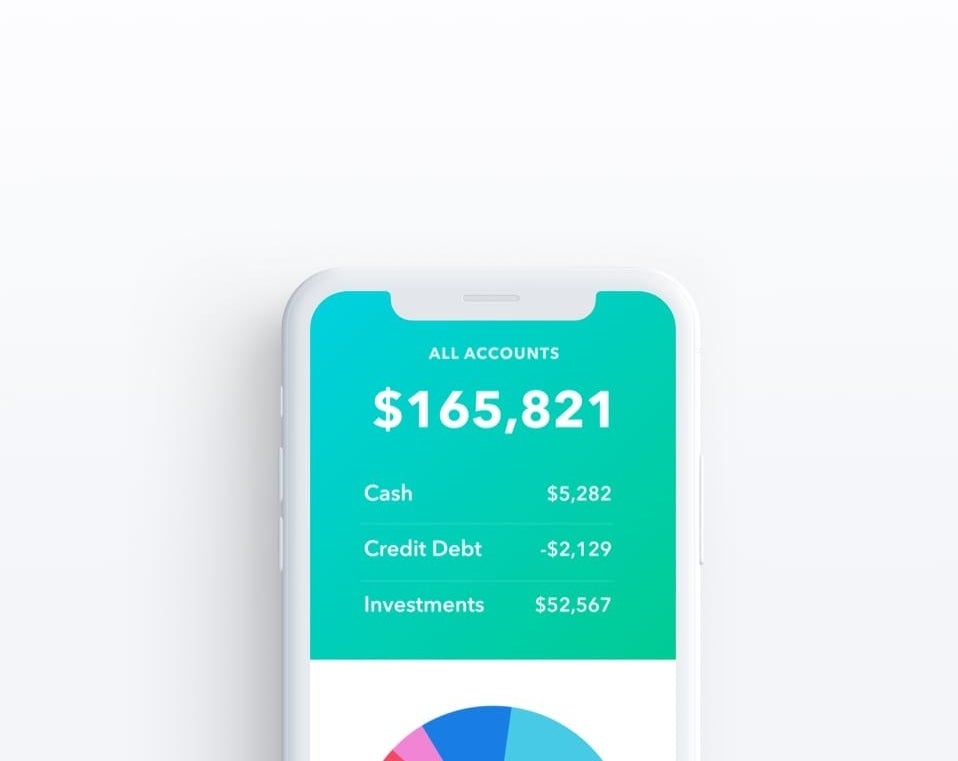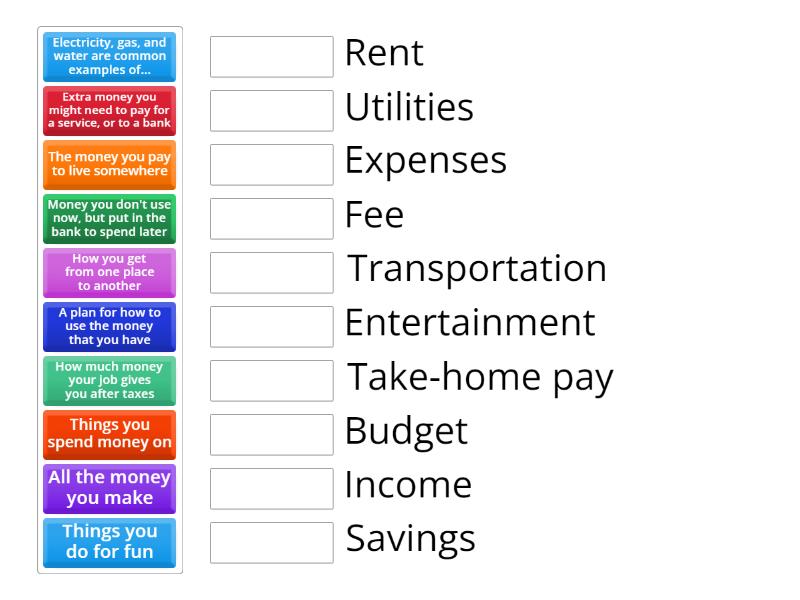
Savings tracker is your trusty companion on the path to financial empowerment, guiding you through the intricate landscape of budgeting and saving. Tracking your savings not only helps you manage your money better but also instills a sense of control and motivation, transforming how you approach spending and saving. By regularly engaging with your savings tracker, you can develop healthier financial habits and achieve your goals with confidence.
From setting specific savings targets to organizing your financial aspirations, a well-designed savings tracker can be a game changer. Whether you prefer digital apps or traditional journals, understanding the essential features and benefits of these tools can significantly enhance your financial management experience.
Understanding the Importance of a Savings Tracker
A savings tracker is a powerful tool that can significantly enhance your financial management practices. By keeping a close eye on your savings, you can develop a clearer understanding of your financial situation, make informed decisions, and work towards achieving your financial goals more efficiently.
Tracking savings routinely can also yield psychological benefits. When you observe your progress, it boosts your motivation and reinforces positive behaviors. Regularly updating your tracker instills a sense of control over your financial journey, reducing anxiety and stress related to money management.
Benefits of Tracking Savings
Tracking your savings can contribute to improved spending habits, ultimately leading to better financial health. Here are several key benefits:
- Enhanced Awareness: Maintaining a savings tracker encourages you to be more aware of your spending patterns. This awareness can help identify areas where you can cut back.
- Goal Setting: A savings tracker allows you to set specific financial goals, making it easier to visualize your targets and inspiring commitment to reach them.
- Accountability: Regularly reviewing your savings progress fosters accountability. You become more conscious of your spending decisions, which can lead to more prudent choices.
- Increased Motivation: Seeing your savings grow can provide a sense of achievement. This feeling can motivate you to save more and stick to your financial plans.
- Better Financial Planning: With a clear picture of your savings, you can make better-informed decisions about investments or major purchases, ensuring you stay aligned with your financial goals.
“The path to financial freedom is paved with disciplined saving and informed spending.”
For example, consider a young professional who decides to track their savings for a year. By documenting every deposit and withdrawal, they notice that a significant portion of their income goes towards dining out. Recognizing this pattern, they set a goal to reduce their restaurant expenses by 30%. Over the year, this small adjustment not only enhances their savings but also fosters healthier eating habits, showcasing the interconnected benefits of diligent savings tracking.
Key Features to Look for in a Savings Tracker
When it comes to managing your finances effectively, a good savings tracker can be your best ally. The right tool not only helps you monitor your savings progress but also motivates you to reach your financial goals. Whether you are saving for a vacation, a new car, or a rainy-day fund, understanding the key features of a savings tracker can enhance your savings strategy and keep you on track.
An effective savings tracker should have a clear and intuitive user interface to ensure seamless navigation. A well-designed user experience allows you to quickly input data, track your progress, and make necessary adjustments without frustration. Enhanced features such as visual aids can transform complex data into understandable graphs and charts, making it easier to see your savings growth over time.
Essential Features of a Savings Tracker
Selecting a savings tracker involves considering essential features that facilitate effective tracking. Here are some key functionalities to look for:
- User-Friendly Interface: The design should be simple and intuitive, allowing users to navigate effortlessly.
- Customizable Goals: Users should be able to set specific savings goals and adjust them as needed to reflect changing priorities.
- Progress Tracking: Effective trackers provide visual representations of savings progress, such as graphs or charts.
- Notifications and Reminders: Timely alerts can help keep users accountable and remind them to save regularly.
- Integration with Bank Accounts: Automatic syncing with bank accounts simplifies tracking and reduces manual entry.
- Reporting Features: Detailed reports help users analyze their savings habits and identify areas for improvement.
User Interface and Experience Impact
The user interface (UI) and user experience (UX) are crucial elements that can significantly influence the effectiveness of a savings tracker. A well-crafted UI allows users to engage with the application without confusion. For example, if an app features overly complicated menus or obscure buttons, users may become frustrated, leading to a lack of engagement with the tool.
Conversely, a clean and well-organized layout can make savings tracking feel more accessible and less daunting. When users find satisfaction in using the tracker, they are more likely to return to it frequently, ultimately leading to better saving habits.
Formats of Savings Trackers
Savings trackers come in various formats, each serving different user preferences and needs. Understanding the characteristics of these formats can help users choose the best method for tracking their savings.
- Apps: Mobile applications offer convenience and often include features like automatic syncing, alerts, and budgeting tools. They are ideal for users who prefer to track their savings on-the-go.
- Spreadsheets: Many users opt for spreadsheets due to their flexibility and customization options. Programs like Microsoft Excel or Google Sheets allow users to create personalized tracking systems tailored to their specific financial goals.
- Journals: A simple pen and paper journal can be an effective way for some individuals to visualize their savings journey. This method encourages reflection and mindfulness, helping users stay engaged with their financial goals.
“The best savings tracker is the one that you will consistently use.”
Choosing the right savings tracker ultimately depends on personal preferences and financial goals. The combination of essential features, user interface, and format can play a crucial role in shaping your savings experience and enhancing your overall financial health.
Designing Your Personal Savings Tracker
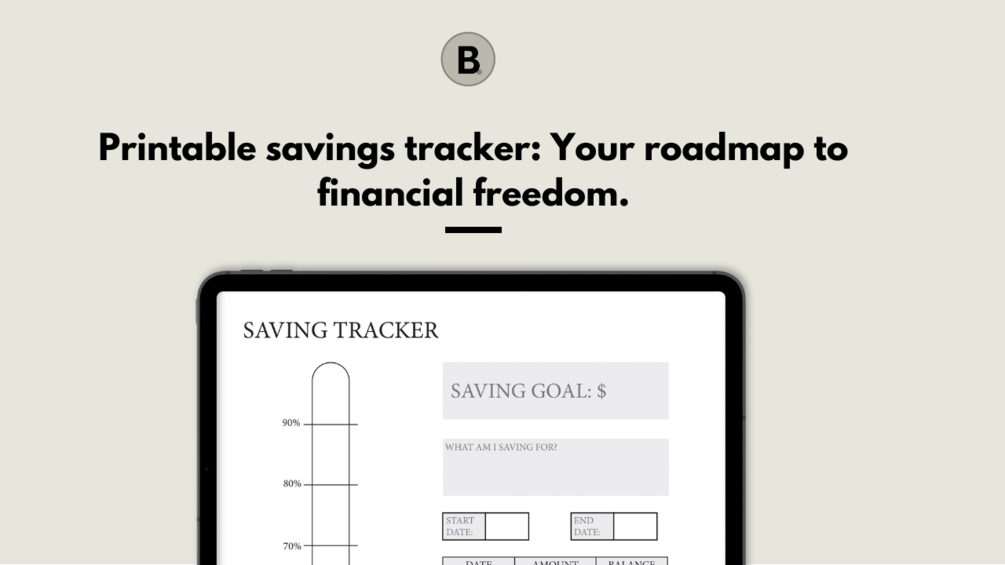
Creating a personal savings tracker is an essential step towards achieving your financial goals. A well-structured tracker not only helps you keep an eye on your savings but also motivates you to stay committed to your objectives. By designing a custom savings tracker, you can tailor it to your unique needs and preferences, making it a powerful tool in your financial journey.
A savings tracker serves as a visual representation of your progress, allowing you to monitor your achievements and adjust your strategies as needed. One of the key aspects of an effective savings tracker is the setting of specific savings goals. Without clear goals, tracking can become ambiguous, and it can be challenging to measure success. When you identify distinct objectives, you create a focused roadmap for your savings journey, increasing your chances of success.
Step-by-Step Guide to Designing Your Tracker
To create a custom savings tracker, follow these key steps:
1. Choose Your Format: Decide whether you’d like to design a digital tracker using a spreadsheet or a mobile app, or create a physical tracker in a notebook or planner. Digital formats allow for easy calculations and modifications, while physical trackers can offer a tangible sense of accomplishment.
2. Identify Your Savings Goals: Artikel the specific objectives you wish to save for. Consider categories such as:
– Emergency Fund
– Vacation
– Investments
– Major Purchases (e.g., car, home)
– Education
3. Set Clear Amounts and Deadlines: For each goal, determine how much you need to save and by when. This could be a specific amount saved by a certain date, which will give you a clear target to aim for.
4. Design the Layout: Organize your tracker in a way that makes sense to you. You might want to create separate sections for each saving objective, or a combined section where you can see all goals at a glance.
5. Add Visual Elements: Incorporate charts or graphs to visualize your progress. This could include progress bars for each goal, making it easy to see how close you are to reaching each target.
6. Track Your Contributions: Regularly update your tracker with contributions made towards each goal. This could be a weekly or monthly entry, allowing you to see your progress clearly.
7. Review and Adjust Regularly: Set aside time to review your tracker periodically. This allows you to adjust your goals and strategies based on your financial situation and priorities.
Importance of Setting Specific Savings Goals
Setting specific savings goals within your tracker provides direction and clarity. Without well-defined objectives, it can be challenging to stay motivated and focused. Here are a few reasons why specific goals are crucial:
– Clarity in Purpose: Knowing why you are saving helps you prioritize your expenses and makes it easier to resist impulse purchases.
– Measurable Progress: Clear goals allow you to track your progress more effectively. You can easily see how much more you need to save and celebrate milestones along the way.
– Increased Motivation: Having defined targets creates a sense of urgency and excitement. Achieving smaller milestones can boost your morale and encourage you to keep saving.
Organizing Sections for Different Saving Objectives
When designing your savings tracker, organizing sections by different saving objectives can enhance clarity and usability. Here’s how to effectively categorize your tracker:
– Emergency Fund: This section should Artikel your goal for unexpected expenses, typically 3-6 months’ worth of living expenses.
– Vacation Savings: Designate an area to save for travel. Include your estimated costs, destination, and time frame to keep your vacation dreams on track.
– Investments: If you’re planning to invest, create a section that tracks your contributions towards investment accounts, such as retirement funds or stock purchases.
– Major Purchases: Allocate space for significant purchases or events, such as buying a new car or funding a wedding. This helps you save in a targeted manner.
Each section should include the goal amount, current savings, and a visual progress indicator to keep your objectives in sight.
By organizing your savings tracker into well-defined sections, you foster a structured approach to achieving financial independence and security.
Popular Tools and Apps for Savings Tracking
In today’s financial landscape, managing savings effectively requires the right tools. Numerous apps and platforms have emerged, catering to various preferences and tracking needs. These range from feature-rich financial management apps to simple, user-friendly savings trackers. Understanding the popular options helps individuals select a solution that aligns with their financial goals.
When exploring savings tracking, users often choose between digital apps and manual tracking methods. Digital tools offer convenience and automation, while manual tracking fosters personal engagement with one’s finances. Recognizing the strengths and weaknesses of each method can guide individuals in making informed decisions about their savings strategies.
Overview of Popular Savings Tracking Apps
Several savings tracking apps have gained traction among users for their functionality and ease of use. Here’s a look at some of the most popular choices:
- YNAB (You Need A Budget) – A comprehensive budgeting tool that promotes proactive financial management by encouraging users to allocate every dollar. Its robust reporting features help track savings progress.
- Qapital – This app uses goal-based savings along with customizable rules (like rounding up purchases) to help users save effortlessly. Its gamified approach makes saving more engaging.
- Digit – An automated savings tool that analyzes spending patterns and saves small amounts automatically. It’s ideal for users who prefer a hands-off approach to saving.
- Acorns – While primarily an investment app, Acorns offers a feature that allows users to round up purchases and invest the spare change, effectively helping users save while building their investment portfolio.
Pros and Cons of Digital vs. Manual Savings Trackers
When deciding between digital and manual savings trackers, each option comes with its own benefits and drawbacks. Understanding these can help users find their preferred approach to financial management.
Digital savings trackers provide instant access to financial data and automated tracking, which can save time and reduce errors. However, they often require internet access and can be subject to technical issues. On the other hand, manual tracking fosters a deeper understanding of one’s financial habits but may be more time-consuming and prone to human error.
“Digital tools enhance efficiency, while manual tracking promotes financial awareness.”
User Experiences with Savings Tracking Platforms
User experiences with savings tracking apps vary widely based on personal needs and preferences. Many users appreciate the intuitive designs of apps like YNAB and Qapital, which simplify budgeting and goal-setting processes.
Feedback indicates that users of Digit enjoy the automated savings feature, often highlighting the ease with which they accumulate savings without actively thinking about it. However, some users express concerns about the lack of control over the amount being saved.
In contrast, individuals using manual methods report a strong sense of accomplishment when seeing their savings grow over time. However, they also acknowledge the effort and discipline required to maintain this method.
Overall, choosing a savings tracking tool should reflect an individual’s lifestyle, financial goals, and personal preferences. Engaging with community reviews and experiences can provide additional insights into which tool might serve one’s needs best.
Overcoming Challenges in Savings Tracking
Tracking savings can be an empowering journey, but it is often riddled with obstacles that can deter even the most dedicated savers. Understanding these challenges is essential for anyone looking to maintain their savings discipline and achieve their financial goals. By identifying potential pitfalls and equipping oneself with practical strategies, you can navigate the hurdles of savings tracking more effectively.
Common Obstacles in Savings Tracking
Many individuals face a variety of challenges when trying to keep up with their savings trackers. Recognizing these common obstacles can help you prepare and counter them effectively. Some of these challenges include:
- Inconsistent Tracking: Forgetting to input data regularly can lead to inaccurate tracking.
- Overwhelming Goals: Setting unrealistic savings targets can create feelings of discouragement.
- Unexpected Expenses: Sudden financial obligations can derail a savings plan.
- Lack of Motivation: The absence of immediate rewards can make saving feel tedious.
- Emotional Spending: Stress or impulse purchases can undermine savings efforts.
Strategies to Maintain Motivation and Consistency
Maintaining motivation and consistency in tracking savings is crucial for long-term success. Here are several practical strategies that can help keep your savings plan on track:
- Set Short-Term Goals: Break down larger savings goals into smaller, achievable targets to experience frequent wins.
- Visualize Progress: Use charts or graphs to visualize your savings journey, making the process more engaging.
- Automate Savings: Set up automatic transfers to your savings account to simplify the process and reduce the temptation to spend.
- Reward Yourself: Establish a reward system for reaching milestones, which can provide motivation to keep going.
- Community Support: Engage with friends or online communities for encouragement and accountability.
Adjusting Savings Goals for Unexpected Expenses
Life can be unpredictable, and unexpected expenses are often unavoidable. Adjusting your savings goals in response to these events is a vital skill for maintaining financial health. Here’s how to adapt:
- Reassess Your Budget: Take a close look at your monthly expenses and see where you can cut back to accommodate unexpected costs.
- Prioritize Essential Savings: Focus on critical expenses and savings goals first, allowing flexibility in less urgent areas.
- Implement a Buffer: Establish an emergency fund that can be used to cover sudden expenses without affecting your main savings goals.
- Communicate Your Needs: If you’re working with a partner, openly discuss financial changes to ensure both parties are on the same page.
- Be Realistic: Adjust your savings timeline to accommodate changes, understanding that some bumps in the road are normal.
“Flexibility in your savings plan is key, especially when life throws unexpected expenses your way.”
The Role of Accountability in Savings Tracking
Accountability can significantly influence the success of achieving savings goals. When individuals track their savings with a sense of responsibility to themselves and others, they are more likely to stay committed to their financial objectives. By establishing accountability, people create an environment that fosters commitment and ensures they remain focused on their goals.
Accountability in the context of savings goals refers to the responsibility one feels towards achieving those goals, often enhanced through social interactions. Sharing savings objectives with friends or family can create a support system that reinforces commitment. When individuals vocalize their goals, they invite others to hold them accountable, making it more difficult to stray from their plans. This social accountability can lead to increased motivation and a sense of obligation to follow through.
Sharing Savings Goals with Friends or Family
Communicating savings goals with close ones can significantly enhance commitment and motivation. When individuals share their financial ambitions, they not only gain encouragement but also create a network of support that can help them stay on track. The following points illustrate how sharing these goals can foster accountability:
- Support and Encouragement: Friends and family can provide valuable motivation and encouragement, particularly during challenging times when temptations to spend may arise.
- Regular Check-ins: Partnering with someone who shares similar savings goals can lead to regular discussions about progress, which can help maintain focus and adjust plans as needed.
- Shared Resources: Collaborating with others may lead to discovering new saving strategies or resources, allowing individuals to learn from each other’s experiences.
Creating Accountability Partnerships
Establishing accountability partnerships is essential for effective savings tracking. These partnerships can take various forms, and the following strategies can help in forming successful accountability relationships:
- Find a Savings Buddy: Partnering with someone who has similar financial goals can create a mutual support system. Regular meetings or updates can keep both parties motivated.
- Use Technology: Consider sharing savings goals through apps designed for tracking finances. These platforms can allow real-time updates, fostering a sense of shared accountability.
- Set Milestones Together: Creating shared milestones can enhance commitment, as celebrating these achievements fosters a sense of progress and encourages continued efforts.
“Accountability is the glue that ties commitment to the result.”
Integrating Savings Tracking with Overall Financial Planning
Savings tracking is an essential component of a comprehensive financial planning strategy. It allows individuals to understand their savings behavior, recognize patterns, and make informed decisions about their financial future. By effectively tracking savings, one can align short-term goals with long-term financial aspirations, ensuring that each step taken is a deliberate move towards financial stability and growth.
Regular savings tracking influences several key financial metrics that are crucial for a healthy financial profile. These metrics not only provide insight into personal financial health but also help in making necessary adjustments to one’s financial strategy. The following are some important financial metrics impacted by effective savings tracking:
Key Financial Metrics Affected by Savings Tracking
Establishing a clear picture of financial metrics is beneficial for both monitoring and improving overall financial health. The metrics listed below are significantly influenced by consistent savings tracking:
- Emergency Fund Status: Tracking savings helps ensure that an emergency fund is adequately funded to cover unexpected expenses, typically amounting to three to six months’ worth of living expenses.
- Debt-to-Income Ratio: Regularly saving and tracking progress can facilitate debt repayments, positively impacting the debt-to-income ratio, which is crucial for loan eligibility.
- Investment Growth: By consistently directing savings into investment accounts, individuals can capitalize on compound interest, significantly increasing wealth over time.
- Retirement Savings Rate: Monitoring savings habits allows individuals to adjust their contributions to retirement accounts, ensuring they are on track to meet retirement goals.
Integrating regular savings updates into a broader financial plan can also guide better budgeting decisions. When individuals are aware of their savings trajectory, they can make informed choices regarding expenditures and financial commitments.
Impact of Savings Updates on Budgeting Decisions
Incorporating savings updates into monthly or quarterly financial reviews facilitates proactive budgeting. Here are some ways that savings tracking can shape budgeting decisions:
- Identifying Spending Leaks: Regular savings evaluations highlight areas where spending may exceed expectations, prompting adjustments.
- Setting Realistic Goals: Tracking savings progress enables the establishment of achievable savings goals, which can then directly influence budget allocations towards essential and discretionary spending.
- Prioritizing Expenses: Knowing the status of savings allows individuals to prioritize necessary expenses while maintaining flexibility for savings targets.
- Adjusting Lifestyle Choices: Positive savings trends can inspire confidence, leading to more strategic financial decisions, such as investments in education or property.
By seamlessly integrating savings tracking with overall financial planning, individuals can foster a more holistic approach to their finances, ultimately leading to enhanced financial security and peace of mind.
Evaluating Your Progress with a Savings Tracker
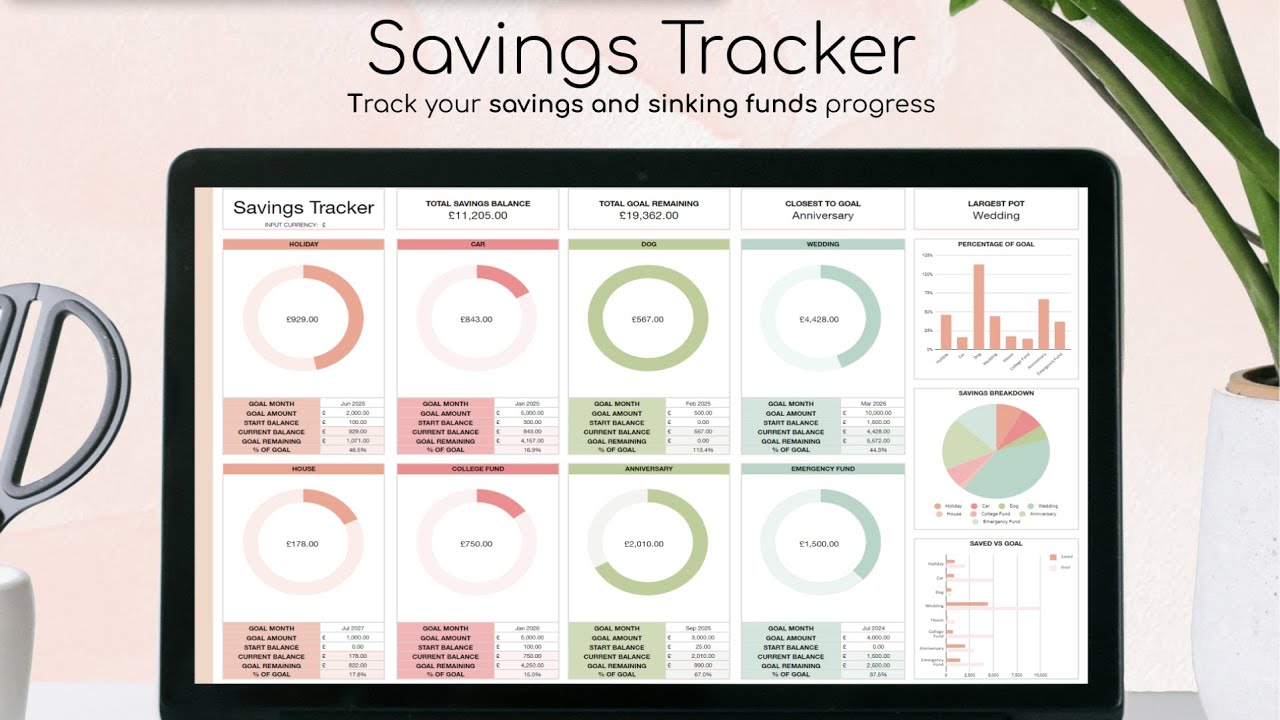
Tracking your savings is a crucial part of financial management, as it not only helps you monitor your progress towards your financial goals but also provides insights into your spending habits. Evaluating your savings regularly allows you to identify trends, make necessary adjustments, and celebrate your milestones. This proactive approach to financial planning can significantly enhance your savings journey.
To effectively evaluate your progress with a savings tracker, it is essential to create a robust framework that offers clarity and actionable insights. This framework should include the establishment of specific savings goals, regular updates of your tracker, and a reflection on your spending habits. By creating a structured approach, you can better understand how well your current strategies are working and where improvements are needed.
Framework for Assessing Effectiveness
Developing a framework for assessing the effectiveness of your savings tracking involves key steps that can guide you in evaluating your performance. This structured approach includes defining clear savings goals, setting timeframes for reviews, and using metrics to measure progress. Consider the following components:
- Define Specific Goals: Set clear and attainable savings goals, such as saving for a vacation, emergency fund, or retirement. This gives you a target to aim for.
- Regularly Update Your Tracker: Keep your savings tracker current by entering new data consistently. This will provide an accurate picture of your progress.
- Review Periodically: Schedule regular reviews (monthly, quarterly) to assess your savings and spending habits. This allows for timely adjustments to your strategies.
- Utilize Metrics: Track key metrics like percentage of income saved, expenses versus savings, and the time taken to reach specific goals. This data helps you measure your effectiveness.
Adapting Savings Strategies
Utilizing the data from your savings tracker enables you to adapt and refine your savings strategies effectively. When you regularly analyze your savings data, you gain valuable insights into how your habits affect your financial goals. This process allows for strategic adjustments based on your findings:
- Identify Spending Patterns: Look for trends in your spending habits that may hinder your savings efforts. For example, frequent dining out may be an area to cut back on.
- Adjust Contributions: If you find that you’re not meeting your savings goals, consider increasing your monthly contributions or reallocating funds from areas with less importance.
- Set Short-Term Milestones: Create smaller, achievable goals that lead to your bigger savings objectives. This fosters motivation and a sense of accomplishment when reached.
- Stay Flexible: Be open to changing your strategies based on life events, financial changes, or unexpected expenses. Flexibility can lead to more effective savings outcomes.
Importance of Periodic Reviews
Reviewing your savings progress periodically is vital for ensuring that you remain on track toward your goals. Regular evaluations help to maintain your motivation and provide opportunities to recalibrate your approach. Consider the following points regarding the significance of these reviews:
- Accountability: Periodic reviews foster a sense of accountability, encouraging you to stay committed to your savings plan.
- Celebrate Progress: Recognizing achievements, no matter how small, can boost morale and reinforce positive financial behaviors.
- Detect Issues Early: Regular assessments can help you spot any potential issues early on, allowing for timely interventions.
- Informed Decision-Making: Consistent reviews provide data-driven insights that enable better decision-making regarding your savings and budget.
“Regularly evaluating your savings not only keeps you aligned with your financial goals but also empowers you to make informed decisions that enhance your overall financial wellness.”
Final Wrap-Up
In conclusion, implementing a savings tracker into your financial routine can provide clarity and accountability, making your savings journey not just achievable but also enjoyable. By evaluating your progress and adjusting your goals as needed, you can ensure that you remain on track to reach your aspirations. Embrace the power of a savings tracker, and watch as your financial landscape transforms into a realm of possibilities.
FAQ Guide
What is a savings tracker?
A savings tracker is a tool that helps individuals monitor their savings progress, set goals, and manage their finances effectively.
How often should I update my savings tracker?
It’s best to update your savings tracker regularly, ideally weekly or monthly, to keep an accurate record of your financial progress.
Can I use a savings tracker for multiple savings goals?
Absolutely! A good savings tracker allows you to organize and monitor multiple savings goals simultaneously, such as emergency funds, vacations, or investments.
Are there free savings tracking apps available?
Yes, there are many free apps available that offer effective savings tracking features, allowing you to manage your finances without any cost.
How do I stay motivated to use my savings tracker?
Setting specific, achievable goals and regularly reviewing your progress can help maintain motivation and keep you engaged with your savings tracker.