Goal setting tools are essential allies in the journey of personal and professional growth. They empower individuals to define their aspirations clearly and provide structured pathways to achieve them. With the right tools, setting goals becomes a strategic process that enhances focus, motivation, and accountability.
These tools can range from simple planners to sophisticated apps, each designed to facilitate the goal-setting process. By leveraging technology and structured methodologies, goal setting tools not only help in outlining objectives but also in tracking progress and making adjustments as needed. As we delve deeper into the various types of tools available and how to use them effectively, you’ll discover how they can transform your ambitions into achievable milestones.
Understanding the Importance of Goal Setting Tools
Goal setting tools play a crucial role in both personal and professional development, providing structure and clarity to the process of achieving aspirations. By utilizing these tools, individuals can define clear objectives, track their progress, and ultimately enhance their chances of success. The significance of goal setting extends beyond merely stating intentions; it encompasses a strategic approach to realizing potential and fostering continuous improvement.
Structured goal setting processes enable individuals to articulate their ambitions in a tangible manner. This clarity not only helps in mapping out a pathway towards their goals but also fosters a sense of purpose. When goals are clearly defined and broken down into manageable tasks, individuals are more likely to remain engaged and committed to their objectives. The psychological benefits associated with the structured approach of goal setting tools are profound and multifaceted.
Psychological Benefits of Structured Goal Setting
Engaging in structured goal setting has notable psychological advantages that contribute to enhancing overall well-being and performance. These benefits can be categorized as follows:
- Increased Focus: Clear goals sharpen focus and direct attention to what truly matters. This reduction in distraction can lead to better task execution and higher efficiency.
- Enhanced Self-Efficacy: Successfully achieving small goals boosts confidence and self-belief, reinforcing the notion that individuals can accomplish more significant objectives.
- Reduced Anxiety: By providing a clear roadmap, goal setting can alleviate the uncertainty that often accompanies large tasks, thereby reducing stress levels.
- Improved Resilience: Setting goals fosters a growth mindset, encouraging individuals to view setbacks as opportunities for learning rather than failures. This mindset is essential for long-term success.
- Sense of Accomplishment: Achieving goals, no matter how small, creates a feeling of satisfaction and fulfillment, which is vital for maintaining motivation.
In addition to these psychological benefits, goal setting tools also play a significant role in enhancing motivation and accountability.
Motivation and Accountability Enhancement through Goal Setting Tools
The motivational aspect of goal setting tools stems from their ability to establish benchmarks for progress. When individuals can visualize their journey, they are more likely to stay committed. The following points illustrate how these tools promote motivation and accountability:
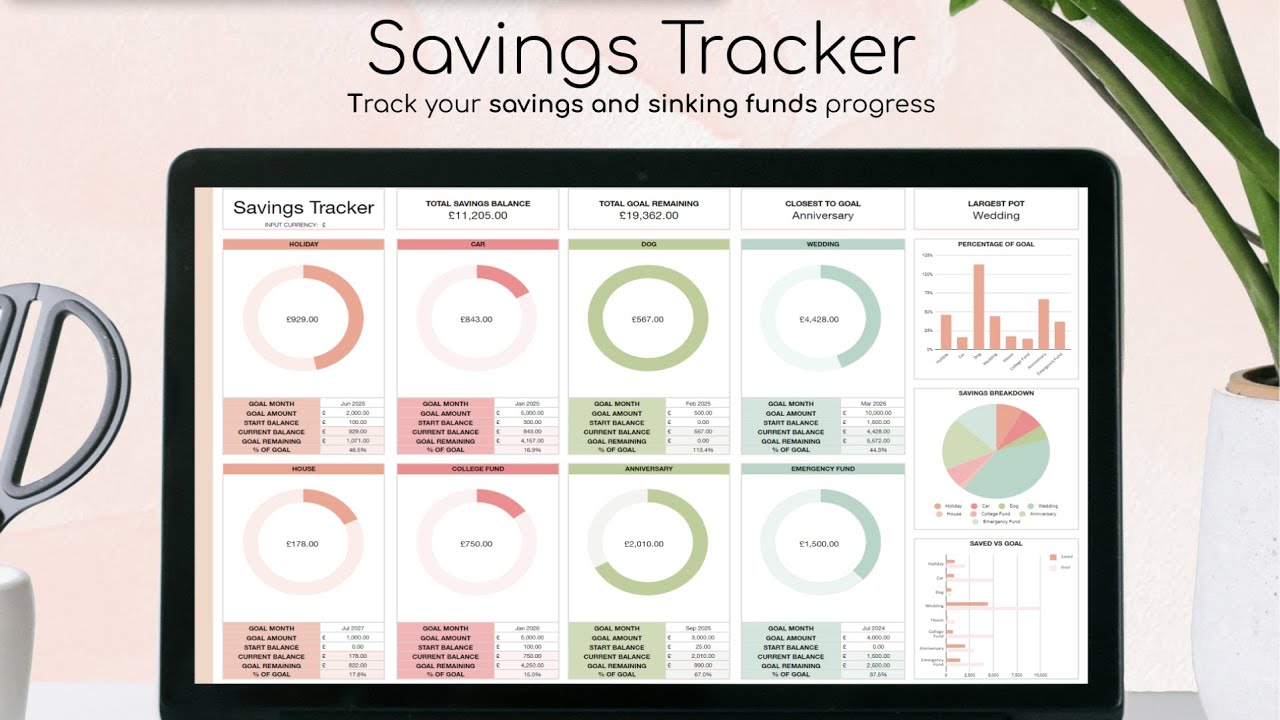
- Visual Progress Tracking: Tools such as charts and dashboards visually represent progress, making it easier to stay motivated as individuals see tangible results.
- Setting Milestones: Breaking down larger goals into smaller, achievable milestones creates a roadmap that not only guides but also motivates individuals to keep moving forward.
- Peer Accountability: Sharing goals with others or engaging in group settings can foster a supportive environment where individuals hold each other accountable, enhancing commitment.
- Regular Reviews: Scheduling regular check-ins or reviews using goal setting tools reinforces accountability, as individuals assess their progress and make necessary adjustments.
- Celebration of Achievements: Acknowledging and celebrating milestones reinforces motivation, making the journey enjoyable and rewarding.
By harnessing the power of goal setting tools, individuals can transform their aspirations into actionable plans, unlocking their potential for personal and professional growth. The psychological benefits, along with increased motivation and accountability, create a conducive environment for success, making goal setting an essential practice for anyone looking to enhance their life journey.
Different Types of Goal Setting Tools Available
Goal setting is a crucial aspect of personal and professional development, and the right tools can significantly enhance the process. There is a myriad of goal setting tools available today that cater to various preferences and needs. From mobile applications to physical planners, each type has unique features and functionalities that can aid individuals in setting, tracking, and achieving their goals.
Overview of Goal Setting Tools
Understanding the different types of goal setting tools can help individuals choose the right one that aligns with their lifestyle and objectives. Here are some popular categories of goal setting tools:
- Mobile Applications: Apps like Trello, Todoist, and Goal Buddy offer user-friendly interfaces and functionalities that allow users to set, track, and prioritize their goals on-the-go. These applications often include features such as reminders, progress tracking, and collaboration options for group goals.
- Physical Planners: Traditional planners like the Passion Planner or the Full Focus Planner provide structured layouts for goal setting along with sections for reflection and progress tracking. The tactile experience of writing can enhance commitment to goals.
- Templates and Worksheets: Printable templates available online or in self-help books offer structured formats for setting SMART (Specific, Measurable, Achievable, Relevant, Time-bound) goals. These templates often include sections for brainstorming and action plans.
- Digital Tools and Software: Platforms like Asana or Microsoft OneNote provide extensive features for project management and goal tracking, appealing particularly to professionals looking to integrate goal setting within team projects.
When choosing a goal setting tool, effective tools generally share certain characteristics. They should be user-friendly, allowing for easy navigation and quick updates. Look for features such as goal tracking, progress visualization through charts or dashboards, and reminder notifications to keep users accountable. Furthermore, customization options can enhance the user experience by allowing individuals to tailor the tools to their specific needs.
User experiences can vary significantly across different tools. For instance, while many users appreciate the simplicity and accessibility of mobile apps, others might prefer the mindfulness that comes with using a physical planner. Additionally, digital tools often facilitate collaboration, making them ideal for team settings, whereas planners might be better suited for individual goals.
Ultimately, selecting the right goal setting tool depends on personal preference and the specific context in which the goals will be pursued. Whether you prefer the convenience of an app or the tangible nature of a planner, there is a tool out there to help streamline your goal setting process.
How to Effectively Use Goal Setting Tools
Using goal setting tools can significantly enhance your productivity and focus, helping you to align your daily activities with your long-term aspirations. These tools serve as a framework to translate your ambitions into actionable steps, making it easier to track your progress and stay motivated. By integrating these tools into your daily routine, you can create a structured approach to achieving your objectives.
To effectively implement goal setting tools, follow these structured steps:
1. Define Your Goals: Start by clearly articulating your goals. Make sure they are specific, measurable, attainable, relevant, and time-bound (SMART). For example, instead of saying “I want to get fit,” specify “I will exercise three times a week for 30 minutes each session.”
2. Choose the Right Tool: Select a goal-setting tool that fits your preferences. This could be a physical planner, a digital app, or simple spreadsheets. Tools like Trello for project management or apps such as Todoist can help you stay organized.
3. Break Down Goals: Divide larger goals into smaller, manageable tasks. This helps avoid overwhelm and allows you to celebrate small victories along the way. For instance, if your goal is to write a book, start with a target of writing 500 words a day.
4. Schedule Regular Check-ins: Set aside time weekly or bi-weekly to review your progress. This not only keeps you accountable but also allows you to adapt your plans if necessary.
5. Adjust as Needed: Be flexible with your goals. Life can be unpredictable, and adjustments may be required. If a certain approach isn’t working, don’t hesitate to modify it.
Regular reviews and adjustments are vital in the goal-setting process. They enable you to stay aligned with your objectives, ensuring that your strategies remain effective and relevant. Consistent evaluations help you identify areas where you may be falling short and allow you to celebrate successes, reinforcing positive behavior.
Maintaining discipline and consistency when using goal-setting tools is crucial for long-term success. Consider these tips:
– Create a Routine: Establish a specific time each day or week dedicated to your goals. Integrating this into your routine helps prioritize your objectives.
– Stay Accountable: Share your goals with a friend or mentor who can help keep you accountable. Regular updates to someone else can motivate you to stay on track.
– Reward Milestones: Celebrate the completion of tasks or milestones. This provides motivation and reinforces your commitment to your goals.
– Use Visual Reminders: Place reminders in visible areas, such as sticky notes on your computer or a vision board on your wall. This keeps your goals front and center.
– Reflect on Your Progress: At the end of each week or month, take time to reflect on what you accomplished. Acknowledging your progress can boost your confidence and commitment to your goals.
“Success is the sum of small efforts, repeated day in and day out.” – Robert Collier
The Role of Technology in Modern Goal Setting
The landscape of goal setting has undergone a significant transformation over the last few decades, predominantly driven by technological advancements. In a world where our daily lives are deeply intertwined with digital solutions, the methods through which individuals and organizations set and track their goals have evolved dramatically. From traditional paper planners to sophisticated applications, technology has seamlessly integrated into our goal-setting practices, making them more efficient and effective.
The evolution of goal-setting tools has been marked by the transition from manual methods to digital platforms that offer an array of features designed to enhance productivity and accountability. Traditional goal-setting often relied on simple notebooks or spreadsheets, which, while functional, lacked the dynamic capabilities that modern technology provides. The introduction of goal-setting applications has not only streamlined the process but has also introduced innovative features that encourage user engagement and progress tracking.
Innovative Solutions in Goal Setting
Technology has revolutionized how we approach goal setting, providing tools that help individuals and organizations visualize their objectives, track their progress, and stay motivated. One of the most significant advantages of modern goal-setting tools is their ability to integrate reminders, analytics, and collaborative features, transforming the way we interact with our goals.
Several applications exemplify this technological shift in goal setting:
- Asana: A project management tool that allows users to set, track, and manage goals within teams. Asana’s visual project timeline and task assignments foster collaboration while keeping everyone aligned with their objectives.
- Trello: Utilizing a card-based system, Trello allows users to create boards for various goals, making it easy to visualize progress through lists and cards. This method emphasizes a hands-on approach to organization and goal tracking.
- Todoist: Known for its simplicity, Todoist enables users to list their goals and break them down into manageable tasks. The app’s priority levels and recurring due dates keep users focused and accountable.
- Notion: A versatile workspace that combines note-taking, task management, and goal tracking. Notion’s customizable templates allow users to tailor their goal-setting experience according to their unique preferences.
- Strides: This goal-tracking app offers users the ability to set SMART goals (Specific, Measurable, Achievable, Relevant, Time-bound) and track their progress visually, using charts and reminders to maintain motivation.
These applications not only provide tools for goal tracking but also foster a community of support, as many of them include features for sharing progress with peers or team members. This social aspect can significantly enhance motivation, as users can celebrate achievements together and provide encouragement during challenging times.
The integration of technology in goal setting is further exemplified by the use of data analytics. Many modern tools now offer insights into user behavior and progress patterns, allowing individuals and organizations to make informed decisions about their goal-setting strategies. By analyzing which goals are consistently met or missed, users can adjust their approaches, leading to more effective and personalized goal-setting experiences.
“The digital age has not only changed how we set goals but also how we perceive success and progress.”
In conclusion, the role of technology in modern goal setting is undeniably transformative. From enhancing the user experience to fostering accountability and collaboration, the digital tools available today have paved the way for a more structured and engaging approach to achieving our goals. As technology continues to advance, we can expect even more innovative solutions that will further redefine the goal-setting landscape.
Challenges Faced When Using Goal Setting Tools
Goal setting tools are invaluable for tracking progress and achieving personal or professional milestones. However, users often encounter various obstacles that can hinder their effectiveness. Understanding these challenges and developing strategies to overcome them is crucial for maintaining motivation and achieving success.
One common challenge individuals face is setting unrealistic goals. Many people, driven by enthusiasm, tend to overestimate their capabilities or underestimate the time required to achieve a goal. This often leads to frustration and discouragement when progress stalls. To counter this, it’s essential to practice SMART goal-setting: goals should be Specific, Measurable, Achievable, Relevant, and Time-bound. For instance, rather than setting a goal to “exercise more,” one might specify, “I will jog for 30 minutes three times a week for the next month.” This way, individuals can maintain focus and adjust their strategies if necessary.
Common Obstacles and Solutions
Several other challenges frequently arise when using goal-setting tools, and understanding these can help users navigate their journey more effectively.
Here are some key obstacles and solutions:
- Overwhelm from too many goals: Many users make the mistake of setting multiple goals at once, which can lead to burnout. It’s beneficial to prioritize goals based on urgency or importance, focusing on one or two at a time.
- Inconsistent tracking: Goal setting tools are most effective when they are used consistently. Individuals may falter in regular check-ins or updates. To combat this, building a habit of daily or weekly reviews can help keep users engaged.
- Lack of accountability: Without support, individuals may struggle to stay motivated. Engaging with a friend or joining a group can provide necessary encouragement and accountability.
- Fear of failure: The fear of not achieving a goal can act as a psychological barrier. It’s vital to remember that setbacks are part of the learning process. Embracing a growth mindset helps individuals reframe failures as opportunities for growth, thus reducing fear.
Personal anecdotes often illustrate these points effectively. For example, a colleague of mine set an ambitious goal of running a marathon after only a few months of casual jogging. Despite initial excitement, she faced physical and mental exhaustion. By reassessing her goal and breaking it into smaller, manageable milestones—like completing a 5K first—she found renewed motivation and eventually succeeded in her marathon endeavor.
Maintaining motivation amid setbacks is another integral aspect of using goal-setting tools. A key strategy is to celebrate small wins along the way. This practice not only boosts morale but also reinforces the idea that progress, no matter how incremental, is still progress. Keeping a visual reminder of goals, like a vision board, can also maintain focus and inspire continued effort.
In summary, while there are numerous challenges associated with goal-setting tools, recognizing these obstacles and implementing effective strategies can lead to a more productive and fulfilling experience. With the right mindset and support, individuals can navigate the complexities of goal setting and ultimately achieve their aspirations.
The Future of Goal Setting Tools
As we look toward the future, goal setting tools are poised to undergo significant transformation driven by technological advancements and changing work environments. The integration of artificial intelligence (AI) and machine learning (ML) is set to redefine the way individuals and organizations approach goal setting. These innovations will enhance the personalization and efficiency of goal-setting practices, while adapting to the evolving needs of the workforce.
The advancements in AI and ML will bring about profound changes in goal-setting strategies. By analyzing vast amounts of data, these technologies will enable tools to provide tailored recommendations based on individual behaviors, preferences, and past performance. For instance, a goal-setting platform could leverage historical data to suggest realistic and achievable goals, improving motivation and outcomes. The predictive capabilities of AI could also help identify potential obstacles in achieving these goals, allowing users to proactively strategize and adjust their plans.
Impact of Artificial Intelligence and Machine Learning
The implementation of AI and ML in goal-setting tools will create a more dynamic and interactive experience for users. This shift will be evident in several key areas:
– Personalized Goal Recommendations: AI algorithms will analyze user data to suggest goals that align with individual aspirations and capabilities, enhancing relevance and commitment.
– Progress Tracking and Insights: Machine learning will enable tools to track progress in real-time, offering insights that help users understand their performance and adjust their strategies accordingly.
– Adaptive Learning Experiences: These tools will evolve based on user interactions, improving their recommendations and functionalities over time to better suit individual preferences.
The evolving workplace also significantly influences the design and functionality of goal-setting tools. With the rise of remote work and flexible schedules, these tools must accommodate diverse working styles and environments. Features that support collaboration, such as shared goals and team progress tracking, will become increasingly essential.
Moreover, the emphasis on mental well-being in the workplace will shape how tools are developed. Future goal-setting applications may incorporate elements of mindfulness and self-care, encouraging users to set goals that promote work-life balance and personal fulfillment.
Furthermore, as organizations embrace agile methodologies, goal-setting tools will need to facilitate quick iterations and adaptations. This may lead to the emergence of micro-goals—short-term objectives that contribute to larger ambitions—providing users with a sense of achievement and ongoing motivation.
In summary, the future of goal-setting tools will be characterized by a blend of advanced technologies and human-centric approaches, creating a more efficient and engaging experience for users.
Real-Life Success Stories Using Goal Setting Tools
Setting and achieving goals is a fundamental practice that has transformed countless lives and organizations. Through the application of goal setting tools, many individuals have reached remarkable milestones, illustrating the power of structured planning and focused intentions. These stories serve as inspirations for anyone looking to harness the potential of goal setting.
One remarkable example comes from the world of athletics, specifically the story of Olympic swimmer Michael Phelps. Phelps, the most decorated Olympian of all time, utilized a detailed goal setting strategy from the early stages of his career. He began by breaking down his ultimate goal of winning multiple gold medals into smaller, achievable objectives. This method allowed him to track his progress and adjust his training accordingly. His approach included visualization techniques, where he would mentally rehearse his races, coupled with meticulous planning of daily training regimens. This commitment to goal setting not only led to his Olympic victories but also established a framework for countless athletes globally.
Another inspiring case is that of the educational nonprofit organization, Room to Read. Focused on improving literacy and gender equality in education across developing countries, Room to Read employs goal setting tools to measure its impact and success. By setting specific, measurable, achievable, relevant, and time-bound (SMART) goals for each initiative, they have successfully expanded their programs to benefit millions of children. The organization tracks its milestones, ensuring transparency and accountability while motivating their teams to remain focused on their objectives.
Key Takeaways from Success Stories
These success stories highlight several crucial strategies that others can adopt to maximize their effectiveness in goal setting:
- Break down goals: Effective goal setting often involves dividing larger goals into smaller, manageable tasks. This approach helps maintain motivation and track progress efficiently.
- Utilize visualization techniques: Visualizing success can enhance focus and determination. Athletes like Phelps have proven that mental rehearsals can significantly impact performance.
- Establish accountability: Organizations like Room to Read emphasize the importance of tracking progress and holding teams accountable for their goals. This fosters a culture of commitment and drives results.
- Adopt the SMART criteria: Setting SMART (Specific, Measurable, Achievable, Relevant, Time-bound) goals can create clarity and direction, making it easier to monitor achievements.
- Continuous adaptation: A flexible approach to goal setting allows individuals and organizations to reassess and modify their goals based on changing circumstances or new information.
| Success Story | Approach Used | Outcome |
|---|---|---|
| Michael Phelps | Goal Breakdown, Visualization | 23 Olympic gold medals, numerous world records |
| Room to Read | SMART Goals, Accountability | Improved literacy for millions, expanded educational programs |
The examples of Michael Phelps and Room to Read underscore the transformative power of goal setting tools. By adopting similar methodologies, individuals and organizations alike can unlock their potential and achieve significant milestones on their journeys.
End of Discussion
In conclusion, embracing goal setting tools can significantly enhance your ability to reach both personal and professional milestones. The journey of setting and achieving goals is not just about the outcome but also about the growth experienced along the way. By understanding the different tools available and how to navigate potential challenges, you can harness the power of goal setting to create a fulfilling and successful life.
Commonly Asked Questions
What are goal setting tools?
Goal setting tools are resources, such as apps and planners, designed to help individuals define, track, and achieve their goals.
How do I choose the right goal setting tool?
Consider your specific needs, such as functionality, ease of use, and whether you prefer digital or physical tools.
Can I use multiple goal setting tools simultaneously?
Yes, using multiple tools can be beneficial as long as they complement each other and don’t create confusion.
How often should I review my goals?
Regular reviews, ideally weekly or monthly, can help you stay on track and make necessary adjustments to your goals.
Are there any free goal setting tools available?
Yes, many effective goal setting tools are available for free, including apps and printable templates.
What if I miss a goal deadline?
Missing a deadline is common; the key is to reassess and adjust your goals and timelines to keep moving forward.