
 Matthew David
Time tracking app has become an essential tool in the modern workplace, providing businesses with the means to enhance productivity and accountability. As organizations strive for efficiency, these applications offer a structured approach to understanding how time is spent across tasks and projects. By accurately tracking time, companies can allocate resources more effectively, ensuring that efforts align with business goals.
With growing demands and the need for transparency, time tracking apps have proven beneficial across various industries, including technology, finance, and healthcare. They enable teams to identify bottlenecks, optimize workflows, and ultimately drive performance improvements. This rising trend emphasizes the value of time as a critical asset in achieving organizational success.
The importance of time tracking applications in modern work environments
In today’s fast-paced work environment, time tracking applications have become essential tools that contribute significantly to maintaining productivity and accountability within organizations. These applications not only help individuals manage their time efficiently but also provide critical insights that can enhance overall team performance and project outcomes.
One of the primary benefits of time tracking apps is their ability to increase productivity. By allowing employees to monitor how much time they spend on various tasks, these applications promote a more disciplined approach to work. For instance, professionals can identify patterns in their work habits, recognize time-wasting activities, and make necessary adjustments to their schedules. When employees gain visibility into their work processes, they can develop strategies to minimize distractions and focus better on high-priority tasks. Moreover, when teams are held accountable for their time management, they tend to take ownership of their responsibilities, leading to improved collaboration and efficiency.
Impact of Accurate Time Tracking on Project Management and Resource Allocation
Accurate time tracking plays a pivotal role in effective project management and resource allocation. By capturing detailed data about how time is spent across various project tasks, managers can make informed decisions regarding resource distribution and timelines. This data-driven approach allows for realistic project planning and aids in identifying bottlenecks that may delay progress.
For instance, in industries such as software development, where deliverables are often time-sensitive, utilizing time tracking tools can provide vital insights into how long specific features take to develop. This information can help project managers allocate team members more effectively or adjust timelines based on historical data. Additionally, in consulting firms, time tracking ensures that billable hours are accurately recorded, directly impacting revenue and profitability.
Several industries have reaped significant benefits from implementing time tracking solutions. Freelancers and contractors, for example, rely heavily on time tracking to ensure they are compensated fairly for their work. In the legal field, attorneys utilize time tracking to bill clients accurately while maintaining ethical standards. Similarly, in the healthcare sector, time tracking helps medical professionals streamline their workflow, allowing them to prioritize patient care while managing administrative tasks efficiently.
In conclusion, the integration of time tracking applications in modern workplaces is crucial for enhancing productivity and accountability. By providing insights into time management, these tools enable better project management and resource allocation, ultimately contributing to the success of various industries.
Key features to look for in a time tracking app
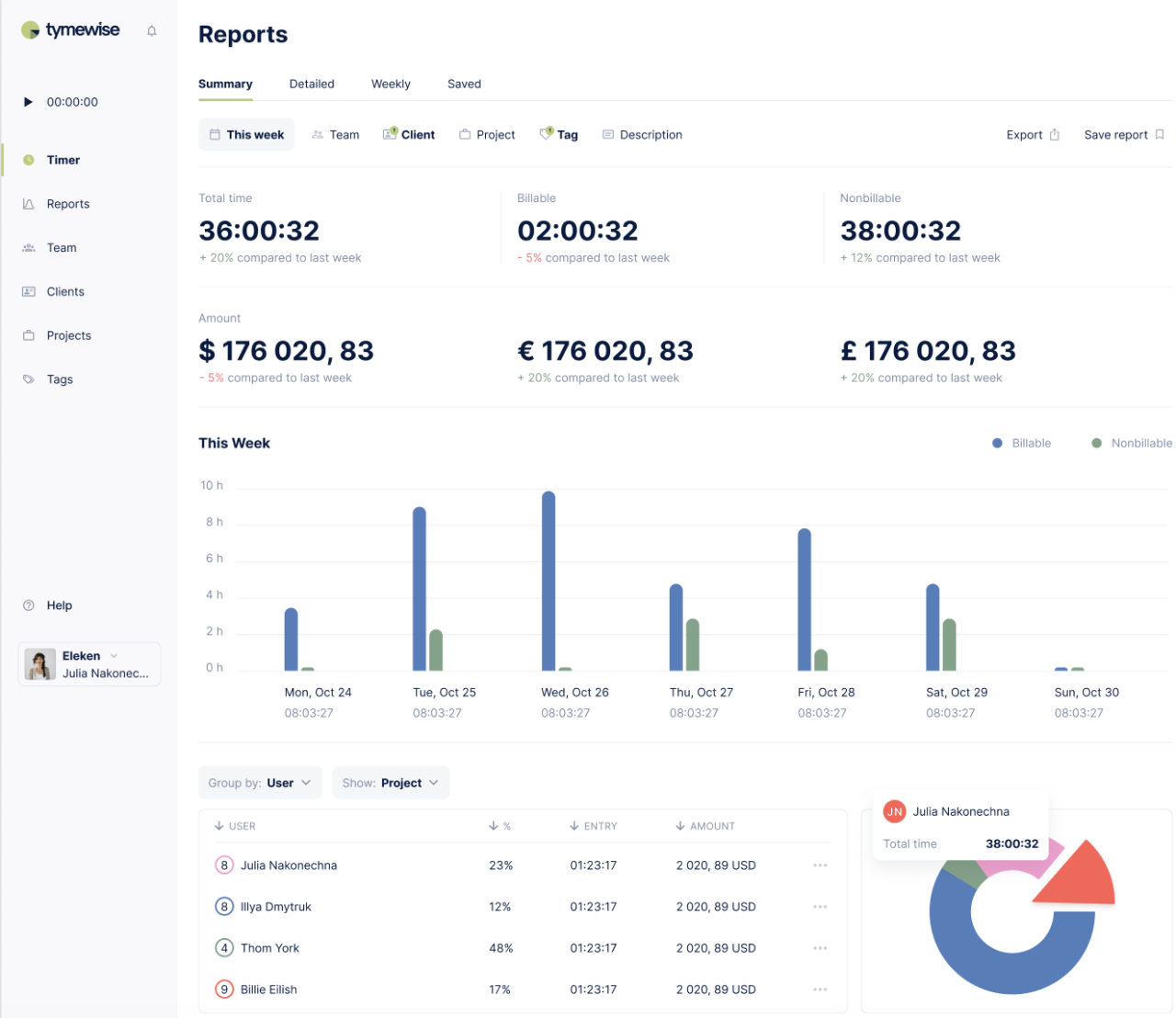
Selecting the right time tracking app can significantly enhance productivity and ensure effective time management. When evaluating options, it’s essential to prioritize features that align with your unique needs and work style. Here are some critical functionalities to consider when choosing a time tracking application.
Essential Features
A well-rounded time tracking app should include a variety of features designed to facilitate tracking and managing time effectively. Below are five essential features to look for:
- Automated Time Tracking: This feature allows the app to automatically record time spent on different tasks or projects without manual input. Automated tracking minimizes the risk of human error and ensures that no time goes unrecorded, making it a vital feature for busy professionals.
- Reporting and Analytics: Comprehensive reporting tools help users analyze their time usage over various periods. Insightful analytics can highlight productivity patterns, areas for improvement, and assist in making informed decisions about time allocation.
- Task Management: A built-in task management system enables users to organize and prioritize tasks within the app. This integration can streamline workflows and aid in keeping track of deadlines.
- Mobile Compatibility: Given the increasingly mobile nature of work, having a time tracking app that is compatible with smartphones and tablets allows users to track their time conveniently, regardless of location.
- Customizable Settings: The ability to customize the app settings according to personal or team preferences enhances user experience. Users should be able to modify time intervals, reporting formats, and notifications to better suit their workflows.
Automated Tracking versus Manual Input
The choice between automated tracking and manual input can greatly influence the effectiveness of time management. Automated tracking simplifies the process by eliminating the need for constant manual entry, allowing users to focus on their tasks rather than tracking time. This convenience often leads to more accurate records, as it reduces the likelihood of omissions or errors common in manual logging.
“Automated tracking can result in a time savings of up to 20% for users, compared to manual entry.”
On the other hand, manual input can offer users greater control over their tracked time, especially in environments where specific time allocations per task are essential. However, this method demands discipline and can be less reliable due to the potential for forgetfulness or inaccuracies. Ultimately, the balance between the two may hinge on individual preferences and work habits.
Integrations with Other Tools
Integrating a time tracking app with other productivity tools can dramatically enhance its functionality and usability. Seamless integration with project management software, calendars, and communication platforms allows users to synchronize their workload effectively. This connectivity can lead to improved workflow, as users can manage tasks and track time without switching between multiple applications.
For example, integrating a time tracking app with project management software such as Asana or Trello enables users to automatically log time spent on specific tasks directly from the project board. This integration streamlines processes and ensures that time tracking is accurately reflected in project statuses. Additionally, connecting with calendars allows for easy scheduling of tasks, enhancing time allocation.
“The integration of time tracking tools has been shown to improve team productivity by an average of 15%.”
Overall, when selecting a time tracking app, focusing on these key features will help tailor the experience to meet personal or team needs, ultimately fostering better time management practices.
Comparing popular time tracking applications in the market
Time tracking applications have become essential tools for businesses and freelancers alike, enabling precise monitoring of hours worked, project management, and productivity analytics. With a plethora of options available, choosing the right time tracking software can be daunting. This comparison highlights three of the most widely used applications: Toggl, Clockify, and Harvest, contrasting their features, pricing models, and user experiences.
Feature Comparison
Understanding the distinct features of each application is crucial for making an informed choice. Here’s a breakdown of what each platform offers:
- Toggl: Renowned for its simplicity, Toggl provides features like one-click time tracking, detailed reports, and project management capabilities. It integrates seamlessly with various productivity tools.
- Clockify: A free time tracker that offers robust features including reporting, team management, and offline time tracking. Clockify has a user-friendly interface and is suitable for larger teams.
- Harvest: This application combines time tracking with expense tracking and invoicing. Harvest is particularly favored by freelancers needing to manage billable hours and client invoicing.
Pricing Models
The pricing structure varies significantly across these applications, catering to different user needs and business sizes.
| Application | Free Tier | Paid Plans | Notable Features |
|---|---|---|---|
| Toggl | Yes, basic features | Starts at $10/user/month | Reporting, project tracking, integrations |
| Clockify | Yes, unlimited tracking | Starts at $3/user/month | Team management, project reports |
| Harvest | No | Starts at $12/user/month | Time tracking, invoicing, expense tracking |
User Experiences
User feedback plays a vital role in assessing the practical application of these tools. Below is a summary of user experiences and expert insights regarding each application.
- Toggl: Users appreciate its intuitive design and ease of use but note that the reporting features could be more comprehensive. Many find its mobile app particularly useful for tracking time on-the-go.
- Clockify: Praised for its extensive free model and flexibility, Clockify users often highlight its accuracy in time tracking. However, some have mentioned that the user interface can occasionally feel cluttered.
- Harvest: Users enjoy the seamless integration of time tracking and invoicing, making it an effective choice for freelancers. On the downside, some users feel it can be pricey for small teams.
Choosing the right time tracking app largely depends on your specific needs, whether it’s simplicity, cost-effectiveness, or comprehensive resource management.
How time tracking apps can improve work-life balance for employees
In the fast-paced world of modern work, achieving a healthy work-life balance is crucial for maintaining employee well-being and productivity. Time tracking apps have emerged as a key tool in helping employees manage their workload effectively, leading to a significant reduction in burnout. By providing insights into how time is spent, these apps empower employees to take control of their work schedules and personal time.
Effective time tracking allows employees to monitor their work patterns and identify areas where they may be overextending themselves. By understanding how much time tasks actually take, employees can prioritize their workload more efficiently. This, in turn, helps to prevent feelings of overwhelm and ensures that tasks are completed within a reasonable timeframe. For instance, a marketing manager using a time tracking app discovered that team meetings were consuming an excessive amount of time each week. By reallocating some of that time to focus on essential projects, the manager not only boosted team productivity but also reduced stress levels significantly.
Setting boundaries between work and personal life
Establishing clear boundaries between work and personal life is essential for maintaining mental health and overall satisfaction. Time tracking apps facilitate this by helping employees delineate their work hours from personal time. When employees actively log their working hours, they become more conscious of when they are working late or taking on extra tasks. This awareness encourages them to maintain a strict end-of-day routine, promoting a healthier separation between work responsibilities and personal activities.
To illustrate, consider the case of a software developer who habitually worked overtime. After implementing a time tracking app, they were able to visualize their working hours and noticed they were regularly exceeding 50 hours a week. By recognizing this pattern, the developer set a clear boundary to finish work by 6 PM daily. Consequently, they reported feeling rejuvenated and more engaged during their personal time, leading to improved relationships and hobbies outside of work.
In another example, a remote worker found that their work and personal life had blurred significantly due to location flexibility. By tracking their time, they established specific work hours and adhered to them. This not only improved their productivity during work hours but also allowed them to enjoy leisure activities without the nagging feeling of unfinished work hanging over them.
Time tracking apps provide the foundation for a sustainable work-life balance, enabling employees to manage their time effectively, set clear boundaries, and ultimately lead happier, healthier lives.
Strategies for successfully implementing a time tracking app in your organization
Introducing a time tracking app is a pivotal step for organizations looking to enhance productivity and streamline processes. However, successful implementation requires careful planning, clear communication, and effective training to ensure that the entire team is on board and ready to embrace this change.
The process of introducing a time tracking app involves several key steps. Initially, it is essential to engage your team in the discussion about the app’s benefits, setting a tone of collaboration and transparency. Communicating the purpose of the app clearly helps alleviate misunderstandings and builds trust among team members. Next, training sessions should be scheduled to familiarize employees with the app’s features, functionality, and best practices. Providing resources such as user manuals and tutorial videos can also facilitate a smoother transition.
Addressing employee resistance and fostering acceptance
Resistance from employees is a common challenge during the implementation of new tools. To mitigate this resistance, it is vital to emphasize the positive impact of the time tracking app on their workflows. Highlighting how the app can help in managing workloads, improve time management skills, and provide insights into productivity can promote acceptance among team members.
Additionally, involving employees in the selection process of the app can lead to a greater sense of ownership and reduce resistance. Encouraging feedback during the rollout phase allows employees to voice their concerns and suggestions, fostering a culture of openness and acceptance.
To further enhance acceptance, consider the following best practices for maintaining user engagement with the time tracking app:
– Establish clear expectations: Communicate how the app will be used and the benefits it brings to both employees and the organization.
– Provide ongoing support: Offer a dedicated channel for questions and troubleshooting to ensure that employees feel supported as they adapt.
– Encourage regular usage: Set reminders or integrate the app into daily routines to help employees consistently track their time.
– Recognize and reward usage: Implement a recognition system for employees who effectively use the app, reinforcing positive behavior.
– Continuously gather feedback: Regularly solicit input from users about their experience with the app and make improvements based on their feedback.
In summary, these strategies can significantly aid in successfully implementing a time tracking app, creating a supportive environment that fosters acceptance and engagement across the organization.
The future of time tracking technology and trends to watch
As the landscape of work continues to evolve, time tracking technology is also undergoing significant changes. The shift towards remote work and flexible schedules demands innovative solutions that not only track hours but also enhance productivity and work-life balance. Understanding these emerging trends can help individuals and organizations stay ahead of the curve.
Emerging trends in time tracking technology are being shaped by advancements in artificial intelligence, mobile technology, and the increasing need for data-driven insights. These developments are not just about tracking hours; they are about optimizing the way we work.
Emerging Trends in Time Tracking Technology
The future of time tracking is expected to be influenced by several key trends that are redefining how time is monitored and utilized in various sectors. These trends include:
- Integration with Project Management Tools: Many time tracking applications are beginning to integrate seamlessly with project management platforms, allowing users to track time spent on specific tasks within their broader workflows. This integration enhances visibility into productivity and helps teams allocate resources more effectively.
- Real-time Analytics: The demand for real-time data analytics is on the rise. Time tracking apps are now being designed to provide instant feedback on productivity patterns, enabling users to make quick adjustments to their workflows based on actionable insights.
- Remote Collaboration Features: With remote work becoming the norm, time tracking tools are increasingly adding features that facilitate collaboration among team members, such as shared dashboards or collaborative time entries. This fosters transparency and accountability in remote settings.
Impact of AI and Machine Learning on Time Tracking Applications
Artificial intelligence and machine learning are poised to revolutionize time tracking applications by automating many manual processes and providing deeper insights into work habits.
AI-driven features can analyze historical data to predict future productivity trends, allowing for proactive time management.
One significant impact of AI is the ability to automatically categorize time entries based on user behavior and patterns. For example, an app could learn that certain tasks are typically completed at specific times of day, and suggest optimal scheduling for future work. Additionally, machine learning algorithms can identify bottlenecks in workflows and recommend adjustments to enhance efficiency.
Advancements in Mobile Technology Influencing Time Tracking Solutions
Mobile technology is playing a crucial role in the development of contemporary time tracking solutions, catering to the on-the-go workforce.
The significance of mobile advancements can be summarized as follows:
- Accessibility: Employees can track their time from anywhere, making it easier to log hours accurately, whether they’re at home, in the office, or on the move.
- User-friendly Interfaces: Mobile applications are designed with intuitive interfaces that simplify the time tracking process, encouraging more consistent and accurate usage among users.
- Geolocation Capabilities: Some time tracking apps utilize geolocation features to automatically log hours based on location, which is particularly beneficial for remote workers or those who travel frequently for work.
As these advancements continue to evolve, the future of time tracking technology shows immense potential for improving workplace efficiency, productivity, and overall employee satisfaction.
Real-world success stories from businesses that adopted time tracking apps

Time tracking apps have transformed how businesses operate, offering insights into productivity and efficiency. Companies across various industries have experienced significant improvements after implementing these tools, allowing them to better manage their time and resources. Below are two detailed case studies showcasing the success stories of businesses that adopted time tracking apps and the outcomes they achieved.
Case Study: Design Agency Boosting Productivity
A small design agency, Creative Minds, was struggling with project deadlines and resource allocation. The team was overwhelmed by the lack of visibility into how much time was being spent on various tasks, leading to missed deadlines and client dissatisfaction. After adopting a time tracking app, they experienced several positive changes.
The implementation of the app faced initial resistance from employees, who were skeptical about being monitored. However, the management overcame this challenge by emphasizing the benefits of the app in improving project management rather than monitoring individual performance. They conducted training sessions to illustrate how the app could help streamline workflow and improve client satisfaction.
As a result of these changes, Creative Minds reported:
- A 30% increase in project completion rates.
- Improved client feedback scores due to timely delivery of projects.
- Better resource allocation, allowing for the hiring of additional staff to handle peak workloads.
“The time tracking app has transformed how we work. It’s not about watching our every move; it’s about understanding where we can improve and how to keep our clients happy.” – John Smith, Project Manager at Creative Minds.
Case Study: IT Services Firm Enhancing Accountability
Tech Solutions, an IT services firm, faced challenges with project accountability and employee workload management. With multiple ongoing projects, it was difficult to track which team members were overburdened and which had available bandwidth. They decided to integrate a time tracking app into their operations.
During the implementation phase, the firm encountered challenges related to employee engagement. To address these concerns, the management created a culture of transparency, explaining the importance of accurate time tracking for client billing and internal reporting. They also incentivized the use of the app by linking it to performance evaluations.
Post-implementation, Tech Solutions noted several key improvements:
- A 25% reduction in project overruns due to better time estimation and tracking.
- Enhanced team accountability with clearer visibility of individual contributions to projects.
- Increased employee satisfaction as workloads were balanced more effectively.
“Adopting the time tracking app was a game changer for us. It helped us see where our time goes and made everyone more accountable for their work. The improvement in our project delivery has been remarkable.” – Sarah Johnson, Operations Manager at Tech Solutions.
Last Word
In summary, the implementation of a time tracking app not only boosts productivity but also fosters a healthier work-life balance for employees. By understanding how time is utilized, organizations can make informed decisions that lead to improved project management and overall satisfaction among team members. As we move forward, embracing these tools will be crucial for businesses aiming to thrive in an evolving landscape.
Questions Often Asked
What is a time tracking app?
A time tracking app is software that allows users to record and analyze how they spend their time on various tasks and projects.
Who can benefit from using a time tracking app?
Anyone from freelancers to large organizations can benefit by improving productivity, accountability, and project management.
Are time tracking apps difficult to use?
Most time tracking apps are designed with user-friendly interfaces, making them easy to navigate and implement.
Do time tracking apps integrate with other tools?
Yes, many time tracking apps can integrate with project management tools, calendars, and accounting software, enhancing overall functionality.
Can time tracking apps help reduce employee burnout?
Yes, by providing insights into workload and encouraging breaks, they can help employees manage stress and maintain a healthier balance.