Focus timers have emerged as essential tools in the quest for enhanced productivity, allowing individuals to maximize their attention and efficiency. By breaking work into manageable intervals, focus timers help in maintaining concentration while also providing necessary breaks to recharge. This approach not only facilitates better time management but also taps into our natural rhythms, making it easier to tackle tasks without feeling overwhelmed.
The concept revolves around the idea that our brains can only concentrate for a limited period before fatigue sets in. By utilizing a focus timer, we can structure our work in a way that aligns with our cognitive abilities, promoting sustained focus and reducing the likelihood of burnout. Whether you’re a student trying to study for exams or a professional managing a heavy workload, incorporating a focus timer into your routine can make a significant difference in your productivity levels.
Understanding the Concept of a Focus Timer
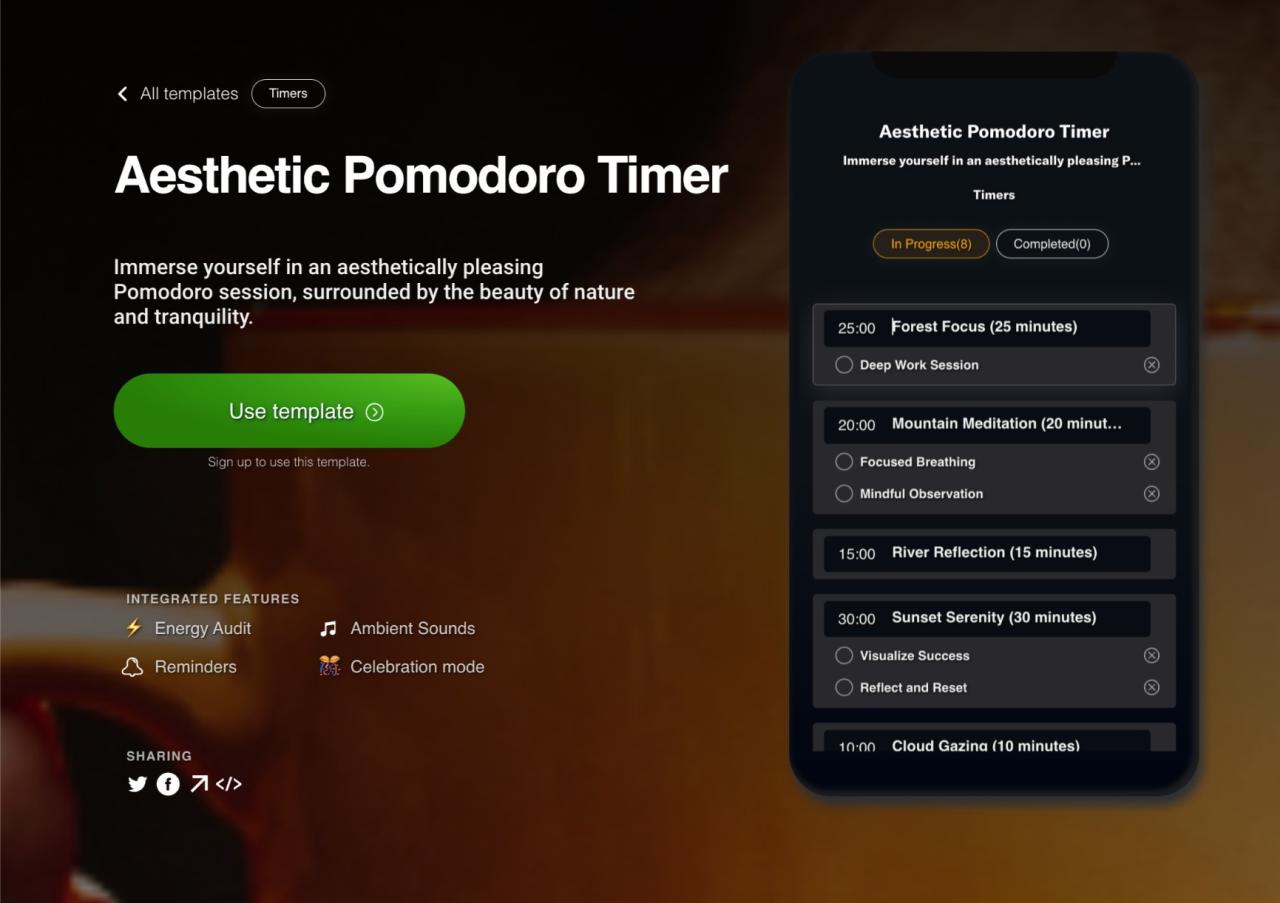
A focus timer is a practical tool designed to enhance productivity by breaking work into manageable intervals, traditionally followed by short breaks. This technique fosters concentration and encourages sustained focus on tasks, ultimately leading to increased efficiency. The importance of a focus timer lies in its ability to combat procrastination, reduce distractions, and enhance mental stamina. By structuring work periods and rest times, users can maintain high levels of engagement and motivation throughout their tasks.
The psychological principles behind using a focus timer effectively stem from concepts such as time management, the Pomodoro Technique, and the Zeigarnik Effect. Time management is crucial in achieving productivity; when individuals allocate specific time slots for work, they tend to focus more intently. The Pomodoro Technique, developed by Francesco Cirillo in the late 1980s, involves 25-minute work intervals followed by 5-minute breaks. This method capitalizes on our ability to concentrate intensely for short periods, allowing for frequent rejuvenation without feeling overwhelmed. Additionally, the Zeigarnik Effect suggests that people remember uncompleted tasks better than completed ones. By using a focus timer, one can create a structured approach to completing tasks, thereby alleviating the mental burden of unfinished work.
Common Focus Timer Techniques and Variations
Several techniques exist within the framework of focus timers, each catering to different work styles and preferences. Here are some popular methods:
- Pomodoro Technique: The most recognized method, where work is divided into 25-minute intervals followed by 5-minute breaks. After completing four intervals, a longer break of 15-30 minutes is taken.
- Time Blocking: This technique involves scheduling chunks of time for specific tasks throughout the day, ensuring dedicated focus on each activity without interruptions.
- 90-Minute Focus Sessions: Based on research suggesting that the body’s natural ultradian rhythms function in 90-minute cycles, this method allows for longer periods of concentration followed by a 20-minute break.
- Two-Minute Rule: If a task takes less than two minutes, it is advisable to complete it immediately. This rule helps maintain flow and minimizes task accumulation.
Each approach has its merits and can be tailored to individual needs. Experimentation with these techniques can enable users to discover which combination maximizes their focus and productivity.
“Incorporating structured time management tools, such as focus timers, can lead to meaningful enhancements in overall productivity and effectiveness.”
The Benefits of Using a Focus Timer in Daily Life
In today’s fast-paced world, maintaining concentration can be a challenge. A focus timer helps individuals manage their time effectively, allowing for enhanced productivity and reduced procrastination. By structuring work periods with designated breaks, a focus timer can be a game-changer for both personal and professional productivity.
Integrating a focus timer into daily routines offers numerous benefits, promoting a healthier and more efficient approach to tasks. Here are five key advantages of using a focus timer:
Key Benefits of a Focus Timer
The use of a focus timer can transform your productivity levels. Below are important benefits that highlight its impact on daily activities:
- Increased Concentration: Setting a timer creates a sense of urgency, encouraging deeper focus during work periods. This method minimizes distractions, allowing you to immerse yourself fully in tasks.
- Better Time Management: A focus timer helps in allocating specific time slots for each task, leading to better scheduling and efficiency. Planning work in timed intervals prevents tasks from dragging on indefinitely.
- Enhanced Work-Life Balance: By defining work sessions and breaks, a focus timer promotes regular intervals of rest. This practice prevents burnout and maintains overall well-being, fostering a healthy work-life balance.
- Boosted Motivation: Completing tasks within a set time frame can provide a sense of accomplishment. The satisfaction of ticking off completed tasks fuels motivation to tackle the next one.
- Improved Accountability: Using a focus timer can enhance accountability for yourself or within teams, as it establishes a clear structure for productivity. Sharing goals and time frames with others can create an environment of support.
A focus timer enhances both personal and professional productivity by aligning your work habits with structured time management. For instance, many professionals report that using techniques like the Pomodoro Technique—working for 25 minutes followed by a 5-minute break—has led to significant improvements in their work output and quality.
Additionally, a personal anecdote illustrates the effectiveness of a focus timer. A freelance graphic designer implemented a focus timer during their projects and found that their creative output increased substantially. By breaking down large projects into timed segments, they experienced enhanced creativity and reduced stress, leading to a more enjoyable workflow. This individual reported completing designs faster while maintaining high-quality standards, showcasing the direct correlation between time management and productiveness.
When adopted into daily life, a focus timer proves to be an invaluable tool for promoting efficiency and well-being, making it easier to navigate both personal and work-related tasks with clarity and purpose.
Different Methods of Implementing a Focus Timer
Implementing a focus timer can significantly enhance productivity by encouraging structured work intervals and breaks. Various methods exist for utilizing focus timers, catering to different preferences and work styles. This section explores popular techniques, compares traditional timers with digital applications, and provides a beginner-friendly guide for setting up a focus timer.
Popular Focus Timer Techniques
Two widely used methods for implementing a focus timer are the Pomodoro Technique and time blocking. Each method offers unique benefits that can enhance focus and productivity.
– Pomodoro Technique: This method involves working in intervals of 25 minutes, followed by a 5-minute break. After completing four intervals, a longer break of 15 to 30 minutes is taken. This technique helps maintain concentration by breaking tasks into manageable segments.
– Time Blocking: Time blocking involves scheduling specific blocks of time for different tasks throughout the day. This method requires planning ahead, allowing individuals to allocate their most productive hours to challenging tasks while reserving less intense periods for lighter work.
Both techniques can be effective, and individuals may choose one based on their working style or even combine elements from both for maximum efficiency.
Comparison of Traditional Timers and Digital Applications
When it comes to tracking focus time, both traditional timers and digital applications offer distinct advantages. Understanding these differences can help individuals select the best option for their needs.
– Traditional Timers: A simple timer, such as a kitchen timer, allows for straightforward use without distractions from notifications or apps. The tactile nature of pressing a button can also provide a satisfying sense of control over time management.
– Digital Applications: Numerous apps are designed to assist with focus timing, often incorporating features such as tracking productivity, setting recurring timers, and providing analytics on work patterns. These applications can sync across devices, making them convenient for tech-savvy users. Some popular options include Forest, Focus@Will, and Todoist.
The choice between traditional timers and digital applications ultimately depends on personal preference. Some may prefer the minimalism of a physical timer, while others might benefit from the features offered by digital solutions.
Step-by-Step Guide for Setting Up a Focus Timer for Beginners
Setting up a focus timer is straightforward and can be customized based on individual preferences. This guide provides an easy-to-follow process for beginners:
1. Choose Your Method: Decide whether you want to use the Pomodoro Technique, time blocking, or another method. Consider your work style and the tasks at hand.
2. Select a Timer: Choose between a traditional timer or a digital application that suits your needs. For a simple start, a kitchen timer or smartphone timer will work.
3. Define Your Work Session Duration: For the Pomodoro Technique, set your timer for 25 minutes. For time blocking, allocate a larger block of time based on your task complexity.
4. Select Break Times: If using the Pomodoro Technique, set a 5-minute break after each session. For time blocking, define break periods between tasks to recharge.
5. Eliminate Distractions: Before starting your timer, minimize distractions by silencing notifications, closing unnecessary tabs, or finding a quiet workspace.
6. Start Working: Begin your work session when the timer starts and focus solely on the task until the timer goes off.
7. Take Breaks: Once your session ends, take your designated break. Use this time to stretch, hydrate, or refresh your mind before the next session.
8. Evaluate and Adjust: After a few days of use, assess the effectiveness of your chosen method and adjust session lengths or break times as needed to optimize productivity.
By following these steps, beginners can seamlessly integrate a focus timer into their routine and enhance their productivity effectively.
Overcoming Distractions with a Focus Timer
In today’s fast-paced world, maintaining focus can be a challenge amidst numerous distractions. A focus timer serves as a powerful tool that not only promotes productivity but also helps in managing distractions effectively. By setting specific time intervals for work, one can create a structured environment that minimizes interruptions and enhances concentration.
Common distractions can significantly derail productivity. These include notifications from devices, environmental noises, and internal interruptions like wandering thoughts. Utilizing a focus timer can help mitigate these distractions by setting clear boundaries for work and break periods. When one knows that they have a set time to focus, they are less likely to succumb to distractions. Additionally, the timer acts as a reminder to stay on task, helping to cultivate a disciplined work habit.
Identifying Common Distractions and Their Mitigation
Recognizing the types of distractions encountered during work is crucial for effectively utilizing a focus timer. Here are some common distractions and ways a timer can help to reduce them:
- Digital Notifications: Notifications from social media, emails, or messaging apps can disrupt focus. Setting your timer for a dedicated work session allows you to silence these notifications temporarily, letting you concentrate fully on your tasks.
- Environmental Noise: Background noises can lead to a loss of concentration. Using a focus timer can encourage the use of noise-cancelling headphones or calming background music during work sessions, providing a quieter environment.
- Internal Distractions: Thoughts about personal matters or to-do lists can interrupt flow. By allocating specific times to address these thoughts during breaks, the focus timer allows for mental clarity during work periods.
Strategies for Minimizing Interruptions
To maximize the effectiveness of a focus timer, it is essential to implement strategies that minimize interruptions during work sessions. The following approaches can help:
- Establish a Routine: Creating a consistent work schedule encourages the body and mind to adapt to specific focus times, reducing the likelihood of interruptions.
- Designate a Work Space: Having a specific area for work can signal to others that you are in “do not disturb” mode, minimizing external interruptions.
- Communicate Availability: Letting colleagues and family know your focus times can help in managing expectations and reducing distractions.
The Role of Environment in Enhancing Focus Timer Effectiveness
The environment plays a vital role in how effectively a focus timer can be utilized. A conducive workspace can significantly enhance focus and productivity. Consider the following aspects for optimizing your environment:
- Lighting: Well-lit spaces, preferably with natural light, can help boost mood and concentration, making it easier to adhere to focus periods.
- Clutter-Free Space: A clean and organized workspace can minimize distractions and help in maintaining mental clarity during work sessions.
- Comfortable Furniture: Ergonomic chairs and desks can prevent physical discomfort, allowing for longer periods of focus without distraction.
Enhancing Focus and Productivity with Advanced Techniques
To maximize productivity, combining a focus timer with advanced techniques can create a powerful framework for achieving optimal performance. By integrating specific methods tailored to individual preferences and tasks, users can enhance their concentration and efficiency, leading to better results in both personal and professional endeavors.
Advanced Techniques for Enhanced Focus
Utilizing advanced techniques alongside a focus timer can significantly improve focus and productivity. Here are three effective strategies to consider:
- Pomodoro Technique: This popular method involves breaking work into intervals, traditionally 25 minutes long, followed by a brief 5-minute break. After four intervals, a longer break of 15-30 minutes is taken. This approach helps maintain high levels of concentration and prevents burnout by ensuring regular rest.
- Time Blocking: Allocate specific blocks of time for different tasks throughout the day. By assigning distinct periods for focused work, meetings, and breaks, individuals can better manage their day and minimize distractions. This technique promotes a structured workflow and helps prioritize important tasks.
- Mind Mapping: Before starting a focused session, creating a mind map can clarify thoughts and Artikel tasks. This visual representation of ideas encourages deeper engagement with the material and helps identify connections between concepts, enhancing overall focus and retention.
Adjusting Focus Intervals for Tasks and Preferences
Tailoring focus intervals based on the nature of tasks or personal working styles can lead to improved productivity. For example, complex tasks may require longer focus sessions, while simpler tasks may benefit from shorter intervals. Experimentation is key; adjusting the length of focus and break periods allows individuals to find their ideal rhythm.
Tracking Progress and Reflecting on Productivity Improvements
Monitoring productivity over time is essential for understanding one’s progress and identifying areas for improvement. Keeping a productivity journal or using apps designed for time tracking can provide insights into work patterns and efficiency. Regular reflection on completed tasks, challenges faced, and strategies that worked can guide future efforts and reinforce successful habits.
“What gets measured gets managed.” – Peter Drucker
By systematically tracking focus sessions and breaks, individuals can assess their productivity trends and make informed adjustments to their routines, ultimately leading to enhanced focus and output.
The Role of Technology in Focus Timers
Advancements in technology have significantly transformed the way we manage our time and enhance our focus. Focus timer applications, equipped with various features and functionalities, have emerged as essential tools for productivity enhancement in today’s fast-paced world. This segment delves into the technological developments that have shaped focus timers, alongside a comparison of popular applications and their features tailored for diverse user needs.
Technological Advancements in Focus Timer Applications
The evolution of focus timer applications has been driven by multiple technological innovations. Cloud computing, mobile platforms, and integrated user interfaces are just a few examples. These advancements have made it possible for users to access their timers across devices, ensuring flexibility and convenience. Additionally, research in behavioral psychology has influenced app designs, emphasizing features that promote sustained concentration and effective time management.
One notable advancement is the implementation of the Pomodoro Technique within these applications. This technique encourages users to work in short bursts, typically 25 minutes, followed by a brief break. As a result, applications have integrated customizable timers, allowing users to adjust session lengths to suit their working styles. Gamification elements have also become popular, where users earn rewards for completing tasks, thereby fostering motivation and engagement.
Comparison of Popular Focus Timer Apps
Different focus timer apps come with their unique sets of features, catering to various user preferences and requirements. Here’s a look at some popular options:
– Forest: This app combines focus timers with gamification, allowing users to grow a virtual tree while they concentrate. It suits users who enjoy a visual reward system and want to minimize phone usage.
– Focus@Will: This platform offers music tracks scientifically designed to enhance focus. It’s ideal for users who find auditory stimulation beneficial while working.
– Toggl: While primarily a time-tracking tool, Toggl includes timer functions and analytics for productivity assessment. Best suited for freelancers and teams needing detailed reports on their work patterns.
When choosing a focus timer app, consider the features that resonate with your personal work habits and goals. Some users may prefer simple interfaces for straightforward timer functions, while others may seek comprehensive solutions integrating productivity tracking.
Pros and Cons of Physical Timers Versus Digital Timers
To understand the advantages and drawbacks of using physical versus digital timers, the following chart summarizes key points:
| Type | Pros | Cons |
|---|---|---|
| Physical Timers |
|
|
| Digital Timers |
|
|
Choosing between physical and digital timers largely depends on personal productivity styles and preferences.
Creating a Personalized Focus Timer System
Developing a personalized focus timer system is essential for enhancing productivity and achieving individual goals. Everyone has unique preferences, attention spans, and working rhythms, which makes a one-size-fits-all approach ineffective. By tailoring a timer system to fit your needs, you can significantly boost your focus and performance throughout the day.
A personalized focus timer system involves defining your work periods, incorporating breaks, and establishing rewards for maintaining focus. This can be achieved by evaluating your daily tasks and identifying optimal working blocks and rest intervals.
Integration of Breaks and Rewards
Incorporating breaks and rewards into your focus timer schedule is crucial for maintaining motivation and preventing burnout. A well-structured approach can lead to sustained productivity. Here are some strategies to consider when designing your focus timer:
- Pomodoro Technique: This method suggests working for 25 minutes followed by a 5-minute break. After completing four cycles, take a longer break of 15 to 30 minutes. This structure helps to refresh your mind while maintaining a steady workflow.
- Task-Based Breaks: Instead of fixed intervals, allow breaks based on task completion. For instance, after finishing a report or a set of emails, reward yourself with a 10-minute break. This approach prioritizes task completion over time spent working.
- Physical Activity: Use breaks to engage in short physical activities like stretching or a quick walk. This not only rejuvenates the mind but also enhances blood circulation, making you more alert for the next focus period.
- Incorporating Rewards: Set personal milestones and reward yourself for achieving them. For example, after completing a challenging project, treat yourself to a favorite snack, a movie, or leisure activities that you enjoy. This creates positive associations with productivity.
Assessing your focus timer system over time is essential for refinement. Regular self-assessment can highlight what works and what doesn’t, allowing you to adjust your approach effectively.
“Self-assessment is a continuous process that ensures your focus timer evolves to meet your changing needs.”
To conduct a self-assessment, consider tracking your focus and productivity levels over several weeks. Note the times when you feel most productive and any factors that lead to distractions. This data can guide adjustments to your focus timer, such as changing the length of work periods or the type of breaks taken. By creating a system tailored to your style, you can maximize productivity and make your work sessions more enjoyable.
The Future of Focus Timers in Work and Study Environments
As we navigate through an increasingly digital world, focus timers are becoming pivotal tools in both workplace and educational settings. Their role in enhancing productivity and improving concentration is well recognized, yet their future evolution is poised to reshape how we manage our time and tasks. This discussion delves into the emerging trends in their usage, potential technological advancements, and challenges that may arise in their application.
Emerging Trends in Focus Timer Usage
Focus timers are gradually becoming integral in modern work and study environments, driven by the need for enhanced productivity amidst distractions. The rising trend of remote work and online learning has led to a surge in the adoption of digital focus timers. These timers not only help in managing work sessions but also promote the Pomodoro Technique, which involves breaking work into intervals followed by short breaks.
The integration of focus timers with project management tools is also on the rise. This allows users to track their time against specific tasks, providing insights into productivity patterns. Moreover, organizations are increasingly recognizing the importance of mental well-being, leading to a focus on time management tools that encourage breaks and prevent burnout.
Technological Advancements and Evolution of Focus Timers
With advancements in technology, focus timers are expected to evolve significantly. Smart features such as AI-driven analytics could provide personalized recommendations based on individual work habits. For example, a focus timer may adapt its intervals based on user performance data, suggesting longer or shorter work sessions tailored to productivity levels.
The incorporation of wearable technology offers another dimension to focus timers. Imagine a wristband that vibrates to signal when it’s time to take a break or switch tasks. Augmented reality (AR) may also play a role, providing immersive environments that help users concentrate by minimizing visual distractions.
Furthermore, voice-activated timers could simplify user experience, making it easy to set up sessions hands-free. These innovations could lead to a seamless integration of focus timers into daily routines, enhancing their effectiveness.
Challenges and Solutions for Future Focus Timer Applications
As focus timers become more prevalent, several challenges may arise that require careful consideration. One significant challenge is the potential for dependency on these tools, where users may find it difficult to concentrate without a timer. This can be counterproductive in situations where flexibility is required.
Another challenge lies in the oversaturation of productivity tools. With countless apps available, users may feel overwhelmed, ultimately leading to disengagement. To address this, developers must focus on user-friendly designs that simplify functionality without compromising on features.
Privacy concerns also present a critical challenge, particularly with timers that collect usage data. It is essential for developers to prioritize user privacy and transparency in data handling practices. Implementing robust security measures and offering clear privacy policies will be vital in gaining user trust.
In conclusion, while the future of focus timers holds exciting possibilities, addressing these challenges proactively will be crucial for their successful integration into work and study environments. By embracing innovation and prioritizing user needs, focus timers can truly transform productivity in the years to come.
Conclusion

In summary, utilizing a focus timer can transform the way we approach our tasks and responsibilities. By implementing structured intervals of work and relaxation, we create a balanced workflow that not only boosts productivity but also enhances our overall well-being. As we continue to adapt to modern work environments, embracing focus timers as a fundamental tool can lead us to greater successes and a more fulfilling work-life balance.
Detailed FAQs
What is a focus timer?
A focus timer is a tool used to enhance productivity by breaking work into set intervals, allowing time for focused work and breaks.
How long should the focus intervals be?
Common focus intervals range from 25 to 50 minutes, followed by short breaks; however, you can adjust them based on your personal preferences and tasks.
Can I use a focus timer for different tasks?
Yes, focus timers are versatile and can be used for various tasks, from studying to project work, adapting the interval lengths as needed.
Are there any digital apps for focus timers?
Absolutely! There are numerous apps available that offer customizable focus timers with additional features like tracking progress and setting reminders.
How can I stay disciplined while using a focus timer?
To maintain discipline, establish a routine, minimize distractions, and commit to the timer intervals for better focus and productivity.