Focus music apps have emerged as essential tools in the digital age, transforming how individuals approach work and study. These apps cater to the growing need for enhanced concentration in an increasingly distracting world, offering curated soundscapes designed to boost productivity. With the rapid evolution of technology, these applications have not only gained popularity but have also adapted to the diverse needs of users, making them a staple for anyone looking to improve their focus.
As we explore the rise of focus music apps, we delve into their evolution over recent years, examining what drives their popularity. From the calming effects of certain soundtracks to the science-backed benefits of music for concentration, these apps have become more than just playlists; they are personalized experiences that support mental clarity and well-being. Join us as we navigate through the fascinating landscape of focus music apps and their impact on our daily lives.
The Rise of Focus Music Apps in Today’s Digital Landscape
In recent years, focus music apps have surged in popularity, transforming the way individuals approach productivity and concentration. With the increasing demands of modern life, people are constantly seeking effective methods to improve their focus and minimize distractions. Focus music apps cater to this need by providing curated soundscapes designed to enhance attention and foster an environment conducive to deep work or study.
The evolution of focus music apps can be traced back to the broader rise of wellness and mental health awareness, coupled with advancements in technology. As smartphone usage became ubiquitous, developers recognized the potential to create specialized applications that harness the power of sound to boost performance. The growth of streaming services, such as Spotify and Apple Music, also paved the way for the availability of playlists specifically designed for focus, meditation, and relaxation. This shift not only encouraged competition among app developers but also expanded the accessibility of focus music to a global audience.
Several factors contribute to the increasing popularity of focus music apps among users. First, the overwhelming presence of distractions in today’s digital environment has made it more challenging for individuals to concentrate. According to a study by the National Center for Biotechnology Information, background music can effectively mask distracting sounds and improve cognitive performance, making focus music apps a practical solution for many. Moreover, the rise of remote work has led to a growing need for effective focus techniques, as individuals strive to create optimal workspaces within their homes.
Another significant factor is the personalization aspect offered by these apps. Many focus music applications utilize algorithms to recommend tracks based on user preferences or specific activities, such as studying, writing, or relaxation. This tailored experience enhances user engagement and satisfaction, encouraging individuals to explore different soundscapes and discover what works best for them.
Many of these apps also include features such as timers, ambient sounds, and guided meditations, further promoting the integration of focus music into daily routines. For example, apps like Brain.fm and Focus@Will leverage neuroscience to create music tracks that are scientifically designed to increase productivity. Users report feelings of improved concentration and reduced stress when using these tools, which reinforces their appeal.
The combination of increasing distraction, the need for personalized experiences, and the benefits of scientific backing culminate in the rising trend of focus music apps. As more individuals recognize the importance of mental wellness and productivity, the demand for these innovative solutions will likely continue to grow, shaping the future of how we approach focus and work in our increasingly complex digital landscape.
A Comprehensive Comparison of Popular Focus Music Apps

With the overwhelming amount of distractions in our daily lives, finding the right focus music app can significantly enhance productivity and concentration. This comparison delves into some of the most popular focus music applications available today, evaluating their key features, user experiences, and unique functionalities. From soundscapes to curated playlists, these apps cater to various preferences and work styles, making it essential to understand what each has to offer.
Leading Focus Music Applications
When selecting a focus music app, it’s crucial to consider the variety of features and the overall user experience. Here, we’ll analyze and compare popular options in the market, including Calm, Focus@Will, and Brain.fm. Each application presents distinct functionalities tailored to help you find your optimal focus state.
- Calm: Known primarily as a meditation app, Calm offers a variety of ambient sounds and music tracks designed for focus and relaxation. The app features guided meditations, sleep stories, and soothing playlists. Users appreciate its calming interface and the quality of the audio selections, which range from nature sounds to gentle instrumental tracks.
- Focus@Will: This app utilizes neuroscientific research to create music tracks specifically designed to enhance concentration. With an extensive library of genres and tempos, users can select the type of music that best suits their work style. Focus@Will also includes productivity tracking features, allowing users to monitor their focus sessions and adjust their music preferences based on their effectiveness.
- Brain.fm: Brain.fm stands out by utilizing AI-generated music crafted to help users focus, relax, or sleep. The app’s music is designed to stimulate specific brainwave patterns, significantly enhancing productivity. Feedback from users indicates that Brain.fm effectively creates a focused state, especially for complex tasks that require deep concentration.
User experiences vary across these apps, with many users expressing preferences based on individual work habits. Some users favor the structured approach of Focus@Will, while others enjoy the simplicity and calming nature of Calm’s offerings. Brain.fm users often highlight the unique science behind the music, praising its effectiveness for those needing an extra edge in focus.
“Music designed for focus can significantly extend the length of time one can concentrate on a task.”
The functionalities within these applications also differ. While Calm is excellent for relaxation and stress relief, it may not be as effective for intense focus sessions compared to Focus@Will and Brain.fm, which both aim explicitly at enhancing productivity through sound. Moreover, features like personalized playlists and customizable settings contribute to the user experience, with many users appreciating the ability to tailor their focus sessions to their unique preferences.
In conclusion, choosing the right focus music app depends on individual needs and work styles. Whether you prefer the serene soundscapes of Calm, the scientifically-backed methods of Focus@Will, or the innovative approach of Brain.fm, each app offers unique benefits to enhance your focus and productivity.
The Role of Personalization in Focus Music Apps
Personalization plays a crucial role in enhancing the user experience within focus music apps. By allowing users to tailor their listening environment to their preferences, these applications foster greater engagement and satisfaction. As individuals have varying needs and preferences when it comes to concentration and productivity, customization options serve to make the listening experience more effective and enjoyable.
Customization options significantly enhance user engagement with focus music apps by catering to the unique preferences and requirements of each user. When users can modify their audio settings, select specific genres, or even create playlists that resonate with their personal taste, they are more likely to remain committed to the app. Personalization leads to a sense of ownership over the listening experience, which in turn encourages users to explore and utilize the app more frequently.
Examples of Personalization Features
Several personalization features are particularly appreciated by users, as they contribute to a more tailored and effective experience. These features include:
- Custom Playlists: Users appreciate the ability to curate their own playlists based on their mood, task, or specific focus needs. This feature allows them to select tracks that resonate with their personal style and enhance their concentration.
- Genre Selection: Offering various music genres such as ambient, classical, or nature sounds allows users to choose what best suits their focus style. This flexibility is essential for catering to diverse preferences and optimizing productivity.
- Adjustable Soundscapes: Some apps enable users to mix and match different soundscapes, such as rain sounds or white noise, with music tracks. This feature helps create a unique auditory environment that enhances focus.
- Session Length Customization: Users can tailor the length of their listening sessions, allowing them to sync their focus time with their working habits. This feature supports efficient time management during tasks.
- User Profiles: Utilizing user profiles that remember previous selections and preferences helps streamline the experience, making it quicker and easier for users to dive into their favorite focus music.
“The more control users have over their listening experience, the more likely they are to engage and remain loyal to the app.”
By integrating these personalization features, focus music apps enhance user engagement, making the experience not only more enjoyable but also more conducive to productivity. When users feel connected to the music they listen to, they are empowered to achieve their concentration goals effectively.
Integrating Focus Music Apps into Daily Routines
In today’s fast-paced world, maintaining concentration and productivity can be quite challenging. Focus music apps have emerged as a valuable tool for individuals looking to enhance their work or study sessions. By incorporating these apps into daily routines, users can create a more conducive atmosphere for focus, leading to improved outcomes in both personal and professional tasks.
To effectively integrate focus music into work or study sessions, it is essential to establish a routine that aligns with individual preferences and schedules. This can begin with selecting specific times of the day dedicated to deep work, during which focus music can be played. For instance, setting aside the first hour of the workday or a designated study block in the afternoon allows users to prepare mentally for focused activities.
Creating a Productive Atmosphere
Creating a productive atmosphere involves more than just playing focus music; it encompasses the entire environment in which you work or study. Here are several strategies that facilitate an optimal atmosphere for concentration:
First, eliminate distractions from your workspace. This could include silencing notifications on your devices, closing unnecessary tabs on your computer, and ensuring a tidy physical space. When the area is clean and organized, it sets a mental cue for focus.
Next, personalize your focus music selection. Different styles and genres can affect concentration differently. While some may prefer instrumental tracks, others might find nature sounds or ambient noise more effective. Explore the various options available in focus music apps to find what resonates best with your productivity style.
Consider using the Pomodoro Technique alongside focus music. This method involves working in focused bursts of 25 minutes followed by short breaks. During the work intervals, play your chosen focus music to enhance concentration. After completing a cycle, take a brief break where you can step away from your desk or engage in a quick physical activity, rejuvenating your mind and body for the next round.
Integrating specific focus music playlists tailored to your tasks can also be highly beneficial. For instance, if you’re working on creative projects, opt for more melodic and uplifting tracks, while for analytical tasks, choose deeper, more rhythmic sounds that promote a sense of calm.
Lastly, make it a habit to review your music preferences regularly. As you discover new tracks or artists that help you concentrate, update your playlists to keep your environment fresh and engaging.
Establishing a consistent routine and optimizing your music selection can significantly enhance your ability to focus and be productive.
By thoughtfully integrating focus music apps into your daily routines, you can cultivate a work or study environment that not only enhances concentration but also fosters a sense of accomplishment and well-being over time.
The Benefits of Using Focus Music Apps for Mental Health
Focus music applications have gained popularity as tools for enhancing concentration and productivity, but their benefits extend far beyond mere focus enhancement. These apps provide a unique auditory environment that can significantly contribute to mental well-being. By integrating music designed to help with concentration, users can experience various mental health benefits that promote stress relief and anxiety reduction.
One of the primary advantages of using focus music apps is their ability to create a calming atmosphere, which can be instrumental in alleviating stress. The soothing sounds, whether they be ambient noise, nature sounds, or specifically composed melodies, foster a tranquil environment conducive to relaxation. Research has shown that music can directly influence brain chemistry, leading to lower cortisol levels—the hormone associated with stress. As users engage with these soundscapes, they may find that their worries dissipate, allowing for clearer thinking and emotional balance.
Impact on Anxiety Reduction
The relationship between music and anxiety is well-documented, with various studies highlighting its efficacy in reducing feelings of nervousness. Focus music apps play a critical role in this process by providing users with a sound therapy tool that can be accessed anytime, anywhere. The following points illustrate the key ways in which these apps can help reduce anxiety:
- Consistent Listening: Regular exposure to calming music can help build a routine that promotes relaxation and stability. This familiarity creates a sense of security, which is essential for managing anxiety.
- Mindfulness Practice: Many focus music apps include features that encourage mindfulness, allowing users to immerse themselves fully in the present moment. This practice can reduce the racing thoughts often associated with anxiety.
- Distraction from Stressors: The immersive quality of music can divert attention away from stressors, providing temporary relief. Users can focus on their tasks while the music works to soothe their minds.
- Enhanced Sleep Quality: Quality sleep is crucial for mental health. Focus music apps often include sleep playlists that help users relax before bedtime, leading to improved sleep patterns and reduced anxiety.
“Music can change the world because it can change people.” – Bono
The benefits of using focus music apps for mental health are clear. As they offer a multifaceted approach to stress relief and anxiety reduction, individuals looking for effective means to enhance their mental well-being may find these tools invaluable. By harnessing the power of music, users can cultivate a healthier, more balanced mental state that enables them to navigate daily challenges with greater ease.
Future Trends for Focus Music Apps
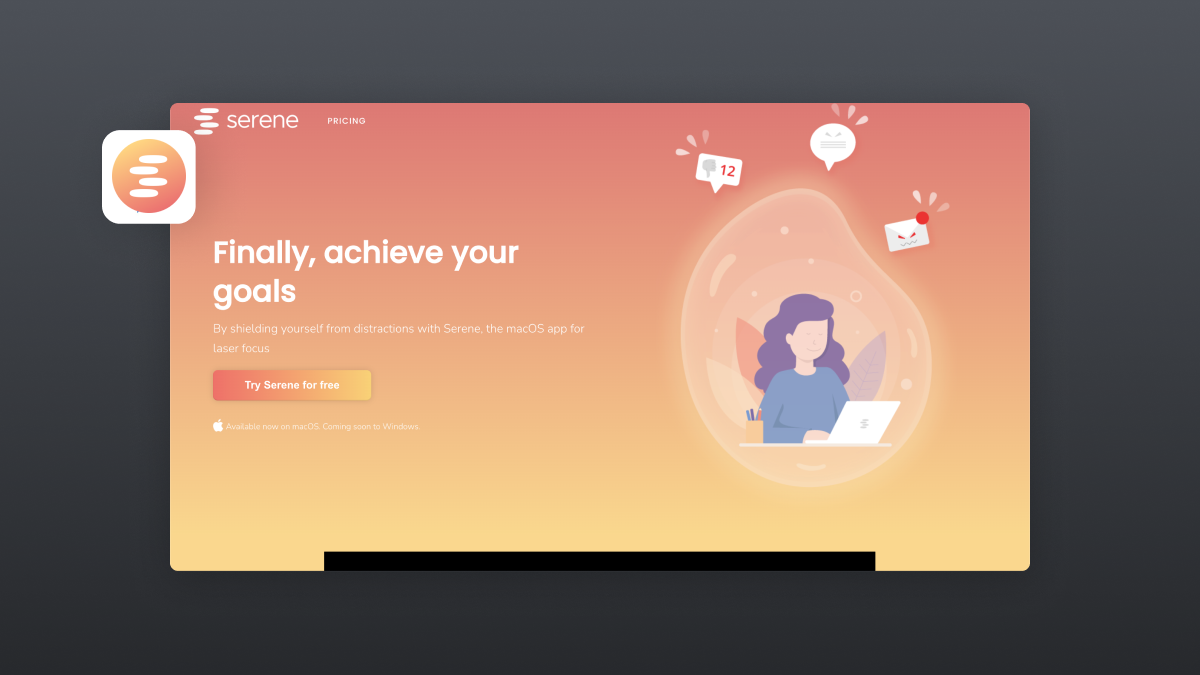
The landscape of focus music applications is continuously evolving, driven by advances in technology and changing user preferences. As society becomes increasingly aware of the importance of mental well-being and productivity, focus music apps are poised to integrate innovative features that enhance user experience. This discussion explores the emerging trends and technologies that could shape the future of these applications, highlighting potential innovations that can elevate the way users engage with music for focus and concentration.
Integration of Artificial Intelligence
Artificial intelligence (AI) is set to play a pivotal role in the future of focus music apps. By utilizing machine learning algorithms, these applications can create highly personalized listening experiences tailored to individual user preferences. AI can analyze user behavior, such as the types of music that lead to enhanced productivity, and adjust playlists in real-time based on mood and task requirements.
For instance, imagine an AI-driven app that learns that a user is more focused with ambient sounds in the morning and classical music in the afternoon. It could curate playlists accordingly, optimizing productivity throughout the day. Additionally, AI can facilitate the development of adaptive soundscapes that respond to the user’s environment. If it detects increased background noise, the app could automatically enhance the volume of soothing sounds to mask distractions.
Enhanced User Interaction through Augmented Reality
Augmented reality (AR) offers exciting possibilities for focus music apps by creating immersive environments that enhance the listening experience. Users could engage with their surroundings while listening to music, using AR to visualize relaxing landscapes or calming animations that respond to the rhythm of the sounds.
Imagine a scenario where a user puts on AR glasses and the app displays a serene forest scene that changes with the music’s tempo. This not only enhances focus but also makes the experience more engaging. Such integration could help users anchor their attention in a visually stimulating way while still maintaining their auditory focus on the task at hand.
Incorporation of Biometric Feedback
The incorporation of biometric feedback into focus music apps is another trend that could significantly enhance user experience. By utilizing wearable devices that monitor heart rate, stress levels, and even brain waves, apps can adjust the music in real-time to better suit the user’s current mental state.
For example, if a user’s heart rate spikes, indicating stress, the app could switch to more calming music or sounds to help lower anxiety levels. Conversely, if the app senses an optimal state of focus, it could introduce more upbeat tracks to maintain productivity. This responsiveness could lead to a more intuitive and supportive user experience, allowing individuals to optimize their focus based on physiological signals.
Community-Driven Content and Collaboration
Community engagement is increasingly becoming a crucial aspect of app development. Future focus music apps may incorporate features that allow users to share playlists, recommend tracks, and even collaborate on creating mixes tailored for specific tasks or environments. This social aspect can foster a sense of belonging and shared purpose, encouraging users to explore new music that enhances their focus.
An example of this could be a feature where users can contribute to a communal playlist designed for studying, or a curated selection of sounds for deep work that combines input from multiple users. This collaborative approach not only enriches the content but also builds a vibrant community around the app.
Focus Music for Diverse Audiences
As awareness regarding mental health and the importance of focus grows, there is an increasing demand for focus music tailored to diverse audiences. This includes music specifically designed for different demographics, such as students, professionals, or even specific occupational groups like healthcare workers.
Future apps may offer customizable settings that cater to various cultural backgrounds and personal preferences, ensuring inclusivity in the listener experience. For example, an app might feature playlists that incorporate traditional music elements from various cultures, making focus music more relatable and effective for a broader range of users.
Understanding the Science Behind Focus Music
Music has a profound impact on our concentration and productivity levels. Numerous studies indicate that certain types of music can enhance cognitive functions and create an optimal environment for focus. When we engage with music while working or studying, it influences various brain functions, leading to improved attention, memory retention, and overall task performance. The right kind of music can serve as a powerful tool in managing distractions and boosting motivation.
Different genres of music can affect focus in unique ways. For instance, ambient music, classical compositions, and certain electronic genres have been shown to foster a conducive atmosphere for concentration. Each type of music interacts with our brain’s neural pathways and emotional responses, leading to enhanced productivity.
Types of Music Effective for Focus
Understanding which types of music can aid focus is essential for optimizing work and study sessions. Here’s a breakdown of effective music types and their characteristics:
- Classical Music: Often referred to as the Mozart effect, classical music can increase brain activity and enhance spatial-temporal reasoning. The absence of lyrics reduces distractions, allowing for deeper concentration.
- Ambient Music: This genre creates a soothing background environment that minimizes stress and enhances focus. Its repetitive patterns and lack of strong beats can help maintain attention over long periods.
- Lo-fi Hip Hop: This genre blends relaxation with rhythmic beats, providing a cozy atmosphere perfect for studying or working. Its mellow sound encourages focus without overwhelming the listener.
- Nature Sounds: Sounds like rain, ocean waves, or forest ambiance can evoke a sense of calm and presence, helping to drown out distracting noises and enhance focus on tasks.
By incorporating these types of music into your study or work routine, you may find that your ability to concentrate improves significantly. The right soundtrack not only helps in maintaining focus but also enhances the overall quality of the work produced.
“Music acts like a magic key, to which the most tightly closed heart opens.” – Maria von Trapp
In addition to choosing the right genre, the tempo and volume of the music are also crucial. Generally, music with a tempo of around 60-80 beats per minute is found to be most effective for concentration, as it aligns with the brain’s natural rhythm for optimal cognitive functioning. By tuning into this frequency, individuals can create a personalized soundscape that transforms their working environment into a space of productivity and creativity.
Creating a Community Around Focus Music Apps
Building a community around focus music apps is crucial for enhancing user experience and fostering a sense of belonging among users. These communities serve as platforms for sharing personal experiences, recommendations, and tips, making the usage of focus music apps more enriching. When users connect with one another, they can share their favorite playlists, discuss various genres, and even collaborate on creating new playlists that suit specific needs like studying, working, or relaxation.
User communities provide a dynamic space where individuals can feel understood and motivated. They can share insights into how certain tracks or playlists have helped them concentrate better or manage stress. Engaging in discussions also allows users to learn about lesser-known tracks or artists that they may not have encountered otherwise. The communal aspect of these communities can lead to increased user retention and satisfaction as people feel part of a larger movement dedicated to enhancing productivity through music.
Methods for User Engagement
To cultivate an engaging community around focus music apps, certain methods can be implemented to facilitate interaction and sharing among users. These methods not only enhance user experience but also promote a collaborative environment.
First, creating dedicated forums or social media groups can help users connect easily. In these spaces, users can post their favorite playlists and provide explanations on why certain tracks resonate with them. Here are some effective ways users can engage:
- Playlist Sharing: Users can create and share their playlists publicly within the community, allowing others to explore and provide feedback.
- Weekly Challenges: Organizing themed challenges, like “Focus on Fridays,” where users curate playlists based on specific productivity themes, can generate excitement.
- Feedback Sessions: Hosting online sessions where users can discuss their experiences with specific playlists fosters a culture of sharing and learning.
- Artist Spotlights: Regularly featuring different artists or genres can introduce users to new sounds and encourage them to share their own favorite tracks.
- Collaborative Playlists: Allowing users to contribute to a community playlist creates a sense of ownership and shared purpose.
Engaging in these activities promotes interaction and encourages users to participate actively. With every shared experience and recommendation, the community grows stronger, enriching everyone’s journey through focus music.
“Music can change the world because it can change people.” — Bono
Understanding the Science Behind Focus Music
The relationship between music and concentration is not merely anecdotal; it’s grounded in neuroscience. When considering how music can enhance productivity, it’s essential to delve into the underlying science that explains this phenomenon. The right type of music can improve focus and cognitive function, making it an invaluable tool for anyone looking to optimize their work environment.
Research has shown that music influences various cognitive processes, such as memory, attention, and problem-solving. It can activate the brain’s reward centers, leading to increased motivation and engagement. This stimulation is particularly beneficial in tasks that require sustained attention. In fact, studies suggest that certain types of music can enhance the brain’s ability to process information, leading to improved performance in both academic and professional settings.
Types of Music Effective for Focus
Different genres and styles of music can have varying effects on concentration and productivity. Understanding these differences is crucial for selecting the right soundtrack for your work. Here are some effective types of music for enhancing focus:
- Classical Music: Often cited for its calming effects, classical music—especially pieces by composers like Bach or Mozart—can create an optimal environment for studying and working. The absence of lyrics allows for an uninterrupted flow of thought.
- Ambient Music: This genre features gentle, atmospheric sounds that can help drown out distractions. Artists like Brian Eno are known for their ambient works, which provide a serene backdrop for deep concentration.
- Lo-fi Hip Hop: Increasingly popular among students and professionals, lo-fi hip hop mixes smooth beats with soft instrumental sounds. This genre is particularly effective in creating a laid-back, yet focused environment.
- Nature Sounds: Incorporating natural soundscapes, such as rain or ocean waves, can enhance concentration by creating a peaceful ambiance that mimics being in nature, which many find calming and restorative.
- White Noise: Though not music in the traditional sense, white noise can effectively mask distracting background sounds, allowing individuals to focus on their tasks with minimal interruption.
“The right type of music can significantly enhance our cognitive functions, leading to improved focus and productivity.”
Selecting the right music is a personal journey, as preferences vary from person to person. Testing different styles can help pinpoint what works best for you, ultimately creating an optimal work environment that boosts both concentration and productivity.
Creating a Community Around Focus Music Apps
Building a community around focus music apps is essential for enhancing user experiences and fostering connections among individuals who share similar interests in music and productivity. Such communities serve as platforms where users can share their personal stories, discover new playlists, and exchange valuable recommendations. This not only enriches users’ listening experiences but also cultivates a sense of belonging among those who often seek focus and concentration through music.
To encourage user engagement, focus music apps can implement various features that facilitate interaction and playlist sharing. By creating dedicated spaces for users to come together, these apps can transform solitary listening into a collective experience that inspires collaboration and creativity. Below are some effective methods to promote community engagement:
Methods for User Engagement and Playlist Sharing
Creating opportunities for users to engage with one another is vital for maintaining an active community. Here are some key strategies to consider:
- Social Media Integration: Incorporating social media sharing options within the app allows users to post their favorite playlists on platforms like Facebook, Twitter, and Instagram. This not only promotes the app but also inspires others to explore new music.
- User-Generated Content: Encouraging users to create and share their own playlists, along with descriptive notes about why they chose specific tracks, adds a personal touch and promotes authenticity within the community.
- Forums and Discussion Boards: Establishing a forum or community board within the app enables users to discuss various topics related to focus music. This can include tips on productivity, favorite artists, or even feedback on new features.
- Playlist Challenges: Organizing monthly or seasonal playlist challenges can motivate users to curate music around specific themes or moods, fostering creativity and participation.
- Collaborative Playlists: Allowing users to contribute to shared playlists enhances collaboration. Users can suggest songs, vote on tracks, and collectively build playlists that cater to different needs, whether it’s studying, working out, or meditating.
“Communities thrive on shared experiences; the more users interact, the richer their experience becomes.”
By implementing these strategies, focus music apps can cultivate an engaging environment where users feel empowered to share their musical preferences and connect with others. This not only enhances individual experiences but also contributes positively to overall user satisfaction and app loyalty.
Final Summary
In summary, focus music apps represent a significant shift in how we harness the power of sound to enhance our productivity and mental health. By integrating personalized features and user-friendly interfaces, these applications not only cater to individual preferences but also foster a sense of community among users. As we look to the future, the potential for innovation in this space is limitless, promising even greater enhancements in our quests for focus and well-being.
FAQ
What types of music are best for focus?
Instrumental music, ambient sounds, and soft electronic beats are typically most effective for enhancing focus as they minimize distractions.
Can focus music apps help with anxiety?
Yes, many users find that calming music can reduce anxiety levels, promoting a more relaxed state conducive to focus.
Are there any free focus music apps available?
Yes, several focus music apps offer free versions with basic features, allowing users to experiment before committing to premium options.
How can I incorporate focus music into my daily routine?
Integrate focus music by setting specific times for work or study sessions, using playlists that suit your tasks, and creating a distraction-free environment.
Do focus music apps offer personalized recommendations?
Many focus music apps include algorithms that analyze user preferences and behavior to suggest personalized playlists tailored to enhance concentration.