As the goal tracking app takes center stage, it opens up a world of possibilities for personal growth and achievement. These applications are designed to help users set, monitor, and achieve their goals effectively, making the journey toward personal success more structured and meaningful. With features that cater to motivation and accountability, goal tracking apps offer unique psychological benefits, ensuring you stay engaged in your pursuits.
In this digital age, where distractions are plentiful, the role of goal tracking apps has become increasingly crucial. They not only offer a roadmap for your aspirations but also provide insights into your progress, allowing for timely adjustments and encouragement. By utilizing these tools, individuals can transform their vague ambitions into tangible achievements.
The Importance of Goal Tracking Apps in Achieving Personal Objectives
Goal tracking apps have emerged as powerful tools for individuals looking to enhance their personal growth and development. By providing a structured approach to setting, monitoring, and achieving goals, these apps can help users turn aspirations into reality. They not only facilitate the tracking of progress but also encourage self-reflection and continuous improvement, making them invaluable in the pursuit of personal objectives.
Goal tracking apps foster personal development by breaking larger ambitions into manageable tasks. This segmentation allows users to focus on incremental progress, making daunting goals feel more achievable. Regularly updating and visualizing their progress can boost motivation, as users can witness firsthand how far they’ve come. The incorporation of reminders and alerts serves as a catalyst for action, nudging users to stay on course. Furthermore, these apps often come with features that promote accountability, such as sharing goals with friends or setting up challenges, which can add a layer of commitment.
Psychological Benefits of Goal Tracking Apps
Utilizing goal tracking apps can provide significant psychological advantages. One key benefit is the increased sense of control over one’s life. By allowing individuals to set clear objectives and monitor their progress, these apps can reduce feelings of anxiety and uncertainty, leading to greater overall well-being.
Additionally, the act of checking off completed tasks brings about a sense of accomplishment. This can trigger the release of dopamine, the “feel-good” chemical in the brain, reinforcing positive behavior and encouraging users to maintain their momentum. The psychological principle of the “Zeigarnik Effect,” which states that people remember uncompleted tasks better than completed ones, plays a role here; goal tracking can help close those mental loops, providing a satisfying sense of resolution.
Motivation and Accountability through Goal Tracking
Goal tracking apps offer a variety of methods to enhance motivation and accountability. Users can implement the following strategies to make the most of these applications:
- Setting Specific Goals: Clearly defined goals are crucial. Apps that encourage users to set SMART (Specific, Measurable, Achievable, Relevant, Time-bound) goals can guide them toward precise targets, increasing the likelihood of success.
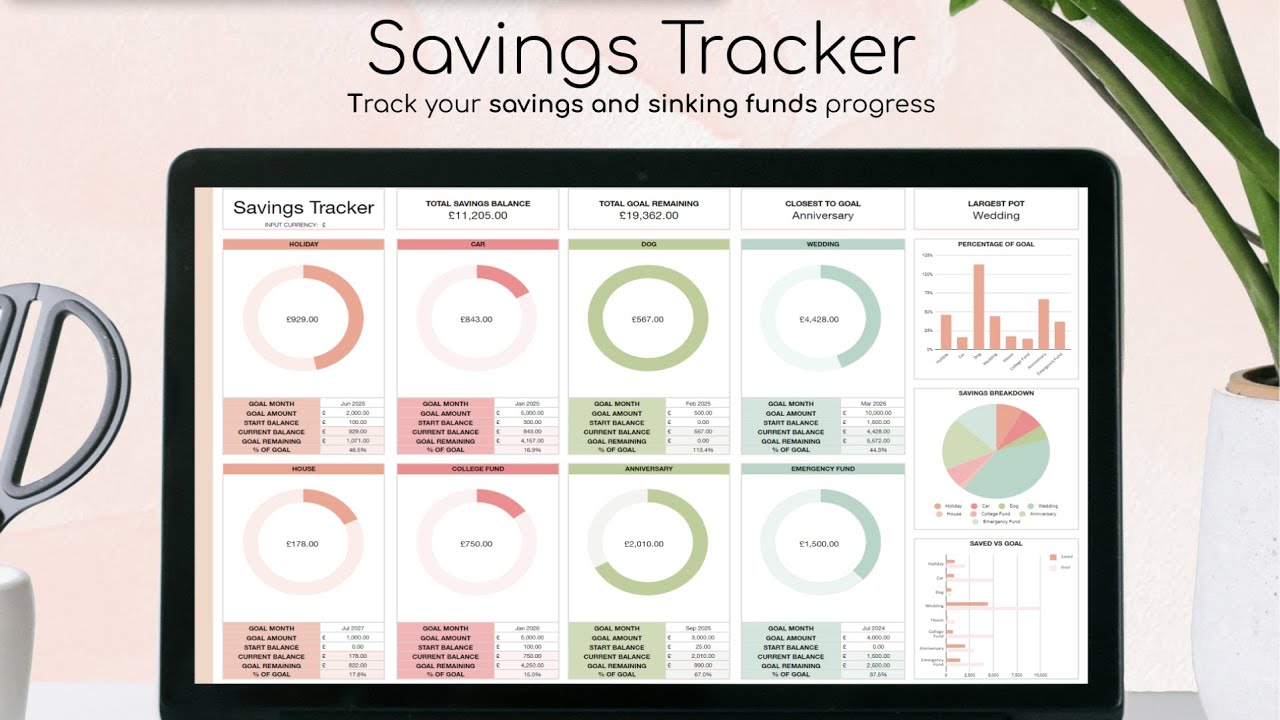
- Progress Visualization: Many apps feature visual progress bars, graphs, or charts that display achievements over time. This visual feedback can inspire users to push through challenges as they see tangible results.
- Regular Check-Ins: Scheduling daily or weekly reviews within the app can help users reflect on their progress and adjust their plans as necessary. This practice promotes continuous improvement.
- Social Sharing: The option to share goals with friends or join community challenges can create a support network. This social aspect fosters accountability and motivation, as users feel responsible to their peers.
The integration of gamification elements, such as rewards for completing tasks or reaching milestones, further enhances engagement. Users experience a sense of enjoyment and challenge, encouraging them to stay committed to their goals.
“Goal tracking is not just about the destination; it’s about celebrating every step along the way.”
Key Features That Make Goal Tracking Apps Effective
Goal tracking apps have become essential tools for individuals aiming to achieve their personal and professional objectives. These applications offer a structured approach to setting, monitoring, and accomplishing goals, making the process more efficient and motivating. Their effectiveness is greatly influenced by specific features that cater to diverse user needs.
One of the core aspects of an effective goal tracking app is the ability to customize goals based on personal preferences and requirements. This customization enables users to tailor their experience, ensuring that the app aligns with their unique aspirations. In addition, visual progress tracking is crucial, as it provides users with tangible evidence of their advancements, further motivating them to stay committed.
Essential Features of Goal Tracking Apps
When evaluating goal tracking applications, certain features stand out as particularly beneficial for enhancing user experience and effectiveness. The following features are crucial for any goal tracking app:
- Customizable Goal Setting: Users can define their goals with specific parameters, such as deadlines, milestones, and actionable steps. This personalization fosters a stronger connection to the goals.
- Progress Visualization: Graphical representations of progress, such as charts or progress bars, help users see their advancements at a glance, making achievements more gratifying.
- Reminder and Notification Systems: Timely reminders keep users on track and help them stay accountable, reinforcing commitment to their goals.
- Social Sharing and Community Support: Many apps offer features that allow users to share their goals with friends or join communities, providing support and encouragement.
- Integration with Other Tools: Compatibility with calendars, fitness trackers, or productivity apps ensures that users can seamlessly incorporate tracking into their daily routines.
The importance of these features cannot be overstated, as they contribute significantly to maintaining user engagement and motivation throughout the goal achievement process.
Comparison of Popular Goal Tracking Applications
To help users identify which goal tracking app aligns best with their needs, here is a comparison of several popular applications based on key features:
| App Name | Customizable Goals | Progress Visualization | Reminders | Social Sharing | Integration |
|---|---|---|---|---|---|
| Todoist | Yes | Yes | Yes | Yes | Calendar Integration |
| Strides | Yes | Yes | Yes | No | Apple Health Integration |
| GoalsOnTrack | Yes | Yes | Yes | Yes | Zapier Integration |
| Habitica | Yes | Yes | No | Yes | Third-party Integrations |
| Google Keep | Yes | No | Yes | No | Google Ecosystem Integration |
Each feature listed above enhances the overall effectiveness of a goal tracking app by providing users with the necessary tools to remain organized, motivated, and connected. For instance, customizable goals allow users to make the process personal, while progress visualization keeps the excitement alive by showing how far they’ve come.
“Goals are dreams with deadlines.” – Diana Scherholz
Ultimately, selecting an app that contains these essential features can significantly boost a user’s ability to set and achieve their goals, turning aspirations into achievements.
A Comprehensive Guide to Setting Goals Using an App
Setting goals is an essential step towards success, whether in personal life or professional settings. With a goal tracking app, you can streamline this process, ensuring that your objectives are not only clear but also manageable. This guide will walk you through the methods of setting realistic and achievable goals, categorizing them into short-term and long-term objectives, and adjusting your goals based on your progress.
Method for Setting Realistic and Achievable Goals
Establishing realistic goals begins with understanding your capabilities and resources. Here are key steps to aid in creating achievable goals:
1. Define Your Overall Vision: Before breaking down goals, clarify what you ultimately wish to achieve. This vision will serve as the foundation for setting specific goals.
2. Use the SMART Criteria: Ensure that your goals are Specific, Measurable, Achievable, Relevant, and Time-bound. For example, instead of saying “I want to get fit,” specify “I will exercise for 30 minutes, five times a week for the next three months.”
3. Break Goals into Smaller Tasks: Large goals can be overwhelming. Divide them into smaller, manageable tasks. If your goal is to write a book, start with a daily word count to maintain progress.
4. Prioritize Your Goals: Not all goals carry the same weight. Use your app to rank them by urgency or importance, allowing you to focus your efforts effectively.
Categorizing Short-Term and Long-Term Goals
Understanding the difference between short-term and long-term goals helps in organizing your objectives effectively. This categorization can provide clarity and focus in your goal-tracking efforts.
1. Short-Term Goals: These are typically achievable within a few weeks or months. They serve as stepping stones towards larger objectives. Examples include:
– Completing a weekly assignment.
– Saving a specific amount of money each month.
2. Long-Term Goals: These goals usually take a year or more to accomplish. They require sustained effort and commitment. Examples include:
– Earning a degree.
– Buying a house.
By categorizing your goals, you can tailor your tracking app’s reminders and schedules to fit your timelines, ensuring nothing slips through the cracks.
Adjusting Goals Over Time Based on Progress
As you track your progress, it’s essential to remain flexible and willing to adjust your goals. This adaptability can significantly enhance your success rate.
1. Review Progress Regularly: Utilize the app’s tracking feature to monitor your achievements and setbacks. Regular check-ins can reveal patterns in your productivity.
2. Reassess Goals: If you’re consistently hitting obstacles, it may be time to modify your goals. For instance, if you aimed to read one book per month but found it challenging, you might adjust this to one book every two months to maintain motivation.
3. Set New Milestones: As you progress, celebrate small victories. Setting new milestones keeps the momentum going and reinforces your commitment.
4. Be Realistic About Timeframes: Life can be unpredictable. If external circumstances affect your ability to meet a goal, adjust your timeline accordingly. This flexibility fosters a positive mindset rather than feelings of failure.
Regularly adjusting your goals based on progress keeps your plans relevant and achievable, preventing frustration and enhancing motivation.
The Role of Visualizations in Goal Tracking Apps
Visual representations of progress can significantly enhance the user experience in goal tracking apps. By transforming data into understandable visual formats, users can easily see their achievements and areas needing improvement. This visual feedback not only serves as a motivational boost but also fosters a better understanding of personal progress over time.
Visualizations like graphs and charts provide users with the tools necessary to analyze their goals effectively. These graphical representations capture essential data points and trends, making it easier for users to grasp their achievements at a glance. By utilizing these visual elements, users can identify patterns and adjust their strategies accordingly, allowing for a more informed approach to meeting their goals.
Significance of Progress Visualization
Visualizations play a crucial role in motivating users to stay committed to their goals. The following points illustrate the impact visual representations can have on user motivation and goal completion rates:
- Immediate Feedback: Users receive instant visual feedback on their progress, which reinforces positive behavior and encourages them to continue striving toward their targets.
- Progress Tracking: Graphs depicting progress over time help users recognize their achievements. For instance, a line graph showing steady progress can motivate users to maintain their efforts.
- Goal Comparison: Visual comparisons between different goals can guide users in prioritizing their efforts. For example, a bar chart displaying completion rates across various goals may prompt users to focus on areas needing improvement.
- Celebrating Milestones: Visual indicators for milestones, such as a pie chart reaching completion can celebrate small successes, creating a sense of achievement and motivation to tackle the next challenge.
Impact of Different Visualizations
Different types of visualizations can significantly influence goal completion rates by catering to various user preferences and data types:
- Bar Charts: These are effective for comparing multiple goals or categories. For example, a fitness app might use bar charts to depict weekly workout hours versus calorie goals, allowing users to see where they excel or fall short.
- Line Graphs: Ideal for illustrating progress over time, line graphs can show users how their performance improves as they consistently track their habits, such as weight loss or reading goals.
- Progress Circles: Commonly used in productivity apps, these circular visualizations display percentage completion. Users can instantly see how close they are to finishing a task, which can encourage a final push toward completion.
- Heat Maps: Useful for identifying trends in user activity, heat maps can show when users are most productive or engaged, aiding in strategic planning for future goals.
Visual representations in goal tracking apps transform abstract data into tangible insights. They motivate users to remain engaged in their pursuit of goals while also helping them analyze their journey, ultimately leading to higher completion rates and personal satisfaction.
Integrating Goal Tracking Apps with Other Productivity Tools
Integrating goal tracking apps with other productivity tools can significantly enhance your efficiency and workflow management. By syncing these applications, users can maintain a cohesive strategy for achieving their objectives while utilizing various functionalities offered by both types of tools.
The advantages of integration are numerous. When goal tracking apps are synced with calendars and task management tools, it creates a streamlined approach to managing tasks and deadlines. This holistic view allows users to allocate time effectively, ensuring that their goals align with their daily activities. The seamless connection between these platforms minimizes the need to switch between applications, thus reducing distractions and increasing focus.
Popular Tools for Integration
Several popular productivity tools effectively integrate with goal tracking apps, providing a comprehensive ecosystem for managing tasks and goals. Here are a few noteworthy examples along with brief instructions on how to set them up:
- Google Calendar: Syncing your goal tracking app with Google Calendar helps you visualize your goals alongside your daily schedule. To set this up, navigate to your goal tracking app’s settings and look for calendar integration options. Follow the prompts to authenticate your Google account and select the calendars you wish to sync.
- Trello: Trello’s card and board system allows users to manage tasks visually. By integrating it with your goal tracking app, you can create cards for each goal and track progress directly from Trello. Set this up by accessing your goal tracking app’s integrations section, selecting Trello, and following the authentication steps.
- Todoist: This task management tool is excellent for managing day-to-day tasks while tracking long-term goals. By connecting Todoist with your goal tracking app, you can turn your goals into actionable tasks. Simply find the integration option in your goal tracking app and connect your Todoist account to import relevant tasks.
- Zapier: Zapier allows for custom integrations between various apps, including goal tracking apps. Use Zapier to automate workflows, such as creating tasks in your task manager whenever a new goal is added. Set up a ‘Zap’ by choosing your goal tracking app as the trigger and your task management app as the action, following the step-by-step setup process provided.
Integrating these tools not only enhances productivity but also ensures that users have a clear vision of their objectives and the steps needed to achieve them. This interconnected approach to goal management fosters accountability and promotes consistent progress toward achieving personal and professional milestones.
Overcoming Common Challenges While Using Goal Tracking Apps
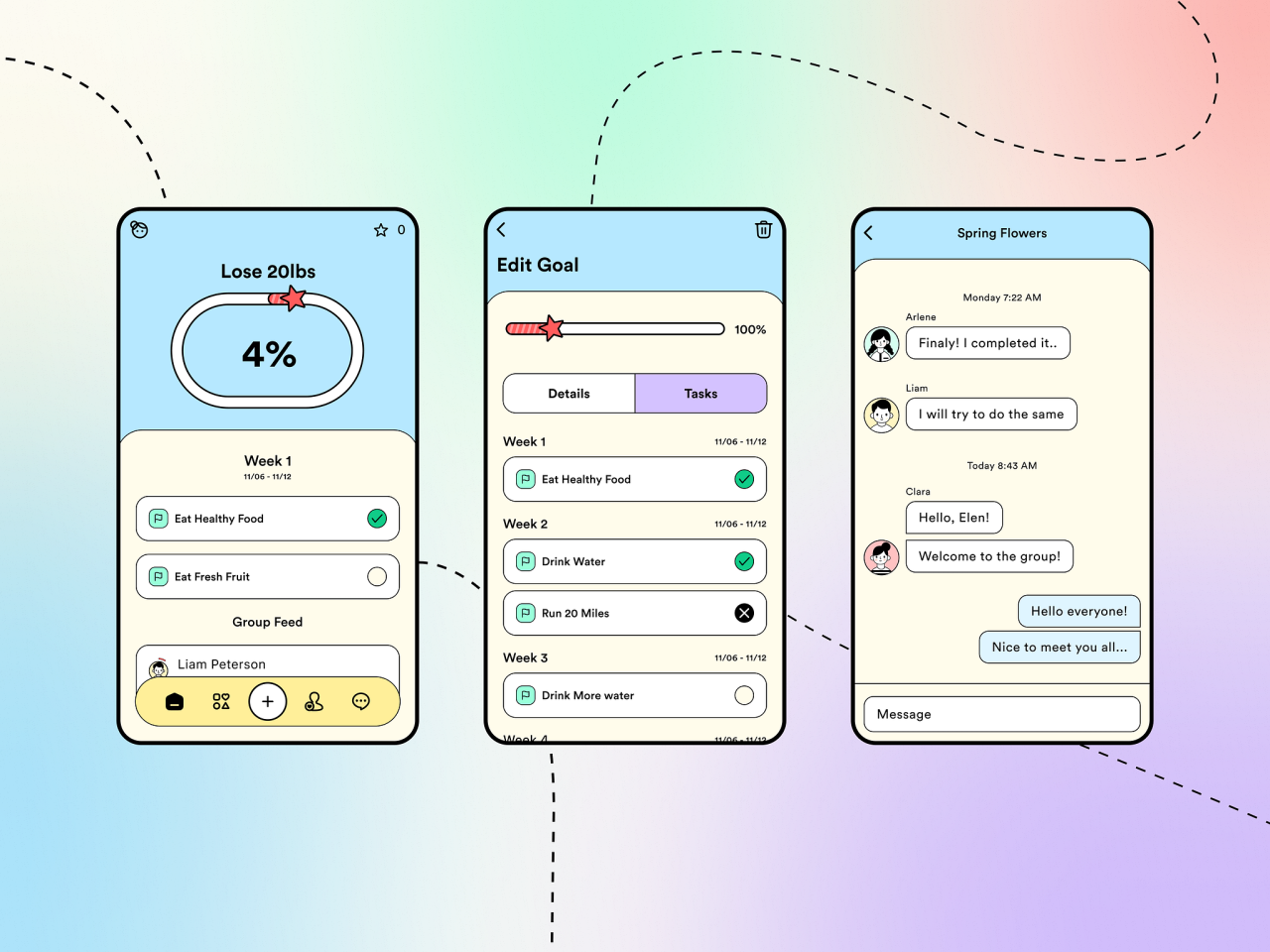
Many individuals strive to achieve their goals using digital tools, yet they frequently encounter hurdles that can derail their progress. Understanding these challenges is essential for users to maximize the potential of goal tracking apps. By addressing common obstacles and implementing effective strategies, users can build a sustainable habit of goal tracking and ultimately reach their desired outcomes.
One prevalent challenge is the inconsistency in using the app. Users might start strong but find it difficult to maintain regular engagement over time. This inconsistency can stem from a lack of motivation, overwhelming features, or simply forgetting to log their progress. To combat this, users can set reminders or notifications within the app to prompt regular check-ins. Additionally, simplifying the app’s interface by focusing on essential features can make the process less daunting. It’s also important to celebrate small milestones to keep motivation high and reinforce the habit.
Identifying Common Obstacles
Several obstacles can hinder the effective use of goal tracking applications. Recognizing these can help users proactively find solutions. Below are notable challenges users often face:
- Overwhelm from Features: Many apps come with numerous features that can be confusing. This complexity can discourage consistent use.
- Lack of Immediate Results: Users may feel disheartened when they don’t see instant progress towards their goals, leading to potential abandonment of the app.
- Time Constraints: Busy lifestyles can make it difficult for users to dedicate time regularly to check and update their goals.
- Disconnection from Goals: A lack of emotional attachment to the goals can result in less motivation and commitment to using the app.
Strategies for Consistent Usage
Adopting specific strategies can enhance the likelihood of maintaining a consistent relationship with goal tracking apps. Here are methods to facilitate regular engagement:
- Daily Check-ins: Establish a routine by setting aside a few minutes each day to review and update goals.
- Visual Progress Tracking: Utilize graphs or charts that visually represent progress, making it easier to see advancements over time.
- Accountability Partners: Share goals with a friend or mentor who can provide support and encouragement, adding a layer of accountability.
- Limit Goal Complexity: Break down larger goals into smaller, more manageable tasks that can be tracked easily, making the process less overwhelming.
Importance of Mindset and Discipline
A positive mindset and strong discipline are crucial in cultivating goal tracking habits. Users must recognize that setbacks are part of the journey and should be viewed as learning experiences rather than failures. This mental shift can foster resilience and encourage users to persist even when challenges arise.
Discipline also plays a vital role in forming consistent habits. By developing a routine around the app’s usage, users can reinforce their commitment to their goals. As
“Success is the sum of small efforts, repeated day in and day out.”
This approach emphasizes that tracking progress, even in small increments, can lead to significant achievements over time. Establishing a growth mindset, where users believe in their ability to improve and adapt, can make a substantial difference in how they approach goal tracking and, ultimately, their success in achieving their objectives.
Evaluating the Impact of Goal Tracking Apps on Long-Term Success
Goal tracking apps have become essential tools for individuals striving for personal and professional development. Their effectiveness over time can significantly influence the achievement of long-term goals. Through systematic evaluation, users can understand the substantial benefits these apps provide, enhancing motivation and fostering a sense of accomplishment.
To assess the effectiveness of a goal tracking app over time, users should employ various methods that measure progress and engagement. Regular reviews of set goals and their outcomes can provide insights into one’s journey. Metrics such as goal completion rates, frequency of app usage, and user satisfaction scores are valuable indicators. Additionally, comparing initial goals with final outcomes helps illustrate growth and areas needing improvement.
Methods for Assessing Effectiveness
Tracking progress effectively requires a multifaceted approach. Here are some methods users can utilize:
- Progress Journaling: Keeping a detailed log of achievements and milestones reached can highlight patterns in productivity and areas for growth.
- Goal Review Sessions: Scheduling regular evaluations, such as monthly or quarterly, allows users to reflect on their progress and adjust goals as necessary.
- Data Analytics: Utilizing the app’s built-in analytics tools can provide insights into usage patterns, helping users understand which features are most beneficial.
- Community Feedback: Engaging with a community of users can offer support and accountability, providing additional motivation and shared success stories.
Success Stories Illustrating Long-Term Benefits
Numerous testimonials exist that showcase the transformative potential of consistent goal tracking. For instance, an individual named Sarah reported that using a goal tracking app helped her transition from a stagnant career to landing her dream job. By setting clear professional milestones and tracking her progress, she maintained focus and accountability, ultimately achieving her objectives over a year.
Another success story comes from a fitness enthusiast, Mike. By diligently logging his workout goals and dietary habits, he not only lost 50 pounds but also cultivated a healthier lifestyle that he has maintained for over two years. These stories emphasize how persistence and the right tools can lead to significant, long-lasting personal change.
Criteria for Choosing the Right App
Selecting the most suitable goal tracking app is crucial for achieving individual goals effectively. Users should consider several criteria to ensure they choose an app that aligns with their unique needs:
- Customization Options: The app should allow users to tailor goals and tracking features to their specific preferences.
- User Experience: An intuitive interface enhances usability, making it easier to log progress and stay engaged.
- Integration Capabilities: Compatibility with other tools and platforms (e.g., calendars, fitness trackers) can enhance the app’s functionality.
- Support and Resources: Access to guidance, such as tutorials or community forums, can improve user experience and help overcome challenges.
- Feedback Mechanisms: Features that provide reminders, motivational messages, or progress reports can significantly enhance user engagement.
Future Trends in Goal Tracking Applications
The evolution of goal tracking applications is set to take significant leaps forward, driven by technological innovations and user-centered design. As users increasingly seek more personalized and effective ways to manage their goals, the integration of emerging technologies will reshape the landscape of these apps. Here, we delve into the trends that are likely to influence the future of goal tracking.
Emerging Technologies Impacting Goal Tracking
Several advanced technologies are paving the way for the transformation of goal tracking applications. These include:
- Artificial Intelligence (AI): AI is expected to play a crucial role in enhancing user experiences. By analyzing user behavior and preferences, AI can offer personalized goal suggestions and reminders, making the goal-setting process more intuitive.
- Augmented Reality (AR): AR can offer interactive ways for users to visualize their goals. Imagine setting fitness targets and seeing an augmented version of yourself achieving those milestones in real time.
- Wearable Technology: The rise of fitness trackers and smartwatches allows for real-time tracking of physical activities. Integration with goal tracking apps can provide users with instant feedback and motivation.
Innovative Features Enhancing User Experience
Future goal tracking applications are likely to incorporate cutting-edge features that enhance user interaction and satisfaction. These enhancements may include:
- Gamification: Incorporating game-like elements, such as rewards for achieving milestones, will encourage users to remain committed to their goals, making the process engaging and fun.
- Social Integration: Allowing users to share their progress with friends or join community challenges can foster motivation through social accountability and support.
- Voice Assistant Integration: As voice technology advances, users may interact with their goal tracking apps through voice commands, making it more accessible and hands-free.
Personalization Through Artificial Intelligence
AI has the potential to revolutionize how individuals set and track their goals by offering a highly personalized user experience. This can manifest in several ways:
- Adaptive Goal Setting: AI can analyze past behaviors and outcomes to suggest realistic goals tailored to the user’s capabilities and preferences, ensuring a higher chance of success.
- Sentiment Analysis: By examining user interactions and feedback, AI can adapt and modify goal strategies based on emotional responses, creating a more supportive environment.
- Predictive Analytics: Leveraging data trends, AI can forecast potential challenges users may face in achieving their goals, enabling proactive strategies to overcome obstacles.
“As goal tracking applications evolve with AI and emerging technologies, users can expect a uniquely tailored experience that aligns with their personal journeys.”
The intersection of these technologies and innovations will not only redefine how users engage with their goals but also enhance the overall effectiveness and enjoyment of the goal-setting process.
Wrap-Up

In summary, goal tracking apps are invaluable resources for anyone looking to achieve their personal objectives. By leveraging their features, users can experience a more organized approach to goal setting and completion, ultimately boosting their productivity and satisfaction. As technology continues to evolve, the future of these applications looks promising, with new innovations on the horizon to further enhance user experiences and outcomes.
User Queries
What features should I look for in a goal tracking app?
Look for features like progress visualizations, reminders, goal categorization, and integration with other productivity tools.
Can I use a goal tracking app for team goals?
Yes, many goal tracking apps offer collaborative features that allow teams to set and track shared objectives.
How often should I review my goals in the app?
It’s recommended to review your goals regularly, such as weekly or monthly, to stay on track and make necessary adjustments.
Are there any free goal tracking apps available?
Yes, there are several free options available that offer basic features suitable for personal goal tracking.
What if I don’t achieve my goals?
It’s important to reassess your goals and strategies; setbacks are part of the process, and adjustments can lead to better outcomes.