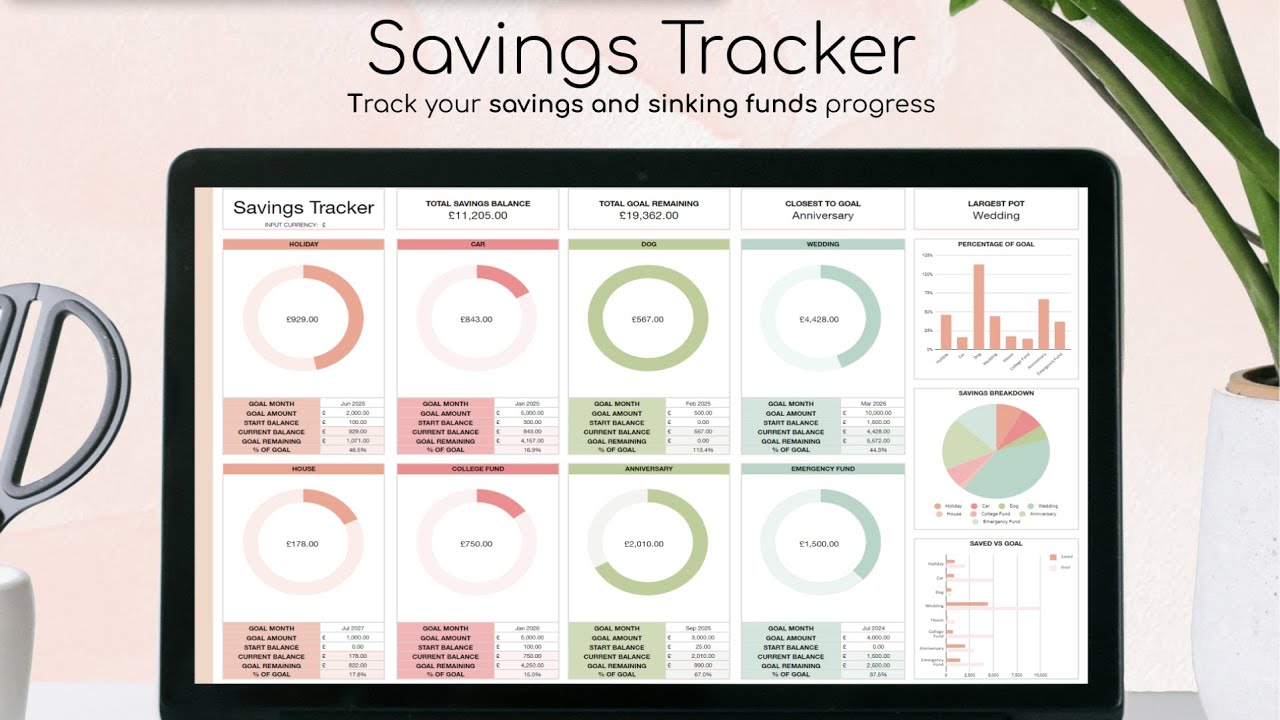
Focus tracker is an essential tool in our increasingly distracted world, enabling us to sharpen our attention towards our goals. With the constant barrage of notifications and competing priorities, maintaining a clear focus has become more crucial than ever. By implementing a focus tracking system, you can not only improve your daily productivity but also foster better mental well-being through structured attention management.
As we delve deeper into the concept of focus tracking, we will explore various methods, tools, and benefits of integrating focus tracking into your routine. From the psychological advantages of heightened concentration to practical steps for using different tools effectively, this discussion is designed to equip you with the knowledge to significantly enhance your productivity levels.
The importance of focus tracking in personal productivity
Focus tracking serves as a vital tool in enhancing personal productivity. By meticulously monitoring how time is spent on various tasks, individuals can identify distractions and optimize their workflow. This systematic approach enables users to have a clearer understanding of their efficiency levels, as well as the ability to make informed adjustments to their daily routines. With the increasing complexity of modern life, focus tracking becomes an essential part of managing tasks and achieving goals.
The influence of focus tracking on daily task management and efficiency cannot be overstated. When individuals commit to tracking their focus, they become more aware of their time allocation and productivity patterns. For instance, someone might find that they are more productive in the morning hours when their energy levels are at their peak. By utilizing this data, they can schedule high-priority tasks during these peak periods, thereby enhancing overall productivity. Moreover, focus tracking allows for the identification of time drains, such as excessive social media use or unproductive meeting times, enabling users to minimize these distractions. Keeping a log of activities helps in differentiating between productive and non-productive time, thereby encouraging better decision-making regarding time management.
The psychological benefits of focus through tracking systems
Maintaining focus through tracking systems not only boosts productivity but also provides significant psychological benefits. Tracking progress fosters a sense of accomplishment and motivation. When individuals see tangible evidence of their efforts—such as completed tasks and improved time management—they experience increased self-efficacy. This boost in morale can lead to a more positive work attitude and greater resilience in facing challenges.
Additionally, focus tracking can reduce anxiety associated with overwhelming tasks. By breaking down larger projects into manageable chunks and tracking progress incrementally, individuals can approach their work with a clearer mindset and reduced stress levels. Engaging in regular reflection on one’s focus can also enhance mindfulness, helping individuals to be present and fully engaged in their tasks.
To effectively integrate focus tracking into everyday routines, one can adopt several strategies. Establishing a dedicated time for tracking—such as at the beginning or end of the day—creates a habit that aligns with daily activities. Utilizing digital tools or apps designed for tracking can simplify this process, allowing real-time monitoring and reporting. These tools often come with features that allow for reminders and analytics, making the process seamless. Setting specific focus goals, such as “I will work uninterrupted for 25 minutes,” and using techniques like the Pomodoro Technique can also enhance focus. Another effective method is to create an environment conducive to concentration by minimizing distractions, such as turning off notifications on devices or creating a dedicated workspace.
In summary, focus tracking is a transformative practice that not only enhances productivity but also supports mental well-being through structured task management and increased mindfulness.
Various tools available for effective focus tracking
Effective focus tracking is essential for enhancing productivity and managing time efficiently. With the increasing number of distractions in today’s digital age, various tools have emerged to help individuals monitor and improve their focus. These tools can be categorized into digital applications and physical trackers, each offering unique features that cater to different user preferences.
Overview of Popular Focus Tracking Applications
Several applications have gained popularity for their ability to assist users in tracking their focus and productivity levels. Below are some notable examples:
- Toggl: This time tracking tool is favored by many professionals. It allows users to log their work hours across various projects and generate detailed reports to analyze productivity patterns.
- Forest: This application gamifies focus tracking by encouraging users to stay off their phones. Users grow a virtual tree as they focus, and leaving the app will cause the tree to wither, promoting sustained attention.
- RescueTime: This tool automatically tracks time spent on applications and websites, providing insights into where time is wasted. It can help identify distractions and optimize work habits.
Comparison of Focus Tracking Tools
When selecting a focus tracking tool, functionality and user experience are critical factors to consider. Here’s a comparison of Toggl, Forest, and RescueTime:
| Tool | Functionality | User Experience |
|---|---|---|
| Toggl | Time tracking, project categorization, reporting | Intuitive interface, ideal for teams, customizable reports |
| Forest | Focus gamification, incentivization to stay off phone | Engaging visuals, encourages discipline, simple design |
| RescueTime | Automatic tracking, productivity analysis | Detailed feedback, visual reports, may require manual adjustments |
Advantages and Disadvantages of Physical vs. Digital Focus Tracking Tools
Both physical and digital focus tracking tools have their respective advantages and disadvantages, which can significantly impact user experience.
- Physical Tools:
- Advantages: Tangible, no need for technology, can be personalized, offers a visual reminder.
- Disadvantages: May lack real-time tracking, requires manual updates, less efficient for data analysis.
- Digital Tools:
- Advantages: Automatic tracking, data analysis capabilities, often includes reminders and notifications.
- Disadvantages: Can be distracting if notifications are not managed, requires a device, may lead to over-reliance on technology.
“The right tool can not only help you track your focus but also enhance your productivity by providing insights and motivating you to stay on task.”
How to implement a focus tracking system in your daily life
Creating a personal focus tracking system can significantly enhance productivity and help you achieve your goals more effectively. This system allows you to monitor your attention and energy levels, ensuring that you stay aligned with your priorities. By implementing a focus tracking routine tailored to your individual needs, you can identify patterns that influence your focus and make necessary adjustments.
To set up a personal focus tracking system, it’s essential to develop a clear process that resonates with your lifestyle and objectives. Here’s a step-by-step guide to help you establish your focus tracking routine:
Step-by-step guide for setting up a focus tracking system
The following steps provide a structured approach to developing a focus tracking system that’s easy to follow:
- Define your focus goals: Determine what specific areas you want to improve your focus on, whether it’s completing work tasks, studying, or engaging in hobbies.
- Select a tracking method: Choose a method that fits your style. This could be a digital app, a physical journal, or a simple spreadsheet. Ensure it’s something you’ll use consistently.
- Track focus sessions: Log your focus sessions daily. Note the start and end times, the tasks you worked on, and your level of distraction or engagement during each session.
- Review patterns: At the end of each week or month, review your logs to identify trends in your focus. Look for times when you were most productive and the factors that contributed to it.
- Adjust as needed: Based on your insights, make adjustments to your environment, schedule, and techniques to enhance your focus.
Importance of setting achievable goals in conjunction with focus tracking
Setting achievable goals plays a crucial role in the effectiveness of your focus tracking system. Realistic and measurable goals help maintain motivation and provide a clear target to strive for.
“Goals should be SMART: Specific, Measurable, Achievable, Relevant, and Time-bound.”
Establishing SMART goals allows for a better assessment of progress and focus. As you track your sessions, correlate your achievements with these goals to understand how your focus impacts your success.
Common pitfalls to avoid when establishing a focus tracking routine
When creating a focus tracking system, being aware of potential pitfalls can save you time and frustration. Below are common issues along with strategies to mitigate them:
“Avoid overwhelming yourself with unrealistic expectations.”
- Overcommitting: Trying to track too many tasks or activities at once can lead to burnout. Focus on a manageable number of activities to track.
- Neglecting breaks: Failing to include regular breaks can diminish productivity. Schedule short breaks to recharge your focus.
- Inconsistent tracking: Infrequent or irregular tracking can lead to incomplete data. Aim for consistency to gain accurate insights.
- Ignoring insights: If you fail to act on the data collected, your focus tracking system loses its value. Regularly analyze your data and make informed changes.
The role of focus tracking in remote work environments
Focus tracking has become a vital tool in enhancing productivity and accountability in remote work settings. As more professionals operate outside traditional office environments, the need for effective methods to maintain concentration and monitor performance has increased. Focus tracking systems offer solutions that help remote workers stay on task and provide managers with insights into their team’s performance.
Remote workers often face unique challenges that can hinder their ability to maintain focus throughout the workday. Distractions from home environments, lack of structured work schedules, and the absence of in-person supervision can lead to decreased productivity. Focus tracking addresses these issues by providing data on how time is spent during the workday and identifying patterns that may indicate distractions.
Improving productivity and accountability
The implementation of focus tracking in remote teams has proven to enhance both productivity and accountability. By using various tools and software that monitor time spent on tasks, employees can receive real-time feedback on their productivity levels. These tools often include features that highlight periods of high concentration and areas where improvement is needed.
Examples of successful focus tracking implementations include:
- Time-tracking software: Platforms like Toggl and Harvest allow remote workers to log their hours and categorize tasks, enabling clearer insights into where time is allocated. This encourages accountability as employees can see the tangible outcomes of their efforts.
- Project management tools: Applications such as Asana and Trello incorporate focus-tracking functionalities that help teams visualize progress on projects and maintain deadlines. By assigning specific tasks and monitoring completion, these tools foster a sense of responsibility.
- Focus-enhancing technologies: Solutions like Forest or Focus@Will provide a unique approach to maintaining concentration through gamification and audio stimulation. Remote teams using these tools report higher levels of focus and better task completion rates.
“The use of focus tracking tools has transformed the way remote teams operate, leading to improved outcomes and employee satisfaction.”
In summary, focus tracking plays an essential role in supporting remote workers by increasing productivity and enhancing accountability. By addressing the common challenges associated with remote work and providing actionable data, these tracking systems empower employees to optimize their work habits and achieve their goals.
The science behind focus and attention management

Understanding the science behind focus and attention management is crucial for enhancing productivity and overall well-being. Focus and attention are not merely about concentration; they involve complex cognitive processes influenced by various internal and external factors. The field of cognitive psychology has extensively studied these processes, revealing significant insights into how individuals can optimize their attention spans for better performance.
Cognitive theories related to focus and attention management highlight that attention is a limited resource, akin to a battery that can be depleted. Theories such as the Capacity Theory of Attention suggest that individuals have a finite amount of attentional resources that can be allocated to tasks. Research conducted by Kahneman (1973) emphasizes that the allocation of attention is flexible and can be influenced by task demands and individual motivations. This adaptability indicates that understanding personal attention spans and habits is essential for improving focus.
Cognitive theories related to focus and attention
A variety of cognitive theories provide insights into how focus and attention operate. Key theories include:
- Filter Theory: Proposed by Broadbent in 1958, this theory posits that people filter out unnecessary information before it reaches conscious awareness. This process helps individuals focus on relevant stimuli while ignoring distractions.
- Spotlight Model: This model, introduced by Posner in 1980, compares attention to a spotlight that can be directed to different parts of the visual field. It explains how individuals can selectively concentrate on one aspect of their environment while neglecting others.
- Resource Allocation Theory: This theory emphasizes that attention is distributed among tasks based on their importance and the individual’s goals. Studies show that multitasking can lead to reduced effectiveness as resources are divided.
The implications of these theories suggest that by tracking focus and attention, individuals can identify patterns in their behavior and make informed decisions to optimize their attention management.
Focus tracking and understanding personal attention spans
Focus tracking serves as a practical tool for understanding individual attention spans and habits. By systematically logging times of heightened focus and periods of distraction, one can identify personal productivity peaks and troughs. Research indicates that many people experience cycles of attention, often referred to as the Ultradian Rhythm, which suggests natural fluctuations in focus throughout the day.
Tracking focus can also reveal tendencies towards task-switching, which has been shown to negatively impact performance. A study by American Psychological Association (2009) revealed that multitasking reduces overall productivity by approximately 40%. By recognizing these patterns through focus tracking, individuals can adjust their working environments or routines to minimize distractions and maximize periods of concentrated effort.
External factors affecting focus
Several external factors significantly influence focus, ranging from environmental distractions to lifestyle choices. Identifying these factors is essential for effective attention management. Some common external influences include:
- Noise Levels: Research shows that background noise can disrupt concentration. A study found that participants exposed to distracting sounds exhibited decreased performance on cognitive tasks.
- Workspace Organization: Cluttered environments contribute to cognitive overload. A clean and organized workspace has been linked to improved focus and clarity.
- Technology Distractions: Notifications from smartphones and computers can fragment attention. A report from the University of California (2016) highlighted that on average, individuals are interrupted every 3 minutes by electronic devices.
Tracking these external factors can assist individuals in developing strategies to mitigate distractions, thereby enhancing their ability to focus effectively. By recognizing and addressing these influences, individuals can create an environment conducive to sustained attention and improved productivity.
Creating a personalized focus tracker
A personalized focus tracker is essential for anyone looking to optimize their productivity and align their daily activities with their personal and professional goals. By tailoring a tracking system to individual needs and preferences, users can enhance their engagement with the process, ultimately leading to improved focus and efficiency.
Personalization plays a crucial role in the effectiveness of tracking systems. A one-size-fits-all approach often misses the mark, as each individual has unique challenges, goals, and work styles. When a focus tracker is designed to reflect personal priorities, users are more likely to remain committed to their tracking efforts. Furthermore, a customizable template allows for the integration of various features that can adapt to changing circumstances, ensuring continued relevance and utility.
Customizable focus tracker template
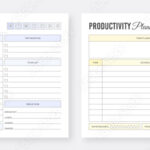
Creating a customizable focus tracker template involves considering different formats and tools that can meet various needs. Here are key elements to include when designing a focus tracker template:
- Daily Goals: Clearly Artikel what you aim to accomplish each day, focusing on short-term objectives that align with long-term aspirations.
- Time Blocks: Allocate specific time slots for tasks to promote structured work periods and minimize distractions.
- Progress Monitoring: Include a section for tracking progress on tasks, allowing for reflection and adjustment of strategies as necessary.
- Reflection Space: Provide a space for users to jot down thoughts or insights gained throughout the day, facilitating continuous improvement.
Adapting a focus tracker to individual preferences also involves choosing the right medium. Some may prefer a digital app, while others might find a physical planner more conducive to their workflow.
Modifying a focus tracker as needs evolve
As personal and professional demands change, so too should the focus tracker being used. Adjusting the tracker to reflect these changes is essential for maintaining its effectiveness. Here are strategies to modify your focus tracker over time:
- Review and Update Goals: Regularly revisit your goals to ensure they remain relevant and achievable, making adjustments as necessary to reflect new priorities.
- Incorporate Feedback: Use insights from your progress monitoring to refine your tracking system, adding features or sections that better address your evolving needs.
- Experiment with Formats: Don’t hesitate to try different layouts or formats—what worked well months ago may not suit your current workflow.
- Set Timeframes for Evaluation: Schedule periodic evaluations of your focus tracker, allowing for a systematic approach in assessing its functionality and effectiveness.
By proactively modifying the focus tracker, users can ensure that it continues to serve as an effective tool in their productivity arsenal, accommodating their growth and adaptation in both personal and professional arenas.
Measuring the effectiveness of focus tracking
Measuring the effectiveness of focus tracking is essential for understanding how well these practices enhance productivity and concentration over time. By employing various evaluation methods, individuals and organizations can identify strengths and areas for improvement in their focus tracking systems. This enables informed adjustments to maximize efficiency and effectiveness.
Assessing the effectiveness of focus tracking can be approached from both qualitative and quantitative perspectives. Qualitative measures provide insights into the subjective experiences of individuals, while quantitative measures utilize numerical data to evaluate changes in performance. Both methods can complement each other, offering a comprehensive view of a focus tracking program’s impact.
Evaluation methods for focus tracking
The following are key evaluation methods, incorporating both qualitative and quantitative measures, that can be utilized to assess the effectiveness of focus tracking practices:
- Surveys and Self-Reporting: Regular surveys can capture users’ perceptions of their productivity and focus levels over time. Questions may cover how often they feel distracted or how effective they find their focus tracking tools.
- Time Tracking Analysis: Monitoring the amount of time spent on focused work versus distractions can provide quantifiable data. Analyzing these time logs can help in determining trends or patterns over specific periods.
- Performance Metrics: Comparing output quality or completion rates of tasks before and after implementing focus tracking can highlight improvements. Metrics may include the number of tasks completed, deadlines met, or overall work quality.
- Behavioral Assessments: Observations by peers or supervisors regarding changes in work habits and focus can offer qualitative insights into the effectiveness of focus tracking practices.
Key performance indicators for focus tracking
Identifying key performance indicators (KPIs) is crucial for a structured assessment of focus enhancement. The following examples illustrate effective KPIs that can provide measurable insights into focus tracking success:
- Task Completion Rate: This KPI measures the percentage of tasks completed on time, which can indicate enhanced focus and efficiency.
- Distraction Frequency: Tracking the number of distractions encountered during working hours can highlight areas needing improvement in focus tracking practices.
- Quality of Work: Evaluating the quality of completed tasks can reveal whether focus tracking is positively influencing output standard.
- Time Spent on Deep Work: Measuring the duration dedicated to uninterrupted, high-concentration tasks can be an indicator of improved focus.
- User Satisfaction Ratings: Gathering feedback on the usability and effectiveness of focus tracking tools can provide valuable qualitative data regarding user experience.
Effective focus tracking not only enhances individual performance but also contributes to overall organizational productivity.
Future trends in focus tracking technology
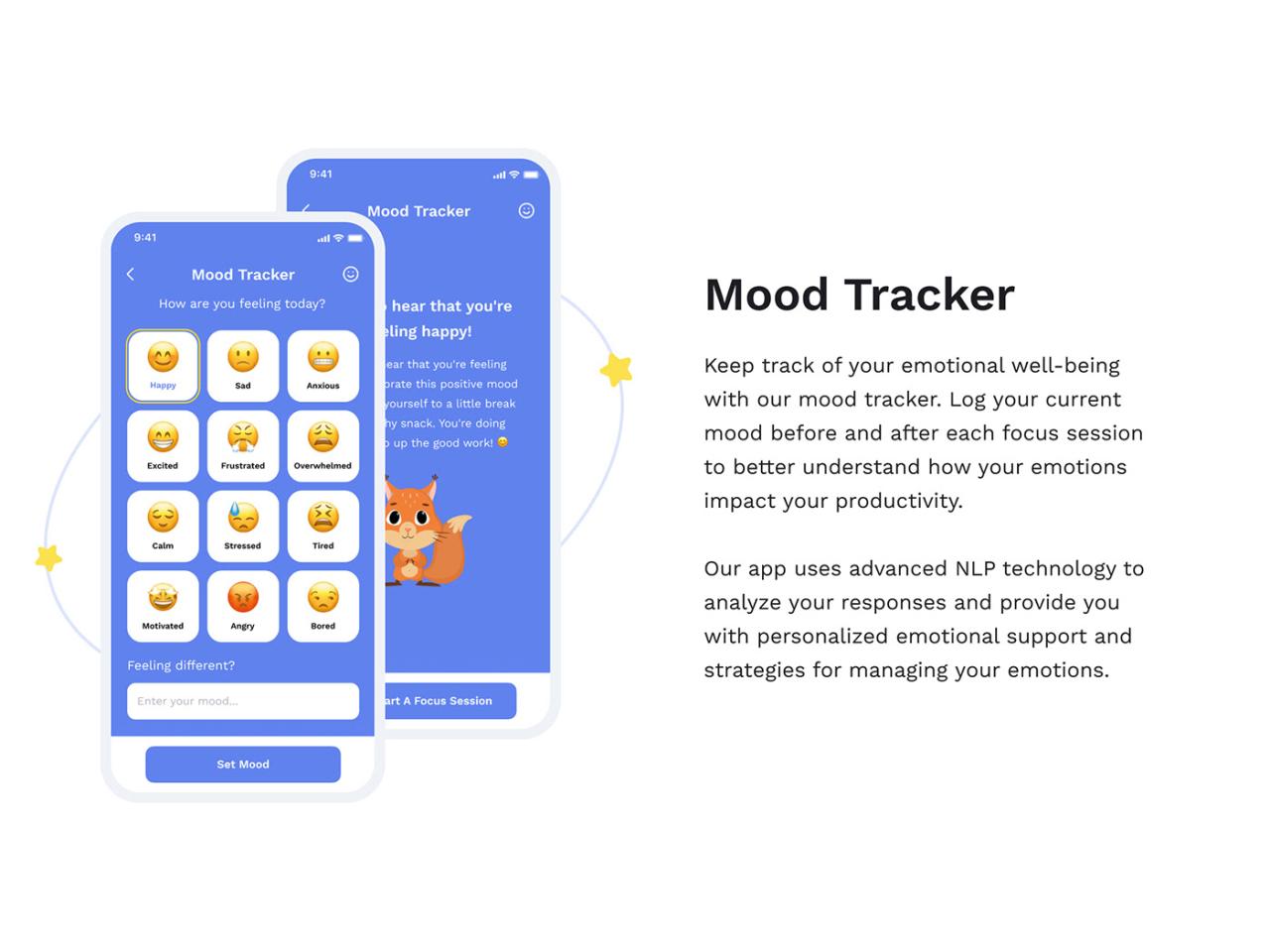
As technology continues to evolve, so does the potential for advancements in focus tracking tools. These tools, which monitor and analyze the user’s focus and attention levels, are becoming increasingly sophisticated, driven by user needs and emerging technologies. This exploration delves into the anticipated developments that could shape the future landscape of focus tracking.
One significant trend is the integration of artificial intelligence (AI) into focus tracking systems. AI can analyze vast amounts of data from user interactions, providing personalized insights and recommendations. Moreover, machine learning algorithms can adapt over time, improving their accuracy in predicting focus lapses and suggesting optimal times for breaks or increased intensity. This tailored approach can enhance productivity and well-being for users across different fields, from students to professionals.
Emerging technologies influencing focus tracking
Several cutting-edge technologies are poised to revolutionize focus tracking. These innovations not only advance the capabilities of existing systems but also redefine user expectations and experiences.
1. Wearable devices: Next-generation wearables equipped with sensors can monitor physiological markers such as heart rate variability and brain activity. For example, devices like smart glasses could provide real-time feedback on focus levels, allowing users to adjust their environment or activities based on data insights.
2. Augmented reality (AR): AR applications can create immersive environments that help users focus by minimizing distractions. For instance, an AR headset could overlay reminders or task lists directly onto a user’s field of vision, keeping them oriented and engaged without pulling attention away from their primary task.
3. Neurotechnology: Advances in brain-computer interfaces (BCIs) may allow direct communication between the brain and devices. This could enable users to control focus-tracking applications through thought alone, significantly enhancing productivity and engagement levels.
4. Biometric feedback systems: Wearables and other tech can provide real-time biometric feedback, allowing users to understand the physical aspects of their focus. Those insights can inform users when to take breaks or engage in relaxation techniques to enhance overall performance.
5. Gamification: Incorporating game elements into focus tracking can motivate users to maintain their concentration. By transforming tasks into challenges with rewards, users are more likely to engage deeply with their work, enhancing both focus and output.
“Integrating AI and emerging technologies will transform focus tracking into a personalized productivity tool that adapts to individual needs.”
The future of focus tracking technology is heavily influenced by evolving user expectations. As users grow more aware of the importance of maintaining focus and productivity, they increasingly demand tools that not only track their attention but also provide actionable insights. This shift is prompting developers to prioritize user-friendly interfaces, seamless integration across devices, and enhanced predictive capabilities.
The anticipated evolution of focus tracking tools will likely lead to a more holistic understanding of productivity. Rather than merely serving as passive monitors of attention, future systems will empower users with proactive strategies and personalized adjustments, reshaping the way individuals approach tasks and manage their concentration.
Closing Notes
In summary, embracing a focus tracker can transform the way you approach your tasks and overall productivity. By understanding the tools available, the science behind focus, and the personalized systems to implement, you can create a more efficient and fulfilling work environment. Whether you’re working remotely or in an office, the right focus tracking habits can lead you to achieve your goals with greater clarity and effectiveness.
Expert Answers
What is a focus tracker?
A focus tracker is a system or tool designed to help individuals monitor and improve their attention and productivity levels by tracking tasks and time spent on them.
How can I choose the right focus tracking tool?
Consider your personal preferences, the features you need, and whether you prefer digital or physical tools to find what works best for you.
Can focus tracking improve my mental health?
Yes, effectively tracking your focus can reduce stress and overwhelm by providing clarity on your priorities and progress, which can positively impact mental well-being.
Is there a specific time to use a focus tracker?
Using a focus tracker is beneficial whenever you have tasks to manage, especially during periods of high distraction or heavy workload.
Can I customize my focus tracker?
Absolutely! Many tools and templates allow for customization to suit your unique preferences and needs for focus tracking.