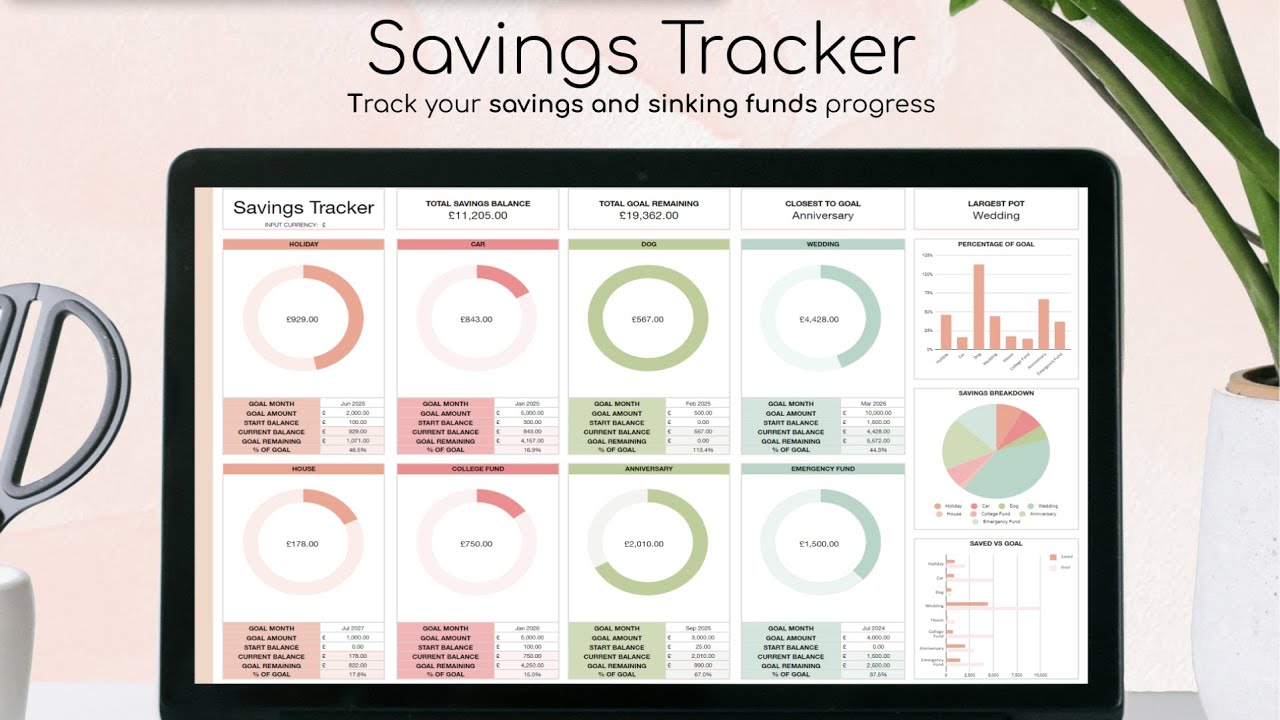
Digital journal opens the door to a transformative journey of self-reflection and personal growth. In a world where technology seamlessly integrates into our daily lives, the adaptation of journaling into digital formats has not only made writing more accessible but has also enriched the experience with innovative features. From its humble beginnings to the sophisticated applications we see today, digital journaling has evolved into a powerful tool that enhances mental well-being and creativity.
Throughout this exploration, we will delve into the historical evolution of digital journals, uncovering their psychological benefits, and comparing prominent platforms that cater to diverse journaling needs. Whether you’re looking to document your thoughts, track your goals, or simply express your creativity, the digital journal offers a unique blend of technology and introspection.
The historical evolution of digital journals
Digital journaling has its roots in the early days of personal computing, where the concept of maintaining a journal transitioned from pen and paper to electronic formats. This evolution reflects broader technological advancements, changing user needs, and the increasing accessibility of digital devices. Today, digital journals are not just about recording thoughts; they encompass a variety of features that cater to diverse audiences, including professionals, students, and casual users.
The transition from traditional journaling methods to digital formats occurred gradually, influenced by several factors including the rise of the internet, the proliferation of personal computers, and the development of mobile technology. Early adopters of digital journaling sought to leverage the benefits of technology—such as easier editing, the ability to search entries, and the convenience of storing large volumes of text.
Early digital journal applications and features
Several early digital journal applications laid the groundwork for the features we see in modern journaling software. These applications not only allowed users to type their thoughts but also offered additional functionalities that enhanced the journaling experience. Some notable examples include:
- Microsoft Word: While primarily a word processor, many users utilized it for journaling. Features like spell check, formatting options, and document saving enabled a more polished presentation of entries.
- LivingJournal (1999): One of the first social journaling platforms, enabling users to write entries and share them publicly or with selected friends. Its community aspect encouraged interaction through comments and sharing.
- Day One (2011): A modern journaling app that revolutionized the concept with a clean interface and features such as photo integration, location tagging, and reminders. It emphasized the importance of an aesthetically pleasing user experience.
- Penzu (2010): This online journal emphasized privacy and security by offering encrypted entries. It allowed users to create digital journal entries that resembled physical diaries, complete with the ability to lock them.
The evolution of digital journals reflects a shift in how people document their thoughts, experiences, and emotions. As technology continues to advance, the features and functionalities of digital journals are likely to evolve even further, catering to an increasingly digital society.
The psychological benefits of maintaining a digital journal
Digital journaling has emerged as a powerful tool for enhancing mental health and emotional well-being. Unlike traditional journaling, digital formats provide the flexibility of accessibility, organization, and ease of use. This modern approach encourages individuals to express their thoughts and emotions without the constraints of paper and pen, making it an attractive option for tech-savvy individuals seeking to improve their mental health.
Maintaining a digital journal can significantly enhance mental health by providing a safe space for self-reflection and emotional processing. The act of writing down thoughts can help clarify feelings and promote a deeper understanding of personal experiences. Studies suggest that expressive writing can lead to reduced symptoms of depression and anxiety, as it allows individuals to articulate their concerns and joys. Through regular journaling, people can identify patterns in their thoughts and emotions, which can foster self-awareness and personal growth.
Stress and anxiety reduction through journaling
Journaling serves as an effective coping mechanism for managing stress and anxiety. By externalizing thoughts and feelings, individuals can alleviate the mental burden that often accompanies overwhelming emotions. The following points highlight how digital journaling contributes to stress relief:
- Emotional Release: Writing about stressful experiences can provide a cathartic release, allowing individuals to let go of negative emotions and reduce feelings of anxiety.
- Problem-Solving: Journaling can help format thoughts and identify effective solutions to challenges, reducing the feeling of being overwhelmed.
- Gratitude Practice: Keeping a gratitude section in a digital journal can shift focus from worries to positive aspects of life, enhancing overall mood and resilience.
- Mindfulness: Engaging in the act of journaling promotes mindfulness, encouraging individuals to stay present and aware of their feelings, which can diminish anxiety levels.
Individuals have shared transformative experiences regarding their digital journaling habits. For instance, one user reported that journaling helped them navigate a particularly challenging period in their life. They noted,
“Writing down my thoughts daily allowed me to see my progress and recognize patterns in my anxiety, which in turn made it easier to manage.”
Another individual mentioned that digital journaling offered them a private space to explore their emotions, leading to improved self-esteem and a greater sense of clarity. Through these personal anecdotes, it’s evident that digital journaling not only serves as a creative outlet but also as a crucial element in fostering mental well-being.
Comparing different platforms for digital journaling
Digital journaling has gained immense popularity as a means of personal reflection, creative expression, and organization. With a variety of platforms available, each offering distinct features and capabilities, it is essential to choose the one that aligns best with individual needs. This discussion delves into comparisons of several digital journal applications, examining their unique aspects, usability, and pricing structures.
Comparison of Digital Journal Applications
When selecting a digital journaling platform, it’s crucial to consider various factors such as features, user experience, and cost. Below is a table summarizing the key elements of popular journaling applications:
| Platform | Unique Features | Usability | Pricing |
|---|---|---|---|
| Day One | Photo integration, cloud sync, and multiple journal entries | Intuitive interface, mobile and desktop apps | Free version available; premium at $34.99/year |
| Penzu | Customizable journal layouts and privacy options | User-friendly with a focus on security | Free version; Pro version at $19.99/year |
| Journey | Cross-platform syncing and support for multimedia | Simple UI, available on multiple devices | Free version; premium at $29.99/year |
| Notion | Versatile workspace, combines note-taking with journaling | Highly customizable, may require a learning curve | Free version available; personal plan at $4/month |
| Evernote | Powerful search capabilities and task management features | Accessible and feature-rich | Free version; Premium at $7.99/month |
The pros and cons of each platform can significantly influence user satisfaction and journaling effectiveness.
Choosing the right journaling platform enhances the overall experience, making it more enjoyable and productive.
Here’s a look at the advantages and disadvantages of each platform based on user feedback and expert reviews:
– Day One
– *Pros*: Highly rated for its design and photo integration; offers a seamless user experience across devices.
– *Cons*: Advanced features are locked behind a paid subscription.
– Penzu
– *Pros*: Strong emphasis on privacy and security; customizable layouts fit various styles and needs.
– *Cons*: Limited features in the free version compared to competitors.
– Journey
– *Pros*: Supports multimedia entries, making it versatile; offers a clean and easy-to-navigate interface.
– *Cons*: Some users report syncing issues across devices.
– Notion
– *Pros*: Extremely flexible, allowing users to create customized journaling layouts and integrate various content types.
– *Cons*: The initial setup can be complex, which may intimidate new users.
– Evernote
– *Pros*: Excellent organizational tools and search capabilities; well-established with a large user base.
– *Cons*: Some users find it to be more of a note-taking app than a dedicated journaling tool.
Understanding the strengths and weaknesses of each platform is vital for selecting the one that meets specific journaling needs. Factors such as preferred features, ease of use, and budget constraints should guide the decision-making process. The right platform can empower individuals to engage more deeply in their journaling practice and enhance personal growth.
Innovative features in modern digital journals
The evolution of digital journaling is driven by a multitude of innovative features that enhance user experiences and expand the possibilities of how we document our lives. With the integration of advanced technologies, modern digital journals have transformed from simple text entries to comprehensive platforms that accommodate various forms of expression and reflection.
One of the most notable advancements in digital journaling is the incorporation of voice recording capabilities. This feature allows users to capture their thoughts and feelings in real-time, making journaling more accessible and fluid. For instance, a busy professional can record voice notes during their commute, reflecting on their day without needing to sit down at a computer. This immediacy not only saves time but also captures the raw emotions and spontaneity of the moment, enriching the journaling experience.
Multimedia Integration in Digital Journals
Modern digital journals excel in multimedia integration by allowing users to incorporate photos, videos, and audio clips into their entries. This feature enables a richer storytelling experience, as visuals can evoke emotions and memories in ways that words sometimes cannot.
To illustrate the power of multimedia integration, consider a user documenting a vacation. By attaching photos of breathtaking landscapes, local cuisine, or memorable moments with friends, the journal becomes a vibrant archive of experiences. Over time, these entries can be revisited, providing a vivid reminder of the laughter and joy associated with those memories. Additionally, some digital journals leverage artificial intelligence to analyze the images, suggesting tags or themes that can help categorize entries for easier reflection later.
Another innovative feature is mood tracking. Many digital journaling applications now include tools that allow users to log their emotional states alongside their entries. This practice not only promotes self-awareness but also helps identify patterns in mood fluctuations over time. For example, a user may notice that their entries reflecting happiness often coincide with engaging in outdoor activities or social events, providing valuable insights into what positively influences their well-being.
The combination of these features—voice recording, multimedia integration, and mood tracking—creates a multifaceted journaling experience. Users are empowered to express themselves in diverse ways, leading to deeper self-reflection and understanding. The journey of journaling has undeniably transformed through these technological advancements, making it a powerful tool for personal growth and emotional exploration.
How to establish a consistent digital journaling habit

Developing a digital journaling habit can be a transformative experience that enhances self-reflection, creativity, and mindfulness. The key to making this practice consistent lies in crafting a routine that aligns with your lifestyle while overcoming common obstacles that may hinder your journaling journey. By implementing strategic steps and motivational techniques, you can cultivate a fulfilling digital journaling habit.
Creating a Journaling Routine
Establishing a journaling routine requires a clear understanding of your daily or weekly schedule. Begin by identifying the best time to journal, whether it’s in the morning to set intentions for the day or in the evening to reflect on your experiences. Here are steps to create a journaling routine that fits seamlessly into your life:
- Assess your schedule: Look for consistent time slots each day or week when you can dedicate to journaling.
- Set a reminder: Utilize your phone or digital calendar to set a recurring reminder for your journaling sessions.
- Choose your platform: Select a digital journaling app or tool that resonates with you, whether it’s a straightforward note-taking app or a specialized journaling platform.
- Start small: Aim for just five to ten minutes of journaling initially, gradually increasing the time as you become more comfortable.
- Make it enjoyable: Personalize your journaling environment or app with themes, colors, or inspirational quotes that spark joy.
Overcoming Barriers to Consistency
It’s common to encounter obstacles that disrupt your journaling habit. Recognizing these barriers is the first step towards overcoming them. Here are some effective strategies to combat those challenges:
- Create a conducive environment: Designate a specific, comfortable space for journaling to mentally prepare yourself for the task.
- Eliminate distractions: Turn off notifications and limit external interruptions during your journaling time to focus completely on your thoughts.
- Refocus when distracted: If your mind wanders, gently redirect your thoughts back to journaling without harsh self-criticism.
- Track your progress: Maintain a streak tracker or journal about your journaling practice to visualize your commitment and progress.
Motivational Strategies
Staying engaged with your digital journaling practice can sometimes be challenging. However, there are several motivational strategies you can adopt to keep your enthusiasm alive:
- Set specific goals: Create short-term and long-term journaling goals, such as writing a certain number of entries per week or focusing on specific themes.
- Incorporate prompts: Use daily or weekly prompts to inspire your writing and explore new topics that may not initially come to mind.
- Reflect on past entries: Revisit previous journal entries to remind yourself of your growth and insights gained through the practice.
- Join a community: Engage with online journaling groups or forums to share experiences and gather inspiration from fellow journalers.
- Celebrate milestones: Acknowledge and reward yourself for reaching journaling milestones, whether it’s completing a month of entries or exploring a challenging theme.
“Consistency is key to forming habits. Daily practice, no matter how small, leads to significant long-term results.”
The role of privacy and security in digital journaling
Digital journaling has transformed the way individuals document their thoughts, experiences, and reflections. However, with this convenience comes the responsibility of ensuring that personal entries are protected. Safeguarding your journal not only preserves your privacy but also fosters a safe environment where you can express your innermost thoughts without fear of exposure. Understanding the various privacy measures and security options available can significantly enhance your journaling experience.
Importance of safeguarding personal entries
Maintaining privacy in digital journals is crucial for several reasons. Personal entries often contain sensitive information about one’s feelings, experiences, and even daily routines. A breach of this information can lead to unwanted exposure and potential misuse.
For instance, consider a scenario where an individual’s digital journal is accessed without authorization. This could lead to emotional distress or even identity theft if personal information is shared publicly. Therefore, prioritizing privacy and security in digital journaling is not just about personal comfort; it is about protecting one’s identity.
Privacy settings and encryption options in popular journaling apps
Various digital journaling applications offer an array of privacy settings and encryption features designed to protect users’ data. Here is a comparison of some popular options:
- Evernote: Provides password protection on individual notes and allows users to set up two-factor authentication for added security.
- Day One: Features end-to-end encryption, ensuring that only the user can access their entries. It also supports biometric locks for quick access.
- Penzu: Offers military-grade encryption for journal entries, along with customizable privacy settings that allow users to decide who can view their journals.
- Journey: Implements encrypted backups and gives users the option to password-protect their journals, ensuring that sensitive entries remain confidential.
Understanding these features helps users choose an application that best meets their privacy needs, thereby enhancing their journaling experience.
Best practices for maintaining privacy while journaling online
To maximize privacy while journaling online, users should adopt several best practices that foster a secure environment for their reflections:
- Utilize strong, unique passwords for your journaling app and enable two-factor authentication whenever possible.
- Regularly update your journaling app to benefit from the latest security patches and enhancements.
- Be cautious when accessing your journal on public Wi-Fi networks; use a VPN to add an extra layer of security.
- Regularly review and adjust your privacy settings to ensure they align with your comfort level regarding data sharing.
- Consider keeping a backup of your journal in an encrypted format, either in cloud storage or on an external device, to prevent data loss.
By implementing these practices, individuals can significantly reduce the risk of unauthorized access to their personal entries and ensure a more secure journaling experience.
“Your journal is a reflection of your innermost thoughts; protecting it is essential for preserving your peace of mind.”
Creative explainings to enhance digital journaling
Digital journaling serves as a powerful tool for self-expression, reflection, and personal growth. By incorporating creative explainings into your journaling practice, you can deepen your exploration of thoughts and feelings, making the experience more enriching.
Creative explainings can be categorized into various themes like gratitude, goal-setting, and self-discovery, each providing unique avenues for reflection and insight. These themes not only inspire you to write but also encourage a deeper understanding of your emotions and aspirations.
Gratitude
Gratitude is a transformative practice, fostering a positive mindset and enhancing overall well-being. Incorporating gratitude-focused topics into your journal can help you appreciate the small joys in life. Here are some creative explainings to inspire your gratitude entries:
- List three things you’re grateful for each day, taking time to reflect on why they matter to you.
- Write a letter to someone who has positively impacted your life, expressing your gratitude for their influence.
- Reflect on challenging experiences and identify the lessons or growth that emerged from them.
“Gratitude turns what we have into enough.” – Aesop
Goal-setting
Setting goals helps provide direction and motivation in life. By using your digital journal to articulate and track your goals, you can facilitate personal growth and achievement. Here are some creative explainings around goal-setting:
- Break down a long-term goal into smaller, actionable steps, and Artikel a timeline for achieving them.
- Create a vision board within your journal, using images and words that represent your aspirations and dreams.
- Write affirmations related to your goals, reinforcing your commitment and belief in your capabilities.
“Setting goals is the first step in turning the invisible into the visible.” – Tony Robbins
Self-discovery
Self-discovery is a journey that helps you understand who you are and what you truly want in life. Engaging in self-discovery through journal entries can lead to greater self-awareness. Here are some creative explainings to guide your self-exploration:
- Write about significant moments in your life that shaped your identity and values.
- Reflect on your passions and interests, identifying what brings you joy and fulfillment.
- Explore your fears and insecurities by journaling about them, aiming to understand their origins and impact on your life.
“Knowing yourself is the beginning of all wisdom.” – Aristotle
The impact of digital journaling on personal development
Digital journaling has revolutionized the way individuals approach personal development, providing a platform for self-reflection, goal setting, and progress tracking. With the aid of technology, digital journals offer users the versatility to document their thoughts, aspirations, and achievements at their convenience. This not only promotes accountability but also enhances the clarity of one’s goals.
Digital journaling plays a critical role in goal tracking and self-improvement by allowing individuals to break down their aspirations into actionable steps. By regularly recording progress, users can identify patterns, challenge limiting beliefs, and celebrate small victories that contribute to their larger objectives. This ongoing process of documentation fosters a proactive mindset conducive to personal growth.
Goal Tracking and Self-Improvement
The ability to monitor goals through digital journaling can significantly accelerate personal development. The integration of features such as reminders, mood tracking, and milestone tracking transforms the journaling experience. Here are some examples of how individuals leverage digital journals for personal growth:
- Setting SMART Goals: Many users start by articulating their ambitions in a Specific, Measurable, Achievable, Relevant, and Time-bound (SMART) format. This structured approach clarifies the end goal and establishes a clear pathway to success.
- Weekly Reflections: Some individuals dedicate time each week to reflect on their progress, assessing what worked and what didn’t. This practice helps in adjusting strategies and refining goals to align with personal values.
- Visual Progress Tracking: Utilizing graphs or charts within digital journals allows users to visually track their development over time. This visual representation enhances motivation by making progress tangible.
Documenting personal growth digitally also yields long-term benefits. By maintaining a consistent journaling practice, one creates a rich repository of experiences, thoughts, and lessons learned. This archive serves not only as a motivational tool but also as a critical resource for future reference. Individuals often report that reviewing past entries provides them with insights into their evolution and underlying themes in their life journey.
“Journaling is the best way to meet yourself.”
Additionally, the act of writing itself can be therapeutic. Digital journaling enables the exploration of emotions and thoughts, promoting mental well-being and resilience. This therapeutic effect can lead to significant improvements in self-awareness and emotional intelligence, which are essential components of personal development.
Overall, digital journaling is not merely a trend; it is a powerful tool that facilitates effective goal tracking and fosters lasting self-improvement. Its impact resonates deeply, influencing how individuals navigate their personal development journeys.
Last Recap

In conclusion, the digital journal proves to be more than just a modern replacement for pen and paper; it is a versatile companion in the journey of personal development. By harnessing its innovative features and understanding the importance of privacy, users can cultivate a consistent and enriching journaling practice. As we embrace this digital age, let your thoughts flow freely and watch as your personal growth unfolds through the pages of your digital journal.
FAQ Guide
What is a digital journal?
A digital journal is an electronic platform or application used for personal writing, reflection, and documentation, offering features like multimedia integration and cloud storage.
How can I get started with digital journaling?
To start digital journaling, choose a platform that fits your needs, set a routine, and begin writing about your thoughts, experiences, and goals.
Are digital journals secure?
Most digital journals offer encryption and privacy settings to keep your entries safe; it’s essential to choose reliable apps and review their security features.
Can I use a digital journal on multiple devices?
Many digital journal applications are cloud-based, allowing you to access your entries from various devices seamlessly.
Is there a cost associated with digital journaling apps?
Some digital journaling apps are free, while others may require a subscription or one-time purchase for premium features.