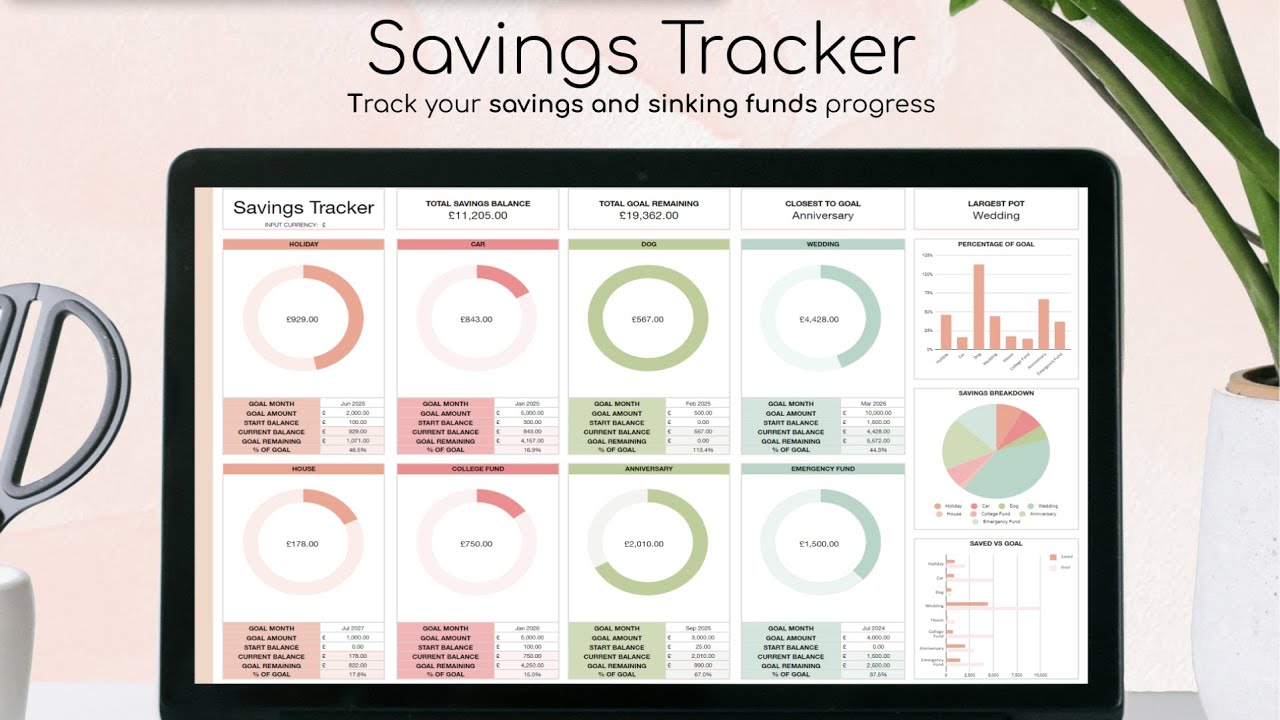
Productivity tool is a game changer for modern professionals, offering innovative solutions that transform how we work and collaborate. In a fast-paced environment where efficiency is key, these tools are designed to help individuals and teams streamline their processes, reduce manual tasks, and ultimately boost performance. With various types of productivity tools available, ranging from task management to automation, there’s something for everyone looking to enhance their workflow.
As we delve deeper into the world of productivity tools, we will explore their significance in today’s workplace, the different categories available, and how to select the right one for your needs. We will also look at best practices for integrating these tools into daily workflows and discuss the role of automation in enhancing productivity. By the end of this discussion, you will have a clearer understanding of how productivity tools can lead to improved work-life balance, better team collaboration, and increased efficiency.
The importance of productivity tools for modern professionals
In today’s fast-paced work environment, productivity tools have become essential for modern professionals seeking to enhance efficiency and streamline their workflows. These tools not only support individual tasks but also foster team collaboration and communication, ultimately leading to improved organizational outcomes.
Productivity tools significantly enhance efficiency in the workplace by automating repetitive tasks, organizing information, and facilitating better communication. For instance, software applications like Trello for project management and Slack for team messaging help professionals track progress and share updates in real-time. These tools reduce the time spent on manual processes, allowing employees to focus on high-priority projects. Research shows that companies leveraging productivity tools can see an increase in output by up to 25%. This increase is attributed to the time savings and improved organization that these tools provide.
Key factors contributing to the effectiveness of productivity tools
Several key factors play a crucial role in determining the effectiveness of productivity tools in the workplace. Understanding these factors can help organizations select and implement the right tools for their specific needs.
- User-Friendliness: Tools that are intuitive and easy to navigate reduce the learning curve for employees and promote widespread adoption.
- Integration Capabilities: Tools that easily integrate with existing software applications allow for seamless workflows and better data sharing.
- Customization Options: The ability to tailor tools to fit specific team needs ensures that they are used effectively and efficiently.
- Support and Training: Providing adequate training and support enhances employee competence in using these tools, leading to better outcomes.
Productivity tools also play a pivotal role in promoting work-life balance and employee well-being. By automating mundane tasks and providing clarity on job responsibilities, these tools reduce stress and help professionals manage their time more effectively. For example, time management applications like RescueTime allow users to monitor their activity and identify areas for improvement, fostering a healthier work-life balance.
“Effective use of productivity tools can lead to not just increased output but also a more satisfied and balanced workforce.”
When employees feel empowered to manage their workloads efficiently, they are less likely to experience burnout, contributing to a healthier organizational culture overall.
Different types of productivity tools available today

In today’s fast-paced world, productivity tools are essential for individuals and teams aiming to maximize efficiency and streamline their workflows. These tools come in various forms, each designed to address specific needs and challenges that arise in personal and professional environments. By understanding the different types of productivity tools available, users can select the right tools that align with their goals and enhance their productivity.
Task Management Tools
Task management tools are designed to help individuals and teams organize, track, and prioritize their tasks effectively. These tools often come with features that allow users to create to-do lists, set deadlines, and assign tasks to team members. The unique benefit of task management tools lies in their ability to provide a clear overview of all tasks at hand, helping users to focus on what matters most.
Some popular task management tools include:
- Todoist: A simple yet powerful tool that allows for easy task organization, with features like labels, filters, and recurring tasks.
- Asana: A collaborative platform that enables teams to manage projects and tasks, offering timelines and progress tracking.
- Microsoft To Do: Integrates well with other Microsoft products, providing a user-friendly interface for task management.
Time Tracking Tools
Time tracking tools are invaluable for individuals and teams seeking to understand how their time is spent throughout the day. These tools help users monitor their work hours, ensuring that time is allocated efficiently across various tasks and projects. The main benefit of time tracking tools is their ability to provide insights into productivity patterns, which can lead to better time management strategies.
Examples of notable time tracking tools include:
- Toggl Track: Offers a simple timer and reporting features to analyze how time is spent on different projects.
- Clockify: A free time tracking app that allows users to track work hours and generate detailed reports.
- Harvest: Combines time tracking with invoicing capabilities, making it ideal for freelancers and small businesses.
Collaboration Software
Collaboration software facilitates communication and teamwork among individuals, especially in remote or distributed settings. These tools allow users to share documents, engage in discussions, and work on projects together in real time. The primary advantage of collaboration software is its ability to break down communication barriers, making it easier for teams to collaborate effectively regardless of their location.
Some well-known collaboration tools include:
- Slack: A messaging app that promotes team communication through channels and direct messaging, integrating with various productivity tools.
- Trello: Visual project management software that uses boards and cards to organize tasks and collaborate with team members.
- Microsoft Teams: Combines chat, video conferencing, and file sharing in one platform, connecting teams seamlessly.
“Choosing the right productivity tools can significantly enhance your efficiency and effectiveness in managing tasks and collaborating with others.”
How to select the right productivity tool for your needs
Selecting the right productivity tool can significantly enhance individual and team efficiency. Given the vast array of tools available today, it’s crucial to identify what best aligns with your specific needs and workflows. This guide will provide clarity on the criteria to consider, along with a checklist to streamline your decision-making process.
When choosing a productivity tool, it’s essential to evaluate several factors that impact its effectiveness in your environment. Consider the nature of your work, team dynamics, and technological compatibility. The right tool should not only streamline tasks but also enhance collaboration and communication, ensuring everyone is on the same page.
Criteria for Selecting a Productivity Tool
Identifying the right productivity tool involves assessing various criteria. These can help narrow down your options effectively.
- Usability: The tool should have an intuitive interface, making it easy for all team members to adopt without extensive training.
- Integration: Ensure the tool integrates seamlessly with existing systems and applications that your team uses, such as email or project management software.
- Collaboration Features: Check for features that facilitate teamwork, such as real-time editing, file sharing, and communication options.
- Scalability: Select a tool that can grow with your needs, allowing for additional users or features as your team expands.
- Budget: Consider the cost of the tool, including subscription fees and any additional costs for premium features or upgrades.
Checklist for Decision-Making
Utilizing a checklist can help streamline the selection process. Here’s a brief guide to ensure you cover all essential aspects when evaluating productivity tools:
- Define your primary goals for the tool.
- Gather input from team members regarding their needs and preferences.
- Research different options and read reviews from credible sources.
- Test the tool with a trial version when available.
- Assess customer support and available resources for troubleshooting.
Common Mistakes to Avoid
Choosing a productivity tool can come with pitfalls that can hinder its effectiveness. Awareness of these common mistakes can save time and resources.
- Ignoring Team Input: Failing to involve team members in the selection process can lead to resistance or low adoption rates.
- Overcomplicating Features: Selecting a tool with excessive features that are unnecessary for your team can create confusion and hinder productivity rather than enhance it.
- Neglecting Training: Underestimating the importance of training for team members can result in inefficient use of the tool and missed opportunities for productivity gains.
- Choosing Based on Trends: Selecting a tool solely based on popularity without assessing its fit for your specific needs can lead to poor results.
“The right tool can transform chaos into clarity, making productivity feel effortless.”
Integrating productivity tools into daily workflows
In today’s fast-paced work environment, seamlessly integrating productivity tools into established workflows can significantly enhance efficiency and effectiveness. The right tools can help streamline processes, reduce time spent on repetitive tasks, and facilitate better communication within teams. However, the challenge lies in ensuring that these tools complement existing practices rather than disrupt them.
To incorporate productivity tools effectively, it is essential to align them with current workflows. This means assessing existing processes to identify areas where tools can optimize performance. Begin by evaluating the specific needs and challenges of your team. For example, if communication is a bottleneck, a collaboration tool like Slack could be beneficial. On the other hand, if task management is the issue, tools like Trello or Asana may be more appropriate.
Best practices for incorporating tools
Integrating a new productivity tool requires a strategic approach. Here are some best practices to ensure a smooth transition:
1. Assess Current Workflows: Understand existing processes thoroughly to determine how a new tool can fit in.
2. Choose the Right Tool: Select tools that address the identified needs while being user-friendly and compatible with existing systems.
3. Pilot Testing: Before a full rollout, conduct a pilot test with a small group to uncover any potential issues and gain insights.
4. Training and Onboarding: Provide comprehensive training to team members. This helps in reducing resistance and builds confidence in using the new tool.
5. Gather Feedback: After implementation, solicit feedback regularly to make necessary adjustments and improve user experience.
To transition to using a new tool effectively, follow these steps:
1. Identify the Goal: Clearly define what you aim to achieve with the new tool.
2. Train Users: Conduct training sessions to familiarize everyone with the functionalities.
3. Create a Rollout Plan: Establish a timeline for implementation, starting with the most crucial functions.
4. Monitor Usage: Keep track of how the tool is being used and encourage regular check-ins.
5. Adjust Accordingly: Be open to modifying workflows based on user feedback and the tool’s performance.
Maintaining consistency in using productivity tools is vital for maximizing their benefits. Here are some tips:
– Set Regular Check-Ins: Schedule consistent meetings to discuss tool usage and address concerns.
– Encourage Best Practices: Share success stories and best practices within the team to motivate others.
– Incorporate into Daily Routines: Make using the tool a part of daily activities, reinforcing its importance.
– Stay Updated: Keep up with updates and new features, leveraging them to enhance productivity.
By following these guidelines, organizations can effectively integrate productivity tools into their workflows, ensuring enhanced efficiency and collaboration.
The role of automation in enhancing productivity tools
In today’s fast-paced work environment, automation has become a crucial component of productivity tools, delivering significant time savings and reducing the burden of manual tasks. By incorporating automation features, businesses can streamline processes, minimize human error, and focus on strategic initiatives that drive growth.
Automation within productivity tools serves to improve efficiency by handling repetitive tasks, allowing employees to dedicate their time to more innovative and impactful work. A variety of tasks can be automated, leading to enhanced overall performance.
Specific Tasks that Can Be Automated
Recognizing the tasks suitable for automation is essential for maximizing productivity. Here are some common tasks that can be automated using productivity tools:
- Email Management: Tools can automatically sort emails, filter spam, and even provide smart replies based on previous communications, saving time on daily email management.
- Data Entry: Automation can extract data from forms and input it into databases without manual intervention, drastically reducing the time spent on administrative work.
- Scheduling: Calendar tools can suggest optimal meeting times based on participants’ availability, eliminating the back-and-forth often associated with scheduling.
- Reporting: Automated reporting tools can gather data from various sources and generate comprehensive reports at scheduled intervals, providing insights without the need for manual compilation and analysis.
- Task Notifications: Workflow tools can send automated reminders for task deadlines or follow-ups, ensuring that nothing falls through the cracks.
Real-world examples showcase how businesses leverage automation to enhance productivity. For instance, HubSpot, a leader in inbound marketing, employs automation within its CRM to streamline lead management and customer follow-ups. By automating routine tasks, HubSpot allows their sales team to focus on building relationships rather than getting bogged down by menial tasks.
Another example is Asana, a project management tool that automates task assignments and progress updates. By utilizing automation, teams can maintain transparency and improve accountability without constant manual tracking.
Incorporating automation into productivity tools is not just a trend; it is a necessity for businesses aiming to stay competitive and efficient in an increasingly digital world.
The impact of productivity tools on team collaboration

In today’s fast-paced work environment, effective team collaboration is essential for success. Productivity tools have emerged as powerful assets that facilitate communication, streamline workflows, and enhance overall team dynamics. By leveraging these tools, organizations can foster a culture of collaboration, regardless of geographical barriers.
Productivity tools play a crucial role in improving communication and collaboration among team members. These digital solutions, such as project management software, messaging platforms, and collaborative document editors, enable seamless interactions and information sharing. For instance, platforms like Slack or Microsoft Teams allow team members to communicate in real-time, reducing delays caused by emails and fostering a sense of immediacy. Additionally, tools like Trello or Asana provide visual project tracking, ensuring that everyone is on the same page regarding tasks, deadlines, and responsibilities. This clarity not only boosts accountability but also minimizes the risk of miscommunication, which can derail projects.
Advantages of shared tools in remote work settings
In remote work environments, the use of shared productivity tools becomes even more critical. The distance between team members can pose challenges, but shared tools help bridge that gap. They offer several advantages:
- Accessibility: Remote teams can access shared documents and resources from anywhere, promoting flexibility and allowing for varied working hours.
- Real-Time Collaboration: Tools like Google Docs enable multiple users to edit documents simultaneously, allowing for instant feedback and idea generation, which improves the quality of work.
- Centralized Information: Shared platforms create a single source of truth, reducing the chances of information loss and ensuring that everyone has up-to-date data at their fingertips.
- Enhanced Engagement: Team members can stay connected through collaborative tools, which fosters a sense of inclusion and teamwork, vital for productivity.
Despite these advantages, teams may encounter challenges when using productivity tools. Common issues include tool overload, resistance to new technologies, and difficulties in team alignment. To address these challenges, organizations can implement several strategies:
- Identify key tools that suit the team’s needs, avoiding unnecessary complexity by eliminating redundant platforms.
- Provide training sessions to ensure all team members are comfortable utilizing the tools, thereby easing the transition and boosting confidence.
- Encourage regular check-ins to assess the effectiveness of the tools being used, allowing for adjustments and improvements based on team feedback.
Effective use of productivity tools can significantly enhance team collaboration, leading to improved outcomes and a more cohesive work environment.
Future trends in productivity tools and technology
As we move further into the digital age, productivity tools are evolving rapidly to meet the ever-changing needs of the workforce. Emerging trends are shaping the landscape of how we work, communicate, and manage our time effectively. This evolution is being driven by advancements in technology, particularly artificial intelligence (AI) and machine learning (ML), which are set to redefine productivity tools in the coming years.
One of the most significant influences on productivity tools is the integration of AI and ML technologies. These advancements not only improve the efficiency of existing tools but also enable the creation of more intuitive and personalized solutions. The following points highlight the specific ways these technologies are transforming productivity tools:
Impact of artificial intelligence and machine learning
The incorporation of AI and ML into productivity tools is leading to several innovative features and improvements, which are crucial for adapting to modern work environments.
- Automation of Routine Tasks: AI can automate repetitive tasks, such as scheduling meetings, sorting emails, or managing projects, freeing up time for users to focus on high-priority activities.
- Personalized User Experiences: Machine learning algorithms can analyze user behavior and preferences, tailoring the user interface and functionalities of productivity tools to enhance individual workflows.
- Intelligent Data Analysis: AI can process vast amounts of data quickly, providing insights and predictions that help users make informed decisions and strategize more effectively.
- Enhanced Collaboration Tools: AI-driven platforms can facilitate real-time collaboration by suggesting the best times for meetings based on participants’ availability and preferences, thus improving team efficiency.
The evolution of productivity tools is also responding to the shift in work environments, notably the rise of remote and hybrid work models. As companies adapt to these changes, the following areas are expected to see significant advancements:
Areas of evolution for productivity tools
Understanding the dynamics of remote work and the need for flexibility drives the development of features in productivity tools that cater to these requirements.
- Cloud-Based Solutions: The demand for cloud-based productivity tools has surged, allowing teams to access their work from anywhere, enhancing collaboration and flexibility.
- Integration with Communication Platforms: Tools that seamlessly integrate with communication platforms like Slack or Microsoft Teams are becoming essential, enabling smoother transitions between chatting, meeting, and task management.
- Focus on Mental Health: With increasing awareness of work-life balance, productivity tools are incorporating features aimed at promoting mental well-being, such as reminders for breaks and focus modes to reduce distractions.
- Security and Privacy Enhancements: As remote work introduces new security challenges, productivity tools are evolving with robust security measures, including end-to-end encryption and advanced authentication methods.
“The future of productivity tools will not only be about getting tasks done but also about enhancing the overall experience of work, blending efficiency with employee well-being.”
Case studies of successful productivity tool implementations
Many organizations have turned to productivity tools to enhance their efficiency and effectiveness. These tools have played a pivotal role in streamlining processes, improving collaboration, and ultimately driving better results. By examining successful case studies, we can gain insights into the specific strategies employed, the tools utilized, and the measurable outcomes achieved.
Company A: Enhancing Collaboration with Slack
Company A, a mid-sized marketing firm, faced challenges with communication and collaboration among its teams, leading to project delays and misalignments. To address these issues, they implemented Slack as their primary communication tool.
The firm saw remarkable improvements in their workflow, with a 30% reduction in email usage and a 25% increase in team response times. The ease of sharing files and integrating with other productivity tools like Trello and Google Drive allowed teams to work more cohesively.
Key takeaways from Company A’s experience include:
The right communication tool can reduce the reliance on emails, helping teams communicate in real-time.
- Integration with existing tools is crucial for maximizing productivity.
- A cultural shift towards open communication can enhance teamwork significantly.
Company B: Task Management through Asana
Company B, a software development company, struggled with task prioritization and tracking project progress, which hindered their delivery timelines. They adopted Asana for task management, allowing teams to assign, track, and prioritize tasks effectively.
As a result, the organization reported a 40% improvement in project delivery times within six months. The visibility of tasks provided by Asana ensured that everyone was aware of their responsibilities and deadlines, reducing bottlenecks in the process.
Lessons learned from Company B’s implementation include:
Visibility into tasks leads to greater accountability among team members.
- Regular updates and check-ins foster a sense of ownership and urgency.
- Utilizing a dedicated task management tool can streamline project workflows.
Company C: Automation with Zapier
Company C, an e-commerce business, faced repetitive manual tasks that consumed valuable time. They implemented Zapier to automate processes between their e-commerce platform and marketing tools.
By automating order confirmations, customer follow-ups, and data transfers, they achieved a 50% reduction in time spent on these tasks, allowing their team to focus on strategic initiatives.
Key insights from Company C’s automation journey include:
Automation tools can significantly liberate time for more strategic work.
- Identifying repetitive tasks is the first step towards effective automation.
- Integration of various platforms is essential for seamless operations.
Company D: Time Tracking with Toggl
Company D, a consultancy firm, needed to track billable hours more accurately to improve their invoicing process. They adopted Toggl for time tracking, allowing employees to log hours spent on various projects effortlessly.
This change resulted in a 20% increase in recoverable billable hours, directly impacting revenue. The data collected also enabled better project estimations in the future.
Lessons learned from Company D’s implementation are:
Accurate time tracking can lead to significant financial improvements.
- Data analytics from time tracking tools can enhance project management and forecasting.
- Encouraging employees to log their hours consistently is vital for accuracy.
Ultimate Conclusion
In conclusion, productivity tools have become indispensable for professionals aiming to optimize their efficiency and collaboration in the workplace. By understanding the various types available and how to effectively integrate them into daily routines, you can significantly enhance both individual and team performance. The impact of automation and emerging trends will continue to shape the future of these tools, making them even more essential in our ever-evolving work environments. Embracing these tools not only boosts productivity but also contributes to a healthier work-life balance.
FAQ
What is a productivity tool?
A productivity tool is software or application designed to help individuals and teams enhance their efficiency, manage tasks, and streamline workflows.
How do I know which productivity tool is right for me?
Consider factors like your specific needs, the features offered by the tool, ease of use, and integration capabilities with other software you use.
Can productivity tools improve team collaboration?
Yes, many productivity tools are designed to facilitate communication and collaboration among team members, especially in remote work settings.
Are there free productivity tools available?
Yes, there are many free productivity tools that offer essential features, although they may come with limitations compared to paid versions.
How can I ensure my team uses productivity tools consistently?
Encourage regular training, establish clear guidelines, and incorporate the tools into daily workflows to promote consistent use among team members.