The journey towards personal growth is often filled with challenges, but having the right tools can make all the difference. A Goal tracker app serves as a digital companion, helping users stay focused, motivated, and accountable in their pursuit of success. By leveraging technology, we can take control of our aspirations and break them down into achievable milestones, all while experiencing the psychological uplift that comes from monitoring our progress.
In today’s fast-paced world, it’s easy to lose sight of our objectives. A goal tracker app not only enhances our ability to set and achieve goals but also fosters a sense of community and encouragement. With various features designed to cater to individual needs, these apps transform goal-setting into a structured and enjoyable process.
The Importance of Using a Goal Tracker App in Personal Development
In today’s fast-paced world, individuals often find themselves juggling multiple responsibilities, making personal development a challenging endeavor. A goal tracker app emerges as a valuable tool, providing not just a means to set and monitor goals but also fostering a structured pathway toward personal growth and achievement. These apps help users visualize their objectives, increase their commitment, and ultimately enhance their chances of success.
The psychological benefits associated with tracking goals are profound. When individuals set clear goals and monitor their progress, they experience a sense of purpose and direction in their lives. This structured approach helps reduce anxiety and overwhelm, as the act of tracking progress can be therapeutic. The simple act of writing down goals makes them feel more tangible, and revisiting these goals regularly can instill a sense of accountability. Research indicates that when goals are recorded, individuals are 42% more likely to achieve them. This statistic highlights how critical goal tracking is to personal success.
Goal tracker apps can enhance accountability and motivation through several features that engage users effectively. First, these apps often include reminders and notifications that prompt users to stay on track, thus preventing procrastination. Regular notifications can serve as gentle nudges to keep commitment levels high. Furthermore, many goal tracker apps allow users to share their progress with friends, family, or a community, which creates a support network. This social element fosters positive reinforcement, as users can celebrate milestones and receive encouragement from their peers.
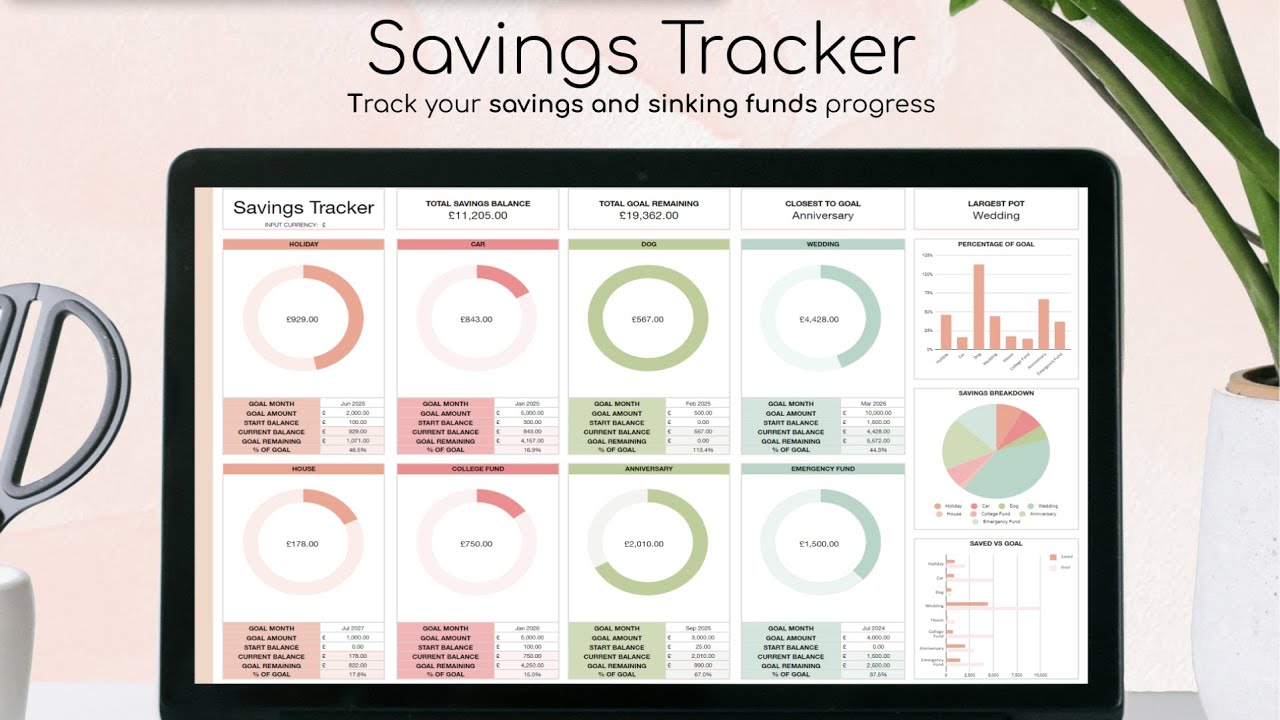
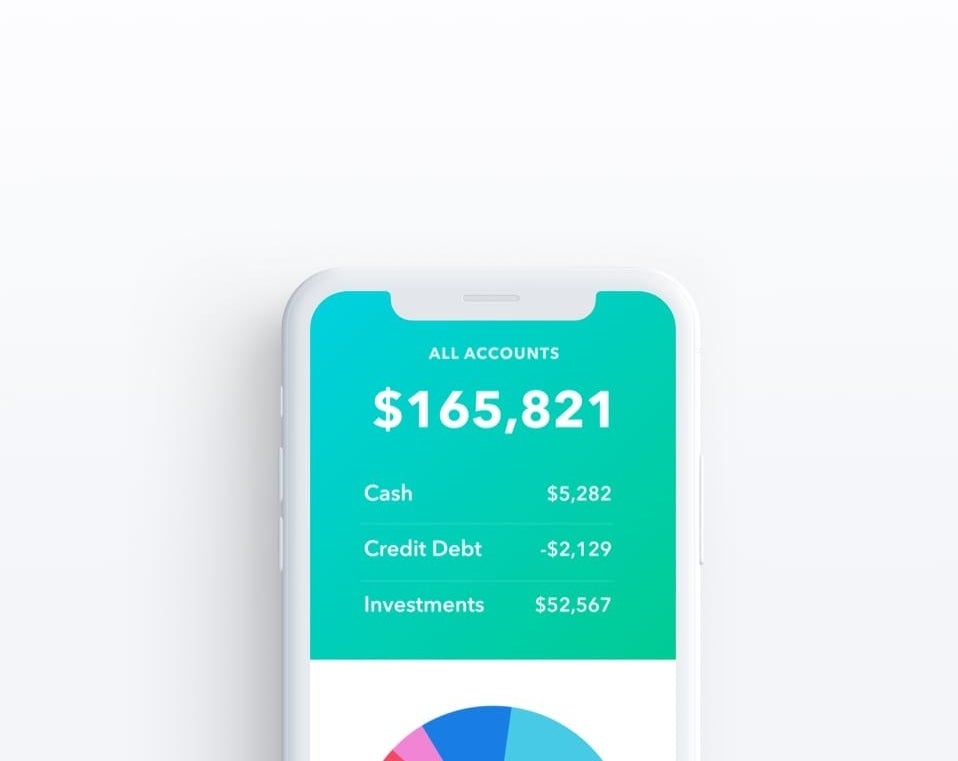
Additionally, visual progress tracking, such as graphs and charts, can provide instant feedback on accomplishments. For example, a user might see a bar graph displaying their weekly progress toward fitness goals, which can inspire them to push harder. The satisfaction derived from seeing tangible evidence of one’s efforts can be a considerable motivator.
In summary, integrating a goal tracker app into personal development strategies is not just about achieving specific objectives; it’s about cultivating a mindset geared toward continuous improvement and self-awareness. Investing time in tracking one’s goals can lead to measurable growth and a more fulfilling life.
Features to Consider When Choosing a Goal Tracker App
When selecting a goal tracker app, it’s essential to identify features that enhance the user experience and provide functionality tailored to individual aspirations. A well-designed app not only helps in setting and managing goals but also enables users to stay motivated and track their progress effectively. By understanding the features that matter most, users can make informed choices that align best with their unique needs.
An effective goal tracker app should include functionalities that facilitate goal management, provide insights into progress, and maintain user engagement. This can significantly impact a user’s ability to achieve their objectives. Several popular goal tracker apps stand out in terms of their features and usability, making them worthy of comparison.
Essential Features for Goal Tracking
When choosing a goal tracker app, consider the following essential features that enhance its effectiveness:
- User-Friendly Interface: A clean, intuitive design is crucial for navigating the app without frustration. Users should be able to input goals and track their progress seamlessly.
- Progress Tracking and Analytics: The ability to visualize progress through graphs and stats helps users understand how far they’ve come and what they need to improve.
- Reminders and Notifications: Timely reminders can keep users accountable and encourage them to stay on track with their goals.
- Goal Customization: Options to set specific milestones and deadlines ensure that users can tailor their goals to their personal timelines and preferences.
- Community and Support: Some apps offer a community feature where users can share their goals and progress, finding support and motivation from others with similar aspirations.
Comparison of Popular Goal Tracker Apps
Three popular goal tracker apps that exemplify effective features include Strides, Todoist, and GoalsOnTrack. Each app presents unique functionalities that cater to different user preferences.
- Strides: This app is known for its robust tracking capabilities and customizable goal types. Users can set SMART goals, track habits, and view detailed reports on their progress.
- Todoist: While primarily a task manager, Todoist allows users to set goals within projects and offers reminders and priority levels, making it versatile for goal-oriented individuals.
- GoalsOnTrack: Focused on serious goal achievers, it provides extensive features like goal visualization, deadline tracking, and even a built-in time tracker to help users manage their time effectively.
Customization Options for Enhanced User Experience
Customization is key to a personalized experience in any goal tracker app. The ability for users to modify settings, layouts, and notifications can make a significant difference in how effectively they utilize the app. Here are ways customization can enhance user experience:
- Personalized Themes: Users often prefer to interact with apps that reflect their personality. Customizable themes can make the app more visually appealing and engaging.
- Custom Goal Categories: By allowing users to create their own categories (e.g., health, career, personal development), apps can help users organize their goals more intuitively.
- Flexible Progress Tracking: Options to choose different methods of progress tracking, such as percentage completion or days left until a deadline, can cater to varied user preferences.
- Adjustable Notifications: Users can set their preferred frequency and type of reminders, ensuring they receive motivation without feeling overwhelmed.
Methods for Setting Achievable Goals Using a Goal Tracker App
Setting achievable goals is crucial for personal and professional development. A goal tracker app can streamline this process by providing tools and features that help users define, monitor, and accomplish their objectives effectively. By utilizing the SMART criteria, you can ensure your goals are clear and attainable, setting yourself up for success.
The SMART framework is a widely recognized method for setting effective goals. It encompasses five key elements: Specific, Measurable, Achievable, Relevant, and Time-bound. When using a goal tracker app, integrating these criteria into your goal-setting process enhances clarity and focus.
Setting SMART Goals in the App
Creating SMART goals within a goal tracker app begins with specificity. Each goal should be clear and unambiguous. For instance, instead of stating “I want to get fit,” specify “I want to run 5 kilometers without stopping.”
To effectively set these goals, follow these steps:
- Define Your Goals: Clearly articulate what you want to achieve. Use the app to write down your goals, ensuring they adhere to the SMART criteria.
- Input Goals into the App: Utilize the app’s input fields to categorize your goals as specific, measurable, and relevant. This may involve selecting options or entering data that aligns with your objectives.
- Set a Timeline: Assign a completion date for each goal to ensure they are time-bound. Use the app’s calendar feature to visualize your deadlines.
Organizing Goals Efficiently
In a goal tracker app, organizing your goals efficiently can significantly impact your progress. Proper organization allows you to focus on what’s important and avoid feeling overwhelmed. Here’s how to organize your goals effectively:
Firstly, categorize your goals based on importance or areas of life, such as health, career, or personal development. This helps in visualizing which areas require more attention.
Next, use the app’s tagging or folder features to group related goals. For example, all fitness-related goals can be tagged under “Health,” making it easier to access and track them.
Additionally, prioritize your goals by assessing their urgency and impact. Mark high-priority goals to ensure they receive the attention they deserve.
Breaking Down Larger Goals into Manageable Tasks
Larger goals can often feel daunting. The goal tracker app can help break these goals into smaller, actionable tasks that make progress more achievable. This method increases motivation and provides a sense of accomplishment as you complete each task.
To break down a larger goal, consider the following steps:
- Identify Major Milestones: Divide your larger goal into significant milestones, which represent key checkpoints along the way.
- Create Actionable Steps: For each milestone, Artikel smaller tasks that are required to achieve it. For instance, if the larger goal is to complete a marathon, smaller tasks may include running shorter distances and building endurance.
- Input Tasks into the App: Use the task feature in the app to list these smaller steps. This ensures that each task is tracked and can be individually monitored for progress.
- Set Deadlines for Each Task: Assign deadlines for these smaller tasks to maintain momentum and keep you accountable.
“Breaking down goals into manageable tasks transforms overwhelming aspirations into achievable actions.”
Utilizing the features of a goal tracker app effectively allows you to structure your goals in a way that promotes success and encourages continuous progress.
The Role of Reminders and Notifications in Maintaining Progress
In the journey of achieving personal goals, the right nudge at the right time can make all the difference. Reminders and notifications serve as essential tools in a goal tracker app, helping users remain focused and accountable. By integrating timely prompts into their routine, users can boost their motivation, prevent procrastination, and keep their aspirations at the forefront of their daily lives.
Effective reminders come in various forms, tailored to the frequency and intensity that best support a user’s unique goals. Research indicates that different types of reminders—daily, weekly, and monthly—each serve distinct purposes in reinforcing habits and tracking progress. Daily reminders can act as immediate motivators, prompting users to complete small tasks that contribute to larger objectives. Weekly reminders, on the other hand, serve to reflect on accomplishments and prepare users for the week ahead. Monthly reminders can provide a broader perspective, encouraging users to assess their overall progress and realign their strategies as necessary.
Types of Reminders and Their Effectiveness
In designing a reminder strategy within a goal tracker app, it’s crucial to consider the varying frequencies of notifications and their specific impacts on user engagement. Here’s how different types of reminders can be effectively utilized:
- Daily Reminders: These notifications are typically short and straightforward, focusing on immediate tasks or milestones. For example, a daily reminder could prompt a user to exercise for 30 minutes or write a page in their journal. The goal is to instill consistency in daily habits.
- Weekly Reminders: These can be slightly more detailed, encouraging users to review their progress and set targets for the upcoming week. A notification could suggest, “Reflect on your past week and plan three goals for the next one.” This facilitates a sense of accountability and planning.
- Monthly Reminders: These reminders are designed to encourage broader reflections on progress. A monthly notification could prompt users to assess their overall achievements, such as, “How close are you to your yearly goals?” This helps in maintaining long-term perspective and motivation.
Striking a balance in the frequency and tone of reminders is essential to avoid overwhelming users. Too many notifications can lead to annoyance and disengagement, while too few may result in a lack of motivation. Finding the sweet spot is key; this could involve allowing users to customize the frequency of their reminders based on their preferences and the type of goals they are pursuing.
“The goal is to create a reminder system that empowers users without burdening them.”
By offering flexibility in notification settings, users can manage their engagement level effectively. For instance, a user focusing on a significant project may opt for more frequent reminders, while someone working on personal growth might prefer a gentler approach. This customization ensures that reminders remain a source of encouragement rather than a source of stress, ultimately enhancing the user’s journey toward achieving their goals.
Integrating a Goal Tracker App with Other Productivity Tools
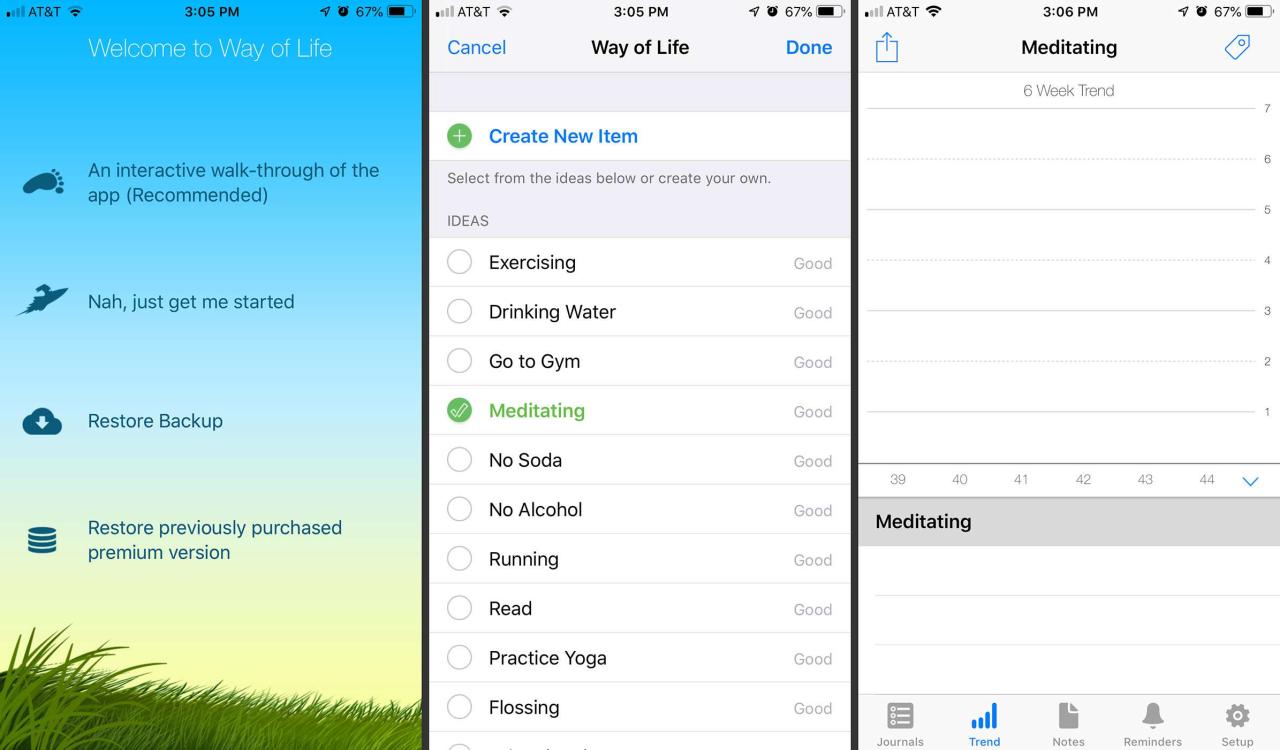
Integrating a goal tracker app with other productivity tools can significantly streamline your workflow, making it easier to keep track of your progress and stay focused on your objectives. This seamless integration facilitates better time management, enhances accountability, and ultimately leads to a higher rate of goal completion. By syncing your goal tracker with calendars, task managers, and fitness apps, you can create a comprehensive system that keeps all your commitments organized and accessible.
Methods for Syncing with Calendars and Task Managers
Several methods exist for syncing a goal tracker app with popular productivity tools. Many goal tracker apps offer built-in integrations with well-known platforms such as Google Calendar, Microsoft Outlook, and task management tools like Todoist and Trello. These integrations allow users to automatically pull tasks and deadlines from these platforms into their goal tracker, thus providing a holistic view of their responsibilities.
For example, if you set a deadline for a specific goal in your goal tracker, it can automatically create a corresponding event in your calendar. When integrated with a task manager, completed tasks can reflect in your goal tracker, ensuring that you stay updated on your progress.
Examples of Enhancing Productivity Through Integration
Integrating your goal tracker with other productivity tools can lead to enhanced productivity. For instance, consider a user who links their goal tracker to a fitness app like MyFitnessPal. By doing so, they can seamlessly track fitness-related goals—like losing weight or improving endurance—while also accessing their daily caloric intake and workout data. This integration allows for real-time adjustments to their goals based on their performance, fostering a more adaptive approach to achieving fitness objectives.
“Harnessing the power of an integrated ecosystem of productivity tools allows individuals to manage goals more effectively and efficiently.”
Benefits of Using an Ecosystem of Productivity Tools
Utilizing a combination of productivity tools offers numerous advantages for comprehensive goal management. When synced properly, these tools create a cohesive environment that enhances focus and reduces the cognitive load of switching between applications. Below are key benefits that arise from this integration:
- Increased Visibility: By having all your goals, tasks, and deadlines in one accessible platform, you gain a clearer perspective on your commitments.
- Improved Accountability: Integration allows for better tracking of progress, holding you accountable for both daily and long-term goals.
- Time Efficiency: Minimizing the time spent switching between apps means you can allocate more time to achieving your goals.
- Data-Driven Decisions: Access to integrated analytics enables users to assess their performance and make informed adjustments to their strategies.
- Enhanced Motivation: Visualizing progress through different platforms can boost motivation, as users can see their growth and accomplishments.
Analyzing Progress and Making Adjustments with a Goal Tracker App
Regularly reviewing your progress is crucial in maximizing the effectiveness of a goal tracker app. By continually assessing where you stand in relation to your goals, you can identify areas of improvement, celebrate achievements, and recalibrate your strategies. This proactive approach ensures that you stay on track and remain motivated throughout your journey.
Utilizing the analytics and reporting tools provided by the app can significantly enhance the evaluation of your goal success. These features analyze your performance data to give you a clearer picture of your progress. The insights gained from these analyses allow you to make informed decisions regarding your goals.
Utilizing Analytics and Reporting Tools
Analytics tools within a goal tracker app offer various functionalities that help you visualize your progress. These tools often include graphs, charts, and statistical reports that present your data in an easily digestible format. Here’s why leveraging these features is beneficial:
– Visual Representation: Graphs and charts provide a quick snapshot of your progress over time, making it easy to spot trends and patterns.
– Goal Completion Rates: The app may display the percentage of your goals that have been met, helping you gauge your overall effectiveness.
– Time Tracking: Understanding how much time you allocate towards each goal can identify where you need to focus more effort.
– Milestones Achieved: The app may highlight significant milestones you’ve hit, encouraging you to maintain momentum.
The insights gathered from these analytics help you adjust your approach, ensuring you’re always aligned with your objectives.
Making Informed Adjustments to Goals
Reflecting on your progress is essential for making necessary adjustments to your goals. Regular assessments can reveal whether your objectives are realistic, achievable, or need to be modified. Here are key considerations when adjusting your goals based on progress tracking:
– Re-evaluating Objectives: If you consistently find yourself falling short, it may be time to break your goals into smaller, more manageable tasks.
– Modifying Timelines: If the original timeline proves to be unrealistic, extending deadlines can alleviate stress and pave the way for sustained progress.
– Shifting Priorities: Life circumstances can change, and so can your goals. Reassessing your priorities ensures that your focus aligns with your current situation.
– Identifying Support Needs: If analytics indicate struggles in certain areas, consider seeking additional resources or support to help you meet your goals.
Regular reflections on your progress not only enhance your growth but also empower you to adapt your strategies as needed.
The Social Aspect of Goal Tracking through Apps
In today’s interconnected world, the social dimension of goal tracking apps plays a vital role in enhancing motivation and accountability. These apps not only help individuals set and track personal goals but also foster a sense of community that can significantly boost commitment and performance. By engaging with others who share similar aspirations, users can experience increased encouragement and feedback, which are crucial for achieving their objectives.
Collaboration with friends or like-minded individuals can transform the goal-setting journey into an enjoyable and fulfilling experience. Many goal tracker apps offer community features that allow users to connect, share progress, and celebrate achievements together. Such interactions can lead to greater success through shared insights and mutual support.
Community Features and Their Benefits
Community features within goal tracker apps contribute to a collaborative environment where users can thrive. By connecting with others, users can access invaluable resources and motivation. Here are some key benefits of these community features:
- Increased Accountability: Sharing goals with friends or peers creates a sense of responsibility to follow through, which can lead to better results.
- Motivation Boost: Observing others’ progress can inspire individuals to push themselves further, driving a positive competitive spirit.
- Sharing Knowledge: Collaborating with others allows users to exchange tips and strategies, enhancing their overall approach to goal achievement.
- Emotional Support: Goals can be challenging, and having a support network to share struggles and successes with fosters resilience.
- Celebrating Achievements: The thrill of celebrating milestones together enhances the overall experience and keeps motivation high.
“Connecting with others amplifies the joy of achieving goals, making the journey as important as the destination.”
Social media also plays a pivotal role in goal tracking, where sharing goals and achievements can have lasting impacts on motivation and community engagement. By posting updates, users not only celebrate their progress but also inspire their followers to pursue their own ambitions.
Impact of Social Media on Goal Tracking
Sharing goals and achievements on social media platforms extends the reach of motivation beyond the app’s built-in community. The benefits of this practice include:
- Broader Support Network: Friends and family outside the app can offer encouragement and feedback, enriching the support system.
- Increased Visibility: When goals are shared publicly, users feel a heightened commitment to achieve them, knowing that others are watching.
- Inspiration for Others: By publicly sharing successes, individuals can motivate others, creating a ripple effect of positive behaviors.
- Networking Opportunities: Engaging with a wider audience opens up connections with like-minded individuals who may provide opportunities for collaboration.
“The act of sharing not only solidifies one’s commitment but also cultivates a vibrant community of achievers.”
Through these social aspects, goal tracker apps become more than just tools; they evolve into platforms that foster camaraderie and collective progress. By leveraging community features and social media, users can significantly enhance their journey toward achieving their goals.
Overcoming Challenges When Using a Goal Tracker App
Using a goal tracker app can be a game-changer for managing personal and professional objectives, but obstacles can arise that may hinder progress. Understanding these challenges and developing practical solutions is vital for maximizing the app’s effectiveness. Regularly engaging with the app is crucial, but users often find themselves facing issues that disrupt their consistency and motivation.
Common Obstacles and Solutions
Several common obstacles users encounter when utilizing goal tracker apps include losing motivation, becoming overwhelmed by tasks, and experiencing technical difficulties. To navigate these challenges successfully, consider the following solutions:
- Loss of Motivation: This can often stem from not seeing immediate results. To combat this, break larger goals into smaller, more manageable tasks. Celebrate small victories to maintain enthusiasm.
- Feeling Overwhelmed: A long to-do list can be daunting. Limit daily goals to three to five key tasks, prioritizing them based on urgency and importance. This approach can help reduce stress and increase focus.
- Technical Issues: Sometimes, users face app glitches or syncing problems. Regularly updating the app and ensuring a stable internet connection can minimize these frustrations. Having a backup method, like a physical journal, can also provide continuity.
Strategies for Overcoming Procrastination and Maintaining Consistency
Procrastination can be a significant barrier to achieving goals. To counteract this tendency, implement strategies such as setting specific deadlines, establishing accountability through sharing goals with friends or family, and utilizing reminders within the app.
Creating a routine around goal tracking can also help maintain consistency. For instance, allocate specific times each day or week to review progress, adjust goals if necessary, and set new tasks. This consistency fosters a habit and increases the likelihood of success.
Importance of Flexibility in Goal Setting
Remaining flexible with goals is essential, particularly in the face of life changes such as new job responsibilities, personal circumstances, or unexpected events. Adapting goals ensures they remain relevant and achievable. Change can bring about new priorities, and adjusting goals accordingly can prevent frustration and promote a sense of accomplishment.
Consider the following points on the importance of flexibility:
- Realistic Goal Adjustment: Goals should evolve as circumstances change. If, for example, a user takes on additional work responsibilities, reducing the number of weekly workout sessions might be necessary.
- Reflecting on Progress: Regularly assessing what is working and what isn’t allows for meaningful adjustments. A goal that seemed attainable at one point may no longer be relevant or realistic.
- Embracing Life Changes: Life is unpredictable, and the ability to pivot demonstrates resilience. This adaptability can lead to personal growth and a deeper understanding of one’s priorities.
This flexibility not only facilitates progress but also enhances self-awareness and ensures a more fulfilling goal-tracking experience.
Outcome Summary
In conclusion, utilizing a Goal tracker app is a powerful strategy for anyone looking to enhance their personal development journey. By offering features that promote accountability, motivation, and organization, these apps empower users to visualize their progress and make informed adjustments along the way. Embracing these digital tools can lead to a fulfilling and successful pursuit of goals, making the journey as valuable as the destination.
Questions Often Asked
What is a goal tracker app?
A goal tracker app is a digital tool designed to help individuals set, monitor, and achieve their personal and professional goals.
Are goal tracker apps free?
Many goal tracker apps offer free versions with basic features, while some may require a subscription for premium functionalities.
How do I stay motivated with a goal tracker app?
Setting reminders, tracking progress, and participating in community features can enhance motivation while using a goal tracker app.
Can I use a goal tracker app for team goals?
Yes, many goal tracker apps have collaborative features that allow teams to set and track shared goals together.
What platforms are goal tracker apps available on?
Goal tracker apps are typically available on mobile devices (iOS and Android) and often have web versions for desktop use.