Daily prenatal vitamin consumption is vital for ensuring both maternal and fetal health during pregnancy. These specialized supplements are designed to provide crucial nutrients that support the development of the baby and the well-being of the mother. With the right balance of vitamins and minerals, pregnant individuals can help mitigate potential health risks and promote healthy growth and development.
Among the essential nutrients found in daily prenatal vitamins are folic acid, iron, calcium, and DHA. Each of these plays a significant role in various aspects of fetal development, such as supporting brain health, building strong bones, and preventing neural tube defects. As pregnancy progresses, the body’s nutritional needs increase, making it essential to understand the importance of these vitamins and the potential impacts of neglecting them.
Understanding the Importance of Daily Prenatal Vitamins
Daily prenatal vitamins play a crucial role in the health of both expectant mothers and their developing babies. These supplements are specially formulated to provide essential nutrients that support fetal growth and development during pregnancy. While a balanced diet is important, it can be challenging for pregnant women to meet their nutritional needs solely through food due to various factors, including morning sickness, dietary restrictions, and increased nutritional demands. Therefore, daily prenatal vitamins serve as an essential safeguard to ensure that mothers receive the adequate amounts of vital nutrients.
The significance of daily prenatal vitamins lies primarily in their ability to supply key vitamins and minerals that are vital for fetal development. Nutrients such as folic acid, iron, calcium, and DHA are among the most important components found in these vitamins. Folic acid, for instance, is crucial in preventing neural tube defects, which can affect the brain and spinal cord of the developing baby. Iron is essential for the production of hemoglobin, which carries oxygen to both the mother and the fetus, while calcium is necessary for the development of the baby’s bones and teeth. DHA, an omega-3 fatty acid, supports brain and eye development.
The potential consequences of not taking prenatal vitamins regularly can be severe. Insufficient intake of folic acid can lead to serious birth defects, such as spina bifida, which can result in lifelong disabilities. A lack of iron can contribute to anemia in the mother, leading to fatigue and other health issues, while low calcium levels can increase the risk of gestational hypertension and preeclampsia. Additionally, poor nutritional status can affect the baby’s growth and development, resulting in low birth weight and other complications. Therefore, adhering to a daily prenatal vitamin regimen is not just a recommendation but a vital practice for the overall health of both the mother and her child.
Essential Nutrients in Prenatal Vitamins
The following are essential nutrients found in daily prenatal vitamins, along with their specific roles in fetal development:
- Folic Acid: Essential for DNA synthesis and crucial for preventing neural tube defects.
- Iron: Supports oxygen transport and helps prevent maternal anemia.
- Calcium: Important for the formation of bones and teeth, and helps maintain maternal bone density.
- DHA: Supports brain and eye development.
- Vitamin D: Works with calcium to build bones and teeth while supporting immune function.
- Iodine: Crucial for thyroid function and proper brain development.
These nutrients are integral to a pregnancy that progresses healthily, minimizing risks associated with nutrient deficiencies and ensuring both the mother and baby thrive.
Key Nutrients in Daily Prenatal Vitamins
Prenatal vitamins are specially formulated to support the health of both the mother and the developing fetus. These vitamins contain essential nutrients that play a crucial role in pregnancy. Understanding these key nutrients can help expectant mothers make informed decisions about their dietary supplements and overall nutrition.
Among the many nutrients found in prenatal vitamins, certain ones are particularly critical for ensuring the health of both the mother and the baby. These nutrients help in the development of the fetus, support the mother’s health, and contribute to a successful pregnancy. Here’s a closer look at four of the key nutrients commonly included in prenatal vitamins.
Essential Nutrients in Prenatal Vitamins
Folic acid, iron, calcium, and DHA are four essential nutrients that are vital during pregnancy. Each of these nutrients has specific functions that benefit both maternal and fetal health.
Folic acid is crucial for DNA synthesis and cell division, making it essential for fetal growth and development.
- Folic Acid: This B-vitamin is vital for preventing neural tube defects in the developing baby. Natural sources include leafy greens, beans, and fortified cereals.
- Iron: Iron supports increased blood volume and is crucial for oxygen transport to both mother and fetus. Good dietary sources are lean meats, spinach, and legumes.
- Calcium: Essential for building the baby’s bones and teeth, calcium also helps protect the mother’s bone density. Dairy products, fortified plant-based milks, and almonds are excellent sources of calcium.
- DHA (Docosahexaenoic Acid): This omega-3 fatty acid supports brain and eye development in the fetus. It can be found in fatty fish like salmon, flaxseeds, and walnuts.
Each of these nutrients plays a pivotal role in promoting maternal health and ensuring optimal fetal development. Folic acid helps prevent serious birth defects, while iron is essential for maintaining energy levels in the mother. Calcium contributes to the structural integrity of bones, and DHA aids in the development of the fetal nervous system. By incorporating these nutrients into their diets, expectant mothers can significantly enhance both their health and that of their growing baby.
Recommended Dosages and Timing for Prenatal Vitamins
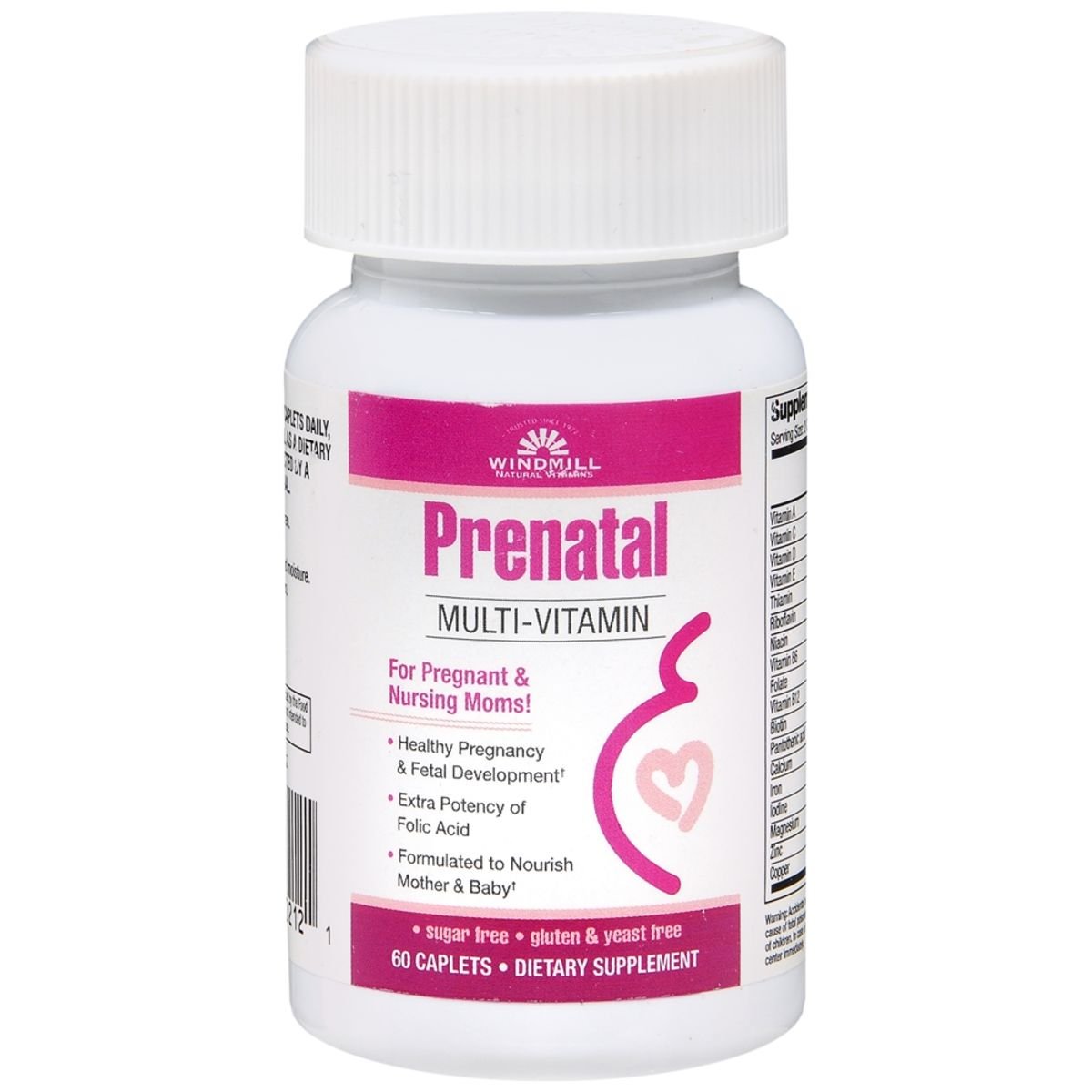
Prenatal vitamins play a crucial role in supporting the health of both the mother and the developing fetus. Understanding the recommended dosages of essential nutrients and the optimal timing for consumption can significantly enhance their efficacy. This ensures that the body absorbs these nutrients effectively, contributing to a healthy pregnancy.
It’s important for pregnant women to be aware of the specific dosages of essential nutrients found in prenatal vitamins. The following are the recommended daily dosages for key nutrients:
Essential Nutrients and Their Recommended Dosages
The following table illustrates the essential nutrients commonly found in prenatal vitamins along with their recommended daily dosages:
| Nutrient | Recommended Daily Dosage |
|---|---|
| Folic Acid | 600 mcg |
| Iron | 27 mg |
| Calcium | 1000 mg |
| Vitamin D | 600 IU |
| DHA (Omega-3 Fatty Acids) | 200-300 mg |
| Iodine | 220 mcg |
| Vitamin B6 | 1.9 mg |
| Vitamin C | 85 mg |
Timing is also critical when it comes to taking prenatal vitamins. For optimal absorption, it is generally recommended to take them at the same time each day, ideally with a meal. This enhances nutrient absorption and minimizes the chances of gastrointestinal discomfort.
The best times to take prenatal vitamins are during breakfast or lunch. Consuming them with food helps to reduce any possible nausea that may be experienced, particularly during the first trimester. For instance, pairing the vitamin intake with a balanced meal that includes proteins, healthy fats, and carbohydrates can maximize nutrient absorption.
For women with dietary restrictions, such as vegetarians or vegans, or those with health conditions like anemia, adjustments may be necessary. For example, individuals following a plant-based diet may need to seek out prenatal vitamins that contain iron derived from plant sources or fortified with B12. It’s also essential for any woman with pre-existing health conditions to consult a healthcare provider for tailored advice about the dosages and types of prenatal vitamins best suited to their needs.
“Consulting with a healthcare provider is crucial to determine the right prenatal vitamin based on individual health needs.”
Differences Between Regular and Prenatal Vitamins
Prenatal vitamins and regular multivitamins are tailored to support different health needs, particularly during pregnancy. Understanding the distinctions between these formulations is crucial for those who are pregnant or planning to conceive. Prenatal vitamins contain specific nutrients that cater to the developmental needs of a fetus and the health of the mother, which regular multivitamins do not necessarily provide.
Prenatal vitamins are usually formulated with higher levels of certain vitamins and minerals that are vital during pregnancy. These include folic acid, iron, calcium, and DHA. In contrast, regular multivitamins typically contain lower levels of these nutrients, as they are designed for the general population and not specifically for pregnant individuals.
Nutritional Components
The nutritional content of prenatal vitamins is meticulously designed to address the unique requirements during pregnancy. The following are key components that differentiate prenatal vitamins from regular multivitamins:
- Folic Acid: Prenatal vitamins typically contain 400 to 800 micrograms of folic acid, which is essential for fetal brain and spine development, significantly reducing the risk of neural tube defects.
- Iron: Increased iron levels (typically 27 mg in prenatal vitamins) support the mother’s increased blood volume and prevent anemia, a common condition in pregnant women.
- Calcium: Prenatal vitamins often include higher calcium content (around 200 mg or more) for fetal bone development, which helps maintain the mother’s bone health as well.
- DHA: Some prenatal vitamins provide DHA, an omega-3 fatty acid that supports brain development in the fetus.
- Vitamin D: Essential for calcium absorption, prenatal vitamins often contain higher doses of vitamin D to support the immune system and bone health in both mother and baby.
The distinction in these components is vital, as they address specific physiological changes and nutritional needs that arise during pregnancy. Regular multivitamins might provide a general coverage of essential nutrients, but they do not account for the increased demands placed on a woman’s body during this crucial time.
“Prenatal vitamins are specially formulated to support the health of both the mother and the developing fetus, ensuring that essential nutrients are available during pregnancy.”
In conclusion, while both prenatal and regular multivitamins serve to supplement dietary intake, prenatal vitamins are distinctly formulated to meet the heightened nutritional requirements of pregnancy, thereby playing a critical role in the health of both the mother and the developing child.
Addressing Concerns About Prenatal Vitamins
Prenatal vitamins play a crucial role in supporting the health of both the mother and developing baby during pregnancy. However, there are several common concerns and misconceptions about their use that can cause confusion and hesitation among expectant mothers. It’s important to address these issues with evidence-based information that highlights the benefits while also considering potential side effects.
Common Misconceptions About Prenatal Vitamins
Many individuals mistakenly believe that prenatal vitamins are only necessary if a woman is not maintaining a healthy diet. However, this is not the case. Prenatal vitamins are formulated to provide essential nutrients that may not be sufficiently consumed through food alone, especially during pregnancy when nutritional needs increase.
Additionally, some may worry that taking these vitamins can lead to excessive nutrient intake. It’s crucial to understand that prenatal vitamins are designed to meet the specific requirements of pregnant women, and taking them as directed is generally safe.
Another common misconception is that all prenatal vitamins are the same. In reality, the composition of prenatal vitamins can vary significantly. It’s advisable to choose a high-quality prenatal vitamin that includes key nutrients such as folic acid, iron, calcium, and DHA.
“Prenatal vitamins specifically support the health of the mother and the developing fetus, addressing increased nutritional demands.”
Potential Side Effects and Management Strategies
While many women tolerate prenatal vitamins well, some may experience side effects. Common issues include nausea, constipation, and an upset stomach. Addressing these side effects often involves simple adjustments to the routine of taking the vitamins. Here are some strategies to manage these effects:
- Taking the vitamin with food can help reduce nausea and improve absorption.
- Choosing a prenatal vitamin with lower iron content may alleviate constipation symptoms for those sensitive to iron supplements.
- Staying hydrated and increasing fiber intake can assist in managing constipation.
- Splitting the dose into smaller amounts taken throughout the day can help minimize gastrointestinal discomfort.
It’s important to note that not all women will experience side effects, and if any concerns arise, consulting with a healthcare provider is recommended. They can provide personalized advice based on individual health needs and dietary considerations.
“Consulting with a healthcare provider ensures appropriate management of side effects and optimal health during pregnancy.”
Natural Sources of Prenatal Nutrients
A balanced diet is essential for pregnant individuals, as it not only supports the growing baby but also complements the effects of daily prenatal vitamins. Including natural food sources that are rich in the same nutrients found in prenatal vitamins can help ensure that both mother and baby receive the necessary vitamins and minerals for optimal health.
Incorporating a variety of nutrient-dense foods into daily meals can enhance overall nutritional intake. The following nutrients are often found in prenatal vitamins and their natural sources are plentiful in whole foods.
Nutrient-Rich Foods for Prenatal Health
Eating a diverse range of foods can help pregnant individuals meet their nutritional needs. Here are some key vitamins and minerals typically found in prenatal vitamins, along with their natural food sources:
- Folic Acid: Leafy greens like spinach and kale, legumes such as lentils and chickpeas, and fortified cereals are excellent sources.
- Iron: Red meat, poultry, fish, beans, tofu, and dark chocolate provide ample iron to support increased blood volume during pregnancy.
- Calcium: Dairy products like milk, yogurt, cheese, along with fortified plant-based milks and green vegetables such as broccoli, are rich in calcium.
- Omega-3 Fatty Acids: Fatty fish like salmon, walnuts, chia seeds, and flaxseeds are fantastic sources that support fetal brain development.
- Vitamin D: Fatty fish, egg yolks, and fortified foods like cereals and orange juice can help maintain adequate vitamin D levels.
- Vitamin C: Citrus fruits, bell peppers, strawberries, and kiwi are all great choices for boosting vitamin C intake, which enhances iron absorption.
Incorporating these foods into daily meals can be simple and delicious. Below are some meal ideas to help pregnant individuals consume these vital nutrients:
- Breakfast: A smoothie with spinach, banana, Greek yogurt, and chia seeds offers protein, calcium, and folic acid.
- Lunch: A quinoa salad mixed with chickpeas, diced cucumbers, cherry tomatoes, and a lemon-tahini dressing provides a healthy dose of iron and vitamin C.
- Dinner: Grilled salmon served with steamed broccoli and a side of sweet potato is packed with omega-3s, calcium, and vitamin A.
- Snacks: Options like carrot sticks with hummus or a handful of almonds can help maintain energy levels while providing essential nutrients.
Balancing natural food sources with prenatal vitamins creates a foundation for a healthy pregnancy, ensuring both mother and baby thrive.
The Role of Healthcare Providers in Prenatal Vitamin Use
Consulting healthcare providers about prenatal vitamin use is an essential step for individuals planning to conceive and those already pregnant. Their expertise helps ensure that the chosen supplements meet the specific nutritional needs of both the mother and the developing fetus. Healthcare professionals can provide guidance on the appropriate types and dosages of vitamins and minerals required, considering individual health profiles and dietary restrictions.
Healthcare providers play a critical role in tailoring supplementation to individual health conditions. Each pregnant individual may have different health needs based on factors such as pre-existing medical conditions, dietary habits, and lifestyle choices. By evaluating these factors, healthcare professionals can recommend personalized vitamin regimens that promote optimal health outcomes.
Key Considerations for Prenatal Vitamin Consultation
When discussing prenatal vitamins with a healthcare provider, it is important to address several key considerations to ensure comprehensive care. Here are relevant points to discuss during the consultation:
- Assessment of current dietary habits and nutritional intake to identify potential deficiencies.
- Evaluation of any existing medical conditions, such as diabetes, hypertension, or anemia, that may influence vitamin needs.
- Discussion about lifestyle factors, including activity level and any substance use, such as smoking or alcohol consumption, that could affect nutritional requirements.
- Clarification of any previous prenatal vitamin usage and its impact on past pregnancies, if applicable.
- Inquiries regarding specific vitamin and mineral recommendations, such as folic acid, iron, calcium, and DHA, which are critical for fetal development.
“Personalized prenatal care ensures the health and well-being of both mother and child, adapting to unique health profiles.”
The Impact of Prenatal Vitamins on Postpartum Recovery
The postpartum period is a critical time for new mothers as they adjust to the demands of caring for a newborn while also prioritizing their own recovery. Continuing prenatal vitamins during this phase can significantly contribute to overall health and well-being, ensuring that mothers are well-equipped to handle the physical and emotional challenges of early motherhood.
Continuing the use of prenatal vitamins post-delivery provides essential nutrients that support recovery and breastfeeding. These vitamins, rich in folic acid, iron, calcium, and DHA, play a critical role in replenishing nutrients that may have been depleted during pregnancy and childbirth. Iron, for example, is vital for recovering from blood loss during delivery, while calcium supports the physical demands of breastfeeding.
Benefits of Prenatal Vitamins for Postpartum Mothers
The nutritional needs of postpartum mothers remain heightened, especially for those who are breastfeeding. Continuing with prenatal vitamins can aid in recovery and support the body’s needs during this crucial time. Here are several key benefits:
- Supports Breastfeeding: Prenatal vitamins can enhance milk production and quality, providing essential nutrients to both mother and baby.
- Reduces Fatigue: Iron-rich prenatal vitamins help combat postpartum fatigue by replenishing iron levels, which can become low after delivery.
- Improves Mood: Nutrients such as DHA are linked to improved mental health outcomes, helping mothers cope with postpartum blues.
- Boosts Immunity: Vitamins A and C support the immune system, helping mothers stay healthy as they care for their newborns.
The nutritional requirements do not cease with childbirth; they evolve. Mothers should remain aware of the following ongoing nutritional needs after childbirth:
- Protein: Essential for healing tissues and maintaining energy levels, adequate protein intake supports physical recovery.
- Omega-3 Fatty Acids: Important for brain health and development, particularly for breastfeeding mothers, as these fats are passed on to the baby through breast milk.
- Hydration: Staying well-hydrated is crucial for optimal milk production and overall recovery.
- Vitamins and Minerals: Continuing to supplement with folate, calcium, and magnesium helps prevent deficiencies that could impact recovery.
“Continuing prenatal vitamins post-delivery ensures that mothers receive the nutrients necessary for optimal recovery and can provide the best for their newborns.”
Conclusion
In summary, daily prenatal vitamins are not just a supplementary addition to a pregnant person’s diet; they are a fundamental component of prenatal care. By ensuring adequate intake of vital nutrients, these vitamins help foster a healthy pregnancy and support postpartum recovery as well. Consulting with healthcare providers to tailor vitamin use to individual needs can further enhance their effectiveness, making them an invaluable ally in the journey toward parenthood.
FAQ Guide
Why are prenatal vitamins important?
They provide essential nutrients that support fetal growth and prevent deficiencies in pregnant individuals.
Can I get enough nutrients from food alone?
While a balanced diet is crucial, prenatal vitamins help ensure you meet increased nutrient needs during pregnancy.
When should I start taking prenatal vitamins?
It’s recommended to begin before conception and continue through pregnancy and postpartum.
Are there side effects to taking prenatal vitamins?
Some may experience nausea or constipation, but these can often be managed by adjusting the dosage or timing.
Can I take regular multivitamins instead of prenatal vitamins?
No, prenatal vitamins are specifically formulated to meet the unique nutritional demands of pregnancy.