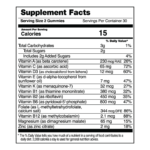
Daily postnatal vitamins play a crucial role in supporting new mothers during their recovery journey. With the demands of motherhood, ensuring proper nutrition can sometimes take a backseat, making these vitamins essential for replenishing vital nutrients. They not only assist in the recovery process but also contribute significantly to the health of breastfeeding mothers and their infants.
These supplements are designed to provide essential nutrients like folic acid, iron, and omega-3 fatty acids, which help in promoting healing, boosting energy levels, and supporting mental health. Understanding the importance of these vitamins can empower new mothers to prioritize their well-being, ultimately benefiting both them and their babies.
Understanding the Benefits of Daily Postnatal Vitamins
Daily postnatal vitamins are an essential component for new mothers navigating the postpartum period. The demands of recovery and caregiving can significantly deplete a mother’s nutritional reserves, making these vitamins vital for physical recovery and overall health. Beyond just replenishing lost nutrients, they provide a tailored blend designed specifically to support the unique needs of women after childbirth, ensuring both the mother and the infant receive optimal nourishment during this critical time.
Daily postnatal vitamins contain a variety of essential nutrients that play pivotal roles in the recovery process and overall well-being of new mothers. These nutrients include:
- Folic Acid: Crucial for cellular division and DNA synthesis, folic acid helps in preventing postpartum anemia and supports the health of the mother’s red blood cells.
- Iron: Vital for replenishing iron stores that may have been depleted during childbirth. Adequate iron levels help in maintaining energy levels and preventing fatigue.
- Calcium: Important for bone health, particularly as breastfeeding can deplete calcium levels. It supports the mother’s skeletal structure and ensures sufficient levels are available for the infant’s development.
- Vitamin D: Works alongside calcium to strengthen bones and support the immune system. It is also critical for the baby’s bone health and can enhance mood in postpartum mothers.
- Omega-3 Fatty Acids: Found in many postnatal vitamins, these are essential for brain health and development in infants. They also support mood stabilization in mothers, helping to reduce the risk of postpartum depression.
Postnatal vitamins not only aid in the mother’s recovery but also play an integral role in breastfeeding and infant health. During breastfeeding, a mother’s nutrient needs increase as she provides for her baby. By taking daily postnatal vitamins, mothers can ensure they are meeting their increased nutritional requirements, which in turn supports the quality of breast milk. The nutrients contained within these vitamins are passed to the infant through breast milk, promoting better growth and development. For instance, adequate levels of DHA (a type of Omega-3) in the mother’s diet can enhance the infant’s brain development and cognitive function.
In summary, daily postnatal vitamins serve as a crucial support system for new mothers, ensuring they recover efficiently while simultaneously nourishing their infants.
Comparing Different Types of Daily Postnatal Vitamins
Choosing the right postnatal vitamin is essential for new mothers looking to support their health and the development of their babies. With a variety of brands and formulations available, it’s important to understand the differences that set these products apart. This comparison will help illuminate key ingredients and considerations to take into account when selecting a postnatal vitamin tailored to individual dietary needs and lifestyles.
Brand and Formulation Comparisons
The market for postnatal vitamins boasts numerous brands, each offering unique formulations that cater to different health requirements. Analyzing these options can guide mothers in making informed choices about their supplementation. Here are a few notable brands and their distinctive features:
- Garden of Life Vitamin Code Raw Postnatal: This formulation emphasizes whole food ingredients and includes probiotics, which can aid digestion and immune health. It’s designed to be easily digestible and is suitable for vegetarian diets.
- New Chapter Perfect Postnatal: Known for its emphasis on organic ingredients, this brand incorporates whole foods and herbal blends. Its focus is on providing a comprehensive nutrient profile while being gentle on the stomach.
- Motherhood Nature Made Postnatal Multivitamin: This vitamin offers a well-rounded blend that includes essential fatty acids and iron, crucial for postpartum recovery. Its affordability makes it an appealing choice for many.
- Pink Stork Postnatal Multivitamin: Highlighting the inclusion of DHA sourced from algae, this option supports cognitive development in infants, making it a great choice for breastfeeding mothers.
Each brand brings its unique strengths to the table, and finding one that aligns with personal values—be it organic, vegan, or budget-friendly—is crucial.
Key Ingredients Differentiating Postnatal Vitamins
Ingredients play a significant role in the efficacy of postnatal vitamins. Different formulations include varied dosages and components, contributing to their unique benefits. Here are some vital ingredients often found in postnatal vitamins:
- Folic Acid: Essential for DNA synthesis and crucial during pregnancy and lactation to help reduce the risk of neural tube defects.
- Iron: Important for replenishing levels that may drop during pregnancy; it supports increased blood volume and aids in energy levels.
- DHA (Docosahexaenoic Acid): An omega-3 fatty acid important for brain and eye development in infants, often recommended for breastfeeding mothers.
- Calcium: Vital for bone health, especially as mothers may experience decreased bone density during lactation.
- Vitamin D: Supports calcium absorption and is key for overall immune function, which is important during the postpartum period.
These ingredients are not only vital to maternal health but also support the developing child. Therefore, it is essential to look at the ingredient list closely when selecting a postnatal vitamin.
Choosing Based on Dietary Needs and Lifestyle
When selecting a postnatal vitamin, personal dietary preferences and lifestyle choices must be taken into account. Here are considerations that can guide your decision:
- Dietary Restrictions: Those with allergies or specific diets (vegan, gluten-free) should select brands that cater to these needs, ensuring they receive adequate nutrition without adverse effects.
- Health Conditions: Consultation with healthcare providers can help identify specific needs, such as higher iron levels for those experiencing anemia.
- Breastfeeding vs. Formula Feeding: Some vitamins are tailored for mothers who breastfeed, providing essential fatty acids like DHA, which are important for nursing.
- Lifestyle Preferences: Busy mothers might prefer easy-to-swallow capsules or gummies that fit conveniently into their daily routines.
Understanding these factors can lead to a more personalized approach to postnatal wellness, ensuring that nutritional needs are met satisfactorily.
Timing and Dosage for Daily Postnatal Vitamins
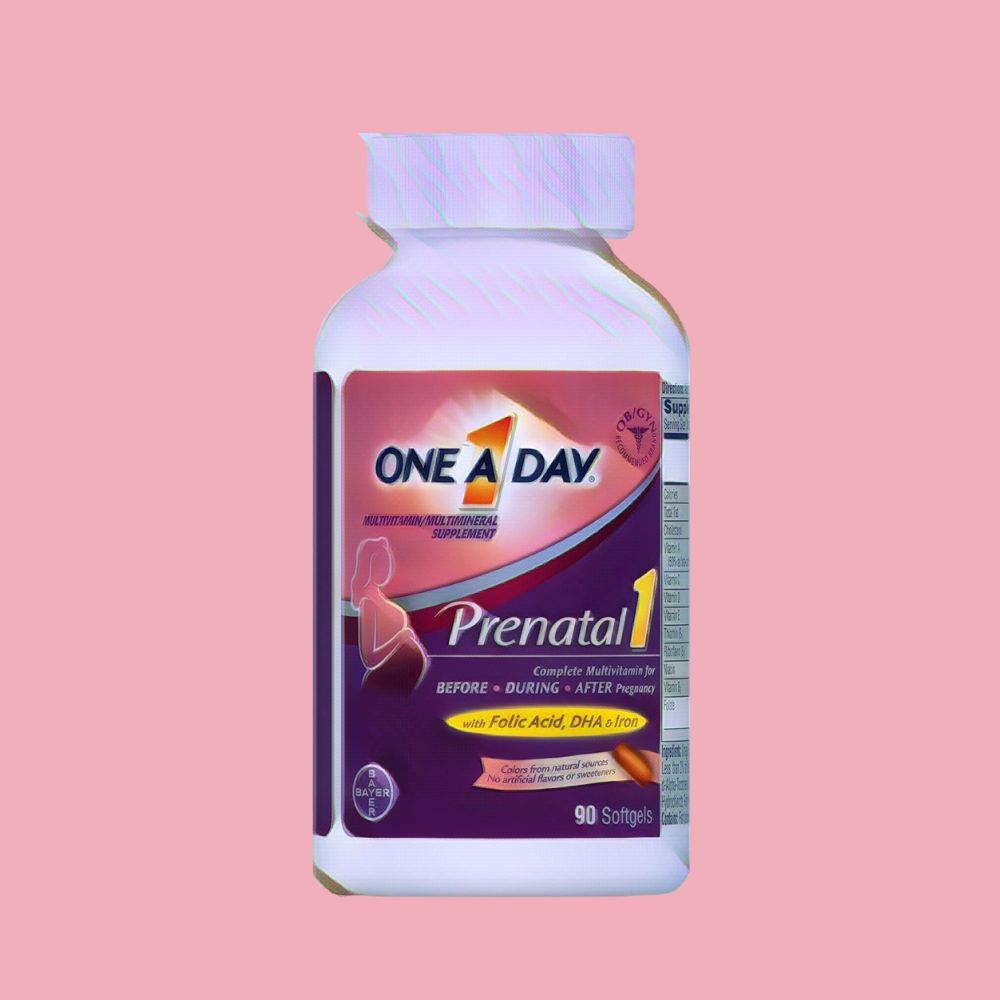
Proper timing and dosage of postnatal vitamins are crucial for new mothers to ensure they receive the full spectrum of nutrients needed for recovery and breastfeeding. Understanding when and how much to take can maximize the benefits of these vital supplements.
The recommended timing for taking postnatal vitamins can significantly influence their effectiveness. It is generally advised to take these vitamins with a meal to enhance absorption. This is particularly important for fat-soluble vitamins like A, D, E, and K, which require dietary fat for optimal absorption. Many mothers find that taking their vitamins in the morning with breakfast or during lunch works best, as it helps integrate this routine into their day-to-day schedules.
Daily Dosage Guidelines
Adhering to the recommended daily dosage of postnatal vitamins is essential for ensuring both the mother’s and baby’s health. Most health professionals recommend a daily intake of one to two capsules or tablets, depending on the specific formulation and nutritional needs.
– Standard Dosage: The typical dosage includes:
– Iron: 27 mg
– Calcium: 1000 mg
– Vitamin D: 600 IU
– Folic Acid: 600 mcg
– Omega-3 Fatty Acids: 200-300 mg (DHA)
Exceeding these recommendations can lead to adverse effects. For instance, too much iron can cause gastrointestinal issues such as constipation and nausea, while excessive vitamin A may pose risks to the baby if breastfeeding. Conversely, not meeting the recommended dosage can result in nutrient deficiencies, potentially affecting recovery and milk quality.
Incorporating postnatal vitamins into a busy schedule can be a challenge for new mothers. To streamline this process, consider these practical tips:
– Set a Reminder: Use smartphone alarms or calendar notifications to remind you to take your vitamins.
– Keep it Visible: Store vitamins in a prominent place, such as next to your coffee maker or on the dining table, to serve as a visual cue.
– Pair with Daily Routines: Link taking your vitamins with another daily habit, like brushing your teeth or having breakfast.
– Prepare in Advance: Organize a week’s worth of vitamins in a pill organizer, making it easy to grab and go.
By understanding the timing and adhering to the dosage guidelines, new mothers can better support their health and that of their growing babies.
Common Myths about Daily Postnatal Vitamins
Postnatal vitamins play a crucial role in supporting the health of new mothers and their babies. However, a number of myths surround their use that can lead to confusion and potentially poor health decisions. Understanding the truth behind these misconceptions is essential for making informed choices during the postnatal period.
The misinformation regarding postnatal vitamins often stems from anecdotal experiences or generalized statements that lack scientific backing. It’s important to differentiate between myth and fact. This not only helps in clarifying the actual benefits of these vitamins but also empowers new mothers to prioritize their health effectively. Here, we take a closer look at some of the prevalent myths along with the evidence that debunks them.
Myth: Postnatal Vitamins Are Just Marketing Gimmicks
Many believe that postnatal vitamins are merely a marketing strategy to sell more supplements. However, these vitamins are formulated based on specific nutritional needs that arise after childbirth.
“Postnatal vitamins contain essential nutrients like folic acid, iron, and DHA that are critical for recovery and breastfeeding.”
Research indicates that new mothers often have increased nutritional demands. For instance, iron levels can drop significantly due to blood loss during delivery, making supplementation crucial to avoid anemia. Additionally, DHA supports brain development in infants, highlighting the necessity of these vitamins beyond mere marketing.
Myth: All Prenatal Vitamins Are the Same as Postnatal Vitamins
Another common misconception is that prenatal vitamins can be taken after childbirth without any issue. While they share some similarities, postnatal vitamins are specifically designed to meet the nutritional requirements of a recovering body and support breastfeeding.
“Postnatal vitamins provide higher amounts of certain nutrients like calcium and vitamin D, which are vital for lactating mothers.”
Prenatal vitamins typically focus on supporting fetal development, while postnatal formulations address postpartum recovery. For instance, calcium and vitamin D are crucial for maintaining bone health in mothers who are nursing, which is not as emphasized in prenatal vitamins.
Myth: Taking More Vitamins Means Better Health
Some new mothers may think that consuming higher doses of postnatal vitamins will lead to better health outcomes. This belief can be misleading and may even be harmful.
Excessive intake of certain vitamins and minerals can lead to toxicity. For example, fat-soluble vitamins like A, D, E, and K can accumulate in the body, leading to adverse effects. It is essential to adhere to recommended dosages as prescribed by healthcare professionals to ensure optimal health without risks.
Myth: Natural Foods Are Enough, Supplements Aren’t Necessary
While a balanced diet is fundamental, many new mothers find it challenging to consume the necessary nutrients from food alone, especially in the weeks following childbirth when fatigue and time constraints can hinder proper eating habits.
A study published in the Journal of Nutrition reveals that many women do not meet their daily requirements for key nutrients like iron and calcium through diet alone, emphasizing the importance of supplementation. Postnatal vitamins can bridge these nutritional gaps, ensuring that mothers receive adequate support during a demanding time.
Myth: Postnatal Vitamins Are Only for Breastfeeding Mothers
There is a misconception that postnatal vitamins are only beneficial for mothers who choose to breastfeed. However, even mothers who do not breastfeed can benefit from these supplements.
“Postnatal vitamins support overall recovery from childbirth, regardless of feeding choice.”
The postpartum period is a time of significant physical and emotional changes. Postnatal vitamins can assist in healing, replenishing nutrients lost during birth, and supporting overall well-being, making them valuable for all new mothers.
Potential Side Effects and Precautions of Daily Postnatal Vitamins
When considering daily postnatal vitamins, it’s essential to understand the potential side effects and precautions associated with their use. These vitamins are designed to support new mothers nutritionally, especially during the postpartum period when nutritional needs can be heightened. However, alongside benefits, there are some aspects that should be carefully monitored.
Potential side effects may vary depending on the formulation of the postnatal vitamins, but some common reactions include gastrointestinal discomfort, nausea, and constipation. These effects can stem from the presence of iron or other minerals that might be difficult for some individuals to digest. In some cases, allergic reactions, though rare, can occur, particularly if a mother has a sensitivity to certain ingredients present in the vitamins.
Contraindications and Interactions with Other Medications
Understanding contraindications and possible interactions is crucial for new mothers who may be taking other medications or supplements.
Certain medications or health conditions may contraindicate the use of specific postnatal vitamins. Here are some key considerations:
- Iron Supplements: If a mother is already taking iron supplements for anemia, excessive iron intake from postnatal vitamins can lead to toxicity or digestive issues.
- Blood Thinners: Medications like warfarin may interact with vitamin K found in some postnatal formulations, potentially affecting blood clotting.
- Allergy Medications: A history of allergies should prompt caution, as some vitamins may contain allergens such as gluten, dairy, or soy.
- Herbal Supplements: Certain herbs can interfere with vitamin absorption or affect the efficacy of medications. Consult a healthcare provider regarding any herbal products being used.
It’s advised for mothers to consult healthcare professionals before starting a vitamin regimen. This ensures that the chosen supplements align safely with individual health needs and that any potential side effects or interactions are adequately managed. Regular check-ins with a healthcare provider can also help monitor any adverse effects that may arise from the use of postnatal vitamins, allowing for timely adjustments.
The Role of Diet in Supplementing Daily Postnatal Vitamins
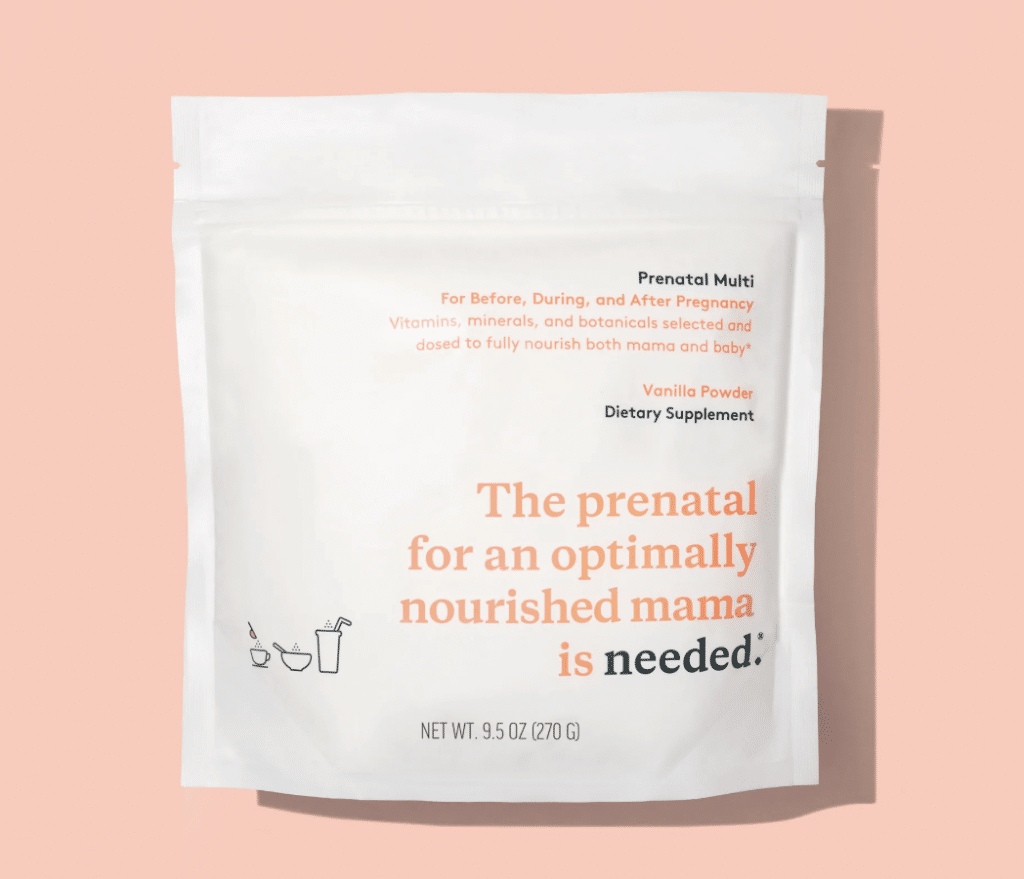
A well-balanced diet plays a crucial role in enhancing the benefits of daily postnatal vitamins. During the postnatal period, women have increased nutritional needs as their bodies recover from childbirth and adjust to breastfeeding. While postnatal vitamins provide essential nutrients, a diet rich in whole foods can further support recovery, energy levels, and overall health.
Eating a variety of nutrient-dense foods helps ensure that mothers receive the full spectrum of vitamins and minerals necessary for both their well-being and that of their newborns. Foods that are particularly beneficial during this time include those rich in protein, healthy fats, fiber, and essential vitamins and minerals.
Examples of Nutrient-Rich Foods for Postnatal Health
Incorporating specific foods into the daily diet can enhance the effects of postnatal vitamins. Below are examples of nutrient-rich foods that support recovery and milk production:
- Leafy Greens: Spinach, kale, and broccoli are high in vitamins A, C, and K, as well as calcium and iron, which are essential for postpartum recovery.
- Lean Proteins: Chicken, fish, tofu, and legumes provide protein necessary for tissue repair and muscle recovery.
- Healthy Fats: Avocados, nuts, and seeds provide omega-3 fatty acids crucial for brain development in infants and overall health for mothers.
- Whole Grains: Brown rice, quinoa, and whole wheat bread deliver fiber and energy, supporting breastfeeding mothers’ energy needs.
- Fruits: Berries, bananas, and oranges are packed with vitamins, antioxidants, and hydration, boosting immune function and overall health.
Sample Meal Plan for Postnatal Nutrition
Creating a meal plan that aligns with the supplementation of daily postnatal vitamins can help streamline nutritional intake. Below is a sample meal plan that emphasizes balance and nutrient density:
| Meal | Food Items |
|---|---|
| Breakfast | Oatmeal topped with sliced bananas and walnuts, served with a glass of fortified almond milk. |
| Snack | Greek yogurt mixed with mixed berries and a sprinkle of chia seeds. |
| Lunch | Grilled chicken salad with spinach, cherry tomatoes, cucumber, and a vinaigrette dressing. |
| Snack | Hummus with carrot and celery sticks. |
| Dinner | Baked salmon with quinoa and steamed broccoli, drizzled with olive oil. |
| Dessert | Dark chocolate square and a handful of almonds. |
The combination of a well-balanced diet and daily postnatal vitamins creates a strong foundation for recovery and thriving during the postpartum period.
Personal Testimonials on the Use of Daily Postnatal Vitamins
Many mothers have shared their experiences with daily postnatal vitamins, highlighting the benefits these supplements have provided during their recovery phase post-childbirth. These testimonials offer insight into how such vitamins can aid in the journey of motherhood, addressing both physical and mental health needs.
The stories from mothers who have integrated daily postnatal vitamins into their routines demonstrate a variety of perspectives. Each experience is unique, yet they collectively illustrate the positive impact these vitamins can have on well-being during a critical time of adjustment and healing.
Real-Life Experiences and Benefits
The following testimonials capture the essence of how daily postnatal vitamins have made a difference for mothers:
“After giving birth, I felt completely drained. I started taking postnatal vitamins and noticed a significant boost in my energy levels. It felt like I was finally getting back to myself.” – Sarah, 29
“The hair loss post-pregnancy was really bothering me. Since I began my postnatal vitamin regimen, my hair has started to feel healthier, and I’m losing less.” – Jenna, 32
“I struggled with my mood after my baby arrived. Taking daily vitamins helped improve my overall mood and made me feel more balanced.” – Emily, 27
“Breastfeeding was exhausting, and I was worried about my nutrition. My doctor recommended these vitamins, and I feel like they’ve really supported my body during this time.” – Mia, 30
“I didn’t realize how depleted I was until I started these vitamins. They’ve been a game-changer for my recovery and overall health.” – Lauren, 34
These testimonials reflect the diverse experiences of mothers who found that daily postnatal vitamins not only supported physical recovery but also contributed to emotional and mental well-being. Their stories underline the importance of nutritional supplementation during the demanding postpartum period, showcasing how simple changes can lead to significant improvements in quality of life.
Last Point
In conclusion, daily postnatal vitamins are more than just supplements; they are a vital part of a new mother’s health toolkit. By debunking myths and understanding their benefits, mothers can make informed decisions about their wellness. Remember, a balanced diet combined with the right vitamins can significantly enhance recovery and overall health during this transformative phase.
Key Questions Answered
What are daily postnatal vitamins?
Daily postnatal vitamins are supplements specifically formulated to meet the nutritional needs of new mothers during their recovery and breastfeeding periods.
Can I take postnatal vitamins if I am not breastfeeding?
Yes, postnatal vitamins can still be beneficial for recovery and overall health, even if you are not breastfeeding.
How long should I take postnatal vitamins?
It is generally recommended to continue taking postnatal vitamins for at least six months after childbirth, but consult with a healthcare professional for personalized advice.
Are there any dietary restrictions with postnatal vitamins?
Some postnatal vitamins may contain allergens; it’s essential to read the labels and consult with a healthcare provider if you have specific dietary restrictions.
Can I take postnatal vitamins with other medications?
It’s important to consult with your healthcare provider to ensure that there are no interactions between postnatal vitamins and any other medications you may be taking.