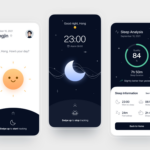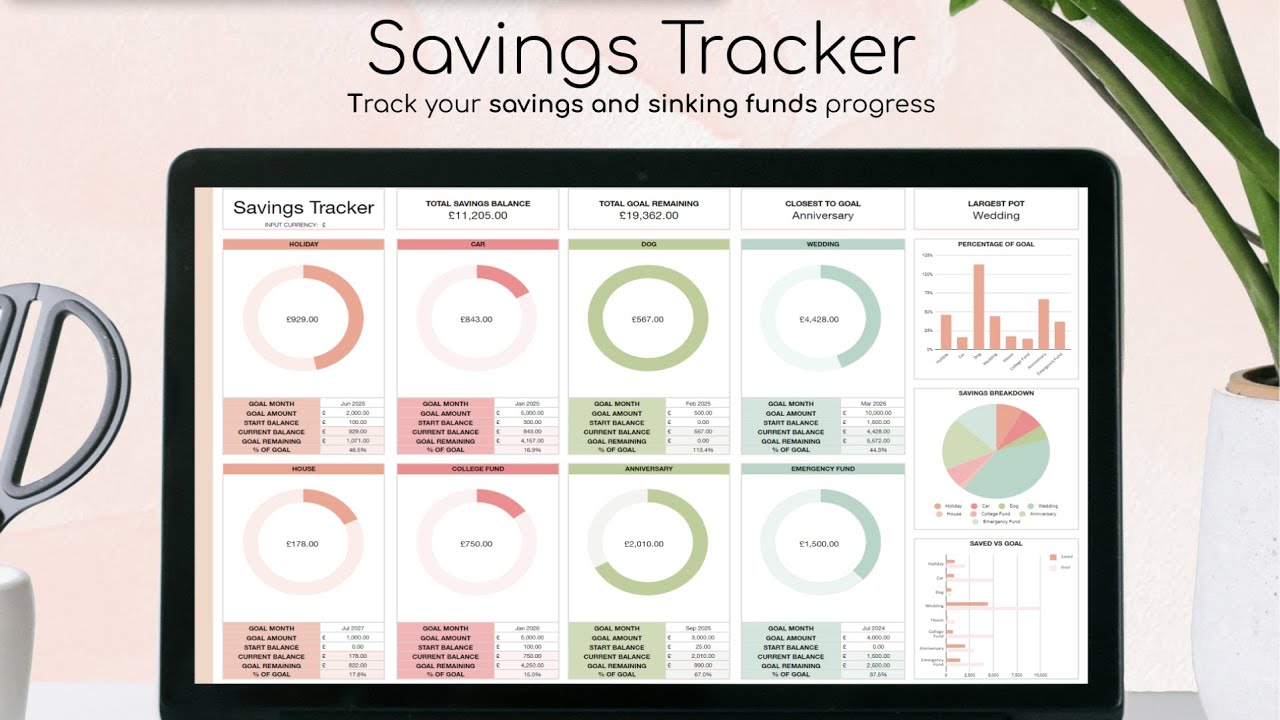
Wellness trackers have become essential tools in our health-driven world, enabling us to monitor and improve our well-being effortlessly. These devices and applications collect valuable data about our daily habits, allowing us to understand our health patterns better and make informed decisions. Whether you’re looking to enhance your fitness levels, improve sleep quality, or track dietary choices, wellness trackers offer a personalized approach to achieving your health goals.
From wearable devices like smartwatches to mobile apps, the variety of wellness trackers available caters to diverse needs and preferences. By seamlessly integrating these tools into our daily routines, we can maximize their effectiveness and stay motivated on our wellness journey. With the right wellness tracker, achieving a healthier lifestyle has never been more accessible.
Understanding the concept of a wellness tracker is essential in today’s health-oriented society.
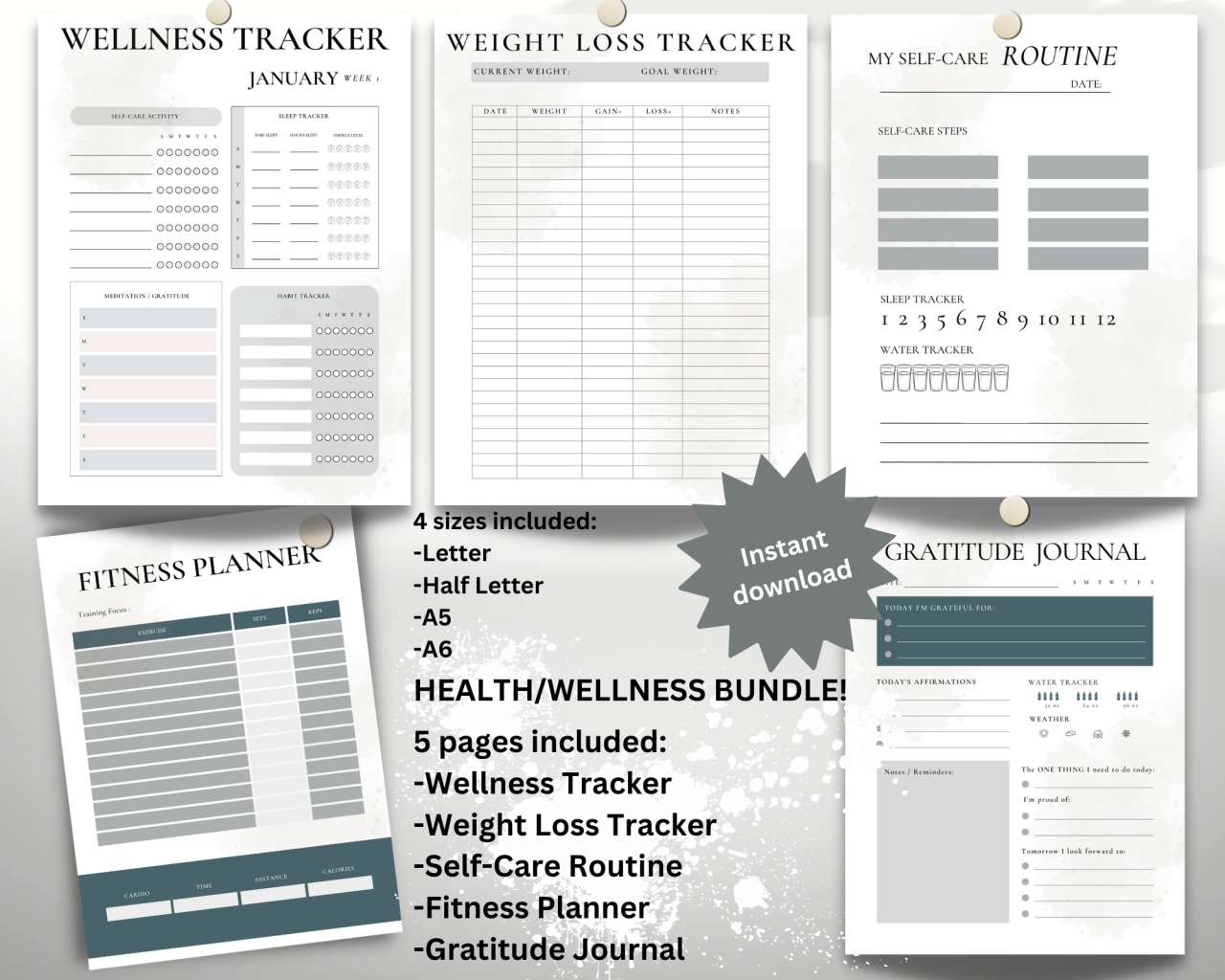
In a world increasingly focused on health and well-being, wellness trackers have emerged as vital tools for individuals eager to monitor and improve their lifestyle. These devices and applications collect data on various aspects of health, helping users gain insights into their habits and overall wellness.
Wellness trackers function by gathering and analyzing data through various means, such as sensors or user inputs. They can track physical activity, sleep patterns, nutrition, and even stress levels. For example, many wearable devices monitor heart rates and steps taken, while mobile applications may allow users to log meals and mood. The importance of wellness trackers lies in their ability to provide personalized feedback, encouraging healthier choices and helping users identify areas for improvement. With real-time data, individuals can set achievable goals, whether it’s increasing physical activity, improving sleep quality, or managing stress effectively. This proactive approach to health not only aids in disease prevention but also promotes a holistic understanding of well-being.
Types of wellness trackers available in the market
The market offers a diverse range of wellness trackers designed to cater to different user needs and preferences. Understanding these options can help individuals choose the right tool for their wellness journey.
The main types of wellness trackers include:
- Wearable Devices: Smartwatches and fitness bands are among the most popular. Devices like the Fitbit and Apple Watch monitor activity levels, heart rate, and even sleep patterns, providing users with comprehensive insights at a glance.
- Mobile Applications: Apps such as MyFitnessPal and Headspace allow users to log food intake, track exercise, and practice mindfulness. These applications can be used independently or synced with wearable devices for enhanced functionality.
- Standalone Health Monitors: Devices like blood pressure monitors, glucose meters, and sleep trackers focus on specific health metrics. These tools are often used in conjunction with other trackers for a more complete health picture.
Integrating wellness trackers into daily routines is essential for maximizing their effectiveness. Users can set specific times for checking their progress, such as reviewing daily step counts in the morning or logging meals after lunch. Additionally, incorporating reminders for hydration or exercise can keep users accountable. Visualizing data through graphs and summaries provided by these trackers encourages users to stay engaged and motivated, fostering a more health-conscious lifestyle. By seamlessly combining wellness trackers into everyday life, individuals can enhance their awareness of health, ultimately promoting better habits and overall well-being.
The role of data collection in wellness trackers provides insight into personal health patterns.
Wellness trackers have transformed how individuals approach their health by providing real-time data about various aspects of their daily routines. These devices collect a wide array of information, allowing users to gain insights into their personal health patterns and make informed decisions. Understanding how data is collected and utilized can significantly enhance one’s journey towards better health.
Types of Data Commonly Collected
Wellness trackers typically gather data across several key areas, which are essential for monitoring one’s health effectively. The types of data collected include:
- Physical Activity: This encompasses metrics such as steps taken, distance traveled, and active minutes. Many trackers utilize accelerometers to measure movement intensity, offering users a clearer picture of their daily activity levels.
- Sleep Patterns: By tracking sleep duration, quality, and stages, wellness trackers help users understand their sleep habits. They can identify factors affecting sleep quality, such as wake times and restlessness, allowing for improvements in sleep hygiene.
- Dietary Habits: Some trackers include features to log food intake, tracking calories, macronutrients, and hydration levels. Users can correlate their dietary choices with energy levels and overall wellness.
- Heart Rate: Continuous heart rate monitoring provides insights into cardiovascular health and can indicate how well the body is responding to physical activities or stress.
- Stress Levels: Certain devices analyze physiological signals, such as heart rate variability, to gauge stress. This feedback can prompt users to adopt stress management techniques.
Leveraging this collected data enables users to set realistic health goals. For example, if a user notices they only average 5,000 steps per day, they can aim to gradually increase that number to 7,500 or 10,000. Similarly, tracking sleep patterns can help users recognize they need to wind down earlier to achieve better rest, thus targeting a goal of seven hours of quality sleep.
The progress monitoring aspect is equally crucial. By regularly reviewing activity levels, users can celebrate milestones—like reaching a monthly step goal or improving sleep quality over weeks. These tangible results motivate continued efforts and adjustments in lifestyle choices.
Importance of Data Accuracy and User Privacy
Ensuring the accuracy of data collected by wellness trackers is fundamental, as inaccuracies can lead to misinformed health decisions. Incorrect readings on physical activity or heart rate can mislead users about their fitness levels and health status.
User privacy presents another critical concern in the realm of wellness tracking. Many trackers require users to share sensitive health information, which raises questions about data security and ownership. It is crucial that companies implement robust encryption and data protection measures to safeguard user information. Users should also be educated on privacy settings, ensuring they have control over what data is shared and with whom.
In summary, wellness trackers not only provide valuable insights into personal health patterns but also necessitate an ongoing dialogue about data accuracy and user privacy. By understanding these elements, users can harness the full potential of their wellness devices for enhanced health and well-being.
Exploring the psychological benefits of using wellness trackers can enhance user engagement.
Wellness trackers have become popular tools for individuals aiming to improve their physical and mental health. The integration of technology into health management not only simplifies tracking but also adds a layer of motivation and engagement that encourages users to maintain healthier habits. By incorporating elements of gamification and progress tracking, wellness trackers play a significant role in enhancing user motivation and psychological well-being.
Gamification in wellness trackers often involves earning points, badges, or rewards for achieving specific health goals or milestones. This approach nurtures a sense of accomplishment and can turn daily health tasks into enjoyable activities. Users are more likely to stay engaged when they can visually see their progress and receive instant feedback. For instance, a study conducted by the American Journal of Preventive Medicine found that participants who used gamified health applications were more likely to maintain their fitness routines compared to those who didn’t. The competitive elements and social sharing features inherent in many applications help users stay accountable to their goals while fostering a sense of community.
Case Studies and Testimonials on Mental Health and Motivation
Real-life experiences highlight the positive effects of tracking wellness on mental health and motivation. One notable example is Sarah, a 29-year-old graphic designer who struggled with anxiety and low energy. After starting to use a wellness tracker, she noticed significant improvements in her mood and energy levels. By tracking her daily steps, sleep quality, and hydration, Sarah found herself more motivated to engage in healthy activities. “Seeing my progress visually every day kept me motivated,” she shared. Additionally, Sarah began to participate in challenges with friends, which provided both social support and a fun way to stay active.
Another compelling case is that of Mark, a 45-year-old sales executive who had difficulty managing stress. After integrating a wellness tracker into his daily routine, Mark began practicing mindfulness and meditation. The ability to track his stress levels and mindfulness minutes led him to develop a consistent practice. “I never realized how beneficial mindfulness could be until I could track my progress,” he noted, emphasizing the importance of measuring mental health alongside physical fitness.
While wellness trackers offer various benefits, users may face challenges, such as data overload or feeling overwhelmed by their goals. It’s crucial for developers to design user-friendly interfaces that simplify the experience. Additionally, allowing customization can empower users to set realistic and personalized goals, rather than feeling pressured by generic targets. Regular reminders and motivational messages can help maintain engagement without creating stress. By addressing these potential drawbacks, users can enjoy the full psychological benefits of wellness trackers, transforming their health journeys into positive experiences.
Comparing popular wellness tracker features can help users make informed choices.
Wellness trackers have become essential tools for individuals aiming to improve their health and fitness. With various brands offering unique features, understanding these differences can empower consumers to choose the right device tailored to their specific needs. This comparison examines three leading wellness tracker brands: Fitbit, Garmin, and Apple Watch. Each offers distinct features that cater to different aspects of health monitoring and lifestyle management.
Feature Comparison of Leading Wellness Trackers
The following table Artikels the key features and functionalities of Fitbit, Garmin, and Apple Watch, alongside their respective pros and cons. This detailed analysis allows users to weigh their options and find the tracker that best suits their wellness goals.
| Feature | Fitbit | Garmin | Apple Watch |
|---|---|---|---|
| Heart Rate Monitoring | Continuous heart rate tracking with Fitbit’s PurePulse technology. | Advanced heart rate monitoring with Elevate technology and VO2 max estimation. | Accurate heart rate monitoring with ECG capabilities for arrhythmia detection. |
| Sleep Tracking | Tracks sleep stages and provides a sleep score based on heart rate and movement. | Advanced sleep analysis with insights on sleep quality and disturbances. | Tracks sleep patterns and integrates with the Health app for comprehensive data. |
| Goal Setting Functionalities | Customizable daily steps, exercise, and calorie burn goals. | Personalized fitness goals based on performance metrics and training plans. | Activity goals with reminders and progress tracking through the Activity app. |
| Battery Life | Up to 7 days, depending on usage and model. | Up to 14 days, ideal for extended outdoor activities. | Up to 18 hours with standard use and workout sessions. |
| Smart Features | Smart notifications, call, text, and app alerts. | Customizable watch faces, notifications, and music controls. | Full smartwatch capabilities including apps, calls, and texts. |
Choosing the right wellness tracker involves evaluating features that align with individual health goals and preferences.
In reviewing features such as heart rate monitoring, sleep tracking, and goal-setting functionalities, users can assess their priorities. For instance, continuous heart rate monitoring may be essential for athletes, while advanced sleep tracking can benefit those looking to improve their sleep quality. Additionally, the ability to set and monitor personalized goals can encourage users to stay active and engaged with their wellness journey. Understanding these pros and cons can aid in making an informed decision regarding which wellness tracker to adopt.
The future of wellness tracking technology presents exciting possibilities for personal health management.
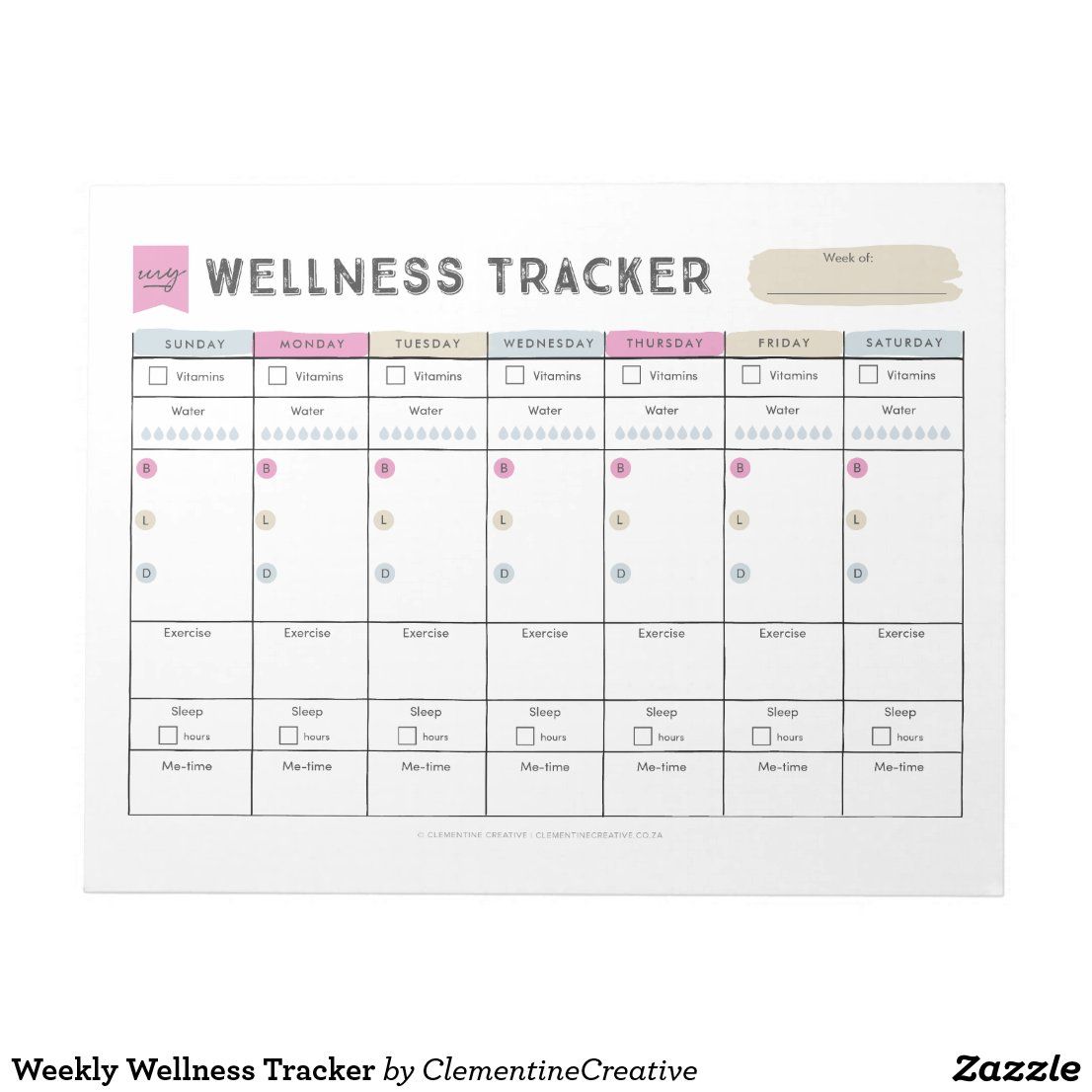
The landscape of wellness tracking technology is rapidly evolving, offering unprecedented opportunities for individuals to manage their health proactively. With the integration of advanced technologies such as artificial intelligence (AI), the potential for personalized health insights has dramatically increased. As wellness trackers become more sophisticated, they not only collect data but also analyze and interpret it, leading to tailored recommendations that can enhance overall health and well-being.
The introduction of AI in wellness tracking has opened new horizons in personal health management. AI algorithms can sift through massive amounts of health data—from heart rates to sleep patterns—identifying trends that may not be apparent to the user. This capability allows for real-time monitoring and immediate feedback, giving users actionable insights that can lead to better health decisions. For instance, if a tracker detects an unusual pattern in sleep quality, it can prompt users with personalized tips to improve their sleep hygiene.
Emerging trends in wellness tracking technology
The future of wellness tracking is shaped by several emerging trends that are revolutionizing how individuals interact with their health data. These trends highlight the importance of personalized experiences and the role of technology in enhancing user engagement.
1. AI-Driven Personalized Recommendations: The next generation of wellness trackers will leverage AI to provide not just data, but contextual advice. For example, if a user is not meeting their hydration goals, the tracker might suggest specific times throughout the day to drink water based on their activity levels.
2. Wearable Sensors and Biometric Monitoring: Innovations in sensor technology will allow trackers to monitor a broader range of biometrics, including glucose levels and hydration status, without invasive procedures. This will enable users with chronic conditions to manage their health more effectively.
3. Integration with Telehealth Services: The integration of wellness trackers with telehealth platforms can facilitate seamless communication between users and healthcare providers. For example, a health professional can access a patient’s tracker data in real-time, allowing for more informed decisions during consultations.
4. Community-Based Features: Future wellness trackers may incorporate social elements that allow users to connect with others on similar health journeys. This could foster a sense of community and encourage accountability, as users can share their progress and motivate each other.
5. Augmented Reality (AR) for Guided Workouts: Imagine a wellness tracker that uses AR to demonstrate exercises in your own living space. This technology could provide real-time feedback on form and technique, making fitness more accessible and engaging.
These advancements not only enhance user experiences but also have a profound impact on traditional healthcare practices. Integrating wellness tracking data into preventative health measures can lead to early interventions and reduced healthcare costs. For instance, individuals at risk for heart disease can use data collected from wearables to monitor their health actively, potentially preventing conditions that traditionally require expensive treatments.
“The integration of AI and advanced sensor technology in wellness trackers can transform health management from reactive to proactive.”
As we look toward the future, innovations in wellness tracking technology promise to empower individuals, making personal health management more intuitive and effective. The ongoing evolution of these tools will significantly shape the way we approach health, leading to improved outcomes and sustainable lifestyle changes.
Developing a personalized wellness plan with the help of trackers can optimize health improvement.
Creating a personalized wellness plan is essential for anyone looking to enhance their overall health. With the assistance of wellness trackers, users can gather valuable data about their habits, activity levels, sleep patterns, and nutrition. This data is crucial for understanding personal health metrics and paving the way to achieving specific wellness goals. The process of developing an individualized plan is not just about setting goals; it’s about leveraging the insights gained from tracking data to make informed decisions that lead to sustainable health improvements.
To establish a customized wellness plan, users should start by analyzing their tracking data to identify areas of strength and aspects that require improvement. This involves reviewing metrics such as daily steps, calorie intake, sleep quality, and heart rate variability. Using this data, users can set clear and achievable goals. For instance, if a user finds that they’re averaging only 5,000 steps a day but wishes to improve cardiovascular health, they could set a goal to gradually increase their daily steps to 8,000 over the next month.
Adapting wellness goals based on ongoing data analysis
Ongoing data analysis plays a vital role in maintaining an effective wellness plan. It’s important for users to regularly review their tracker data to assess progress toward their goals. This evaluation should not be a static process but rather dynamic, allowing for adjustments based on real-time feedback.
Incorporating feedback from the tracking data can include the following strategies:
- Review performance weekly to identify patterns and make necessary adjustments.
- Set short-term and long-term goals to remain motivated and focused.
- Use the insights gained from data to shift or refine wellness goals in response to progress or setbacks.
- Engage with community features of wellness apps to gain support and share experiences.
Maintaining long-term commitment to a wellness plan is essential for lasting health improvements. Tracking devices can help sustain motivation through gamification elements such as challenges and rewards. Additionally, users can reinforce their commitment by establishing a routine and integrating wellness activities into daily life.
Strategies to ensure adherence to a wellness plan include:
- Creating a schedule that incorporates regular activity and healthy meals.
- Utilizing reminders and notifications from tracking devices to stay on track.
- Celebrating small victories to enhance motivation.
- Connecting with friends or family members for accountability and support.
By utilizing well-designed trackers, users can develop a personalized wellness plan that is adaptable and sustainable, ultimately leading to improved health outcomes.
Conclusion
In summary, wellness trackers serve as powerful allies in our pursuit of better health by providing insights and motivation tailored to our individual needs. As technology evolves, these tools will only become more sophisticated, offering enhanced features that empower users to take charge of their health like never before. By embracing wellness trackers, we set ourselves on a path towards improved well-being and a more proactive approach to our health management.
Expert Answers
What is a wellness tracker?
A wellness tracker is a device or application that monitors and analyzes personal health data, such as activity levels, sleep patterns, and dietary habits, to promote a healthier lifestyle.
How accurate are wellness trackers?
While many wellness trackers provide reasonably accurate data, the precision can vary based on the device and the type of measurement. It’s essential to choose reputable brands for better accuracy.
Can wellness trackers help with mental health?
Yes, wellness trackers can enhance mental health by providing motivation, encouraging positive habits, and fostering accountability, which can lead to improved mood and overall well-being.
Are wellness trackers suitable for everyone?
Most wellness trackers are designed for a wide audience; however, individuals with specific health conditions should consult a healthcare professional before use to ensure they choose the right tool.
How can I stay committed to using my wellness tracker?
To maintain commitment, set achievable goals, regularly assess progress, and incorporate tracking into your daily routine, making it a fun and integral part of your lifestyle.