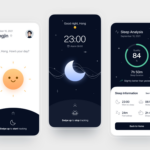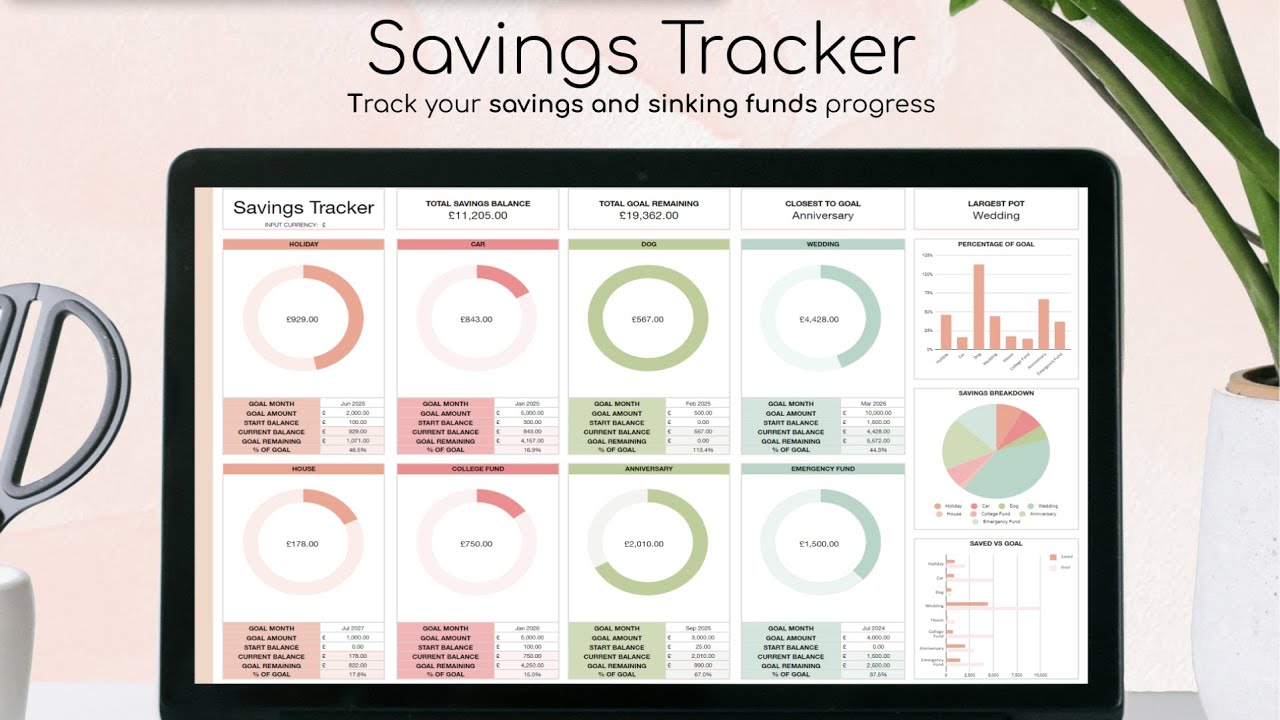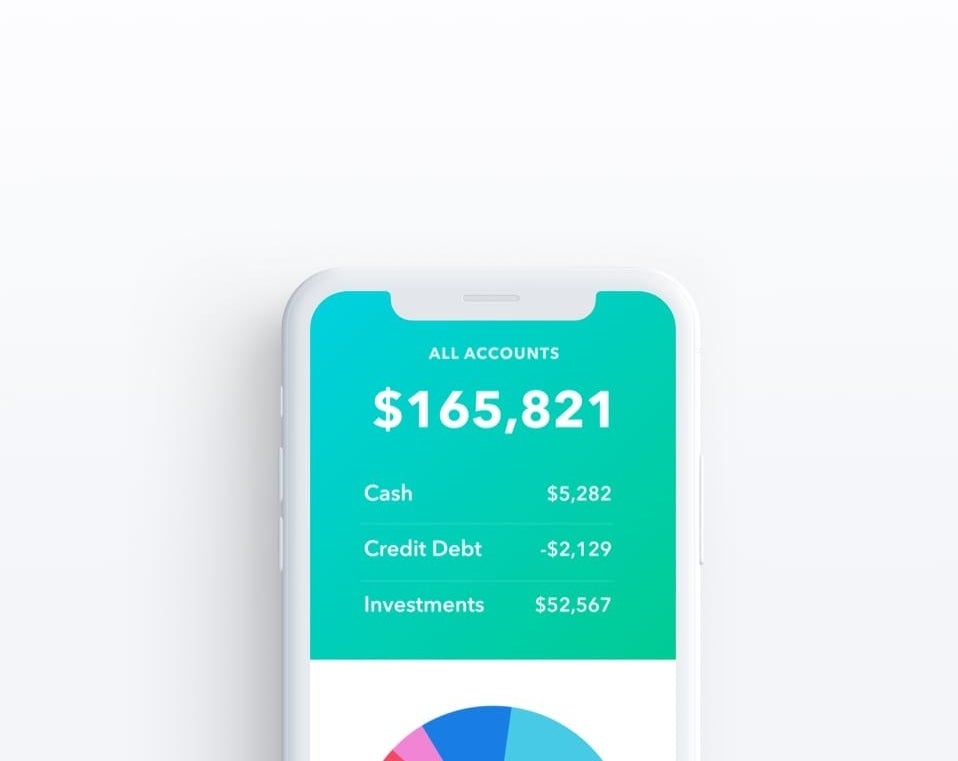
Health monitor app serves as a vital tool in today’s health-conscious society, encouraging individuals to take charge of their well-being. With the advancement of technology, these apps allow users to seamlessly track their vital signs and lifestyle choices, fostering a proactive approach to health management.
From tracking heart rates to monitoring sleep patterns, the variety of functionalities available through health monitor apps has transformed how we engage with our health. As we delve deeper into this topic, we will explore the evolution of these apps, user experience considerations, privacy concerns, and the exciting future shaped by technological advancements.
Health monitor apps promote proactive health management for users.
Health monitor apps have revolutionized the way individuals engage with their health, enabling proactive management through technology. By integrating various tracking features, these applications empower users to stay informed about their health status and make informed lifestyle choices. With the prevalence of smartphones and wearable devices, access to personal health data has never been easier, making self-monitoring a fundamental aspect of modern health management.
The significance of self-monitoring health through technology lies in its ability to create awareness and foster accountability. Users can monitor vital signs such as heart rate, blood pressure, and glucose levels, providing real-time insights into their health. This continuous feedback encourages individuals to adopt healthier habits and make timely decisions regarding their lifestyle. Health monitor apps play a critical role in this process by facilitating the tracking of vital signs and lifestyle choices over time, which can lead to better health outcomes.
Tracking Vital Signs and Lifestyle Choices
Effective health monitoring involves consistently tracking various health metrics. Health monitor apps offer a range of features tailored to assist users in this endeavor. Some vital aspects that these apps can track include:
- Heart Rate: Many apps utilize wearable devices to continuously measure heart rate, allowing users to observe trends and identify potential issues early.
- Physical Activity: Apps like Strava and Fitbit not only track workouts but also analyze user performance over time, encouraging users to set and achieve fitness goals.
- Nutrition: MyFitnessPal helps users log their food intake and provides nutritional analysis, promoting mindful eating habits and wellness.
- Sleep Patterns: Applications such as Sleep Cycle track sleep quality, offering insights to improve sleep hygiene and overall health.
- Mental Health: Apps like Headspace and Moodfit focus on mental wellness by allowing users to track mood and stress levels, providing valuable data to manage mental health effectively.
The integration of these features allows users to observe their progress and make adjustments based on their tracked data. Over time, this consistency can lead to meaningful health improvements, providing individuals with the information they need to take control of their health journey.
“Monitoring vital signs and lifestyle choices through technology empowers individuals to make informed decisions that lead to better health outcomes.”
Several popular health monitor apps have emerged, each offering unique features to cater to different user needs. For instance, Apple Health serves as a comprehensive health dashboard, aggregating data from various sources to present an overall picture of health. On the other hand, Samsung Health focuses on a user-friendly interface that encourages fitness tracking and wellness activities, promoting a more active lifestyle.
In summary, health monitor apps are not merely tools but integral components of a proactive health management strategy. They foster a culture of self-awareness and accountability, making it easier for users to track and manage their health comprehensively over time.
The evolution of health monitor apps illustrates the advancement of technology in healthcare.
The development of health monitor apps has marked a significant milestone in the intersection of technology and healthcare. From rudimentary manual tracking methods to sophisticated digital platforms, the journey reflects how advancements in technology have transformed health monitoring into a more accessible, efficient, and effective practice. Today’s health apps are not only about tracking basic metrics but also integrating complex data algorithms for personalized health insights.
Technological evolution in health monitoring began in the late 20th century when the introduction of computers allowed for better data collection and analysis. Early health monitoring relied on traditional methods such as patient diaries and hospital records. The advent of personal computers in the 1980s ushered in basic health record systems, enabling healthcare providers to store and analyze patient data more effectively. As the internet gained popularity in the 1990s, telemedicine emerged, allowing for remote consultations and monitoring. The combination of mobile technology and health monitoring apps in the early 2000s created a paradigm shift, enabling users to access health metrics anytime and anywhere.
The role of wearable devices in enhancing health monitor functionality
Wearable devices have revolutionized the functionality of health monitor apps by providing real-time data and continuous tracking capabilities. These devices, such as smartwatches, fitness trackers, and even smart clothing, offer a seamless integration with health monitoring applications, significantly enhancing user engagement and data accuracy.
The following points illustrate the impact of wearable devices on health monitoring apps:
- Real-time data collection: Wearables continuously monitor metrics like heart rate, steps taken, sleep patterns, and calorie consumption, allowing users to receive instant feedback on their health status.
- Personalized health insights: The data collected from wearables can be analyzed by apps to provide tailored recommendations, helping users to set achievable health goals and track their progress over time.
- Increased user motivation: Wearables often incorporate gamification elements, encouraging users to stay active and maintain their health through challenges and rewards.
- Integration with healthcare systems: Many wearables sync with healthcare provider systems, enabling doctors to monitor patients remotely and adjust treatment plans based on real-time data.
Wearable devices not only enhance the user experience but also contribute to a more comprehensive understanding of individual health metrics, paving the way for future innovations in health monitoring.
Future trends in health monitoring through app development
The future of health monitoring apps is poised for exciting innovations driven by emerging technologies. As artificial intelligence (AI), machine learning, and big data analytics continue to evolve, health monitoring applications are expected to become even more sophisticated.
Notable trends shaping the future include:
- AI-driven health insights: The integration of AI will enable apps to provide predictive analytics, helping users identify potential health risks before they become critical.
- Enhanced interoperability: Future apps will likely feature improved interoperability with various health devices and systems, creating a holistic view of user health that spans multiple sources.
- Telehealth integration: As telehealth becomes more mainstream, health monitoring apps will increasingly facilitate remote consultations, allowing users to receive comprehensive care without the need for in-person visits.
- Focus on mental health: There will likely be a rise in apps dedicated to mental health monitoring, incorporating features such as mood tracking, mindfulness exercises, and access to virtual therapy resources.
The trajectory of health monitoring apps suggests a future where personalized healthcare becomes the norm, supported by continuous advancements in technology, ultimately leading to improved health outcomes for individuals worldwide.
User experience plays a critical role in the effectiveness of health monitor apps.
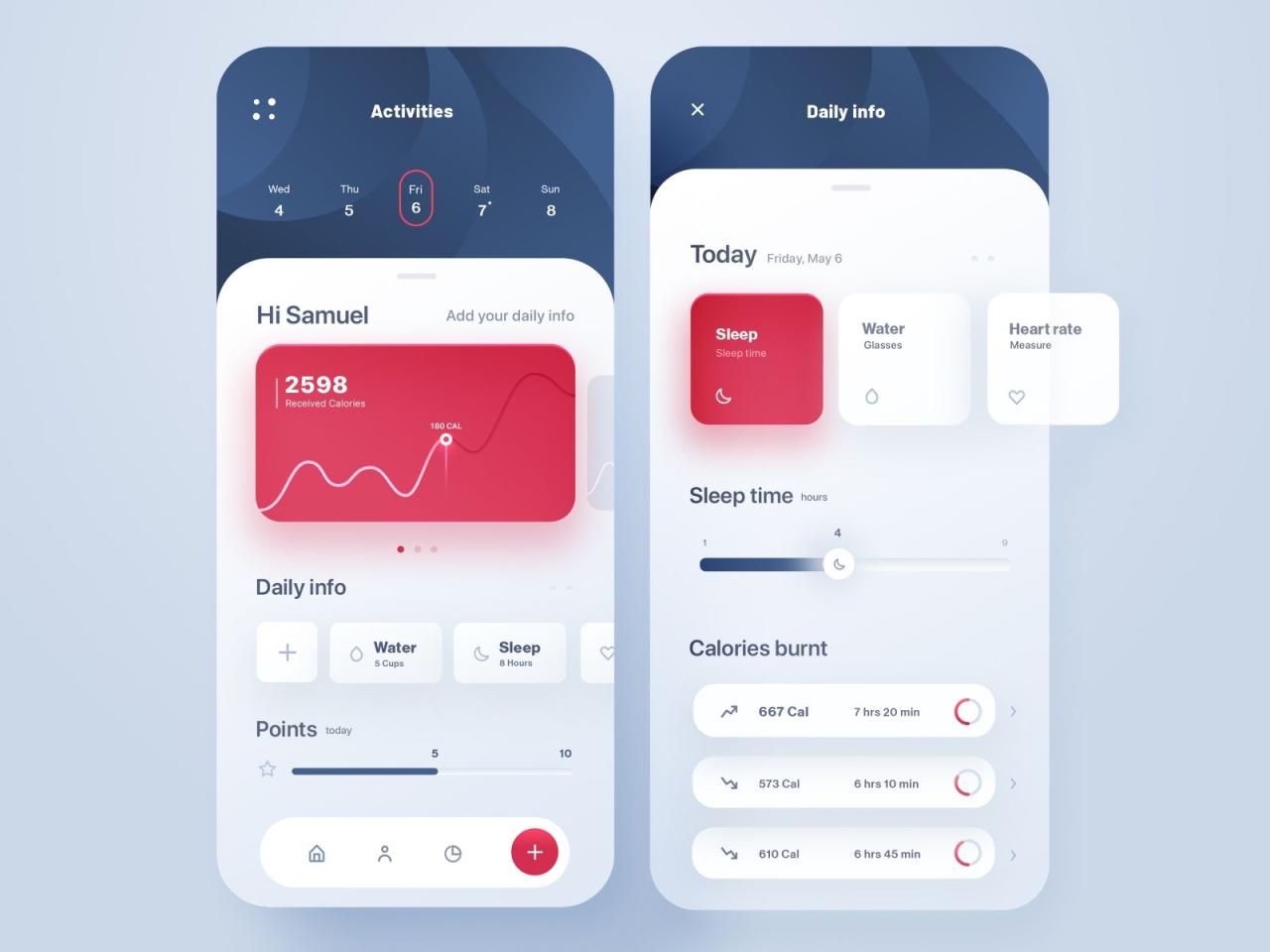
Creating a health monitor app that users can engage with seamlessly is essential for its success. The design and functionality of an app significantly influence how users interact with it, ultimately impacting their health management. When health monitoring becomes intuitive and enjoyable, users are more likely to stick with the app, leading to better health outcomes.
Key design elements for intuitive user interface
Design elements play a pivotal role in crafting an intuitive user interface for health monitor apps. An effective interface must prioritize clarity and ease of use, allowing users to navigate effortlessly. The following key elements contribute significantly to this goal:
- Simple Navigation: Users should be able to find features and information without confusion. A clear menu structure and easily accessible buttons enhance user experience.
- Visual Hierarchy: Effective use of colors, font sizes, and layouts can guide users’ attention to the most important information, making decisions easier.
- Consistent Design: Maintaining a uniform style across all screens helps users feel familiar with the app, reducing cognitive load as they navigate through different sections.
- Responsive Feedback: Implementing immediate feedback for user actions, such as tapping buttons or entering data, assures users that the app is functioning as intended.
- Personalization Options: Allowing users to customize their dashboard or settings can enhance engagement, making the app feel more relevant to their personal health goals.
User feedback for app improvements
Incorporating user feedback is crucial for refining app functionality and boosting user engagement. Regularly collecting and analyzing user opinions can reveal insights into pain points and desired features. This iterative process leads to continuous improvement and adaptation of the app to meet user needs.
- Surveys and Questionnaires: Regularly prompting users to share their experiences helps gather qualitative data on their likes and dislikes.
- In-App Feedback Mechanisms: Features that allow users to report issues or suggest enhancements directly within the app make it easier to capture real-time feedback.
- Analytics Tools: Monitoring user behavior through analytics can highlight common usage patterns, revealing areas for enhancement without needing direct user input.
- Beta Testing: Before launching significant updates, involving a group of users to test new features can uncover flaws and usability issues early on.
Importance of accessibility and inclusivity in app design
Designing health monitor apps with accessibility and inclusivity in mind ensures they can be used by a diverse range of individuals, regardless of their abilities or backgrounds. This consideration is essential not only for compliance with standards but also for reaching a broader audience.
- Visual Accessibility: Features like adjustable text sizes, high-contrast color schemes, and screen reader compatibility cater to users with visual impairments.
- Hearing Accessibility: Providing captions for audio content and using visual alerts can help users with hearing challenges engage effectively with the app.
- Language Options: Offering multilingual support widens the app’s reach, making it accessible to non-native speakers.
- Adaptive Interfaces: Designing interfaces that adjust based on user needs, such as simplified layouts for older adults, enhances usability for all.
- Feedback from Diverse Users: Engaging with individuals from various backgrounds during the development process can yield insights into unique needs and preferences.
“An inclusive design not only enhances user experience but also broadens the impact of health monitor apps across different demographics.”
Data security and privacy concerns are paramount in the use of health monitor apps.
The increasing reliance on health monitor apps has revolutionized how individuals track and manage their health. However, with this convenience comes significant concerns regarding data security and privacy. Users often share sensitive personal health information, which can be vulnerable to breaches. Understanding the risks and implementing best practices for safeguarding this data is essential for both users and developers of these technologies.
Sharing personal health information through apps poses several potential risks. One of the main concerns is the possibility of data breaches, where unauthorized individuals gain access to sensitive health data. This information may include medical history, medications, and even biometric data, which can be exploited for identity theft or fraud. Additionally, there’s the risk of data misuse by third parties, such as advertisers or insurers, who may use health information in ways that can negatively impact users. When users trust an app with their health data, they expect it to be handled responsibly; breaches undermine that trust and can lead to significant harm.
Best practices for ensuring data security and user privacy
It is crucial for both users and developers to adhere to best practices to enhance data security and user privacy. Following are some essential practices that can help protect sensitive health information:
- Strong Authentication: Implementing multi-factor authentication (MFA) can significantly enhance security by requiring additional verification methods beyond just passwords.
- Data Encryption: Encrypting data in transit and at rest ensures that even if data is intercepted, it remains unreadable to unauthorized users.
- Regular Software Updates: Keeping the app updated with the latest security patches is vital for protecting against newly discovered vulnerabilities.
- User Control: Users should have control over their data, including the ability to delete their information from the app and choose what data to share.
- Privacy Notices: Clear and concise privacy notices should inform users about what data is collected, how it is used, and with whom it is shared.
Comparative analysis of privacy policies of health monitor apps
The privacy policies of health monitor apps can vary significantly, influencing how user data is protected. A comparative analysis reveals differing levels of transparency and protection measures across various apps. For instance:
| App Name | Data Shared | Third-Party Sharing | User Control |
|---|---|---|---|
| HealthTrack | Personal health metrics, location data | Shares with insurance companies | Users can delete data |
| FitLife | Exercise logs, dietary preferences | No third-party sharing | Limited control over data deletion |
| WellnessApp | Medical history, medication logs | Shares with health service providers | Full control over data sharing |
The variations in privacy policies highlight the importance of users reading and understanding these documents before using any health monitoring app. Opting for apps with stringent privacy policies and robust data protection measures can significantly mitigate risks associated with sharing sensitive health information.
“With great power comes great responsibility.” This adage applies here; the power of health monitor apps comes with the responsibility of protecting user data.
Health monitor apps offer unique features that cater to specific health needs.
Health monitor apps are designed to support users in managing various health conditions effectively. These applications provide an array of tracking functions tailored to meet the unique requirements of different health needs. By leveraging technology, they empower users to gain better insights into their health and lifestyle, ultimately fostering a proactive approach to wellness.
Many health monitor apps come equipped with specialized tracking functions that cater to a range of health conditions. These functions vary widely, focusing on everything from chronic disease management to mental health support. The ability to monitor specific health metrics not only enhances user experience but also provides tailored insights that can lead to improved health outcomes.
Specialized Apps for Health Management
A variety of specialized health monitor apps are available, each targeting specific health concerns. Here are a few notable examples:
- Diabetes Management: Apps like MySugr and Glucose Buddy allow users to log blood sugar levels, track carbohydrate intake, and review trends over time. These features help individuals with diabetes make informed decisions about their diet and medication.
- Mental Health Support: Applications such as Headspace and Calm offer guided meditations, mood tracking, and mindfulness exercises. These tools help users manage stress and anxiety, promoting overall mental well-being.
- Fitness and Weight Management: MyFitnessPal is an excellent example, helping users track their diet and exercise. It includes a vast database of foods and allows for personalized goals to aid in weight loss or maintenance.
- Heart Health Monitoring: Apps like HeartWatch provide users with the ability to track heart rate data, analyze patterns, and share findings with healthcare providers, effectively managing heart conditions.
The importance of customizable settings cannot be overstated, as they significantly enhance the user experience and effectiveness of health monitor apps. Customization allows users to tailor their tracking metrics based on personal health goals and specific conditions, creating a more relevant and engaging experience. Users can set reminders for medication, adjust the frequency of data logging, and select preferred data visualization formats. This flexibility ensures that the app aligns with individual lifestyles and preferences, ultimately leading to a more comprehensive and user-friendly interface.
“The more personalized the health app experience, the greater the likelihood of sustained engagement and positive health outcomes.”
In summary, health monitor apps with unique features tailored to specific health needs not only streamline the management of various health conditions but also enhance user engagement through customizable settings. This adaptability makes them invaluable tools in the pursuit of better health.
The integration of health monitor apps with healthcare providers can improve patient outcomes.
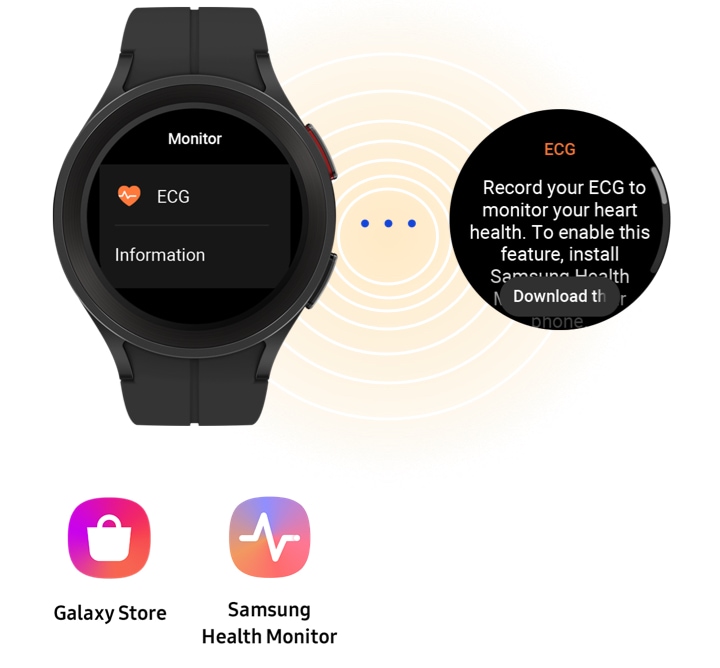
The integration of health monitor apps with healthcare providers represents a significant advancement in the way patients manage their health. By enabling seamless communication between patients and healthcare professionals, these apps foster a collaborative approach to health management. This relationship can lead to improved patient outcomes as providers have access to real-time data that can inform their clinical decisions.
Health monitor apps facilitate communication by allowing patients to share their health data directly with their healthcare team. This can include vital information such as heart rate, blood pressure, glucose levels, and medication adherence. The real-time exchange of this information makes it easier for healthcare providers to monitor patient progress, adjust treatment plans, and provide timely interventions when necessary. For instance, a patient with diabetes using a health monitor app can send glucose readings directly to their endocrinologist, enabling the doctor to make immediate adjustments to insulin therapy if needed.
Utilization of health data in clinical settings
The health data collected from these apps can be utilized in various clinical settings, enhancing the quality of care provided to patients. These data can serve several key functions:
- Personalized treatment plans: Healthcare providers can use health data to tailor treatments based on individual patient responses, improving efficacy.
- Remote monitoring: Patients with chronic conditions can be monitored from home, reducing the need for frequent in-person visits while still receiving high-quality care.
- Data-driven decision-making: Providers can analyze trends in patient data to make informed choices about preventative care and proactive measures.
- Enhanced patient engagement: Providing patients with access to their health data can encourage them to take a more active role in their health management.
In the clinical realm, healthcare providers can utilize data from health monitor apps during consultations. For example, a cardiologist may review a patient’s heart rate variability data collected over several weeks to assess the impact of lifestyle changes on their cardiovascular health. This continuous flow of information can lead to earlier identification of potential health issues, ultimately improving patient outcomes.
Challenges of integrating app data into traditional healthcare practices
While the benefits of integrating health monitor apps into healthcare systems are clear, there are also potential challenges that need to be addressed. Some of the key challenges include:
- Data overload: Healthcare providers may struggle to manage and interpret the large volumes of data generated by health apps, leading to potential burnout and decreased efficiency.
- Data standardization: Variations in how health data is recorded and transmitted can complicate the integration process, making it difficult to consolidate information from different platforms.
- Patient privacy concerns: Ensuring the security of sensitive health information is crucial, as breaches can lead to loss of trust and compliance issues.
- Resistance to change: Some healthcare professionals may be hesitant to adopt new technologies, preferring traditional methods of care delivery.
Efforts to address these challenges are essential for the successful integration of health monitor apps into traditional healthcare practices. Solutions such as developing standardized data formats, enhancing data management systems, and providing training for healthcare professionals can help facilitate a smoother transition and ultimately improve patient outcomes.
Community support features in health monitor apps can foster motivation and accountability.
Health monitor apps have evolved beyond mere tracking tools; they now serve as platforms for community engagement. By incorporating social sharing and community features, these apps create a supportive environment that encourages users to adopt healthier habits. Engaging with others who share similar health goals can significantly enhance motivation and adherence to wellness routines.
The inclusion of community support features in health monitor apps promotes healthy habits through shared experiences and accountability. Users can share their progress, celebrate milestones, and exchange tips on achieving health goals. This social aspect not only makes the journey less isolating but also fosters a culture of encouragement. When users see others achieving their health objectives, they are often inspired to remain consistent with their own goals, creating a positive feedback loop of motivation.
Social Sharing and Community Connections
Community support provides various psychological benefits that enhance the overall user experience. Connecting with others through health monitor apps can lead to:
- Increased Accountability: When users share their goals and progress with others, they feel a greater sense of responsibility to stay committed.
- Emotional Support: Engaging with a community can help users manage feelings of frustration or discouragement, leading to improved mental well-being.
- Shared Knowledge: Users can exchange valuable insights on effective strategies, nutritional advice, and workout tips, enhancing their personal health journeys.
- Enhanced Motivation: Seeing peers celebrate their achievements serves as a powerful motivator, encouraging others to strive for their own successes.
Several health monitor apps have successfully integrated community support as a core feature, enhancing user engagement and success rates. For instance, MyFitnessPal allows users to connect with friends, share food diaries, and participate in challenges. Fitbit offers a social platform where users can join groups and compete in challenges, driving friendly competition and camaraderie. Another example is Strava, which focuses on runners and cyclists, providing a social network for sharing workouts and achievements, fostering a strong sense of community.
“Connecting with others who share similar health journeys can be a game-changer, providing the support needed to push through difficult times.”
These community aspects not only empower users but also create a vibrant ecosystem that promotes healthier lifestyles through shared commitment and support.
The future of health monitor apps is shaped by advancements in artificial intelligence and machine learning.
As technology continues to evolve, the integration of artificial intelligence (AI) and machine learning (ML) into health monitor apps is revolutionizing how individuals manage their health. These innovations are not just enhancing user experience; they are personalizing health monitoring to a level previously thought unattainable. Through sophisticated algorithms and data analytics, these applications are providing tailored insights that empower users to take proactive control of their health.
AI technologies are increasingly being woven into the fabric of health monitoring, offering personalized experiences that cater to individual health needs. By analyzing vast amounts of data from wearable devices, smartphones, and health records, AI algorithms can detect patterns and provide actionable insights. For instance, apps can now suggest customized exercise routines based on a user’s activity levels, dietary preferences, and health goals. This personalization not only improves user engagement but also enhances the effectiveness of health management strategies, making lifestyle adjustments easier to implement.
Predictive analytics in health management
Predictive analytics, powered by AI, holds significant promise for enhancing health management through apps. By leveraging historical data and real-time inputs, these analytics can foresee potential health issues, allowing users to take preventative measures. The importance of predictive analytics cannot be overstated, as it enables a shift from reactive to proactive health management, which is vital in chronic disease prevention and overall wellness.
Key benefits of predictive analytics in health monitor apps include:
- Early detection of health risks: By analyzing trends in health data, apps can alert users about potential health issues, such as elevated blood pressure or irregular heart rates, before they escalate.
- Customized health recommendations: Users receive specific guidance tailored to their health profile, such as dietary suggestions to manage cholesterol levels or exercise regimens to improve cardiovascular health.
- Enhanced adherence to treatment plans: Predictive insights help users stay motivated and committed to their health goals by providing reminders and reinforcing positive behavior.
- Resource optimization: Predictive analytics aids healthcare providers in allocating resources more effectively, ensuring that preventive care is prioritized, ultimately leading to better health outcomes.
Ethical considerations of AI in health monitoring
While the integration of AI in health monitoring apps presents numerous advantages, it also raises important ethical considerations that must be addressed to foster trust and ensure user safety. The potential misuse of personal health data, algorithmic biases, and the need for transparency in AI decision-making are primary concerns.
It is essential to consider how personal data is collected, stored, and used. Users must be informed about privacy policies and data-sharing practices. Clear consent mechanisms should be in place to empower users to control their information. Additionally, developers need to ensure that AI algorithms are not only accurate but also fair, as biases in training data can lead to unequal health recommendations across different demographics.
“AI technologies must prioritize ethical standards to build trust among users in health monitoring apps.”
As the landscape of health monitor apps continues to evolve with AI and ML advancements, these ethical considerations must remain at the forefront of development and implementation strategies. Fostering a culture of responsibility and transparency will be crucial in shaping a future where technology and health thrive together.
Last Point
In conclusion, the evolution of health monitor apps reflects a significant shift towards personalized health management, empowering users to take control of their health journeys. With innovative features and community support, these apps not only enhance individual health tracking but also foster connections among users, promoting a holistic approach to wellness.
FAQ
What are health monitor apps?
Health monitor apps are applications designed to help users track and manage their health data, including vital signs and lifestyle choices.
Are health monitor apps secure?
While many health monitor apps implement security measures, it’s essential for users to review privacy policies and choose apps that prioritize data protection.
Can health monitor apps replace a doctor’s visit?
No, these apps are meant to complement healthcare by providing useful data but should not replace professional medical advice or visits.
Do health monitor apps work with wearables?
Yes, many health monitor apps are designed to sync with wearable devices to provide comprehensive health tracking.
How can I choose the right health monitor app for me?
Consider your specific health needs, the features offered, user reviews, and the app’s compatibility with any wearable devices you may use.