Yoga gear plays a pivotal role in not only enhancing your practice but also in creating a personal connection to your yoga journey. Quality gear can significantly improve your comfort, stability, and overall performance, impacting how you connect with your body and the mat. Whether you’re a beginner exploring different yoga styles or a seasoned practitioner looking to elevate your experience, the right gear can make all the difference in your practice.
From the materials used in your yoga mat to the accessories that support your poses, every piece of gear is designed to cater to specific needs. Understanding the importance of these items and how they relate to your preferred style of yoga can help you make informed choices that resonate with your personal practice. Let’s dive into the essentials that will not only support your physical practice but also align with your values and preferences.
The Importance of Quality Yoga Gear in Enhancing Practice
Investing in high-quality yoga gear can significantly elevate your practice. Many yogis may overlook the role that equipment plays in their performance, but the right gear can make a world of difference. From enhancing your comfort level to providing the necessary support during challenging poses, quality gear is an essential element in optimizing your yoga experience.
The correlation between the quality of yoga gear and improved performance is rooted in the materials and designs used in the products. Quality yoga mats, for example, are designed to provide optimal grip and cushioning. A well-made mat can help prevent slips during poses, enabling practitioners to focus on their form and alignment rather than worrying about falling. Similarly, high-quality yoga apparel is constructed from breathable, moisture-wicking fabrics that allow for freedom of movement, keeping you comfortable and dry throughout your practice. This enhanced comfort translates to a more effective yoga session, as it allows you to concentrate on your breath and movements without distraction.
Materials and Designs that Enhance Comfort and Stability
The choice of materials significantly impacts both comfort and stability during yoga practice. Quality yoga gear employs advanced fabric technology and ergonomic designs that cater to the diverse needs of practitioners.
1. Yoga Mats: High-density foam and natural rubber materials are commonly used in premium yoga mats. These materials not only offer superior cushioning but also ensure excellent grip, reducing the risk of injury.
2. Clothing Fabrics: The advent of fabrics such as nylon blends or bamboo cotton in yoga apparel allows for lightweight and breathable options. These materials stretch easily and move with the body, providing both support and flexibility.
3. Supportive Gear: Items like yoga blocks and straps made from durable yet lightweight materials help in maintaining balance and alignment. They offer stability in challenging poses, making it easier to achieve proper form.
4. Footwear: If practicing yoga outside of a studio, shoes designed with flexible soles and breathable materials can enhance grounding and connection to the earth.
The thoughtful integration of these elements not only enhances performance but also encourages regular practice. As noted by yoga experts, “The right gear allows practitioners to focus on their breath and movement, fostering a deeper connection to their practice.” When gear is designed with both functionality and comfort in mind, it becomes a valuable tool in the journey of yoga. This ultimately leads to a more fulfilling and engaging experience on the mat, making it clear that quality gear is not just an accessory but a vital component of effective yoga practice.
Exploring Different Types of Yoga Gear for Various Styles
Yoga is an ancient practice that has evolved into numerous styles, each with its own unique approach and requirements. Choosing the right gear can enhance your practice, making it more enjoyable and beneficial. Different yoga styles, such as Hatha, Vinyasa, and Ashtanga, necessitate specific equipment to support practitioners in their journey toward flexibility, strength, and mindfulness.
Essential Gear for Hatha Yoga
Hatha yoga is known for its emphasis on static poses and breathing techniques. The gear used in Hatha yoga is primarily focused on providing comfort and support during these slower-paced sessions. Essential items include:
- Yoga Mat: A high-quality, non-slip mat is crucial for stability and cushioning, allowing practitioners to hold poses without fear of slipping.
- Yoga Blocks: These blocks help in achieving proper alignment and offer support for various poses, making it easier for beginners and those with flexibility issues.
- Yoga Strap: A strap aids in stretching and reaching poses, enabling practitioners to deepen their stretches safely.
- Comfortable Clothing: Breathable and stretchy fabrics are essential for unrestricted movement, allowing practitioners to focus on their poses without discomfort.
Essential Gear for Vinyasa Yoga
Vinyasa yoga involves a dynamic flow of poses, linking breath with movement. The gear for this style is designed to enhance mobility and provide support during transitions. Important items include:
- Moisture-Wicking Mat: A mat that absorbs sweat is essential since Vinyasa can get quite intense, helping to maintain grip and stability throughout the flow.
- Quick-Dry Towel: Placing a towel on your mat can absorb excess moisture, ensuring you remain comfortable and focused without slipping.
- Form-Fitting Clothing: Clothing that is snug but flexible prevents distractions during movement and helps in maintaining body awareness.
- Yoga Wheel: This tool assists in deepening stretches and improving flexibility, especially beneficial for backbends and heart-opening poses.
Essential Gear for Ashtanga Yoga
Ashtanga yoga is characterized by its rigorous sequence of postures, requiring gear that supports intense practice. Key items include:
- Thick Yoga Mat: A durable and thicker mat provides extra padding that is essential for the demanding nature of Ashtanga sequences.
- Yoga Belt: Similar to a strap but often wider, a yoga belt helps in achieving proper alignment and depth in various poses.
- Supportive Athletic Footwear: While yoga is typically practiced barefoot, some practitioners prefer supportive shoes for travel to and from classes, especially for outdoor sessions.
- Hydration Gear: Staying hydrated is crucial during vigorous practice; a reusable water bottle is essential to maintain hydration levels throughout the session.
Investing in high-quality yoga gear tailored to your specific style can significantly enhance your practice and overall experience.
How to Choose the Right Yoga Mat for Your Practice
Choosing the right yoga mat is essential for an enjoyable and effective practice. With countless options available, understanding the specifics of materials, thicknesses, and textures can help tailor your selection to meet your unique needs. A suitable mat not only enhances comfort but also supports your stability during various poses.
When selecting a yoga mat, consider the materials used in its construction, its thickness, and the texture of its surface. These factors significantly influence your practice style and effectiveness. Different materials can provide varying levels of grip and cushioning, while thickness plays a crucial role in shock absorption and comfort. The texture of the mat’s surface can impact your stability and grip during more challenging poses.
Materials of Yoga Mats
The material of a yoga mat affects its durability, grip, and comfort. Here are some common materials used in yoga mats:
- PVC (Polyvinyl Chloride): A traditional material known for its durability and affordability. However, it may not be the most eco-friendly option.
- TPE (Thermoplastic Elastomer): An eco-friendly alternative to PVC, offering good grip and cushioning without toxic chemicals.
- Cork: A natural material that provides a unique texture and is antimicrobial, making it a great choice for those who prefer a sustainable option.
- Natural Rubber: Known for its excellent grip and cushioning, natural rubber mats are biodegradable but may not be suitable for those with latex allergies.
- Jute: A natural fiber that provides a different texture and is biodegradable, though may not offer as much cushioning as other materials.
Thickness and Its Impact on Practice
The thickness of yoga mats varies, typically ranging from 1/16 inch to 1/4 inch or more. The thickness you choose should align with your body type and practice style. Consider the following points regarding thickness:
- Thin Mats (1/16 inch): Ideal for advanced practitioners who prefer more stability and connection to the ground. Suitable for yoga styles requiring precision.
- Standard Thickness (1/8 inch): A balanced option for most practitioners, providing a good mix of comfort and stability.
- Thick Mats (1/4 inch or more): Offers extra cushioning, making it suitable for those with joint issues or for restorative practices. However, it may reduce stability.
Texture and Grip Considerations
The texture of a yoga mat can greatly influence your grip and overall stability during practice. Selecting a mat with the right texture is important for maintaining balance in poses. Here are some textures to consider:
- Smooth Surfaces: These mats are often easier to clean but may offer less grip, especially during sweaty sessions.
- Textured Surfaces: Designed to enhance grip and prevent slipping, these mats are ideal for vigorous practices like Vinyasa or Ashtanga.
- Sticky Mats: A popular choice, providing excellent traction, but may wear down quickly over time.
“A good yoga mat not only supports your body but also your spirit, allowing you to flow through your practice with ease.”
Selecting a yoga mat involves understanding personal preferences, skill level, and body type. By considering these factors, you can find a mat that enhances your practice and aligns with your unique yoga journey.
The Role of Yoga Accessories in Enhancing Flexibility and Strength
Yoga is not just about the poses; it’s about how you can support your body to achieve those poses more effectively. Incorporating the right accessories can significantly enhance flexibility and strength, allowing practitioners of all levels to deepen their practice and avoid injury. Common tools such as yoga blocks, straps, and blankets can be game-changers, making yoga more accessible and beneficial.
The use of yoga accessories can transform a practice by helping to achieve correct alignment and providing stability in various poses. They can serve as extensions of your body, allowing you to reach areas that may be challenging due to flexibility or strength limitations. By incorporating these tools, you can focus on the pose itself rather than struggling to maintain balance or form. This not only aids in safety but also enhances the overall effectiveness of your practice.
Yoga Blocks, Straps, and Blankets
Yoga blocks, straps, and blankets each serve specific purposes that enhance flexibility and strength during practice. Here’s how they support various poses:
- Yoga Blocks: These sturdy foam or cork accessories provide support to help you maintain proper alignment. For instance, when practicing Triangle Pose, blocks can be placed under your hand to prevent strain on your lower back, allowing you to fully experience the stretch without compromising form.
- Straps: Yoga straps are excellent for improving flexibility. They can assist in poses like Seated Forward Bend, where you can use a strap to reach your feet, enabling a deeper stretch without overstretching. Straps are also helpful for maintaining alignment in poses that involve a wide range of motion.
- Blankets: Soft blankets can be utilized for support and comfort in various poses. In restorative practices or during Savasana, a blanket can be placed under the knees or head for added comfort, allowing for deeper relaxation and release of tension in the body.
Incorporating these accessories into your daily practice can enhance your experience and benefits. Here’s a practical guide on how to effectively integrate yoga blocks, straps, and blankets:
- Before Practice: Set up your space with blocks and straps nearby. This accessibility encourages you to use them whenever needed, fostering a mindset of support and adaptability.
- During Practice: Use blocks in standing poses for stability and confidence. In seated poses, utilize straps to extend your reach. With these tools, focus on your breath and alignment, knowing you have support.
- Post-Practice: After your session, incorporate the blanket for your Savasana. This can help you relax more fully and integrate the benefits of your practice.
“Using yoga accessories allows you to explore your range of motion safely and effectively, empowering you to deepen your practice at your own pace.”
By embracing these accessories, you not only enhance your practice but also cultivate a more profound understanding of your body’s capabilities. Whether you are a beginner or an advanced practitioner, tools like blocks, straps, and blankets play an essential role in supporting your journey towards greater flexibility and strength.
Sustainable Yoga Gear
In recent years, the dialogue surrounding sustainability has permeated various aspects of our lives, including wellness practices like yoga. As yoga practitioners become more aware of their environmental impact, selecting sustainable yoga gear has emerged as a vital concern. Not only does choosing eco-friendly options help reduce waste and pollution, but it also promotes a harmonious relationship with our planet, allowing practitioners to engage in their practice with a clear conscience and sense of responsibility.
The importance of sustainability in yoga gear extends beyond personal choice; it plays a significant role in influencing market trends and encouraging manufacturers to adopt eco-friendly practices. Sustainable gear often utilizes renewable resources, minimizes waste during production, and reduces carbon footprints. This not only benefits the environment but also cultivates a community of conscious consumers who value ethical production methods. By supporting sustainable brands, practitioners can help foster a culture that prioritizes the planet and promotes longevity in yoga practices.
Examples of Eco-Friendly Yoga Gear Brands
Several brands have made significant strides in producing sustainable yoga gear, demonstrating that wellness and environmental consciousness can go hand-in-hand. These brands often focus on innovative materials, ethical labor practices, and sustainable production processes. Here are a few notable examples:
- Manduka: Known for its high-quality yoga mats, Manduka has committed to sustainability by using eco-friendly materials such as natural rubber and recycled plastics. Their mats are designed to last a lifetime, reducing the need for frequent replacements.
- Gaiam: Gaiam offers a wide range of yoga gear, including mats and props, made from biodegradable and recycled materials. Their commitment to sustainability is evident in their ongoing efforts to reduce waste and promote eco-friendly practices throughout their supply chain.
- prAna: prAna focuses on creating eco-conscious apparel that is made from organic cotton, recycled polyester, and other sustainable materials. Their production processes are designed to minimize environmental impact while supporting fair labor practices.
- Liforme: Liforme yoga mats are crafted from natural rubber and feature a unique alignment guide printed with eco-friendly ink. The brand’s commitment to sustainability extends to their packaging and shipping methods, ensuring a minimal environmental footprint.
- Yoga Democracy: Yoga Democracy produces activewear made from recycled plastics and offers a variety of designs that promote environmental awareness. They prioritize ethical production, ensuring that workers are treated fairly and paid livable wages.
These brands exemplify how sustainable practices can be integrated into yoga gear production without compromising quality or performance. By choosing gear from these companies, practitioners not only enhance their yoga experience but also contribute positively to the environment.
Trends in Yoga Gear
The landscape of yoga gear is evolving rapidly, driven by innovation and the changing preferences of modern practitioners. As yoga becomes more widespread and diverse, the equipment designed for it is adapting to enhance the overall experience, making practices more accessible and enjoyable for everyone, from beginners to seasoned yogis. Emerging technologies in yoga gear not only improve functionality but also cater to the specific needs and desires of users today.
Among the noteworthy innovations in yoga gear are advancements in materials and designs that prioritize both performance and comfort. Many brands are now focusing on sustainable practices, utilizing eco-friendly materials that minimize environmental impact while maximizing user satisfaction. Innovations like moisture-wicking fabrics and breathable materials enhance comfort during intense sessions, while smart technology integration is paving the way for a more interactive and personalized practice.
Innovative Materials and Technologies
A significant trend in the yoga gear industry is the shift towards high-performance materials that offer various benefits. The following points highlight key innovations that are shaping the future of yoga gear:
- Bamboo and Organic Cotton: These materials are gaining popularity for their softness and sustainability. They provide a comfortable feel while being kind to the planet.
- Moisture-Wicking Fabrics: Designed to draw sweat away from the body, these fabrics help maintain a comfortable temperature during practice, enhancing performance.
- Smart Yoga Mats: Equipped with sensors to track alignment, balance, and posture, these mats connect to apps that provide real-time feedback, making them invaluable for practitioners looking to improve their technique.
- Eco-Friendly Yoga Blocks: Made from recycled materials, these blocks support various postures while promoting sustainability.
- Wearable Tech: Devices like fitness trackers and smartwatches can monitor heart rates, track calories burned, and even guide breathing exercises, integrating wellness with workout metrics.
The user experience is being revolutionized as these innovations cater to individual preferences. For instance, a yoga mat featuring a non-slip surface combined with extra cushioning can significantly enhance grip and support, reducing the risk of injury while allowing for more advanced poses. Likewise, yoga apparel that incorporates seamless designs reduces irritation, enabling practitioners to focus entirely on their flow.
“With the rise of mindful living, the intersection of technology and yoga gear is no longer just about aesthetics; it’s about enhancing the practice itself.”
As yoga continues to adapt to new generations of practitioners, these trends reflect a deeper understanding of their needs, pushing the boundaries of what yoga gear can achieve in terms of performance, sustainability, and user interaction.
The Psychology of Wearing the Right Yoga Gear
The clothing we choose for yoga sessions can significantly influence our mindset and performance. Wearing the right yoga gear is not merely about comfort or style; it’s about how those choices affect our psychological state and can enhance our practice. This interplay between attire and mentality can lead to a more fulfilling and effective yoga experience.
The connection between clothing and psychological impact is well-documented. The right yoga gear can increase motivation, boost confidence, and improve overall performance during practice. When individuals wear clothing that feels good and looks good, they often report enhanced focus and greater enjoyment in their sessions. It’s essential to consider factors such as color, fit, and style, as these elements can profoundly affect one’s approach to yoga.
Influence of Color, Fit, and Style
Understanding the psychological effects of different elements of yoga gear can help practitioners maximize their experience.
Color plays a vital role in setting the mood and energy for a yoga session. For instance:
- Blue: Often associated with calmness and tranquility, wearing blue can help practitioners find peace during challenging poses.
- Red: This bold color can evoke feelings of passion and energy, motivating individuals to push their limits.
- Green: Symbolizing balance and harmony, green can encourage a sense of grounding and stability during practice.
Fit is another critical aspect. Clothing that fits well allows for better movement and flexibility, which can:
- Reduce distractions caused by discomfort.
- Enhance confidence as practitioners feel more secure in their bodies.
Style influences not only personal expression but also how others perceive us in the practice space. Wearing stylish yet functional gear can:
- Make practitioners feel more connected to the yoga community.
- Encourage a sense of belonging and motivation to attend classes regularly.
Wearing the right yoga gear can transform the practice from a routine task into an empowering experience.
When practitioners feel good in their yoga attire, they are more likely to engage fully in their sessions, explore new poses, and practice with greater intention. Ultimately, the right gear supports both physical and mental readiness, paving the way for deeper exploration and connection within the practice.
Customizing Your Yoga Gear for a Personalized Experience
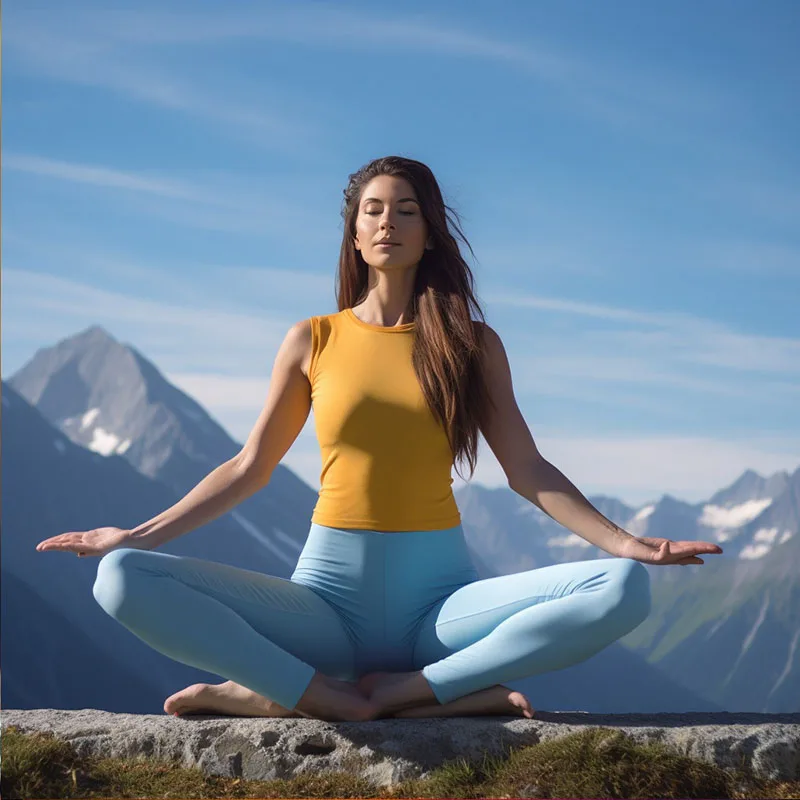
Personalizing your yoga gear is a fantastic way to express your unique style and enhance your practice. By customizing equipment like mats, straps, and clothing, you can create an atmosphere that resonates with your individual preferences, making each session more enjoyable and motivating. Whether it’s through colors, patterns, or functional modifications, the possibilities for personalization are endless.
Customizing your yoga gear not only allows for individual expression but can also improve functionality and comfort during practice. From adding extra grip to your mat to making your clothing more breathable, these modifications can significantly enhance your yoga experience. Below are some popular methods for personalizing your gear that reflect both aesthetics and functionality.
DIY Modifications and Customizations
Creating a personalized yoga experience can be as simple as making a few DIY modifications to your gear. Below are several ideas that can improve both the look and usability of your equipment:
- Mat Painting: Use non-toxic paint or markers to create unique designs on your yoga mat. This can enhance grip while allowing you to showcase your artistic side.
- Adding a Personal Touch to Clothing: Sew on patches or fabric paint to customize your yoga tops and leggings. This not only adds flair but can also make your gear feel more special.
- Grip Enhancements: For extra grip, consider applying silicone dots or fabric grips to the underside of your yoga mat, improving stability during poses.
- Customized Yoga Blocks: Wrap your yoga blocks in colorful fabric or paint them to match your mat, creating a cohesive look that reflects your personality.
- Personalized Straps: Use fabric paint or embroidery techniques to add your initials or a favorite quote to your yoga straps, making them truly your own.
These suggestions not only make your gear visually appealing but also allow for practical enhancements that can improve your yoga practice. By taking the time to personalize your equipment, you can cultivate a more meaningful and enjoyable yoga journey that aligns with who you are.
“Your yoga mat is a reflection of your journey; let it showcase your unique style and spirit.”
The Financial Investment in Quality Yoga Gear
Investing in quality yoga gear is often viewed as a significant financial commitment, yet it can lead to substantial long-term benefits. Cheaper alternatives may seem appealing due to their lower price tags, but the durability, comfort, and overall performance of high-quality gear can greatly enhance a yoga practice. This financial consideration becomes crucial when evaluating the impact on one’s wellness journey and overall experience.
Quality yoga gear typically features superior materials and craftsmanship that contribute to a more enjoyable practice. For instance, high-end yoga mats provide better grip, cushioning, and longevity compared to budget-friendly options that may wear out quickly or fail to provide adequate support. This not only enhances the physical practice but also minimizes the risk of injury, which could require additional healthcare costs down the line.
Long-Term Benefits of Investing in Quality Gear
The advantages of choosing quality yoga gear extend beyond mere aesthetics. Long-lasting gear can save money in the long run, as it reduces the need for frequent replacements. Here are some key benefits to consider when evaluating your investment:
- Durability: Quality yoga mats and apparel are designed to withstand regular use without deteriorating. Investing in durable gear can mean fewer replacements over time.
- Enhanced Performance: High-quality gear often includes advanced features such as moisture-wicking fabrics and supportive designs, which can improve your overall performance and comfort during practice.
- Injury Prevention: Better cushioning and support can lead to a lower risk of injuries, promoting a safer practice environment and potentially reducing healthcare costs.
- Eco-Friendly Options: Many premium brands offer sustainable products made from environmentally friendly materials, which can align better with personal values and contribute to a healthier planet.
Testimonials from yogis who made the switch to higher-quality gear illustrate these benefits. For example, Emily, a seasoned practitioner, shared her experience after investing in a premium yoga mat. She noted that the increased grip and comfort allowed her to deepen her poses and practice longer without discomfort. Similarly, John, who often practiced in worn-out clothes, found that upgrading to high-performance apparel made a noticeable difference in his flexibility and range of motion, leading to a more fulfilling practice.
“Investing in quality gear was one of the best decisions I’ve made for my practice—my body feels supported, and I can focus on my flow without distractions.” – Emily
In summary, the financial investment in quality yoga gear proves worthwhile when considering the long-term advantages. With a focus on durability, performance, and overall well-being, high-quality gear can enhance the yoga journey significantly.
Creating a Minimalist Yoga Gear Collection for Beginners
Starting a yoga practice can be both exciting and daunting for beginners. With a plethora of gear options available, it’s easy to feel overwhelmed by choices. However, a minimalist approach to your yoga gear collection can simplify your experience and help you focus on your practice without distractions. By selecting a few essential items that are versatile and effective, you can create a solid foundation for your yoga journey.
When choosing gear for beginners, the focus should be on functionality, comfort, and adaptability. Here are the essential items that every beginner should consider incorporating into their minimalist yoga gear collection:
Essential Items for a Minimalist Yoga Collection
A well-rounded yoga collection doesn’t have to be extensive. Each piece of gear should serve multiple purposes, allowing you to maximize your practice without clutter. The following items are essential for any beginner:
- Yoga Mat: A high-quality yoga mat provides the foundation for your practice. Look for a mat that offers good grip and cushioning, which will help prevent injuries and enhance your comfort during various poses. A non-slip surface is particularly important for balance poses.
- Yoga Blocks: These are versatile props that can assist in achieving proper alignment and support in various poses. Blocks can be used to modify poses, making them accessible for beginners while also enhancing flexibility and strength. Choose lightweight yet durable options for easy transport.
- Strap: A yoga strap is an excellent tool for beginners to improve flexibility and reach in poses. It can be used to deepen stretches and help maintain alignment. Opt for a cotton or nylon strap with adjustable loops for versatile use.
- Comfortable Clothing: Invest in breathable, stretchy clothing that allows freedom of movement. Look for moisture-wicking fabrics that keep you comfortable during your practice. Choose leggings or shorts and a fitted top that won’t restrict your movements.
- Water Bottle: Staying hydrated is essential during your practice. A reusable water bottle keeps you refreshed and encourages you to drink water before, during, and after your session. Opt for an insulated model to keep your drinks cool.
“Minimalism in yoga gear allows you to focus on your practice, rather than the distractions of excess.”
Last Recap
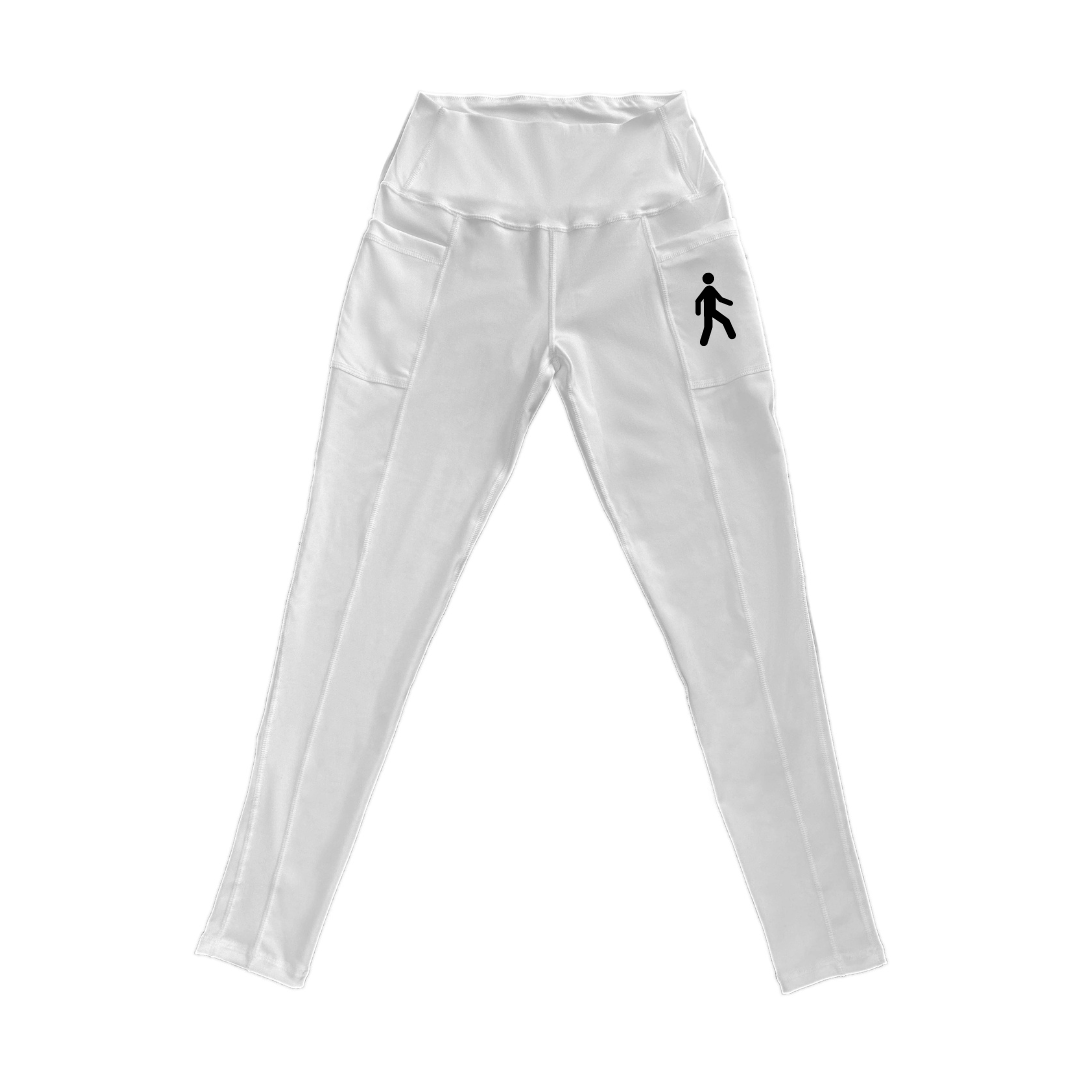
In conclusion, the right yoga gear is more than just equipment; it’s a vital component of your practice that can lead to enhanced flexibility, strength, and mindfulness. By investing in quality products, exploring different styles, and personalizing your experience, you can create a practice that feels uniquely yours. Remember, yoga is a journey, and the gear you choose should support you every step of the way.
FAQ Overview
What should I look for in a yoga mat?
Look for non-slip materials, appropriate thickness for cushioning, and a texture that feels comfortable against your skin.
How often should I replace my yoga gear?
It depends on usage, but generally, mats should be replaced every 6-12 months, while clothing can last longer unless worn out.
Is it necessary to have all types of yoga gear?
No, start with the essentials, and gradually add items that enhance your practice and fit your style.
Can I practice yoga without any gear?
Yes, you can practice yoga without specialized gear, but having at least a good mat can help improve your experience.
Are eco-friendly yoga products effective?
Yes, many eco-friendly yoga products are made with high-quality materials that perform just as well, if not better, than conventional options.