Sleep tracking devices have revolutionized the way we understand our nightly rest, shedding light on the intricacies of sleep cycles and patterns. These innovative tools combine cutting-edge technology with science to provide insights that were once only available through sleep studies. By monitoring various physiological parameters such as heart rate, movement, and even breathing patterns, these devices offer a comprehensive view of how well we sleep and what factors might be affecting our sleep quality.
From smartwatches to dedicated sleep monitors, the diversity of sleep tracking devices available in the market caters to different preferences and needs. As we delve deeper into the functionalities of these devices, we uncover the ways they can inform our nightly routines and contribute to overall well-being. With the increasing importance of sleep in our fast-paced world, understanding these tools is more relevant than ever.
Understanding the Science Behind Sleep Tracking Devices
Sleep tracking devices have surged in popularity, becoming indispensable tools for those seeking to enhance their sleep quality. However, the effectiveness of these gadgets stems from a deep-rooted understanding of sleep cycles and the physiological mechanisms that underpin sleep itself. By leveraging technology to monitor various sleep parameters, these devices provide insights that can help users make informed adjustments to their sleeping habits.
The science of sleep cycles encompasses two primary phases: non-REM (Rapid Eye Movement) and REM sleep, which together form the sleep architecture that recurs throughout the night. Each cycle lasts approximately 90 minutes, and a typical adult experiences about four to six cycles per night. Non-REM sleep is further divided into three stages, ranging from light sleep to deep sleep, while REM sleep is often associated with vivid dreaming and plays a crucial role in memory consolidation and emotional regulation. Sleep tracking devices utilize a range of sensors and algorithms to measure these cycles and stages by assessing body movements, heart rate, and sometimes even brain activity.
Technology Used in Sleep Tracking Devices
Several technologies converge in sleep tracking devices to deliver accurate and insightful data regarding sleep patterns. The most common technologies include:
- Accelerometers: These sensors detect movements during sleep, allowing the device to distinguish between different sleep stages. For example, restless tossing and turning will indicate lighter sleep, while minimal movement may suggest deep sleep.
- Heart Rate Monitors: By measuring heart rate variability, devices can provide insights into sleep quality. A lower heart rate during deep sleep signifies better restorative sleep, while variations during REM sleep can indicate stress levels or disturbances.
- Pulse Oximeters: Some advanced devices include this feature to measure blood oxygen levels, which can highlight potential sleep disorders such as sleep apnea. Low blood oxygen levels during sleep can disrupt sleep architecture significantly.
- Sound Analysis: Certain devices use microphones to analyze sounds during the night, identifying disturbances like snoring or environmental noise, which may affect sleep quality.
These technologies work in concert to generate a comprehensive picture of an individual’s sleep. By analyzing the data collected, users can gain an understanding of their sleep patterns, identify areas for improvement, and track changes over time.
Physiological Parameters Monitored by Sleep Tracking Devices
The effectiveness of sleep tracking devices lies in their ability to monitor various physiological parameters that reveal critical insights about an individual’s sleep health. These parameters include:
- Sleep Duration: The total time spent sleeping is critical for assessing whether an individual is meeting the recommended sleep guidelines.
- Sleep Efficiency: This metric compares the total sleep time to the amount of time spent in bed, highlighting how efficiently one falls asleep and stays asleep.
- Sleep Stages: By tracking the distribution of light, deep, and REM sleep, users can understand their nightly sleep architecture and its impact on overall health.
- Resting Heart Rate: A lower resting heart rate during sleep is typically a sign of good cardiovascular health and effective recovery.
- Movement Patterns: Analyzing movements can help identify disturbances or restlessness that may impede quality sleep.
Such detailed physiological monitoring allows users to pinpoint specific issues in their sleep patterns, enabling them to make lifestyle changes or consult healthcare professionals when necessary. By understanding the science behind sleep tracking devices, users can effectively leverage this technology to improve their sleep quality and overall well-being.
Different Types of Sleep Tracking Devices Available in the Market
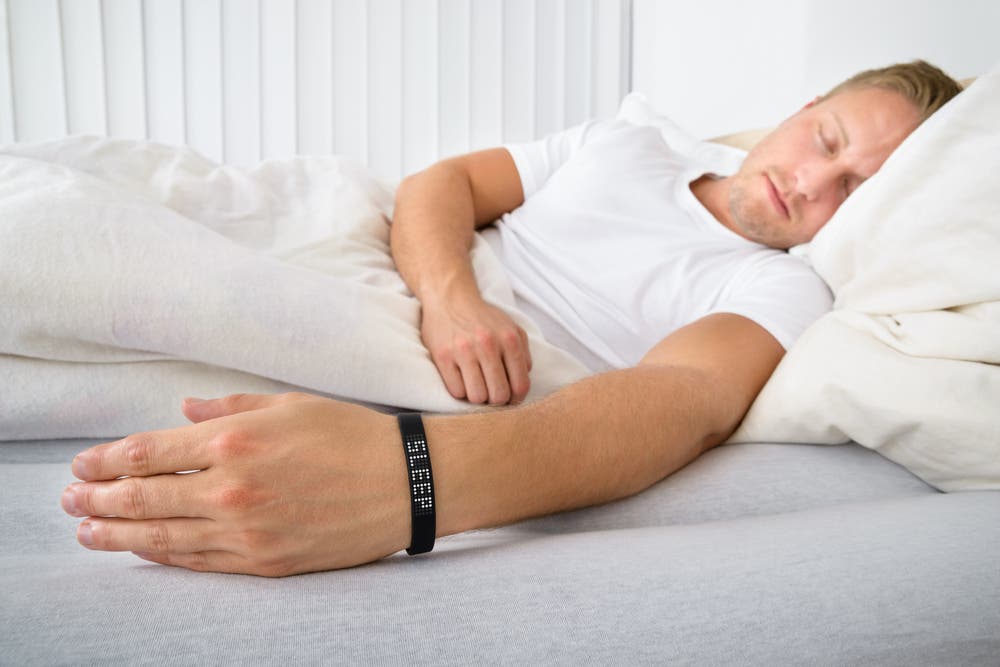
The growing awareness of the importance of sleep quality has led to a surge in various sleep tracking devices on the market. These gadgets cater to different user needs, offering a range of functionalities to help monitor and improve sleep patterns. Understanding the different types of sleep tracking devices can assist users in selecting the one that best fits their lifestyle and requirements.
Wearable Sleep Trackers
Wearable sleep trackers are devices that can be worn on the body, typically as wristbands or smartwatches. They utilize sensors to monitor sleep duration, stages, and even heart rate. Popular examples include devices from brands like Fitbit and Apple Watch.
- Functionality: These devices track movement and physiological data to provide insights about sleep quality and efficiency.
- Advantages: Portability and additional features like activity tracking, heart rate monitoring, and notifications enhance their utility.
- Disadvantages: Comfort can be an issue for some users, and battery life may require frequent charging.
Non-Wearable Sleep Trackers
Non-wearable sleep trackers are designed to monitor sleep without the need for physical contact. These devices can be placed under the mattress or on a bedside table. Examples include the Withings Sleep and ResMed S+.
- Functionality: Utilizing radar technology or pressure sensors, these devices analyze sleep patterns, breathing, and snoring without any physical contact.
- Advantages: Comfort during sleep is guaranteed since users do not have to wear anything. They also offer detailed insights and can often sync with apps for tracking.
- Disadvantages: They may be less accurate in terms of movement tracking compared to wearables, and setup might be complex for some devices.
Smart Mattresses and Sleep Aids
Smart mattresses and sleep aids are advanced solutions that integrate multiple technologies to enhance sleep quality. Brands like Sleep Number and Eight Sleep offer mattresses equipped with sleep tracking features.
- Functionality: These mattresses can adjust firmness, temperature, and even track sleep metrics, providing a comprehensive sleep solution.
- Advantages: They combine comfort and technology, allowing personalized settings for optimal sleep. Tracking is typically very accurate as it measures sleep from a fixed position.
- Disadvantages: They can be quite expensive, and some users might find the technology overwhelming or unnecessary.
Understanding the different sleep tracking devices allows users to make informed decisions about their sleep health.
The Role of Sleep Tracking Devices in Improving Sleep Quality
Sleep tracking devices have revolutionized the way we understand and improve our sleep patterns. By providing insights into our nightly rest, these devices enable individuals to recognize their unique sleep patterns and optimize their routines accordingly. This leads to a better quality of sleep, which is essential for overall health and well-being.
One of the primary benefits of sleep tracking devices is their ability to collect detailed data on various aspects of sleep. By monitoring factors such as sleep duration, interruptions, and different sleep stages, individuals can gain a clearer picture of their sleep quality. This tracked data translates into actionable insights that can significantly enhance sleep hygiene. For instance, understanding when deep sleep occurs can prompt users to adjust their bedtime or create a more conducive sleep environment.
Feedback Mechanisms Used by Sleep Devices
The feedback mechanisms employed by sleep tracking devices play a critical role in guiding users toward improved sleep practices. These devices offer various forms of feedback that can help individuals make informed adjustments to their sleep habits. Below are some of the common feedback mechanisms utilized:
- Sleep Score: Many devices assign a score to the quality of sleep based on metrics such as total time asleep, sleep efficiency, and duration of restless periods. This score provides a quick reference for users to gauge their sleep quality.
- Sleep Cycle Analysis: Advanced devices track the different stages of sleep—light, deep, and REM. By analyzing these cycles, users can understand how their sleep patterns relate to overall restfulness.
- Personalized Recommendations: Based on the collected data, devices can generate tailored suggestions, such as optimal sleep duration, bedtime, and even environmental adjustments like cooler room temperatures or reduced light exposure.
- Trends and Progress Tracking: Many sleep trackers visualize trends over time, allowing users to see how changes in their lifestyle affect their sleep. This can motivate individuals to stick to new routines.
- Smart Alarms: Some devices feature smart alarm systems that wake users during the lightest sleep phase, making it easier to rise feeling refreshed and alert.
These feedback mechanisms not only provide users with the knowledge to make necessary changes but also help promote healthy sleep hygiene through ongoing engagement with their sleep data. As individuals become more aware of their sleep habits, they are better equipped to make lifestyle adjustments that can lead to profound improvements in their overall sleep quality.
User Experience
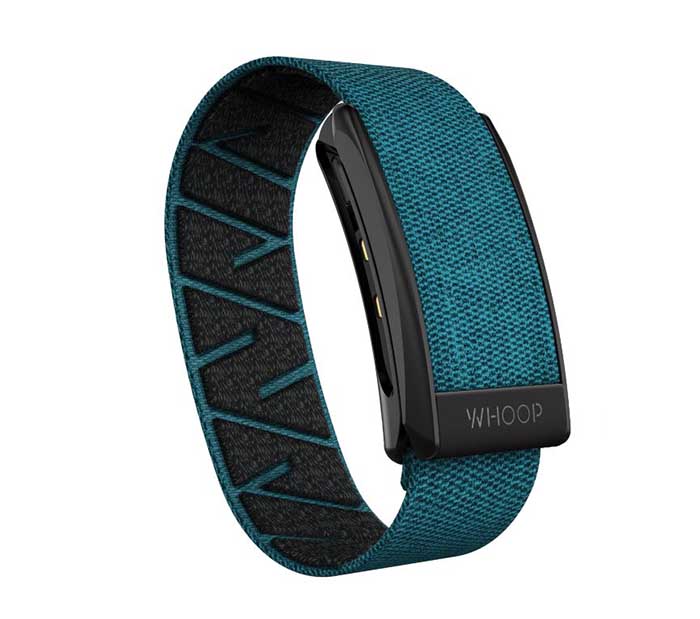
Integrating a sleep tracking device into daily life can enhance your understanding of sleep patterns and improve overall sleep quality. Setting up and using these devices requires a bit of time, but the insights they provide can be well worth the effort. Users typically find themselves navigating the initial setup process, which involves downloading an app, wearing the device, and syncing data across platforms to get personalized sleep insights.
The user experience, however, can be a mixed bag depending on individual lifestyles and preferences. One of the first challenges users may face is the adjustment period to consistently wearing a device while sleeping. This can feel cumbersome at first, especially for those who are not used to wearing anything on their wrists or bodies while they sleep. Additionally, syncing issues may arise if users forget to connect their device to the app each night, leading to incomplete data collection and sometimes frustration.
Challenges During Integration
Integrating sleep tracking devices into nightly routines can present several challenges, ranging from technical issues to personal habits. Here are some common obstacles users might encounter:
- Device Comfort: Some users may find the physical presence of the device intrusive, leading to difficulties in falling asleep.
- Battery Life: Regularly needing to charge the device can disrupt the tracking process if not managed properly.
- Data Overload: Users may become overwhelmed by the amount of data generated, complicating their efforts to make meaningful changes to their sleep habits.
- Consistency: Maintaining a consistent sleep schedule while relying on the device can be challenging, especially for those with irregular work hours.
Users can overcome these challenges and maximize the effectiveness of their sleep tracking devices with some thoughtful strategies. Establishing a routine that allows for consistent usage of the device is fundamental. For instance, setting a specific time to charge the device each day can help reduce interruptions in tracking. Additionally, users can benefit from creating a calming bedtime routine that encourages relaxation, making it easier to adapt to wearing the device.
Maximizing Effectiveness
To make the most of sleep tracking devices, users should consider the following tips:
- Regular Review: Analyze sleep data weekly to identify patterns and make informed adjustments.
- Set Goals: Use insights from the device to establish realistic sleep goals, such as aiming for a consistent sleep duration.
- Environment Optimization: Create a conducive sleep environment by reducing noise, managing room temperature, and minimizing light exposure.
- Engage with the Community: Join forums or groups where users share experiences and tips, enhancing motivation and learning.
By implementing these strategies, users can turn their sleep tracking experience into a powerful tool for enhancing sleep quality and overall well-being.
The Impact of Sleep Tracking Devices on Mental Health Awareness
Sleep tracking devices have revolutionized the way individuals understand their sleep patterns, offering insights that can significantly influence mental health awareness. By providing quantitative data on sleep quality, these devices enable users to correlate their sleep habits with emotional and psychological well-being, fostering a deeper understanding of how sleep affects mental health outcomes.
Sleep quality is intricately linked to various mental health conditions. Research indicates that poor sleep can exacerbate anxiety, depression, and other mental health disorders. By utilizing sleep tracking devices, individuals can monitor their sleep patterns, identifying trends that may contribute to their mental health struggles. This monitoring can lead to proactive management strategies, allowing users to make informed lifestyle adjustments.
Connection Between Sleep Quality and Mental Health Outcomes
Recognizing the connection between sleep quality and mental health can be transformative. People who use sleep tracking devices can easily identify significant factors that influence their sleep, such as stress levels, diet, and exercise. This newfound awareness can lead to improved mental health management strategies.
- Stress and Anxiety Management: Users often discover that consistent sleep disturbances correlate with heightened stress and anxiety levels. For instance, a user may notice that their anxiety worsens following nights of poor sleep, prompting them to explore stress management techniques such as meditation or cognitive behavioral therapy.
- Improved Sleep Hygiene: Many users report adopting better sleep practices after analyzing their sleep data. For example, an individual might shift their bedtime routine to include dimming lights and reducing screen time, resulting in improved sleep quality and reduced symptoms of depression.
- Increased Motivation for Healthy Habits: Some users find that tracking their sleep encourages them to engage in healthier lifestyle choices. A case study of a user who began to prioritize physical exercise after noticing a direct correlation between activity levels and sleep quality illustrates this point. Improved sleep, in turn, positively impacted their mood and overall mental health.
Understanding your sleep patterns can be the first step towards better mental health management.
Personal stories highlight the transformative effects of sleep tracking on mental health awareness. For instance, a young professional struggled with anxiety and consistently reported poor sleep. After using a sleep tracker, she identified that her late-night caffeine consumption was disrupting her sleep. By making minor adjustments, she significantly improved her sleep quality and noticed a remarkable reduction in her anxiety levels.
Another case involved a college student who used sleep tracking to manage depressive symptoms. By recognizing patterns linked to his academic workload and sleep disruptions, he developed a more balanced schedule that included time for relaxation and social activities, ultimately leading to better sleep and improved mental health.
These examples illustrate that awareness gained from sleep tracking devices can empower individuals to take control of their mental health through informed choices and lifestyle modifications.
Future Innovations in Sleep Tracking Technology
The realm of sleep tracking technology is on the brink of transformation, driven by advancements in artificial intelligence, wearable technology, and health monitoring. As consumers become increasingly health-conscious, the demand for accurate and insightful sleep analytics is rising. Emerging technologies are set to redefine how we understand and improve our sleep patterns, paving the way for more personalized and effective sleep solutions.
Anticipated advancements in sleep tracking devices will likely include enhanced data collection methods, improved accuracy, and integration with other health metrics. With the advent of machine learning and sophisticated algorithms, future devices could not only monitor sleep patterns but also predict sleep disturbances based on a user’s lifestyle, stress levels, and environment. These innovations will fundamentally alter the landscape of sleep health and tracking, creating opportunities for more tailored approaches to sleep improvement.
Integration of Artificial Intelligence in Sleep Analysis
The integration of artificial intelligence (AI) into sleep tracking technology is poised to revolutionize how users interact with their sleep data. AI can analyze vast amounts of data collected from various sources, enabling devices to provide more accurate insights and recommendations. This capability may lead to features such as:
- Personalized Sleep Coaching: AI algorithms can offer tailored advice based on individual sleep patterns, habits, and preferences, encouraging users to make data-driven changes for better sleep quality.
- Predictive Analyses: By learning from historical sleep data, AI could forecast potential sleep disruptions, allowing users to take proactive measures to mitigate them.
- Real-time Feedback: Advanced sensors in sleep devices may provide immediate feedback during the night, guiding users to adjust their sleeping positions or environment for optimal comfort.
The ability of AI to adapt and learn from user habits will signal a shift from generic sleep tracking to a more customized experience, empowering individuals to take control of their sleep health like never before.
Wearable Technology Advancements
Wearable devices are evolving beyond simple sleep trackers to incorporate a plethora of health features that monitor overall well-being. Innovations in this field will include:
- Advanced Sensors: New biometric sensors could provide deeper insights into sleep stages, heart rate variability, and even blood oxygen levels, making sleep tracking more comprehensive.
- Smart Fabrics: Future wearables may utilize smart fabrics that can measure physiological responses through skin contact, allowing for continuous monitoring without the bulk of traditional devices.
- IoT Integration: Devices could seamlessly connect with other smart home devices to create a sleep environment tailored to individual needs, adjusting lighting, temperature, and sound based on sleep data.
The fusion of functionalities within wearables promises a holistic approach to health monitoring, allowing users to understand and enhance their sleep within the context of their overall health.
Use of Environmental Factors in Sleep Tracking
The future of sleep tracking technology will likely account for environmental factors that affect sleep quality. Innovations may include:
- Environmental Sensors: Devices equipped with sensors to monitor noise, light, and air quality could provide users with insights into how these factors impact their sleep.
- Smart Home Integration: Sleep tracking devices may communicate with smart home systems to adjust environmental settings based on sleep patterns, such as dimming lights or reducing noise levels.
- Personalized Environment Recommendations: By analyzing data on how users sleep in different conditions, devices could suggest optimal sleep environments tailored to individual preferences.
Incorporating environmental monitoring into sleep tracking will enhance the understanding of external influences on sleep, helping users create the best possible conditions for restful nights.
“Future innovations in sleep tracking technology will transform not just how we monitor our sleep, but how we manage our overall health and well-being.”
Final Thoughts
In summary, sleep tracking devices serve as valuable allies in our quest for better sleep and enhanced mental health. By providing actionable data, they empower users to make informed decisions about their sleep habits and overall lifestyle. As technology continues to evolve, we can expect even greater innovations that will further improve our understanding and management of sleep, paving the way for healthier lives.
FAQ Guide
What are the most common sleep tracking methods?
Common methods include wrist-worn devices, under-mattress sensors, and mobile apps that utilize smartphone sensors to monitor sleep.
Can sleep tracking devices replace a sleep study?
While they provide useful insights, sleep tracking devices cannot fully replace a clinical sleep study, especially for diagnosing sleep disorders.
Are sleep tracking devices accurate?
Accuracy varies by device; while many are reliable for general trends, they may not be precise in measuring detailed sleep metrics.
Do I need to wear the device all night?
For most devices, continuous wear is necessary to gather comprehensive sleep data, although some can monitor sleep without being worn.
How do I interpret the data from my device?
Most devices come with an app that provides easy-to-understand graphs and insights to help you interpret your sleep patterns.