Fitness equipment has undergone a remarkable transformation over the years, evolving from rudimentary tools in ancient civilizations to the high-tech gear we see today. This evolution not only reflects advancements in technology but also changes in how we approach fitness, making workouts more effective and accessible. Whether you’re a seasoned athlete or just starting your fitness journey, understanding the landscape of fitness equipment can greatly enhance your training experience.
From cardio machines that track your heart rate to resistance tools that sculpt your body, the variety of fitness equipment available today caters to every need and preference. This overview will delve into the different types of equipment, their functionalities, and how they can impact your workouts, whether at home or in a gym setting.
The Evolution of Fitness Equipment Over the Years
Fitness equipment has come a long way, transforming from rudimentary tools in ancient civilizations to sophisticated machines that leverage cutting-edge technology. Early forms of fitness equipment were simple and practical, focusing primarily on strength and endurance. As societies evolved, so did their approach to fitness, resulting in an array of equipment designed for various training needs. This evolution has not only changed the way people exercise but has also made fitness more accessible and effective for a diverse population.
The influence of technology on the manufacturing and design of fitness tools is profound and multi-faceted. For instance, the introduction of materials such as steel, rubber, and later, advanced composites, has allowed for the creation of equipment that is both durable and user-friendly. Initially, fitness tools were handcrafted with limited design considerations. Over time, advancements in technology such as computer-aided design (CAD) have revolutionized the development process, allowing engineers to create more efficient and ergonomic designs. This has resulted in equipment that not only meets the functional needs of users but also enhances safety and comfort during workouts.
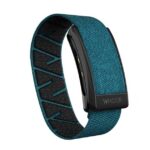
Another significant milestone in fitness equipment innovation is the introduction of electronic and digital technologies. Machines equipped with smart sensors can now provide real-time feedback on performance metrics such as heart rate, calorie burn, and workout intensity. For example, stationary bikes and treadmills come integrated with screens that offer interactive classes or virtual rides, making workouts more engaging. The rise of wearable fitness technology, like fitness trackers and smartwatches, has also complemented these innovations, allowing users to monitor their progress outside of gym settings.
The integration of technology into fitness equipment has fundamentally changed workout routines, making them more personalized and effective. Users can now access a variety of training programs tailored to their specific goals, whether it’s weight loss, muscle gain, or endurance training. The emphasis on data-driven training has not only motivated individuals to stay committed to their fitness journeys but has also fostered a sense of community through shared experiences on various fitness platforms.
Key Milestones in Fitness Equipment Innovation
The history of fitness equipment is marked by several key milestones that have redefined how people approach physical fitness. Understanding these milestones is crucial in appreciating the advancements we enjoy today.
- The Invention of the Dumbbell (Ancient Greece): This simple tool laid the groundwork for strength training, enabling athletes to build muscle and improve performance.
- The Development of the Treadmill (Early 1800s): Initially designed for use in prisons, the treadmill evolved into a staple in cardio fitness, allowing users to walk or run indoors.
- The Introduction of Nautilus Machines (1970s): These machines revolutionized strength training by providing adjustable resistance and promoting safer, more effective workouts.
- The Emergence of Home Fitness Equipment (1980s-1990s): With the rise of home workout videos and equipment, such as the Bowflex and resistance bands, fitness became more accessible to a wider audience.
- The Digital Fitness Era (2000s-Present): The integration of technology, including apps and smart machines, has transformed how users engage with fitness, offering personalized experiences and community interaction.
In summary, the evolution of fitness equipment reflects broader societal changes and technological advancements. From ancient tools to modern smart devices, the journey has been one of innovation and adaptation, continuously enhancing the way we achieve our fitness goals.
Understanding the Different Types of Fitness Equipment Available
Fitness equipment comes in a variety of forms, each designed to cater to specific workout needs and preferences. Whether you are looking to enhance cardiovascular endurance, build strength, or improve flexibility, understanding the different types of fitness equipment can help you make informed choices to meet your fitness goals. Here, we explore the main categories of fitness equipment and the various tools available under each category.
Cardiovascular Equipment
Cardiovascular equipment is essential for improving heart health, burning calories, and boosting endurance. These machines typically elevate your heart rate and help enhance overall fitness. Here are five popular types of cardiovascular equipment:
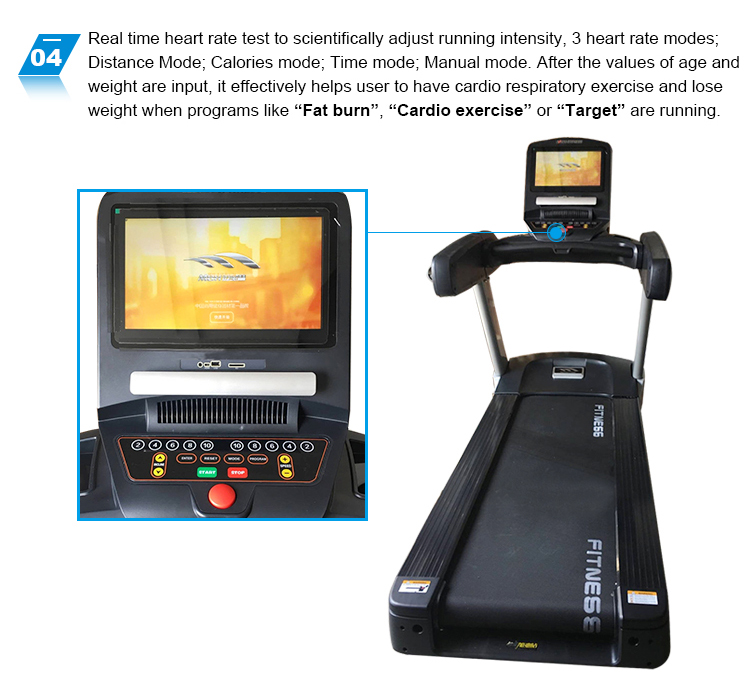
- Treadmills: Ideal for indoor running or walking, treadmills allow you to adjust speed and incline, catering to varying fitness levels. They often come with built-in programs and heart rate monitors.
- Stationary Bikes: Available in upright and recumbent styles, stationary bikes offer an efficient way to improve leg strength and cardiovascular endurance, and they are particularly useful for low-impact workouts.
- Rowing Machines: Rowers provide a full-body workout by simulating the motion of rowing a boat. They are excellent for building strength and endurance simultaneously while engaging multiple muscle groups.
- Stair Climbers: These machines mimic the action of climbing stairs, providing a challenging lower-body workout that also elevates the heart rate, making them great for aerobic conditioning.
Strength Equipment
Strength equipment focuses on building muscle and enhancing overall strength. It can range from free weights to complex machines, each targeting different muscle groups. Here are five types of strength equipment:
- Dumbbells: Versatile and easy to use, dumbbells can be used for a variety of exercises, allowing for a full range of motion and targeting multiple muscle groups effectively.
- Barbells: Consisting of a long bar with weights on either end, barbells are popular for exercises like squats and deadlifts, promoting strength building and muscle growth.
- Resistance Bands: These elastic bands are portable and allow for resistance training without heavy weights. They can be used for a wide range of exercises, making them suitable for all fitness levels.
- Weight Machines: These machines guide users through specific movements, providing targeted workouts for various muscle groups. They are ideal for those who prefer a more controlled exercise environment.
- Kettlebells: These weights, shaped like a ball with a handle, are great for dynamic exercises that combine strength with cardiovascular conditioning, enhancing functional fitness.
Flexibility Tools
Flexibility tools are designed to improve the range of motion and reduce the risk of injury. Incorporating these tools into your routine can enhance overall performance and recovery. Here are five key types of flexibility tools:
- Yoga Mats: Providing cushioning and grip, yoga mats are essential for performing stretching exercises and yoga routines, helping to enhance stability and comfort.
- Foam Rollers: These tools are used for self-myofascial release, targeting tight muscles to aid recovery and improve flexibility through deep tissue massage.
- Stretching Straps: These straps assist in achieving deeper stretches by providing leverage, making them effective for improving flexibility and range of motion.
- Balance Balls: Also known as stability balls, they engage core muscles while improving flexibility and balance, making them versatile for various exercises.
- Resistance Bands: In addition to strength training, resistance bands can be used for stretching, helping to increase flexibility and promote muscle recovery.
The Importance of Choosing the Right Fitness Equipment for Home Workouts
Selecting the right fitness equipment for your home workouts is a critical step towards achieving your fitness goals. The choices you make can significantly impact your workout experience, motivation, and overall effectiveness. With the myriad of options available, understanding what factors to consider can help you create a conducive environment for your fitness journey.
Choosing the right fitness equipment requires careful evaluation of various factors. These include the available space in your home, your budget, and your personal fitness goals. Each element plays a vital role in ensuring that the equipment aligns with your lifestyle and ambitions.
Factors to Consider When Selecting Fitness Equipment
When evaluating fitness equipment, it’s essential to look at these key factors:
- Space Constraints: Measure the area where you intend to place your equipment. Consider not only the footprint of the equipment but also the space needed for movement. For instance, a treadmill requires additional space for safety and comfort during use. If space is limited, opt for compact equipment like resistance bands or a folding exercise bike.
- Budget Considerations: Establish a clear budget that takes into account the equipment’s price, as well as any additional costs for maintenance or accessories. You might find high-quality second-hand equipment that fits your budget. Remember, investing in durable equipment often pays off in the long run.
- Personal Fitness Goals: Define your fitness objectives. If strength training is your focus, consider weights, kettlebells, or resistance machines. For cardiovascular fitness, treadmills, stationary bikes, or jump ropes could be more appropriate. Knowing your goals helps narrow down your choices effectively, allowing for a more tailored approach to your workouts.
The right fitness equipment can significantly enhance workout effectiveness and boost motivation. High-quality tools not only facilitate better performance but also inspire consistency. For example, resistance bands are versatile and can easily be used for various exercises, making workouts fun and engaging. A well-chosen piece of equipment, such as a rowing machine, offers a full-body workout that can engage multiple muscle groups simultaneously, thus maximizing the benefits of each session.
Investing in equipment that aligns with your goals fosters a positive mindset. When you see progress—whether it’s improved strength, endurance, or flexibility—you’re more likely to stay motivated. Moreover, having the right tools at your disposal eliminates the excuses that may prevent you from working out, paving the way for a more disciplined fitness routine.
Ultimately, choosing the right fitness equipment is not just about aesthetics or brand names; it’s about functionality and how well it serves your individual needs. By carefully considering space, budget, and personal goals, you position yourself for success in your fitness journey.
Safety Measures When Using Fitness Equipment
Engaging in fitness training is essential for health and well-being, but safety should always be your top priority. Proper use of fitness equipment can prevent injuries and ensure a productive workout. Understanding safety protocols, recognizing common mistakes, and maintaining equipment can enhance user safety and effectiveness during workouts.
Essential Safety Protocols
Adhering to safety protocols is crucial for preventing injuries while using fitness equipment. Here are several key measures to follow:
- Always warm up before starting your workout to prepare your muscles and joints.
- Use equipment as intended, following the manufacturer’s instructions and guidelines.
- Make sure to adjust weights and settings according to your fitness level and experience.
- Keep your workout area clean and free from clutter to avoid tripping hazards.
- Stay hydrated and take breaks as needed to prevent fatigue.
Common Mistakes When Using Fitness Equipment
Identifying and correcting common mistakes can significantly reduce the risk of injury. Below are frequent errors and suggestions for avoiding them:
- Improper form: Many individuals neglect proper technique, which can lead to strains. Always prioritize correct posture and alignment.
- Overloading weights: Using weights that are too heavy can cause injuries. Start with manageable weights and progressively increase them as strength improves.
- Neglecting to secure safety features: Many machines come with safety locks or clips that should always be used. Failing to do so can lead to accidents.
- Ignoring equipment settings: Ensure that your settings, such as seat height on machines, are adjusted correctly for your body to avoid discomfort or injury.
Importance of Equipment Maintenance
Regular maintenance of fitness equipment plays a vital role in ensuring user safety. Neglecting maintenance can lead to malfunctioning equipment, which poses safety risks. Here are some essential aspects of equipment maintenance:
- Regular inspection: Regularly check machines for wear and tear, loose parts, or signs of damage.
- Cleanliness: Keep equipment clean to prevent the buildup of grime and bacteria, which can affect both performance and hygiene.
- Lubrication: Ensure moving parts are properly lubricated to prevent wear and ensure smooth operation.
- Calibration: For machines that track metrics, regular calibration is necessary to ensure accuracy.
“Prioritizing safety and maintenance not only enhances workout effectiveness but also protects against potential injuries.”
The Role of Fitness Equipment in Rehabilitation and Injury Prevention
Fitness equipment plays a vital role in the rehabilitation process and injury prevention, serving as a bridge between recovery and optimal performance. The right tools not only enhance recovery but also reduce the likelihood of future injuries. Understanding how specific equipment contributes to rehabilitation can empower individuals to take control of their healing journey.
Certain fitness equipment is designed specifically to assist in rehabilitation after injuries, providing support and facilitating gradual strength building. The use of these tools is essential in physical therapy settings, where tailored exercises are prescribed to address specific injuries or post-surgical recovery needs. The following equipment is commonly used in these contexts:
Common Equipment in Physical Therapy Settings
In physical therapy, the selection of equipment can significantly impact the effectiveness of rehabilitation programs. Various types of equipment are employed to cater to different injuries and rehabilitation goals. Here are some widely used fitness tools and their benefits:
- Resistance Bands: These versatile bands are used to perform a range of strength training exercises that help rebuild muscle strength and improve flexibility. Their adjustable resistance levels make them ideal for gradual progression during recovery.
- Stability Balls: Stability balls aid in core strengthening and balance training. Exercises performed on these balls can enhance proprioception, which is crucial for injury prevention as individuals return to more dynamic activities.
- Foam Rollers: Foam rolling is a self-myofascial release technique that helps alleviate muscle tightness, improve blood flow, and enhance recovery. This equipment is frequently recommended for post-workout recovery and injury prevention.
Fitness Modalities Supporting Injury Recovery
Incorporating various fitness modalities into rehabilitation can enhance recovery outcomes. These modalities offer unique benefits that cater to different aspects of recovery, promoting a holistic approach towards healing:
- Aquatic Therapy: Utilizing water’s buoyancy, aquatic therapy allows individuals to perform exercises with reduced stress on joints. This modality is particularly beneficial for those recovering from knee or hip surgeries.
- Strength Training: Gradual strength training with appropriate resistance helps rebuild muscle strength and endurance, essential for preventing re-injury. Equipment like weight machines or free weights can be tailored to individual recovery plans.
- Flexibility and Mobility Workouts: Incorporating stretching and mobility exercises into rehabilitation routines promotes flexibility and ensures that the body can move freely without pain. Yoga mats and stretch bands are often used in these sessions.
“The right fitness equipment not only aids in rehabilitation but plays a crucial role in preventing future injuries.”
Trends in Fitness Equipment for the Modern Fitness Enthusiast
The landscape of fitness equipment is evolving rapidly, shaped by technological advancements and shifts in consumer behavior. Fitness enthusiasts now seek equipment that not only meets their performance needs but also aligns with their values and lifestyles. This has resulted in a growing demand for innovations that enhance the workout experience and promote sustainable practices.
Several current trends are significantly influencing the fitness equipment industry, primarily driven by the integration of smart technology and the use of eco-friendly materials. As consumers become more health-conscious and environmentally aware, their preferences reflect a desire for products that offer convenience, connectivity, and sustainability.
Smart Technology Integration
The rise of smart technology in fitness equipment is revolutionizing how enthusiasts engage with their workouts. Equipment that incorporates sensors, connectivity, and data analytics is becoming the norm, enabling users to track performance metrics and receive personalized feedback. Here are notable examples illustrating this trend:
- Smart Treadmills: Treadmills equipped with interactive screens and virtual coaching features allow users to simulate outdoor running environments and participate in live classes.
- Connected Wearables: Devices like smartwatches and fitness trackers monitor heart rate, sleep patterns, and calories burned, providing insights that help users optimize their training regimes.
- AI-Powered Strength Equipment: Machines that adjust resistance based on real-time performance data help users train more effectively, offering customized workouts that adapt to their progress.
Eco-Friendly Materials and Sustainable Practices
As more consumers prioritize sustainability, there is a noticeable shift toward eco-friendly fitness equipment. This movement is fueled by a growing awareness of the environmental impact of traditional manufacturing processes and materials. The following examples highlight how companies are responding to these consumer demands:
- Recycled Materials: Brands are creating equipment using recycled plastic and other sustainable resources, reducing waste and promoting a circular economy.
- Bamboo Gym Gear: Equipment made from bamboo, such as yoga mats and blocks, is gaining popularity due to its renewable nature and biodegradability.
- Carbon-Neutral Manufacturing: Some companies have committed to carbon-neutral production processes, ensuring that their carbon footprint is minimized during manufacturing.
“The future of fitness equipment lies in harmonizing performance with sustainability, reflecting the values of modern consumers.”
These trends illustrate a significant shift in the fitness industry, as manufacturers and consumers alike become increasingly focused on technology and sustainability. The integration of smart features and eco-friendly materials not only enhances the user experience but also aligns with a broader commitment to health, wellness, and the planet.
Comparing Commercial vs. Home Fitness Equipment
When it comes to fitness equipment, one of the most significant decisions potential buyers face is whether to invest in commercial-grade or home fitness equipment. Understanding the differences between these two categories is crucial for making an informed choice, especially if you’re serious about your fitness journey. Commercial equipment is designed for constant use in gyms and fitness centers, while home equipment is tailored for personal use, often prioritizing convenience and space-saving designs.
Commercial-grade fitness equipment typically offers superior durability and advanced features compared to home equipment. Built to withstand heavy usage, commercial machines are constructed with high-quality materials and offer a longer lifespan. They often incorporate sophisticated technology such as programmable workouts, advanced display features, and enhanced ergonomics. In contrast, home fitness equipment may focus more on compact designs and basic functionality, catering to users who might not work out as frequently or intensely as those in a gym setting.
Pros and Cons of Investing in Commercial Equipment for Personal Use
Investing in commercial fitness equipment for home use comes with its own set of advantages and disadvantages. It’s essential to consider these factors to determine if such an investment aligns with your fitness goals.
- Durability: Commercial equipment is built to last, often featuring robust materials and construction methods, making it ideal for users who engage in intense workouts.
- Advanced Features: Many commercial machines come with high-tech features such as heart rate monitors, customizable workout programs, and multimedia interfaces, enhancing the workout experience.
- Stability: Heavier and sturdier, commercial equipment provides stability during workouts, which can be particularly beneficial for high-intensity training.
- Potential Cost: The initial investment for commercial-grade equipment can be significantly higher than home models, which may not be suitable for everyone’s budget.
- Space Considerations: Commercial machines tend to be larger and require more space, making them less suitable for smaller homes or apartments.
- Maintenance Needs: While built for durability, commercial-grade equipment may require more maintenance, especially if used frequently in a home setting.
In determining the best fit for individual workout intensity and frequency, it’s imperative to assess personal fitness goals. For those who work out several times a week and engage in high-intensity sessions, commercial equipment may be justified due to its durability and advanced features. On the other hand, for casual exercisers or those with limited space, high-quality home fitness equipment can effectively meet their needs without the hefty price tag. Ultimately, evaluating how often and intensely you plan to use the equipment will guide your decision towards the option that best complements your lifestyle and fitness aspirations.
The Impact of Fitness Equipment on Group Training Sessions
Fitness equipment plays a crucial role in enhancing the dynamics of group training sessions, creating an environment that not only facilitates personal achievement but also strengthens community bonds. The right equipment can transform an ordinary workout into an engaging and motivating experience, driving participants to push their limits while fostering camaraderie among peers. This synergy between equipment and group training can be a game-changer for fitness enthusiasts looking to maximize their workout potential.
Equipment Enhancing Group Experiences
The integration of suitable fitness equipment in group classes enhances the overall experience by fostering participation, interaction, and motivation. Here are some examples of popular equipment used in group training sessions that significantly contribute to this dynamic:
- Stationary Bikes: Common in spin classes, stationary bikes create an exhilarating atmosphere where participants can ride to the rhythm of the music. This equipment supports cardiovascular endurance and allows for personal adjustments, catering to different fitness levels while promoting group synchronization.
- Kettlebells: Frequently utilized in High-Intensity Interval Training (HIIT) and boot camps, kettlebells are versatile and can be used for a variety of exercises. They encourage team challenges and partner workouts, enhancing interaction and motivation among participants.
- Resistance Bands: These lightweight and portable bands are perfect for group workouts, providing customizable resistance for exercises such as squats and rows. Their adaptability fosters inclusivity, making it easier for participants of varying fitness levels to join in.
- Medicine Balls: Medicine balls are often used in circuit training and boot camps. They encourage group activities such as partner tosses or relay races, which not only increase fitness levels but also enhance team spirit.
- Rowing Machines: In group classes focused on full-body workouts, rowing machines help participants work together towards common fitness goals. The setup promotes competition and communal support, as members can track their progress in real-time.
The choice of fitness equipment directly influences the energy and motivation present in group sessions. Effective use of these tools not only elevates individual workouts but also cultivates a sense of belonging and support. Group training sessions with well-selected equipment can create a community environment, urging participants to challenge one another and celebrate collective achievements, thus enhancing the overall fitness journey.
Last Point
In summary, the world of fitness equipment is dynamic and continually evolving, reflecting both technological advancements and changing fitness trends. Choosing the right tools not only improves workout effectiveness but also keeps you motivated and engaged in your fitness journey. As you explore the vast options available, remember that the right equipment can make all the difference in achieving your personal fitness goals.
General Inquiries
What is the best fitness equipment for beginners?
For beginners, versatile equipment like resistance bands, dumbbells, and a stability ball are great choices, as they provide a solid foundation for various exercises.
How often should I replace my fitness equipment?
Can I achieve a full-body workout with just one piece of equipment?
Yes, tools like kettlebells or suspension trainers can be used to target multiple muscle groups, providing a comprehensive workout.
Is it necessary to have fitness equipment at home?
While not necessary, having fitness equipment at home can enhance convenience and flexibility in your workout routine.
What features should I look for in a treadmill?
Key features to consider include motor power, cushioning, preset programs, and incline options to match your fitness level and goals.