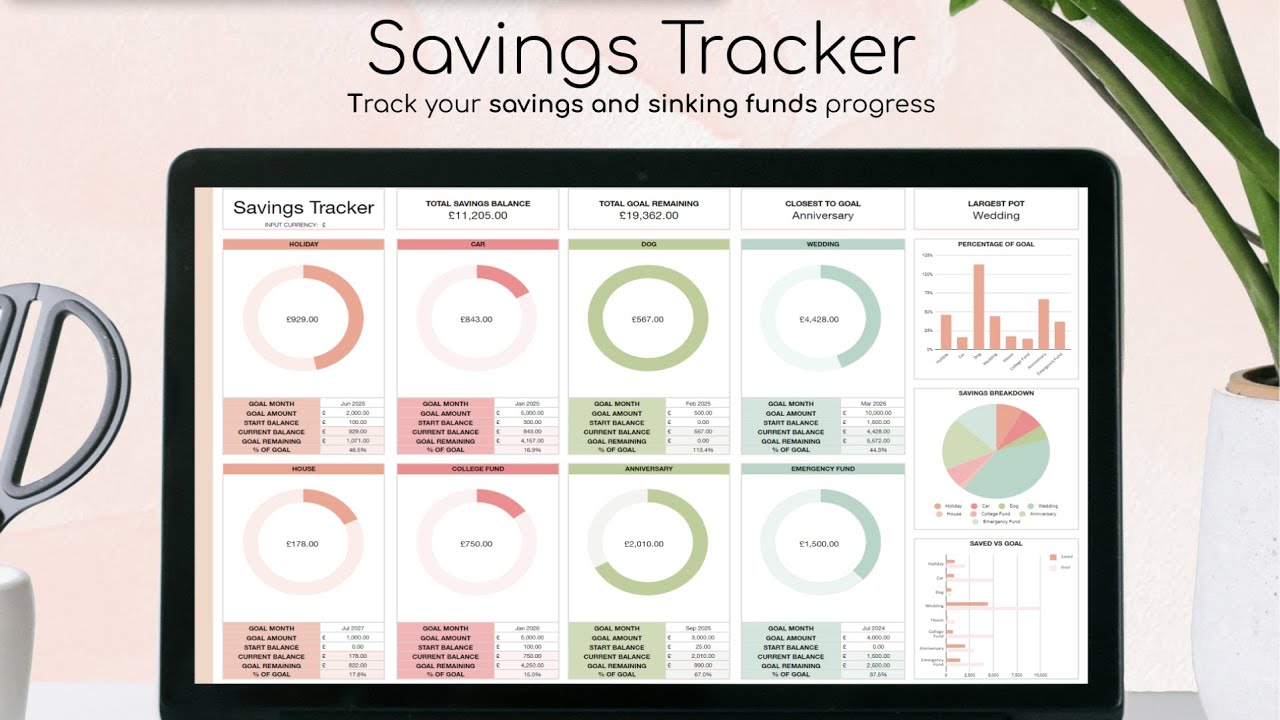
Yoga trackers have become essential tools for practitioners striving to deepen their practice and monitor their progress. By integrating technology into yoga, these trackers provide insights that can significantly enhance personal growth and development. From tracking the duration of sessions to monitoring specific techniques, using a yoga tracker allows practitioners to visualize their journey in a more structured way.
This technology not only collects data on various aspects of your practice but also helps to cultivate a mindful approach towards yoga. Whether you’re a beginner looking to establish consistency or an advanced yogi aiming to refine your techniques, a yoga tracker can serve as a valuable companion on your path.
Understanding the Concept of a Yoga Tracker
Yoga trackers are innovative tools designed to enhance the practice of yoga by providing users with a comprehensive overview of their sessions. They combine technology and mindfulness, allowing practitioners to monitor their progress, set goals, and cultivate a deeper connection with their practice. With various features tailored to individual needs, yoga trackers serve as a personal coach, guiding users on their yoga journey.
The essential features of a yoga tracker include session logging, performance metrics, and personalized insights. Session logging allows users to record the type and duration of their yoga practice, while performance metrics can track aspects such as heart rate, calories burned, and poses completed. Personalized insights provide feedback on trends and patterns, helping users understand their progress over time. This functionality not only fosters accountability but also encourages consistent practice, essential for personal growth and development.
Importance of Tracking Yoga Sessions for Personal Growth
Tracking yoga sessions plays a crucial role in personal development. By maintaining a record of each practice, yogis gain valuable insights into their habits and progress. This data can enhance motivation, leading to a more dedicated practice.
- Self-Reflection: Regularly reviewing session data fosters self-awareness, allowing practitioners to identify areas for improvement and celebrate achievements.
- Goal Setting: With insights gained, users can set realistic, measurable goals for their yoga journey, enhancing their commitment to their practice.
- Consistency: By tracking sessions, yogis are more likely to establish a routine, crucial for reaping the long-term benefits of yoga.
- Adapting Practices: Tracking helps in modifying yoga routines based on progress, ensuring that practitioners challenge themselves appropriately.
Types of Data Collected by Yoga Trackers
Yoga trackers collect various types of data that significantly influence a yogi’s journey. Understanding this data can enhance the overall yoga experience and support personal growth.
- Session Duration: Tracking the length of each session helps yogis understand how much time they dedicate to their practice, encouraging longer sessions as they progress.
- Pose Performance: Monitoring specific poses allows users to identify strengths and weaknesses in their practice, guiding improvements in technique.
- Physical Metrics: Data such as heart rate and calories burned can provide insight into the physical benefits of yoga, reinforcing the importance of maintaining a healthy body.
- Frequency and Consistency: Tracking how often one practices helps build a consistent routine, which is crucial for deeper learning and physical progress.
“Tracking yoga sessions not only aids in understanding one’s practice but also enhances the journey towards personal growth and mindfulness.”
Comparing Different Yoga Tracking Applications
In today’s digital age, yoga practitioners have access to a variety of applications designed to enhance their practice and track progress. These yoga tracker applications not only provide insights into individual performance but also help users stay motivated and engaged in their journey. By evaluating the features and user experiences of these popular applications, potential users can make informed decisions about which one suits their needs best.
When choosing a yoga tracking application, it’s essential to consider unique features, overall functionality, and user experiences. Below is an analysis of several popular yoga tracker applications available on the market today, along with their distinctive offerings.
Popular Yoga Tracker Applications
Understanding the unique aspects of each application can significantly aid users in selecting an app that aligns with their personal yoga goals. The following list summarizes key applications and their standout features:
- Yoga Studio: Known for its extensive library of classes, Yoga Studio features over 280 poses with detailed instructions, allowing users to create customized classes. The app also includes a built-in timer and the ability to track progress over time.
- Asana Rebel: This app combines yoga with fitness, offering various workout plans that integrate yoga poses with high-intensity intervals. Its unique selling point is the focus on fitness outcomes, making it ideal for users looking to build strength and flexibility simultaneously.
- Down Dog: This application is praised for its customizable practice options. Users can select their preferred level, duration, and even the type of music played during the session. The app’s AI-generated sequences ensure that no two sessions are the same, keeping the practice engaging.
- YogaGlo: Featuring a robust library of online classes led by experienced instructors, YogaGlo offers a range of styles, from Hatha to Kundalini. Users appreciate the community aspect, which allows interaction and sharing experiences with fellow yogis.
- MyYoga: Focused on personal progress tracking, MyYoga allows users to log their sessions, set goals, and monitor improvements over time. The app also includes video demonstrations of poses, catering to users who appreciate visual guidance.
User experiences and ratings often play a crucial role in determining an application’s effectiveness. Many users report high satisfaction rates with their chosen apps, citing specific features that enhance their practice.
“Finding the right yoga app changed my routine completely. I love how personalized my sessions are with Yoga Studio!”
In summary, exploring various yoga tracking applications reveals a range of options tailored to different user preferences. Features such as guided classes, customization, and community interaction greatly influence user satisfaction and overall engagement in their yoga journey.
The Role of Technology in Enhancing Yoga Practice
In today’s digital age, technology is profoundly influencing various aspects of our lives, including fitness and wellness. In the realm of yoga, technology—especially yoga trackers—has emerged as a valuable tool that complements traditional practices. By integrating modern advancements with ancient techniques, practitioners can elevate their yoga experience to new heights.
Yoga trackers are designed to seamlessly integrate with traditional yoga practices, creating a bridge between the physical and digital realms. These devices can monitor a range of metrics, such as heart rate, breathing patterns, and body movements. This integration allows practitioners to receive real-time feedback on their performance and alignment during poses, which is essential for both beginners and advanced yogis striving for improvement. With features like guided sessions and pose corrections, technology acts as a virtual instructor, ensuring that users maintain proper form and prevent injuries.
Benefits of Monitoring Progress and Setting Goals
Utilizing technology for monitoring progress and goal-setting is pivotal in transforming a yoga practice. The ability to track improvements and set specific objectives encourages practitioners to remain committed and motivated. Here are some key benefits:
- Progress Tracking: Yoga trackers provide detailed insights into how one’s practice evolves over time. This data can highlight increases in flexibility, strength, and endurance, offering tangible evidence of improvement.
- Personalized Goals: By analyzing data on performance, users can create customized goals that address their unique needs and aspirations, fostering a deeper connection with their practice.
- Accountability: Many yoga apps allow users to share their progress with friends or join online communities, promoting accountability and social support.
- Motivation: Gamifying yoga practices through challenges and rewards keeps practitioners engaged and encourages consistent effort.
Creating a Personalized Yoga Experience
Technology has the potential to tailor yoga practices to individual preferences and abilities. This personalization can enhance the overall experience and drive deeper engagement in the practice. Some ways technology achieves this include:
- Customized Routines: Yoga apps can suggest sessions based on user preferences, skill levels, and past practices, allowing for a more relevant experience.
- Adaptive Feedback: Advanced trackers use algorithms to analyze users’ movements and suggest modifications, ensuring that sessions are appropriately challenging and safe.
- Integration with Wearable Technology: Devices like smartwatches can monitor physiological data, providing insights into stress levels and recovery, which can influence the type of yoga practiced on a given day.
- Online Classes: Access to live-streamed or pre-recorded sessions means practitioners can join classes led by expert instructors from the comfort of their homes, expanding their learning opportunities.
The Psychological Benefits of Using a Yoga Tracker

In today’s fast-paced world, the integration of technology into our wellness routines can provide substantial psychological benefits, especially in the realm of yoga practice. Utilizing a yoga tracker helps practitioners not only to refine their physical techniques but also to gain valuable insights into their mental health and emotional well-being. The use of these digital tools can enhance mindfulness and bolster motivation, leading to a more fulfilling yoga experience.
A yoga tracker serves as a powerful companion in the journey towards self-discovery and mental clarity. By logging practices, tracking progress, and reflecting on experiences, users can cultivate a deeper awareness of their emotional states and mental patterns. The visualization of progress over time can be a significant driver for motivation, encouraging practitioners to set and achieve their personal goals.
Visualization of Progress
Tracking yoga practice visually can significantly impact motivation and commitment. As practitioners see their efforts translated into data, they become more aware of their growth and improvement over time. Here are some key points on how visualization fosters motivation:
- Progress Tracking: By logging sessions, individuals can observe their consistency and frequency, which provides a sense of accomplishment.
- Goal Achievement: Many yoga trackers allow users to set specific goals, making it easier to focus on personal aspirations and milestones.
- Performance Metrics: Various metrics such as duration, poses completed, and heart rate can illustrate improvements in strength, flexibility, and endurance.
- Inspirational Feedback: Personalized insights and reminders can help maintain focus and encourage continued practice, especially on challenging days.
Enhancing Mindfulness and Awareness
The incorporation of a yoga tracker can deepen mindfulness and awareness during practice. Engaging with a tracker encourages practitioners to reflect on their experiences, fostering a more intentional approach to their sessions. The following aspects highlight how a yoga tracker enhances mindfulness:
- Reflective Journaling: Many trackers include options for users to jot down thoughts and feelings post-practice, facilitating greater emotional awareness.
- Focus on Breath: Monitoring metrics like heart rate can prompt practitioners to connect more profoundly with their breath during sessions.
- Routine Establishment: Regular tracking helps in creating a consistent routine, which supports mindfulness through predictability and structure.
- Awareness of Patterns: Over time, users can identify emotional triggers and patterns in their practice, allowing for targeted adjustments and enhanced self-awareness.
“Tracking isn’t just about numbers; it’s a journey into understanding the self.”
Utilizing technology to track yoga practice opens doors to psychological benefits that extend far beyond the mat. By visualizing progress and enhancing mindfulness, practitioners can cultivate a more profound sense of well-being and fulfillment in their yoga journey.
Creating a Personalized Yoga Routine with a Tracker
Crafting a personalized yoga routine is an excellent way to enhance your practice while also ensuring that your workouts align with your personal goals and preferences. Incorporating a yoga tracker into your routine allows for a tailored experience, providing you with insights into your progress, frequency, and areas for improvement.
Setting up a customized yoga routine using a yoga tracker involves several steps that ensure the routine meets your unique needs. It’s essential to align your practice with various yoga styles and techniques, which can be adjusted based on data collected by the tracker. This helps to not only keep your workouts engaging but also to facilitate progress tracking.
Step-by-Step Guide to Setting Up Your Personalized Yoga Routine
The process of creating your personalized yoga routine begins with understanding your current level, preferences, and goals. Here’s a simple guide to get you started:
1. Assess Your Goals: Clearly define what you want to achieve from your yoga practice. Whether it’s improving flexibility, building strength, or enhancing mindfulness, having clear goals will guide your routine.
2. Choose Your Yoga Style: Based on your goals, select the styles of yoga that best fit your needs. Styles can range from Vinyasa for a more dynamic workout to Yin for deep relaxation.
3. Utilize Your Tracker: Input your goals and preferred styles into your yoga tracker. Many trackers allow you to log your sessions and provide insights based on your practice history.
4. Create a Schedule: Decide how often you want to practice each week. A balanced routine might include a mix of different yoga styles and techniques.
5. Track Your Progress: Regularly check the data provided by your tracker. Look for patterns in your practice frequency, duration, and areas of improvement.
Incorporating Various Styles and Techniques Based on Tracking Data
To make the most of your yoga tracker, it’s essential to analyze how different styles and techniques affect your practice. This insight can significantly enhance the effectiveness of your routine. Here’s how to do it:
– Monitor Session Feedback: After each session, note your energy levels, flexibility, and any physical discomfort. Your tracker might provide feedback on these aspects.
– Adjust Styles: If the tracker indicates that you are consistently feeling fatigued after power yoga, consider incorporating more restorative yoga sessions into your routine.
– Technique Refinement: Use the data to improve specific techniques. If your tracker shows you struggle with balance poses, allocate more time to practice those specific asanas.
Adjusting Your Routine Based on Progress and Personal Goals
Your yoga journey is dynamic; thus, your routine should be as well. Following are some tips to effectively adjust your routine based on the progress recorded by your tracker:
– Review Regularly: Set aside time weekly or monthly to review your yoga tracker’s data. Assess your progress towards your goals and note any areas needing attention.
– Be Flexible: If you notice stagnation in progress, be open to changing your routine. This could mean introducing new poses, changing class types, or adjusting session lengths.
– Celebrate Milestones: Acknowledge your achievements, whether it’s mastering a new pose or maintaining a consistent practice for a month. Celebrate these milestones as they motivate you to continue.
“A personalized yoga routine crafted from data enables you to evolve in your practice while aligning with your personal journey.”
Addressing Common Challenges in Yoga Tracking
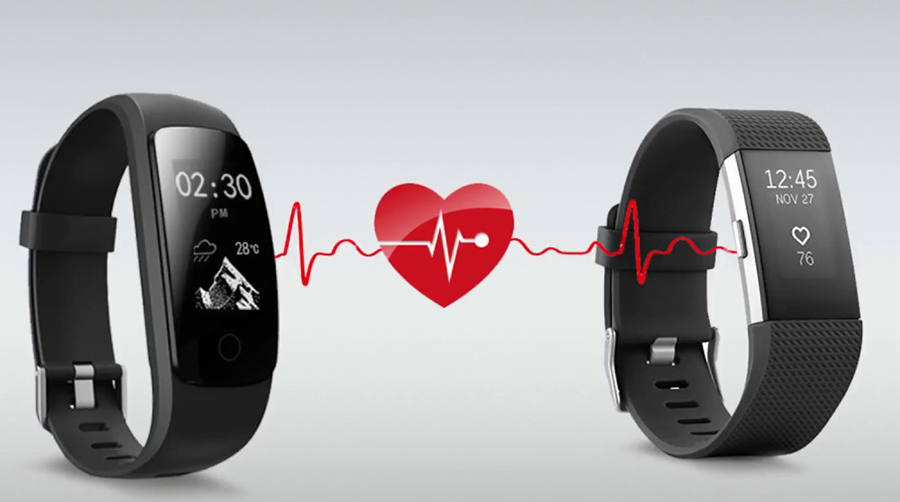
In the journey of integrating technology with yoga practice, users often encounter various challenges that can hinder their tracking experience. Recognizing these challenges and addressing them effectively can enhance the overall benefits of yoga tracking. This section delves into common issues faced by users and provides practical solutions to ensure a seamless experience.
Common Issues in Yoga Tracking
Many users struggle with technical glitches or a lack of user-friendly interfaces in yoga tracking apps. Issues such as inaccurate data, difficult navigation, and syncing problems with devices can lead to frustration. To address these concerns, users should ensure they are using updated versions of their apps, and read user reviews to select platforms that are known for reliability and ease of use. Maintaining a clear understanding of how to operate the software is essential for an enjoyable experience.
Balancing Technology and Mindfulness Practices
While technology offers numerous advantages for tracking yoga practice, it is vital to maintain a balance between tech use and traditional mindfulness practices. Over-reliance on technology can lead to distractions, pulling practitioners away from the present moment. To mitigate this, users should set specific times for tracking their practice, ideally after a session, to allow for reflection without disrupting the flow of mindfulness during the practice itself.
Maintaining Commitment to Tracking
Staying committed to tracking yoga sessions can sometimes feel overwhelming, especially with the myriad of features available in tracking apps. To maintain commitment without feeling burdened, users can simplify their tracking process. Here are some strategies to consider:
- Set realistic goals: Rather than tracking every single session in detail, focus on major milestones or progress markers.
- Limit notifications: Disable non-essential notifications from the app to reduce distractions while practicing.
- Choose a simple app: Opt for a yoga tracker with basic functionalities that cater to your primary needs.
- Schedule tracking time: Allocate a few minutes post-practice solely for tracking, creating a dedicated routine that feels less like a chore.
“Tracking should enhance your yoga experience, not distract from it.”
Implementing these strategies can help users enjoy the benefits of tracking while preserving the essence of their yoga practice. By addressing technical challenges and fostering a balance between technology and mindfulness, practitioners can cultivate a more enriching yoga journey.
Future Trends in Yoga Tracking Technology
As yoga continues to evolve as a popular form of exercise and mindfulness practice, technology is playing an increasingly integral role in how individuals engage with their routines. The future of yoga tracking technology promises to enhance the practice through innovative advancements, making it not only more accessible but also more personalized. This exploration delves into emerging trends and innovations that are shaping the landscape of yoga tracking and their potential impact on practitioners worldwide.
Emerging Trends and Innovations
Innovations in yoga tracking technology are rapidly transforming how practitioners interact with their workouts. The rise of smart wearables has opened new avenues for tracking performance in real-time, allowing users to gain insights into their physical and mental states during practice. These wearables can monitor metrics such as heart rate variability, respiratory rate, and even muscle tension, providing valuable data for optimizing yoga sessions.
One significant trend is the integration of artificial intelligence (AI) into yoga applications. These AI-driven platforms analyze users’ movements through advanced algorithms, offering tailored feedback and suggesting modifications to achieve better alignment and posture. This level of interactivity fosters a more personalized and effective yoga experience, catering to individual needs and abilities.
In addition to traditional wearables, advancements in augmented reality (AR) and virtual reality (VR) are poised to revolutionize yoga practice. Imagine practicing alongside a virtual instructor in immersive environments, allowing for a more engaging experience that can simulate serene landscapes or guided meditations. This technology has the potential to attract new practitioners by making yoga more accessible and enjoyable.
Advancements in Wearable Devices
The next generation of wearable devices is expected to significantly change how individuals practice yoga. Future wearables will likely include features such as biofeedback mechanisms, which provide real-time insights into how one’s body is responding to yoga poses. For instance, a smart yoga mat that detects pressure points and offers feedback on balance could enhance the user’s experience and promote proper alignment.
With the integration of biometric sensors, wearables will be able to track physiological responses, allowing users to monitor their mental states, such as stress levels and relaxation. This data can inform users when to deepen their practice or incorporate mindfulness techniques, enhancing the overall benefits of yoga.
Moreover, the potential for social networking features within these devices is exciting. Users can connect with peers, participate in challenges, and share their progress, creating a supportive community around their yoga practice. This social aspect can motivate individuals to maintain a regular practice, improving overall health and wellness.
Integration into Fitness and Wellness Industries
The future of yoga tracking technology will see a seamless integration into the broader fitness and wellness industries. As health and well-being become increasingly prioritized, yoga is being recognized as a vital component of holistic health programs.
The convergence of data analytics and yoga tracking will allow fitness centers and wellness programs to offer more tailored wellness plans. For example, personalized yoga plans based on individual health metrics can be developed, ensuring that practitioners are meeting their specific wellness goals. This data-driven approach can lead to improved health outcomes, supporting everything from stress management to physical rehabilitation.
Furthermore, partnerships between yoga studios and tech companies are likely to grow, leading to the development of specialized technology products designed specifically for yoga practice. Such collaborations can result in innovative tools, like yoga blocks with built-in sensors that guide users to achieve the proper alignment in real-time.
In summary, the future of yoga tracking technology is bright and filled with opportunities for innovation. As these advancements unfold, they will not only enhance individual practice but also reshape the way yoga is integrated into the fitness and wellness landscapes, making it more accessible and effective for all.
Final Thoughts
In summary, yoga trackers not only facilitate a more personalized practice but also foster motivation and mindfulness through data visualization. As technology continues to evolve, it promises exciting advancements that will further enhance the yoga experience. Embracing tools like yoga trackers can lead to a deeper understanding of the practice, ultimately transforming the way individuals engage with yoga.
FAQ
What is a yoga tracker?
A yoga tracker is a tool or application that helps monitor various aspects of your yoga practice, including session duration, techniques used, and progress over time.
How can a yoga tracker improve my practice?
It provides insights into your performance, helps set goals, and encourages consistency, leading to improved skills and personal growth.
Are yoga trackers suitable for beginners?
Yes, they are ideal for beginners as they can help establish a routine and track progress without overwhelming the user.
Can I use a yoga tracker for different styles of yoga?
Absolutely, most yoga trackers can accommodate various styles, allowing you to customize your experience based on your preferences.
Do I need to be tech-savvy to use a yoga tracker?
No, most yoga trackers are user-friendly and designed for individuals of all technical backgrounds.