Wellness app technology is transforming the way individuals approach their health and well-being, offering a comprehensive toolkit for personal growth and self-care. As we dive into the evolution of these applications, we uncover the milestones that have reshaped user interaction and engagement, from basic tracking tools to sophisticated platforms powered by AI.
In today’s digital age, wellness apps have become essential companions on our journey toward healthier lifestyles. They blend technology with personal wellness, providing users with tailored experiences that motivate and support their unique health goals. By examining the features that make these apps successful and the role of community in enhancing effectiveness, we gain valuable insights into the future of wellness technology.
The Evolution of Wellness Apps in the Digital Age
The journey of wellness apps began with simple tools aimed at self-improvement and health tracking. Initially centered on basic functionalities like step counting or calorie tracking, these apps have evolved significantly, responding to the growing understanding of holistic health and the integration of technology into everyday life. The digital age has seen a rapid increase in mobile device usage, paving the way for innovative applications that cater to diverse wellness needs, from mental health to fitness and nutrition.
Technology has profoundly influenced the design and functionality of wellness apps. Early apps were often standalone tools with limited interactivity, focusing on one aspect of health. With the advent of smartphones and the expansion of the internet, developers began to integrate more advanced features. The use of data analytics allows these apps to offer personalized experiences, adapting to user habits and preferences. For example, wearables that track biometric data have become commonplace, feeding information directly into wellness apps to provide real-time feedback and suggestions. This shift towards personalization has made wellness apps not just tools, but companions in users’ health journeys.
Key Milestones in the Evolution of Wellness Apps
Understanding the significant milestones in the evolution of wellness apps helps to appreciate their current capabilities and user engagement strategies. Each milestone is a reflection of technological advancement and changing consumer needs.
- Introduction of Fitness Trackers: The early 2010s marked the rise of fitness trackers like Fitbit, which integrated with mobile apps. This combination allowed users to track their physical activity in real-time, leading to greater accountability and motivation.
- Integration of Social Features: Many apps began to incorporate social networking capabilities, enabling users to share their achievements and challenges. This fostered a sense of community and support among users, enhancing engagement.
- Rise of Mental Health Apps: As awareness around mental health increased, dedicated apps like Headspace and Calm emerged. These apps focused on mindfulness and stress reduction, addressing a growing need in society.
- AI and Machine Learning: Recent advancements have allowed apps to employ artificial intelligence, enabling more personalized recommendations. For instance, apps can analyze user behavior and suggest tailored workouts or meditation sessions based on individual progress.
- Integration with Telehealth: The COVID-19 pandemic accelerated the adoption of telehealth services, and many wellness apps began to offer virtual consultations with health professionals, making health care more accessible.
Each of these milestones represents a shift not only in technology but also in user expectations, paving the way for a future where wellness apps will play an even more integral role in personal health management.
The Features That Make a Wellness App Stand Out
In today’s fast-paced world, wellness apps have become essential tools for individuals looking to improve their physical and mental health. With an array of options available, certain features distinguish successful wellness apps from the rest. These standout features enhance user engagement, provide personalized experiences, and foster a supportive community, making wellness apps more effective in helping users achieve their health goals.
One of the most significant features of a successful wellness app is tracking capabilities. Users want to monitor their progress, whether it’s tracking their daily steps, water intake, or meditation sessions. Comprehensive tracking not only helps users stay accountable but also provides valuable insights into their habits. For instance, apps like MyFitnessPal and Fitbit allow users to log food intake and physical activities, offering nutritional insights and suggestions for improvement. The ease of tracking promotes consistency, crucial for long-term wellness journeys.
Community support is another vital aspect of wellness apps. Many users benefit from connecting with like-minded individuals who share similar goals and challenges. Apps like Strava and Noom incorporate community features, allowing users to share milestones, participate in challenges, and support each other. This sense of belonging can significantly boost motivation and adherence to wellness programs, as users feel they are part of a larger movement toward health.
Personalized recommendations further enhance the user experience. By leveraging data analytics, wellness apps can provide tailored advice based on individual user profiles, preferences, and goals. For example, the Headspace app uses user input to suggest meditation routines that match their stress levels and preferences. This level of personalization makes users feel understood and increases the likelihood of maintaining engagement with the app over time.
User Experience and Interface Design
User experience (UX) and interface design play a crucial role in the appeal of wellness apps. A well-designed app ensures that users can navigate seamlessly, reducing frustration and enhancing satisfaction. Key elements of effective UX design include intuitive layouts, visually appealing graphics, and straightforward navigation paths. A clean and organized interface allows users to focus on their wellness activities without unnecessary distractions.
One essential aspect of UX design is responsiveness. Wellness apps must perform reliably across different devices and screen sizes. Ensuring that users can access their information anytime and anywhere fosters a sense of confidence and security. For example, apps like Calm feature a simple yet engaging interface that allows users to easily find and start meditation sessions, making the experience feel effortless.
Another critical component is user feedback, which can significantly influence design improvements. Apps that actively solicit and incorporate user feedback, like MyFitnessPal, tend to evolve over time to better meet user needs. This adaptability can foster loyalty as users see their suggestions being taken seriously.
Additionally, visual elements such as color schemes, typography, and images contribute to the overall user experience. A soothing color palette can create a calming environment, essential for wellness apps targeted at stress relief and mindfulness. Clear typography ensures that users can read and understand content easily, reducing cognitive load and enhancing engagement.
In summary, the combination of robust tracking features, community support, and personalized recommendations, paired with solid user experience and interface design, creates a compelling wellness app. These elements work together to foster user engagement, satisfaction, and ultimately, success in users’ wellness journeys.
The Importance of Personalization in Wellness Apps
Personalization in wellness apps is a game changer for users seeking effective health and wellness solutions tailored to their unique needs. By focusing on individual preferences, habits, and goals, these apps can create a more engaging and satisfying user experience. When users feel that their specific journey is being acknowledged and supported through personalized features, they are more likely to stay committed to their wellness goals, leading to better outcomes and greater satisfaction.
Personalized experiences can significantly enhance user engagement and satisfaction within wellness applications. As users interact with the app, their preferences, behaviors, and feedback can be utilized to create a customized experience. This may include tailored fitness plans, nutrition suggestions, mindfulness practices, and progress tracking. The incorporation of user data allows wellness apps to refine their offerings, making them more relevant and beneficial. For instance, a user who enjoys yoga may receive personalized recommendations for new yoga routines based on their skill level and progress, whereas another user focused on strength training may receive entirely different suggestions.
Methods for Integrating User Data
To effectively tailor wellness plans that meet individual goals, various methods can be employed to integrate user data. Here are some key strategies that can be leveraged:
- Initial Assessments: Upon onboarding, users can complete surveys that gather information about their health history, fitness levels, and personal wellness goals. This data serves as a foundation for creating a personalized experience.
- Continuous Tracking: By enabling users to log their daily activities, diet, and mood, the app can adapt and evolve the wellness plans according to how the user is performing and feeling over time.
- Feedback Mechanisms: Regularly prompting users for feedback on their experience and progress allows the app to fine-tune recommendations and ensure they remain relevant and motivating.
- Behavioral Analytics: Utilizing analytics tools to track user engagement patterns helps identify which features are most beneficial or popular, leading to more effective and targeted offerings.
The impact of artificial intelligence (AI) on creating personalized wellness journeys is profound. AI algorithms can analyze vast amounts of user data quickly and accurately, providing insights that would be impossible for individuals to derive on their own. For instance, machine learning models can identify patterns in users’ behaviors and preferences, allowing for real-time adjustments to wellness plans.
AI-driven apps can also suggest unique user experiences based on predictive analytics. For example, if a user consistently logs high levels of stress, the app may recommend guided meditation sessions specifically tailored to their stressors. Additionally, AI can incorporate data from wearable devices, like heart rate monitors and sleep trackers, to provide a holistic view of an individual’s health.
“The integration of AI in wellness applications marks a shift towards individualized care, making wellness journeys not just a possibility, but a reality for users.”
Overall, personalization, powered by user data and AI, creates an ecosystem where wellness apps can deliver dynamic, relevant, and engaging experiences that resonate deeply with users, ultimately facilitating their journeys toward better health and well-being.
The Role of Community in Enhancing Wellness App Effectiveness
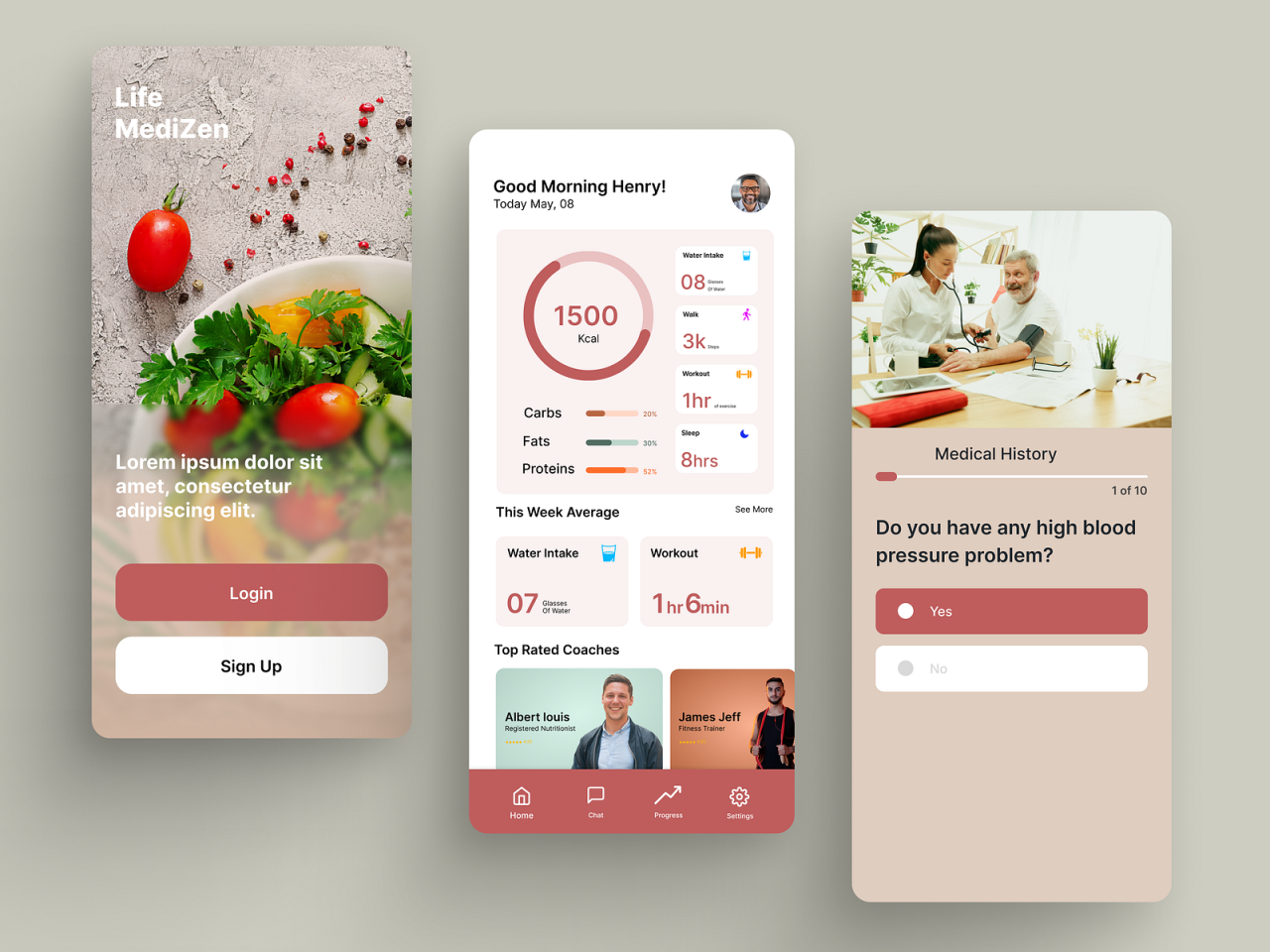
The integration of community features within wellness apps has proven to be a powerful driver for user engagement and success. By fostering connections among users, these platforms create an environment where motivation thrives and accountability is naturally reinforced. Users are more likely to reach their wellness goals when they can rely on the support and encouragement of their peers.
Community interactions can take various forms, each contributing uniquely to the overall user experience. These interactions can include forums, group challenges, and live events, which serve as platforms for sharing experiences, tips, and progress updates. The benefits of these interactions extend beyond mere conversation; they cultivate a sense of belonging and shared purpose among users. This section explores the different types of community interactions and their respective advantages.
Types of Community Interactions and Their Benefits
Understanding the diverse types of community interactions available in wellness apps is crucial for maximizing their effectiveness. Each format offers unique benefits that can enhance the user experience:
- Forums: These are spaces where users can share their challenges and achievements. Forums provide a platform for users to ask questions, receive advice, and find inspiration from others who are on similar wellness journeys.
- Group Challenges: Participating in group challenges motivates users to achieve their goals collectively. These challenges often include fitness competitions or wellness tasks, encouraging friendly competition and camaraderie.
- Live Events: Webinars, workshops, or live Q&A sessions with wellness experts create opportunities for users to deepen their knowledge and engage with the community in real-time.
- Social Media Integration: Features that allow users to share their progress on social media can amplify motivation and provide a platform for public accountability.
Community support plays a significant role in the psychological aspects of achieving wellness goals. The sense of belonging within a community reduces feelings of isolation, which can often accompany wellness journeys. Users report higher levels of motivation when they see others sharing their struggles and triumphs. This shared experience fosters a culture of encouragement, where individuals feel empowered to push through challenges. Furthermore, the accountability created by community interactions can enhance commitment; knowing that others are tracking your progress instills a sense of responsibility and urgency. Research underscores that social support is a critical factor in behavioral change, with community-driven programs often leading to more sustained lifestyle changes. The emotional and motivational benefits of a supportive community ultimately transform individual wellness journeys into collective experiences, enhancing the effectiveness of wellness apps significantly.
Analyzing User Feedback to Improve Wellness Apps
User feedback plays a crucial role in the development and improvement of wellness applications. As these apps aim to enhance user experience and promote healthier lifestyles, understanding user perspectives helps developers prioritize features, fix issues, and innovate new functionalities. Collecting and analyzing feedback not only fosters user engagement but also builds trust and loyalty, ultimately leading to a more successful product.
To effectively harness user feedback, it’s essential to implement a structured framework for collecting and analyzing user data. This framework can include various methodologies such as surveys, usability tests, and direct user interviews. By integrating multiple data collection techniques, developers can gain a comprehensive understanding of user experiences. The data collected can then be examined to identify trends, recurring issues, and areas that require enhancement.
Methods for Implementing User Suggestions into App Updates
Implementing user suggestions into app updates is vital for creating a product that genuinely meets the needs of its users. Below are several methods to ensure that feedback is effectively integrated into future app versions:
– Regular Surveys and Feedback Forms: Conducting regular surveys allows users to share their thoughts and suggestions. By keeping feedback forms straightforward and accessible, developers can encourage participation. Analyzing responses helps identify common themes, providing valuable insights for updates.
– User Testing Sessions: Organizing user testing sessions can illuminate specific pain points in the app. Observing users as they navigate the app can reveal usability issues that may not be evident through surveys alone. This hands-on approach can lead to immediate actionable changes.
– Feedback Integration Prioritization: Establishing a prioritization system for feedback helps in addressing the most critical suggestions first. For instance, using a scoring system based on factors like frequency of mention, impact on user experience, and feasibility of implementation can streamline the update process.
– Version Release Notes: Communicating updates and how user feedback influenced changes fosters transparency. By publishing version release notes that highlight user-suggested improvements, developers reinforce user trust and encourage ongoing feedback.
– Community Forums: Creating a community forum where users can share their experiences and suggestions promotes an inclusive environment. This platform not only invites discussions but can also serve as a repository for user ideas, making it easier to gather and evaluate feedback over time.
Implementing these methods ensures that user feedback is not only heard but actively shapes the evolution of wellness applications, leading to a product that resonates with its audience.
The Future Trends in Wellness Apps
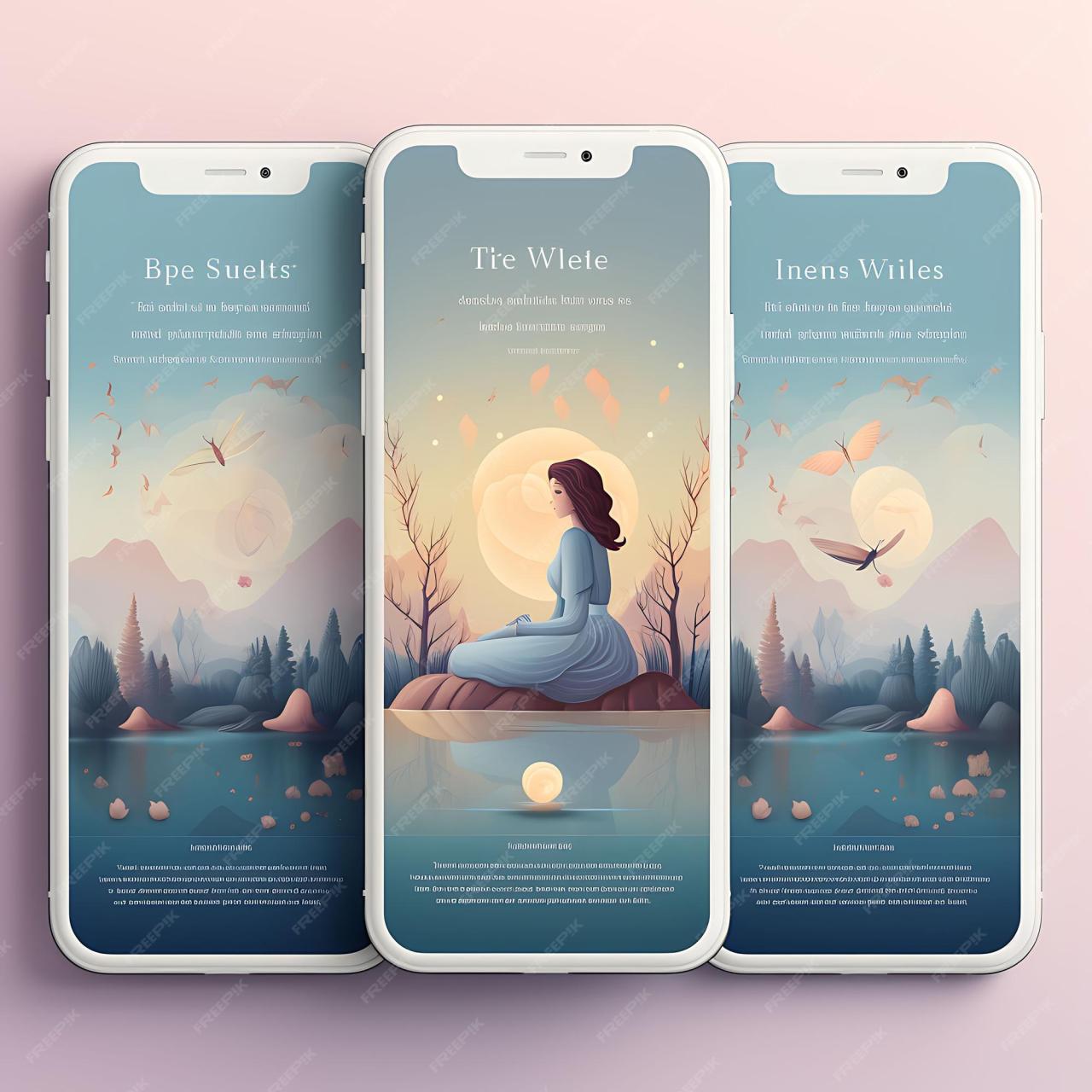
As the demand for wellness technology continues to rise, developers are exploring innovative ways to enhance user experience and engagement through wellness apps. The future of these applications is leaning heavily toward the integration of advanced technologies, creating a more personalized and interactive health management system. Two prominent trends shaping this landscape are the integration of wearable devices and gamification strategies.
The incorporation of wearable devices into wellness apps signifies a shift towards more holistic health monitoring. These devices, which can track everything from heart rate and sleep patterns to activity levels, provide a wealth of data that can be utilized by wellness applications to deliver personalized recommendations. As more users adopt wearables, wellness apps will benefit from real-time data input, enabling them to offer tailored insights and suggestions that can significantly improve user adherence to health goals. For example, an app linked to a smartwatch can remind users to stand or take a walk, thereby promoting healthier lifestyle choices throughout the day.
Challenges and Opportunities for Developers
The integration of new technologies in wellness apps presents both challenges and opportunities for developers. Recognizing these elements is essential for creating successful applications that can thrive in a competitive market. The following points illustrate some key challenges and opportunities:
- Data Privacy and Security: With increased data collection comes heightened scrutiny regarding user privacy. Developers must prioritize the safeguarding of sensitive health information to build trust with their users. Compliance with regulations like GDPR will be crucial.
- User Engagement: Gamification can enhance user retention, but it requires a delicate balance to avoid overwhelming users. Developers must create engaging experiences that motivate without causing frustration.
- Technological Integration: Seamless integration between multiple devices and platforms is crucial. Developers will need to ensure interoperability among various wearables and health applications to provide a cohesive experience.
- Market Saturation: The wellness app market is becoming increasingly crowded. Developers must identify and focus on unique selling propositions to stand out from the competition effectively.
- Personalization at Scale: Leveraging AI and machine learning to offer personalized experiences at scale can enhance user satisfaction. However, ensuring accuracy and relevance in recommendations is key to maintaining user trust.
As wellness technology continues to evolve, developers who embrace these trends while navigating the associated challenges will be better positioned to create impactful solutions that resonate with users. By focusing on meaningful integrations and enhanced user experiences, the future of wellness apps looks promising and dynamic.
Conclusive Thoughts
In conclusion, the journey of wellness apps is one of innovation and personalization, paving the way for a future where health management is not only more accessible but also more engaging. As technology evolves, so too will the capabilities of these applications, promising exciting possibilities for enhancing individual well-being and fostering supportive communities.
Detailed FAQs
What are some popular wellness apps?
Some popular wellness apps include MyFitnessPal, Calm, Headspace, and Noom, each offering unique features geared toward different health goals.
How can I choose the right wellness app for me?
Consider your specific health goals, preferred features, and the app’s user interface when selecting a wellness app that fits your needs.
Are wellness apps effective for everyone?
While many users find wellness apps effective, their success can vary based on individual preferences and engagement levels.
Can wellness apps replace professional health advice?
Wellness apps can complement professional health advice, but they should not replace personalized care from healthcare providers.
How often should I use a wellness app to see results?
Consistency is key; using the app regularly as part of your routine will help you achieve better results over time.