Fitness monitor technology has transformed the way we approach health and fitness, offering insights and motivation that were once unattainable. With these devices, users can track their daily physical activities, monitor vital health metrics, and set personal fitness goals, leading to a more engaged and healthier lifestyle.
Fitness monitors come in various forms, including smartwatches, fitness bands, and smartphone applications, each equipped with unique features designed to cater to the diverse needs of fitness enthusiasts. By providing real-time data and feedback, these tools empower individuals to take charge of their health and make informed decisions about their fitness routines.
The Importance of Fitness Monitors for Health and Wellness
Fitness monitors have become essential tools in today’s health-conscious society, serving as reliable companions on the journey toward better health and wellness. These devices track various aspects of physical activity, including steps taken, calories burned, heart rate, and even sleep patterns. By providing real-time data and insights, fitness monitors empower individuals to make informed decisions about their lifestyle choices, ultimately promoting a healthier way of living. The integration of technology in health routines not only enhances motivation but also fosters accountability, making it easier for people to achieve their fitness goals.
The health benefits associated with consistent use of fitness monitors are substantial and multifaceted. Regular monitoring encourages individuals to engage in physical activity, which is crucial in preventing chronic diseases such as obesity, diabetes, and cardiovascular conditions. According to the World Health Organization, regular physical activity can reduce the risk of major illnesses and improve overall well-being. Fitness monitors help users establish a baseline of their daily activity levels, making it clearer how much movement is necessary to meet personal health goals. These devices also promote healthy habits by reminding users to move when they have been sedentary for too long, which can combat the adverse effects of prolonged sitting.
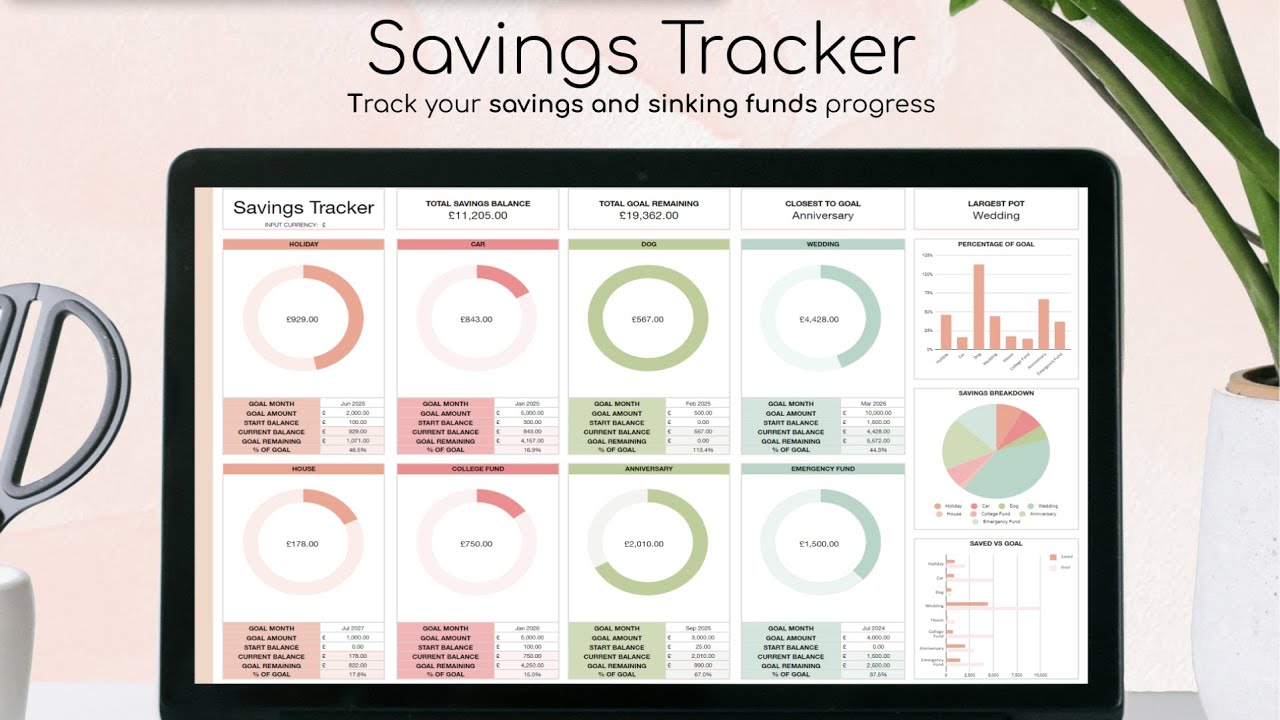
Fitness monitors can significantly motivate individuals by providing visual feedback on their progress. Seeing data such as daily step counts or workout achievements can create a sense of accomplishment that encourages users to push themselves further. Many fitness trackers include gamification elements, such as challenges that allow users to compete with friends or aim for specific goals. For example, some monitors celebrate milestones with badges or rewards, fostering a community spirit among users. This social aspect can enhance motivation, as individuals feel a sense of belonging and support.
“Consistency is key when it comes to fitness, and fitness monitors remind us of our progress and areas for improvement.”
Additionally, some fitness monitors offer heart rate monitoring, which can assist users in optimizing their workouts for maximum efficacy. By training within the ideal heart rate zones, individuals can enhance their endurance, strength, and overall cardiovascular health. Many devices also provide insights into sleep patterns, allowing users to understand how their rest impacts their daily performance and general health. With all these features combined, fitness monitors can play a transformative role in managing health and wellness effectively.
Different Types of Fitness Monitors Available in the Market
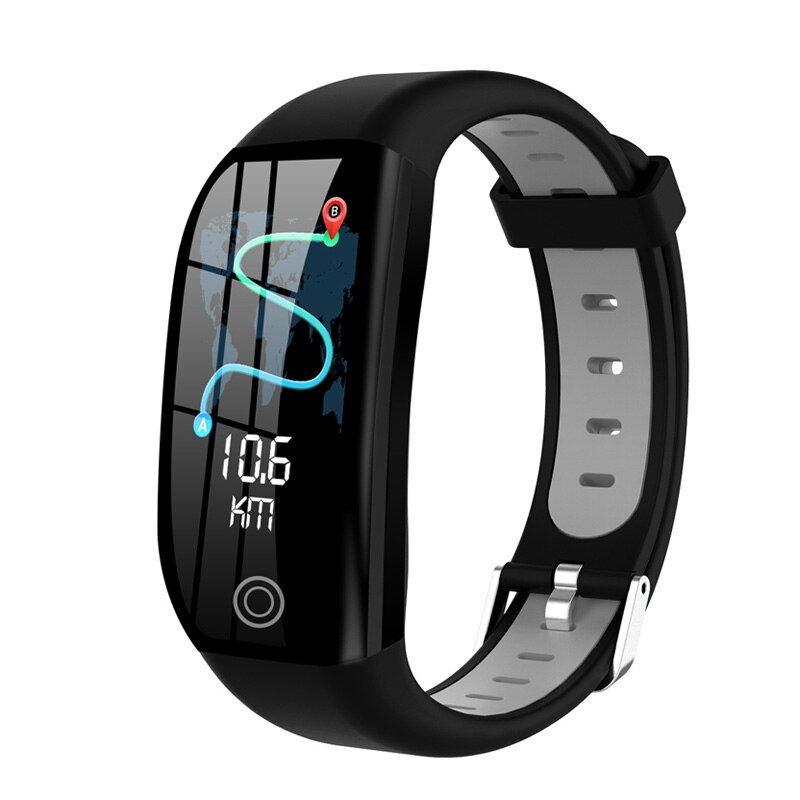
Fitness monitors have become essential tools for individuals looking to track their health and fitness goals. With a wide variety of devices available, from smartwatches to fitness bands and smartphone apps, users have numerous options to choose from based on their specific needs and preferences. Understanding the distinctions between these devices can help individuals make informed decisions about which fitness monitor best suits their lifestyle.
Fitness monitors vary widely in terms of features, functionalities, and usability. Smartwatches, for instance, combine fitness tracking with smartwatch capabilities, allowing users to receive notifications, calls, and messages directly on their wrists. These devices often include advanced sensors that can monitor heart rate, GPS tracking for outdoor activities, and even stress levels. Many smartwatches support third-party applications, providing users with a customizable experience.
On the other hand, fitness bands are generally more focused on tracking physical activity and health metrics, such as steps taken, calories burned, and sleep quality. They usually have a longer battery life compared to smartwatches due to simpler displays and functionalities. Fitness bands are often lighter and more comfortable for daily wear, making them ideal for those who prioritize fitness tracking without the distractions of smartwatch features.
Smartphone apps have also gained popularity as fitness monitors. They can utilize the phone’s built-in sensors to track workouts, monitor nutrition, and provide health insights. Many of these apps offer compatibility with other devices, allowing users to sync data from wearables for a more comprehensive view of their fitness journey. Some apps even include social features, enabling users to connect with friends and share progress, which can enhance motivation.
Comparison of Popular Fitness Monitors
The following comparison table highlights key specifications and price ranges of popular fitness monitor models, showcasing their unique features.
| Device | Type | Key Features | Price Range |
|---|---|---|---|
| Apple Watch Series 8 | Smartwatch | Heart rate monitoring, GPS, ECG, Blood oxygen monitoring, App integration | $399 – $749 |
| Fitbit Charge 5 | Fitness Band | Heart rate tracking, Sleep monitoring, Built-in GPS, Stress management tools | $179.95 |
| Garmin Forerunner 245 | Smartwatch | Advanced running metrics, Music storage, Heart rate monitoring, GPS | $299.99 |
| Xiaomi Mi Band 6 | Fitness Band | Activity tracking, Sleep monitoring, 30 fitness modes, AMOLED display | $49.99 |
| Samsung Health App | Smartphone App | Step tracking, Diet tracking, Workout logging, Community features | Free |
“Choosing the right fitness monitor can significantly impact your ability to meet and exceed your health and fitness goals.”
How Fitness Monitors Track Physical Activities
Fitness monitors have become indispensable tools for individuals looking to enhance their health and fitness journeys. These devices leverage various technologies to meticulously track physical activities such as steps taken, heart rate, and sleep patterns, providing users with valuable insights into their wellness. Understanding the science behind these features unveils how they function and their significance in achieving fitness goals.
Technologies Behind Activity Tracking
Fitness monitors primarily utilize accelerometers and heart rate sensors to track physical activities accurately. An accelerometer measures movement by detecting changes in motion and orientation. When you walk or run, the accelerometer records the number of steps by analyzing the patterns of acceleration and deceleration. This data is then processed through algorithms that differentiate between different types of movement, ensuring that the count remains precise even when you are not walking in a straight line.
Heart rate monitoring is often achieved through optical sensors that illuminate the skin with green light. The sensor detects the amount of blood flow beneath the skin by measuring the light absorption, which varies with each heartbeat. This method allows for continuous heart rate tracking, providing insights into how effectively your body is working during physical activities and resting periods.
The science of step counting is deeply rooted in biomechanics and physics. For example, a common formula used to estimate distance is:
Distance = Step Count × Step Length
This formula is critical as it helps in understanding the total distance covered during activities. Heart rate data, on the other hand, is often expressed in beats per minute (BPM) and is crucial for determining exercise intensity. Maintaining a target heart rate zone optimizes cardiovascular fitness, helping users to improve endurance or burn fat.
The accuracy of data collected by fitness monitors varies significantly with the type of device. Higher-end models often feature advanced sensors and algorithms, resulting in improved accuracy. While entry-level monitors may provide a rough estimate of steps and heart rate, premium devices can offer detailed insights that support more tailored fitness regimens. According to studies, accuracy can differ by as much as 30% between devices, underscoring the importance of choosing a monitor that meets individual needs for precision and reliability.
The Impact of Fitness Monitors on Motivation and Goal Setting
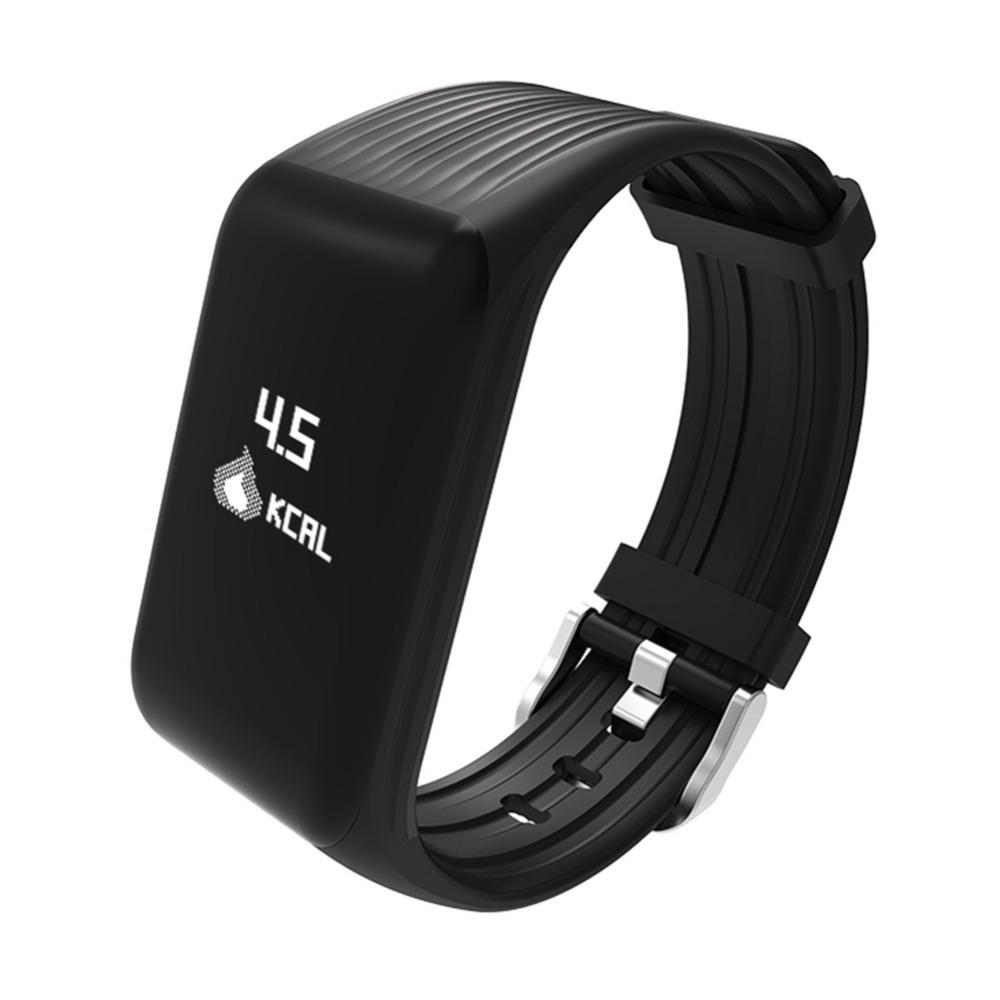
Fitness monitors have transformed the way individuals engage with their health and fitness journeys. By providing real-time data and insights, these devices empower users to set specific fitness goals and track their progress. As a result, motivation levels tend to soar, making it easier for users to stick with their fitness routines and achieve their desired outcomes. The integration of technology into fitness not only enhances accountability but also fosters a greater sense of achievement when users see tangible evidence of their efforts.
The psychological effects of monitoring progress through technology can be profound. When people track their fitness activities, they often experience a boost in motivation driven by the visible markers of progress. Studies have shown that goal setting is crucial in cultivating a sense of purpose; when users can quantify their achievements—whether it’s steps taken, calories burned, or minutes exercised—they develop a clearer vision of their fitness journey. This visible progress can trigger the brain’s reward system, releasing dopamine and reinforcing positive behaviors. By regularly reviewing their data, users create a continuous feedback loop that encourages persistence and dedication to their fitness goals.
Establishing realistic and achievable fitness goals is essential for long-term success. Fitness monitors can help users set these goals effectively. Here are some methods to do so:
Methods to Establish Realistic Fitness Goals
It’s important to approach goal setting with a strategy that aligns with personal abilities and lifestyle. Below are key methods to establish effective goals:
- SMART Criteria: Goals should be Specific, Measurable, Achievable, Relevant, and Time-bound. For instance, instead of aiming to “exercise more,” a SMART goal would be “walk 10,000 steps at least five days a week for the next month.”
- Start Small: Begin with small, manageable goals to build confidence. Aiming for 15 minutes of activity three times a week can be a great starting point, gradually increasing time and intensity as fitness levels improve.
- Use Progress Tracking: Regularly check your fitness monitor data to assess progress. Noting trends over time can help refine goals and maintain motivation by providing evidence of improvement.
- Set Short and Long-term Goals: Balancing immediate objectives with long-term aspirations can maintain engagement. For example, a short-term goal might be to lose 2 pounds in a month, while a long-term goal could be to run a half-marathon in six months.
“The journey of a thousand miles begins with one step.” – Lao Tzu
These methods, when utilized effectively with fitness monitors, can lead to sustainable fitness habits and a more fulfilling health journey. The combination of technology and goal-oriented strategies creates an environment where motivation thrives, enabling users to reach their desired fitness outcomes.
Integration of Fitness Monitors with Other Health Technologies
The integration of fitness monitors with other health technologies is reshaping how individuals manage their health and wellness. As the world becomes increasingly connected, the capability to synchronize fitness monitors with additional health apps and devices provides users with a comprehensive view of their health metrics. This connectivity not only enhances the user experience but also facilitates better health decisions based on real-time data.
Integrating fitness monitors into a comprehensive health management system offers numerous benefits. By connecting these devices with nutrition trackers, scheduling applications, and health records, users can obtain a holistic understanding of their health. For instance, when a fitness monitor tracks physical activity, this data can seamlessly link with a nutrition app to correlate calorie intake and expenditure. This synergy allows users to optimize their fitness routines and dietary choices accordingly. Additionally, having an integrated health record system that gathers data from various sources allows healthcare providers to have a complete picture of a patient’s health, improving diagnosis and treatment accuracy. Fitness monitors can also alert users to potential health issues, encouraging proactive measures. Reports show that individuals using integrated health systems are more likely to adhere to fitness and wellness goals, as the convenience of tracking metrics in one place simplifies the process.
Popular Health Apps Linked with Fitness Monitors
Several health apps enhance the functionality of fitness monitors by providing additional features that facilitate health management. Here is a list of popular apps that can be integrated with fitness monitors to create a cohesive health management experience:
- MyFitnessPal: This app helps track nutrition and calories consumed, providing insight into dietary habits while syncing with fitness monitor data for a complete overview.
- Apple Health: A comprehensive health app that aggregates data from various sources, including fitness monitors, to provide insights on physical activity, heart rate, and more.
- Fitbit App: Designed specifically for Fitbit devices, this app syncs all health metrics and provides guided workouts, sleep tracking, and more.
- Google Fit: Google Fit collects data from various fitness devices and offers insights into physical activity levels, heart health, and other vitals.
- Strava: Particularly popular among runners and cyclists, Strava tracks workouts and can pull data from fitness monitors to analyze performance over time.
By leveraging these apps, users can maximize the potential of their fitness monitors, ensuring a more informed approach to their health and fitness journeys.
Data Privacy and Security Concerns Related to Fitness Monitors
Fitness monitors have become essential tools for individuals aiming to track their health and fitness progress. However, alongside their benefits, they bring significant data privacy and security concerns that users must be aware of. As fitness monitors collect various personal information, including activity levels, heart rate, and sleep patterns, these devices can become targets for data breaches and misuse. The growing reliance on these technologies raises important questions about how user data is handled, stored, and protected.
Understanding privacy policies and the data protection measures implemented by fitness monitor providers is crucial for users. These policies Artikel how personal data is collected, used, and shared, which can vary significantly among different companies. Users often overlook these policies, leading to unintentional consent to terms that may compromise their privacy. A comprehensive awareness of these documents helps users make informed decisions about their data. Moreover, data protection measures such as encryption and secure servers are essential to safeguard personal information from unauthorized access. Without these safeguards, sensitive health data can be exposed, leading to identity theft or fraud. The importance of diligence in understanding these aspects cannot be overstated, as a lack of knowledge can result in significant personal vulnerabilities.
Strategies for Safeguarding Personal Data
To protect personal data while using fitness monitors, users should implement several proactive strategies. These measures are vital for ensuring that their information remains secure and private. Here are some effective tips:
- Review Privacy Policies: Take the time to read the privacy policy of the fitness monitor and any associated apps. Look for details on how your data is collected, used, and shared.
- Enable Two-Factor Authentication: If available, activate two-factor authentication to add an extra layer of security to your account.
- Limit Data Sharing: Be cautious about sharing your fitness data with third-party applications. Only connect to services that you trust and understand.
- Use Strong Passwords: Create strong, unique passwords for your accounts associated with the fitness monitor to reduce the risk of unauthorized access.
- Regularly Update Software: Keep the monitor’s software and accompanying apps updated to ensure that security patches are applied as they become available.
- Monitor Account Activity: Regularly check your account for any suspicious activity or unauthorized access.
By being proactive and informed, users can significantly enhance their personal data security while enjoying the benefits of fitness monitors. Remember, safeguarding your data is not just about technology; it’s also about being mindful of the choices you make regarding your personal information.
The Future of Fitness Monitors and Emerging Technologies
The landscape of fitness monitoring is rapidly evolving, driven by advancements in technology and a growing understanding of personal health metrics. As we look ahead, innovations like artificial intelligence (AI) and machine learning are set to revolutionize how fitness enthusiasts track their progress and achieve their health goals. These technologies not only enhance the accuracy of fitness monitors but also offer personalized insights that can motivate users to stay committed to their fitness journeys.
The integration of AI and machine learning into fitness monitors promises a future where devices not only collect data but also analyze it in real-time. This can lead to more nuanced feedback on an individual’s performance, including tailored workout suggestions based on previous sessions. For example, if a user consistently performs better during morning workouts, their device could recommend more morning sessions for optimal performance. This level of personalization enhances user engagement and ensures that fitness monitors are more than just passive tools; they become active partners in one’s fitness journey.
Improvements in Usability and Functionality
Emerging fitness monitors are expected to deliver significant improvements in usability and functionality, making it easier for users to incorporate them into their daily lives. Here are some key advancements to anticipate:
- Intuitive User Interfaces: Future devices will feature more user-friendly designs, allowing for quick navigation and customization of settings, which can help users focus more on their workouts than on the technology itself.
- Enhanced Data Visualization: Expect sophisticated graphs and charts that clearly present data trends, making it easier for users to interpret their progress over time.
- Integration with Wearable Technology: New fitness monitors will likely sync seamlessly with other smart devices, such as smartwatches and health apps, creating a cohesive health monitoring ecosystem.
- Improved Battery Life: Innovations in battery technology will lead to extended use without frequent recharging, enhancing user convenience.
- Real-time Feedback: Users can look forward to immediate responses during workouts, such as heart rate alerts or suggestions to adjust intensity, ensuring they maintain optimal performance levels.
These enhancements will not only improve the overall user experience but also ensure that fitness monitors remain a vital tool for achieving health and fitness goals in an increasingly health-conscious society. The future of fitness monitoring is not just about tracking performance; it’s about empowering users with the knowledge and insights they need to lead healthier lives.
Concluding Remarks
In conclusion, fitness monitors represent a significant advancement in personal health management, blending technology with motivation to inspire users towards healthier living. As these devices continue to evolve, they will undoubtedly offer even greater benefits, helping individuals achieve their fitness goals while ensuring that their health data remains secure.
Essential FAQs
What is a fitness monitor?
A fitness monitor is a device that tracks physical activities and health metrics to help individuals maintain or improve their fitness levels.
How accurate are fitness monitors?
Accuracy can vary by device and the specific metric being measured; many modern monitors provide reliable data but may have some discrepancies.
Can fitness monitors help with weight loss?
Yes, by tracking activity levels and caloric expenditure, fitness monitors can assist users in creating a calorie deficit, which is essential for weight loss.
Do I need a smartphone to use a fitness monitor?
Some fitness monitors operate independently, while others may require a smartphone for full functionality and data analysis.
Are fitness monitors waterproof?
Many fitness monitors are water-resistant or waterproof, but it’s important to check the specifications of each device before submersion.
How do I choose the right fitness monitor for me?
Consider your fitness goals, desired features, and budget to find a device that best suits your lifestyle and needs.