Exercise planner is your ticket to achieving and maintaining your fitness goals, making it easier to navigate the varied landscapes of physical activity. With a structured plan in place, you can stay motivated, focused, and accountable, transforming your fitness journey into a rewarding adventure.
Planning your workouts not only helps in organizing your routine but also addresses the psychological aspects of fitness. By laying out your goals and scheduling specific sessions in advance, you minimize decision fatigue and maximize your commitment. Furthermore, without a structured plan, individuals often face hurdles such as inconsistency and lack of direction, making it challenging to experience real progress.
Understanding the Importance of an Exercise Planner
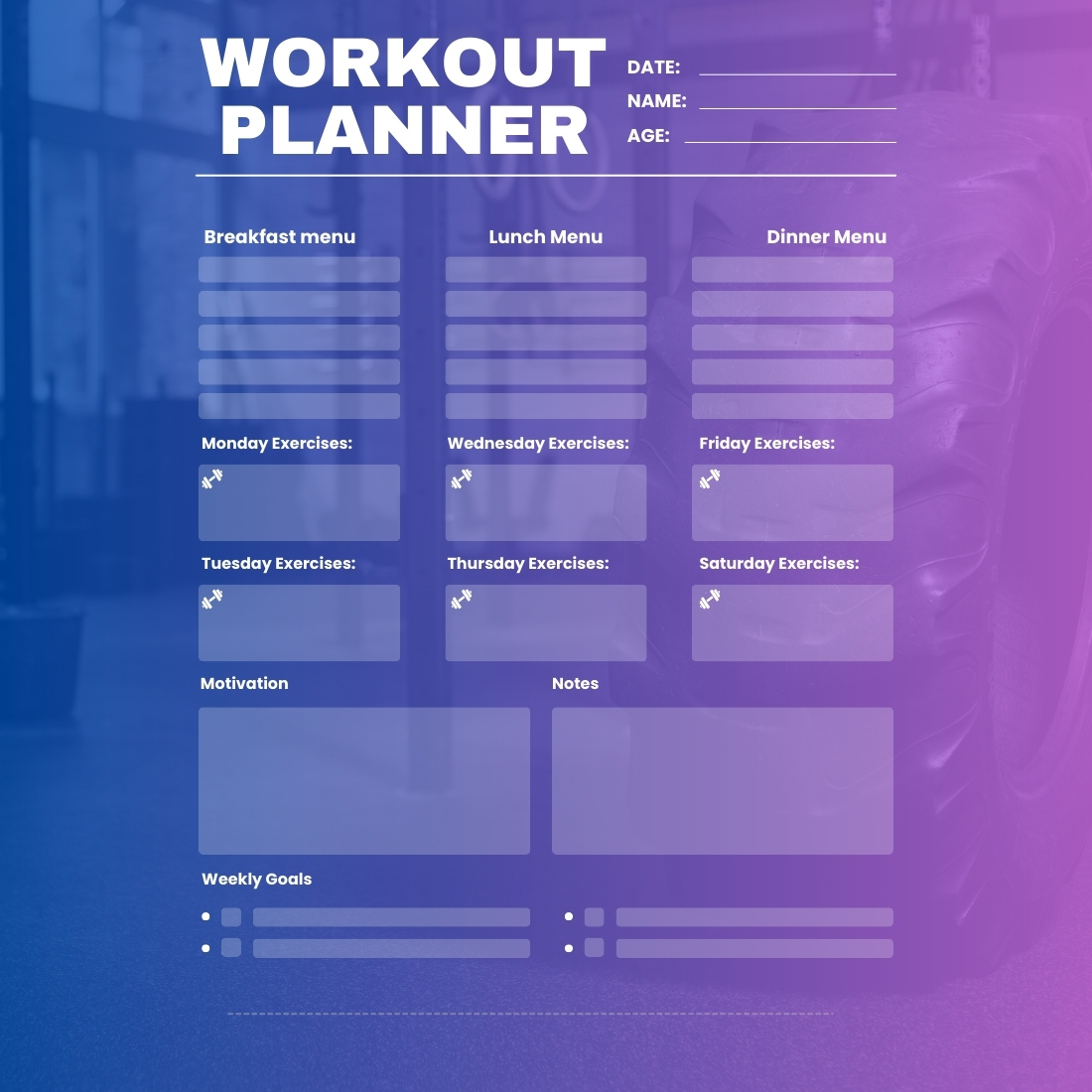
Creating a structured exercise planner is essential for anyone embarking on or continuing their fitness journey. By outlining specific activities, durations, and goals, individuals can effectively monitor their progress and stay motivated. An exercise planner acts as a roadmap, guiding users through their fitness commitments while allowing for flexibility to adapt as needed. This structured approach not only increases accountability but also enhances the likelihood of reaching fitness goals.
An exercise planner contributes significantly to a person’s fitness journey by laying out a clear pathway to success. By assigning specific days and times for workouts, individuals can eliminate ambiguity concerning when to exercise. This proactive strategy cultivates a sense of discipline and commitment, transforming exercise from a sporadic activity into a regular habit. Furthermore, a planner allows for the integration of various workout types, from strength training to cardio, ensuring a well-rounded fitness regimen. This variety not only promotes physical health but also keeps workouts engaging and enjoyable.
Psychological Benefits of Planning Exercise Routines
The mental advantages of having a structured exercise plan are profound. Firstly, planning workouts in advance can significantly reduce anxiety related to fitness commitments. Knowing exactly what to do and when to do it alleviates decision fatigue and helps individuals commit to their routines more firmly. Additionally, a well-structured planner can enhance motivation levels. When individuals set specific, attainable goals and can visually track their progress, they experience a sense of accomplishment that reinforces positive behaviors.
Another psychological benefit is the boost in self-discipline that comes from adhering to a routine. Sticking to a planned workout schedule requires commitment and perseverance, which can spill over into other areas of life, fostering a strong sense of personal achievement. Moreover, the regularity established by a planner can lead to improved mood and reduced stress levels, thanks to the endorphins released during physical activity.
Common Obstacles Faced Without a Structured Exercise Plan
Without a structured exercise plan, individuals often encounter several common obstacles that can hinder their fitness journey. The absence of a clear schedule can lead to procrastination, as individuals may struggle to find the motivation to start or continue their workouts. This often manifests as missed sessions or inconsistent exercise habits, ultimately derailing progress.
Additionally, a lack of planning can result in poor workout quality. Individuals may find themselves performing the same exercises repeatedly or neglecting important muscle groups and cardio sessions. This can lead to imbalances in fitness, stalling progress and potentially causing injury.
Overall, the importance of an exercise planner cannot be overstated. It fosters consistency, enhances motivation, and helps mitigate obstacles that could derail one’s fitness aspirations. By prioritizing planning, individuals can enjoy a more fulfilling and effective fitness experience.
Key Components of an Effective Exercise Planner
An effective exercise planner serves as a roadmap to achieving fitness goals. It not only aids in organizing workouts but also provides a framework for tracking progress and maintaining motivation. A well-structured planner incorporates several key components that can transform fitness aspirations into attainable realities.
The essential elements of an exercise planner include setting realistic fitness goals, scheduling workouts, tracking progress, and incorporating a variety of exercises. Each component plays a vital role in developing a comprehensive fitness strategy that can adapt to the user’s needs and preferences.
Setting Realistic Fitness Goals
Setting achievable fitness goals within an exercise planner is crucial for maintaining motivation and ensuring consistent progress. Realistic goals should be specific, measurable, attainable, relevant, and time-bound (SMART). Here are some examples of how to structure these goals effectively:
- Specific: Instead of saying “I want to get fit,” specify a goal such as “I want to run 5 kilometers without stopping.”
- Measurable: Track your progress by aiming to increase your running distance by 0.5 kilometers every two weeks until you reach your target.
- Attainable: Ensure that the goal fits your current fitness level. If you’re a beginner, running 5 kilometers in a month might be too ambitious, so consider starting with 2 kilometers instead.
- Relevant: Align your goals with your personal interests and lifestyle. If you enjoy cycling, you might want to focus on increasing your cycling distance rather than running.
- Time-bound: Set a deadline for your goals. For instance, aim to achieve your 5-kilometer run within three months.
Incorporating Various Types of Exercises
Incorporating a variety of exercises in your planner ensures a balanced fitness routine that addresses different aspects of health, including strength, cardiovascular fitness, and flexibility. A well-rounded exercise regimen can prevent boredom and reduce the risk of injury.
Consider these methods to include different exercise types in your planner:
- Strength Training: Dedicate specific days of the week for strength workouts. For example, plan to perform bodyweight exercises like push-ups and squats on Mondays and Thursdays, increasing weights or repetitions as you progress.
- Cardiovascular Exercises: Aim for at least 150 minutes of moderate-intensity cardio each week. This could be achieved by scheduling activities like brisk walking, cycling, or swimming for 30 minutes, five times a week.
- Flexibility and Mobility Work: Incorporate stretching or yoga sessions into your routine, perhaps on Wednesdays and Sundays, to enhance your flexibility and promote recovery.
By following these structured components, an exercise planner can effectively guide individuals on their fitness journeys, reinforcing their commitment to health and well-being. Tracking progress alongside these diverse workouts will provide a clearer picture of one’s achievements and areas for improvement.
Customizing Your Exercise Planner to Fit Your Lifestyle
To effectively maintain a fitness routine, personalizing your exercise planner is essential. Each individual’s lifestyle, commitments, and preferences vary, making it crucial to create a plan that fits seamlessly into your daily life. A customized exercise planner not only enhances motivation but also ensures consistency in achieving fitness goals. Tailoring your planner involves understanding your unique schedule, family dynamics, and social commitments, allowing you to integrate exercise effortlessly.
Strategies for Integrating Family and Social Activities
Incorporating family and social activities into your workout routine can enhance your motivation and foster a supportive environment. By engaging loved ones in your fitness journey, you can create enjoyable experiences while improving overall health. Here are a few strategies to consider:
- Family Workouts: Plan weekly family exercise sessions. Activities like hiking, biking, or playing sports together can be fun while promoting fitness.
- Group Classes: Invite friends or family members to join group fitness classes. This can provide accountability and make workouts more enjoyable.
- Active Social Events: Opt for social gatherings that involve physical activities, such as bowling, dancing, or going to the trampoline park instead of sedentary options.
- Create a Schedule: Establish a routine that includes designated family workout times. This can help everyone in the household prioritize fitness as a collective goal.
In doing so, you not only maintain your commitment to fitness but also encourage a healthier lifestyle for those around you.
Sample Weekly Planner for Different Lifestyles
Creating a sample weekly planner can help illustrate how to customize exercise routines for varying lifestyles. Below is a comparison of planners for busy professionals, students, and parents, highlighting how each can effectively incorporate exercise.
| Lifestyle | Monday | Tuesday | Wednesday | Thursday | Friday | Saturday | Sunday |
|---|---|---|---|---|---|---|---|
| Busy Professionals | Morning run (30 mins) | Lunch break yoga (45 mins) | After work gym session (1 hour) | Rest or light stretching | Weekend group cycling (1.5 hours) | Outdoor family hike (2 hours) | Rest day or light walk |
| Students | Campus gym (1 hour) | Evening dance class (1 hour) | Study break jog (30 mins) | Team sports practice (1 hour) | Yoga class (1 hour) | Outdoor sports with friends (2 hours) | Rest day or light activity |
| Parents | Playground workout with kids (1 hour) | At-home workout during nap time (30 mins) | Family bike ride (1 hour) | Dance party at home (30 mins) | Weekend family sports (2 hours) | Active family outing (zoo, park) (2-3 hours) | Rest or family walk (1 hour) |
The Role of Technology in Enhancing Exercise Planning
In recent years, technology has transformed the landscape of exercise planning, making it easier and more accessible for individuals to reach their fitness goals. With the advent of various apps and tools, planning workouts has transitioned from traditional methods to dynamic digital platforms. This shift not only enhances efficiency but also promotes engagement through innovative features and functionalities.
Apps and Tools for Exercise Planning
There is a plethora of apps and tools available that cater to different aspects of exercise planning. These applications provide users with personalized workout regimes, nutritional guidance, and progress tracking. Below are some notable examples that have gained popularity in the fitness community:
- MyFitnessPal: Primarily known for its calorie tracking, this app also allows users to log workouts and connect with others for motivation.
- Strava: Ideal for runners and cyclists, Strava offers route tracking, performance analysis, and social networking capabilities to share achievements.
- Fitbod: This app generates personalized weightlifting routines based on user goals, available equipment, and training history.
- JEFIT: With a comprehensive exercise database, JEFIT enables users to create and track workouts while offering community support.
- Nike Training Club: This app provides a variety of workouts led by professional trainers, catering to different fitness levels and goals.
- Google Fit: A versatile platform that integrates data from various fitness apps and wearables, allowing users to have a holistic view of their health and fitness journey.
Integration of Fitness Trackers and Wearables
Fitness trackers and wearables have become invaluable tools in exercise planning. Devices such as Fitbit, Garmin, and Apple Watch not only monitor physical activity but also provide insights into heart rate, sleep patterns, and recovery times. By integrating these devices with exercise planning apps, users can receive real-time feedback and adjust their workouts accordingly. For example, a fitness tracker may alert a user when their heart rate exceeds a certain threshold, prompting them to modify their training intensity for optimal results.
The data collected from wearables can be synchronized with apps like MyFitnessPal or Google Fit, which helps in creating a comprehensive fitness profile. This integration allows users to set dynamic fitness goals based on their performance metrics, making the planning process more tailored and effective.
Comparison of Traditional Methods and Digital Tools
Traditionally, individuals relied on paper journals to log their workouts and progress. While this method has its merits, such as encouraging mindfulness and reflection, it lacks the interactive and data-driven features provided by digital tools. Digital platforms enable quick updates, reminders, and visualizations of progress that paper cannot offer.
Using a digital exercise planner allows for easy adjustments to workouts, saving time and effort. Users can access their workout history at any time, offering a comprehensive view of their fitness journey, which is often cumbersome with traditional methods. The ability to share progress on social media platforms also fosters a sense of community, motivating individuals to stay committed to their fitness goals.
“Digital tools not only enhance the exercise planning experience but also make fitness more engaging and accessible to everyone.”
Overcoming Barriers to Sticking with Your Exercise Planner
Sticking to an exercise planner can be a daunting task for many individuals. Common reasons for abandoning such plans often stem from unrealistic expectations, time constraints, and lack of motivation. Recognizing these barriers is the first step toward overcoming them and achieving consistent exercise habits.
Several factors contribute to the discontinuation of exercise planners. One prevalent issue is setting unattainable goals, which can lead to feelings of frustration and disappointment. To counteract this, it is crucial to establish realistic and incremental objectives. Pairing these goals with short-term rewards can keep the motivation levels high. Additionally, time constraints often serve as a significant barrier. Many individuals lead busy lives, and carving out time for exercise may seem impossible. A practical solution is to incorporate shorter, high-intensity workouts that fit more easily into tight schedules.
Strategies for Maintaining Motivation and Consistency
Maintaining motivation and consistency in following planned workouts requires a multi-faceted approach. Understanding your personal motivations and finding ways to keep your exercise routine fresh and enjoyable can make a substantial difference. Here are some strategies that can help:
1. Set Clear Goals: Define what you want to achieve with specific, measurable, and time-bound goals. Having a roadmap can create a sense of purpose.
2. Track Progress: Use a journal or an app to log workouts and monitor improvements. Seeing progress, no matter how small, reinforces motivation.
3. Find a Workout Buddy: Exercising with a friend or joining a community can create accountability and make workouts more enjoyable.
4. Mix It Up: Avoid monotony by trying new activities or changing your workout environment. This could be anything from yoga in the park to a dance class.
5. Celebrate Achievements: Whether it’s completing a week of workouts or reaching a milestone, recognizing achievements fosters a sense of accomplishment.
6. Stay Flexible: Life can be unpredictable, so allow yourself to adapt your planner as needed. Missing a workout doesn’t mean giving up; simply adjust and move on.
“Consistency is key; it’s better to be consistent with shorter workouts than to overcommit and burn out.”
Personal stories and testimonials highlight the effectiveness of these strategies. For instance, Jane, a full-time working mother, initially struggled to find time for exercise. By setting smaller, achievable goals and involving her children in fun physical activities, she not only maintained her planner but also created lasting family memories. Similarly, Mark, who faced a lack of motivation, found community support in a local running group. The camaraderie and shared enthusiasm made sticking to his exercise planner enjoyable and fulfilling. These examples illustrate that overcoming barriers is not just about discipline; it’s about making your workout regimen enjoyable and adaptable to your lifestyle.
Evaluating Progress and Making Adjustments to Your Exercise Planner
Regularly assessing progress within your exercise planner is crucial for achieving fitness goals and maintaining motivation. As you engage in exercise routines, the body undergoes changes that need to be monitored closely to ensure you’re on the right path. Without consistent evaluation, it becomes challenging to identify what works, what doesn’t, and where there may be opportunities for improvement. This proactive approach helps in adjusting your workout plans based on real-time feedback, ensuring that your efforts align with your health and fitness aspirations.
One effective method of tracking workout effectiveness is through the use of performance metrics. By measuring progress in areas such as strength, endurance, flexibility, and body composition, you can gain insights into how well your workout regimen is performing. Utilizing tools like progress photos, fitness journals, and wearable technology can aid in capturing this data. Many fitness apps provide built-in tracking features that allow for easy logging of workouts and monitoring of key metrics, making it simpler to identify trends over time.
Methods for Tracking Workout Effectiveness
When it comes to monitoring workout effectiveness, several methods can be employed to gather meaningful data. Here are some of the most effective ways to track and evaluate your fitness journey:
- Performance Tracking: Record the weights lifted, sets, reps, and durations of your workouts. This allows for clear visibility on progress and areas needing improvement.
- Fitness Assessments: Conduct periodic fitness assessments, such as timed runs, flexibility tests, or strength benchmarks, to measure your progress against set goals.
- Body Measurements: Track body weight, body fat percentage, and muscle measurements over time to evaluate changes in body composition.
- Heart Rate Monitoring: Use heart rate monitors to assess cardiovascular fitness levels and recovery times during workouts.
- Workout Variations: Switch up your routine regularly to challenge your body in new ways, observing how each change affects your performance and recovery.
Creating a structured feedback loop within your exercise planner is essential for fostering continual improvement. This feedback loop should include consistent self-assessment and reflection on your workouts. By reflecting on the data collected, you can identify patterns that highlight what is working effectively and what requires a shift in focus. Adjustments can be made based on these insights, whether that means increasing the intensity of workouts, changing exercise modalities, or allowing more recovery time.
“Evaluating progress is not just about numbers; it’s about understanding your journey and refining your approach for continuous growth.”
Incorporating regular check-ins, perhaps weekly or bi-weekly, allows you to revisit your goals and progress. During these check-ins, review your data, set new short-term targets, and celebrate small victories. This structured approach ensures that your exercise planner remains dynamic and responsive, keeping you engaged and motivated to reach your overall fitness objectives. Remember, the journey to fitness is ongoing, and maintaining adaptability in your exercise planner is key to achieving lasting success.
Incorporating Nutrition Planning with Your Exercise Planner
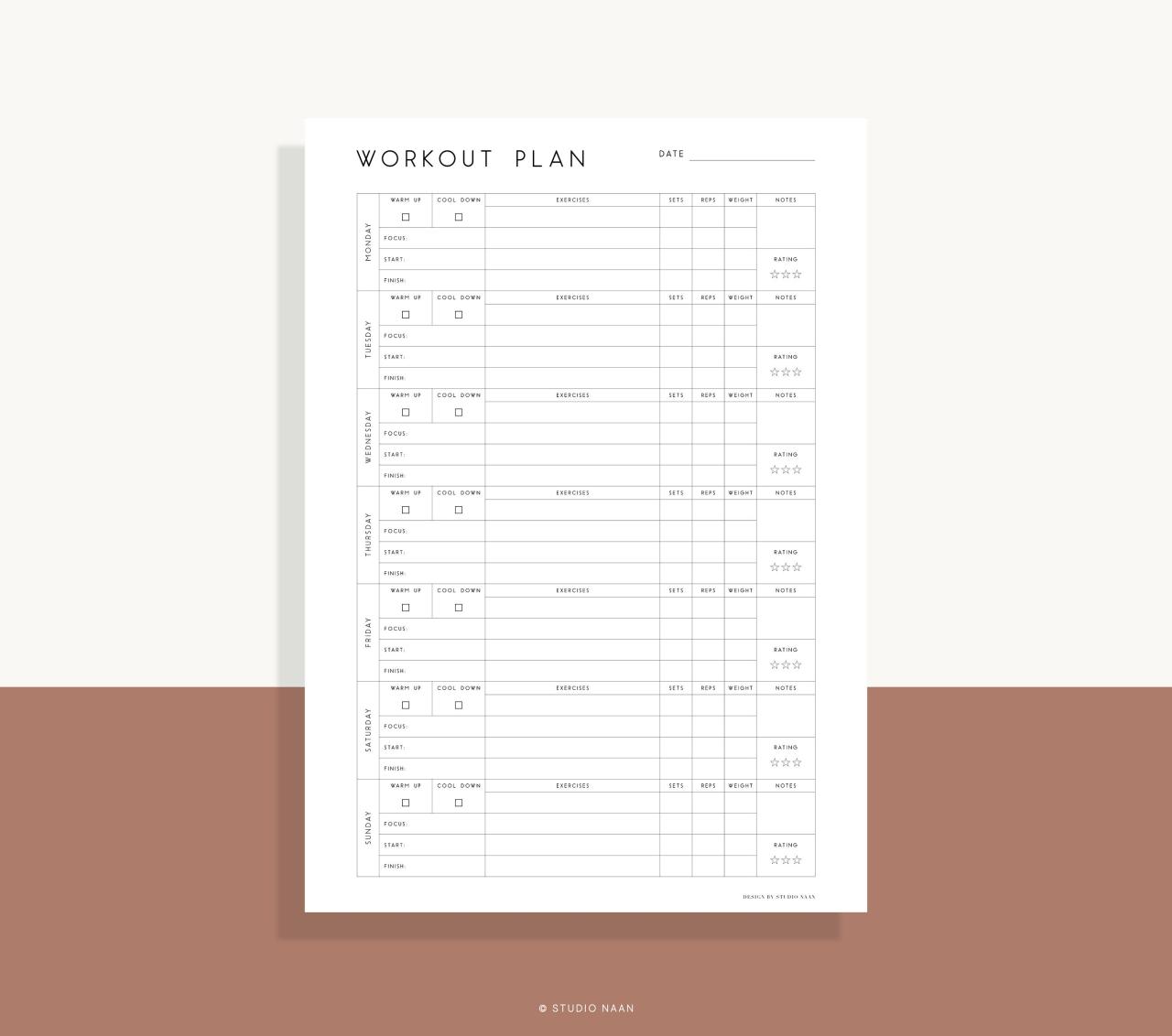
Nutrition plays a pivotal role in achieving fitness goals, making it essential to integrate nutrition planning with your exercise planner for optimal results. While exercise helps build strength and endurance, proper nutrition fuels your workouts, aids in recovery, and contributes to overall health. By aligning your meal plans with your workout schedules, you can enhance performance and ensure that your body receives the necessary nutrients at the right times.
To create a harmonious balance between nutrition and exercise, consider the timing and composition of meals in relation to your workouts. Consuming the right nutrients before and after exercising can significantly impact your energy levels and recovery. An effective approach to meal planning involves not only considering calorie intake but also focusing on macronutrients—proteins, carbohydrates, and fats—and micronutrients—vitamins and minerals.
Meal Planning Aligned with Workout Schedules
When planning meals in conjunction with exercise routines, think about your specific workout goals, whether it’s weight loss, muscle gain, or endurance training. Here are some examples of meal ideas that align with different types of workouts:
– For Strength Training: Prioritize protein-rich meals to promote muscle repair. A meal of grilled chicken with quinoa and steamed broccoli, consumed about an hour before a workout, provides adequate energy. Post-workout, consider a protein shake with a banana for quick recovery.
– For Cardiovascular Workouts: Focus on carbohydrates for energy. A bowl of oatmeal topped with berries and a drizzle of honey makes a perfect pre-workout meal. After your cardio session, a wrap with turkey, lettuce, and whole-grain tortilla helps replenish nutrients.
– For Flexibility and Recovery: A lighter meal with healthy fats can enhance recovery. A smoothie made with spinach, avocado, and almond milk can be enjoyed after yoga or stretching sessions.
Hydration significantly influences exercise performance and recovery. Staying adequately hydrated is crucial before, during, and after workouts. Dehydration can lead to fatigue, decreased endurance, and impaired recovery.
“Adequate hydration can improve performance by up to 30%.”
To ensure optimal hydration, drink water throughout the day and consider electrolyte-rich beverages, especially during intense workouts or in hot weather. Monitoring fluid intake can help maintain performance levels and support overall health in your fitness journey.
Building a Community Around Your Exercise Planner
Creating a supportive community can significantly enhance your commitment to an exercise planner. When you surround yourself with like-minded individuals, the journey towards fitness becomes less daunting and more enjoyable. Social support acts as a powerful motivator, helping you stay accountable and inspired to reach your goals. By actively engaging with others who share similar aspirations, you can foster a sense of belonging and encouragement that boosts your dedication to your exercise regimen.
Establishing connections with others who are also using an exercise planner can provide the accountability needed to maintain momentum. Here are several ways to create or join groups centered on motivation and accountability:
Ways to Create or Join Accountability Groups
Building or joining groups focused on fitness can enhance your motivation and help keep your exercise planner on track. Consider the following approaches:
- Local Fitness Clubs: Many towns have local fitness clubs or gyms that offer group classes or community events. Joining these not only provides structured workouts but also helps you meet others who are on a similar fitness journey.
- Online Forums and Social Media Groups: Platforms like Facebook, Reddit, and Instagram have numerous groups dedicated to fitness. Joining these communities allows you to share experiences, photos, and tips while receiving support and encouragement from fellow members.
- Workout Buddies: Finding a workout partner can significantly increase accountability. Schedule regular workout sessions with a friend who shares similar fitness goals, as this can motivate both of you to stay on track.
- Challenges and Competitions: Participate in fitness challenges that incorporate social sharing. These challenges foster a sense of camaraderie and motivate participants to push their limits.
Sharing your progress with a community, whether online or offline, has numerous benefits that can significantly enhance your fitness journey. When you document and share your milestones, you invite encouragement, feedback, and insight from others.
Benefits of Sharing Progress with a Community
Engaging with others about your progress can create a network of support that motivates you to continue striving for your goals. Here are some key benefits of sharing your journey:
- Accountability: Sharing your goals and progress with a community increases your commitment. Knowing that others are aware of your targets can motivate you to stick to your exercise planner.
- Encouragement: Celebrating successes, both big and small, with others can boost your confidence. Positive reinforcement from community members can make the difference on days when motivation wanes.
- Learning Opportunities: Engaging with a community allows you to gain insights from others’ experiences. You can learn new techniques, discover different workout routines, and receive advice on overcoming obstacles.
- Building Relationships: Sharing your fitness journey fosters connections with others, leading to friendships that can enhance your overall experience. These relationships create an additional layer of support that makes sticking to your exercise planner more enjoyable.
- Feeling of Belonging: Being part of a community helps combat feelings of isolation. It reminds you that you are not alone in your journey and that many others share similar challenges and victories.
Incorporating community support into your exercise planning can create a more enriching and effective fitness experience, helping you reach your goals while enjoying the journey with others.
Outcome Summary
In summary, adopting an exercise planner is not just about tracking workouts; it’s a comprehensive approach to embracing a healthier lifestyle. By understanding its components and customizing it to your needs, you can overcome barriers and sustain motivation. Ultimately, the journey to fitness is about more than just physical activity; it’s about fostering a positive mindset and building resilience in your pursuit of well-being.
Popular Questions
What is an exercise planner?
An exercise planner is a tool that helps individuals organize their workout routines, set fitness goals, and track progress over time.
How can I stay motivated to follow my exercise planner?
Staying motivated can involve setting realistic goals, finding a workout buddy, and regularly assessing your progress to celebrate small achievements.
Can I use an exercise planner if I’m a beginner?
Absolutely! An exercise planner is a great resource for beginners as it provides structure and guidance in crafting a suitable routine.
What types of exercises should I include in my planner?
Include a mix of strength training, cardio, and flexibility exercises to create a balanced fitness routine that addresses all aspects of physical health.
How often should I update my exercise planner?
It’s recommended to review and update your exercise planner every few weeks to ensure it aligns with your progress and changing fitness goals.