Meal planner app has become an essential tool for anyone looking to navigate the complexities of a fast-paced life. In today’s world, where time is often a luxury, meal planning can transform chaotic schedules into organized routines, allowing for healthier choices and reduced stress. These apps not only simplify the process of planning meals but also cater to various dietary needs, making them a versatile solution for everyone.
They address common challenges such as time constraints and nutritional management, ensuring users stay on track with their health goals. With user-friendly designs and customizable features, meal planner apps enhance the overall experience, making meal preparation a breeze.
The Importance of Meal Planning in Today’s Busy Lifestyle
In our fast-paced world, balancing work, family, and personal time can feel overwhelming. Meal planning has emerged as a practical solution for many individuals looking to streamline their daily routines. By organizing meals in advance, people can not only save time but also improve their nutrition and reduce stress associated with last-minute cooking decisions.
Meal planning can bring a multitude of benefits, especially for those with hectic schedules. It fosters healthier eating habits by allowing individuals to carefully select nutritious ingredients and recipes tailored to their dietary needs. Furthermore, having a meal plan in place can minimize the temptation to rely on convenience foods and takeout, which are often less healthy and more expensive.
Benefits of Meal Planning
The advantages of meal planning extend beyond just the convenience it offers. Here are some key benefits that can greatly enhance daily life:
- Time Efficiency: Preparing meals in advance drastically reduces daily cooking time. With a well-structured meal plan, individuals can batch cook or prep ingredients for the week, allowing for quick assembly and cooking during busy days.
- Cost-Effectiveness: Meal planning helps to avoid impulse purchases and reduces food waste. By creating a shopping list based on the planned meals, individuals can purchase only what is needed, which leads to significant savings over time.
- Healthier Choices: Planning meals in advance encourages the selection of wholesome ingredients, which can improve overall health. By being proactive, individuals can avoid last-minute unhealthy food choices.
- Stress Reduction: Having a meal plan alleviates the daily pressure of deciding what to cook. With meals organized, individuals can enjoy a sense of control over their dietary choices and avoid the last-minute scramble for dinner ideas.
Challenges in Maintaining a Meal Plan
While meal planning offers numerous benefits, it also presents several challenges that individuals often face. Recognizing these can help in finding effective solutions.
- Lack of Time for Planning: In a busy lifestyle, dedicating time to plan meals can feel like an additional task. This can discourage individuals from sticking to a meal planning routine.
- Ingredient Availability: Finding specific ingredients can sometimes be difficult, depending on seasonal availability or local grocery stock. This can lead to frustration and deviation from the planned meals.
- Food Boredom: Eating the same meals repeatedly may lead to a lack of motivation. Without variety, individuals may stray from their plans in search of excitement in their meals.
- Unexpected Events: Life can be unpredictable, leading to changes in schedule or plans. These unexpected events can disrupt meal plans and make it challenging to stay on track.
Time-Saving Examples of Meal Planners
Meal planners are designed to streamline the process of organizing meals, making it easier to stick to a plan even in a busy lifestyle. For example:
- Weekly Meal Kits: Subscription services that deliver pre-portioned ingredients and recipes can save time on grocery shopping and meal preparation, making healthy cooking more accessible.
- Batch Cooking: Devoting a few hours on the weekend to cook multiple meals can ensure that there are healthy options ready during the week, reducing the need for daily cooking.
- Freezer Meals: Preparing meals that can be frozen and reheated later allows for flexibility during the week. This strategy can be particularly useful for families with varying schedules.
- Mobile Apps: Meal planning apps can provide recipes, generate shopping lists, and track what ingredients you have on hand, significantly reducing the time spent on meal organization.
“Meal planning not only saves time and money but also empowers individuals to take control of their health and nutrition.”
Features to Look for in a Meal Planner App

Meal planner apps have revolutionized the way we approach our daily meals, making it easier to organize meals, track dietary goals, and save time. With numerous options available in the market, focusing on essential features can significantly enhance the user experience. Choosing the right meal planner app can transform meal preparation into a hassle-free process, allowing individuals and families to enjoy nutritious and diverse meals without the stress.
One of the most critical aspects to consider is the functionality that various meal planner apps offer. Features such as recipe databases, grocery list generation, and meal prep scheduling can cater to different dietary preferences and lifestyles. By comparing functionalities, users can identify which app aligns best with their cooking habits and nutritional goals, streamlining their meal planning process.
Essential Features for an Optimal Experience
When evaluating meal planner apps, certain features stand out as essential for an optimal experience. These functionalities ensure that users can effectively plan their meals while accommodating their unique dietary needs.
- Recipe Database: A comprehensive collection of recipes allows users to explore new dishes and find meals that fit their dietary restrictions. The best apps often include filters for easy searching based on ingredients, cuisine type, and dietary preferences like vegan or gluten-free.
- Grocery List Integration: Meal planner apps should automatically generate grocery lists based on selected recipes. This feature not only saves time but also minimizes food waste by helping users buy only what they need.
- Meal Prep Scheduling: The ability to schedule meals in advance aids in organization and ensures that users stick to their meal plans. Some apps provide visual calendars for easy tracking of meals throughout the week.
- Nutrition Tracking: Many meal planners include nutritional information for each recipe, enabling users to monitor their intake of calories, macronutrients, and other dietary components.
- Customization Options: Customizable features, such as portion sizes and dietary adjustments, allow users to tailor meal plans to their specific preferences and health goals.
Comparison of Popular Meal Planner Apps
Different meal planner apps come with unique functionalities that cater to various user needs. Comparing them can help users find the one that best suits their lifestyle.
- Mealime: Known for its intuitive interface, Mealime offers a vast recipe library along with a grocery list generator that simplifies shopping. It also allows users to set dietary preferences, making it a great choice for families with varying needs.
- Plan to Eat: This app focuses heavily on organization, allowing users to import recipes from the web and create meal plans easily. It excels in grocery list creation and offers a user-friendly drag-and-drop meal planning interface.
- Yummly: Yummly stands out with its robust recipe recommendation engine that suggests meals based on past preferences and dietary restrictions. The app also features step-by-step cooking instructions along with video guides.
- PrepDish: A unique offering, PrepDish provides meal prep plans that save time during the week. Users receive a detailed shopping list and prep instructions, perfect for busy individuals looking to streamline their cooking process.
Customizable Options for Enhanced Efficiency
Customizability is a vital feature in meal planner apps, as it allows users to adapt the meal planning process to their unique lifestyles and dietary requirements.
- Personalized Meal Plans: Users can often tailor their meal plans to fit specific dietary goals, such as weight loss or muscle gain, based on their nutritional needs.
- Ingredient Substitution: Some apps provide suggestions for substituting ingredients, ensuring that users can easily modify recipes according to what they have on hand or avoid based on allergies.
- Portion Control Features: Adjustable portion sizes help ensure that meals meet individual caloric needs, which is particularly beneficial for those maintaining specific diets.
- Family Meal Planning: Many apps allow for family profiles, where each member can select their preferences, making it easier to create a meal plan that everyone will enjoy.
“The best meal planner app is one that adapts to you, not the other way around.” – Nutrition Expert
How Meal Planner Apps Support Nutritional Goals
Meal planner apps play a crucial role in helping individuals manage their nutritional intake effectively. By providing an organized platform to track meals, these apps enable users to make informed dietary choices that align with their health objectives. This leads to better adherence to dietary plans and promotes overall wellness.
Meal planner apps facilitate the monitoring of nutritional intake by allowing users to log their meals and analyze the nutritional content of various foods. Users can easily keep track of their macronutrients and micronutrients, ensuring they meet their daily dietary requirements. Many apps also integrate features that calculate calorie intake, track water consumption, and monitor physical activity, providing a comprehensive view of a user’s health.
Tracking Specific Dietary Requirements
Meal planner apps can be particularly beneficial for individuals with specific dietary requirements. This includes those managing conditions like diabetes, high blood pressure, or food allergies. Here’s how these apps support users in adhering to their unique dietary needs:
- Customizable Meal Plans: Users can create meal plans tailored to their specific nutritional needs, whether it’s low-carb, gluten-free, or dairy-free. This customization allows for flexibility while adhering to dietary restrictions.
- Nutritional Analysis: Many apps provide detailed nutritional analysis of foods, helping users understand how certain ingredients fit into their diet. This feature can be crucial for individuals monitoring their carbohydrate intake, for instance.
- Recipe Suggestions: Meal planners often suggest recipes that align with users’ dietary goals, making it easier to explore new meals that remain within their nutritional requirements.
- Progress Tracking: Users can track their progress over time, allowing them to see how well they are meeting their dietary goals. This feedback can be motivating and help users adjust their meal plans as needed.
The right meal planner app can transform how individuals approach their diet, making healthy eating not just a goal but a sustainable lifestyle.
Assisting in Achieving Health Objectives
Meal planner apps can also play a significant role in helping users achieve broader health objectives, such as weight loss, muscle gain, or improved energy levels. By providing structured meal plans and actionable insights, users can adopt healthier eating habits. Here are some examples of how meal planners can support these goals:
- Weight Loss Programs: Many meal planner apps offer specific weight loss programs that guide users through calorie deficits and balanced meals, often incorporating portion control features.
- Muscle Gain Support: For those looking to build muscle, apps can recommend high-protein meal plans, ensuring users consume adequate protein to support their fitness goals.
- Enhanced Energy Levels: By promoting balanced meal planning, incorporating whole foods, and suggesting nutrient-dense recipes, meal planners help users maintain stable energy levels throughout the day.
Meal planner apps not only simplify the meal preparation process but also empower users to take charge of their health journey through informed dietary decisions.
User Experience
The significance of user-friendly design in meal planner applications cannot be overstated. A well-crafted interface is essential for enhancing user satisfaction and promoting ongoing engagement. With the increasing number of meal planning apps available, users are more likely to stick with apps that offer intuitive navigation and appealing aesthetics. Focusing on user experience (UX) not only helps in retaining users but also encourages them to explore the app’s features fully.
Different interfaces can significantly influence user engagement and satisfaction levels. A clean, organized layout makes it easier for users to find the information they need, while a cluttered interface can lead to frustration and abandonment. When users feel overwhelmed by complicated menus or excessive information, they are less likely to utilize the app for its intended purpose. An aesthetically pleasing interface, combined with functional design, ensures that users can navigate the app effortlessly, improving their overall experience.
Key Elements Enhancing Usability
To foster a positive user experience, several key elements should be considered in the design of meal planner applications. These elements play a crucial role in maximizing usability and user engagement.
- Simple Navigation: Clear menus and a straightforward layout allow users to find features quickly without feeling lost.
- Personalization Options: Tailoring meal plans to individual preferences, dietary restrictions, or caloric needs enhances user satisfaction and promotes loyalty.
- Interactive Features: Elements like drag-and-drop meal selection and intuitive shopping list generation make the planning process enjoyable and efficient.
- Visual Appeal: A visually engaging design, including high-quality images of meals and user-friendly icons, captures user interest and encourages regular usage.
- Feedback Mechanisms: Providing users with instant feedback, such as nutritional information or meal prep times, helps them make informed choices and feel connected to their meal planning process.
- Accessibility: Ensuring that the app is usable for everyone, including those with visual impairments or other disabilities, broadens the potential user base and promotes inclusivity.
“A well-designed interface not only meets user needs but also enhances their overall experience, making meal planning a delightful routine.”
Meal Planner Apps for Specific Dietary Preferences
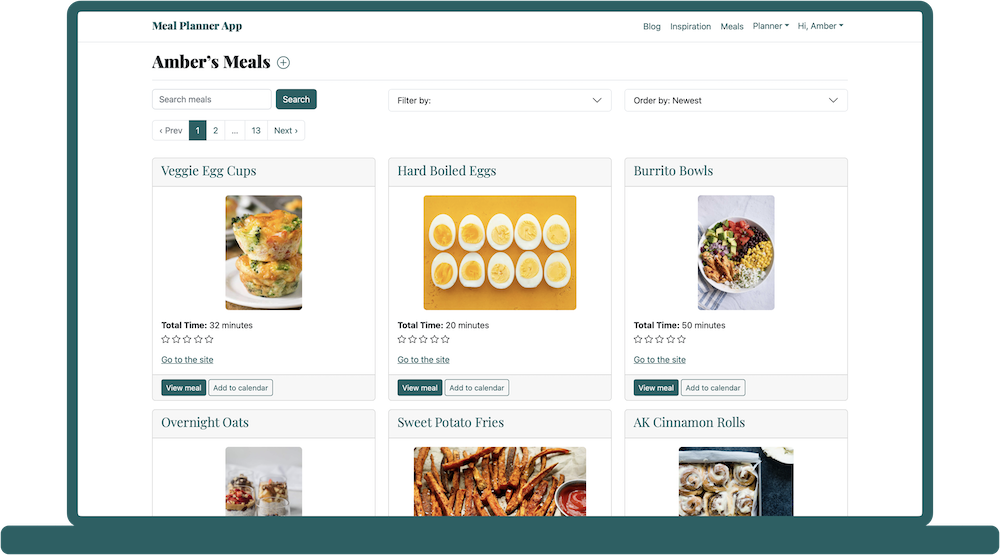
Meal planner apps have become increasingly popular as people seek to manage their diets according to specific health goals and lifestyle choices. Whether it’s for personal health reasons, ethical beliefs, or allergy management, there are myriad meal planner applications designed to accommodate a variety of dietary preferences. These apps not only provide recipes but also streamline meal preparation, ensuring users can adhere to their selected dietary guidelines with ease.
Many meal planner applications incorporate features that cater to diverse dietary restrictions and preferences, such as vegan, vegetarian, gluten-free, and paleo diets. By offering personalized meal suggestions, grocery lists, and even nutritional tracking, these apps are an invaluable resource for individuals looking to maintain their dietary choices without sacrificing variety or flavor. They often include filters that allow users to select their dietary needs, ensuring every meal fits their lifestyle.
Meal Planning for Specific Diets
Meal planner apps can effectively cater to various dietary preferences, ensuring users receive meal plans that align with their choices. Here are some notable examples of apps that provide specialized meal planning:
- Mealime: This app is excellent for both vegans and vegetarians. It allows users to select dietary preferences and generates meal plans that exclude specific ingredients. Mealime focuses on simple, quick recipes, making it ideal for busy individuals.
- PlateJoy: Tailored for various dietary restrictions, including gluten-free and keto, PlateJoy provides personalized meal plans based on individual health goals and preferences. Users can receive a curated grocery list based on their selected meals, simplifying shopping and meal prep.
- Yummly: Known for its extensive recipe database, Yummly allows users to filter recipes based on specific dietary needs, including vegetarian, vegan, and gluten-free options. It also offers personalized recommendations based on user tastes and dietary restrictions.
- Green Chef: A meal delivery service that caters to dietary preferences, Green Chef focuses on organic ingredients and offers plans specifically for keto, balanced living, and vegan diets. Each meal is designed to meet the nutritional needs of its target diet.
- Forks Over Knives: This app is dedicated to plant-based eating, featuring recipes that are entirely vegan. It emphasizes whole foods and offers meal plans that can help users transition to a healthier lifestyle.
Each of these apps generates meal plans that are not only nutritionally balanced but also cater to the culinary preferences of the user. For instance, a vegan meal plan from Mealime may include dishes like quinoa-stuffed bell peppers and chickpea stir-fry, while PlateJoy might suggest a gluten-free pasta with a homemade tomato basil sauce. The flexibility and specialization of these meal planner apps make them essential tools for anyone looking to navigate their specific dietary needs while enjoying delicious meals.
“Meal planner apps empower users to take control of their diet by providing customized options that align with their personal health goals and lifestyle choices.”
The Role of Community in Meal Planning Apps
Meal planning apps are transforming not only how we prepare meals but also how we connect with others who share our culinary interests. One of the most significant advantages of these platforms is the fostering of a community among users. This sense of community can enhance motivation, provide support, and create a shared space for exchanging ideas and experiences.
Social features within meal planning apps are crucial in building a supportive user community. These functionalities allow users to share their meal plans, recipes, cooking tips, and even grocery lists with each other. By enabling interaction among users, these apps create an environment where members feel encouraged to engage and collaborate. For instance, many apps incorporate forums or chat features where users can discuss their meal prepping strategies or nutritional choices, forming connections based on shared goals of healthy eating or culinary exploration.
Recipe and Tip Exchange
The ability to exchange recipes and cooking tips is a pivotal aspect of the community experience in meal planning apps. Users can share their tried-and-true recipes, often with personal twists that make them unique. This exchange does more than just diversify the meal options; it fosters creativity and experimentation in the kitchen. Below are some ways users can actively participate in recipe and tip exchanges:
- Recipe Sharing: Users can upload their favorite recipes, complete with photos and cooking instructions. This not only showcases personal culinary skills but also inspires others to try new dishes.
- Comment Sections: Many apps have comment features where users can provide feedback or suggestions on shared recipes, creating a dialogue that enhances the cooking experience.
- Cooking Challenges: Some meal planning apps organize community challenges that encourage users to create meals around a specific ingredient or theme, boosting engagement and fun.
- Tip Boards: Users can post short cooking tips or hacks that make meal prep easier or more efficient, benefiting those who may be new to cooking.
A community-driven approach significantly impacts meal planning success. When users have access to a network of fellow meal planners, they are more likely to stay motivated and accountable. The support system can lead to better adherence to meal plans, healthier eating habits, and a more enjoyable cooking experience. For example, a user might find inspiration from a fellow member’s healthy recipe, which encourages them to try cooking with new ingredients they hadn’t previously considered.
“A shared culinary journey can transform meal planning from a chore into an exciting adventure.”
Real-life examples abound in popular meal planning apps where communities thrive. For instance, users of certain platforms often report that they have discovered new diets or cooking styles through peer recommendations, leading to healthier lifestyles and a more expansive palate. The integration of community features in meal planning apps not only enhances the user experience but also contributes to long-term health and wellness goals.
Integrating Grocery Shopping with Meal Planner Apps
Meal planner apps are revolutionizing the way we approach grocery shopping by providing seamless integration that enhances convenience and efficiency. These applications not only help in planning meals but also streamline the entire grocery shopping experience, making it easier to stick to dietary goals and budget constraints. With a few taps on a smartphone, users can transform their meal ideas into organized grocery lists, ensuring they have everything needed for their recipes.
The ability to create grocery lists directly from meal plans is one of the standout features of meal planner apps. This functionality saves time and reduces the stress often associated with grocery shopping. Instead of manually compiling a list from various recipes, users can simply select their planned meals, and the app automatically generates a comprehensive grocery list that includes all necessary ingredients.
Benefits of Grocery Lists from Meal Plans
Generating grocery lists directly from meal plans through meal planner apps offers multiple advantages, which can greatly enhance the shopping experience. Here are some key benefits:
- Saves Time: By automatically compiling all the ingredients required for selected meals, users save time that would otherwise be spent writing down items.
- Reduces Waste: Shopping with a structured list minimizes the chances of buying unnecessary items, leading to less food wastage.
- Enhances Budgeting: With a clear list, shoppers can estimate their total spending more accurately and avoid impulse buys.
- Improves Organization: Grocery lists can often be categorized by store sections (e.g., produce, dairy, grains), which simplifies the shopping process.
The integration of grocery shopping with meal planner apps stands in stark contrast to traditional methods. Manual grocery planning typically involves piecing together lists from different recipes or relying on memory. This can lead to forgotten items, disorganization, and unnecessary trips back to the store.
Comparisons Between Manual Grocery Planning and App-Assisted Shopping
To illustrate the differences between manual and app-assisted grocery planning, consider the following points:
- Efficiency: App-assisted grocery shopping is generally faster, as users can quickly generate lists and make adjustments without rewriting everything.
- Accuracy: Meal planner apps reduce the likelihood of forgetting ingredients, ensuring that all necessary items are accounted for.
- Accessibility: Users can easily access their lists on-the-go or share them with family members, enhancing collaboration in meal preparation.
- Recipe Integration: Many apps allow users to link directly to recipes, making it easy to find cooking instructions along with the shopping list.
“By leveraging technology, meal planner apps transform grocery shopping from a tedious task into a well-organized and efficient process.”
Future Trends in Meal Planner App Development
As the culinary landscape evolves, so too does the technology that supports our meal planning endeavors. Emerging trends indicate a substantial shift towards more personalized, efficient, and user-friendly meal planning applications. The fusion of advanced technologies, particularly artificial intelligence, is set to revolutionize the way users interact with meal planners, making them indispensable companions in our kitchens.
The integration of emerging technologies into meal planner apps is reshaping user experiences by providing smart, tailored solutions. Technologies like machine learning, IoT (Internet of Things), and AR (Augmented Reality) are creating intuitive interfaces that adapt to individual user preferences. For instance, meal planners can utilize IoT devices to track pantry inventory, automatically suggest recipes based on available ingredients, and even remind users of expiration dates. This ensures minimal food waste and maximizes the use of resources.
Impact of Artificial Intelligence on Personalized Meal Suggestions
Artificial intelligence is leading the charge in personalizing meal suggestions, crafting a more engaging and relevant experience for users. AI algorithms analyze users’ dietary preferences, nutritional needs, and even historical food choices to recommend meals that align with individual health goals. This capability significantly enhances the user experience by making meal planning less of a chore and more of an enjoyable process.
The potential of AI in meal planners is illustrated through several functionalities:
- Adaptive Learning: AI systems learn from user interactions, improving suggestions over time. For instance, if a user frequently opts for vegan recipes, the app will increasingly prioritize vegan options in its suggestions.
- Smart Shopping Lists: Based on selected recipes, AI can generate optimized shopping lists that not only account for ingredients but also suggest substitutes for items that a user may not have at hand.
- Health Integration: Future apps may integrate with fitness trackers to align meal suggestions with users’ physical activities, ensuring they meet their calorie and nutrient intake goals efficiently.
“It’s not just about planning meals; it’s about creating a lifestyle that promotes health and convenience.”
Predictions for Future Functionalities in Meal Planner Apps
Looking ahead, several exciting functionalities are expected to become standard in meal planner apps. As technology continues to advance, users can anticipate a suite of features designed to enhance convenience and personalize their cooking experiences.
Key predicted functionalities include:
- Voice Activation: As voice assistants become more prevalent, future meal planners may allow users to plan meals and create shopping lists using voice commands, making them accessible while multitasking in the kitchen.
- Augmented Reality Cooking Guides: Imagine a feature that uses AR to guide users through recipes step-by-step, overlaying instructions directly onto their cooking environment, simplifying the process further.
- Community Features: The incorporation of social networking elements may allow users to share recipes and tips, fostering a community of food enthusiasts who inspire one another.
“Meal planning of the future will transform not just how we cook, but how we connect with food and each other.”
Conclusion
In conclusion, the meal planner app stands out as a valuable resource for modern-day meal preparation. By integrating grocery shopping, community support, and personalized nutrition tracking, these apps not only make life easier but also promote healthier eating habits. As technology evolves, we can anticipate even more innovative features that will further streamline the meal planning process, making it an indispensable part of our daily routines.
FAQ
What are the benefits of using a meal planner app?
Meal planner apps save time, reduce stress, and help users maintain a healthier diet by organizing meals and grocery shopping.
Can meal planner apps cater to specific dietary restrictions?
Yes, many meal planner apps are designed to accommodate various dietary preferences such as vegan, vegetarian, and gluten-free.
How do meal planner apps help with grocery shopping?
These apps often allow users to create grocery lists directly from their meal plans, simplifying the shopping experience.
Are meal planner apps easy to use for beginners?
Most meal planner apps feature user-friendly interfaces, making it easy for beginners to navigate and utilize their features effectively.
Can I share my meal plans with others through the app?
Yes, many meal planner apps include social features that allow users to share recipes and meal plans with friends and family.