Sleep monitor is more than just a device; it’s a gateway to understanding your nightly rest and improving your overall health. With increasing awareness about the importance of sleep, tracking sleep patterns has become essential for many looking to enhance their wellness. Proper sleep is linked to various aspects of health, from mental clarity to physical performance, and by monitoring sleep, one can identify issues that might be affecting their daily life. The alarming statistics reveal that a significant percentage of the population suffers from sleep disorders, which can impede daily activities and overall well-being. By implementing sleep monitoring, individuals can learn about their sleep habits and make necessary adjustments to foster better rest, leading to improved health outcomes.
Moreover, the range of sleep monitors available today allows users to select devices that fit their lifestyle and specific needs. From wearables that track movement and heart rate to non-wearable devices that monitor sleep environment, there’s an option for everyone. Understanding how these devices work and the data they provide can significantly influence one’s approach to achieving better sleep hygiene and healthier lifestyle choices.
Understanding the Importance of Sleep Monitoring
Sleep is a fundamental aspect of human health, influencing emotional stability, cognitive function, and physical well-being. Monitoring sleep patterns provides valuable insights into individual sleep quality, helping to identify issues that may otherwise go unnoticed. In today’s fast-paced world, where stress and lifestyle changes can significantly alter sleep habits, understanding the importance of sleep monitoring is essential for promoting overall health and wellness.
Tracking sleep patterns is vital for recognizing issues that may impact daily life. According to the Centers for Disease Control and Prevention (CDC), about 35% of adults in the United States report getting less than the recommended seven hours of sleep per night. Sleep disorders such as insomnia, sleep apnea, and restless leg syndrome affect millions of people, leading to decreased productivity, increased accidents, and overall diminished quality of life. The National Sleep Foundation indicates that approximately 50 to 70 million adults in the U.S. have a sleep disorder, underscoring the critical need for awareness and monitoring of sleep health.
Effective sleep monitoring can significantly improve sleep habits. By utilizing sleep tracking devices or apps, individuals can gather data on their sleep duration, sleep stages, and any disturbances throughout the night. This information allows for tailored adjustments in daily routines, such as creating consistent bedtime schedules, improving sleep environments, and adopting relaxation techniques. For instance, studies have shown that individuals who track their sleep are more likely to implement positive changes, such as reducing caffeine intake and establishing a calming pre-sleep routine.
Statistics Related to Sleep Disorders and Their Impact
Understanding the statistics surrounding sleep disorders highlights their prevalence and the urgency of addressing sleep health. The impact of these disorders extends beyond the individual, affecting workplaces, healthcare systems, and society as a whole. Here are some key points regarding sleep disorders:
- According to the American Academy of Sleep Medicine, over 25 million adults in the U.S. suffer from obstructive sleep apnea, a condition that can lead to serious health issues if left untreated.
- Sleep deprivation has been linked to an increased risk of chronic conditions, including obesity, diabetes, cardiovascular diseases, and even depression.
- The financial burden of sleep disorders is substantial, with estimates suggesting that they cost the U.S. economy around $63 billion annually due to lost productivity and medical expenses.
- Children and adolescents are also affected, with the CDC reporting that nearly 70% of high school students do not get sufficient sleep, impacting their academic performance and mental health.
Incorporating sleep monitoring into daily life can lead to a profound understanding of personal sleep patterns. The insights gained from consistent tracking can guide individuals towards healthier sleep practices, fostering improved overall health and quality of life. By recognizing the significance of sleep monitoring, individuals can take proactive steps towards enhancing their sleep hygiene and, as a result, their overall well-being.
Exploring Different Types of Sleep Monitors Available
Sleep monitors have revolutionized the way we understand our sleep patterns and overall health. With advancements in technology, various types of sleep monitoring devices have emerged, catering to different needs and preferences. From wearables to sophisticated non-wearables, these devices offer insights into our sleep quality, duration, and disturbances. Understanding the types and functionalities of these monitors can help individuals choose the right one according to their lifestyle.
The market offers a variety of sleep monitors, each with unique features. Wearable devices, such as fitness trackers and smartwatches, typically utilize accelerometers to track movement during sleep. These devices can provide data on sleep stages, including light, deep, and REM sleep, and often include heart rate monitoring. On the other hand, non-wearable options comprise under-mattress sensors and bedside monitors that utilize advanced algorithms or pressure sensors to track sleep patterns without direct contact. These devices can be beneficial for individuals who prefer not to wear anything while sleeping.
Comparative Analysis of Popular Sleep Monitoring Devices
When considering sleep monitors, it’s essential to understand the differences among leading products. Below is a comparison of some popular sleep monitoring devices, highlighting their technology, usability, features, pros, and cons.
| Device Name | Type | Technology Used | Usability | Price Range |
|---|---|---|---|---|
| Fitbit Charge 5 | Wearable | Accelerometer, Heart Rate Monitor | Smartphone App Integration | $149.95 |
| Oura Ring | Wearable | Infrared Sensors, Accelerometer | Mobile App, Cloud Sync | $299.00 |
| Sleepon Go | Non-Wearable | Under-Mattress Sensor | Compatible with Mobile App | $99.99 |
| Withings Sleep | Non-Wearable | Sleep Cycle Analysis, Heart Rate Monitoring | Smartphone App Integration | $99.95 |
Each device serves different user preferences. For instance, wearables like the Fitbit Charge 5 and Oura Ring can track various health metrics alongside sleep data, appealing to fitness enthusiasts. Conversely, non-wearables like Sleepon Go and Withings Sleep are more convenient for those who find wearing a device uncomfortable while sleeping. However, wearables may require charging, and accuracy can vary, while non-wearables may lack real-time feedback.
Ultimately, the best sleep monitor is one that aligns with your lifestyle and comfort preferences, providing valuable insights into your sleep quality.
The Technology Behind Sleep Monitoring
Sleep monitoring technology has evolved significantly over the years, combining various sensors and advanced algorithms to provide detailed insights into an individual’s sleep patterns. The primary goal of these devices is to analyze sleep quality, duration, and disturbances, ultimately helping users enhance their overall well-being. Modern sleep monitors typically utilize a combination of physiological sensors, motion detectors, and environmental monitoring to gather comprehensive sleep data.
Physiological sensors, such as heart rate monitors, are crucial for assessing sleep quality. These sensors track heart rate variability, which can indicate different sleep stages, including REM and deep sleep. Motion detectors, often accelerometers found in wearables, provide information on movements during sleep, allowing for the identification of restlessness or sleep disruptions. Environmental sensors measure factors such as room temperature, humidity, and noise levels, which can significantly impact sleep quality. Together, these technologies form a robust framework for capturing an individual’s sleep behavior.
Data Collection and Analysis in Sleep Monitoring
Data collection in sleep monitoring devices is a seamless process that starts as soon as the user goes to bed. Most devices are designed to operate continuously throughout the night, collecting a vast amount of data. This data is then analyzed using sophisticated algorithms that categorize sleep patterns based on several parameters. The analysis typically includes:
- Sleep Stages: Algorithms classify data into various sleep stages, including light, deep, and REM sleep, providing insights into the overall sleep cycle.
- Sleep Duration: Monitoring total sleep time helps users understand whether they are meeting the recommended hours of sleep for their age group.
- Sleep Quality Indicators: Metrics like sleep interruptions, time taken to fall asleep, and restlessness are analyzed to determine overall sleep quality.
- Environmental Factors: Information on room conditions can be correlated with sleep quality, offering actionable insights for improvements.
The synthesis of this data empowers users to make informed decisions about their sleep habits. For instance, if a user frequently experiences sleep disturbances when the room temperature exceeds a certain threshold, they can adjust their environment accordingly.
Emerging technologies, such as AI-driven sleep analysis and smart home integration, are expected to significantly influence the future landscape of sleep tracking. Devices are becoming increasingly sophisticated, using machine learning algorithms to provide personalized insights and recommendations based on long-term data patterns. New innovations, like sleep-enhancing light therapy and non-contact sleep monitoring solutions, such as advanced radar technology, are being developed to create a more comprehensive understanding of sleep health.
As the field of sleep monitoring continues to grow, the integration of diverse technologies promises to make it more accessible and accurate, ultimately leading to improved sleep hygiene and overall health for users.
Interpreting Sleep Data Effectively
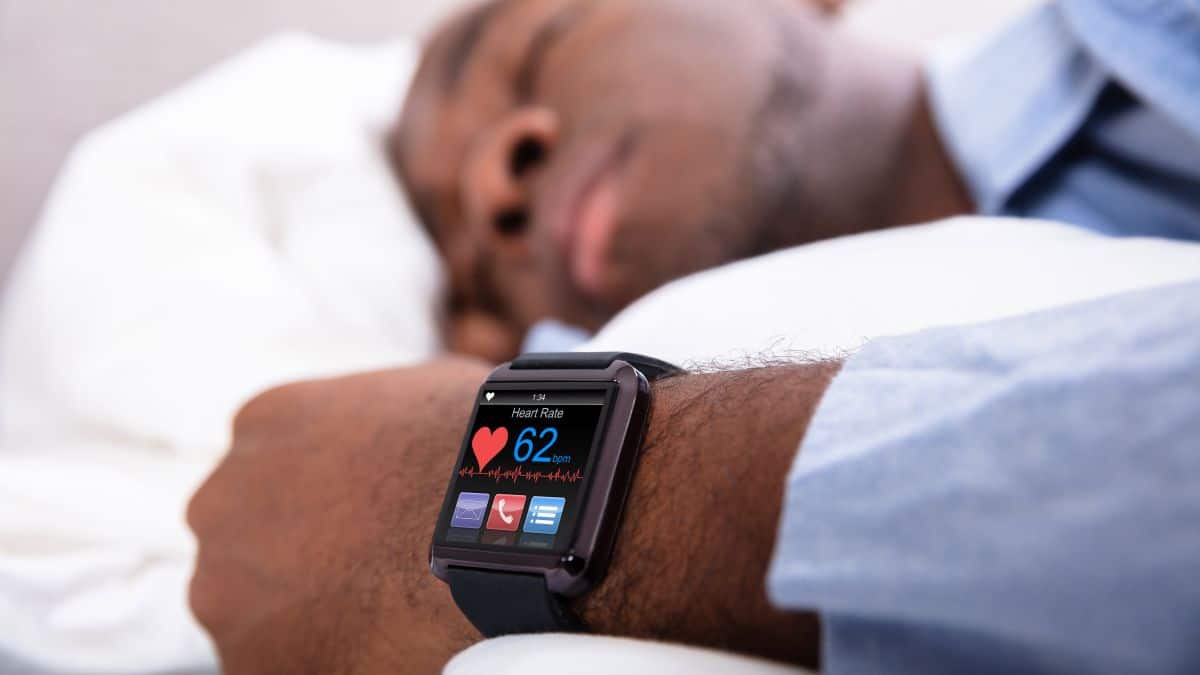
Understanding sleep data from monitoring devices can significantly enhance your grasp of your sleep quality and overall health. With the wealth of information these devices provide, it’s essential to know how to interpret various metrics accurately. By focusing on key indicators such as sleep cycles, total sleep duration, and disturbances, users can develop insights into their sleep patterns and make informed adjustments to improve their rest.
Reading sleep data requires familiarity with specific metrics that detail your sleep performance. One of the most crucial aspects is recognizing sleep cycles, which consist of different stages: light sleep, deep sleep, and REM (Rapid Eye Movement) sleep. Each cycle typically lasts about 90 minutes and repeats several times per night. Monitoring the duration of each stage can help you assess whether you’re getting enough restorative sleep. Additionally, noting disturbances during the night, such as awakenings or interruptions, provides insight into potential sleep issues.
Key Sleep Metrics and Their Importance
To effectively assess your sleep data, consider the following key metrics:
- Total Sleep Duration: This is the overall amount of time spent asleep during the night, ideally ranging from 7 to 9 hours for adults.
- Sleep Latency: The time it takes to fall asleep after getting into bed. A shorter latency indicates good sleep health, while a longer time may suggest sleep issues.
- Sleep Efficiency: The percentage of time spent asleep while in bed. A higher percentage indicates better sleep quality.
- Awake Time: The total time spent awake during the night. Frequent awakenings can lead to feeling unrested.
- Sleep Cycles: The number of cycles completed, with each cycle including light, deep, and REM sleep. Aim for 4-6 cycles per night.
Understanding these terms is vital for interpreting sleep data accurately. Familiarity with specific terminology can deepen your awareness of your sleep health:
- Light Sleep: This is the initial phase of sleep where you can be easily awakened.
- Deep Sleep: A restorative phase that is crucial for physical recovery and memory consolidation.
- REM Sleep: The phase associated with dreaming, important for cognitive functions.
- Sleep Disturbance: Any event that disrupts your sleep, such as noise or movement, affecting overall sleep quality.
- Circadian Rhythm: Your body’s natural sleep-wake cycle, influenced by environmental factors like light.
By familiarizing yourself with these metrics and terms, you can effectively interpret your sleep data and make meaningful changes to your habits for better sleep quality.
The Impact of Sleep Hygiene on Monitoring Outcomes
Sleep hygiene refers to a set of practices and habits that are essential for promoting good sleep quality and ensuring a restful night. The role of sleep hygiene is particularly significant when it comes to the effectiveness of sleep monitors, as these devices are designed to track various metrics related to sleep patterns, duration, and quality. Good sleep hygiene can enhance the accuracy and reliability of sleep monitor readings, leading to better insights and personalized recommendations for improving sleep health.
Incorporating proper sleep hygiene practices can help users achieve more meaningful results from their sleep monitoring devices. When individuals maintain a consistent sleep schedule, create a comfortable sleep environment, and practice relaxation techniques, they not only boost their overall sleep quality but also provide their sleep monitors with clearer data. For instance, disturbances caused by an inconsistent sleep routine may lead to misleading interpretations of sleep fragmentation and duration. Conversely, a well-established routine allows sleep monitors to track restful sleep more accurately, providing valuable feedback for users to optimize their sleep habits.
Actionable Tips for Improving Sleep Hygiene
Implementing effective sleep hygiene practices is crucial for enhancing sleep quality and monitoring outcomes. Here are several actionable tips that can help:
- Establish a consistent sleep schedule: Aim to go to bed and wake up at the same time every day, even on weekends, to regulate your body’s internal clock.
- Create a relaxing bedtime routine: Engage in calming activities before bed, such as reading, taking a warm bath, or practicing mindfulness to signal to your body that it’s time to wind down.
- Optimize your sleep environment: Ensure your bedroom is dark, quiet, and at a comfortable temperature. Consider using blackout curtains, white noise machines, or a fan to enhance comfort.
- Limit screen time before bed: Reduce exposure to blue light from screens at least one hour before bedtime, as it can disrupt melatonin production and affect sleep quality.
- Avoid heavy meals and caffeine close to bedtime: Eating large meals or consuming caffeine in the evening can interfere with your ability to fall asleep and stay asleep.
- Stay active during the day: Regular physical activity can help you fall asleep faster and enjoy deeper sleep, but avoid vigorous exercise close to bedtime.
These habits contribute positively to sleep quality, making it easier to achieve restorative sleep that reflects accurately in sleep monitoring data. By adhering to these practices, users can enhance their overall sleep experience and gain more actionable insights from their sleep monitors, ultimately leading to better health and well-being.
Addressing Privacy Concerns with Sleep Monitoring
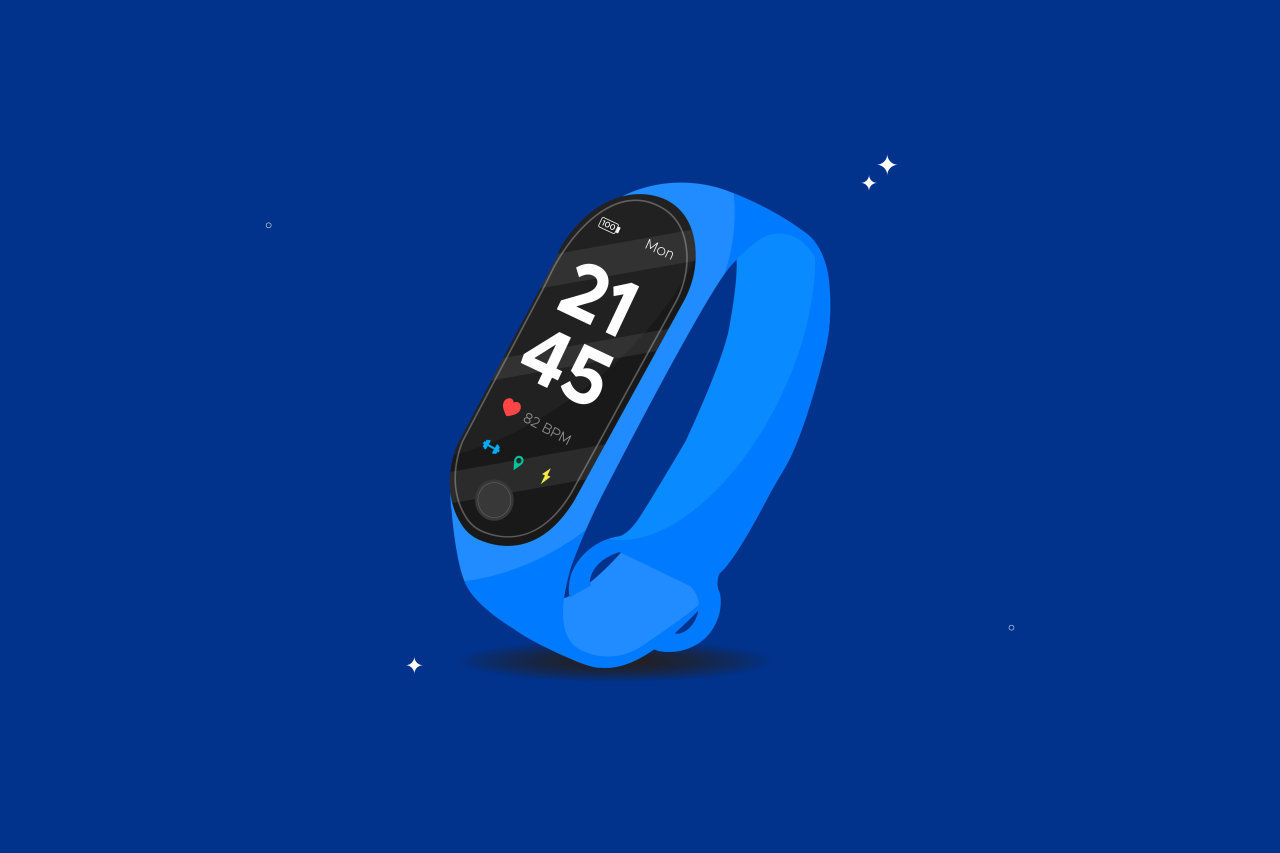
As sleep monitoring devices become more prevalent, concerns surrounding privacy are increasingly important. These devices collect sensitive data about users’ sleep patterns, which raises significant privacy issues. From unauthorized access to personal information to potential misuse of data, the implications of sleep tracking technology warrant careful consideration. Users should be aware of how their data is collected, stored, and shared, as well as the policies of the manufacturers behind these devices.
Potential privacy issues associated with sleep monitoring devices include data breaches, lack of transparency, and the possibility of third-party access to personal health information. When a device collects detailed sleep data, including duration, quality, and disturbances, it generates a profile that may be exploited by unauthorized entities. For instance, if a sleep monitor is compromised, it could reveal sensitive information about an individual’s health or lifestyle that they may not wish to disclose publicly. Additionally, manufacturers might not always provide clear privacy policies, leading users to unknowingly agree to terms that allow extensive data sharing with third parties.
Best Practices for Maintaining Privacy While Using Sleep Tracking Technology
To fully benefit from sleep tracking technology while safeguarding personal information, adopting best practices is essential. Here are recommendations that can help maintain privacy when using these devices:
1. Research Device Security Features: Before purchasing a sleep monitor, investigate its security features, such as data encryption and user authentication methods.
2. Read Privacy Policies: Understand how data is collected and used. Look for transparency in the device’s privacy policy, ensuring it aligns with your privacy expectations.
3. Limit Data Sharing: Customize settings to restrict the amount of data shared with third parties. Many devices allow users to opt-out of data sharing.
4. Regular Software Updates: Ensure the device’s software is up-to-date. Updates often include security patches that protect against vulnerabilities.
5. Use Strong Passwords: Create robust passwords for accounts associated with the sleep monitor to prevent unauthorized access.
6. Disconnect When Not in Use: Consider turning off or disconnecting the device when not in use to limit data collection.
The following table compares the privacy features of various sleep monitors, providing a concise overview of their capabilities:
| Device Name | Data Encryption | Third-Party Sharing Policy | User Control Over Data |
|---|---|---|---|
| SleepTrack Pro | Yes | Limited | Yes |
| DreamSafe | No | Extensive | No |
| NightWatcher | Yes | Opt-in | Yes |
| SlumberSense | Yes | None | Yes |
By following these best practices and being informed about the privacy features of various devices, users can enjoy the benefits of sleep monitoring technology while protecting their personal information and maintaining control over their data.
Integrating Sleep Monitoring with Lifestyle Changes
Sleep monitoring provides valuable insights into our nightly rest, revealing patterns and trends that can significantly impact our overall well-being. By understanding our sleep data, we can make informed lifestyle changes that enhance not only our sleep quality but also our daily routines and health habits. This integration of sleep data into everyday life creates a holistic approach to health, encouraging better dietary choices, enhanced exercise routines, and improved stress management techniques.
The data derived from sleep monitoring can be a powerful tool for evaluating lifestyle adjustments. Individuals can analyze how their sleep quality interacts with various aspects of their daily lives, such as diet, physical activity, and stress levels. For example, someone might notice that their sleep significantly worsens on days they consume caffeine or alcohol, prompting them to adjust their intake. Likewise, sleep data may show improvements in restfulness after regular exercise, encouraging a more consistent workout schedule.
Real-Life Applications of Sleep Data
Integrating sleep monitoring into lifestyle changes can evolve personal routines, as evidenced by numerous case studies. One notable example is Sarah, a 32-year-old marketing manager who struggled with insomnia for years. After using a sleep monitoring app, Sarah discovered that her sleep disruptions were linked to her late-night snacking on sugary foods. By adjusting her diet to include lighter evening meals and reducing sugar intake, her sleep improved dramatically. She reported feeling more energized throughout the day and noted a significant increase in her productivity at work.
Another compelling case is that of Mark, a fitness enthusiast who utilized wearable sleep technology. His data revealed that he was getting less quality sleep on days he exercised intensely without sufficient recovery. By incorporating rest days and focusing on lighter activities, Mark enhanced his sleep quality and noticed better performance in his workouts. His overall well-being improved, highlighting the importance of balancing exercise with adequate rest.
Based on insights gained from sleep data, individuals can consider the following lifestyle modifications:
- Reduce caffeine and alcohol consumption, especially in the hours leading up to bedtime.
- Establish a consistent sleep schedule by going to bed and waking up at the same time every day.
- Incorporate relaxation techniques like meditation or yoga into the evening routine to lower stress levels.
- Engage in regular physical activity, ideally earlier in the day, to promote better sleep quality.
- Limit screen time before bed, as blue light can interfere with the body’s natural sleep-wake cycle.
- Pay attention to diet, focusing on balanced meals that support energy levels without causing sleep disturbances.
- Create a conducive sleep environment, ensuring the bedroom is dark, quiet, and cool.
By reflecting on sleep data and taking actionable steps, individuals can foster a lifestyle that enhances not only their sleep quality but also their overall health and daily functioning. This approach not only leads to better sleep but also cultivates a more vibrant, energetic life.
Final Summary
In conclusion, the exploration of sleep monitoring reveals its vital role in promoting better health and lifestyle choices. By understanding how to interpret sleep data, addressing privacy concerns, and integrating insights into daily habits, individuals can take charge of their sleep health. Sleep monitors not only provide data but also empower users to make informed decisions that enhance their overall well-being. As technology continues to evolve, embracing these tools can lead to a future where proper sleep is prioritized, ensuring a healthier, more productive life.
FAQ Summary
What is a sleep monitor?
A sleep monitor is a device that tracks various aspects of sleep, such as duration, quality, and cycles, to help users understand and improve their sleep patterns.
How often should I use a sleep monitor?
It’s recommended to use a sleep monitor regularly, ideally every night, to gather comprehensive data about your sleep habits over time.
Can a sleep monitor help with insomnia?
Yes, by providing insights into sleep patterns, a sleep monitor can help identify issues contributing to insomnia and guide users in making necessary adjustments.
Are sleep monitors uncomfortable to wear?
Most modern sleep monitors are designed for comfort, with many wearable options being lightweight and unobtrusive to ensure a good night’s sleep.
Do sleep monitors require a subscription?
Some sleep monitors may offer premium features with a subscription, but many basic functions can be accessed without any recurring fees.
Can I use a sleep monitor if I have sleep apnea?
While sleep monitors can provide useful data, they are not a substitute for medical devices or evaluations for sleep apnea; consulting a healthcare provider is recommended.