Fitness equipment app technology has revolutionized how we approach health and exercise, making personal fitness more accessible and engaging than ever before. As smartphones and wearables become ubiquitous, these tools harness data to motivate users and provide personalized experiences that adapt to individual fitness journeys.
From their humble beginnings, early fitness apps primarily focused on basic exercise logs. However, with rapid advancements in technology, they’ve evolved into comprehensive platforms that integrate tracking, social engagement, and even nutrition advice, all designed to enhance user experience and promote healthier lifestyles.
The evolution of fitness equipment apps within the digital health landscape
The fitness equipment app landscape has undergone remarkable transformation over the past decade, significantly impacting how individuals engage with their health and wellness. Initially, fitness apps served simple functions, primarily acting as digital logs for workouts or calorie trackers. Today, these applications have become sophisticated tools that integrate with a myriad of devices and platforms, ultimately creating a more comprehensive and tailored user experience.
The evolution of fitness equipment apps can be closely traced to the advancements in technology. In the early 2010s, fitness apps were limited in capability, often requiring manual entry of data and providing basic analytics. Fast forward to the present, and the integration of artificial intelligence (AI) and machine learning has allowed for personalized training regimens that adapt to user performance and goals. AI algorithms analyze user data to provide real-time feedback, enhancing workout effectiveness and fostering motivation. This evolution represents a shift from static tracking towards dynamic, responsive apps that can offer guidance based on individual user behaviors.
The impact of smartphones and wearable technology on user experiences
Smartphones and wearable technology have played a pivotal role in the enhancement of fitness equipment apps. The proliferation of smartphones equipped with advanced sensors and connectivity features has facilitated seamless interaction with fitness applications. Users can now track their workouts, monitor heart rates, and analyze sleep patterns all from a single device. The following points illustrate the importance of these technologies in shaping user experiences:
– Accessibility: With smartphones, users have immediate access to fitness apps anytime and anywhere, making fitness more approachable.
– Real-Time Data Tracking: Wearable devices like smartwatches and fitness bands provide real-time monitoring of physical activities and physiological metrics, allowing for immediate adjustments in workouts.
– Social Connectivity: Many fitness apps now incorporate social features, enabling users to share their progress and even challenge friends, creating a sense of community and accountability.
– Customized Experiences: Wearable devices can collect extensive data, allowing apps to tailor workouts and nutrition plans based on individual user analytics.
In the historical context, early fitness apps were primarily designed for basic tracking and lacked the interactivity and data integration we see today. For example, one of the first popular fitness apps, MyFitnessPal, started as a calorie counter in 2005 and has since evolved into a comprehensive wellness platform that connects with numerous fitness devices. Over the years, the need for interoperability among devices has become increasingly evident, resulting in the development of apps that sync effortlessly with various fitness equipment, ensuring users can derive maximum benefit from their workouts.
“The modern fitness app is not just a tool; it’s a personal coach, a nutritionist, and a community all in one.”
Key features that define a successful fitness equipment app
A successful fitness equipment app hinges on a range of features that cater to user engagement, effectiveness, and overall experience. These features help users stay motivated and achieve their fitness goals while fostering a sense of community and personalization.
One of the most vital aspects of any fitness app is how it tracks user progress, allows for social interaction, and offers tailored experiences. Here are five critical features that enhance user engagement and effectiveness:
Critical Features for User Engagement
Incorporating key functionalities into a fitness app is essential for enhancing user engagement and driving effectiveness. The following features play a significant role in user retention and satisfaction:
- Exercise Tracking: This feature enables users to log their workouts, track progress over time, and set fitness goals. By visualizing progress through graphs and summaries, users are more likely to stay committed to their routines.
- Social Sharing: Allowing users to share achievements, workouts, and milestones with friends fosters a sense of community. This social interaction not only motivates users but also creates accountability, encouraging them to stick to their fitness journeys.
- Personalization: Tailored workout plans based on user preferences, fitness levels, and goals significantly enhance the user experience. Personalized recommendations keep users engaged by ensuring the content remains relevant and challenging.
- Video Tutorials: Providing high-quality instructional videos for exercises enhances user learning and confidence. Users can visualize proper techniques, decreasing the risk of injury and improving workout effectiveness.
- Integration with Wearables: Syncing with fitness trackers and smartwatches allows individuals to monitor their health metrics in real-time, making it easier to adjust workouts and track progress more accurately.
Impact of Features on User Retention
The inclusion of features such as exercise tracking, social sharing, and personalization directly impacts user retention. Users who can monitor their progress are likely to set and achieve goals, leading to increased satisfaction and continued usage of the app. Social sharing creates a supportive environment that encourages users to maintain their fitness routines, while personalization ensures that workouts remain engaging and suited to individual needs.
Comparison of Popular Fitness Equipment Apps
Understanding the features offered by leading fitness apps can provide insights into best practices for app development. The table below compares key features from popular fitness equipment apps:
| App Name | Exercise Tracking | Social Sharing | Personalization | Video Tutorials | Integration with Wearables |
|---|---|---|---|---|---|
| MyFitnessPal | Yes | Yes | No | No | Yes |
| Fitbod | Yes | No | Yes | Yes | No |
| Strava | Yes | Yes | No | No | Yes |
| Peloton | Yes | Yes | Yes | Yes | Yes |
| Nike Training Club | Yes | No | Yes | Yes | No |
The impact of fitness equipment apps on user behavior and motivation
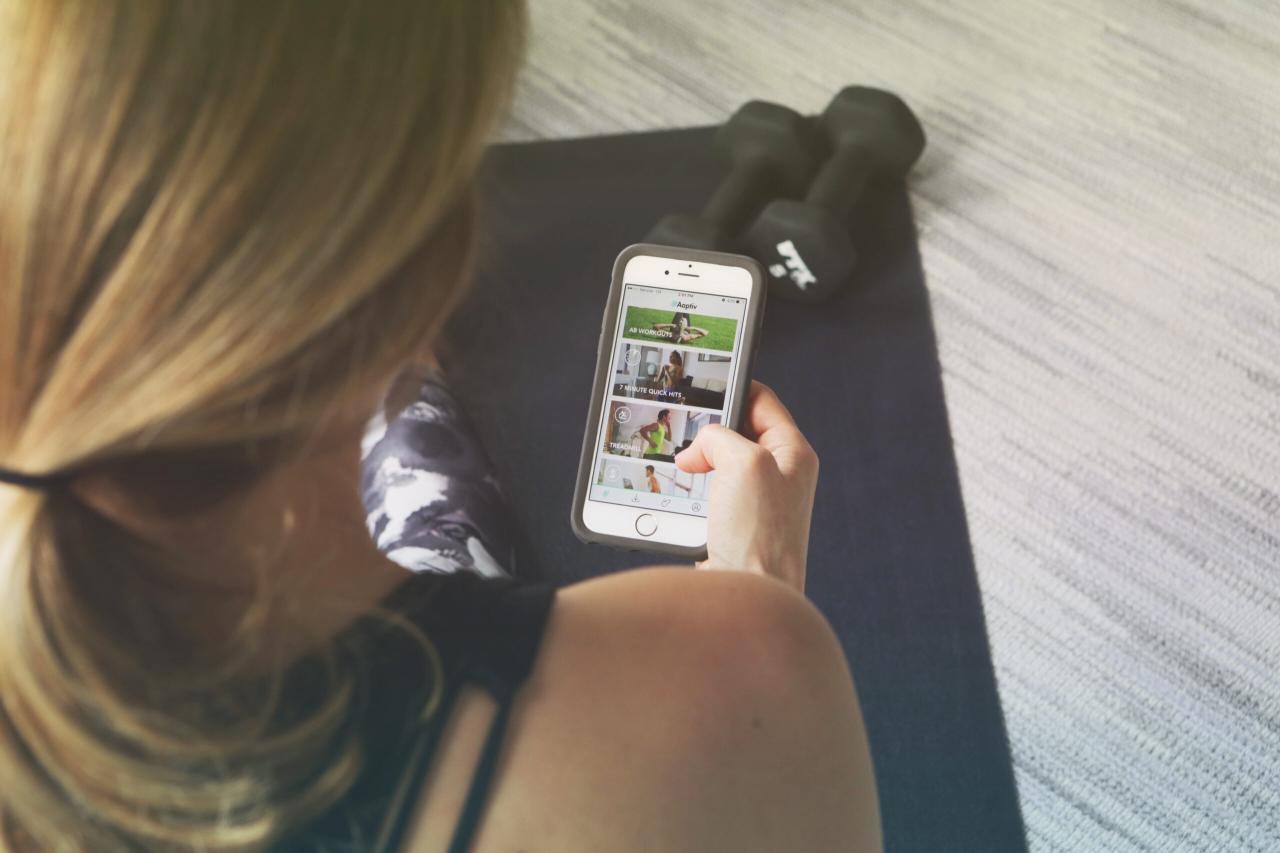
Fitness equipment apps have revolutionized the way individuals approach their fitness journeys. By merging technology with physical activity, these apps not only track workouts but also offer insights into users’ habits and progress. The psychological aspects of utilizing fitness apps play a crucial role in shaping user behavior and fostering motivation. Through gamification, social sharing, and tailored feedback, these applications create an environment conducive to habit formation and personal growth.
The use of fitness apps can significantly influence users’ motivation levels and their ability to achieve fitness goals. The instant feedback provided by these applications helps users recognize their achievements, no matter how small they might seem. This reinforcement encourages users to stay committed to their routines. The incorporation of personalized goals and reminders also contributes to building consistency in workout habits.
One of the significant psychological impacts of fitness apps is the principle of gamification, which leverages game-like elements to enhance engagement. Users earn points, badges, or rewards for completing workouts or achieving milestones, making the process enjoyable. This aspect not only keeps users motivated but also transforms exercise from a chore into a rewarding experience. Social features, such as sharing achievements on platforms or competing with friends, further amplify this motivation by creating a sense of community and accountability.
Real-life case studies highlighting motivational effects
To illustrate the motivational impact of fitness apps, consider the following testimonials from users who have experienced transformative changes in their lives:
1. Sarah’s Journey: Sarah, a 28-year-old beginner, struggled with consistency in her workout routine. After downloading a popular fitness app, she found herself motivated by the daily reminders and tracking features. “Seeing my progress each week was a game-changer,” she stated. By setting small, achievable goals, she built a regular exercise habit. The app’s community feature allowed her to connect with others, providing additional encouragement and accountability. After six months, Sarah lost 15 pounds and significantly improved her overall fitness.
2. James’ Transformation: James, a 35-year-old father of two, faced challenges balancing his family life and personal health. He found motivation through a fitness app that offered quick, effective workouts tailored to his busy schedule. “The workouts fit into my day, and I loved that I could track my progress,” he shared. His commitment increased as he began to see measurable results, leading to improved energy levels and a healthier lifestyle.
3. Lisa’s Success Story: Lisa, a fitness enthusiast, used a specialized app designed for weightlifting. The app not only allowed her to track her weights and reps but also provided educational content on proper techniques. “The app helped me understand my body better and pushed me to go heavier,” she commented. With the support of the app’s progress tracking and instructional videos, Lisa achieved a personal best in her lifts, motivating her to continue challenging herself.
These case studies highlight how fitness equipment apps can effectively motivate users to pursue and achieve their fitness goals. By combining technology with psychological incentives, these apps facilitate habit formation and foster a sustained commitment to healthy living.
Examining the market trends for fitness equipment apps and future predictions
The fitness app market is experiencing rapid growth, driven by a surge in health consciousness among consumers and the increasing reliance on technology for personal training and health monitoring. The current landscape reveals a diverse range of users, from casual fitness enthusiasts to serious athletes, each seeking tailored experiences that suit their unique fitness goals. The integration of various features in fitness apps has broadened their appeal, establishing a competitive environment where innovation is key to attracting and retaining users.
Current Landscape and User Types
The fitness app sector is populated by numerous players, each catering to specific demographics and fitness modalities. Current trends show that many users gravitate towards apps that offer personalized workout plans, nutrition tracking, and social features that enhance community engagement. The following report Artikels key user segments drawn to fitness equipment apps:
- Casual Users: Individuals looking for basic workout guidance and tracking, often seeking motivation through user-friendly interfaces.
- Athletes and Fitness Buffs: Users who prioritize advanced metrics, performance tracking, and connectivity with wearables for a comprehensive fitness analysis.
- Health-Conscious Individuals: Those focused on wellness, including diet and mental health, often using apps for holistic health features.
- Older Adults: Users interested in low-impact exercises, rehabilitation, and maintaining physical health, requiring simple navigation and clear instructions.
Emerging Trends in Fitness Apps
As technology evolves, fitness apps are increasingly integrating innovative features that enhance user experience. Notable trends shaping the future of fitness applications include:
- Gamification: The incorporation of game-like elements, such as rewards, challenges, and leaderboards, motivates users by making fitness more engaging and competitive.
- AI Integration: Artificial intelligence enhances personalization, offering tailored workout recommendations and real-time feedback based on user performance and preferences.
- Virtual and Augmented Reality: These technologies create immersive workout experiences, allowing users to participate in virtual classes or explore fitness environments from their homes.
- Wearable Tech Compatibility: Apps are increasingly integrating with fitness trackers and smartwatches, providing seamless data synchronization for a holistic overview of health metrics.
Future Developments and User Engagement
The future of fitness equipment apps is poised for transformative advancements that will significantly enhance user engagement. Several potential developments include:
- Advanced Data Analytics: Future apps may utilize big data analytics to deliver deeper insights into user trends, helping individuals understand their progress and adjust their routines effectively.
- Enhanced Social Features: Building stronger community connections through features like group challenges and virtual meet-ups could foster motivation and adherence to fitness goals.
- Personalized Health Programs: Integrating nutrition, wellness coaching, and mental health support into comprehensive health management systems is likely to emerge as a key service, appealing to a broader audience.
- Sustainability Initiatives: Apps may adopt eco-friendly practices, encouraging users to engage in outdoor activities and incorporate sustainable living into their fitness routines.
“By merging technology with fitness, future applications are set to redefine engagement, ensuring that users not only meet their fitness goals but also enjoy the journey.”
The importance of community features in fitness equipment applications
In the realm of fitness, motivation and accountability are essential components for achieving one’s health goals. Community features within fitness equipment applications play a crucial role in fostering a sense of belonging and support among users. They transform solitary workouts into shared experiences, facilitating connections that enhance individual performance and overall engagement.
The integration of community features allows users to interact and form relationships with like-minded individuals. This social aspect can significantly impact their fitness journey, encouraging users to push their limits and remain committed. Virtual challenges, leaderboards, and interactive forums not only motivate users to improve but also create a vibrant ecosystem where experiences and tips can be shared.
Benefits of community features in fitness apps
Community features in fitness applications offer numerous benefits that can enhance the user experience and improve workout outcomes. These benefits can lead to increased retention rates and higher levels of user satisfaction.
– Enhanced Motivation: The presence of a supportive community can motivate individuals to stay on track with their fitness goals. Sharing progress and receiving encouragement from peers boosts commitment.
– Accountability: By participating in community challenges or group workouts, users are more likely to hold themselves accountable. The fear of letting others down can propel individuals to maintain their exercise routine.
– Shared Knowledge and Experiences: Users can exchange fitness tips, routines, and advice, enriching the collective knowledge base. This sharing of information can lead to improved techniques and better results.
– Increased Engagement: Community-driven events such as virtual races or challenges can increase engagement levels. Users are likely to participate more frequently when there’s a communal goal to achieve.
– Improved Mental Well-Being: A sense of belonging can positively impact mental health. Users who feel connected to a community are often more resilient and experience less stress related to their fitness journey.
“A community is not just a group of people, but a strong support network that fuels our desire to succeed.”
Challenges faced by developers in creating effective fitness equipment apps
Developers of fitness equipment apps encounter a myriad of challenges that can impact the effectiveness and usability of their products. The intersection of technology, design, and user engagement presents a unique landscape that must be navigated carefully to create an app that truly meets the needs of fitness enthusiasts. From technical hurdles like integrating sensors and ensuring data accuracy to design challenges such as creating an intuitive user interface, the development process is multifaceted and often complicated.
Effective fitness applications require not only robust functionality but also a user-friendly experience that encourages regular use. As developers strive to innovate, they must also address the complexities of compatibility with various devices and user preferences, which can vary widely.
User feedback shaping the development process
User feedback plays a pivotal role in the development and continuous improvement of fitness equipment apps. The evolution of any app heavily relies on how users interact with it, what they enjoy, and what issues they face during their fitness journey. Gathering and analyzing user feedback can take several forms, including surveys, in-app ratings, and direct user interviews. This information is invaluable as it provides insights into user behavior and preferences, helping developers prioritize features that enhance the overall experience.
When developers incorporate user feedback, they typically engage in iterative cycles of testing and refining. For example, if a significant number of users report difficulty in navigating the app’s interface, developers can revise the design based on this collective input. This responsiveness not only improves functionality but also fosters a sense of community among users who feel their opinions matter. A well-documented case in point is how many fitness applications have implemented gamification elements, like earning badges or rewards, in direct response to user suggestions, enhancing motivation and engagement.
To further emphasize the importance of user feedback, consider the following best practices:
- Regularly collect feedback through in-app prompts or follow-up emails after key interactions.
- Establish a feedback loop where users can see how their suggestions have been implemented in updates.
- Monitor app reviews on platforms like the App Store or Google Play to derive insights from user experiences.
- Conduct A/B testing to ascertain which new features resonate more with the user base.
These practices ensure that app development remains user-centric, ultimately leading to increased user satisfaction and retention.
Solutions for overcoming common obstacles in app development
Developers face numerous obstacles in creating effective fitness apps, including technical, design, and logistical challenges. Addressing these hurdles requires strategic planning and the adoption of best practices that streamline the development process.
Technical challenges may include issues related to device compatibility, data accuracy, and software integration. Solutions to these challenges often involve rigorous testing across multiple devices and platforms to ensure that the app functions seamlessly. Additionally, leveraging existing APIs and SDKs can simplify the integration of third-party fitness equipment and wearables, thereby enhancing the app’s functionality.
Design challenges often arise from the need to balance aesthetic appeal with functional usability. An intuitive user interface is crucial for ensuring that users can navigate the app effectively. Employing user-centered design principles, such as conducting usability testing and incorporating user personas into the design process, can significantly alleviate these challenges.
Moreover, logistical obstacles, such as managing timelines and resources, can impede progress. Adopting an agile development methodology allows teams to remain flexible and responsive to changes, which can lead to a more efficient development cycle.
“The best fitness apps are those that not only incorporate technology but also embrace user feedback and agile methodologies to evolve continuously.”
By addressing these challenges with targeted solutions, developers can create impactful fitness equipment apps that resonate with users and stand out in a competitive market.
Tailoring fitness equipment apps for diverse populations and fitness levels
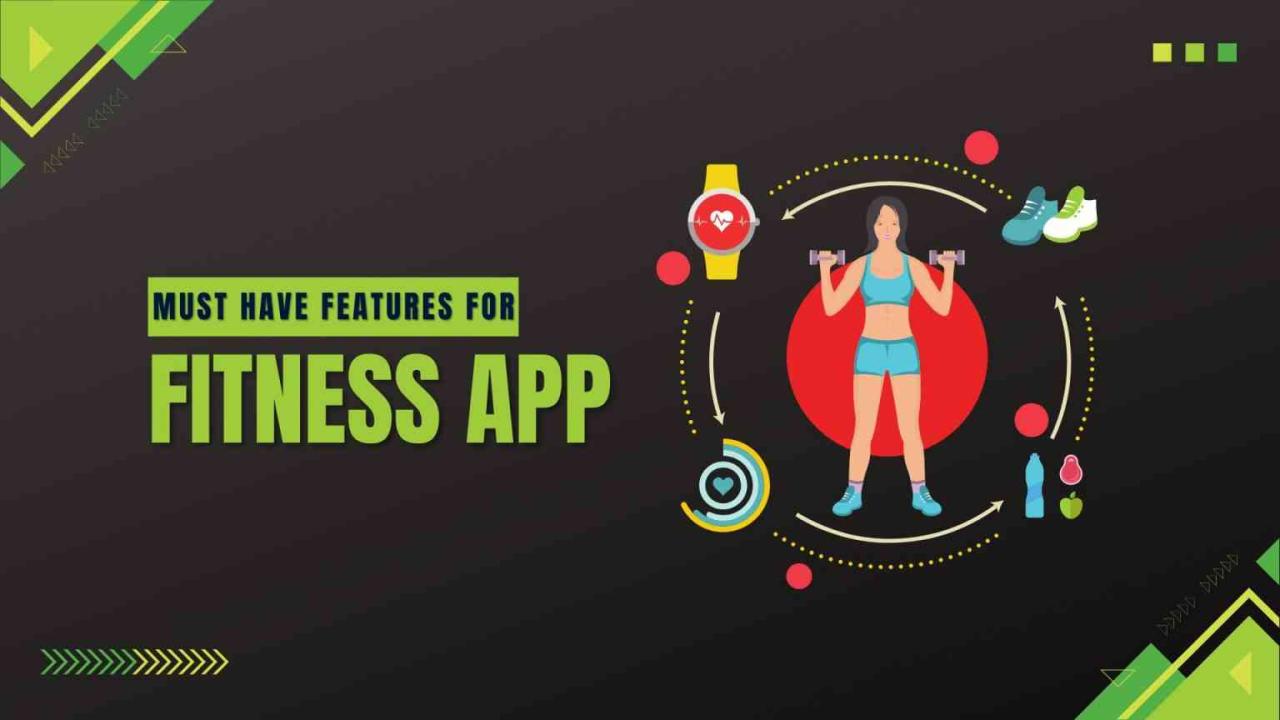
The need for inclusivity in fitness app design is paramount as it caters to various demographics, ensuring that everyone has access to personalized fitness experiences. Fitness apps are not just for athletes or the gym-savvy; they should welcome all users, regardless of age, ability, or fitness background. Inclusivity in app design fosters a sense of community and motivates users to achieve their health goals.
To effectively address the needs of diverse populations, fitness apps can incorporate features that cater to different fitness levels and preferences. This can include adjustable workout intensities, customizable meal plans, and the option to track a variety of activities, from walking to advanced weightlifting. By providing a range of options, users can select workouts that align with their current fitness level and gradually progress without feeling overwhelmed.
Inclusive Design Features
Creating fitness apps with inclusive design features is essential to accommodate users with varying abilities and fitness goals. These features can significantly enhance user experience and engagement. Some effective strategies to make fitness apps more inclusive include:
- Adaptive Workouts: Allow users to choose from beginner, intermediate, and advanced workouts, ensuring that they can find suitable exercises that match their fitness levels.
- Visual and Audio Cues: Incorporate visual demonstrations and audio instructions to assist users in understanding exercises, which is particularly helpful for those with hearing or visual impairments.
- Diverse Representation: Use diverse imagery and examples in app content that reflect various body types, ages, and ethnicities to foster inclusivity.
- Customizable Accessibility Options: Provide tools to adjust text size, color contrast, and interface layouts to cater to users with visual impairments or learning disabilities.
- Progress Tracking: Implement tracking methods that focus on personal goals rather than competition, allowing users to celebrate their individual achievements.
“An inclusive fitness app is not just a tool; it’s a community that empowers every user to pursue their health journey.”
Adaptive Features for Users with Disabilities
Adaptive features play a crucial role in making fitness apps accessible to users with disabilities. These features ensure that everyone, regardless of their physical limitations, can engage meaningfully with fitness content. For instance, incorporating voice commands can assist users with limited mobility, allowing them to navigate the app hands-free. Additionally, offering exercise modifications can help users with different disabilities engage in workouts safely.
Real-life examples show the effectiveness of these adaptive features. For instance, apps like MyFitnessPal and JEFIT include tailored routines for users with specific needs, enabling them to perform exercises safely. Moreover, organizations such as Special Olympics have developed fitness programs that are integrated into mobile platforms, promoting inclusivity and participation among individuals with intellectual disabilities.
In conclusion, fitness equipment apps that prioritize inclusivity and adaptive features not only broaden their user base but also contribute positively to the health and well-being of diverse populations. The commitment to designing apps that cater to various fitness levels and needs lays the foundation for a healthier, more inclusive society.
Integrating nutrition and wellness aspects into fitness equipment apps
The integration of nutrition and wellness into fitness equipment apps creates a more comprehensive approach to health. Users can track their physical activities and monitor their dietary intake, leading to more informed choices that enhance their fitness journey. By seamlessly merging these aspects, the apps provide a holistic platform to improve overall well-being rather than just focusing on exercise alone.
Combining fitness tracking with nutritional guidance enhances user experiences by offering personalized recommendations, accountability, and motivation. Users not only track their workouts but also receive insights into how their diet impacts their fitness goals, leading to better adherence to healthy habits.
Methods to integrate wellness features into existing fitness apps
Incorporating wellness features into fitness apps is essential for promoting an all-encompassing health lifestyle. Here are several effective methods for achieving this integration:
- Nutritional Tracking: Allow users to log their meals directly within the app, making it easier to correlate dietary habits with fitness performance. Implement features like barcode scanning for pre-packaged foods, which simplifies the logging process.
- Personalized Meal Plans: Offer users tailored meal plans based on their fitness goals, dietary restrictions, and preferences. This feature can also include recipes and shopping lists to facilitate healthy eating.
- Wellness Content and Resources: Provide educational content related to nutrition and wellness, such as articles, videos, and tips from nutritionists. This can help users understand the importance of holistic health and inspire them to make better lifestyle choices.
“The key to long-term health is not only exercising but balancing that with proper nutrition and mental wellness. A holistic approach leads to better results and sustainable lifestyle changes.” – Nutritionist Insights
Final Wrap-Up
In conclusion, the landscape of fitness equipment apps is continuously evolving, driven by user needs and technological advancements. As we look ahead, the integration of community features and personalized experiences will likely play a crucial role in motivating individuals and fostering a sense of belonging among users. Embracing these trends can lead to even greater impacts on public health and fitness.
Question Bank
What devices are compatible with fitness equipment apps?
Most fitness equipment apps are compatible with a wide range of devices, including smartphones, tablets, and various wearable technologies like smartwatches and fitness trackers.
Can I use fitness equipment apps without an internet connection?
Many fitness apps offer offline modes, allowing you to track workouts and access features without an internet connection, although some functionalities may be limited.
How do I choose the right fitness equipment app for my needs?
Consider your fitness goals, preferred activities, and desired features, such as tracking capabilities or community engagement, to find an app that best suits your needs.
Are fitness equipment apps suitable for beginners?
Yes, many fitness apps are designed with beginners in mind, offering guided workouts, tutorials, and customizable plans to help users ease into their fitness journeys.
Can fitness equipment apps help with nutrition tracking?
Many fitness apps now include nutrition tracking features or can integrate with separate nutrition apps, helping users to monitor their diet alongside their workouts.