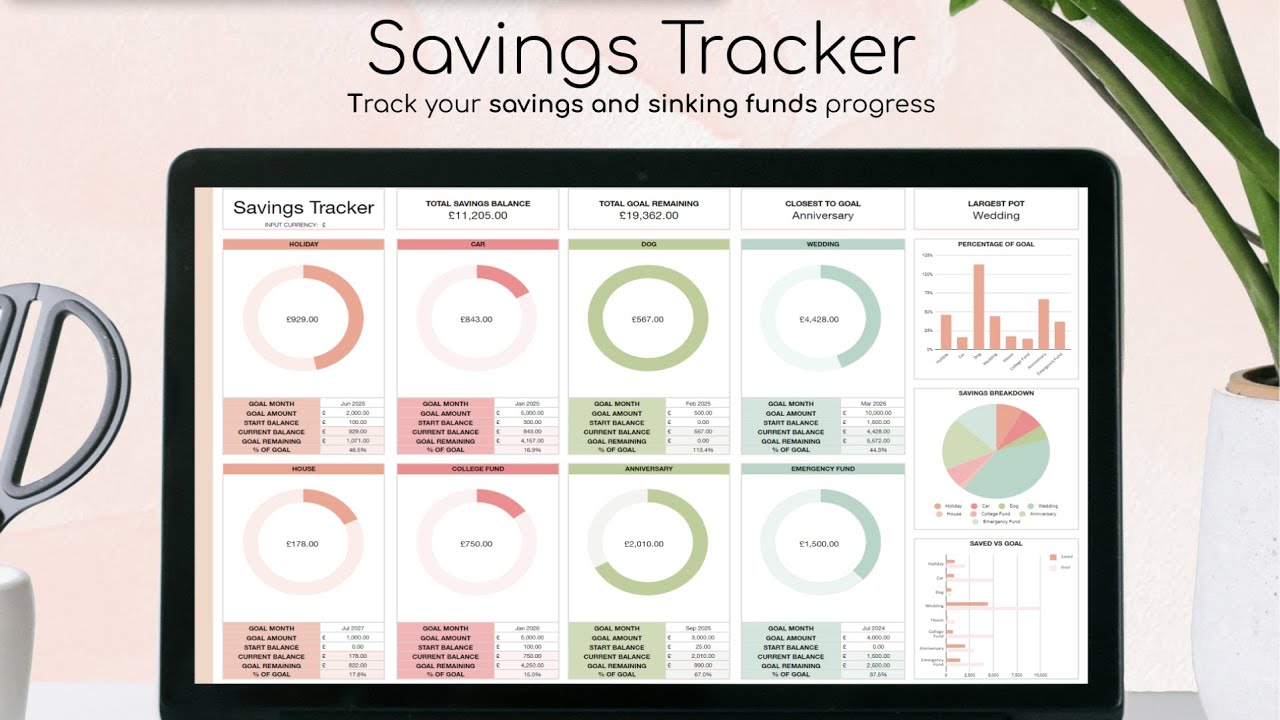
Home inventory tracker takes center stage in today’s discussion, highlighting its essential role for homeowners. In an unpredictable world where loss can occur at any moment, having a detailed inventory of your possessions ensures you’re prepared for the unexpected. Imagine the peace of mind that comes with knowing you have a comprehensive record of your belongings, especially when it comes time to file insurance claims.
By understanding the importance of tracking your home inventory, you can mitigate risks associated with loss or damage. From natural disasters to theft, not having an inventory can complicate claims and lead to financial loss. This guide will walk you through the key features of an effective home inventory tracker, methods for creating one, and best practices for maintaining it, ensuring you stay one step ahead.
Exploring the Importance of a Home Inventory Tracker
Homeowners often invest significant time and resources into building their living spaces, yet many overlook the importance of maintaining a detailed home inventory tracker. A home inventory tracker serves as a comprehensive record of all household items, providing crucial information in various situations, particularly during insurance claims or disaster recovery. By having an organized inventory, homeowners can ensure they are protected and prepared for unexpected events.
The significance of a home inventory tracker extends beyond mere organization; it plays a vital role in safeguarding valuable possessions. Without a proper inventory, homeowners are at risk of facing challenges when attempting to claim insurance for lost or damaged items. An accurate inventory not only simplifies the claims process but also helps in verifying ownership and proving the value of items to insurance companies. In instances of theft, fire, or natural disasters, having a well-documented list of possessions can expedite the reimbursement process, reducing stress during already challenging times.
Risks of Not Maintaining an Inventory
Neglecting to maintain a home inventory can lead to several risks that may have serious financial implications. The absence of a documented inventory can complicate insurance claims, leaving homeowners under-compensated or even denied coverage for lost items. Inaccurate or incomplete records may raise doubts during the claims process, and insurance companies often require detailed proof, including receipts, photographs, or appraisals, to process claims efficiently.
Consider the following scenarios where a home inventory tracker proves indispensable:
In the event of a fire, homeowners can quickly identify and list affected valuables, ensuring they don’t overlook significant items when filing a claim.
During a burglary, an inventory helps to promptly report stolen items to law enforcement, increasing the chance of recovery.
After a natural disaster, such as a flood or hurricane, homeowners can refer to their inventory to assess loss and expedite claims, crucial for timely recovery.
Maintaining a home inventory tracker not only protects homeowners from unforeseen risks but also provides peace of mind, knowing that their possessions are accounted for and safeguarded.
Key Features to Look for in a Home Inventory Tracker
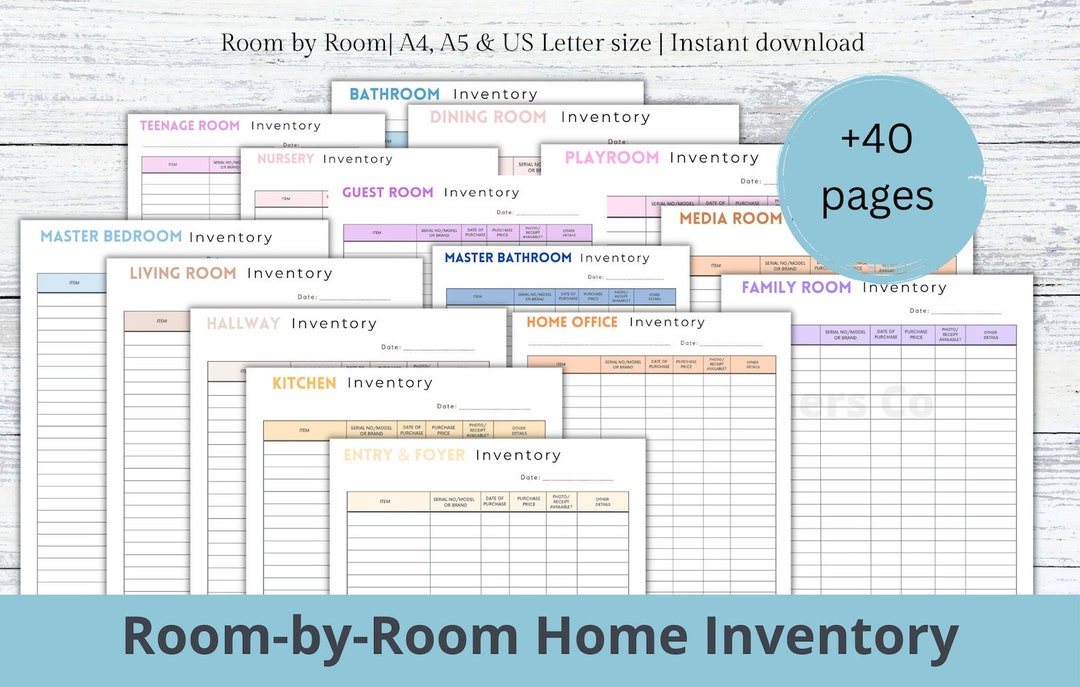
A reliable home inventory tracker is a vital tool for homeowners, ensuring that every item within a residence is documented and easily accessible. When choosing a tracker, it’s essential to consider features that enhance usability, security, and overall effectiveness. The right mix of functionalities can simplify asset management and provide peace of mind during unforeseen circumstances.
User-Friendly Interfaces
An intuitive interface is crucial for any home inventory tracker, as it directly impacts the user experience. A well-designed user interface allows users to navigate the application seamlessly, making it easy to add, edit, and organize inventory items. This accessibility encourages regular updates, as users are less likely to feel overwhelmed by complicated processes.
Important aspects of user-friendly interfaces include:
- Simple Navigation: Clear menus and easily accessible options minimize confusion.
- Visual Organization: Categorizing items with icons or images enhances recognition and retrieval.
- Search Functionality: A robust search feature allows users to quickly locate specific items within a large inventory.
- Customization Options: Users should be able to tailor the interface to their preferences, such as changing color schemes or layout styles.
Importance of Cloud Storage
Cloud storage plays an essential role in safeguarding the data captured by home inventory trackers. This feature not only ensures that information is securely backed up but also allows users to access their inventory from multiple devices. This flexibility is especially beneficial during emergencies, such as natural disasters or theft, when quick access to inventory records is necessary.
Key benefits of cloud storage include:
- Data Protection: Continuous backups reduce the risk of data loss due to device failure or accidental deletion.
- Accessibility: Users can retrieve their inventory from anywhere with an internet connection, which is crucial during insurance claims.
- Real-Time Updates: Cloud-based systems enable users to update their inventory on the go, ensuring records are always current.
In summary, the effectiveness of a home inventory tracker hinges on its user-friendly interface and robust cloud storage capabilities. Together, these features enhance the overall experience and reliability of managing household items efficiently.
Different Methods to Create a Home Inventory
Creating a home inventory is an essential task for homeowners and renters alike. It helps in managing possessions, ensuring adequate insurance coverage, and streamlining the process of recovery in case of theft or disaster. Various methods exist for cataloging items, each with its own set of advantages and drawbacks.
Methods for Home Inventory Creation
There are multiple approaches to creating a home inventory, including digital applications and traditional paper methods. Each method serves the purpose of keeping track of personal belongings, but they differ in practicality and ease of use.
- Digital Apps:
Mobile applications are designed specifically for inventory tracking. They often come with features such as photo uploads, barcode scanning, and cloud storage, making them convenient for on-the-go access and updates.“Digital apps provide a user-friendly interface that simplifies the cataloging process.”
- Spreadsheets:
Many users prefer spreadsheets for their flexibility and customizability. A spreadsheet can include various columns for item details, such as purchase date, value, and condition.“Spreadsheets allow for personalized layouts, enabling users to structure their inventory according to their needs.”
- Traditional Paper Method:
This method involves physically writing down items in a notebook or using printed forms. While this approach is straightforward, it lacks the efficiency of digital tools.“Paper records can be easily lost or damaged, making them less reliable during emergencies.”
Comparison of Mobile Applications and Spreadsheets
When considering digital options, both mobile applications and spreadsheets have their merits.
- Advantages of Mobile Applications:
- Easy to use with intuitive interfaces
- Real-time updates and access from multiple devices
- Features like photo uploads for visual documentation
- Disadvantages of Mobile Applications:
- Dependent on technology and internet connectivity
- Potential security risks if the app is compromised
- Advantages of Spreadsheets:
- Highly customizable to fit specific needs
- Offline access allows for uninterrupted usage
- Disadvantages of Spreadsheets:
- May require more time to set up
- Can become cumbersome with extensive data
Organizing Home Inventory by Categories
A well-organized inventory can significantly enhance the tracking process. Categorizing items can help in quickly locating specific possessions, especially during emergencies. Common categories include:
- Electronics: TVs, computers, smartphones, audio systems
- Furniture: Sofas, beds, tables, chairs
- Personal Belongings: Clothing, jewelry, heirlooms
- Kitchenware: Appliances, dishes, utensils
- Outdoor Equipment: Gardening tools, bicycles, grills
Each category can further include subcategories to provide even greater detail, helping users maintain a comprehensive view of their possessions. For instance, within electronics, one can track computer components separately from audio devices. This structured approach not only facilitates easier inventory management but also aids in assessing the total value of your belongings.
Best Practices for Maintaining Your Home Inventory
Maintaining a home inventory is crucial for protecting your assets and simplifying your life during unforeseen circumstances like theft or natural disasters. Regular updates ensure that your inventory remains accurate and reflects your current possessions. By adopting best practices, you can create a reliable inventory that serves your needs and safeguards your investments.
To keep your home inventory up to date, it’s essential to establish a routine that allows for easy documentation of changes. Consistently integrating updates into your life can streamline this process and enhance the accuracy of your records. Here are some actionable tips to ensure your home inventory remains current:
Regular Updates and Maintenance
Updating your home inventory regularly can help capture any new purchases or changes in your belongings. Consider the following suggestions to maintain your inventory effectively:
- Schedule periodic reviews: Designate a specific time each month or quarter to assess and update your inventory. This could be during seasonal changes when you might rearrange or declutter your home.
- Keep track of new acquisitions: Whenever you purchase new items, immediately document them in your inventory, including details like purchase date, price, and location within your home.
- Conduct thorough checks: Perform a comprehensive inventory update every year to ensure everything is accounted for and reflect any significant changes in value or condition.
The Role of Photographs and Receipts
Visual documentation plays a crucial role in enhancing your home inventory. By including photographs and receipts, you can provide clear evidence of ownership and condition. Here’s how to effectively utilize these tools:
- Photographs: Take clear, detailed photos of each item, focusing on any unique features or damage. Group similar items together for organization, such as appliances or electronics, and ensure all angles are captured.
- Receipts: Store copies of receipts or invoices digitally or in a physical folder, as they provide proof of purchase and may be necessary for insurance claims. Include any warranty information for major purchases.
- Label images: Use descriptive file names for your photos that include item names and dates to make it easier to locate them when needed.
Setting Reminders for Updates
To keep your home inventory current, setting reminders can be an invaluable practice. This proactive approach ensures that updates don’t slip through the cracks. Here are some effective strategies for utilizing reminders:
- Digital calendars: Use smartphone apps or digital calendars to set recurring reminders for inventory updates, ensuring you receive notifications on schedule.
- Task management apps: Consider using task management applications to create and manage inventory-related tasks, allowing you to track completion and stay organized.
- Physical reminders: Place sticky notes in visible areas of your home (like on the fridge) to serve as prompts for inventory updates, especially after significant purchases or changes.
By actively maintaining your home inventory, you not only safeguard your belongings but also simplify processes like insurance claims, making it essential for any homeowner.
How to Use Your Home Inventory in Case of Loss or Damage
In the unfortunate event of loss or damage to your home, having a well-organized home inventory can significantly streamline the insurance claims process. This document serves as a comprehensive record of your belongings, making it easier to substantiate your claims and ensure you receive fair compensation.
Utilizing your home inventory effectively involves several key steps. First, it’s essential to ensure that your inventory is up-to-date and accurately reflects your current possessions. Once you’ve confirmed this, follow these steps to file a claim with your insurance provider:
1. Report the Incident: Immediately notify your insurance company about the loss or damage. Provide them with essential details such as the date of the incident, the nature of the loss, and any relevant police or fire department reports.
2. Gather Documentation: Collect all relevant documentation, including your home inventory, receipts, photographs, and any other proof of ownership or value. This will support your claim and help expedite the process.
3. Submit Your Claim: Fill out the necessary claim forms provided by your insurance company. Attach your home inventory as a supporting document, ensuring that each item listed corresponds to the details of your claim.
4. Communicate with Your Adjuster: Keep in touch with your insurance adjuster throughout the claims process. Be ready to provide additional information or clarification as needed.
5. Follow Up: After submitting your claim, regularly follow up to track its progress. This will help you stay informed and ensure that your claim does not fall through the cracks.
Common Mistakes to Avoid During the Claims Process
Understanding common pitfalls during the insurance claims process can save you time and stress. A home inventory can help mitigate these issues, ensuring that you present a solid claim. Here are several mistakes to avoid:
– Inadequate Documentation: Failing to provide sufficient proof of ownership and value can lead to claim denial. Ensure that your inventory includes detailed descriptions, purchase dates, and values.
– Neglecting Updates: Not keeping your inventory current can result in missing items or incorrect valuations. Regularly update your inventory after significant purchases or changes.
– Delaying the Claim: Waiting too long to file your claim can complicate matters. Always report any loss or damage as soon as possible.
– Assuming Coverage: Not all policies cover every item. Verify your insurance policy to understand what is included and excluded, and adjust your inventory accordingly.
“A comprehensive home inventory not only provides peace of mind but also strengthens your insurance claims.”
Case Study: Successful Insurance Settlement with a Well-Maintained Inventory
Consider the case of the Smith family, who experienced a devastating fire that destroyed their home and many possessions. Luckily, they had maintained a detailed home inventory, documenting each item with photographs and receipts.
When they filed their insurance claim, they presented their inventory alongside photographs of their belongings. This documentation allowed the insurance adjuster to quickly verify their claims. The Smiths received a settlement that fully covered their losses, including the value of their furniture, electronics, and personal belongings, thanks to their organized inventory.
The Smith family’s experience highlights how maintaining a comprehensive home inventory can facilitate a smoother claims process and lead to a successful settlement. Their proactive approach ensured they were able to recover from their loss efficiently and effectively.
The Role of Technology in Home Inventory Tracking
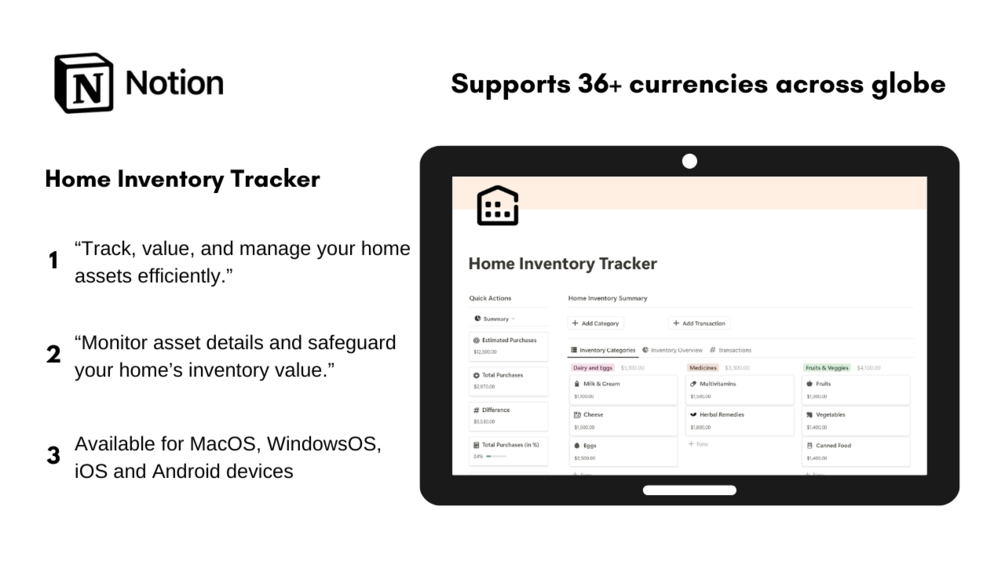
The evolution of technology has drastically transformed how we manage our homes, and home inventory tracking is no exception. With advancements in smart home devices and intuitive software, homeowners can now keep a detailed inventory at their fingertips. This not only simplifies the tracking process but also enhances the overall management of household items, ensuring nothing is overlooked.
Smart home technology integrates seamlessly with inventory tracking systems, allowing for real-time updates and accessibility. Devices such as smart cameras, sensors, and even RFID tags have revolutionized the way we monitor our belongings. For instance, smart cameras can automatically log items as they enter or leave a home, while RFID tags can help identify and track items with minimal manual entry. The combination of these technologies makes the inventory process more efficient and accurate.
Popular Inventory Tracking Apps and Their Unique Features
Numerous apps exist that cater to home inventory tracking, each offering unique functionalities that enhance the user experience. These applications can simplify record-keeping and provide additional features that cater to various needs.
– Sortly: This app allows users to create a visual inventory using photos. It features a user-friendly interface, barcode scanning, and the ability to categorize items for easier management.
– Home Inventory: This app is especially comprehensive, providing detailed fields for item descriptions, purchase dates, and even warranty information. It also offers cloud backup to ensure your data is safe.
– StuffKeeper: This simple but effective app emphasizes organization, enabling users to categorize items by location and type, with an intuitive search function to find items quickly.
These apps can significantly improve the inventory management process by making it easier and more organized.
Integration with Smart Home Management Tools
Integrating home inventory systems with other smart home management tools offers numerous advantages. This synergy enables a holistic view of your home’s inventory alongside other essential functions, fostering a streamlined experience.
By linking inventory tracking with smart systems such as home security or maintenance reminders, homeowners can enjoy several key benefits:
– Enhanced Security: Smart cameras can be integrated with inventory tracking to monitor valuable possessions, notifying homeowners of any movement or access.
– Automated Maintenance: Some systems can remind homeowners to check or replace items in their inventory, such as smoke detector batteries or air filters, ensuring everything is always maintained.
– Insurance Preparedness: In case of loss or theft, having an updated inventory linked to smart home systems can simplify the claims process, making it easier to provide evidence of owned items.
The fusion of these technologies not only streamlines home management but also ensures a safer and more organized living environment.
Unique Challenges Faced in Home Inventory Management
Managing a home inventory can be a daunting task for homeowners, with various challenges that can hinder the process. From forgetting what items are in storage to not keeping track of their value, these obstacles can complicate both creation and maintenance of a thorough inventory. Understanding these common challenges and learning how to effectively tackle them can greatly enhance the overall management of your home inventory.
Common Challenges in Home Inventory Management
Homeowners often face several unique challenges while creating and maintaining their home inventories. Identifying these issues is the first step toward effective management. Here are some of the most common challenges:
- Inconsistent Updates: Many homeowners forget to update their inventory as they acquire or dispose of items.
- Time Constraints: Busy schedules can make it difficult to find the time to maintain an organized inventory.
- Lack of Organization: Without a structured approach, it’s easy for items to get lost or overlooked in the inventory process.
- Emotional Attachments: Sentimental items may complicate the decision-making process regarding what to keep or discard.
- Technological Barriers: Some homeowners may feel overwhelmed by the technology available for inventory tracking.
Strategies to Overcome Inventory Management Obstacles
To effectively overcome the challenges associated with home inventory management, homeowners can implement practical strategies. Involving family members in the process can not only distribute the workload but also ensure that everyone is aware of the items in the home. Here are some strategies to consider:
- Regular Family Meetings: Schedule weekly or monthly meetings to discuss and update the inventory together, ensuring everyone contributes.
- Utilize Technology: Use apps or software specifically designed for inventory management to simplify the process and ensure consistency.
- Create Checklists: Develop detailed lists of items by category to make tracking easier and more organized.
- Set Reminders: Use calendars or mobile reminders to prompt updates after significant purchases or changes.
- Document Condition: Include photographs and notes on the condition of high-value items to assist in insurance claims if necessary.
Impact of Seasonal Changes on Inventory Tracking
Seasonal changes can significantly affect home inventory, as certain items may only be used or accessed during specific times of the year. For instance, winter gear, holiday decorations, and summer sports equipment all require attention at different points throughout the year. Adapting your inventory tracking to these seasonal shifts is essential for maintaining an accurate and current inventory.
To manage this effectively, homeowners can:
- Seasonal Reviews: Perform a thorough inventory review at the start or end of each season to assess what items are being used and what needs to be stored away.
- Designate Storage Areas: Create specific areas for seasonal items, making it easier to track their quantity and condition.
- Plan for Changes: Anticipate any changes in items based on the season, such as purchasing new winter boots or discarding damaged summer gear.
- Use Visual Aids: Employ visual aids like labels or color coding to distinguish between seasonal items and everyday essentials.
- Adapt Inventory Methods: Consider using temporary inventory methods, like digital photographs or spreadsheets, for items not regularly accessed.
“A well-organized inventory is not just about knowing what you have; it’s about being prepared for the future.”
The Benefits of Sharing Your Home Inventory with Family Members
Sharing your home inventory with trusted family members or friends can significantly enhance the way you manage your belongings. It creates an environment of transparency and collaboration, preventing potential disputes and ensuring everyone is on the same page regarding what you own. By involving others in this process, you contribute to a culture of safety and preparedness that can be invaluable when unexpected situations arise.
Collaborative efforts in inventory tracking allow for a more comprehensive overview of your possessions. When family members contribute their insights and knowledge, it becomes easier to identify items that may have been overlooked, increasing the overall accuracy of your inventory. This collaboration also fosters accountability, as everyone involved understands the importance of keeping the inventory updated and accurate.
Scenarios Where Shared Access is Beneficial
A shared home inventory can be a lifesaver during emergencies or unforeseen circumstances. Below are several scenarios that illustrate the advantages of having family members involved in this process:
- Natural Disasters: In the event of a fire or flood, having shared access to your home inventory can expedite the claims process with insurance companies. Family members can verify what items were lost or damaged, ensuring that no valuable possessions are overlooked.
- Health Emergencies: If a family member falls ill or requires assistance, a shared inventory can help caregivers easily locate important medical supplies or equipment. This ensures that necessary items are available when needed, improving the quality of care provided.
- Estate Planning: When planning for the future, having an organized inventory that family members can access aids in discussions about inheritance and asset distribution. This can help prevent misunderstandings and disputes later on.
“Collaboration in inventory management not only protects your assets but also strengthens family bonds through shared responsibility.”
By sharing your home inventory, you empower your family members to assist and support each other in a variety of situations, making the management of your belongings more efficient and secure.
Final Wrap-Up
In summary, a well-maintained home inventory tracker is not just a tool—it’s a vital asset that protects your investments. By following the best practices Artikeld in this guide, you can confidently navigate the process of documenting your belongings and filing insurance claims. Remember, a little effort today can save you from significant stress and financial strain tomorrow.
FAQ Guide
Why should I create a home inventory tracker?
A home inventory tracker helps you keep an organized record of your possessions, making insurance claims easier and ensuring you’re aware of your assets.
What should I include in my home inventory?
Include descriptions, purchase dates, values, and photographs of each item to enhance documentation and facilitate claims.
How often should I update my inventory?
It’s advisable to update your inventory at least once a year or whenever you make significant purchases or changes in your home.
Can I use an app for home inventory tracking?
Yes, there are several apps designed specifically for home inventory tracking, providing user-friendly interfaces and cloud storage options for added security.
What if I forget to document an item before a loss?
While it can complicate the claims process, having other evidence, like receipts or photos, can still help substantiate your claim.