
Space-saving furniture has become a game changer for those navigating the challenges of urban living. As cities grow denser and homes become smaller, the need for innovative solutions to maximize limited space has never been more crucial. This type of furniture not only enhances functionality but also adds an aesthetic appeal to any room, making it a popular choice for modern homeowners.
With a wide array of designs and multifunctional pieces available, space-saving furniture caters to various needs while helping people embrace a minimalist lifestyle. It’s not just about fitting more into a small space; it’s about creating a harmonious environment where style meets practicality.
Understanding what space-saving furniture is and its importance in modern living
Space-saving furniture refers to innovative designs that maximize functionality without compromising on style. With urban living spaces getting smaller, the relevance of this type of furniture has surged. As more people migrate to cities, the need for practical solutions to optimize limited square footage has never been more critical.
The benefits of using space-saving furniture in small apartments or homes extend beyond mere aesthetics; they enhance the overall quality of life. Such furniture can transform cramped living quarters into multifunctional spaces, allowing residents to utilize every inch effectively. For instance, a sofa bed can serve both as a comfortable seating arrangement during the day and as a sleeping area at night.
Benefits of space-saving furniture in urban environments
The importance of space-saving furniture in urban lifestyles cannot be overstated. It primarily addresses the challenges posed by limited living spaces. Here are some key advantages:
- Maximized Space Efficiency: Space-saving furniture is designed to fit snugly into small areas, providing more room for movement and other activities.
- Versatility: Many pieces serve multiple purposes, such as a coffee table that doubles as storage, which is ideal for maintaining a clutter-free environment.
- Design Aesthetics: Modern space-saving furniture often comes with a sleek, contemporary design that complements various interior styles, making it not just functional but also visually appealing.
- Cost-Effective Solutions: Investing in multifunctional furniture can reduce the need for purchasing multiple pieces, ultimately saving money.
Trends in space-saving furniture design
The rise of space-saving furniture has been fueled by several contemporary design trends. The following aspects highlight these trends:
- Minimalism: A focus on minimalistic designs emphasizes simplicity and functionality, leading to the creation of streamlined furniture options that occupy less visual and physical space.
- Modular Designs: Modular furniture allows users to customize their setup according to their needs, enabling easy reconfiguration based on personal preferences or space requirements.
- Sustainable Materials: An increasing emphasis on sustainability has led to the use of eco-friendly materials in the production of space-saving furniture, promoting responsible consumption.
- Smart Technology Integration: Incorporating technology into furniture, such as charging capabilities or automated mechanisms, enhances usability and convenience, making furniture more adaptive to modern living.
Space-saving furniture is not just a trend; it is a necessity for urban dwellers striving for comfort and functionality in compact living environments.
Innovative designs that exemplify space-saving furniture solutions
Space-saving furniture has become essential in modern living, especially as urban dwellings become smaller and more compact. Innovative designs not only maximize utility but also add a touch of style to any space. This section explores some creative solutions that embody the essence of functional yet fashionable furniture.
Multifunctional pieces are at the forefront of the space-saving revolution. They serve multiple purposes, allowing homeowners to optimize their living areas without sacrificing aesthetics. Such furniture is designed to adapt to various needs throughout the day, ensuring that every square inch of space is utilized effectively. Below are some notable examples of innovative designs that illustrate this concept.
Examples of Creative Space-Saving Furniture Designs
Numerous furniture designs have emerged that effectively utilize space while enhancing the overall look of a room. These examples highlight how creativity and practicality can coexist.
- Sofa Beds: A classic example of space-saving innovation, sofa beds serve as comfortable seating during the day and transform into beds at night. Modern designs feature sleek lines and stylish upholstery, making them a chic addition to any living room.
- Extendable Dining Tables: These tables can be expanded to accommodate more guests when needed and compacted for everyday use. Many contemporary designs come with integrated storage for extra leaves, ensuring convenience and functionality.
- Murphy Beds: These foldable beds are mounted to the wall and can be neatly tucked away when not in use. Modern variations often include built-in shelving and lighting, optimizing space while providing a versatile sleeping solution.
- Nested Tables: This clever design consists of smaller tables that fit neatly under a larger one. The smaller tables can be separated when needed, perfect for entertaining or serving snacks, while maintaining a clean, organized appearance when compacted.
Key Features of Innovative Space-Saving Furniture
The features that set space-saving furniture apart are crucial to its functionality and appeal.
- Multifunctionality: Pieces designed for multiple purposes ensure that space is utilized efficiently. For instance, a bench with storage can serve as both seating and a place for stowing away items.
- Modularity: Modular furniture can be reconfigured to fit different spaces and needs. Sofa sections can be rearranged or added to create various seating arrangements.
- Compact Design: Innovative designs often prioritize a sleek, minimalist aesthetic that allows furniture to blend seamlessly into any space without overwhelming it.
- Quality Materials: Durable yet lightweight materials help maintain the integrity and style of space-saving furniture. This ensures longevity without compromising on design.
Contribution of Multifunctional Pieces to Space Efficiency
The integration of multifunctional furniture pieces significantly enhances space efficiency in modern homes.
“Every piece of furniture can serve a dual purpose; it’s about thinking creatively.”
Modern designs incorporate ingenuity that allows for smooth transitions between functionalities. For example, a well-designed sofa bed can serve as a comfortable seating area during the day and easily convert to a bed for guests at night. Additionally, extendable tables not only save space by allowing for compact storage but can also adapt to the needs of gatherings, illustrating flexibility in design.
In conclusion, innovative space-saving furniture solutions exemplify creativity, utility, and style, transforming the way we think about our living spaces.
The role of materials and construction in space-saving furniture
Space-saving furniture has become an essential aspect of modern living, especially in urban environments where space is at a premium. The choice of materials and construction techniques plays a crucial role in determining the functionality, durability, and sustainability of these innovative designs. This section delves into the various materials used, their comparative benefits, and how different construction methods can enhance the overall performance of space-saving furniture.
Types of materials used in space-saving furniture
The materials selected for space-saving furniture significantly influence its design, durability, and environmental impact. Here are some of the most commonly used materials:
- Wood: Popular for its aesthetic appeal, wood is often used in both solid and engineered forms. Plywood, MDF, and particle board are common choices due to their versatility and ease of manipulation.
- Metal: Steel and aluminum are frequently utilized for their strength and durability. Metal components can be lightweight yet robust, making them ideal for foldable or adjustable furniture.
- Plastic: High-density polyethylene (HDPE) and polypropylene are often used in modern furniture designs. They are lightweight, easy to clean, and available in various colors and designs, though they may not offer the same durability as wood or metal.
- Textiles: Fabrics play a critical role in ergonomic aspects of space-saving furniture. Durable upholstery materials, like microfibers or synthetic blends, can provide comfort while being easy to maintain.
Durability and sustainability of materials
When evaluating materials for space-saving furniture, both durability and sustainability are vital considerations. Understanding these aspects can help consumers make informed choices.
- Wood: Solid wood furniture is generally more durable than engineered wood options, but its sustainability depends on sourcing practices. Responsibly sourced wood can be eco-friendly, while overharvesting poses environmental risks.
- Metal: Metals like aluminum are highly durable and recyclable, making them a sustainable choice. Steel, though heavier, is also recyclable and can last for decades with proper care.
- Plastic: While many plastics are not biodegradable, some manufacturers are now creating furniture from recycled plastics, which helps reduce waste and promotes sustainability.
- Textiles: Fabrics that are made from organic materials or recycled fibers tend to be more sustainable. Additionally, choosing textiles with a long life cycle reduces the need for replacements.
Impact of construction techniques on functionality
The construction techniques employed in manufacturing space-saving furniture directly affect its functionality and longevity. Various methods can enhance the versatility of designs.
- Joinery: Using advanced joinery techniques, such as dovetail or mortise-and-tenon, can increase the strength of wooden furniture, allowing it to withstand repeated use.
- Modular design: Modular furniture allows users to reconfigure pieces according to their needs. This adaptability often employs interlocking components or connectors that facilitate easy assembly and disassembly.
- Mechanisms: Innovative mechanisms, such as hydraulic lifts or foldable sections, can significantly enhance the usability of space-saving furniture. These require precise engineering to ensure safety and durability.
- Surface treatments: Finishing techniques like laminating or powder coating can protect furniture surfaces from wear and tear, thereby extending the lifespan of materials used.
“The right materials and construction techniques not only enhance the aesthetic appeal of space-saving furniture but also ensure its functionality and longevity in everyday life.”
Space-saving furniture for specific rooms in the home
In today’s fast-paced world, maximizing space in our homes is more crucial than ever. Space-saving furniture offers practical solutions that enhance the functionality of living areas, making them more efficient without compromising style. By selecting the right pieces for specific rooms, homeowners can create a harmonious balance between comfort and utility.
Recommended space-saving furniture for the living room
Choosing the right space-saving furniture for your living room can transform it into a more inviting and functional area. Here are some recommended items that not only save space but also enhance the room’s usability:
- Convertible sofas: These dual-purpose sofas can transform into beds, making them perfect for accommodating guests without requiring extra beds in the home.
- Nestable tables: Nesting coffee tables can be arranged together for larger gatherings or separated for individual use, allowing flexibility in the living space.
- Wall-mounted shelves: Utilizing vertical space, these shelves provide storage and display options without taking up valuable floor area.
Arranging these items effectively enhances the functionality of the living room. For instance, placing a convertible sofa against a wall can maximize open space while positioning nestable tables near seating areas allows for easy accessibility during gatherings.
Recommended space-saving furniture for the bedroom
A bedroom should be a haven of relaxation, and with the right space-saving furniture, it can also be highly functional. Consider these items to make the most of your bedroom space:
- Storage beds: Beds with built-in drawers or lift-up mechanisms provide extra storage for linens, clothing, and other essentials.
- Wall-mounted nightstands: These keep the floor area open while offering a place for lamps and personal items.
- Foldable desks: Ideal for small bedrooms, these desks can be tucked away when not in use, allowing for more room to move around.
By strategically placing a storage bed at the center of the room and wall-mounted nightstands on either side, the bedroom can maintain a spacious feel while ensuring all necessary items are easily accessible.
Recommended space-saving furniture for the kitchen
Kitchens can often become cluttered, but with clever space-saving furniture choices, they can remain organized and practical. Here are key items to consider:
- Kitchen islands on wheels: Mobile kitchen islands provide extra counter space and can be moved as needed, making meal preparation more efficient.
- Stackable chairs: Perfect for small dining areas, these chairs can be easily stored when not in use, freeing up space.
- Magnetic knife strips: These save counter space while keeping knives accessible and safely stored.
Positioning a mobile kitchen island in the center of the kitchen provides versatility, while stackable chairs can be arranged around a small table, allowing for quick adjustments based on the occasion.
Effective organization and strategic arrangement of space-saving furniture can significantly enhance the functionality of any room in your home.
Tips for incorporating space-saving furniture into various styles of home décor
Incorporating space-saving furniture into your home can be both a practical solution and an aesthetic challenge. It’s essential to choose pieces that not only maximize your space but also complement your existing décor. Whether your style leans towards modern minimalism, rustic charm, or anything in between, there are ways to seamlessly integrate space-saving solutions into your home.
Selecting space-saving furniture that matches your interior design style requires an understanding of both your needs and your aesthetic preferences. When shopping for furniture, consider the elements that define your style. For example, modern décor often features clean lines and neutral colors, while bohemian styles may embrace bold patterns and colors. It’s important to look for furniture that reflects these characteristics while also serving a functional purpose.
Choosing space-saving furniture for different design styles
Each design style has its own unique elements, so aligning space-saving furniture with these can enhance the overall look of your home. Here are some tips for selecting the right pieces based on popular interior styles:
- Modern: Opt for sleek, multifunctional pieces, such as a fold-out desk or a convertible sofa. Choose materials like glass and metal that reflect light and create an airy feel.
- Traditional: Look for furniture with classic designs and rich woods. Choose items that offer storage, like an ottoman with hidden compartments, while maintaining a traditional silhouette.
- Scandinavian: Prioritize clean lines and natural materials. A simple, minimalist bookshelf or a compact dining table made from light wood can enhance your space without overwhelming it.
- Industrial: Choose rugged materials like reclaimed wood and metal. A space-saving ladder shelf can serve as a striking focal point while offering storage for books and decor.
- Bohemian: Incorporate eclectic pieces that tell a story. Look for colorful storage solutions, like a woven basket, that add character while keeping clutter at bay.
Blending space-saving pieces with existing furniture is crucial for maintaining a cohesive aesthetic. When integrating new furniture into your decor, consider the following strategies:
Blending space-saving furniture with existing pieces
The harmony of your living space can be maintained by carefully selecting how new items interact with your current decor. Here are some strategies for blending:
- Size and Scale: Ensure that new furniture pieces are proportionate to your existing items. A large coffee table may dwarf surrounding chairs, while a small table might seem lost in a large room.
- Color Coordination: Use a consistent color palette across your furniture. For instance, if your existing furniture is neutral, choose a space-saving piece that features the same tones or complementary colors to avoid visual disarray.
- Textural Balance: Mix different textures to create depth. If your current pieces are smooth and shiny, consider a textured fabric or a rustic wood finish to introduce contrast without clashing.
- Theme Consistency: Stick to a theme that resonates throughout your home. If you have a coastal theme, look for space-saving furniture that features light colors and natural materials, such as a wicker or distressed wood design.
Color and material coordination for a cohesive look
To ensure a unified appearance when incorporating space-saving furniture, focus on color and material coordination. Here are some practical tips:
- Select a Dominant Color: Choose one or two dominant colors that will guide your selections. For example, if your palette is based in blues and greens, make sure new furniture reflects these tones.
- Accent with Neutrals: Use neutral colors to balance bold hues. This helps to ground the space and allows vibrant pieces to pop without overwhelming the eye.
- Consistent Materials: Stick to similar materials across your furniture collection. If your existing furniture is primarily wood, find space-saving options that also feature wood to help tie the room together.
- Complementary Finishes: Look for finishes that complement rather than compete. If most of your furniture has a matte finish, avoid introducing too many shiny, polished items that could disrupt visual continuity.
The environmental impact of space-saving furniture
Space-saving furniture plays a significant role in promoting sustainable living environments. With increasing urbanization and limited living space, the demand for efficient, multifunctional furniture has risen. This trend not only caters to the needs of modern lifestyles but also contributes to environmental sustainability by reducing waste and resource consumption.
The ecological benefits of space-saving furniture designs are evident in various aspects. By opting for compact and multifunctional pieces, consumers can minimize the overall volume of furniture they need. This reduction in furniture volume leads to less material consumption, which directly correlates with lower greenhouse gas emissions during production and transportation. Moreover, space-saving designs often utilize sustainably sourced materials or recyclable components, further enhancing their ecological footprint. For instance, furniture made from reclaimed wood or recycled plastics not only reduces demand for virgin materials but also promotes a circular economy, where materials are reused and repurposed.
Ecological benefits of multifunctional designs
Multifunctional furniture designs provide significant ecological advantages when compared to traditional single-purpose items. These benefits include:
- Reduced Resource Use: By combining multiple functions into a single piece, such as a sofa bed or a coffee table with storage, the amount of resources needed for manufacturing is considerably decreased.
- Less Waste Generation: Fewer pieces of furniture in a home mean less waste generated at the end of their lifecycle. Consumers are less likely to discard furniture that serves multiple purposes, leading to longer usage and less landfill contribution.
- Lower Energy Consumption: Manufacturing fewer items requires less energy and water, contributing to a decrease in overall environmental impact. For example, companies focused on sustainability often choose energy-efficient manufacturing processes and renewable energy sources.
Making environmentally conscious choices when purchasing space-saving furniture can further amplify these benefits. Consumers can take the following steps:
- Research Brands: Opt for manufacturers that prioritize sustainability, using eco-friendly materials and ethical production methods. Brands that disclose their sustainability practices often have a more positive impact on the environment.
- Choose Quality Over Quantity: Invest in durable, high-quality furniture designed to last. This not only reduces waste but also supports companies that produce longer-lasting products.
- Evaluate Material Sourcing: Look for furniture made from recycled or sustainably sourced materials. This supports the reduction of virgin material extraction and promotes the use of renewable resources.
“By making intentional choices in furniture selection, consumers contribute to a more sustainable future, benefiting both the environment and their living spaces.”
When combined, these practices foster a lifestyle that is both practical and environmentally friendly, showcasing how space-saving furniture can be a cornerstone of sustainable living.
Establishing a budget for purchasing space-saving furniture
Creating a budget for space-saving furniture is crucial for making informed decisions that align with your financial goals while maximizing the functionality of your living space. Understanding your financial limitations can help you prioritize essential pieces and avoid overspending on unnecessary items. By outlining a clear budget, you can ensure that your home remains stylish and organized without breaking the bank.
To effectively budget for space-saving furniture purchases, it’s important to consider various factors such as your overall financial situation, specific furniture needs, and potential long-term savings. Start by evaluating your current expenses and determining how much you can allocate towards furniture. It might also be beneficial to set a price range for different categories of items, such as seating, storage, and multifunctional pieces. This structured approach allows you to narrow down options without compromising on quality or style.
Finding affordable yet stylish options
Exploring affordable yet stylish space-saving furniture options can enhance your home without straining your budget. Numerous retailers and online platforms offer competitive prices for functional furniture designed to fit into smaller living spaces.
Consider checking the following avenues for cost-effective choices:
- Discount furniture stores: These retailers often provide stylish pieces at lower prices due to overstock or previous season items.
- Online marketplaces: Websites like Wayfair, Overstock, or Amazon frequently have sales and discounts on space-saving furniture products.
- Thrift stores and second-hand shops: These places can yield unique finds that add character to your space, often at a fraction of the original price.
- DIY options: If you’re handy, consider upcycling or creating your own furniture. This not only saves money but allows for personalized designs tailored to your space.
Utilizing these resources can help you stay within budget while achieving a chic and functional aesthetic.
Long-term financial benefits of quality space-saving furniture
Investing in quality space-saving furniture can provide significant long-term financial benefits. While the initial cost may be higher, durable and well-designed pieces typically last longer, reducing the need for frequent replacements. This longevity translates to savings over time, as you won’t have to continually spend on lower-quality alternatives.
Moreover, quality furniture often retains its value better than cheaper options. For instance, high-quality multifunctional furniture like a sofa bed or expandable dining table not only serves immediate needs but can also adapt to future changes in living arrangements or family size.
“Investing in quality space-saving furniture is not merely about the immediate expense; it’s a strategic move that pays off in durability, versatility, and overall satisfaction.”
Choosing quality pieces can lead to lower maintenance costs and higher satisfaction, as they tend to perform better and require less upkeep. In the long run, these furniture choices enhance both your living experience and your financial well-being.
Real-life applications and testimonials of space-saving furniture users
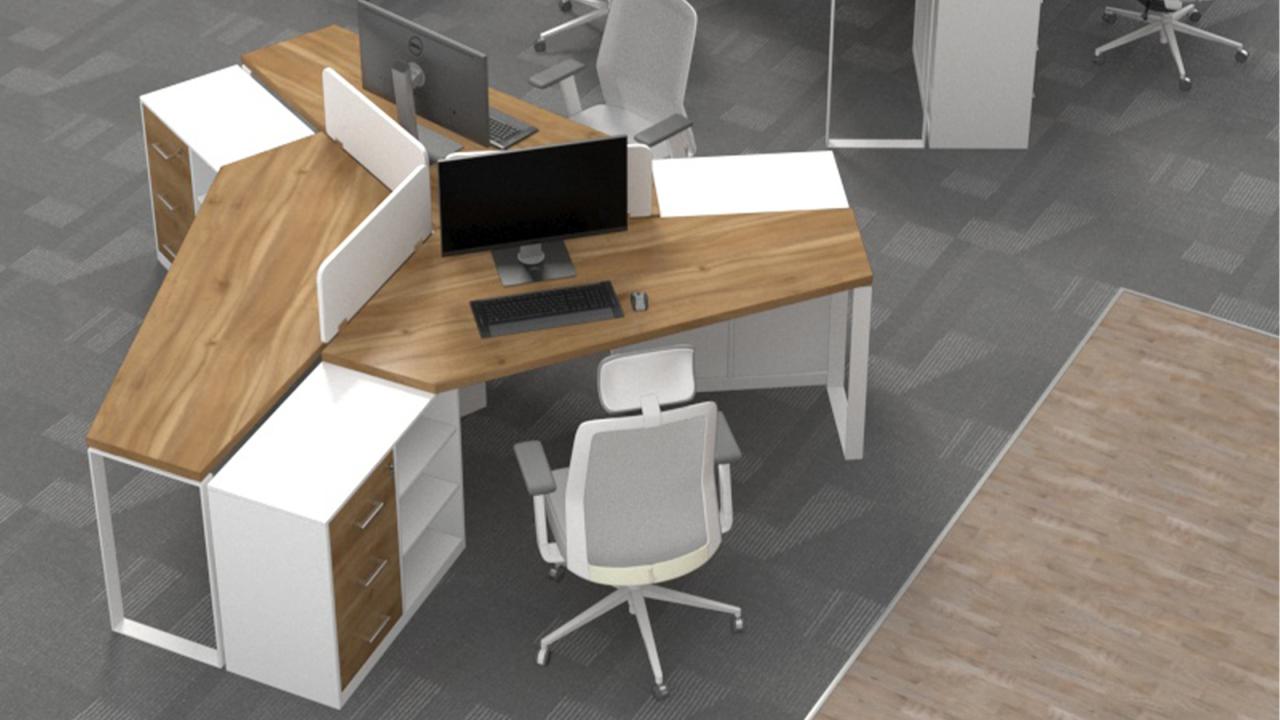
Many individuals living in compact homes or apartments have turned to space-saving furniture as a solution to maximize their limited square footage. These versatile pieces not only serve essential functions but also enhance the overall aesthetic of living spaces. Users across various demographics have shared their experiences, showcasing the transformative impact of space-saving furniture on their daily lives.
One remarkable aspect of space-saving furniture is its adaptability to different lifestyles and living situations. From urban dwellers in tiny studios to families in modest homes, the testimonials reveal a common thread: these innovative solutions have dramatically improved the quality of life for many. Below are some specific user experiences demonstrating the practical and emotional benefits gained from implementing space-saving furniture.
Transformative user experiences
The following examples illustrate how space-saving furniture has positively affected users:
- Urban Studio Apartment: Jane, a young professional living in a 400-square-foot studio, found that a murphy bed allowed her to reclaim valuable floor space. When folded up, she could enjoy a more spacious living area, perfect for entertaining friends or practicing yoga. Jane emphasizes,
“I never thought a bed could disappear, but now I have room for everything I love!”
- Family with Children: Mark and Lisa, parents of three, opted for a dining table that doubles as a workspace. This multifunctional design lets them manage homework while having meals together, thus optimizing family time. They report a significant decrease in clutter and an increase in shared activities. Mark mentions,
“Our home feels so much bigger, and we connect better as a family.”
- Remote Worker: Tom, who transitioned to remote work, invested in a compact desk that folds away when not in use. This versatile solution allowed him to create an office nook in an unused corner of his living room, thus maintaining a tidy space. “It’s like having two rooms in one,” he shares, illustrating the flexibility space-saving furniture can offer.
- Minimalist Lifestyle: Sarah has embraced a minimalist lifestyle in her tiny home, utilizing modular shelving that can be reconfigured as needed. This adaptability enables her to showcase her favorite items without overwhelming her limited space. She states,
“Less really is more. My home feels serene and organized every day.”
These stories illustrate the diverse experiences of individuals using space-saving furniture, highlighting its role in enhancing functionality and aesthetics. Their testimonials reflect not only the practical advantages but also the emotional uplift that comes from living in a well-organized and thoughtfully designed space. As each user adapts these innovative solutions to their unique circumstances, the overarching theme remains clear: space-saving furniture can significantly improve daily living in even the smallest of spaces.
Concluding Remarks
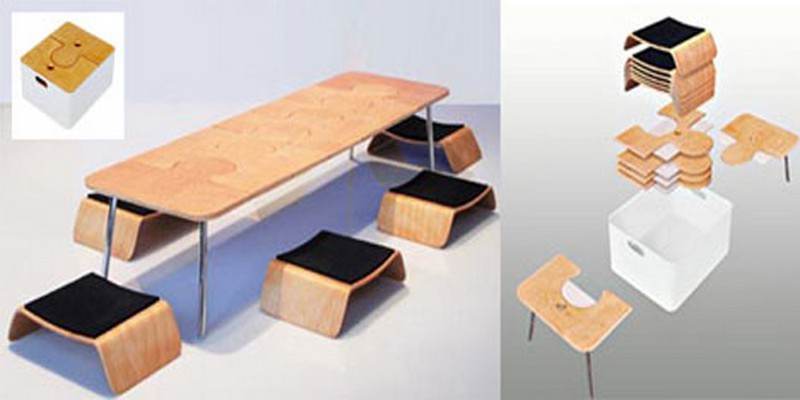
In summary, space-saving furniture represents a thoughtful approach to modern living, offering both efficiency and elegance in our increasingly compact homes. By choosing smart designs and materials, individuals can transform their spaces, making them not just livable but truly enjoyable. Ultimately, embracing space-saving solutions can lead to a more sustainable and fulfilling lifestyle.
Clarifying Questions
What is space-saving furniture?
Space-saving furniture refers to designs that maximize utility and functionality without taking up excessive space, making them ideal for smaller living areas.
Why is space-saving furniture important?
It allows people to maximize their living spaces, making small apartments or homes more comfortable and functional while maintaining style.
What are some popular types of space-saving furniture?
Common types include sofa beds, foldable tables, extendable dining sets, and modular shelves.
How can I incorporate space-saving furniture into my home?
Consider your needs and style preferences, then choose pieces that complement your existing décor while maximizing available space.
Are space-saving furniture options durable?
Many space-saving furniture items are designed with durability in mind, utilizing high-quality materials that ensure longevity even with frequent use.
How do I choose the right space-saving furniture for my needs?
Assess your space, budget, and specific requirements to find furniture that enhances usability without compromising on style.