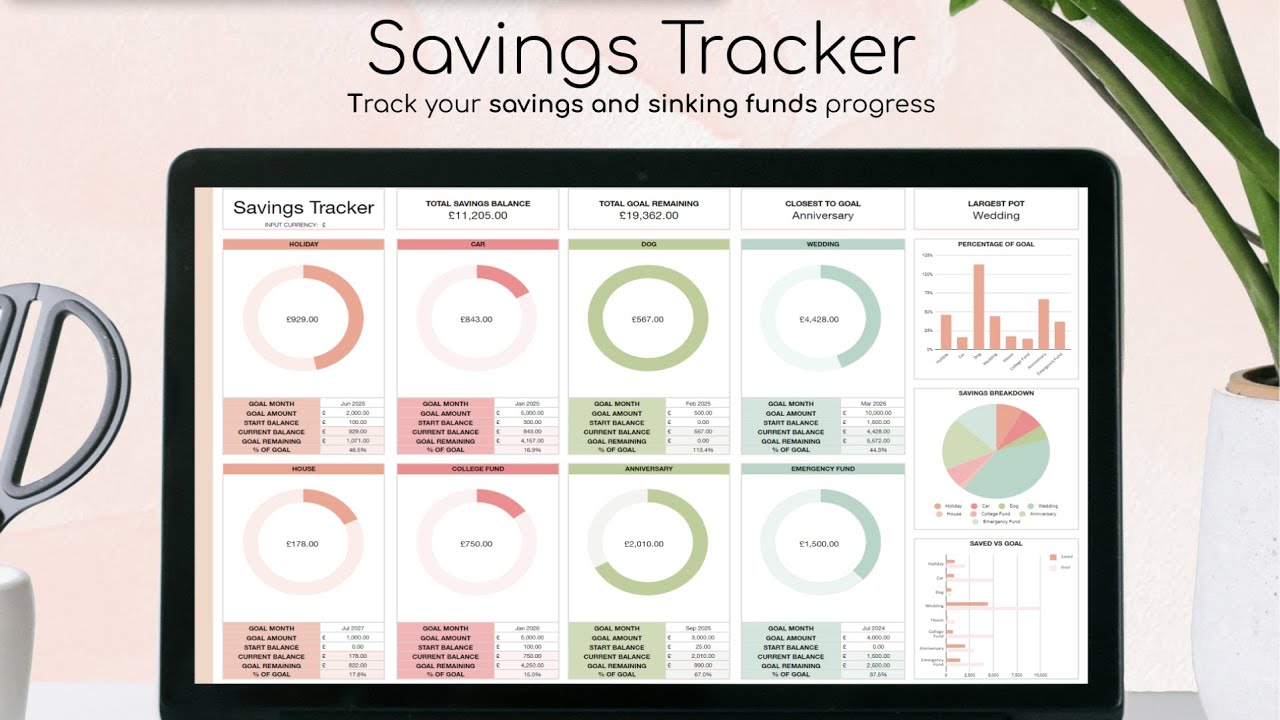
Organization tool plays a pivotal role in boosting personal productivity and streamlining daily tasks. Whether you’re juggling work commitments or managing personal projects, having the right organization tools can significantly enhance your efficiency. The psychological advantages of an organized workspace cannot be overstated; a tidy area fosters focus and creativity, allowing individuals to thrive in their environments.
From digital applications that offer real-time updates to traditional planners that inspire mindfulness, organization tools come in various forms tailored to meet unique needs. By incorporating these tools into your routine, you can transform not just how you work but also how you feel about your productivity and overall progress.
The significance of organization tools in personal productivity
In today’s fast-paced world, the ability to stay organized is a key factor in enhancing personal productivity. Organization tools act as the backbone of effective daily task management, enabling individuals to streamline their efforts and focus on what truly matters. As the complexity of our lives increases, these tools help us gain clarity amidst chaos, thereby improving efficiency and reducing stress levels.
One of the primary ways organization tools enhance individual efficiency is by providing structure to our daily tasks. By categorizing tasks into manageable segments, individuals can prioritize effectively and allocate time where it’s needed most. For instance, digital tools like Trello or Asana allow users to create task boards that visually represent ongoing projects, helping to track progress and deadlines. Not only do these platforms keep users on task, but they also foster an environment where collaboration can thrive, as team members can easily share updates and insights.
Psychological benefits of organized workspaces
Maintaining an organized workspace is more than just a matter of aesthetics; it offers significant psychological benefits that contribute to a more productive mindset. A clutter-free environment can lead to reduced anxiety and heightened focus. Research indicates that individuals working in organized spaces are more likely to experience a flow state, where distractions are minimized, and creativity can flourish.
When utilizing organization tools, such as note-taking apps like Evernote or digital calendars like Google Calendar, individuals can keep track of their ideas and commitments seamlessly. This not only aids in time management but also fosters a sense of control and accomplishment. Here are some common organization tools with specific uses in daily routines:
- Task Management Apps: Tools like Todoist and Microsoft To Do help users list tasks, set deadlines, and receive reminders, ensuring that nothing falls through the cracks.
- Note-taking Applications: Applications such as OneNote and Notion allow users to capture ideas, organize information, and create databases, promoting clarity in thought processes.
- Digital Calendars: Google Calendar and Outlook help individuals manage their schedules effectively, allowing for time blocking and reminders for important events.
- File Organization Systems: Cloud services like Dropbox and Google Drive enable users to store and categorize documents, making retrieval efficient and straightforward.
“An organized workspace fosters higher efficiency and creativity, allowing individuals to focus on what truly matters.”
A comparative analysis of digital versus traditional organization tools
In today’s fast-paced world, individuals and organizations are constantly seeking effective ways to manage their tasks and responsibilities. This need has led to the development of both digital and traditional organization tools, each offering unique advantages and challenges. Understanding the differences between these tools can help users choose the best fit for their specific tasks and workflows.
Digital tools, such as apps and software, are increasingly popular due to their accessibility and versatility. They often come with features that enhance productivity, such as reminders, synchronization across devices, and collaborative capabilities. However, traditional tools like planners and notebooks still hold a significant place in many people’s lives for their simplicity and tangible nature. Examining the pros and cons of both categories reveals which tasks are best suited for each.
Advantages and disadvantages of digital tools
Digital organization tools have transformed the way tasks are managed. Their primary advantages include:
- Accessibility: Digital tools can be accessed from multiple devices, ensuring users can manage their tasks from anywhere.
- Collaboration: Many apps allow for real-time collaboration, making it easier for teams to work together.
- Integration: Digital tools often integrate with other platforms (e.g., calendars, email), streamlining workflows.
- Automation: Features like automated reminders and recurring tasks help minimize the risk of forgetting important deadlines.
Despite these benefits, digital tools also come with drawbacks:
- Distraction: Notifications and multi-functionality can lead to distractions, reducing focus on the task at hand.
- Dependency on technology: Users may find themselves reliant on devices, which can be problematic if technology fails.
- Learning curve: Some digital tools require time to learn and adapt, which can hinder initial productivity.
Advantages and disadvantages of traditional tools
Traditional organization tools maintain their relevance in a digital age, offering their own set of benefits:
- Tactile engagement: Writing by hand can enhance memory retention and understanding.
- Simplicity: Traditional tools are straightforward and require no technical knowledge.
- Reduced distractions: With no notifications or distractions, users can focus on planning and reflection.
- Personalization: Planners and notebooks can be customized with drawings, colors, and creative layouts that resonate with the user.
However, traditional tools also present some limitations:
- Lack of synchronization: Physical tools do not automatically sync across devices, which can lead to compatibility issues.
- Space consumption: Notebooks and planners can take up physical space and can be cumbersome to carry.
- Difficulty in collaboration: Sharing updates with others requires manual efforts and can be less efficient compared to digital tools.
Task suitability for each tool category
Understanding which tasks are suited for digital versus traditional tools can greatly enhance productivity. Digital organization tools excel in areas such as:
- Project management where multiple stakeholders are involved, requiring real-time updates.
- Task management for individuals who prefer automated reminders and integrations with calendars.
- Data organization that benefits from searchability and categorization features.
Conversely, traditional tools are particularly effective for:
- Brainstorming sessions where free writing and sketching are beneficial.
- Daily journaling and reflection, encouraging deeper thought and creativity without distractions.
- Goal setting, where physical interaction with the medium can enhance commitment and focus.
Real-life examples of users’ preferences
Many individuals and organizations have developed preferences for one type of organizational tool over another, often based on specific needs. For instance, large tech companies and startups frequently adopt digital tools like Asana or Trello for project management, allowing teams to collaborate efficiently and track progress in real time. The ability to integrate with other software platforms is often cited as a key reason for this choice.
In contrast, educators and students often lean towards traditional tools like notebooks and planners. Many teachers advocate for handwritten notes, believing they lead to better retention of information among students. A study conducted by the Princeton University and UCLA found that students who took notes by hand performed better on conceptual questions than those who typed their notes, supporting the preference for traditional methods in educational settings.
Ultimately, the choice between digital and traditional organization tools hinges on individual or organizational needs, workflow preferences, and the nature of the tasks at hand. Each tool has its place, and the best productivity often comes from finding the right balance between the two.
How to choose the right organization tool for your needs
Selecting the right organization tool is essential for optimizing productivity and managing tasks effectively. With a plethora of options available, understanding your own habits and requirements can significantly impact the effectiveness of the tool you choose. The right fit can streamline your workflow and enhance your efficiency, leading to more successful outcomes.
When considering an organization tool, it’s crucial to reflect on your personal habits and specific requirements. Different individuals have unique ways of managing tasks and responsibilities. Factors such as your working style, the complexity of tasks, and collaboration needs should guide your selection process. Additionally, understanding whether you prefer a digital tool over a physical planner can also influence your decision.
Key factors to consider when selecting an organization tool
Identifying the right organization tool involves evaluating several key factors that can make or break your productivity. Here are the main considerations to keep in mind:
- User Interface: An intuitive design that aligns with your preference is essential for seamless navigation and usage.
- Features: Key functionalities such as task assignments, reminders, calendars, and project tracking should match your needs.
- Compatibility: Ensure that the tool integrates well with other applications or platforms you already use.
- Accessibility: Consider whether you need access across multiple devices or offline capabilities.
- Collaboration Options: If you work in a team, look for tools that facilitate easy sharing and communication among team members.
- Pricing: Evaluate if the tool fits your budget, considering both free versions and premium features.
The importance of trial and error cannot be overstated in the process of selecting the best organization tool. Each individual’s preferences and needs can vary widely, making it often necessary to experiment with different tools before finding the right one. Many tools offer free trials or basic versions, allowing users to test functionalities and assess usability without any financial commitment.
Structured approach to evaluating different organization tools
To facilitate a more organized selection process, create a comparison chart that Artikels various tools against your key criteria. This ensures an objective evaluation based on specific needs rather than subjective opinions.
Here’s a simple structure you can use for your comparison chart:
| Tool Name | User Interface | Key Features | Compatibility | Pricing |
|---|---|---|---|---|
| Tool A | Intuitive | Task Management, Calendar | Windows, Mac, Mobile | Free / $5/month |
| Tool B | Complex | Collaboration, Reminders | Web-based | Free / $10/month |
| Tool C | Simple | Note-taking, Lists | Mobile only | Free |
By using this structured comparison approach, you can easily visualize the strengths and weaknesses of each tool, making the ultimate decision more straightforward. It’s also advisable to revisit your choice periodically as your needs and technologies evolve, ensuring that your organization tool remains the best fit for you.
Innovative features of modern organization tools

The landscape of organization tools has evolved significantly with the advent of advanced technology, making them not only user-friendly but also incredibly efficient. Modern users now demand tools that streamline their workflows, enhance productivity, and adapt to their individual needs. This has led to the incorporation of innovative features that cater specifically to these requirements.
Recent technological advancements in organization tools have introduced a myriad of unique functionalities that directly address the complexities of contemporary work life. AI-driven features, collaborative functionalities, and integrated systems are now commonplace, allowing for a seamless experience. These advancements ensure that users can organize their tasks, schedule appointments, and manage projects more effectively than ever before.
AI Assistance and Integrated Calendars
One of the most revolutionary features in today’s organization tools includes AI assistance, which enhances user experience by automating repetitive tasks and providing intelligent suggestions. These capabilities not only save time but also reduce the cognitive load on users, enabling them to focus on more critical activities. Additionally, integrated calendars that sync with various applications allow users to have all their scheduling needs in one place, thus eliminating the hassle of juggling multiple platforms.
Examples of apps that exemplify these features include:
- Todoist: This task management app incorporates AI, which helps prioritize tasks based on user behavior and deadlines, allowing for efficient time management.
- Notion: A versatile workspace that combines notes, tasks, and calendars, Notion allows users to create customized dashboards, thereby providing a tailored organization experience.
- Microsoft Teams: Beyond just communication, Teams integrates with Outlook calendars, enabling users to schedule meetings directly within the app while also utilizing AI to suggest optimal meeting times.
User testimonials highlight the transformative impact of these innovative features. For instance, one user of Todoist stated, “The AI suggestions have completely reshaped my productivity. I never knew I could accomplish so much with less effort.” Another Notion user shared, “Having everything in one place is a game changer; I can customize my workspace to fit my workflow, which makes my daily tasks less overwhelming.”
“Innovative features in organization tools not only enhance usability but also significantly boost productivity, making work-life more manageable.”
These advancements showcase how modern organization tools are not just about keeping lists or schedules; they are designed to adapt to users’ dynamic needs and preferences, thereby creating a more effective and enjoyable work environment.
The impact of organization tools on team collaboration and communication

In today’s fast-paced professional environment, the ability to collaborate effectively is paramount for any team aiming to achieve its goals. Organization tools have emerged as vital resources that streamline communication, enhance project management, and foster teamwork. By centralizing information and facilitating task assignments, these tools not only improve workflow but also help team members stay aligned with project objectives.
Effective organization tools can significantly boost teamwork and project management through several key features. These tools often include task tracking, real-time communication, file sharing, and collaborative editing capabilities. When teams can easily update each other on progress and access shared resources, it minimizes the confusion and delays commonly associated with miscommunication or information silos.
Examples of organization tools for collaborative projects
Several organization tools have been specifically designed to enhance collaboration within teams. Understanding their features helps teams select the right tool for their needs. Here are notable examples:
- Trello: A visual project management tool that uses boards, lists, and cards to help teams organize tasks and projects. Users can assign tasks, add deadlines, and comment directly on cards, promoting clear communication.
- Asana: This tool helps teams plan, organize, and track their work. With features such as task assignments and project timelines, Asana encourages accountability and transparency among team members.
- Slack: A communication platform that integrates with various project management tools. It allows teams to communicate in real time, share files, and manage projects without leaving the chat interface.
- Microsoft Teams: Combining workplace chat, video meetings, and file collaboration, Teams enhances communication within organizations. It allows different departments to collaborate seamlessly on projects.
- Google Workspace: A suite of productivity tools that includes Google Docs, Sheets, and Drive. It enables multiple users to work on documents simultaneously, facilitating real-time collaboration and feedback.
Case studies of organizations improving workflow through organization tools
Many organizations have experienced significant improvements in their workflow by adopting organization tools. These case studies illustrate the tangible benefits gained.
One notable example is AirAsia, which leveraged Trello to improve its flight operations team’s communication and task management. By visualizing their workflow, the team was able to identify bottlenecks and streamline their operations, resulting in a 20% increase in on-time flight departures.
Another case involves IBM, which implemented Asana to manage various internal projects. The introduction of this tool enabled better tracking of project milestones and enhanced accountability among team members. As a result, IBM reported a 30% improvement in project delivery times.
A third example is Zapier, which adopted Slack for its remote team communication. By integrating Slack with other tools, Zapier improved its responsiveness to customer queries and internal collaboration, leading to a 25% increase in team productivity.
These examples highlight how organization tools can transform team dynamics and communication, creating a more efficient and collaborative work environment.
Best practices for integrating organization tools into daily life
Incorporating organization tools into your daily routine can significantly enhance productivity and reduce stress. The key to successful integration lies in ensuring these tools complement rather than complicate your existing habits. A thoughtful approach will not only streamline your tasks but also promote a more organized lifestyle.
Establishing a routine around organization tools involves understanding your current habits and identifying how these tools can fit seamlessly into them. Start small to build up your confidence and gradually increase complexity and usage. Consistency is crucial; this means using the tools regularly until they become second nature. This section will Artikel practical steps you can follow to make the most of your organization tools.
Step-by-step methods for incorporation
Integrating organization tools requires a clear plan. Here are steps to help you incorporate these tools effectively into your daily life:
1. Choose the Right Tool: Select an organization tool that aligns with your specific needs, whether it’s a digital app or a physical planner. Research various options and consider trialing a few before committing.
2. Set Up Initial Framework: Dedicate time to set up your chosen tool. Input essential dates, tasks, and deadlines to create a solid foundation.
3. Establish a Daily Check-in Routine: Schedule a specific time each day to review your tasks. This could be in the morning to plan your day or in the evening to reflect on what was accomplished.
4. Break Tasks into Manageable Steps: Use your organization tool to decompose larger tasks into smaller, actionable steps. This makes daunting projects feel more achievable.
5. Use Reminders and Notifications: Take advantage of built-in reminders to prompt you when tasks are due. This helps keep you accountable and ensures nothing slips through the cracks.
6. Review and Adjust Weekly: Set aside time once a week to review your progress. Update your tasks and reflect on what worked well and what didn’t.
“The key to success is consistency of purpose.”
Importance of consistency and building habits
Developing a habit around your organization tools is vital for long-term success. Regular use transforms these tools into integral parts of your daily routine. Here’s how to cultivate this consistency:
– Start Small: Implement one or two features of the tool at a time to avoid overwhelm. For example, begin with using the task list feature before incorporating calendar functions.
– Track Your Usage: Use a habit tracker to monitor your engagement with the organization tool. This visual representation can motivate you to stay consistent.
– Celebrate Milestones: Recognize your achievements, no matter how small. Celebrating progress can reinforce positive habits and encourage continued use.
– Implement a Trigger: Associate using your organization tool with an existing habit, such as checking your email or finishing your morning coffee.
Checklist for monitoring progress
Having a checklist can help you monitor your use of organization tools and make necessary adjustments. This list can guide you in evaluating your integration efforts effectively:
– Have I chosen an organization tool that meets my needs?
– Am I checking my tasks daily?
– Have I broken down my larger projects into smaller tasks?
– Do I use reminders to keep track of deadlines?
– Am I reviewing my progress weekly and adjusting my plans accordingly?
– Have I celebrated my progress to maintain motivation?
By regularly consulting this checklist, you can ensure that you are on track with your organizational goals and adapt your strategies as needed to enhance your productivity.
The role of organization tools in goal setting and achievement
Effective goal setting and achievement can often feel like a daunting task, but organization tools serve as invaluable aids in this process. These tools help individuals clarify their aspirations, plan actionable steps, and monitor their progress. By breaking down overwhelming objectives into manageable tasks, users can stay focused and motivated as they work toward their goals.
One of the main advantages of organization tools is their capacity to provide structure to goal setting. Tools such as digital planners, project management software, and goal-tracking applications enable users to define their goals clearly, set deadlines, and visualize their progress. By utilizing these tools, individuals can transform their ambiguous aspirations into concrete, achievable plans.
Methods for breaking down larger goals into manageable tasks
To effectively manage large goals, it is crucial to deconstruct them into smaller, actionable steps. This method not only simplifies the process but also fosters a sense of accomplishment along the way. Here are some practical strategies for utilizing organization tools to achieve this:
- SMART Goals: Ensure your goals are Specific, Measurable, Achievable, Relevant, and Time-bound. Using organization tools, you can input each aspect of your SMART goals to create a clear roadmap.
- Task Lists: Utilize checklist features in apps to create step-by-step task lists. Completing each task on your list provides motivation and a visual representation of your progress.
- Timelines and Milestones: Many organization tools allow users to set timelines for their goals. Break down your goal into milestones, and use the timeline features to assign deadlines to each one, keeping you accountable.
- Habit Tracking: Incorporate habit trackers to reinforce daily actions that contribute to your larger goals. This could be as simple as tracking your daily progress in a journal or using an app designed for habit formation.
The impact of these methods can be significant, as they keep users engaged and less overwhelmed by the enormity of their goals.
Inspirational stories of individuals achieving goals with organization tools
Real-life examples can showcase the transformative power of organization tools in achieving goals. One notable story is that of a woman named Sarah, who utilized a project management app to launch her small business. By breaking her goal of starting a bakery into smaller tasks—such as creating a business plan, securing funding, and designing her menu—she was able to visualize her progress and stay motivated throughout the journey. Sarah’s bakery is now a thriving business, thanks in part to her strategic use of organization tools.
Another inspiring case is that of John, a fitness enthusiast who used a goal-tracking app to prepare for a marathon. By setting smaller milestones, such as running a 5K and then a 10K, he not only improved his running endurance but also cultivated a supportive community through the app’s social features. His disciplined approach led him to successfully complete the marathon, showcasing how organization tools can enhance personal achievements across various areas.
“Organization tools can turn dreams into actionable plans and lead to successful outcomes.”
Utilizing these tools not only streamlines the goal-setting process but also fosters a sense of accountability and progress monitoring. As demonstrated by individuals like Sarah and John, the right tools can make all the difference in turning aspirations into reality.
Final Review
In summary, organization tools are more than just aids; they are essential components of a productive lifestyle. By exploring different types of tools, understanding their impact on collaboration, and integrating best practices into your daily life, you can achieve your goals more effectively. Embracing these tools not only enhances efficiency but also brings clarity and focus to your personal and professional endeavors.
FAQ Explained
What are organization tools?
Organization tools are resources, both digital and physical, designed to help individuals manage tasks, schedules, and goals more effectively.
How do I decide between digital and traditional organization tools?
Consider your personal workflow preferences; digital tools offer convenience and integration, while traditional tools can provide a tactile experience that some find beneficial.
Can organization tools help with stress management?
Yes, by providing clarity and structure, organization tools can reduce overwhelm and help individuals manage their time and tasks more efficiently.
Are there organization tools specifically designed for teams?
Absolutely! Tools like Trello, Asana, and Microsoft Teams are specifically designed to enhance collaboration and project management among team members.
How can I measure the effectiveness of an organization tool?
Monitor your productivity and task completion rates before and after using a tool to assess its impact on your efficiency.
Are there any free organization tools available?
Yes, many organization tools offer free versions, including Google Calendar, Todoist, and Notion, providing essential features at no cost.