Home improvement tools are essential companions for anyone looking to enhance their living space. From simple repairs to ambitious renovations, having the right tools can make all the difference. Whether you’re a novice or a seasoned pro, understanding the variety of tools available and their uses is key to successfully tackling any project.
In this guide, we’ll explore various categories of home improvement tools, from hand tools and power tools to specialized equipment. We’ll highlight the must-have items for beginners, share maintenance tips, and dive into safety precautions to ensure you have a smooth and efficient experience with your projects.
Different Types of Home Improvement Tools and Their Uses
Home improvement projects can range from simple repairs to complex renovations, and having the right tools is essential for success. Different categories of tools come into play, each with their unique functions and advantages. Understanding these tools not only enhances efficiency but also ensures that you’re well-equipped for any task that may arise during a project.
Home improvement tools can be broadly categorized into hand tools, power tools, and specialty tools. Each category serves specific purposes and is designed to make various tasks easier and more efficient. Below, we explore the main types of tools used in home improvement, along with examples and their primary functions.
Hand Tools
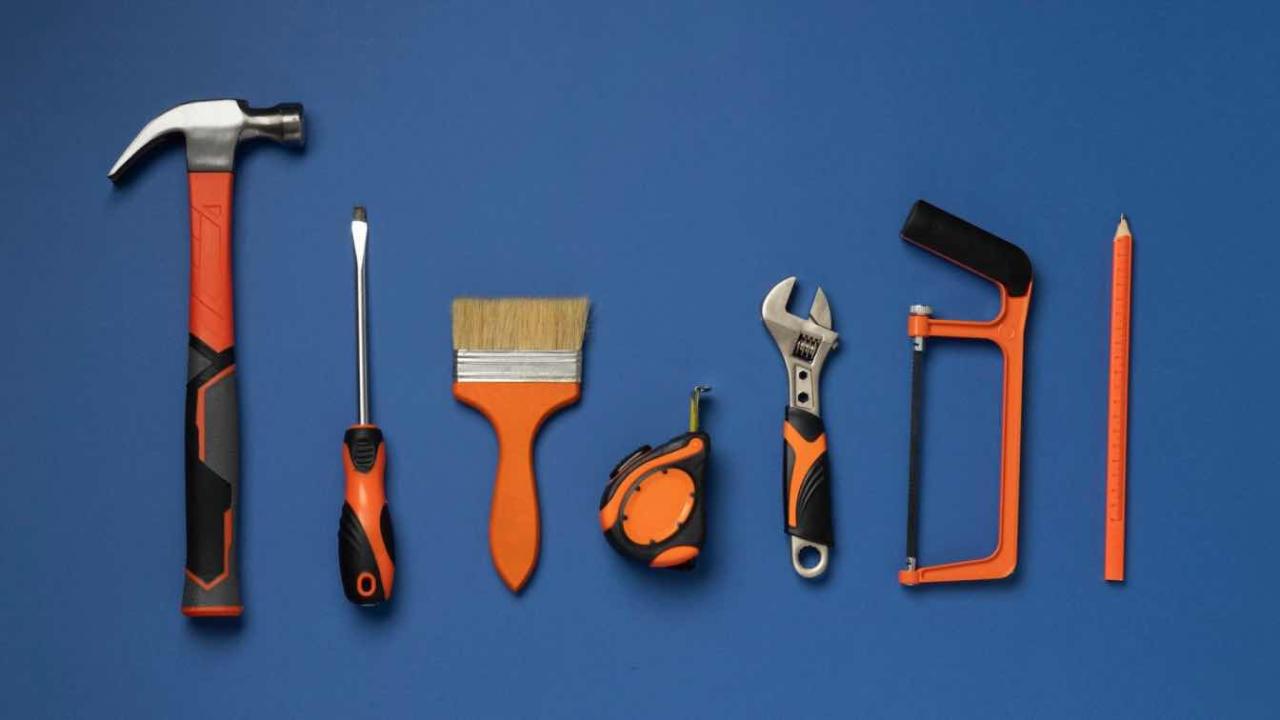
Hand tools are the most basic type of tools, typically relying on manual effort to operate. They are essential for tasks that require precision and control. Here are some common hand tools and their uses:
- Hammer: Used for driving nails into wood or other materials.
- Screwdriver: Essential for driving screws into various surfaces; comes in different types such as flathead and Phillips.
- Wrench: Utilized for gripping and turning nuts and bolts, available in adjustable and fixed sizes.
- Measuring Tape: A critical tool for measuring lengths and distances accurately.
Owning a set of hand tools allows for precise work in tight spaces and offers the advantage of portability, making them easy to use on small projects throughout the home.
Power Tools
Power tools are designed to make tasks quicker and easier by utilizing electricity, batteries, or compressed air. They are indispensable for larger projects that require more strength and speed. Here are several examples:
- Drill: Used for drilling holes in various materials and can also drive screws with the right bit.
- Saw (Circular or Jigsaw): Essential for cutting wood, metal, or plastic with precision.
- Sander: Used to smooth surfaces by removing material, often used in preparation for painting or finishing.
- Angle Grinder: A versatile tool for cutting, grinding, and polishing metal and other materials.
The advantages of power tools include speed and efficiency, allowing users to complete tasks much faster than with hand tools. Their versatility makes them suitable for a wide range of home improvement projects.
Specialty Tools
Specialty tools are unique and often designed for specific tasks that may not be covered by standard hand or power tools. These tools can improve the quality of work and expand the range of projects one can undertake. Examples include:
- Stud Finder: Helps locate framing studs behind walls for secure mounting of shelves or fixtures.
- Level: Ensures that surfaces are perfectly horizontal or vertical, essential for hanging pictures or shelves.
- Tile Cutter: Used specifically for cutting tiles to fit in various spaces during flooring or wall projects.
- Caulk Gun: Dispenses caulk and sealants for waterproofing and finishing edges.
Having a diverse set of specialty tools allows homeowners to tackle a broader range of projects, ensuring that even unique tasks can be performed with precision and skill.
In summary, whether you’re planning a DIY project or just need to make some repairs, having a variety of hand tools, power tools, and specialty tools enhances your capabilities and makes home improvement tasks more manageable.
Essential Home Improvement Tools for Beginners
Starting your journey in home improvement can be both exciting and overwhelming. Having the right tools in your toolkit can make a significant difference in your ability to tackle various projects with confidence. This guide will introduce you to the essential tools every beginner should consider, as well as tips for selecting quality options that deliver excellent value for money.
Must-Have Tools in Your Toolkit
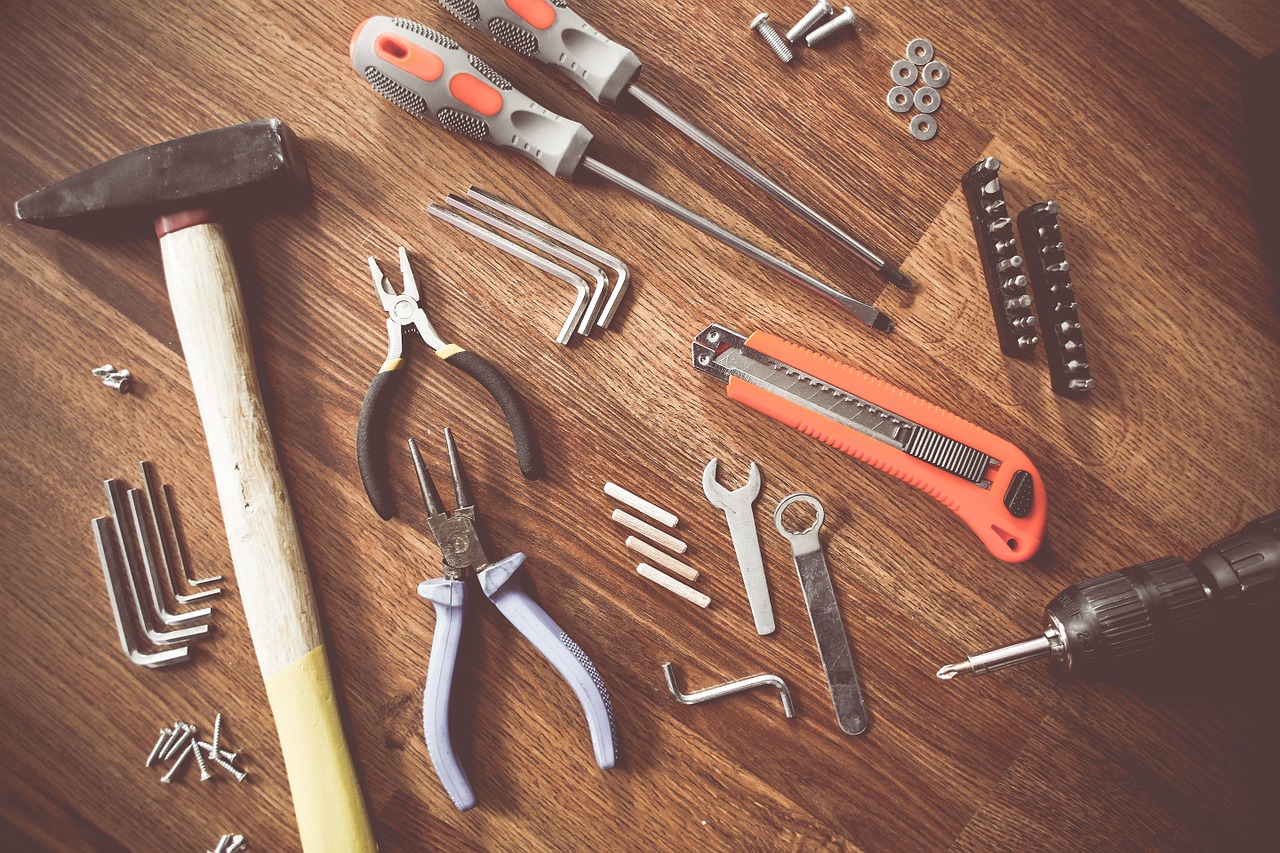
As you dive into home improvement, it’s crucial to equip yourself with the right tools to perform basic tasks efficiently. Below is a list of essential tools that every beginner should have:
- Hammer: A reliable hammer is fundamental for driving nails and removing them. A 16-ounce claw hammer is an excellent choice for most home projects.
- Screwdriver Set: A set that includes both flathead and Phillips screwdrivers will allow you to tackle various screws found in furniture, appliances, and fixtures.
- Measuring Tape: Accurate measurements are critical in home improvement. A 25-foot measuring tape is versatile for most household tasks.
- Utility Knife: Perfect for scoring, cutting, and trimming various materials, a sturdy utility knife is a must-have for any toolkit.
- Pliers: A pair of adjustable pliers can grip, twist, and cut wire, making them incredibly useful for plumbing and electrical tasks.
- Level: Ensuring that your shelves, pictures, or furniture are even is easily done with a level. A 24-inch level is practical for most jobs.
- Power Drill: A cordless power drill is essential for drilling holes and driving screws quickly. Look for a model with adjustable speed settings for versatility.
Selecting Quality Tools
Investing in quality tools is essential for longevity and performance. When selecting tools, consider the following:
- Brand Reputation: Established brands often provide better warranties and customer service. Research brands known for durability.
- Material Quality: Look for tools made from high-quality materials, such as stainless steel or heavy-duty plastic, which ensures resistance to wear and tear.
- Comfort and Ergonomics: Tools should feel comfortable in your hand. Look for padded grips and tools that are well-balanced to reduce fatigue during use.
- Reviews and Ratings: Checking user reviews can provide insight into the performance and reliability of a tool. Look for products that have a high number of positive reviews.
Importance of Safety Gear
When using home improvement tools, safety should always be a priority. Proper safety gear can prevent injuries and ensure a safer work environment. Key safety gear includes:
- Safety Glasses: Protect your eyes from flying debris and dust when using saws or drills.
- Gloves: Wearing gloves helps shield your hands from cuts, scrapes, and splinters while providing a better grip on tools.
- Dust Masks: When sanding or working with materials that create dust, a dust mask can help protect your lungs from harmful particles.
- Ear Protection: If using loud power tools, consider wearing earplugs or earmuffs to protect your hearing.
Always prioritize safety by wearing appropriate gear while working on home improvement projects to minimize the risk of injury.
Maintenance Tips for Home Improvement Tools
Proper maintenance of home improvement tools is essential not only for extending their lifespan but also for ensuring safety and effectiveness during use. Regular upkeep can prevent tool failure, which can lead to costly repairs or hazardous situations. By adopting best practices in maintenance, you can keep your tools in optimal condition and ready for any project.
Improper maintenance can result in diminished performance, increased wear and tear, and even safety risks. For instance, a power tool with dull blades can malfunction, posing a threat to the user. Similarly, hand tools that are not properly cared for may develop rust or lose functionality. Understanding maintenance requirements specific to each type of tool is crucial for both amateur DIYers and seasoned professionals alike.
Best Practices for Hand Tools Maintenance
Hand tools, such as hammers, screwdrivers, and pliers, require consistent care to function effectively. Regular maintenance not only enhances their performance but also ensures safety during usage. Here are some essential maintenance habits for hand tools:
- Cleaning: After each use, wipe down tools with a clean cloth to remove dirt and moisture. For stubborn grime, mild soap and water can be used, followed by thorough drying to prevent rust.
- Inspection: Regularly check tools for signs of wear, such as cracks or loose handles. Addressing these issues promptly can prevent accidents.
- Sharpening: Keep cutting edges sharp using a whetstone or sharpening tool. Dull blades require more force, increasing the risk of slips and injuries.
- Storage: Store tools in a dry area, preferably in a toolbox or on a pegboard, to minimize exposure to moisture and prevent rust.
Best Practices for Power Tools Maintenance
Power tools, including drills, saws, and sanders, demand specific maintenance techniques to ensure longevity and safe operation. Following these practices can keep your power tools performing at their best:
- Regular Cleaning: After each use, remove debris and dust from the tool’s exterior and internal mechanisms if possible. Compressed air can be used to blow dust out of ventilation grilles.
- Lubrication: Apply appropriate lubricants to moving parts as recommended by the manufacturer. This reduces friction and wear, enhancing performance.
- Battery Care: For battery-operated tools, ensure batteries are charged correctly and stored at room temperature. Follow manufacturer guidelines for charging cycles to extend battery life.
- Replacement of Worn Parts: Regularly inspect and replace worn or damaged components, such as blades and brushes, to maintain efficiency and prevent operational failure.
Routine Maintenance Checklist
Having a structured maintenance checklist helps in remembering essential tasks for both hand and power tools. Below is a comprehensive checklist that covers routine maintenance activities.
| Task | Frequency |
|---|---|
| Clean tools after every use | After each use |
| Inspect for damage and wear | Weekly |
| Sharpen cutting edges | Monthly |
| Lubricate moving parts | Monthly |
| Check battery health | Monthly |
| Store tools correctly | Always |
Maintaining your tools is an investment in safety and productivity. A well-cared-for tool is a reliable tool.
Safety Precautions When Using Home Improvement Tools
When embarking on home improvement projects, safety should always be a top priority. Effective use of tools requires awareness and adherence to safety practices. Implementing the right precautions not only protects the user but also enhances the overall quality of the work being done.
Before using any home improvement tools, it’s essential to prepare adequately. This includes wearing appropriate personal protective equipment (PPE) such as gloves, safety goggles, and ear protection. Keeping the workspace organized and free of hazards is equally important to prevent accidents. Additionally, understanding the specific tool’s manual and functionalities can significantly reduce the risk of injuries.
Common Safety Measures
Establishing a routine of safety measures before, during, and after tool usage can greatly minimize risks. Here are some key practices to follow:
- Always inspect tools for any damage before use. A faulty tool can lead to accidents.
- Use the right tool for the job to prevent misuse and potential injuries.
- Ensure a stable footing and secure your workpiece properly to avoid slips and falls.
- Keep hands and other body parts away from moving parts when operating power tools.
- Follow all manufacturer guidelines and safety instructions provided in the tool’s manual.
- Unplug electric tools when not in use or when making adjustments to prevent accidental activation.
Common Accidents and Prevention Techniques
Being aware of typical accidents associated with home improvement tools can aid in prevention. Many incidents stem from improper tool usage. Here are some common accidents along with preventative strategies:
- Cutting injuries: Can be avoided by using sharp blades and ensuring protective barriers are in place when cutting.
- Electrical shocks: Prevented by checking cords for damage and using tools with proper grounding.
- Eye injuries: Wearing safety goggles is vital to shield against flying debris when cutting or sanding.
- Falls: Ensuring that ladders are stable and using fall protection gear can reduce fall risks during high work.
Training and Familiarization Benefits
Understanding the tools and techniques through proper training can significantly improve safety in home improvement tasks. Familiarization with tools not only boosts confidence but also increases efficiency in their use.
Training sessions can cover:
- Correct handling techniques for various tools.
- Identifying potential hazards associated with specific tools.
- Emergency response procedures in case of an accident.
Through continued learning and practice, users can create a safer work environment, leading to more successful projects and fewer injuries.
“An ounce of prevention is worth a pound of cure.”
Advanced Home Improvement Tools for Experienced DIYers
For seasoned DIY enthusiasts, having the right tools can elevate projects from basic to breathtaking. Advanced home improvement tools not only enhance efficiency but also improve the quality of work. Investing in these specialized tools can streamline complex renovation tasks, allowing for professional-grade results without the hefty price tag of hiring contractors.
Specialized Tools to Enhance Your Toolkit
As DIY projects become more intricate, the need for specialized tools increases. Here are some advanced tools worth considering:
- Laser Level: A laser level provides precise measurements over long distances, ensuring that installations like cabinets or shelves are perfectly aligned. Unlike traditional levels, laser levels project a straight line onto surfaces, making them invaluable for large-scale projects.
- Rotary Tool: This versatile tool can cut, grind, polish, and engrave materials. With a variety of attachments available, a rotary tool can tackle multiple tasks, from detailed woodwork to metal projects.
- Cordless Impact Driver: More powerful than a standard drill, an impact driver can easily drive screws into tough materials without stripping them. This tool significantly speeds up assembly processes, particularly when working with wood or heavy-duty fasteners.
- Tile Saw: For those taking on tiling jobs, a professional tile saw is essential. These saws provide clean cuts for various tile materials, allowing for a precise fit and reducing waste.
- Stud Finder: Advanced stud finders can detect not just wooden studs but also metal pipes and electrical wires behind walls. This safety feature is crucial when drilling or hanging heavy items.
Benefits of High-End Tools Compared to Standard Tools
When considering the upgrade from standard to high-end tools, there are several advantages:
- Durability: High-end tools are often constructed from superior materials, resulting in a longer lifespan and reduced need for replacements or repairs.
- Precision: Advanced tools typically offer greater accuracy, which is essential for projects requiring tight tolerances, such as cabinetry or custom millwork.
- Efficiency: High-end tools often feature enhanced performance capabilities, reducing the time and effort needed to complete tasks. For example, a high-performance saw can cut through materials faster and more efficiently than a basic model.
- Ergonomics: Many premium tools are designed with user comfort in mind, reducing strain and fatigue during prolonged use. This can make a significant difference on larger projects.
- Versatility: High-end tools frequently come with multiple attachments or settings, allowing them to perform a range of tasks effectively, which standard tools may not be able to accommodate.
Investing in advanced home improvement tools can transform your DIY projects from mundane to extraordinary, making complex renovations easier and more efficient.
Eco-Friendly Home Improvement Tools and Techniques
As sustainability becomes increasingly crucial in our daily lives, eco-friendly home improvement tools and techniques are gaining traction. These tools not only reduce our environmental footprint but also promote a healthier living space. Embracing greener alternatives during renovations can lead to significant energy savings and waste reduction, all while enhancing the beauty and functionality of our homes.
Using eco-friendly tools and materials in home improvement projects can dramatically reduce waste and lessen the overall environmental impact during renovations. Traditional construction practices often contribute to excessive landfill waste and the depletion of natural resources. In contrast, sustainable tools and techniques focus on using renewable resources, reducing energy consumption, and minimizing harmful emissions. By choosing products that prioritize the planet, homeowners can contribute to a more sustainable future while maintaining their living spaces.
Examples of Eco-Friendly Tools
Incorporating sustainable tools into home improvement projects is essential for promoting a greener lifestyle. Here are some examples of innovative eco-friendly tools that can transform renovations while benefiting the environment:
- Solar-Powered Tools: Tools such as solar-powered saws and drills utilize renewable energy, reducing reliance on fossil fuels and lowering greenhouse gas emissions.
- Low-VOC Paints: These paints release fewer volatile organic compounds, improving indoor air quality and reducing pollution during application.
- Hand Tools over Power Tools: Opting for hand tools, like manual saws and hammers, can save energy and diminish noise pollution.
- Recycled Material Tools: Tools made from recycled materials, such as composite decking and reclaimed wood, promote resource conservation and reduce waste.
- Eco-Friendly Insulation: Insulation products made from natural fibers like sheep’s wool or recycled denim provide energy efficiency while being biodegradable.
Innovative Products for Green Building
Modern innovations have led to the development of products specifically designed for eco-friendly home improvement. These advancements not only enhance the sustainability of building practices but also improve the overall efficiency of homes.
- Smart Thermostats: Devices that learn homeowner patterns to optimize heating and cooling, thereby reducing energy consumption and costs.
- Rainwater Harvesting Systems: These systems collect and store rainwater for irrigation and other non-potable uses, conserving valuable water resources.
- Energy-Efficient Windows: High-performance windows with low-emissivity coatings minimize heat loss and improve energy efficiency.
- Green Roof Systems: Utilized to create living roofs that insulate homes, absorb rainwater, and promote biodiversity.
- LED Lighting: Lighting solutions that use significantly less energy and last longer than traditional bulbs, reducing electricity consumption.
By making informed choices about the tools and materials we use, we can significantly impact the environment and create healthier spaces for ourselves and generations to come.
The Role of Technology in Modern Home Improvement Tools
The evolution of home improvement tools has been remarkably transformed by advancements in technology, leading to tools that are not only more efficient but also safer. The integration of smart technology into these tools has revolutionized the way DIY enthusiasts and professionals approach home projects, enabling them to work more effectively and with greater precision.
Modern home improvement tools have embraced smart technology, enhancing their functionality and usability. These innovations contribute to increased efficiency, reduced error rates, and enhanced safety measures during home renovation tasks. Smart tools often come equipped with sensors, Bluetooth connectivity, and automated features that simplify complex tasks and ensure accurate results.
Smart Tools and Gadgets
Smart tools and gadgets have drastically changed the landscape of home improvement, offering users creative solutions to common challenges. Below are some examples of how these technological advancements have been put into practice:
- Smart Laser Levels: These devices use digital technology to provide precise leveling and alignment. With integrated Bluetooth capabilities, they can connect to smartphones or tablets, allowing users to view measurements and angles in real-time through dedicated apps.
- Smart Tape Measures: Digital tape measures with app connectivity can store measurements, calculate areas, and even convert units automatically. This eliminates the hassle of manual calculations and ensures accuracy in project planning.
- Smart Power Tools: Many power tools now feature smart technology that allows users to adjust speed, torque, and other settings via an app, enhancing control over the tool’s performance. This adaptability makes them safer and more effective for various tasks.
- Automated Home Improvement Robots: Emerging technologies have introduced robotic devices that can assist with painting, flooring, and even landscaping, reducing manual labor while ensuring a consistent and high-quality finish.
The incorporation of these technologies not only streamlines the home improvement process but also significantly reduces risks involved with DIY projects. Safety features like automatic shut-offs in power tools and built-in sensors in smart gadgets help mitigate accidents, making it easier for individuals to undertake home improvements confidently.
“The integration of technology into home improvement tools represents a significant leap towards enhancing user experience and safety.”
Innovative products designed with user safety and efficiency in mind are paving the way for a new era in home improvement. As technology continues to advance, the tools available to homeowners and contractors will become increasingly sophisticated, offering even more support for successful project execution.
Budgeting for Home Improvement Tools
Budgeting for home improvement tools is a crucial step toward successful DIY projects and renovations. Whether you’re a seasoned handyman or just starting out, having the right tools at your disposal can make all the difference in achieving quality results without breaking the bank. In this guide, we’ll explore how to effectively budget for the tools you need, prioritize purchases, and find cost-saving options.
Prioritizing Tool Purchases
When it comes to purchasing home improvement tools, it’s essential to prioritize based on your immediate project needs and how often you anticipate using each tool. Consider the following factors when deciding which tools to buy first:
- Frequency of Use: Invest first in tools you will use frequently, such as a reliable drill or a versatile saw. These are the workhorses of your toolkit.
- Project Requirements: Align your purchases with upcoming projects. If you plan to build a deck, a circular saw and a level should be at the top of your list.
- Versatility: Look for tools that serve multiple functions. For example, a multi-tool can handle various jobs, saving you money and space.
Finding Deals and Cost-Saving Options
Budget-conscious shoppers can take advantage of several strategies to save money while building their tool collection. Consider these tips to stretch your budget further:
- Sales and Discounts: Keep an eye out for seasonal sales at local hardware stores or online retailers. Major holidays often bring significant discounts on tools.
- Second-Hand Tools: Explore marketplaces like Craigslist or Facebook Marketplace for gently used tools. Many homeowners upgrade their tools, providing a chance to snag them at a lower price.
- Tool Rentals: For tools you’ll use infrequently, renting can be a smart choice. Home improvement stores typically offer rental services for larger equipment, allowing you to save money while still completing your projects.
Investing in quality tools may require a larger initial budget, but it often results in long-term savings and better project outcomes.
Creating a Tool Budget
Establishing a practical budget for home improvement tools involves assessing your current financial situation, determining what tools you need, and allocating funds accordingly. Here’s a simple approach to help you create your tool budget:
- List Essential Tools: Start with a list of tools you either need or want to upgrade. Categorize them as essential, important, or nice-to-have.
- Estimate Costs: Research the prices of each tool on your list. Websites like Home Depot or Lowe’s can provide a benchmark for pricing.
- Set a Budget: Decide how much you can realistically spend on tools each month. This will help you prioritize which tools to purchase first based on your budget and timeline.
Remember to factor in additional costs, such as maintenance and replacement parts, when budgeting for tools.
Budgeting for Home Improvement Tools
When it comes to tackling home improvement projects, having the right tools can make a significant difference in achieving the desired results. However, purchasing and upgrading these tools can be a daunting expense. Creating a budget for home improvement tools is essential to ensure you don’t overspend while still acquiring the necessary equipment. This guide will provide helpful insights into how to budget effectively, prioritize purchases, and discover cost-saving options.
Budgeting for home improvement tools requires careful consideration of your project needs and the frequency with which you will use each tool. It’s important to distinguish between tools that are essential for immediate projects and those that may be nice to have later. This approach not only helps in managing expenses but also ensures that you are investing in tools that will provide the most value.
Prioritizing Tool Purchases
Identifying which tools to purchase first can streamline your budgeting process. Prioritize acquisitions based on the type of projects you plan to undertake and how often you will utilize each tool.
- Essential Tools: These are the must-have items required for your current or upcoming projects. For example, if you are renovating a kitchen, a quality drill, saw, and measuring tape would be essential.
- Occasional Tools: Tools that you may need for specific tasks but do not require frequently. If you’re planning to build a deck, a sander could be categorized here.
- Specialty Tools: These are tools used for specialized tasks that may only happen once in a while, such as a tile cutter for a bathroom renovation.
Understanding your project timeline and tool requirements will help you allocate your budget efficiently, ensuring that you only invest in tools that will provide immediate benefits.
Finding Deals and Budget-Friendly Options
Exploring cost-effective avenues for acquiring tools can substantially lower your expenses. Here are some practical tips for saving money when purchasing home improvement tools:
- Seasonal Sales: Keep an eye out for sales events during holidays or major shopping seasons where tools may be discounted significantly.
- Second-Hand Market: Consider purchasing used tools through online marketplaces, garage sales, or local thrift stores. Many homeowners sell tools that are still in excellent condition but are no longer needed.
- Tool Rentals: For tools that you might only use once or twice, rental services can be a cost-saving alternative. This allows you to access high-quality equipment without the upfront investment.
By leveraging these strategies, you can maximize your budget and still acquire the tools necessary for successful home improvement projects.
“Budgeting for tools not only saves you money but allows for better planning and execution of your home improvement projects.”
Wrap-Up
In conclusion, equipping yourself with the right home improvement tools not only empowers you to take on diverse projects but also enhances your overall DIY experience. By understanding the different types of tools, prioritizing safety, and maintaining your equipment, you can transform your home while enjoying the process. So gather your tools, get inspired, and let your creativity shine!
Detailed FAQs
What are the essential tools for a beginner?
Every beginner should have a hammer, screwdriver set, measuring tape, level, pliers, and a utility knife.
How can I ensure the longevity of my tools?
Regularly clean, oil, and store your tools properly to prevent rust and wear.
Are power tools necessary for small projects?
While not always necessary, power tools can save time and effort, especially for repetitive tasks.
What safety gear should I wear when using tools?
It’s important to wear safety goggles, gloves, and ear protection when using most power tools.
Where can I find good deals on tools?
Look for sales at hardware stores, check online marketplaces, or consider buying second-hand tools for great savings.