Smart home devices have revolutionized how we manage our daily lives, making routines more efficient and convenient. With the capability to automate various tasks, these innovative tools not only save time but enhance our overall comfort and security at home.
From controlling lighting and temperature to ensuring our homes are secure, smart home devices utilize cutting-edge technology to simplify our household management. As they become increasingly integrated into our lives, understanding their functionalities and benefits is essential for anyone looking to optimize their living experience.
Smart home devices enhance daily living through automation.
Smart home devices have revolutionized the way we manage our households, bringing a new level of convenience and efficiency to our daily lives. By automating routine tasks, these devices free up time for individuals and families, allowing them to focus on what truly matters. The beauty of smart home technology lies in its ability to streamline operations, providing a seamless experience that enhances comfort and security in our living spaces.
Automation through smart home devices significantly improves household management by taking over mundane tasks that often consume valuable time. For instance, daily chores like adjusting the thermostat, managing lights, and ensuring home security can be set on autopilot. This not only increases efficiency but also reduces the burden of having to remember every small detail of household upkeep. With easy-to-use interfaces and intuitive setups, smart devices offer a user-friendly approach to managing home environments.
Examples of Automated Tasks
The integration of smart home devices opens the door to a multitude of automated tasks that enhance daily living. Here are some specific examples that highlight their capabilities:
- Lighting Control: Smart bulbs can be programmed to turn on or off at specific times, adjust brightness according to the time of day, or even respond to voice commands. This not only enhances mood but also contributes to energy savings through efficient use.
- Temperature Regulation: Smart thermostats learn from your habits and preferences, adjusting the heating and cooling of your home automatically. This ensures optimal comfort while saving on energy bills by preventing unnecessary heating or cooling when no one is home.
- Security Management: Smart security cameras and systems offer real-time monitoring and alerts. With motion detectors and smart locks, homeowners can receive notifications on their smartphones when unusual activity is detected, providing peace of mind and enhanced security.
“Smart home devices not only simplify life but also contribute to a smarter and safer living environment.”
Through these examples, it is evident that smart home automation enhances daily living by saving time, increasing security, and providing optimal home management. The transition to a fully automated home is not just a trend but a practical solution to modern living challenges.
The role of connectivity in smart home devices.
Smart home devices have revolutionized the way we interact with our living spaces, providing not only convenience but also efficiency. At the core of this technology lies connectivity, which ensures that various devices can communicate seamlessly. Whether through Wi-Fi, Bluetooth, or other protocols, effective connectivity facilitates the smart features that enhance our daily lives.
Smart home devices primarily rely on wireless technologies such as Wi-Fi and Bluetooth for connectivity and interaction. Wi-Fi allows devices to connect to the internet, enabling remote control and automation through smartphone applications or voice assistants. On the other hand, Bluetooth is typically used for short-range communication between devices, such as linking smart speakers to smartphones or connecting various sensors within a smart home. This complementary use of wireless technologies allows for a flexible and scalable smart home environment.
Connectivity protocols in smart home systems
Various connectivity protocols available in smart home systems each come with their unique benefits and applications. Understanding these protocols is essential for anyone looking to optimize their smart home setup.
- Zigbee: A low-power, low-data-rate wireless mesh network protocol ideal for home automation. Its strength lies in its ability to connect a large number of devices while maintaining battery efficiency.
- Z-Wave: Similar to Zigbee but operates on a different frequency, making it less susceptible to interference. Z-Wave is known for its reliability and is preferred for security systems and home sensors.
- Thread: A newer protocol designed for IoT devices that creates a mesh network. It is built for low power consumption and enhanced security, suited for a growing range of smart home applications.
- Wi-Fi: Widely used due to its high data transfer rates. It’s perfect for devices requiring substantial bandwidth, such as cameras and streaming devices, although it can drain batteries faster.
- Bluetooth Low Energy (BLE): Focused on short-range connections while minimizing power usage. It is commonly used in personal devices like smartwatches and fitness trackers.
Each of these protocols has its strengths, allowing users to choose the most suitable one based on the specific requirements of their smart home environment.
Comparison of wired versus wireless connections
When setting up a smart home, the choice between wired and wireless connections can significantly impact reliability and accessibility.
Wired connections, such as Ethernet, provide a stable and high-speed internet connection, vital for devices that require consistent performance. They are less prone to interference and can support higher data rates, making them ideal for devices like gaming consoles and smart TVs. However, installation can be cumbersome, particularly in existing homes, as it often requires extensive cabling.
Wireless connections, while often easier to set up and more versatile, can face challenges such as interference from other electronic devices and reduced reliability due to distance from the router. However, advancements in Wi-Fi technology, like Wi-Fi 6, have improved the stability and speed of wireless networks considerably.
“The future of smart homes will depend significantly on the robustness of connectivity solutions that support an ever-expanding ecosystem of devices.”
In summary, both wired and wireless connections have their advantages and disadvantages. The choice ultimately depends on the specific needs of the home, the devices being used, and the user’s preference for convenience versus reliability.
Security implications of integrating smart home devices.
As smart home technology continues to expand, the convenience and efficiency it brings also raise significant security concerns. Integrating smart devices into our homes can create potential vulnerabilities that cybercriminals may exploit. Understanding these risks and taking appropriate measures to secure our smart home networks is essential in protecting personal data and ensuring privacy.
The integration of smart home devices can open multiple entry points for unauthorized access. These devices often connect to the internet, making them susceptible to various attacks. Poorly secured devices can lead to data breaches, unauthorized surveillance, and even takeovers of connected systems. To mitigate these vulnerabilities, individuals must adopt proactive security practices that can help safeguard their smart home setups.
Potential vulnerabilities and mitigation strategies
Several common vulnerabilities exist within smart home devices, including weak default passwords, lack of encryption, and outdated software. It is vital to address these issues to secure the entire home network effectively. Here are some key strategies to mitigate security risks:
- Change default passwords: Most smart devices come with factory-set passwords that are easily guessable. Changing these to strong, unique passwords is one of the first steps in securing devices.
- Enable encryption: Ensure that Wi-Fi networks are secured with WPA3 encryption. This makes it more difficult for unauthorized users to access your network.
- Network segmentation: Create separate networks for smart devices and personal computers. This limits the potential damage if one device is compromised.
- Regular software updates: Keep devices updated with the latest firmware provided by manufacturers, as updates often include important security patches.
- Disable unnecessary features: Turn off features like remote access or cloud storage if they are not needed, reducing potential attack surfaces.
Monitoring smart devices is crucial for identifying potential threats early. Implementing a routine check on device activity can help in spotting unusual behavior that may indicate a security breach.
“Regular monitoring and updates are essential not just for the functionality of smart home devices but also for maintaining their security.”
Keeping software up to date is critical in the evolving landscape of cybersecurity threats. Cyberattacks are constantly adapting, and manufacturers frequently release updates to patch vulnerabilities. By ensuring that devices run the latest versions, homeowners can significantly decrease the risk of exploitation.
In summary, while smart home devices offer numerous benefits, they also come with inherent security risks that require vigilant management. By understanding the vulnerabilities and diligently applying best practices, individuals can enjoy the benefits of smart technology without compromising their security.
The impact of smart home devices on energy consumption.
Smart home devices have revolutionized the way we interact with our living spaces, particularly in terms of energy management. These innovative technologies not only provide convenience but also play a crucial role in promoting energy efficiency. As homeowners increasingly adopt smart devices, there is a notable shift towards lower utility bills and a reduced carbon footprint.
One of the significant advantages of integrating smart home devices is their ability to optimize energy consumption. By using advanced algorithms and real-time data, these devices can adjust energy usage based on occupancy, preferences, and external conditions. This leads to less wasteful habits, ultimately contributing to energy savings.
Energy-efficient smart devices
Several devices exemplify the remarkable potential of smart technology to enhance energy efficiency in households. These include:
- Smart Thermostats: Devices like the Nest Learning Thermostat learn the heating and cooling preferences of users and adjust the temperature accordingly. According to the EPA, homeowners can save up to 10-15% on heating and cooling costs by using smart thermostats.
- Smart Energy Monitors: Tools such as Sense Energy Monitor allow users to track their energy consumption in real-time. This insight helps identify patterns and areas where energy usage can be reduced, which can lead to significant cost savings.
- Smart Lighting: LED smart bulbs, like Philips Hue, can be scheduled or controlled remotely, ensuring lights are only on when needed. This can lead to up to 80% savings compared to traditional incandescent bulbs.
- Smart Plugs: Devices such as Wemo Mini Smart Plug enable homeowners to control appliances remotely, helping to eliminate phantom loads when devices are not in use.
The environmental benefits of adopting smart technology in residential settings are equally compelling. By utilizing smart devices, homeowners can reduce their overall energy consumption, which in turn decreases greenhouse gas emissions associated with energy production. Smart devices can aid in shifting energy usage to off-peak hours, reducing strain on the electrical grid and minimizing the need for additional power plants.
Overall, the integration of smart home devices not only enhances convenience but also promotes sustainable living practices. By proactively managing energy consumption, smart technologies empower homeowners to contribute positively to the environment while enjoying the economic benefits of lower utility bills.
The future trends of smart home technology.
The landscape of smart home technology is rapidly evolving, driven by advancements in connectivity, artificial intelligence, and user preferences. As we look forward, several key trends are emerging that promise to redefine the way we interact with our living environments. These trends not only enhance convenience and efficiency but also focus on sustainability and security, illustrating a broader shift towards smarter and more responsive home ecosystems.
The integration of artificial intelligence and machine learning into smart home devices is set to transform household management significantly. These technologies will allow devices to learn user habits and preferences over time, enabling a more personalized and intuitive experience. For instance, smart thermostats will automatically adjust temperature settings based on historical usage patterns and weather forecasts, optimizing energy consumption and enhancing comfort.
Integration with artificial intelligence and machine learning
The potential for AI and machine learning in smart home technology extends well beyond basic automation. These advancements enable devices to operate in harmony, creating a cohesive ecosystem that anticipates and responds to user needs. AI-driven analytics can process data from various sensors, allowing for predictive maintenance, personalized recommendations, and improved security measures.
A notable trend is the development of voice-activated assistants that facilitate seamless control over multiple devices. This technology is becoming increasingly sophisticated, with the ability to understand context and intent, making interactions more natural and efficient. In addition, smart cameras equipped with AI can differentiate between familiar faces and strangers, enhancing home security while minimizing false alarms.
To illustrate the anticipated developments in smart home technology, the following table Artikels future innovations and their potential impact on everyday life:
| Future Development | Expected Impact |
|---|---|
| Enhanced Interoperability Standards | Greater device compatibility, leading to a more unified user experience. |
| AI-Powered Smart Security Systems | Improved home security through advanced threat detection and real-time alerts. |
| Sustainable Energy Management | Lower energy costs and reduced carbon footprints due to optimized energy usage. |
| Health Monitoring Devices | Enhanced health management and emergency response capabilities for residents. |
| Smart Kitchen Appliances | Increased convenience and efficiency in meal preparation and inventory management. |
As smart home technology continues to develop, it is clear that the integration of AI and machine learning will play a pivotal role in shaping our daily lives, making homes not only smarter but also more responsive to our individual needs.
User experience and accessibility of smart home devices.
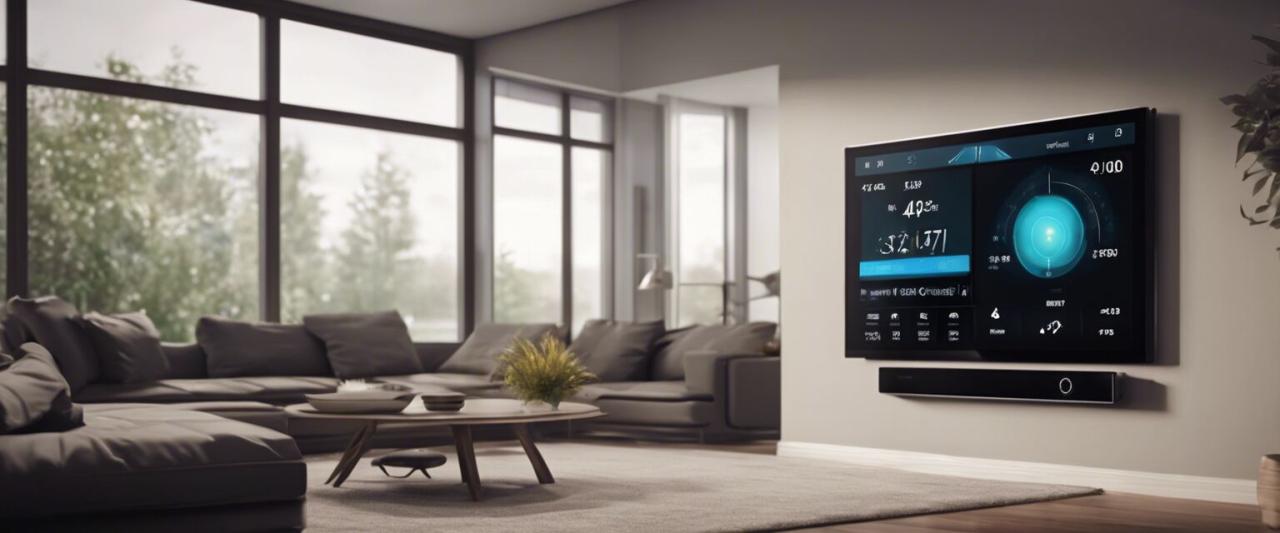
The user experience in smart home devices is pivotal as it determines how effectively and seamlessly users can interact with their technology. A well-designed user interface can make a significant difference, especially for households with varying levels of tech-savviness. Accessibility features are essential for ensuring that everyone, including individuals with disabilities, can enjoy the benefits of modern technology. The design of smart home applications must prioritize inclusivity, allowing all users to engage with their smart environments effortlessly.
The importance of user interface design in smart home applications cannot be overstated. A clean, intuitive interface reduces the learning curve and enhances overall satisfaction. Key elements of effective design include clarity, responsiveness, and personalization. Smart home devices should be customizable to cater to diverse needs, ensuring users can easily navigate settings and functionalities.
Comparison of accessibility features in smart home products
When assessing smart home devices, comparing their accessibility features is crucial for individuals with disabilities. Such features allow users to interact with devices through various means, ensuring everyone can manage their home environment efficiently. The following devices stand out for their accessibility capabilities:
- Amazon Echo: Offers voice control, large buttons on the app, and a screen reader function, making it user-friendly for individuals with visual impairments.
- Google Nest Hub: Features voice commands and a touch interface, along with compatibility with screen readers, making it accessible for those with hearing or visual challenges.
- Philips Hue Smart Bulbs: Provide mobile app control with voice command options, and include features like color changes for visual alerts, aiding those with hearing impairments.
- Smart locks (e.g., August Smart Lock): Allow users to lock and unlock doors through mobile apps and voice commands, accommodating individuals with mobility issues.
User feedback plays a significant role in understanding the effectiveness and usability of popular smart home devices. Users often share insights regarding their experiences, which can highlight both strengths and weaknesses in design and functionality.
“Voice commands have changed my daily routine; I can control everything without needing to move around the house.” – A satisfied Amazon Echo user.
Feedback about the user experience with smart home devices typically includes the following aspects:
- Ease of setup and installation, with many users appreciating straightforward guides and intuitive interfaces.
- Integration with other smart home devices, where users prefer devices that work seamlessly together.
- Reliability of voice recognition and responsiveness, where users expect prompt execution of commands.
- Customization options, allowing users to personalize their smart home experience based on specific needs.
Cost considerations when adopting smart home technology.
Adopting smart home technology can be a significant investment, but understanding the costs involved can help homeowners make informed decisions. It’s essential to weigh the initial investment against potential long-term savings that smart devices may offer.
The initial cost of smart home devices can vary widely based on the type and number of devices purchased. While the upfront expense may seem daunting, many homeowners find that the energy savings, convenience, and increased home value can offset this initial outlay over time. Moreover, homeowners can access various financing options and incentives that can ease the financial burden of integrating smart technology into their homes.
Factors influencing the overall cost of smart home systems
Several factors contribute to the overall cost of implementing smart home systems. Understanding these elements helps homeowners gauge their budget and choose the most suitable options for their needs.
- Device Type: The cost can significantly differ depending on whether you choose smart lighting, thermostats, security cameras, or comprehensive home automation systems.
- Installation Costs: Some devices require professional installation, which can add to the total cost. DIY installation can save money but may not be feasible for all systems.
- Integration Complexity: The more complex the system you want to set up, the higher the cost. A fully integrated smart home system that connects multiple devices can be more expensive than standalone options.
- Brand and Quality: Well-known brands may charge a premium, but they often come with better support and reliability. Budget-friendly devices might save costs but could compromise on features or longevity.
- Energy Efficiency: Investing in energy-efficient devices might have a higher upfront cost but leads to substantial savings on energy bills over time.
- Maintenance and Upgrades: Long-term costs might include software updates, replacements, or additional devices as technology evolves and homeowners expand their systems.
- Financing Options: Programs or incentives from manufacturers or local governments can reduce the initial financial burden. Tax credits or rebates for energy-efficient smart devices can also impact the overall cost.
“Investing in smart technology is not just about initial costs; it’s an investment in convenience, efficiency, and future savings.”
The integration of smart home devices into existing home infrastructure.
Integrating smart home devices into your current living space can significantly enhance convenience, security, and energy efficiency. With the rise of technology, homeowners are increasingly interested in how these devices can fit seamlessly into their existing home infrastructure. This transition, while beneficial, comes with its own set of challenges that require careful consideration and planning.
The process of incorporating smart home devices often involves both hardware and software components that need to work together efficiently. Homeowners can seamlessly integrate devices by evaluating their current infrastructure, ensuring compatibility, and choosing the right smart devices that align with their needs. It is essential to assess existing wiring, network setups, and compatible devices to ensure a smooth integration process.
Challenges during integration and potential solutions
Homeowners may face several challenges while integrating smart devices, including connectivity issues, compatibility problems, and the need for additional hardware. Recognizing these potential hurdles is crucial for a successful setup.
– Connectivity issues: A strong and stable Wi-Fi connection is vital for smart devices. Older homes may have dead zones or weak signals.
– Solution: Consider using Wi-Fi extenders or mesh networks to ensure comprehensive coverage.
– Compatibility problems: Not all smart devices can work together seamlessly due to different protocols or ecosystems.
– Solution: Research and select devices that are compatible with popular systems like Google Assistant, Amazon Alexa, or Apple HomeKit.
– Need for additional hardware: Some smart devices may require a hub or additional controllers to function effectively.
– Solution: Be prepared to invest in a smart home hub that connects various devices, enabling better communication and control.
Step-by-step guide for setting up a basic smart home network
Setting up a basic smart home network does not have to be complicated. Follow this organized approach for an effective installation:
1. Evaluate your needs and existing infrastructure: Identify which areas of your home you want to make smarter (lighting, security, climate control) and assess your current Wi-Fi setup.
2. Choose a central smart home platform: Select a primary platform (like Amazon Alexa, Google Home, or Apple HomeKit) that suits your preferences. This will be the backbone of your smart home network.
3. Purchase compatible smart devices: Start with essential devices such as smart bulbs, smart plugs, or a smart thermostat. Make sure they work with your chosen platform.
4. Install the devices: Follow the manufacturer’s instructions to install each device. Ensure they are connected to your Wi-Fi network.
5. Configure your smart home app: Use the app associated with your central platform to add and manage devices. This app will allow you to control all your devices from one location.
6. Create routines and automation: Explore the app’s features to set up routines that automate tasks, such as adjusting the thermostat when you leave home or turning off lights at bedtime.
7. Test and optimize: After setup, test each device to ensure it functions correctly. Make adjustments to improve performance or enhance security as needed.
By following these steps, you can establish a functional and efficient smart home network that complements your lifestyle.
Conclusion
In summary, the integration of smart home devices is reshaping the way we interact with our living spaces, fostering a future where convenience and efficiency reign supreme. As technology continues to evolve, staying informed about these advancements will empower homeowners to make smart choices that enhance their quality of life.
Clarifying Questions
What are smart home devices?
Smart home devices are electronic gadgets that connect to the internet and can be controlled remotely to automate tasks and enhance home management.
Do smart home devices work without Wi-Fi?
Some smart home devices can work without Wi-Fi using Bluetooth or other local connections, but most require internet connectivity for full functionality.
Are smart home devices secure?
While they can pose security risks, following best practices like regular updates and secure passwords can significantly enhance their security.
Can I control smart home devices with my voice?
Yes, many smart home devices are compatible with voice assistants like Amazon Alexa or Google Assistant for hands-free control.
How much do smart home devices cost?
Costs vary widely based on the type and brand of device, ranging from inexpensive smart bulbs to more complex security systems and smart hubs.