Home maintenance tracker is an essential tool for every homeowner looking to keep their property in top shape. By organizing tasks and schedules, it enables you to manage upkeep efficiently and effectively. A well-maintained home not only ensures comfort and safety but also protects your investment over time.
Whether you’re a first-time homeowner or a seasoned pro, a home maintenance tracker offers a systematic approach to handling routine tasks and avoiding costly repairs. From seasonal checklists to budgeting for unexpected expenses, this guide will illuminate the many facets of home maintenance tracking and how it can enhance your living environment.
Home Maintenance Tracker as an Essential Tool for Homeowners
Maintaining a home is an ongoing responsibility that can easily overwhelm even the most organized homeowner. A home maintenance tracker serves as an essential tool, simplifying this task by providing a systematic approach to managing various upkeep activities. By using a tracker, homeowners can ensure that important maintenance tasks are not overlooked, ultimately contributing to the longevity and value of their property.
A home maintenance tracker helps homeowners stay on top of regular upkeep tasks, such as scheduling HVAC inspections, roof maintenance, and plumbing checks. By keeping a detailed record of these activities, homeowners can identify patterns, spot potential issues before they escalate, and allocate resources effectively. This systematic approach allows for timely interventions, ensuring that minor issues are addressed before they develop into costly repairs. For instance, neglecting to clean gutters annually can lead to water damage and foundation issues, resulting in expenses that could reach thousands of dollars.
Benefits of a Systematic Approach to Home Maintenance
Implementing a structured home maintenance tracker provides numerous benefits. This includes enhanced organization, improved budget management, and increased property value. Homeowners can categorize tasks by season, priority, or type, making it easier to manage and schedule maintenance activities. By keeping track of what has been done and what is upcoming, homeowners can also allocate their budget more effectively, setting aside funds for urgent repairs or preventative measures.
The systematic approach enables homeowners to adhere to a regular maintenance schedule, which is crucial for preserving the condition of the property. For example, regular servicing of heating and cooling systems not only extends their lifespan but also enhances energy efficiency, resulting in lower utility bills. A well-maintained home is more appealing to potential buyers, thereby increasing its market value.
Here are some key advantages of using a home maintenance tracker:
- Prevention of Costly Repairs: Regular maintenance can prevent issues from escalating into expensive repairs, such as fixing a small roof leak before it causes interior damage.
- Increased Property Value: A home that is consistently maintained will have a higher resale value, as prospective buyers are often willing to pay more for a home that has been well cared for.
- Enhanced Safety: Regular checks on electrical systems, plumbing, and appliances reduce the risk of hazards, such as fires or water damage, ensuring the safety of the household.
- Improved Energy Efficiency: Regular maintenance tasks, such as replacing air filters and sealing ducts, can enhance energy efficiency, leading to lower monthly utility costs.
In summary, a home maintenance tracker is not just a simple tool; it is an essential resource that empowers homeowners to take control of their property’s upkeep. By facilitating a systematic approach to maintenance, homeowners can safeguard their investment, avoid unnecessary expenses, and enjoy a safer and more comfortable living environment.
Features to Include in Your Home Maintenance Tracker
An effective home maintenance tracker is essential for homeowners looking to keep their properties in top condition while minimizing unexpected repair costs. With a thoughtfully designed tracker, you can streamline your home maintenance tasks, ensuring that nothing slips through the cracks. Here are some key features that can enhance the functionality of your home maintenance tracker.
Scheduling and Reminders
A robust scheduling system is fundamental to any home maintenance tracker. It allows homeowners to plan maintenance tasks over time, making it easier to stay on top of necessary upkeep. Here’s how effective scheduling and reminders work:
– Calendar Integration: Sync your tracker with a digital calendar to keep all maintenance tasks visible in one place. This helps avoid conflicts with other obligations.
– Customizable Reminders: Set reminders for various tasks, such as changing HVAC filters or cleaning gutters. Custom alerts can be sent via email or SMS, ensuring you’re notified at the right time.
– Recurring Tasks: Many maintenance activities are periodic, like seasonal checks or annual inspections. A good tracker should allow users to set these tasks to recur automatically.
Tracking Completed Tasks
Efficient tracking of completed tasks helps homeowners visualize their maintenance history, making it easier to plan future tasks and identify trends. Effective features include:
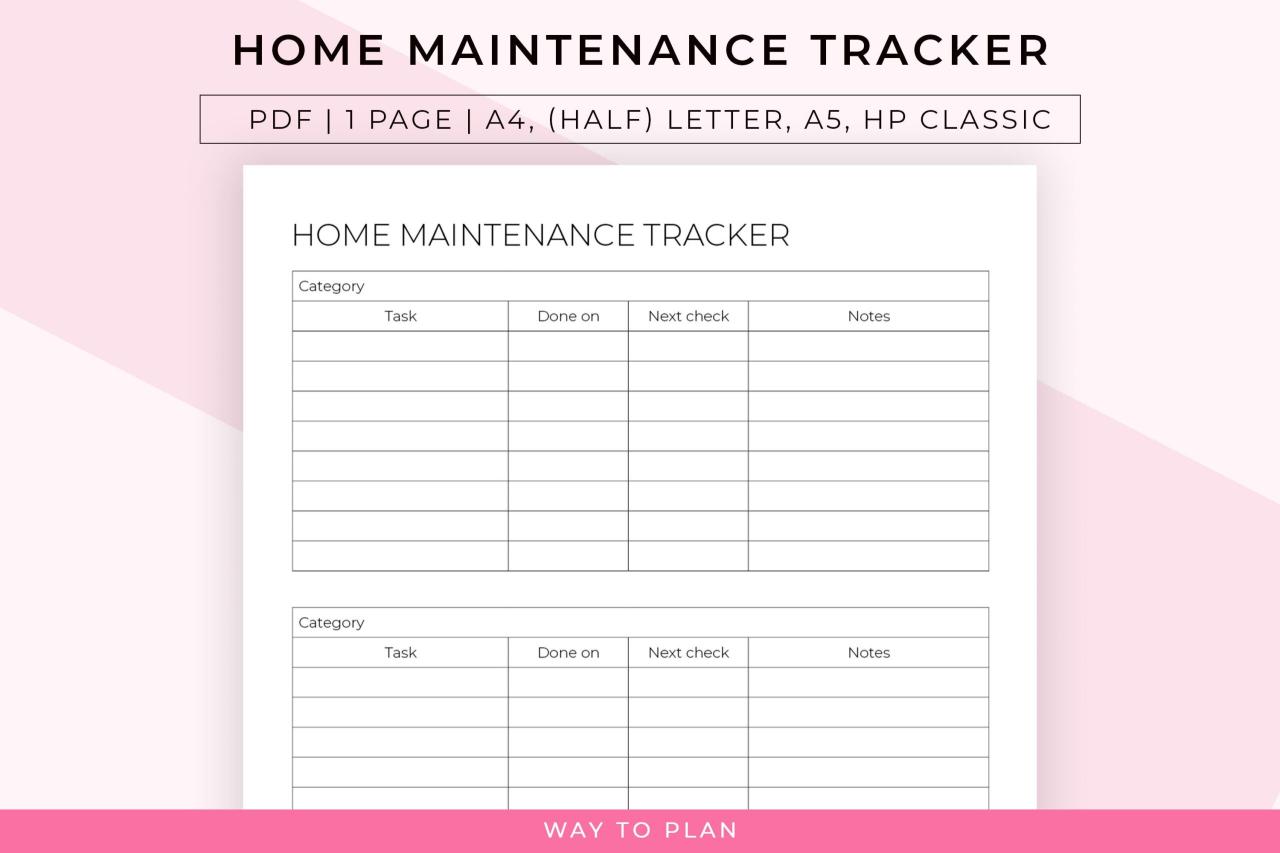
– Completion Logs: Keep a detailed log of all completed maintenance tasks, including dates, costs, and any notes on the work done. This can be invaluable for home sales or insurance purposes.
– Visual Progress Indicators: Use graphs or charts to show the status of ongoing maintenance tasks. This visual representation can motivate homeowners to stay proactive in their upkeep efforts.
– Task-To-Do Lists: Create daily or weekly to-do lists to prioritize what needs to be done next, ensuring that essential tasks aren’t overlooked.
Additional Features for Enhanced Functionality
Beyond basic scheduling and tracking, several additional features can further enhance your home maintenance tracker:
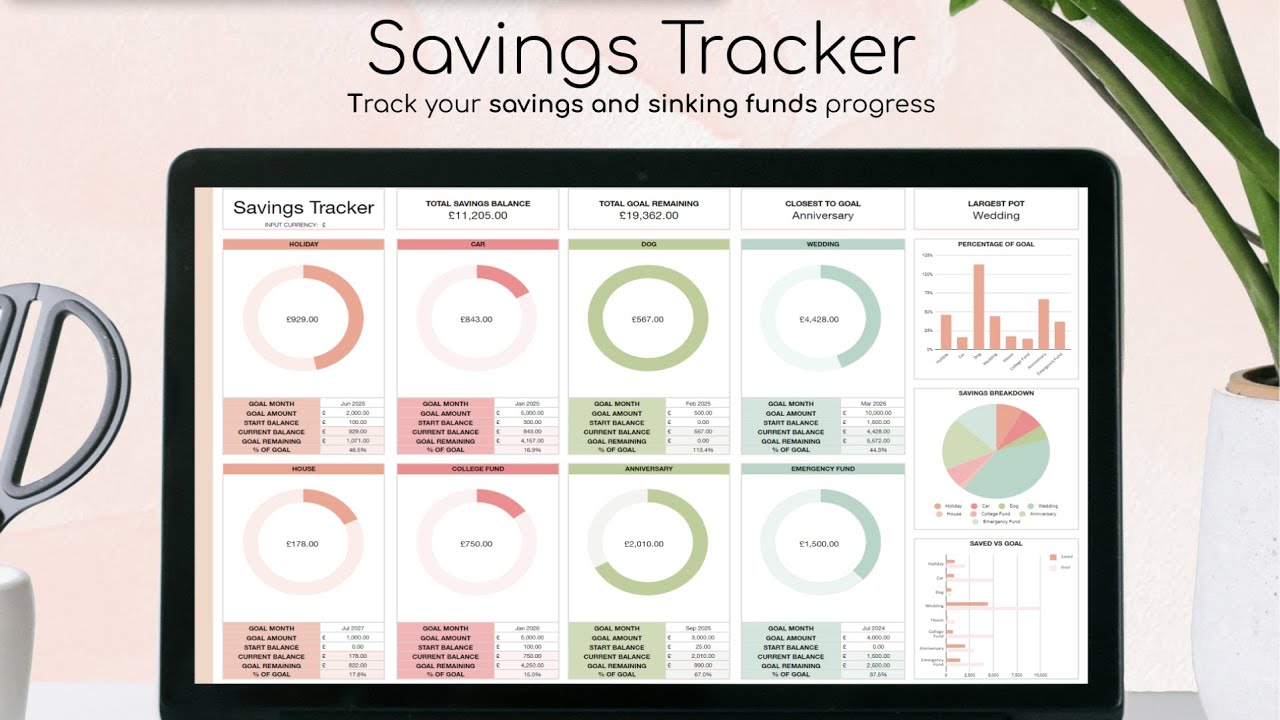
– Budgeting Tools: Track expenses related to home maintenance and repairs. This feature can help allocate a budget for future projects, ensuring you stay financially prepared.
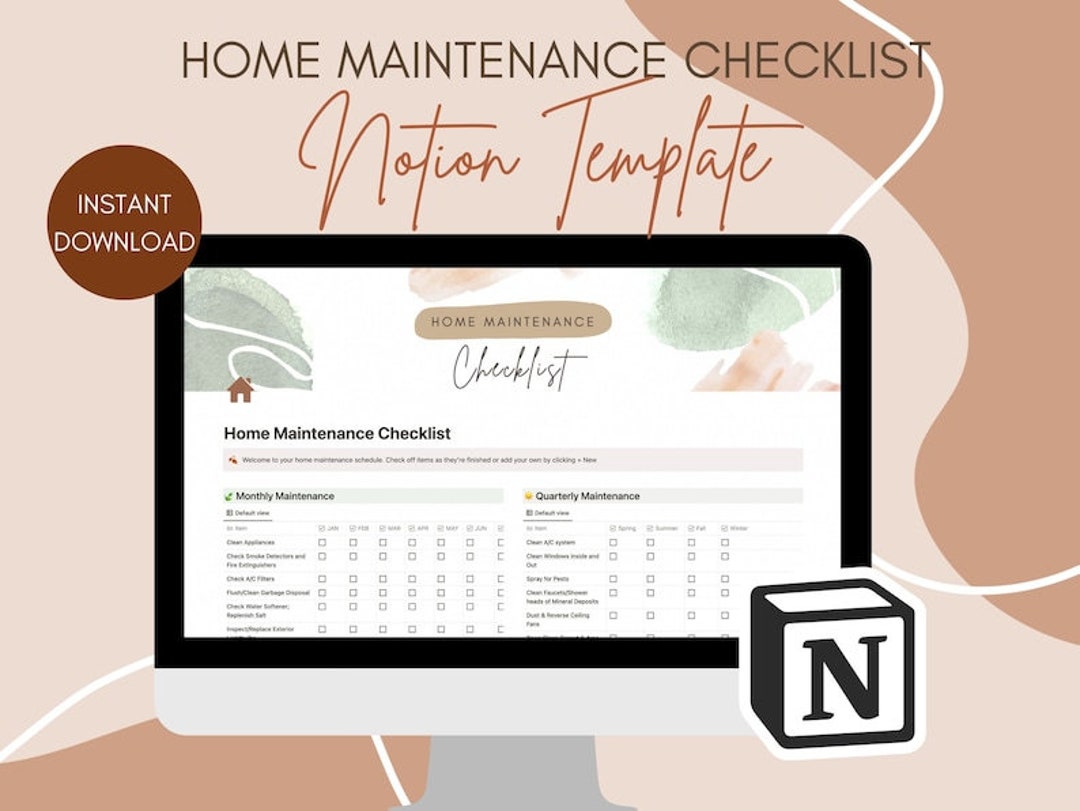
– Seasonal Checklists: Create tailored checklists for seasonal maintenance tasks, like winterizing your home or preparing for spring cleaning. This ensures that seasonal responsibilities are not forgotten.
– Emergency Contact List: Maintain a list of reliable contractors and service providers for quick access during urgent situations.
– Inventory Management: Keep track of essential supplies, such as light bulbs or batteries, ensuring you have what you need when it’s time for maintenance.
“A well-maintained home is a happy home.”
These features collectively contribute to a comprehensive home maintenance tracker, empowering homeowners to manage their properties effectively and efficiently.
How to Create a Customized Home Maintenance Tracker
Creating a personalized home maintenance tracker is essential for homeowners who want to ensure that their properties remain in top condition. A customized tracker not only helps you stay organized but also keeps you on top of tasks that are specific to your home’s needs. This proactive approach minimizes the risk of costly repairs and enhances the longevity of your home. Here’s how to get started.
To create a home maintenance tracker that fits your unique circumstances, begin by assessing your home. Consider its age, size, and any specific features that may require special attention. Each home has its own set of needs, influenced by factors like climate, location, and the materials used in construction. By tailoring your tracker to reflect these elements, you can ensure that you’re addressing relevant maintenance tasks without overlooking crucial aspects.
Essential Elements to Include in Your Tracker
Incorporating key elements into your home maintenance tracker will boost its effectiveness. It’s important to Artikel the types of maintenance tasks needed and the frequency with which they should be completed. Below are essential components to consider:
- Task List: Identify all maintenance tasks relevant to your home, such as HVAC servicing, gutter cleaning, and lawn care. This comprehensive list should cover both seasonal and year-round tasks.
- Frequency of Tasks: Determine how often each task needs to be performed. This could range from monthly to annual activities, depending on the task’s nature.
- Due Dates: Assign specific dates or months for each task to ensure timely completion. This could also be aligned with seasonal changes, like preparing your heating system before winter.
- Reminders: Set up reminders to notify you when tasks are due. This could be via a digital calendar, a spreadsheet, or even a physical planner.
- Resources Required: Note down the tools, materials, and professionals needed for each maintenance task. This ensures you’re prepared when the time comes to tackle these jobs.
- Notes Section: Include a space for additional comments or observations related to each task. This could be helpful for tracking issues or modifications over time.
“Being proactive with home maintenance not only preserves your property but also enhances its value over time.”
By considering these essential elements, you can create a home maintenance tracker that serves your individual needs. This customized approach not only streamlines your maintenance efforts but also aligns perfectly with your lifestyle and the specific demands of your home.
Digital vs. Paper Home Maintenance Trackers
Home maintenance trackers are essential tools for homeowners aiming to keep their properties in good shape. They help manage repairs, schedule maintenance, and document important tasks. The choice between digital and paper trackers often comes down to personal preferences, lifestyle, and specific needs. Both formats come with distinct advantages and disadvantages that cater to different user experiences.
Digital home maintenance trackers offer a range of functionalities that can greatly enhance their usability. They typically allow for easy updates, reminders, and access from multiple devices, making it simple to keep track of tasks on-the-go. Users can set up notifications for routine maintenance tasks and store a wealth of information without the clutter of paper. However, reliance on technology can sometimes lead to issues such as software glitches or data loss if backups aren’t maintained. Additionally, some users may find digital trackers overwhelming or impersonal compared to a handwritten record.
On the other hand, paper home maintenance trackers provide a tactile experience that many homeowners appreciate. Writing tasks down can reinforce memory and provide a satisfying sense of completion. A paper tracker can be customized with colors and designs that reflect personal style, making it an enjoyable part of home management. However, the downsides include the potential for disorganization, difficulty in tracking changes, and the physical space needed to store paperwork.
Advantages and Disadvantages of Each Format
When considering digital versus paper trackers, several key factors may influence a homeowner’s choice. These include preference for technology, organizational habits, and lifestyle needs. Below is a breakdown of the pros and cons of each format:
| Feature | Digital Trackers | Paper Trackers |
|---|---|---|
| Accessibility | Available on multiple devices, accessible anytime. | Requires physical presence; can be misplaced. |
| Customization | Customizable with apps and software. | Handwritten notes allow for personal touches. |
| Notifications | Set reminders for tasks automatically. | No automatic reminders; relies on memory. |
| Data Storage | Stores extensive data; can back up information easily. | Limited to the physical size of the notebook or binder. |
| Environment | Less paper waste; eco-friendly. | Uses paper, which may contribute to waste. |
The choice between digital and paper trackers ultimately depends on personal preference and lifestyle needs.
Seasonal Home Maintenance Tasks to Include in Your Tracker
Regular home maintenance is essential for ensuring the longevity, safety, and efficiency of your home. By tracking seasonal maintenance tasks, homeowners can proactively address issues before they escalate into significant problems. This structured approach not only preserves the home’s integrity but also saves time and money in the long run. Each season introduces unique challenges and opportunities for home care, making it vital to follow a seasonal checklist.
Seasonal maintenance tasks play a crucial role in safeguarding your home from the elements while also maintaining its aesthetic appeal. Performing these tasks at the right time helps to prevent damage, enhances energy efficiency, and ensures that your home remains a comfortable living space. By diligently tracking these tasks, homeowners can avoid last-minute rushes and unforeseen repairs that could disrupt daily life.
Month-by-Month Seasonal Maintenance Breakdown
To stay organized, here’s a month-by-month maintenance checklist that reflects the tasks you should incorporate into your tracker. Each month highlights specific actions that are best undertaken to prepare your home for the upcoming season.
| Month | Tasks |
|---|---|
| January |
|
| February |
|
| March |
|
| April |
|
| May |
|
| June |
|
| July |
|
| August |
|
| September |
|
| October |
|
| November |
|
| December |
|
Regular seasonal maintenance not only preserves the integrity of your home but also enhances its efficiency and longevity.
Tips for Staying Consistent with Your Home Maintenance Tracker
Staying consistent with your home maintenance tracker is essential for ensuring your home remains in excellent condition. It’s easy to lose track of tasks and let maintenance slip through the cracks, but with the right strategies, you can develop a routine that keeps your home in tip-top shape.
Creating a maintenance schedule that integrates seamlessly into your daily or weekly routine can significantly enhance your tracking efforts. Begin by identifying specific tasks that need to be done on a regular basis, such as changing air filters, cleaning gutters, or checking smoke detectors. You can categorize these tasks by frequency: daily, weekly, monthly, or seasonally.
Strategies for Integrating Maintenance Tasks
Incorporating home maintenance tasks into your routine helps cultivate habits that stick. Here are some effective methods to consider:
- Leverage Existing Routines: Tie your maintenance tasks to existing habits. For instance, if you do laundry every Saturday, make it a point to check your water heater or clean your laundry room during that time.
- Set Timers or Reminders: Use your phone or calendar to set reminders for maintenance tasks. Seeing a notification can prompt you to take action, ensuring you don’t overlook an important item.
- Weekly Check-In: Dedicate a specific time each week to review your tracker and plan for upcoming tasks. This can be a Sunday evening ritual where you reflect on what’s been done and what’s needed for the week ahead.
- Visual Cues: Place visual reminders around your home, such as sticky notes on your fridge or a checklist on a bulletin board, that highlight ongoing or upcoming maintenance tasks.
Involving family members or accountability partners can also boost your commitment to maintaining the tracker. When everyone is on board, tasks become less burdensome and more collaborative.
The Role of Accountability Partners
Having someone to share your home maintenance journey with can significantly enhance motivation. Whether it’s family members or friends, accountability partners can help in various ways:
- Shared Responsibility: Assign tasks to different family members. This not only lightens the load for you but also instills a sense of teamwork and responsibility within the household.
- Regular Check-Ins: Schedule periodic discussions with your accountability partner to review progress and challenges. These conversations can provide motivation and new ideas for tackling tasks more efficiently.
- Celebrating Milestones: Recognize when significant tasks are completed, and celebrate together. This adds a fun element to maintenance and strengthens the commitment to keep the tracker updated.
By implementing these strategies, you can develop a structured approach to home maintenance that keeps you accountable and motivated. The goal is to create a seamless integration of maintenance into your life, ensuring that your home remains a safe and enjoyable space for everyone.
Common Mistakes Homeowners Make with Maintenance Tracking
Maintaining a home is an ongoing task that requires diligence and organization. One of the most effective ways to stay on top of home maintenance is through a maintenance tracker. However, many homeowners make common mistakes that can undermine the effectiveness of these tools. Recognizing these errors can help you avoid costly repairs and ensure your home remains in top condition.
Neglecting maintenance schedules and keeping incomplete records often lead to significant issues down the line. When homeowners fail to adhere to scheduled maintenance, minor problems can escalate into major repairs. For instance, skipping a yearly HVAC inspection can result in system failures that are not only expensive to fix but can also lead to discomfort during extreme temperatures. Additionally, incomplete records can cause confusion about when services were last performed, leading to missed deadlines for essential maintenance tasks. This lack of organization can create a domino effect of issues that could have been easily avoided.
Frequent Errors in Maintenance Tracking
Several mistakes frequently occur when homeowners use maintenance trackers. Understanding these can help you create a more effective system to maintain your home.
- Infrequent Updates: Many homeowners set up a maintenance tracker but forget to update it regularly. This leads to outdated information and missed maintenance deadlines.
- Ignoring Seasonal Tasks: Homeowners often focus on urgent repairs and overlook seasonal tasks, such as gutter cleaning in the fall or furnace checks in the winter.
- Incomplete Documentation: Skipping entries for minor repairs or maintenance may seem harmless, but it can lead to gaps in your home’s maintenance history.
- Overlooking Warranties: Failing to track warranties for appliances and systems can result in missed opportunities to utilize services or repairs at no cost.
- Neglecting Emergency Preparedness: Many trackers do not account for emergency maintenance, such as sudden leaks or electrical issues, leading to panic and confusion when these situations arise.
Implementing a few simple strategies can significantly enhance the effectiveness of your maintenance tracker and help you avoid these common pitfalls.
- Set Regular Reminders: Use calendar alerts to remind you of upcoming maintenance tasks, ensuring nothing is overlooked.
- Document Everything: Be diligent in recording all maintenance activities, repairs, and services performed to maintain a comprehensive history.
- Review Tracker Monthly: Take time each month to review your tracker, ensuring all tasks are up to date and scheduled appropriately.
- Utilize Apps: Consider using maintenance tracking apps that send notifications and reminders, making it easier to stay on top of home maintenance tasks.
- Educate Yourself: Familiarize yourself with the specifics of your home’s systems and appliances to better understand maintenance needs and schedules.
“An ounce of prevention is worth a pound of cure.” – Benjamin Franklin
The Role of Technology in Modern Home Maintenance Tracking
The evolution of home maintenance tracking has been significantly influenced by advancements in technology. Homeowners today have access to tools that streamline the management of their properties, making it easier to track repairs, schedule maintenance, and even monitor the health of home systems. This transformation from traditional methods to high-tech solutions not only enhances efficiency but also provides a higher level of control over home upkeep.
The integration of technology into home maintenance tracking has brought about numerous changes that benefit homeowners. With the advent of mobile applications, homeowners can now manage their maintenance tasks from anywhere, ensuring that nothing slips through the cracks. Popular apps such as HomeZada, Thumbtack, and Buildium offer features that help organize tasks, set reminders, and even connect with service professionals when needed. These applications provide a user-friendly interface that simplifies the process of tracking maintenance schedules and expenditures.
Comparison of Traditional Tracking Methods with High-Tech Solutions
When considering how technology has reshaped home maintenance tracking, it is essential to compare traditional methods with modern techniques. This comparison highlights the advantages of adopting technology in managing home upkeep.
Traditional methods often involved manual record-keeping and reliance on physical reminders. In contrast, high-tech solutions provide automation and advanced features that enhance efficiency. Below is a comparison of these two approaches:
- Record Keeping:
Traditional: Handwritten logs and paper files are common, making it easy to lose or misplace important information.
High-Tech: Digital records stored in apps or cloud services are easily accessible and secure. - Task Reminders:
Traditional: Paper calendars and sticky notes serve as reminders, which can be overlooked.
High-Tech: Automated notifications and reminders ensure timely maintenance without the risk of forgetting. - Scheduling Services:
Traditional: Finding service providers often involves word-of-mouth or printed directories, which can be time-consuming.
High-Tech: Apps allow for quick searches and booking of services directly through the platform, saving time and effort. - Expense Tracking:
Traditional: Manual tracking of expenses can lead to inaccuracies.
High-Tech: Budgeting tools within apps help monitor spending and provide insights on home-related costs. - Communication:
Traditional: Communication with service providers typically requires phone calls or in-person meetings.
High-Tech: In-app messaging and reviews facilitate smoother interactions and informed decision-making.
The shift towards technology-driven solutions in home maintenance tracking has greatly enhanced the way homeowners manage their properties. With the convenience and efficiency provided by modern applications, it is clear that embracing technological tools is essential for effective home maintenance in today’s fast-paced world. This transition not only saves time but also ensures that homes remain in optimal condition, ultimately leading to increased property value and homeowner satisfaction.
How a Home Maintenance Tracker Can Increase Property Value
Proper home maintenance is not just about keeping things looking good; it directly influences the property’s value over time. A Home Maintenance Tracker serves as an indispensable tool for homeowners aiming to protect and enhance their investment. By systematically documenting repairs, upkeep, and renovations, homeowners can present their residences in the best light to potential buyers, leading to increased marketability and potentially higher sale prices.
Tracking maintenance activities allows homeowners to address issues before they escalate, thereby preventing costly repairs down the line. Regular upkeep means a home stays in peak condition, showcasing features that buyers desire. A well-maintained property is less likely to suffer from hidden problems, which can deter potential buyers and lead to negotiations that may lower the selling price. The relationship between a well-maintained home and property value is clear: the less work a buyer perceives they need to do, the more appealing the home becomes.
Attracting Potential Buyers Through Maintenance Records
A Home Maintenance Tracker can significantly enhance a property’s appeal by providing detailed records of all maintenance and improvements made. Buyers are often willing to pay a premium for homes that exhibit a history of diligent care. By showcasing these records, homeowners can instill confidence in potential buyers regarding the condition of the property.
To illustrate how effective maintenance can translate into value, consider how certain renovations and upkeep efforts can be documented in a maintenance tracker. Here are key areas that are particularly impactful:
- Roofing Repairs and Replacements: A new roof can enhance a home’s value substantially. Documenting the age and condition of the roofing, alongside any repairs made, can assure buyers that they won’t face major expenses in the near term.
- HVAC System Maintenance: Regular servicing of heating, ventilation, and air conditioning systems ensures efficiency and longevity. Logs of annual inspections and any upgrades made can make a significant difference in perceived value, especially in regions with extreme weather.
- Plumbing Upgrades: Replacing old pipes, fixing leaks, or installing modern fixtures can enhance functionality. A tracker can show when these upgrades occurred, allaying concerns about potential plumbing issues.
- Kitchen and Bathroom Renovations: These areas are often highlights for buyers. Documenting updates like new appliances or modernized cabinetry can showcase the home’s appeal and justify higher asking prices.
- Exterior Maintenance: Landscaping improvements, deck repairs, or fresh paint can create a positive first impression. A history of exterior upkeep can demonstrate a commitment to maintaining curb appeal.
Investing time in a Home Maintenance Tracker not only preserves the property but also builds a narrative that speaks to potential buyers. The documented history serves as proof of the homeowner’s commitment to care and can positively influence buyer perception. This can be particularly beneficial in competitive real estate markets, where even minor details can sway a buying decision.
“A well-maintained home speaks volumes; it shows pride of ownership and promises fewer headaches for buyers.”
By effectively utilizing a Home Maintenance Tracker, homeowners can ensure they are not only maintaining their homes but also actively working to enhance their property value through strategic record-keeping and proactive improvements.
Integrating Home Maintenance Tracking into Your Budget
Incorporating home maintenance tracking into your financial plan is essential for ensuring the longevity of your property and managing your finances effectively. Homeownership comes with various ongoing costs, and understanding how to allocate funds for these expenses can prevent financial strain and unexpected burdens. By planning for both regular maintenance and unforeseen repairs, you can create a more resilient budget that safeguards your investment.
Budgeting for maintenance tasks and unexpected repairs is crucial because it enables homeowners to be proactive rather than reactive. Regular maintenance can help identify potential issues before they escalate into costly repairs. For instance, a small leak in the roof that goes unnoticed can lead to severe water damage and expensive restoration work. By budgeting for such maintenance tasks, you ensure that you set aside a specific amount each month for these expenses, making it easier to manage cash flow and reduce stress when unexpected emergencies arise.
Budgeting Template for Home Maintenance
Creating a simple budgeting template can help you track your expenses and savings for home maintenance effectively. Below is a straightforward table format that can be adapted to your needs. This template allows you to categorize your maintenance tasks, estimate costs, track actual expenses, and monitor your savings over time.
| Maintenance Task | Estimated Cost | Actual Cost | Frequency | Notes |
|---|---|---|---|---|
| HVAC Maintenance | $150 | Yearly | Check filters and system efficiency | |
| Roof Inspection | $100 | Every 3 years | Look for damage and wear | |
| Plumbing Check | $75 | Yearly | Inspect for leaks | |
| Exterior Painting | $500 | Every 5 years | Protect against weather damage | |
| Landscaping | $200 | Yearly | Maintain curb appeal |
“Setting aside a specific budget for home maintenance helps mitigate financial risk and ensures your home remains in excellent condition.”
Using this template, homeowners can visualize upcoming expenses and adjust their budget accordingly. It is advisable to review maintenance records regularly to update estimated costs based on actual expenses and tailor the budget to reflect seasonal needs or changes in home use. This approach not only promotes responsible financial management but also enhances the overall value of the home.
Conclusion
In summary, utilizing a home maintenance tracker is a proactive approach that can lead to significant savings and increased property value. By staying organized and consistent with maintenance tasks, homeowners can enjoy peace of mind and ensure their homes are always in optimal condition. Embracing this practice not only benefits your property but also enhances your overall living experience.
Query Resolution
What is a home maintenance tracker?
A home maintenance tracker is a tool that helps homeowners schedule, track, and manage maintenance tasks for their property.
Why is it important to track home maintenance?
Tracking home maintenance is crucial for preventing costly repairs, ensuring safety, and maintaining property value.
Can I use an app for my home maintenance tracker?
Yes, there are many apps available that can simplify the tracking process and send reminders for upcoming tasks.
How often should I update my maintenance tracker?
It’s a good idea to update your tracker regularly, ideally after completing tasks or when new tasks arise.
What are common tasks to include in a home maintenance tracker?
Common tasks include HVAC servicing, gutter cleaning, and checking smoke alarm batteries, among others.