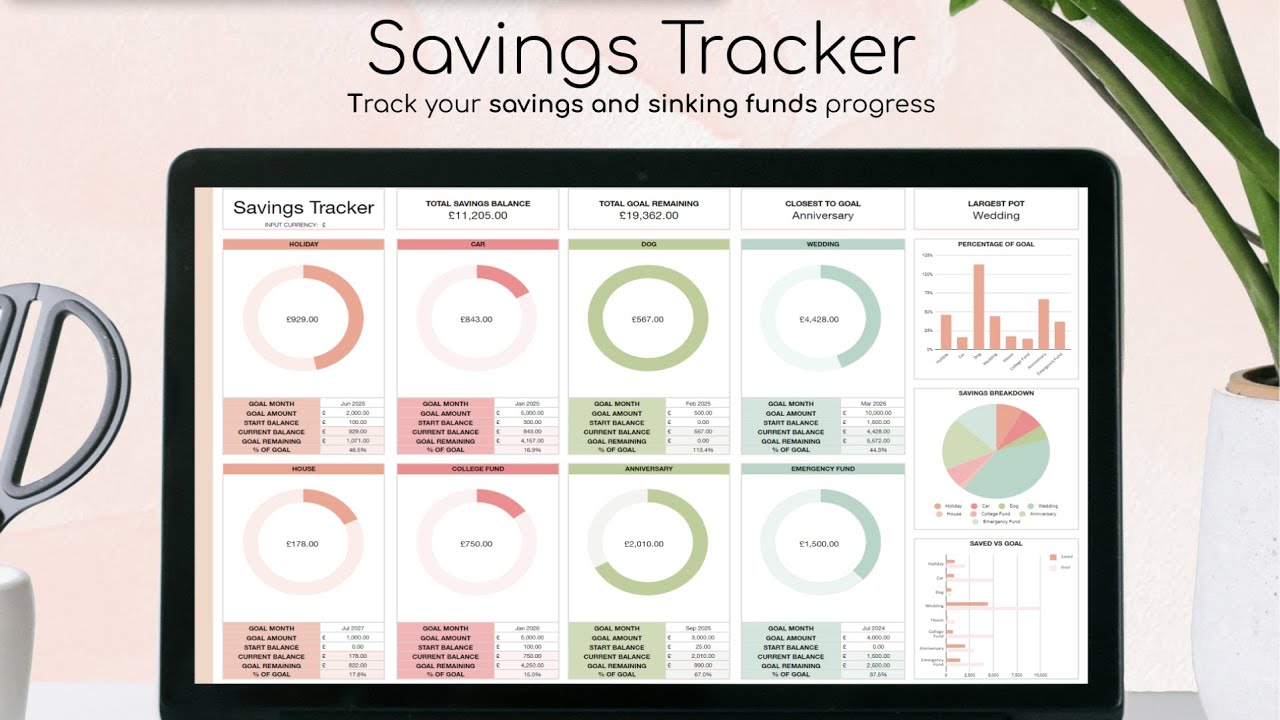
Welcome to the world of the Home inventory tracker app, where managing your belongings becomes a breeze. Imagine having a digital assistant at your fingertips, ready to help you keep track of every item in your home, from your beloved grandma’s heirloom vase to the latest gadget you just couldn’t resist. This app transforms the often daunting task of inventory management into an organized and straightforward process.
Homeowners today face the challenge of keeping their possessions documented and accounted for, whether for insurance purposes, estate planning, or simply to maintain a tidy household. By using a home inventory tracker app, you can easily categorize, photograph, and update your assets with just a few taps. It not only streamlines your inventory process but also provides peace of mind knowing everything is documented and secured in one place.
Exploring the Purpose and Benefits of a Home Inventory Tracker App
Homeowners often find themselves managing a plethora of items within their residences, from valuable electronics to cherished heirlooms. Maintaining an accurate record of these possessions can be challenging. A home inventory tracker app simplifies this task, providing a digital solution that is both efficient and organized. By utilizing this type of application, homeowners gain peace of mind, knowing that their assets are well-documented and easily accessible when needed.
The main reasons homeowners would consider using a home inventory tracker app include its ability to streamline asset management, enhance insurance claims processing, and provide efficient organization. One of the most significant benefits is the ease of keeping track of possessions in one place. Instead of sifting through stacks of receipts or rummaging through closets to verify items, the app allows users to enter details about each item—such as purchase date, price, and warranty information—with just a few taps on their smartphones. This digital record-keeping not only saves time but also minimizes the risk of losing important information.
Specific Scenarios for Home Inventory Tracker Benefits
There are numerous scenarios in which a home inventory tracker can prove to be invaluable. Here are a few examples that highlight its importance:
- Insurance Claims: In the unfortunate event of theft or natural disasters, having a comprehensive inventory of items can significantly aid in filing insurance claims. For example, if a homeowner has a detailed record of their electronics, they can quickly provide the necessary documentation for replacement.
- Moving House: When relocating, a home inventory tracker helps ensure that all items are accounted for, reducing the chances of leaving belongings behind or misplacing them during the move. Users can check off items as they are packed and later unpacked, making the transition smoother.
- Asset Valuation: For those interested in home equity or estate planning, knowing the value of personal belongings can be essential. An inventory tracker not only records the items but can also help estimate their current market value, which is beneficial for financial assessments.
“Keeping an accurate inventory of your home can transform the way you manage your assets and prepare for unforeseen circumstances.”
Utilizing a home inventory tracker app empowers homeowners with a comprehensive view of their possessions. By embracing this technology, they can enhance organization, streamline claim processes, and effectively manage their home assets.
Key Features to Look for in a Home Inventory Tracker App
A reliable home inventory tracker app can be an invaluable tool for homeowners, renters, and anyone looking to keep a comprehensive record of their possessions. With the potential for loss due to theft, natural disasters, or simply the need to track valuable items for insurance purposes, a home inventory app brings peace of mind and organization. Choosing the right app requires understanding the essential features that enhance functionality and user experience.
When evaluating home inventory tracker apps, several key features stand out as critical for efficient inventory management. Users should look for apps that not only allow for detailed item records but also provide a smooth and intuitive user interface. This combination ensures that users can easily navigate the app while maximizing its capabilities.
Essential Features of Home Inventory Tracker Apps
When searching for a home inventory tracker app, consider the following essential features that contribute to a robust user experience:
- Photo Uploads: The ability to take or upload photos of items adds a visual element to your inventory, making it easier to identify possessions and substantiate claims in case of theft or damage.
- Categorization Options: Effective categorization (such as by room, type of item, or value) helps users maintain organization and quickly locate specific items within their inventory.
- Backup Capabilities: Regular backups are crucial for ensuring that your data is safe. Look for apps that offer cloud backup or export options to prevent data loss.
- Search Functionality: A streamlined search feature allows users to quickly find specific items, which is particularly helpful in large inventories.
- Value Tracking: Some apps enable users to track the value of items over time, helping to assess overall home value and adjust insurance policies accordingly.
- Sharing Options: A feature that allows sharing inventory with family members or insurance agents can facilitate easier management and communication regarding possessions.
- Custom Fields: The option to create custom fields for tracking additional information (like purchase date, warranty details, or serial numbers) can enhance the app’s versatility.
Incorporating these features can significantly enhance the functionality of a home inventory tracker app, allowing users to manage and safeguard their belongings effectively. By comparing different apps based on these capabilities, users can make informed decisions that best suit their inventory management needs.
The Importance of Regular Updates in Home Inventory Management
Keeping your home inventory updated is an essential aspect of responsible homeownership. The value of your belongings can fluctuate over time due to purchases, disposals, or changes in condition. Maintaining an accurate inventory is not only crucial for personal organization but also plays a significant role in the claims process of your homeowner’s insurance. Inaccuracies in your inventory could lead to complications during claims, resulting in financial losses. Therefore, understanding the importance of regular updates in home inventory management is paramount.
To ensure that your home inventory remains relevant and useful, homeowners should review and update their inventories at least once a year. This annual review allows you to assess any new acquisitions, discards, or changes in item conditions. Additionally, significant life events—such as moving, renovations, or major purchases—should prompt an immediate update of your inventory. A proactive approach to updating your inventory not only simplifies the claims process but also enhances your overall awareness of your possessions.
Tracking changes in ownership or the condition of items can be efficiently managed through various methods. One effective way is to utilize a digital home inventory app, which allows you to record item details, including purchase dates, conditions, and photographs. This method ensures that you have a comprehensive and easily accessible record of your belongings. Furthermore, labeling high-value items with QR codes can provide quick access to detailed information about the item’s condition and history.
Creating a simple checklist can also aid in tracking inventory changes. For instance, you can generate a list categorizing items by room, such as living room, bedroom, or kitchen, and note any updates directly beside each item. This method is particularly useful for organizing and visualizing the status of your belongings.
“An updated inventory is your best defense against loss and ensures fair insurance coverage.”
In summary, regular updates to your home inventory are vital for effective management and insurance claims. By embracing digital tools and simple organizational strategies, homeowners can maintain accurate records of their possessions, safeguarding their investments and ensuring peace of mind.
Integrating a Home Inventory Tracker App with Insurance Policies
A home inventory tracker app is an invaluable tool for managing insurance needs, ensuring homeowners have an organized and detailed record of their belongings. By systematically documenting valuable items, users can streamline their insurance claims process, saving time and reducing stress during what can often be a challenging experience.
The app assists in not only tracking items but also in meeting the requirements set by insurance companies. Creating a comprehensive inventory allows for easy updates and accessibility, which is crucial when filing claims or updating insurance policies. The integration of a home inventory app with insurance policies provides a structured approach to understanding coverage limits, deductibles, and the type of documentation required during claims.
Documenting Valuable Items for Insurance Claims
Using the app to document valuable items is a straightforward process that can significantly impact the success of future claims. Here’s how to effectively utilize the app for this purpose:
1. Add Item Details: For each valuable item, include essential information such as the item name, model, purchase date, and value. This provides a clear record for insurers.
2. Upload Supporting Documents: Attach receipts, warranties, or appraisals directly to each item entry within the app. This documentation is crucial for proving ownership and value to your insurance company.
3. Photographic Evidence: Capture clear photographs of each item, ideally in their original condition. This visual record serves as evidence during a claim process, especially for high-value items.
4. Regular Updates: Regularly update your inventory to reflect new purchases or disposals. This ensures that your records are current and accurately represent your possessions.
5. Generate Reports: Use the app’s reporting features to create a comprehensive inventory report. This report can be shared directly with your insurance provider during policy reviews or claims.
The importance of thorough documentation cannot be overstated, as the clarity and detail of your inventory can lead to faster and more favorable claims resolutions.
Preparing a Complete Inventory Report for Insurers
Creating a complete inventory report is essential for ensuring that your insurer has all the necessary information to process claims efficiently. A detailed report not only aids in claims but also assists in assessing policy coverage. Here’s how to prepare an effective inventory report:
– Categorize Items: Group similar items together, such as electronics, furniture, or collectibles. This organization helps insurers quickly locate and assess items during a claim.
– List Purchase Values and Dates: Include the original purchase price along with the purchase date for each item. This information is crucial for determining replacement value.
– Include Item Conditions: Provide a brief description of the condition of each item. This can help adjusters understand the depreciation and current value of items.
– Use a Standardized Format: Ensure the report is formatted clearly and consistently, making it easier for insurers to read and process. Include headings and subheadings for different categories.
– Consider Replacement Costs: Whenever possible, include current replacement costs for items rather than just listing the purchase price. This approach can provide a more accurate picture of what you might need for a claim.
By following these guidelines, your inventory report will not only meet insurer requirements but also enhance your readiness in the event of a claim, ensuring that you receive the support you need when it matters most.
Exploring the Security Measures in Home Inventory Tracker Apps
Home inventory tracker apps are essential tools for organizing and safeguarding your possessions. As they involve storing sensitive information such as purchase receipts, images, and personal details, security measures are paramount to protect this data from potential threats. Understanding these features can help users feel more secure while using the app and ensure their information remains confidential.
One critical aspect of security in home inventory tracker apps is data encryption. This feature secures user information by converting it into a code that can only be deciphered with the correct key, making it nearly impossible for unauthorized users to access the data. Another essential measure is two-factor authentication (2FA), which requires users to verify their identity through multiple steps, such as a password and a verification code sent to their mobile device. Additionally, regular software updates play a vital role in enhancing security, as they often patch vulnerabilities that could be exploited by cybercriminals.
Potential Risks and Mitigation Strategies
Poor security practices in home inventory tracker apps can lead to significant risks, including data breaches and identity theft. When sensitive information is not adequately protected, it becomes vulnerable to hackers who may exploit it for fraudulent activities. Users can mitigate these risks by implementing several best practices to enhance their security.
To maintain privacy and security while using the app, consider the following best practices:
- Use Strong Passwords: Create complex passwords that combine letters, numbers, and special characters, and avoid using easily guessed information like birthdays.
- Enable Two-Factor Authentication: Always opt for this feature if available, as it adds an extra layer of security by requiring a second form of verification.
- Keep Software Updated: Regularly check for updates to the app and your device’s operating system to ensure you have the latest security patches.
- Limit Personal Information: Only provide necessary personal details within the app and avoid sharing sensitive information unless absolutely required.
- Backup Data Securely: Regularly back up your inventory data to a secure location, such as an encrypted external drive or a reputable cloud service.
- Monitor Account Activity: Regularly review your app usage and account activity for any suspicious behavior that could indicate unauthorized access.
By adhering to these practices, users can significantly lower their risk of security breaches and protect their valuable information within home inventory tracker apps. Remember, the security of your data is a shared responsibility between the app developers and users.
Evaluating User Experience and Customer Support in Home Inventory Apps
When choosing a home inventory tracker app, user experience plays a key role in how effectively individuals can manage and organize their personal belongings. A seamless interface, intuitive navigation, and responsive design make it easier for users to input and retrieve information about their items. A positive user experience not only enhances productivity but also reduces frustration, leading to greater customer satisfaction.
The level of customer support provided by an app can significantly impact overall experience. If users encounter issues, quick and effective resolution is crucial. Strong customer support can foster a sense of trust and reliability, ensuring that users feel valued and supported throughout their journey with the app. This is particularly important for applications handling sensitive information, such as home inventory details, where users may require prompt assistance.
User Support Options Available Across Popular Apps
A variety of customer support options are available in home inventory apps, and understanding these can help users make informed choices. The table below compares the support features offered by some popular home inventory apps:
| App Name | Live Chat | Email Support | FAQs | Phone Support |
|---|---|---|---|---|
| Home Inventory Pro | Yes | Yes | Comprehensive | No |
| StuffKeeper | No | Yes | Basic | Yes |
| MyStuff2 | Yes | Yes | Extensive | No |
| Sortly | No | Yes | Moderate | Yes |
The table highlights that while some apps like Home Inventory Pro and MyStuff2 offer live chat support, others like StuffKeeper and Sortly provide phone support, catering to different user preferences. This variety allows users to choose an app based on the type of assistance they anticipate needing, ensuring that help is readily available when challenges arise.
“Effective customer support not only resolves issues but also strengthens user loyalty and satisfaction.”
The Role of Home Inventory Tracker Apps in Disaster Preparedness
In an unpredictable world, being prepared for disasters is essential. Home inventory tracker apps emerge as crucial tools, enabling homeowners to manage their belongings effectively while ensuring they are well-prepared for emergencies. These applications streamline the process of documenting personal property, making it easier to tackle the aftermath of unexpected events such as natural disasters, theft, or fires.
Homeowners can leverage these apps to plan for emergencies by systematically cataloging their possessions, including valuables, essential documents, and appliances. This proactive approach not only helps in assessing the value of one’s belongings but also provides a clear inventory that can be referenced during an emergency. For example, in the unfortunate event of a fire, having a detailed record can assist homeowners in filing insurance claims, as they can quickly access information about lost items.
Expediting Recovery Processes
A well-maintained home inventory can significantly accelerate recovery processes following disasters. When a homeowner has a clear and updated list of their possessions, they can expedite the insurance claims process. Insurance companies often require detailed evidence of lost items, including receipts and photographs, which can be easily retrieved from the app. Some ways this documentation aids in recovery include:
- Faster Insurance Claims: Having an organized inventory helps in quickly providing necessary documentation to insurers, leading to faster claim approvals.
- Accurate Valuation: Apps often allow users to input purchase dates and values, which can be crucial for accurate reporting to insurance agents.
- Peace of Mind: Knowing that your belongings are documented reduces stress, allowing homeowners to focus on recovery and rebuilding.
- Emergency Planning: Many apps offer features to create emergency plans, ensuring that homeowners are not only prepared for inventory management but also for safety protocols.
“Preparedness is key to recovery; an inventory tracker is your best ally in the face of unforeseen disasters.”
In summary, home inventory tracker apps play an indispensable role not only in organizing personal belongings but also in facilitating a more straightforward recovery process post-disaster. By ensuring that critical items are documented, these tools empower homeowners to handle emergencies with confidence.
Future Trends in Home Inventory Tracker Technology
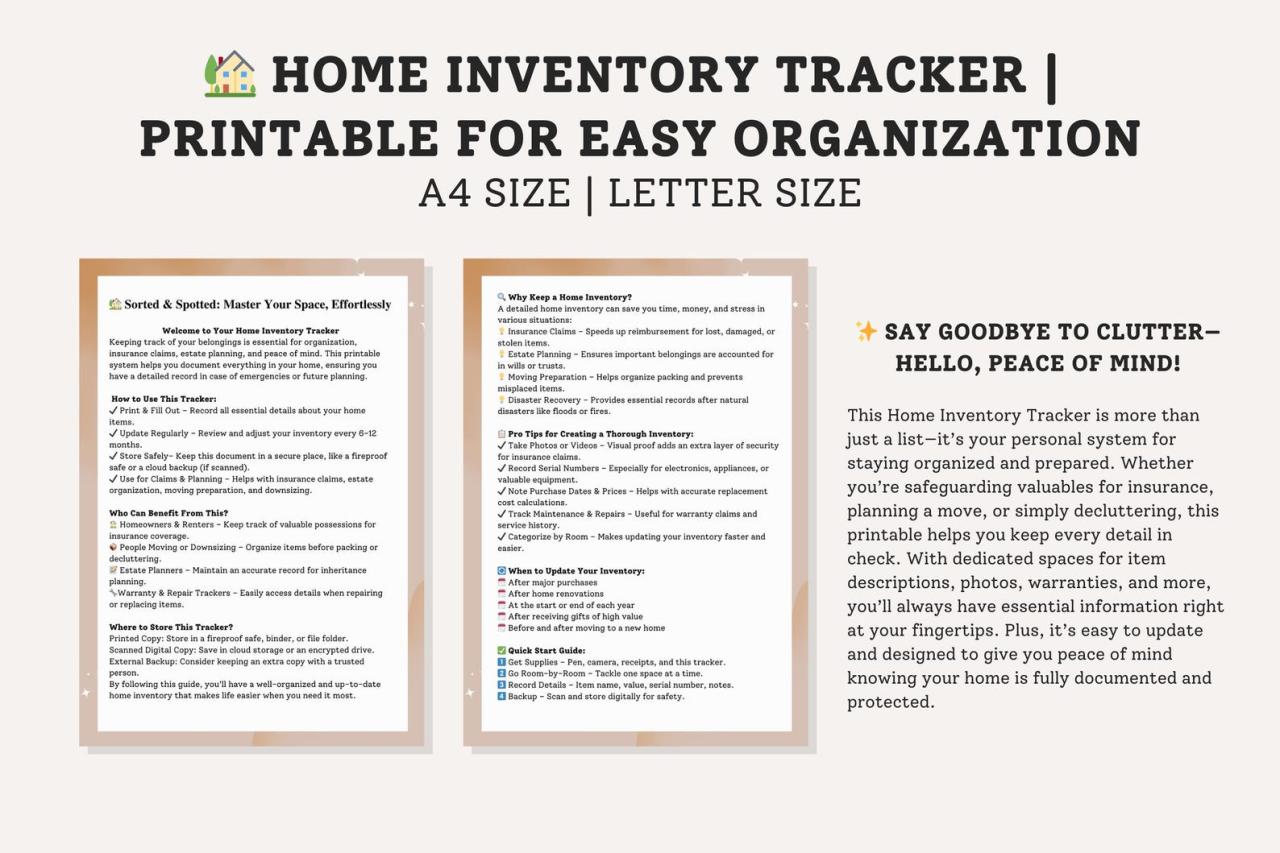
As the digital landscape evolves, home inventory tracker apps are poised for groundbreaking advancements. Emerging technologies such as artificial intelligence, machine learning, and the Internet of Things (IoT) are set to significantly influence these applications. By harnessing these technological advancements, developers can create more intuitive, efficient, and user-friendly inventory systems that cater to the evolving needs of homeowners.
The integration of advanced technologies will lead to a more streamlined and automated approach to inventory management. Users can expect features that not only make tracking easier but also enhance the overall efficiency of home management tasks. Emerging technologies will allow apps to analyze user patterns and preferences, enabling a more customized experience.
Integration with Smart Home Devices
The future of home inventory tracking is closely linked to the integration of smart home devices. This integration can provide significant enhancements in functionality and user experience. With the ability to connect to various smart devices, inventory tracker apps can offer seamless real-time updates and insights about household items.
As smart home technology becomes more prevalent, homes equipped with devices like smart fridges, smart cabinets, and smart sensors will allow for automatic inventory management. For instance, a smart fridge could track its contents and notify the inventory app of items nearing expiration, prompting the user to utilize them before they go bad.
The impact of integrating smart devices can be highlighted through the following points:
- Real-Time Data Synchronization: Smart devices can automatically update the inventory list, eliminating the need for manual entry.
- Increased Accuracy: By leveraging smart sensors, apps can provide precise counts of items, reducing human error in inventory tracking.
- Enhanced User Experience: With voice-activated commands and notifications from smart devices, users can effortlessly manage their inventory through everyday interactions.
- Predictive Analytics: Smart devices can analyze usage patterns and suggest purchasing or decluttering actions based on data collected over time.
- Remote Monitoring: Users can check their inventory from anywhere, ensuring they always have access to their household information.
Integrating AI-driven algorithms within these apps will further refine inventory management. By analyzing data trends, the app can recommend optimal purchasing schedules, thus helping users avoid overstocking or running out of essential items. For instance, if the app notices that a family frequently runs low on a specific household item, it could suggest scheduled reminders for reordering.
In summary, the evolution of home inventory tracker technology is set to revolutionize how households manage their belongings. As smart devices become increasingly integrated into everyday life, inventory apps will become indispensable tools, enhancing organization and efficiency within the home environment.
Closing Notes
In conclusion, the Home inventory tracker app is not just a tool; it’s an essential part of modern home management. By consolidating your assets, enhancing your insurance processes, and preparing you for potential disasters, this app ultimately empowers you to take control of your belongings. As technology continues to evolve, so too will these apps, making them even more indispensable for homeowners looking to simplify their lives.
Questions and Answers
What is a home inventory tracker app?
A home inventory tracker app is a digital tool designed to help homeowners manage and organize their belongings by documenting items, capturing photos, and categorizing assets for easy access.
Why should I use a home inventory tracker app?
Using a home inventory tracker app helps simplify the process of keeping track of your possessions, assists in insurance claims, and ensures you have a record of your belongings in case of theft or disaster.
How often should I update my home inventory?
It’s recommended to review and update your inventory at least once a year or whenever you acquire or dispose of significant items.
Can I access my home inventory from different devices?
Many home inventory tracker apps offer cloud backup and synchronization, allowing you to access your inventory from multiple devices, such as smartphones, tablets, and computers.
What security measures should I consider when using these apps?
Look for apps that offer encryption, password protection, and two-factor authentication to safeguard your sensitive information.