
Space-saving furniture ideas are essential for maximizing functionality in our increasingly compact living environments. As urban living spaces shrink, the need for innovative and efficient furniture solutions has never been greater. This approach not only optimizes space but also contributes to a more organized and serene atmosphere, allowing us to reclaim our homes from the chaos of clutter.
By integrating multi-functional pieces and contemporary designs, we can enhance both the aesthetics and practicality of our interiors. From foldable tables to convertible sofas, these creative solutions transform the way we interact with our spaces, making every square inch count. This article explores the various facets of space-saving furniture, offering insights into its benefits, designs, and practical applications in different rooms of the house.
Exploring the Benefits of Space-Saving Furniture in Small Living Areas
In today’s fast-paced world, the challenge of living in small spaces is more relevant than ever. As urban living rises, many individuals and families find themselves navigating the intricacies of limited square footage. Space-saving furniture offers innovative solutions, enhancing functionality while contributing to a more organized and aesthetically pleasing environment. These furniture pieces not only maximize utility but also play a significant role in fostering a sense of calm and order among homeowners.
The psychological impact of a clutter-free environment cannot be overstated. Living in a space that feels cramped and disorganized can lead to increased stress and anxiety. On the other hand, space-saving solutions encourage a structured layout, allowing individuals to enjoy their living area without the distractions of excess items. Research indicates that a tidy environment can enhance focus and productivity, significantly improving one’s overall well-being. The ability to easily access necessary items while minimizing visual clutter creates a calming atmosphere, reducing feelings of being overwhelmed. A well-designed, space-efficient home fosters not only comfort but also a sense of control over one’s surroundings, leading to improved mental health.
Examples of Multi-Functional Furniture Pieces
Multi-functional furniture serves as a cornerstone of space-saving designs, transforming limited areas into versatile living spaces. Here are some notable examples that demonstrate how these pieces can maximize living area utility:
- Sofa Beds: Ideal for small apartments or guest rooms, sofa beds can seamlessly transition from a comfortable sofa during the day to a cozy bed at night. This dual functionality allows homeowners to host guests without sacrificing living space.
- Storage Ottomans: These versatile pieces not only provide additional seating but also serve as hidden storage for blankets, books, or other miscellaneous items. This helps keep clutter at bay while maintaining a neat appearance.
- Wall-Mounted Desks: For those working from home or needing a study area, wall-mounted desks can fold away when not in use, leaving valuable floor space free. They combine workspace efficiency with aesthetic appeal.
- Nesting Tables: Perfect for small living rooms, nesting tables can be arranged together for larger gatherings or separated for individual use. They offer flexibility and can be easily tucked away to clear space.
- Murphy Beds: This classic space-saving solution allows for a bed to be pulled down from the wall when needed and stored away during the day, freeing up floor space for other activities.
Innovative Designs of Space-Saving Furniture for Modern Homes
In today’s rapidly evolving living spaces, the need for innovative space-saving furniture designs has never been greater. With urbanization leading to smaller homes and apartments, designers are increasingly challenged to create pieces that are not only functional but also aesthetically pleasing. The fusion of form and function in modern furniture design has led to exciting innovations that meet the demands of contemporary living while enhancing the overall ambiance of any space.
Unique Design Features of Contemporary Space-Saving Furniture
Contemporary space-saving furniture incorporates unique design elements that maximize functionality without compromising style. Some of the notable features include:
- Multi-functionality: Many pieces serve multiple purposes, such as a sofa that converts into a bed or a coffee table that expands into a dining table. This versatility is essential for optimizing small spaces.
- Modular Designs: Furniture that can be rearranged or combined in various configurations offers flexibility for different needs and occasions. This adaptability is particularly beneficial for dynamic living environments.
- Hidden Storage: Creative use of hidden compartments or built-in storage solutions helps to minimize clutter, allowing for a more organized and visually appealing space.
- Foldable and Collapsible Features: Folding chairs, collapsible desks, and wall-mounted tables can be easily tucked away when not in use, freeing up valuable floor space.
Importance of Aesthetics and Functionality in Furniture Design
In the realm of furniture design, aesthetics and functionality go hand in hand. The visual appeal of furniture can significantly influence the overall atmosphere of a room, making it essential for designers to strike a balance between beauty and practical use.
- Visual Cohesion: Well-designed furniture contributes to the aesthetic harmony of a space, complementing existing decor and enhancing the homeowner’s style.
- User Experience: Comfort and usability affect how individuals interact with their environment. Furniture that is pleasing to the eye yet functional can improve day-to-day living experiences.
- Trends and Personalization: As designers incorporate current trends into their work, they encourage personal expression. Customized designs allow individuals to showcase their unique tastes while ensuring the furniture meets their spatial needs.
Innovative Materials Used in Space-Saving Furniture Production
The production of space-saving furniture has also seen advancements in material technology, leading to lighter, stronger, and more sustainable options. Some innovative materials include:
- Engineered Wood: Plywood and MDF (medium-density fiberboard) are popular for their durability and versatility, allowing for intricate designs while remaining lightweight.
- Recycled Materials: Eco-friendly options, such as furniture made from reclaimed wood or recycled plastics, are gaining traction as sustainability becomes a priority for consumers.
- Metal Alloys: Lightweight metals, like aluminum and steel, are often used for frameworks and supports, providing strength without adding bulk, which is essential for space-saving designs.
- Textiles with Advanced Properties: Fabrics that are water-resistant, stain-repellent, or easy to clean are increasingly integrated into furniture designs, enhancing their practicality in real-world use.
“Innovative design in space-saving furniture is not just about saving space; it’s about enhancing lifestyle and promoting a seamless blend of comfort and aesthetics.”
Creative Ideas for Incorporating Space-Saving Furniture in Different Rooms
In today’s fast-paced world, living spaces are often limited, making space-saving furniture an essential element in modern home design. By strategically incorporating multifunctional and compact pieces, homeowners can optimize their living areas without sacrificing style or comfort. This guide explores creative ways to integrate space-saving furniture into key rooms of your home, enhancing both functionality and aesthetic appeal.
Living Room Solutions
The living room serves as the heart of the home, where families gather and entertain. Employing space-saving furniture can free up valuable floor space while still providing comfort and style. Consider the following options for maximizing this area:
- Convertible Sofas: A sofa bed or a sectional with a pull-out bed allows for hosting guests without requiring a dedicated guest room.
- Ottoman with Storage: An ottoman that doubles as storage enables you to keep the space tidy while providing additional seating options.
- Wall-Mounted Shelves: Installing shelves above seating areas keeps books and decor organized, freeing up floor space.
In arranging these pieces, ensure that pathways remain clear, and that the layout fosters conversation and movement. High-quality brands like
West Elm and CB2
offer stylish options that blend functionality with modern design.
Bedroom Innovations
The bedroom is a personal sanctuary, and efficient use of space can make it more relaxing and functional. Here are some inventive solutions for incorporating space-saving furniture:
- Murphy Beds: These fold-down beds provide a comfortable sleeping option without occupying floor space during the day.
- Under-Bed Storage Solutions: Utilizing storage bins or drawers under the bed helps in managing seasonal clothing and accessories.
- Beds with Built-In Drawers: Opting for a bed frame with drawers can eliminate the need for a separate dresser.
When arranging the bedroom, focus on maintaining an open feel. Position the bed away from the door to create an inviting layout. Brands such as
IKEA and Wayfair
excel in offering versatile bedroom solutions.
Office Configuration
Working from home has become increasingly common, making the home office a vital space. Space-saving furniture can create a productive work environment without overwhelming the room. Consider these ideas:
- Foldable Desks: A foldable desk can be stored away when not in use, ideal for small spaces.
- Stackable Chairs: Stackable seating can be added for guests and easily stored when not needed.
- Wall Desks: A wall-mounted desk or a floating shelf can serve as a workspace without taking up floor space.
To enhance productivity, arrange the office to maximize natural light and create a comfortable atmosphere. Brands such as
Herman Miller and Autonomous
provide ergonomic and stylish options tailored for home offices.
Space-Saving Furniture for Small Apartments
Living in a small apartment can be a delightful yet challenging experience. Space is often limited, and making the most of every square foot becomes essential. Small apartment dwellers frequently grapple with the challenge of fitting necessary items into a compact area while maintaining a sense of style and comfort. Space-saving furniture serves as a solution, transforming how residents utilize their living spaces, enabling them to create functional, stylish environments without feeling cramped.
The right space-saving furniture can make a significant difference in maximizing the utility of small living areas. By selecting pieces designed specifically for efficiency, individuals can tackle common issues like lack of storage, limited seating, and the need for multi-functionality. This approach not only enhances the overall aesthetic of the apartment but also ensures that it meets the practical needs of the residents.
Essential Space-Saving Furniture Pieces for Apartment Living
To achieve an organized and stylish small apartment, certain furniture pieces are essential. Incorporating these items can help optimize your space and provide the functionality needed in a compact living environment.
- Murphy Bed: This space-saving solution folds up against the wall when not in use, freeing up floor space for other activities.
- Expandable Dining Table: These tables can be adjusted to fit the number of guests, allowing for both intimate meals and larger gatherings without compromising space.
- Storage Ottoman: Providing a dual function, these pieces serve as seating while offering hidden storage for blankets, books, and other items.
- Wall-mounted Shelves: Utilizing vertical space can significantly reduce clutter; wall shelves can hold books, decorative items, or plants.
- Foldable Chairs: Easy to store and pull out for extra seating, these chairs are perfect for entertaining guests without taking up precious space.
Personalizing space-saving furniture allows residents to reflect their unique styles while ensuring functionality. This balance between aesthetics and practicality can be achieved through several methods:
1. Color and Finish Choices: Opting for paint or stain colors that resonate with personal tastes can seamlessly integrate the furniture with the overall decor. For example, a vibrant color on a storage ottoman can serve as a statement piece in a neutral-toned room.
2. Textiles and Fabrics: Using different fabric covers for ottomans, chair cushions, or pillows can dramatically change the look and feel of space-saving furniture. Soft textures, bright patterns, or even custom prints can lend individuality to each piece.
3. Accessories and Décor: Enhancing space-saving furniture with accessories such as decorative throw pillows, colorful blankets, or artwork can personalize the area. For instance, a minimalist Murphy bed can be adorned with chic bedding that reflects one’s personality.
4. DIY Customization: Engaging in do-it-yourself projects can lead to unique pieces that stand out. Painting, reupholstering, or even adding new hardware to a dresser can create a customized look that fits personal style.
5. Functional Decor: Choosing decor that serves a purpose—like decorative baskets for storage or wall art that conceals shelves—adds both functionality and personal flair to the furniture.
By combining these elements, residents can create a harmonious living space that feels uniquely theirs while maximizing the advantages of space-saving furniture.
The Evolution of Space-Saving Furniture
Throughout history, the quest for maximizing living space has driven the design of furniture. From cleverly crafted pieces in ancient times to sleek, multifunctional units today, space-saving furniture has evolved significantly. This transformation reflects not only advancements in materials and technology but also changing lifestyles and cultural influences. Understanding this evolution provides insight into how our living environments adapt to modern needs.
Historical Designs Compared to Current Trends
Historical space-saving furniture often incorporated practical design elements that responded to the limitations of smaller living spaces. For instance, folding tables and stackable chairs were common in homes where space was at a premium. These designs were typically made from heavy woods and were quite robust, serving the dual purpose of functionality and durability.
In contrast, modern space-saving furniture trends emphasize a blend of aesthetics, minimalism, and ergonomics. Manufacturers now utilize lightweight materials like aluminum and molded plastics, allowing for sleek designs that can effortlessly transition from one form to another. An example includes Murphy beds, which have evolved from basic pull-down mechanisms to sophisticated wall systems featuring storage compartments and integrated lighting.
Modern consumers increasingly demand flexibility and adaptability in their furniture. For instance, sofa beds today often come with built-in storage, providing practical solutions without sacrificing style. This shift towards multifunctionality highlights the current trends in living spaces where aesthetic appeal and utility must coexist.
Influence of Technology on Space-Saving Solutions
Technological advancements have played a pivotal role in the development of contemporary space-saving furniture. Innovations in manufacturing processes, such as CNC machining and 3D printing, allow for more intricate designs that maximize function without compromising on style. For instance, furniture pieces can now be designed to quickly convert between different uses, such as a desk that transforms into a dining table.
Moreover, smart technology integration is becoming increasingly common. Furniture can include built-in charging stations, lighting that adapts to different activities, and even IoT capabilities that allow remote control of components. These features not only enhance usability but also reflect a lifestyle that merges technology with everyday living.
Cultural Influences on Global Designs
Cultural influences significantly shape the designs of space-saving furniture across different regions. For example, in Japanese culture, the traditional tatami mat practice has led to the creation of furniture that is low to the ground and easily storable, like futons and low tables that can be tucked away after use. This reflects a minimalist approach, valuing simplicity and functionality above all.
In contrast, Scandinavian design emphasizes clean lines and functionality, focusing on furniture that is both beautiful and practical. Pieces often incorporate natural materials and light colors, reflecting the region’s connection to nature and light. The use of modular furniture in this context allows for customized arrangements that cater to varying needs in smaller living spaces.
Global trends also demonstrate how furniture adapts to urban living challenges. For instance, in metropolitan areas with high real estate prices, designers are increasingly creating multifunctional furniture that can cater to a lifestyle where space is limited, like convertible coffee tables and foldable dining sets. These adaptations make it possible for individuals living in compact apartments to fully utilize their space while maintaining comfort and style.
DIY Space-Saving Furniture Ideas for the Creative Homeowner
Creating your own space-saving furniture pieces is not only a practical solution for small living spaces but also a rewarding DIY project that allows you to showcase your creativity. With some basic tools and materials, you can design functional furniture that fits perfectly in your home while maximizing your available space. This guide will provide you with step-by-step procedures to create your own space-saving furniture, discuss essential materials and tools, and share success stories from other DIY enthusiasts.
Step-by-Step Procedures for Space-Saving Furniture
Making your own furniture can be an enjoyable way to personalize your living space. Below are a few popular DIY space-saving furniture projects along with their steps:
1. Foldable Wall Desk
– Materials needed: Plywood, brackets, screws, wall anchors, and varnish.
– Tools required: Drill, saw, level, and measuring tape.
– Procedure:
– Measure the desired height and width of your desk.
– Cut the plywood to the measured size for the desk surface.
– Attach the brackets to the wall at the desired height.
– Secure the desk surface onto the brackets.
– Apply varnish for a polished look.
– This desk can fold up against the wall when not in use, saving floor space.
2. Storage Ottoman
– Materials needed: Upholstered foam, wood for the base, hinges, and fabric.
– Tools required: Staple gun, saw, and drill.
– Procedure:
– Build a wooden box for the base and lid.
– Cut upholstery foam to fit the lid and staple fabric over it.
– Attach the foam lid to the box with hinges.
– Fill the box with items you want to store.
– This versatile piece serves both as a seat and hidden storage.
3. Murphy Bed
– Materials needed: Plywood, mattress, gas springs, and screws.
– Tools required: Drill, saw, and level.
– Procedure:
– Measure the mattress size and cut the plywood accordingly.
– Build a frame that will hold the mattress vertically against the wall.
– Install gas springs to assist with lifting the bed into the wall.
– Ensure the frame is secure and level before adding the mattress.
– A Murphy bed allows you to transform a room from a bedroom to a living area in seconds.
Popular Materials and Tools for DIY Projects
Selecting the right materials and tools is crucial for successful DIY furniture projects. Here’s an overview of commonly used items:
– Materials
– Plywood: A versatile and sturdy material ideal for many projects.
– MDF (Medium Density Fiberboard): Great for making furniture with a smooth finish.
– Upholstery Foam: Used for seating and cushioning.
– Hinges and Brackets: Essential for foldable and movable parts.
– Tools
– Drill: For creating holes and driving screws.
– Saw: A necessary tool for cutting wood to size.
– Measuring Tape: Ensures accurate dimensions for proper fitting.
– Level: For ensuring your furniture is straight and even.
Utilizing quality materials and tools not only enhances durability but also improves the overall aesthetics of the finished product.
Success Stories from DIY Enthusiasts
Many individuals have shared their success stories after implementing DIY space-saving solutions. Here are a couple of inspiring examples:
– Emma’s Transformation: Emma lives in a small studio apartment and found her space cramped. After building a foldable wall desk, she now has a functional workspace that disappears when not in use. “I love how it gives me a proper office feel without taking up my living space,” she said.
– James’ Clever Ottoman: James wanted a seating option that doubled as storage. By creating his own storage ottoman, he not only gained extra seating but also a stylish place to store blankets and books. “It has become a focal point in my living room!” he proudly shared.
These stories show that DIY projects not only solve practical problems but also add a personal touch to home décor, making them both functional and beautiful.
Sustainability in Space-Saving Furniture
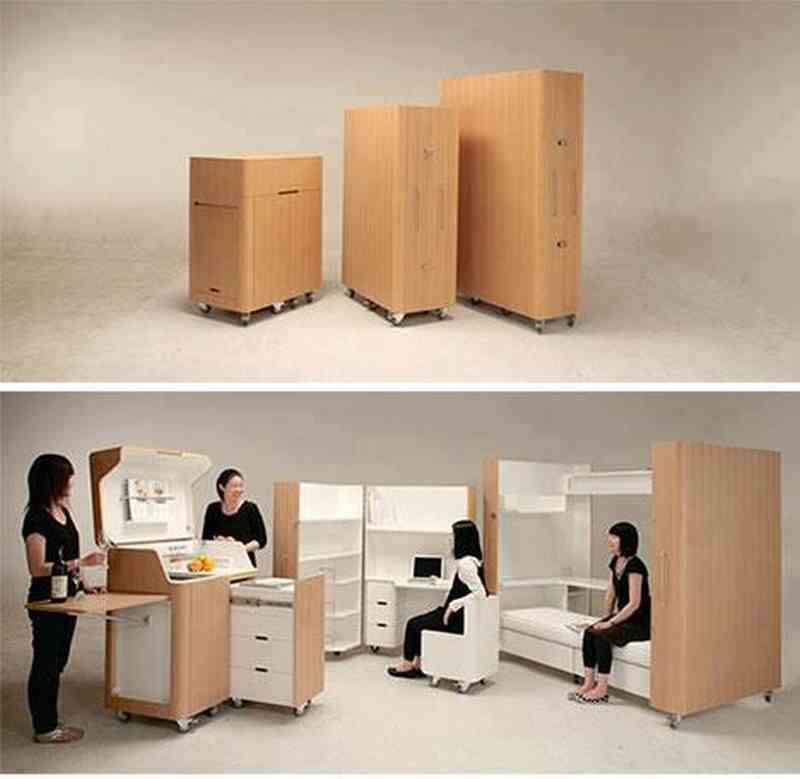
The growing awareness of environmental issues has led to a significant shift in the furniture industry, particularly in the realm of space-saving designs. As urbanization increases and living spaces become smaller, the demand for functional yet eco-friendly furniture grows. Sustainable practices are not only about minimizing waste but also about creating long-lasting products that benefit both consumers and the planet. This trend toward sustainability is reshaping how designers approach the creation of compact furniture solutions.
Sustainable materials play a crucial role in the production of space-saving furniture. By opting for resources that are renewable, recyclable, or made from reclaimed materials, manufacturers can significantly reduce their environmental footprint. The use of sustainable materials often results in lower emissions during production and contributes to the conservation of natural resources. For instance, bamboo and reclaimed wood are becoming popular choices for furniture makers, as they offer durability while minimizing ecological impact. Moreover, these materials often possess aesthetic qualities that appeal to consumers looking for both style and sustainability in their home décor.
Comparison of Sustainable Furniture Brands with Space-Saving Designs
Various brands are leading the charge in combining sustainability with innovative space-saving furniture solutions. These brands not only focus on eco-friendly materials but also emphasize practical designs that cater to modern living spaces. Here are notable examples of brands making strides in this area:
- IKEA: Known for its flat-pack furniture, IKEA has been incorporating sustainable materials into its products. The brand aims to use 100% renewable and recycled materials by 2030, and many of its space-saving items are made from sustainably sourced wood and plastics.
- Resource Furniture: This brand specializes in multi-functional furniture that maximizes space. Their products are crafted with eco-friendly materials, allowing for stylish and sustainable solutions for small living areas.
- Greenington: Greenington offers a range of bamboo furniture, an incredibly sustainable material due to its rapid growth. Their space-saving designs not only look elegant but also promote responsible forestry practices.
- West Elm: This brand focuses on sustainably sourced materials and partners with artisans to create handcrafted furniture. Their compact options often feature sustainable wood and other eco-friendly materials.
Choosing furniture from these brands not only enhances the aesthetic of your space but also supports eco-conscious practices. With the increasing availability of sustainable options, consumers have more power to make informed choices that align with their values, leading to a greener future for the furniture industry.
The Role of Technology in Enhancing Space-Saving Furniture
In today’s fast-paced world, where living spaces are becoming increasingly compact, technology plays a pivotal role in innovation. Space-saving furniture is no longer just about clever designs; it now integrates smart technology that makes living more efficient. This dynamic blend of practicality and modernity allows homeowners to maximize their space while enjoying the conveniences of technology.
Tech-enabled furniture is designed to adapt to the needs of contemporary living. One significant advantage of these innovations is their ability to optimize space utilization. Smart furniture often features multifunctionality, allowing one piece to serve multiple purposes. For instance, a sofa that transforms into a bed or a coffee table that doubles as a work desk exemplifies how technology can help in reducing clutter and enhancing usability.
Moreover, smart furniture often incorporates features such as adjustable heights, built-in charging ports, and integrated storage solutions. This adaptability ensures that users can reconfigure their living space according to their requirements without compromising comfort or style. The ability to control various functionalities through mobile apps, voice commands, or remote controls adds another layer of convenience, making it easier to manage a limited living area efficiently.
Emerging Trends in Smart Furniture Solutions
As the demand for space-saving solutions grows, several trends are emerging in the realm of smart furniture, which cater specifically to the needs of urban dwellers and those with limited space.
Key trends include:
- Modular Designs: Modular furniture allows users to customize their setups easily. Pieces can be rearranged or added as needed, providing flexibility in adapting to different spaces.
- Integrated Technology: Many new designs incorporate technology seamlessly, such as wireless charging surfaces and smart home integration, enabling users to control lighting and temperature from their furniture.
- Smart Storage Solutions: Innovative storage options are becoming part of furniture design, such as hidden compartments in beds and sofas that help maximize space while maintaining an uncluttered look.
- Eco-Friendly Materials: The use of sustainable materials in furniture design is on the rise, appealing to environmentally-conscious consumers who seek both functionality and responsibility.
- Health and Wellness Features: Some modern furniture includes ergonomic designs that improve posture and comfort, along with features like built-in massagers or heating elements that promote relaxation.
This convergence of technology and design not only supports efficient space usage but also enhances the overall living experience, making it more enjoyable and tailored to individual lifestyles. As we look to the future, the synergy between smart technology and space-saving furniture will continue to evolve, meeting the diverse needs of urban life.
Final Conclusion
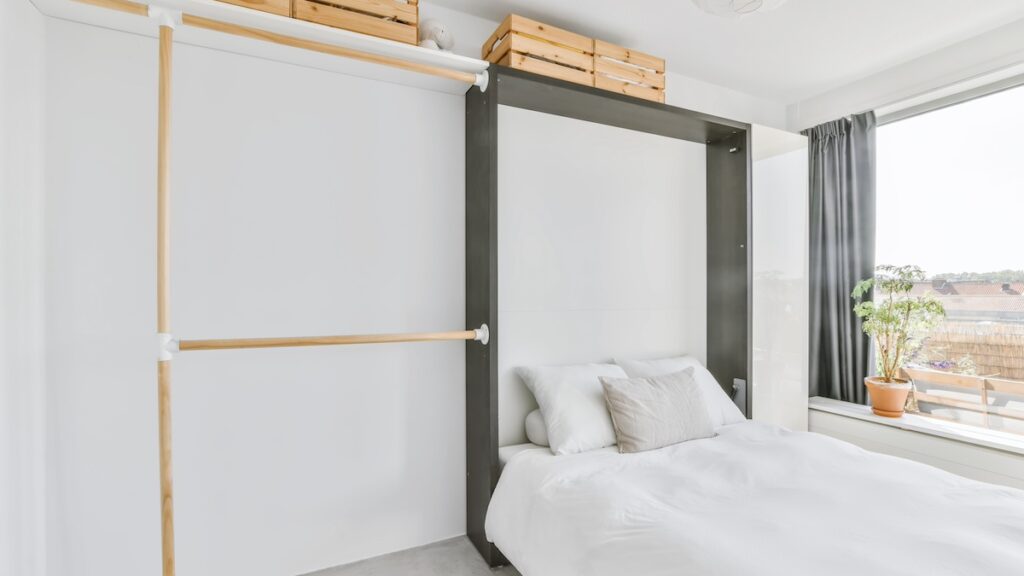
In summary, embracing space-saving furniture ideas not only elevates our living areas but also fosters a lifestyle that values simplicity and efficiency. By incorporating innovative designs and sustainable materials, we can create environments that reflect our personal style while optimizing space. The journey towards a more functional and aesthetically pleasing home begins with the right furniture choices, making it easier to live comfortably in any setting.
FAQ Explained
What are space-saving furniture solutions?
Space-saving furniture solutions are designs that maximize functionality and minimize physical footprint, allowing for efficient use of limited space.
How can I personalize space-saving furniture?
You can personalize space-saving furniture by selecting colors, materials, and styles that reflect your personal taste, or by adding custom elements like cushions or decorative accessories.
Are DIY space-saving furniture projects cost-effective?
Yes, DIY space-saving furniture projects can be cost-effective, as they allow you to use materials you may already have and tailor designs to your specific needs and budget.
What are some popular materials used in space-saving furniture?
Common materials include engineered wood, metal, and eco-friendly options like bamboo, which are durable yet lightweight, making them ideal for space-saving designs.
Can technology enhance space-saving furniture?
Absolutely! Smart technologies can be integrated into space-saving furniture to optimize functionality, such as adjustable desks that can convert from sitting to standing positions.