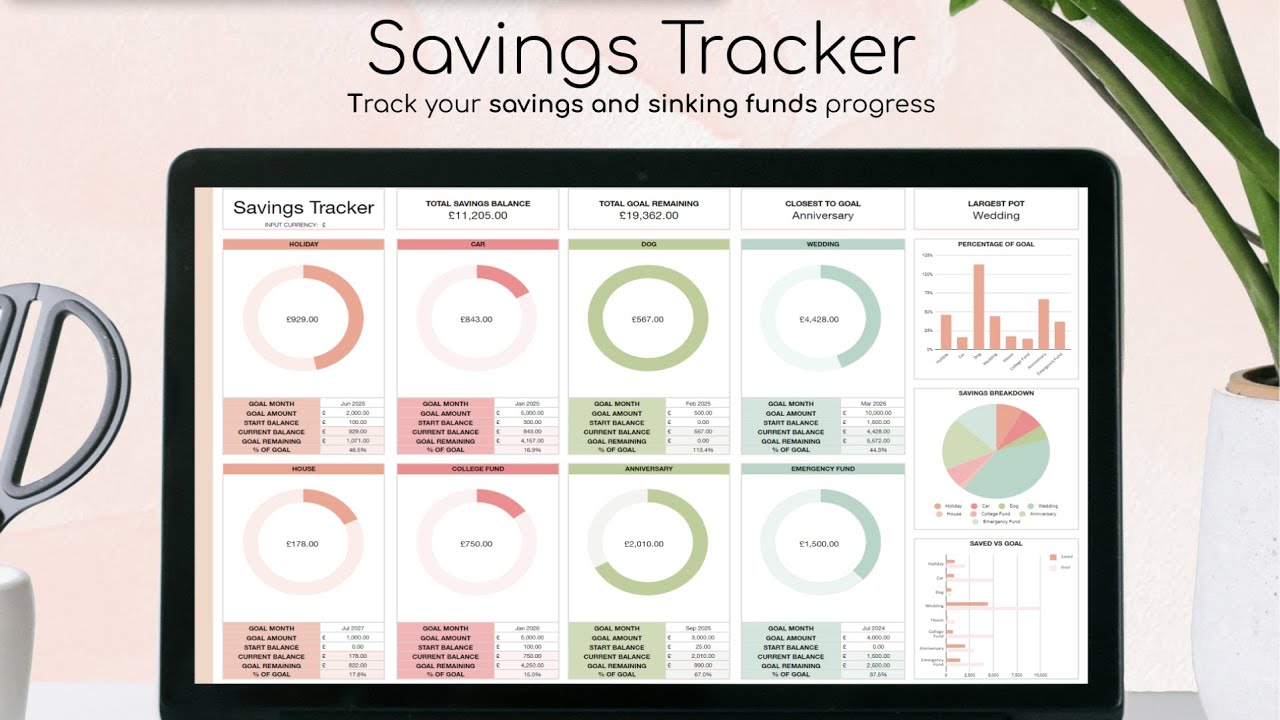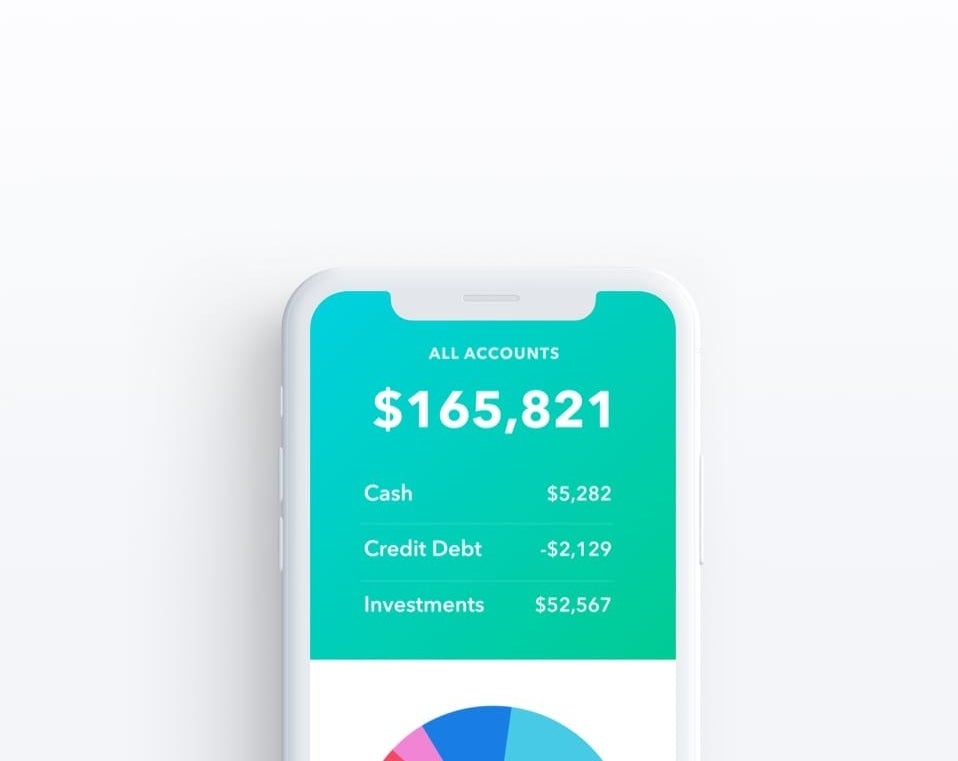
Organization apps have become indispensable tools in managing our busy lives. As our daily responsibilities grow, these apps offer a means to streamline tasks, boost productivity, and improve time management. Whether you’re juggling personal commitments or managing a professional workload, the right organization app can transform how you approach your day-to-day activities.
From simple to-do lists to comprehensive project management systems, organization apps cater to various scenarios where efficiency is key. Users have reported significant improvements in their routines, often citing the ability to prioritize tasks and set reminders as game-changers. These apps not only help individuals stay on track but also empower teams to collaborate effectively, ensuring that everyone is aligned and focused on shared goals.
The Importance of Using an Organization App in Daily Life
In today’s fast-paced world, the challenge of managing time and tasks effectively is more pressing than ever. This is where organization apps come into play, providing tools that help individuals streamline their lives, both personally and professionally. These apps serve as digital assistants, ensuring that users can balance their responsibilities while reducing stress and enhancing productivity.
Organization apps enhance productivity by allowing users to consolidate their tasks, schedules, and reminders into one accessible platform. By doing so, users can prioritize their daily activities and manage their time more efficiently. For instance, an app can help track deadlines, set achievable goals, and establish a clear plan for the day’s or week’s tasks. This level of organization not only increases efficiency but also minimizes the risk of overlooking important commitments.
Scenarios Demonstrating the Value of Organization Apps
There are numerous scenarios in which organization apps can significantly impact daily routines. Consider the busy professional juggling multiple projects and deadlines. Using an organization app, they can keep track of important meetings, set reminders for project milestones, and allocate time for focused work sessions. This structured approach leads to better time management and ultimately, higher productivity.
Similarly, students can benefit from organization apps by managing their study schedules, assignment due dates, and exam preparations. For example, a student may use an app to create a study plan that allows them to break down large projects into smaller, manageable tasks. This strategy not only enhances learning but also alleviates the anxiety that comes with last-minute cramming.
Homeowners and parents can also find value in organization apps. Managing a household involves a myriad of tasks, from grocery lists to family schedules. An organization app can help families coordinate activities, track supplies needed for events, and even set reminders for bill payments. This ensures that nothing falls through the cracks and helps maintain a sense of order in everyday life.
Many users have transformed their routines through the utilization of organization apps. For example, a freelance graphic designer might have struggled with project management before adopting a specific app. Through the app, they’ve learned to set deadlines, communicate with clients effectively, and track their billable hours. As a result, they’ve seen a marked improvement in both their work-life balance and income.
“Organization apps empower users to reclaim their time, turning chaos into clarity.”
Key Features to Look for in an Organization App

In today’s fast-paced world, organization apps have become essential tools for managing tasks, schedules, and information efficiently. When searching for the right organization app, it’s important to identify features that enhance productivity and cater to diverse user needs. The following points highlight key features that should be considered when selecting an organization app.
Essential Features for an Organization App
The following features are critical for an effective organization app, as they not only promote productivity but also enhance the user experience:
- User-Friendly Interface: A clean and intuitive interface helps users navigate the app easily, reducing the learning curve and making it accessible for individuals of all skill levels.
- Task Management: Robust task management capabilities, including task creation, assignment, and tracking, allow users to oversee multiple projects simultaneously. Features like due dates, priority levels, and progress tracking are vital.
- Calendar Integration: Seamless integration with calendars (Google Calendar, Outlook, etc.) helps users manage their schedules efficiently by bridging task deadlines with personal appointments and commitments.
- Collaboration Tools: Features that enable team collaboration, such as shared task lists, comments, and file sharing, are essential for organizations that rely on teamwork to achieve goals.
- Advanced Search Functionality: A powerful search feature enables users to quickly locate documents, tasks, and notes, saving time and enhancing productivity when needed information is just a click away.
Importance of Customizable Options
Customizable options are crucial in organization apps as they allow users to tailor the app to fit their unique preferences and workflows. The flexibility to modify aspects like themes, notifications, and layout significantly enhances user satisfaction. Customization ensures that users can create a personalized experience that aligns with their individual needs, making the app more effective for their specific context. For instance, a user might prefer a minimalist design to reduce distractions, while another may want to prioritize visual elements to enhance engagement.
“Customization empowers users to mold their organization apps into efficient tools that cater to their unique working styles.”
Advanced Features Enhancing User Experience
Advanced features such as reminders and integrations can significantly elevate the user experience in organization apps. Reminders serve as prompts to keep users on track with their tasks and deadlines, reducing the likelihood of missed appointments or overdue responsibilities.
Integrations with other tools, such as project management software, communication platforms, and file storage services, allow for a cohesive ecosystem that streamlines workflows. For example, an organization app that integrates with a file storage service can enable users to attach documents directly to their tasks, enhancing accessibility and collaboration. This interconnectedness fosters a more efficient workflow, as users can move seamlessly between different applications without losing valuable time.
“Integrations transform organization apps into central hubs, making it easier for users to manage their tasks, communications, and resources in one place.”
The Role of Mobile Accessibility in Organization Apps
In today’s fast-paced lifestyle, the demand for mobile accessibility in organization apps has become increasingly vital. With users constantly on the move, the ability to access organizational tools seamlessly from their mobile devices is essential. This not only enhances productivity but also ensures that users can stay organized and informed at all times, regardless of their location.
Mobile-friendly design significantly contributes to user engagement and satisfaction. A responsive interface that adapts to different screen sizes allows users to interact with the app effortlessly, leading to a more enjoyable experience. This design approach minimizes frustration, encourages longer usage sessions, and fosters a habit of returning to the app regularly. When users find an app easy to navigate on their mobile devices, they are more likely to explore its features and utilize its full potential.
Examples of Popular Organization Apps with Mobile Functionality
Several organization apps excel in providing seamless mobile functionality, showcasing the importance of mobile accessibility. Here are a few noteworthy examples:
- Todoist: This task management app offers a clean, intuitive mobile interface that allows users to create and manage tasks effortlessly. Its cross-platform synchronization ensures that changes made on mobile devices are reflected in real-time across all platforms.
- Trello: Trello’s mobile app presents a visual organization system perfect for managing projects on the go. Users can drag and drop cards, checklists, and attachments, making project management not only mobile-friendly but also engaging and interactive.
- Evernote: Evernote’s mobile app allows users to take notes, capture images, and record voice memos anytime, anywhere. Its accessibility enables users to organize their thoughts and tasks efficiently, ensuring nothing falls through the cracks.
- Google Calendar: With its mobile app, Google Calendar ensures users stay organized with events and reminders at their fingertips. The integration with other Google services enhances its functionality and accessibility, making it a go-to tool for scheduling.
The presence of mobile functionality in these apps highlights the importance of accessibility. Users can manage their tasks, schedules, and projects from any location, ensuring they remain productive and organized no matter how dynamic their lives may be. The seamless experience provided by mobile accessibility enhances overall satisfaction and encourages users to fully engage with the app’s capabilities.
Comparing Free vs. Paid Organization Apps
When it comes to choosing an organization app, users often face the dilemma of selecting between free and paid options. Each type has its own set of advantages and disadvantages, which can significantly influence productivity and efficiency in managing tasks and projects. Understanding these differences is crucial for making an informed decision that aligns with personal or team needs.
The primary distinction between free and paid organization apps lies in the features and functionalities they offer. While free apps provide basic tools for task management and scheduling, paid alternatives typically come with a suite of advanced features that enhance user experience and organizational capabilities. These features can include enhanced collaboration tools, custom integrations, priority customer support, and advanced analytics. The additional functionalities offered by paid apps often justify the investment for users who require more than just fundamental organizational tools.
Pros and Cons of Free and Paid Organization Apps
To better understand the differences between free and paid organization apps, the following points Artikel their respective advantages and disadvantages:
- Free Organization Apps:
- Accessible to everyone, making them a great starting point for individuals and small teams.
- Basic features are often sufficient for simple task management and scheduling.
- No financial commitment, allowing for exploration without risk.
- Community support and peer-driven advice can be readily found online.
- Paid Organization Apps:
- Advanced features like project tracking, reporting, and integration with other tools significantly improve productivity.
- Priority support ensures timely assistance, reducing downtime.
- Regular updates and new features enhance overall functionality and user experience.
- Increased data security and privacy options protect sensitive information, which is crucial for businesses.
User testimonials highlight the transformative effect of transitioning from free to paid organization apps. Many users report improved workflow management and enhanced collaboration after upgrading. For instance, one user stated,
“Switching to a paid app changed the way my team collaborates. The integration with our calendar and task management tools made everything seamless.”
Another user mentioned,
“The reporting features saved us hours of work each week, making the investment worth every penny.”
These experiences underscore the value that paid apps can bring, particularly for teams and individuals looking for robust organizational solutions.
How Organization Apps Foster Collaboration in Team Settings
In today’s fast-paced work environment, organization apps play a crucial role in enhancing collaboration among team members. These digital tools streamline communication, facilitate project management, and ensure that everyone stays on the same page, irrespective of their physical location. With numerous features designed specifically for teamwork, organization apps are not just about keeping tasks organized but also about fostering a cohesive team dynamic.
Organization apps are equipped with various features that enable effective teamwork and communication. These include shared task lists, project timelines, and real-time messaging capabilities, which are essential for streamlining collaborative efforts. By having a centralized platform, team members can easily assign tasks, set deadlines, share files, and provide feedback, which ultimately leads to improved productivity and accountability.
Features Supporting Collaboration
Several features of organization apps significantly enhance collaboration within teams. Understanding these functionalities can help teams leverage them to their fullest potential:
- Shared Task Lists: These allow team members to view, update, and manage tasks collectively, leading to greater transparency and responsibility.
- Project Timelines: Visual representations of project milestones help teams stay aware of deadlines and track progress, ensuring timely completion of tasks.
- Real-Time Messaging: Instant communication tools enable team members to discuss issues as they arise, reducing the time spent on back-and-forth emails.
- File Sharing: Quick sharing of documents within the app keeps everyone up to date with the latest information needed to complete their tasks.
- Integration with Other Tools: Many organization apps can integrate with other platforms, enhancing functionality and ensuring that teams can work seamlessly across different applications.
“The best teamwork comes from men who are working independently toward one goal in unison.”
Case Studies of Improved Workflow
Numerous organizations have successfully implemented collaborative organization apps, resulting in enhanced workflow and team efficiency. One notable example is a marketing agency that adopted an organization app to manage its campaign processes. By using shared task lists and project timelines, the agency was able to reduce project turnaround time by 25%, as team members could easily track tasks and deadlines in real-time.
Another example can be seen in a tech start-up that utilized a collaborative app to streamline its product development process. With the integration of real-time messaging and file-sharing capabilities, the development team shortened its feedback loops, leading to faster iterations of their product and a significant increase in team morale and engagement.
These case studies illustrate the tangible benefits that organization apps can provide in fostering collaboration, improving communication, and ultimately driving success within teams. By embracing these tools, organizations can create a more collaborative environment that encourages productivity and innovation among their members.
User Experience Design in Organization Apps
In the realm of organization apps, user experience design plays a pivotal role in determining how effectively users can interact with the application. A well-designed user interface can significantly enhance usability, ensuring that users can navigate through the app smoothly and accomplish their tasks efficiently. This focus on user experience not only leads to higher satisfaction but also increases productivity and engagement among users.
An intuitive user interface is essential in enhancing the usability of organization apps. When users encounter a design that feels familiar and easy to understand, they can quickly get accustomed to its functionalities without extensive training or guidance. This is particularly important in a fast-paced work environment where time is of the essence. A seamless user experience can prevent frustration and confusion, allowing users to focus on their work rather than struggling with the app.
Importance of Intuitive Design
Effective design addresses common user challenges by simplifying complex tasks and reducing cognitive load. Here are several ways in which user challenges can be minimized through thoughtful design:
- Clear Navigation: Intuitive navigation structures help users find what they need without unnecessary clicks. For instance, apps that categorize features logically allow users to easily locate tools they frequently use.
- Consistent User Interface: Maintaining a consistent look and feel across the app reduces learning time and helps users predict what to expect as they interact with different sections.
- Responsive Design: Ensuring that the app works well on various devices enhances accessibility, allowing users to manage their tasks from desktops, tablets, or smartphones.
- Feedback Mechanisms: Providing immediate feedback for user actions, such as confirmations or error messages, helps guide users effectively through the process, reducing uncertainty and enhancing user confidence.
Designers can take inspiration from organization apps that excel in user experience. Below are a few notable examples that demonstrate outstanding user experience design, showcasing key features that set them apart:
Exemplary Organization Apps
Several organization apps have distinguished themselves through exceptional user experience design. These applications incorporate user-centered principles that facilitate efficiency and satisfaction.
- Trello: Trello employs a card-and-board system that visually represents tasks, making it easy for users to manage projects collaboratively. Its drag-and-drop functionality allows for effortless task organization and prioritization.
- Asana: Asana features a clean dashboard where users can view projects and tasks at a glance. The use of color coding and filters enables users to customize their view, enhancing clarity and focus.
- Notion: Notion combines notes, tasks, databases, and calendars in a single interface. Its modular approach allows users to create a workspace tailored to their specific needs, fostering creativity and adaptability.
- Microsoft Teams: Microsoft Teams integrates communication and collaboration tools effectively. The user-friendly interface supports seamless video calls, file sharing, and project management, promoting a cohesive workflow.
In summary, the user experience in organization apps is paramount for ensuring usability and satisfaction. By focusing on intuitive design elements, addressing potential challenges, and taking cues from successful apps, developers can create solutions that genuinely enhance productivity and user engagement.
Future Trends in Organization Apps

As we look towards the future, organization apps are set to undergo significant transformations driven by emerging trends and technologies. These advancements are reshaping how individuals and teams manage their tasks, enhance productivity, and collaborate in increasingly complex work environments. Understanding these trends is essential for users and developers alike to stay ahead in the ever-evolving landscape of organizational tools.
One of the most transformative forces in this space is the integration of artificial intelligence (AI) and machine learning (ML). These technologies are not just enhancing existing features but are also paving the way for new functionalities within organization apps. For instance, AI algorithms can analyze user behavior and preferences, enabling apps to offer tailored recommendations for task management and scheduling. This level of personalization creates a more user-friendly experience, allowing individuals to focus on what matters most while the app learns and adapts to their unique workflows.
Impact of AI and Machine Learning on Personalization Features
The incorporation of AI and ML into organization apps is revolutionizing how these tools cater to user needs. By leveraging data analytics and user feedback, future organization apps are expected to offer highly personalized experiences. This could manifest in several ways:
– Smart Task Suggestions: Apps may suggest tasks based on prior user activity, deadlines, and current workload, ensuring users prioritize effectively.
– Adaptive Scheduling: AI can optimize calendars by intelligently allocating time blocks for tasks based on real-time traffic data, personal productivity patterns, and even energy levels at different times of the day.
– Automated Follow-Ups: Machine learning algorithms can track project timelines and deadlines, automatically prompting users with reminders or follow-ups, thus reducing the cognitive load on users.
“Personalization powered by AI will make organization apps not just tools, but active assistants in users’ daily lives.”
As organizations continue to adapt to remote and hybrid work models, the evolution of organization apps will also be significantly influenced by shifts in work culture. The demand for seamless collaboration and efficient task management in a dispersed workforce is driving developers to innovate.
Influence of Remote Work on Development of Organization Applications
The rise of remote work is fundamentally altering the requirements for organization apps. Developers are now focusing on features that enhance remote collaboration and productivity, which can be summarized as follows:
– Enhanced Collaboration Tools: Features that facilitate real-time collaboration, such as shared task lists and integrated messaging systems, are becoming standard. This enables teams to work together effectively, regardless of location.
– Integration with Communication Platforms: Future organization apps will increasingly integrate with tools like Slack and Microsoft Teams, allowing users to manage tasks directly within their preferred communication environment.
– Focus on Well-being: As remote work can lead to burnout, apps are beginning to include features that promote work-life balance, such as scheduled breaks and time tracking for work hours.
In conclusion, the future of organization apps is bright, driven by advancements in AI and the evolving nature of work. By embracing these trends, users can expect tools that not only enhance their productivity but also adapt to their unique working styles and environments.
Last Recap
In conclusion, integrating an organization app into your daily life can lead to remarkable enhancements in how you manage tasks and projects. As we’ve explored, these apps offer a blend of essential features, mobile accessibility, and collaborative tools that can adapt to your unique needs. Embracing such technology not only refines your personal productivity but also fosters a more cooperative environment in professional settings.
Clarifying Questions
What is an organization app?
An organization app is a digital tool designed to help users manage tasks, schedules, and projects more efficiently.
Can I use an organization app for free?
Yes, many organization apps offer free versions with basic features, though premium options provide additional functionalities.
Are organization apps available on multiple devices?
Most organization apps are accessible on multiple devices, including smartphones, tablets, and computers, ensuring users can stay organized on the go.
How do organization apps improve teamwork?
Organization apps enhance teamwork by allowing team members to share tasks, collaborate in real time, and maintain clear communication through integrated features.
What should I consider when choosing an organization app?
Consider factors such as usability, essential features you need, mobile compatibility, and whether it supports collaboration with others.