
 Matthew David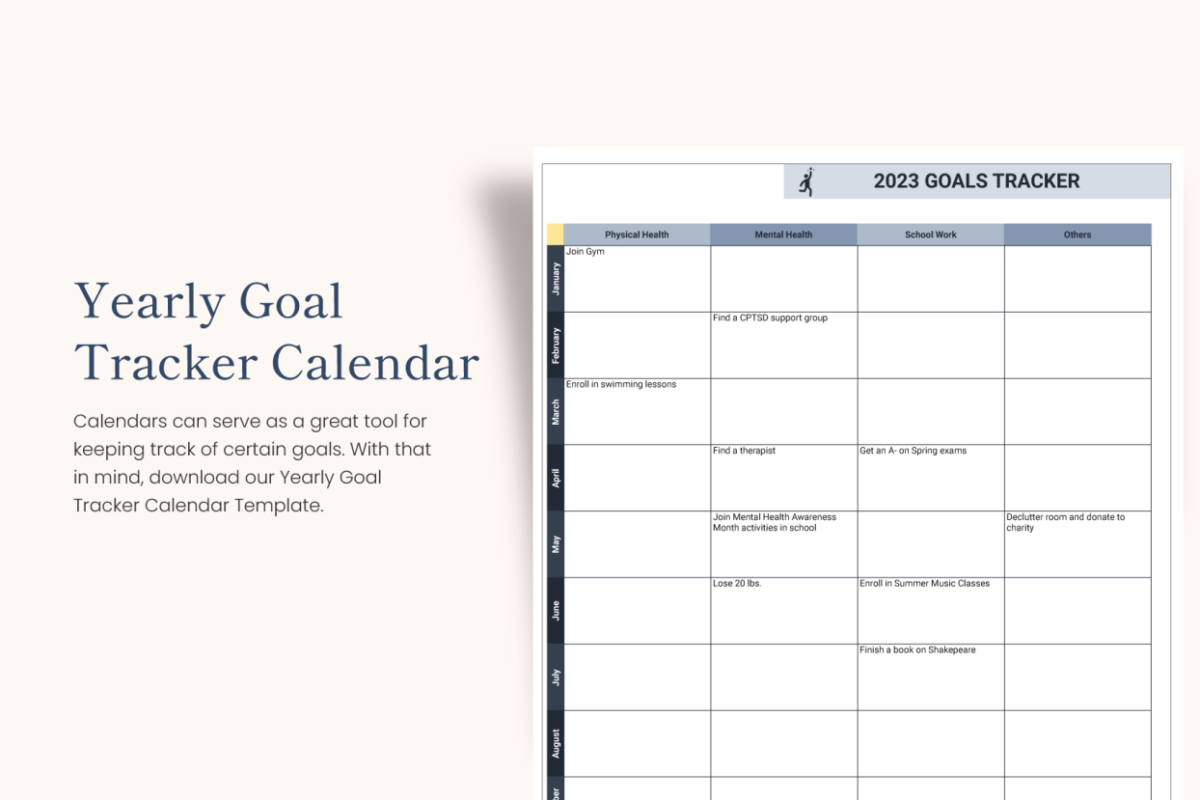
Goal tracker is more than just a tool; it’s your personal roadmap to achieving aspirations both big and small. By visually mapping out your objectives, you create a clear path toward personal and professional growth. Whether you prefer digital apps or traditional methods, a goal tracker empowers you to stay focused and motivated on your journey.
This article explores the concept of goal tracking, its psychological benefits, effective techniques for setting goals, and how technology enhances these tools. We will dive into customization options, address common challenges, and highlight the role of accountability partners to ensure that your goal-tracking experience is as effective and fulfilling as possible.
Understanding the concept of a goal tracker is essential for personal development.
A goal tracker is a powerful tool designed to help individuals and organizations set, monitor, and achieve their objectives. By providing a structured approach to goal management, a goal tracker enhances focus, accountability, and motivation, which are vital for personal and professional growth.
A goal tracker is defined as a system or tool that assists in the visualization and tracking of goals over time. Its importance lies in its ability to break down complex aspirations into manageable steps, enabling users to measure progress and make necessary adjustments. This structured method empowers individuals to stay aligned with their objectives, fostering a sense of accomplishment as they reach milestones along the way.
Types of goal trackers available in the market
There are various types of goal trackers, each catering to different preferences and styles of goal management. These can be categorized into digital and analog formats, providing flexibility depending on individual needs.
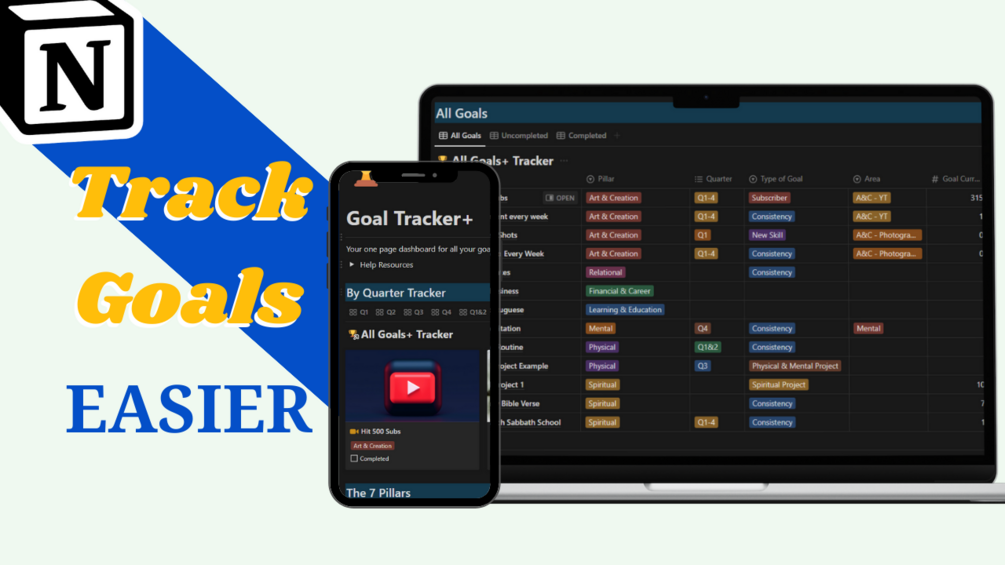
- Digital Goal Trackers: Apps and software that offer features like reminders, progress charts, and integrations with other productivity tools. Examples include Todoist, Trello, and Notion which allow for real-time collaboration and updates.
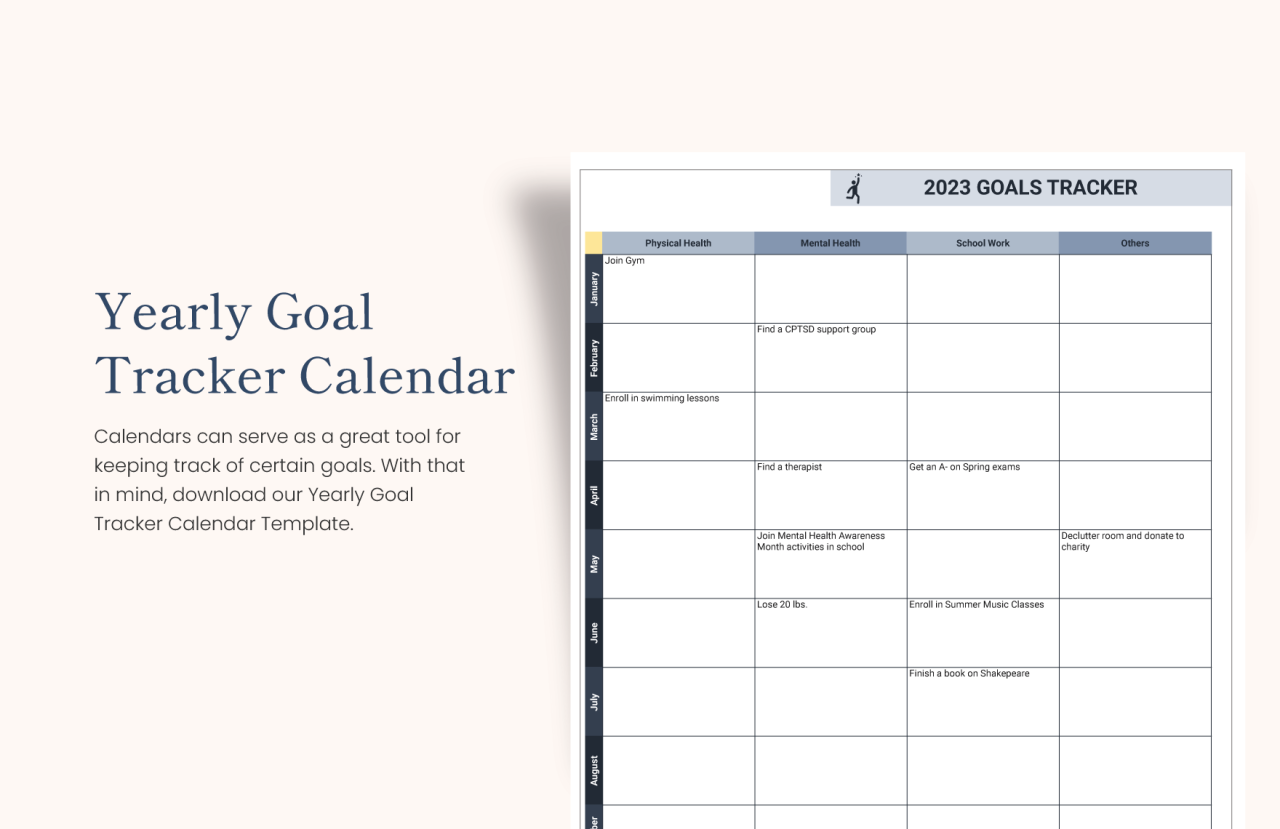
- Analog Goal Trackers: Traditional notebooks, planners, and journals that provide a tactile experience for users who prefer writing. Bullet journals are a popular choice, allowing for customization and creativity in tracking goals.
- Hybrid Systems: Some individuals combine both digital and analog methods to leverage the strengths of each. For instance, using a digital app for long-term goals while maintaining a physical planner for daily tasks.
Popular goal tracking methods used by individuals and organizations
Individuals and organizations utilize various methods to track progress towards their goals, each with unique benefits that enhance efficacy and accountability.
- SMART Goals: This method emphasizes setting goals that are Specific, Measurable, Achievable, Relevant, and Time-bound. By adhering to this framework, individuals can create clear and actionable objectives.
- OKRs (Objectives and Key Results): Widely used in business settings, this method focuses on defining objectives and measurable key results to assess performance. Companies like Google have popularized OKRs for aligning teams towards common goals.
- Habit Tracking: This method involves monitoring daily habits that contribute to larger goals. Habit tracking apps like Habitica gamify the process, encouraging consistency and motivation through rewards.
- Vision Boards: A creative approach where individuals visually represent their goals using images, quotes, and affirmations. This technique serves as a constant reminder of aspirations, fostering a positive mindset.
The psychological benefits of using a goal tracker can significantly enhance motivation.
Using a goal tracker can transform the way individuals approach their ambitions, infusing a sense of clarity and purpose into their daily lives. By consistently monitoring progress, users experience a boost in motivation that stems from the enhanced accountability and mental satisfaction that tracking provides. This structured approach not only fosters commitment but also influences overall mental well-being, making goal tracking an essential tool in personal development.
Increased accountability and motivation through goal tracking
Tracking goals contributes significantly to accountability, as individuals become more aware of their commitments and responsibilities. When goals are documented, there’s a tangible reminder of what one strives to achieve, which can lead to a consistent pursuit of those objectives. This heightened accountability drives motivation in several ways:
Accountability boosts commitment:
Knowing that goals are recorded often compels individuals to follow through as they don’t want to disappoint themselves or others.
Social reinforcement:
Sharing goals with others creates a support system, encouraging individuals to stay on track and celebrate achievements together.
Reflection and adjustment:
Regularly reviewing progress allows users to adjust their strategies, keeping them engaged and motivated to overcome obstacles.
The impact of visual progress on mental well-being
Visual representations of progress can have dramatic effects on mental well-being. Each time progress is recorded, it creates a sense of accomplishment that builds upon itself. The psychology behind this phenomenon is rooted in the concept of positive reinforcement, where achieving small milestones fosters a rewarding emotional experience. Here are some notable benefits:
Enhanced satisfaction:
Seeing how far one has come provides a significant boost in self-esteem, leading to a more positive self-image.
Reduction of anxiety:
Visualization helps mitigate the fear of failure, as users can clearly see their progress rather than focusing solely on the end goal.
Increased focus:
A visual goal tracker serves as a constant reminder of objectives, helping to eliminate distractions and maintain concentration on tasks that matter.
Strategies for maintaining motivation over time while using a goal tracker
Sustaining motivation can be challenging over extended periods, but utilizing effective strategies can help keep the momentum going. Regularly revisiting one’s goals and adjusting them as necessary is crucial to maintaining enthusiasm. Here are several strategies to consider:
Set realistic short-term goals:
Breaking down larger goals into smaller, achievable tasks makes the process feel less overwhelming and provides a continuous sense of achievement.
Celebrate small wins:
Acknowledging progress, no matter how minor, reinforces the journey and encourages persistence.
Incorporate variety:
Changing up methods or techniques within the tracking process can keep things fresh and interesting, preventing monotony.
Effective goal-setting techniques can improve the functionality of a goal tracker.
Setting effective goals is crucial for maximizing the potential of any goal-tracking system. By employing structured techniques, users can ensure their goals are not only achievable but also measurable, which ultimately enhances their commitment and progress. This segment delves into the SMART criteria, a step-by-step process for setting goals, and methods for prioritizing goals to improve the overall effectiveness of a goal tracker.
SMART criteria for goal setting
The SMART criteria provide a framework for setting effective goals that are specific, measurable, achievable, relevant, and time-bound. Integrating these criteria into a goal tracker can help users clarify their objectives and track their progress efficiently.
- Specific: Define clear, specific goals. For example, instead of saying “I want to get fit,” specify “I will exercise for 30 minutes, five times a week.”
- Measurable: Establish criteria for tracking progress. For instance, you might aim to lose 5 pounds in two months, which allows for measurable outcomes.
- Achievable: Set realistic goals that can be accomplished. Ensure that the goals are challenging yet attainable based on available resources and time.
- Relevant: Align goals with broader life objectives. Each goal should matter to you and contribute to your overall life satisfaction.
- Time-bound: Set deadlines to create urgency. For example, “I will complete a 5K run by the end of the next quarter.”
These criteria can be directly integrated into a goal tracker, allowing users to input and review their goals against these benchmarks, which promotes accountability and focus.
Step-by-step process for setting achievable goals
Establishing a structured approach to goal setting enhances the likelihood of achieving desired outcomes. Here is a step-by-step guide for users to create attainable goals:
- Identify your main objectives: Reflect on long-term aspirations and break them down into smaller, manageable goals.
- Apply SMART criteria: For each goal, ensure it meets the SMART standards for clarity and measurability.
- Document your goals: Use your goal tracker to record your goals. Write them in detail, including the steps needed to achieve each one.
- Set milestones: Create interim goals or milestones that can serve as checkpoints along your journey. This boosts motivation and provides opportunities for reflection.
- Review and adjust: Regularly check your progress and adjust your goals as necessary to ensure they remain relevant and achievable.
This structured process not only aids in clear goal articulation but also fosters a greater sense of achievement as users mark milestones along the way.
Prioritization of goals for focus and effectiveness
Prioritizing goals is essential to maintaining focus and ensuring that energy is spent on what truly matters. A well-organized goal tracker can facilitate this process through various techniques.
- Assess urgency and importance: Use the Eisenhower Matrix to categorize goals into four quadrants: urgent and important, important but not urgent, urgent but not important, and neither urgent nor important. Focus on the first two categories.
- Limit the number of goals: Avoid overwhelming yourself by limiting active goals to a manageable number. This allows for deeper focus and enhanced dedication.
- Align with values: Ensure that prioritized goals resonate with personal values and long-term aspirations. This alignment fosters intrinsic motivation.
- Reassess regularly: Goals and priorities may shift over time. Regularly review and adjust priorities based on current circumstances and progress.
Using these prioritization techniques within a goal tracker helps ensure users stay focused on the most impactful goals, leading to greater overall effectiveness and satisfaction in their progress.
Technology plays a fundamental role in the evolution of goal tracking tools.
The rapid advancement of technology has significantly transformed how individuals approach goal tracking. With the emergence of various digital tools and applications, the process of setting, monitoring, and achieving goals has become more efficient and engaging. By leveraging technology, users can access a range of features that not only streamline their goal-tracking journey but also enhance motivation and productivity.
Goal tracking apps have become increasingly popular due to their innovative features that cater to the diverse needs of users. These applications often integrate reminders, progress tracking, and analytical tools that provide users with insights into their performance. Some of the most notable features include:
Features of Popular Goal Tracking Apps
The effectiveness of goal tracking applications relies heavily on their user-friendly interfaces and automated functionalities. Below are some features that are commonly found in popular goal tracking apps:
- Progress Visualization: Many apps offer charts and graphs that visualize progress over time, making it easy to see how far users have come.
- Reminders and Notifications: Users receive timely reminders that help them stay on track with their goals, ensuring consistent effort.
- Goal Setting Frameworks: Apps often provide templates for setting SMART (Specific, Measurable, Achievable, Relevant, Time-bound) goals, guiding users in creating effective targets.
- Community Support: Some platforms include features that allow users to connect with others pursuing similar goals, fostering a sense of accountability and motivation.
- Integration with Other Tools: Many apps can sync with calendars and productivity tools, allowing users to manage their tasks and goals in one place.
The combination of these features enhances user experience by promoting engagement and accountability, making the goal-tracking process more interactive and enjoyable.
Effectiveness of Mobile Apps Versus Traditional Pen-and-Paper Goal Trackers
While traditional pen-and-paper methods have long been used for goal tracking, mobile apps provide distinct advantages that can lead to greater effectiveness. The differences between the two methods are significant and can impact user productivity in various ways.
Mobile apps offer real-time updates and notifications, which are often lacking in traditional methods. Users can access their goals anytime, anywhere, facilitating immediate adjustments to their action plans. Additionally, the ease of editing and deleting goals in apps allows more flexibility compared to the permanence of written notes. The ability to analyze progress through dashboards and visualizations in apps also enhances understanding and motivation.
Conversely, pen-and-paper trackers can offer a tactile experience that some users find helpful for memory retention and focus. Writing by hand can enhance cognitive processing, making it easier for some to internalize their goals. However, they lack the automated features that mobile apps bring, which can make tracking progress cumbersome over time.
Future Trends in Goal Tracking Technology
Looking ahead, several trends indicate how goal tracking technology will continue to evolve, potentially reshaping users’ experiences and productivity levels. Advancements in artificial intelligence and machine learning are expected to offer personalized goal-setting experiences based on user behavior and preferences.
For instance, apps may analyze users’ past performance data to suggest achievable goals, making the process more tailored and efficient. Furthermore, the integration of virtual reality (VR) and augmented reality (AR) into goal tracking tools could create immersive environments where users can visualize their goals and progress interactively, enhancing motivation through engaging experiences.
Another notable trend is the increasing focus on mental health and well-being. Goal tracking applications are likely to incorporate wellness features, such as mindfulness exercises and emotional check-ins, alongside traditional goal setting. This holistic approach could support users in achieving not just their professional objectives, but personal growth as well.
As technology continues to advance, the impact on users’ productivity will likely be profound, enabling individuals to set and achieve goals with unprecedented ease and efficiency.
Customizing a goal tracker can lead to better user engagement and outcomes.
Personalizing a goal tracker is essential for fostering higher levels of engagement and achieving meaningful outcomes. Users are more likely to remain committed to their goals when they feel a personal connection to the tracking process. Customization transforms a standard tool into a personalized experience that reflects individual priorities, motivations, and preferences.
Personalizing a goal tracker allows individuals to align their tracking methods with their unique lifestyles and aspirations. By tailoring the tracker to reflect personal needs, users can create a more relevant and motivating experience. This approach can include setting unique milestones and deadlines that resonate with individual circumstances, making the tracking process more engaging and effective. When users see their progress in a way that matters to them, it enhances their commitment and overall success.
Methods for Tailoring a Goal Tracker
There are various ways to customize a goal tracker, and selecting the right methods can significantly impact user engagement. Here are some effective strategies:
- Unique Milestones: Setting personalized milestones allows users to mark significant achievements along their journey. Whether it’s completing a specific task or reaching a certain level of achievement, these milestones can serve as motivation.
- Personal Deadlines: Custom deadlines that consider personal schedules can enhance accountability. When users set realistic timelines that fit their lives, they are more likely to stay on track.
- Visual Customization: Allowing users to choose colors, themes, or layouts can foster a sense of ownership. A visually appealing tracker can make the process enjoyable and encourage consistency.
- Progress Tracking Methods: Users can customize how they visualize their progress, whether through graphs, charts, or percentage bars. Adapting the tracking visuals to individual preferences can enhance clarity and motivation.
- Incorporating Rewards: Integrating a rewards system for achieving goals can provide additional motivation. Users can customize what rewards they earn upon reaching specific milestones, making it more personal and enticing.
Incorporating these features can transform a goal tracker into a powerful tool that resonates with users on a personal level, ultimately leading to greater engagement and successful outcomes.
Overcoming common challenges when using a goal tracker is crucial for sustained progress.
Many individuals embark on their goal-setting journeys with enthusiasm, only to encounter hurdles that can impede their progress. Understanding the common challenges faced when using a goal tracker can empower users to navigate these obstacles and enhance their effectiveness in achieving their objectives. Strategies for overcoming these challenges are essential for maintaining motivation and ensuring that goals are met consistently.
Identifying obstacles and providing solutions
While goal trackers can be powerful tools, users often face several common obstacles that can hinder their progress. Recognizing these challenges and implementing corresponding strategies can significantly improve the goal-tracking experience. The following points Artikel typical obstacles and effective solutions:
- Inconsistent Tracking: Users may forget to log their progress regularly. Setting reminders or notifications on devices can serve as helpful prompts to maintain consistency.
- Lack of Clarity in Goals: Vague goals can lead to confusion. It’s vital to ensure that goals are specific, measurable, achievable, relevant, and time-bound (SMART) to provide clarity and direction.
- Overwhelm from Long-Term Goals: Long-term goals can feel daunting. Breaking these goals down into smaller, manageable milestones can make the process more approachable and less intimidating.
- Loss of Motivation: Motivational dips are common. Regularly revisiting the reasons behind the goals and celebrating small achievements can reignite motivation and commitment.
Staying focused and avoiding distractions
To maintain focus while using a goal tracker, users must cultivate an environment conducive to productivity. Distractions can easily derail progress, making it imperative to implement strategies that minimize interruptions. Consider the following approaches:
- Create a Dedicated Workspace: Establishing a specific area for goal tracking can enhance focus and reduce distractions.
- Utilize Technology Wisely: Employ applications that promote focus, such as time management tools or website blockers, to limit distractions from social media or other time-consuming activities.
- Set Time Blocks for Tracking: Allocating specific time slots for reviewing and updating goals can help in maintaining a routine and reducing the likelihood of distractions.
Importance of regular reviews and adjustments
Regular reviews and adjustments are integral to effective goal tracking. These practices allow users to assess their progress, adapt to changes, and refine their strategies as necessary. Understanding the significance of periodic evaluations includes several key aspects:
- Performance Assessment: Routine reviews help identify areas where progress is being made and where adjustments are needed, ensuring that users remain aligned with their objectives.
- Adaptability: Life circumstances can change, necessitating adjustments to original goals. Regularly revisiting goals allows users to adapt to new situations and remain on track.
- Accountability: Scheduling consistent reviews fosters accountability, as users are compelled to reflect on their efforts and commitment to their goals.
The role of accountability partners can enhance the effectiveness of a goal tracker.
Having an accountability partner can significantly improve an individual’s adherence to their tracked goals. This partnership fosters a sense of commitment, as knowing that someone else is invested in your progress can motivate you to stay on track. Accountability partners provide not just support, but also constructive feedback, which can lead to better strategies and techniques for achieving goals.
Choosing the right accountability partner is crucial for effective goal tracking. The ideal partner should align with your personal goals and values. Here are some key considerations to help you select a partner who will best support your journey:
Criteria for Selecting an Accountability Partner
Selecting an accountability partner involves evaluating several important factors. Below are some criteria to consider when making your choice:
- Shared Goals: Choose someone who has similar goals or aspirations. This alignment will create a natural synergy, making it easier to motivate and challenge each other.
- Communication Style: Ensure that your partner’s communication style complements yours. If you prefer direct feedback, find someone who is comfortable providing it.
- Availability: Your accountability partner should have the time to regularly check in and discuss progress. Commitments to each other should be balanced to avoid frustration.
- Trust and Respect: Select someone you can trust and respect. The accountability relationship should be built on honesty and openness, allowing for constructive conversations.
Establishing accountability structures can further enhance the efficacy of goal tracking. These structures help keep both partners aligned and focused on their objectives. Here are some examples of effective accountability frameworks that can be integrated with goal tracking:
Accountability Structures for Goal Tracking
Implementing structured systems can significantly boost motivation and results. Consider the following methods:
- Regular Check-Ins: Schedule weekly or bi-weekly meetings to discuss progress, setbacks, and strategies. This regular touchpoint encourages consistency in both partners’ efforts.
- Progress Journals: Maintain shared journals where both partners can log their activities related to the goals. This can serve as a visual representation of progress and areas needing improvement.
- Goal Contracts: Create a formal agreement outlining specific goals, timelines, and responsibilities. Signing a contract can increase commitment to the goals set.
- Reward Systems: Establish mutual rewards for achieving milestones. Celebrating successes together can reinforce positive behavior and strengthen the partnership.
“The greatest catalyst for success is accountability. When you have someone to report to, your motivation is amplified.”
Measuring success through a goal tracker can lead to a more fulfilling life.
Tracking goals not only provides a clear pathway to achieving them but also enhances overall life satisfaction by allowing individuals to measure their progress and celebrate their successes. A well-structured goal tracker can serve as a motivational tool, guiding users towards continuous achievement and personal growth. By quantifying milestones and reflecting on the journey, individuals can find fulfillment in both the process and the outcomes.
Metrics for Evaluating Progress
Various metrics can be utilized to effectively evaluate progress through a goal tracker, enabling users to maintain focus and motivation. These metrics can be both qualitative and quantitative, providing a comprehensive picture of one’s journey.
- Completion Percentage: This metric indicates how much of a goal has been achieved, often expressed as a percentage. For instance, if the goal is to read 12 books in a year and six have been completed, the completion rate is 50%.
- Time Tracking: Measuring the time spent on tasks associated with a goal can highlight productivity levels. For instance, if a fitness goal involves working out three times a week, tracking hours spent can clarify time management.
- Milestone Achievements: Setting smaller milestones within a larger goal helps to track progress incrementally. Celebrating these smaller victories, such as completing a chapter in a book or running a specific distance, reinforces motivation.
- Self-Assessment Scores: Users can rate their confidence or satisfaction levels on a scale (e.g., 1-10) regarding their progress. This subjective measure can provide insights into emotional and mental states throughout the journey.
Importance of Celebrating Achievements
Recognizing achievements, regardless of size, plays a crucial role in maintaining motivation and building self-efficacy. Each celebration contributes to a positive feedback loop that encourages further effort toward goal completion.
“Success is not the key to happiness. Happiness is the key to success. If you love what you are doing, you will be successful.”
Celebrating achievements can take many forms, such as:
- Rewarding oneself with a treat or a break after reaching a milestone.
- Sharing successes with friends or family to receive positive reinforcement.
- Documenting progress, such as creating a video diary or blog, to reflect on one’s journey.
Reflecting on the Goal-Setting Journey
Reflecting on the journey of achieving goals is essential for personal growth and understanding the lessons learned along the way. This process of reflection can lead to greater clarity and improved strategies for future goals.
To effectively reflect on this journey, individuals can consider the following aspects:
- Identifying Challenges: Analyzing obstacles faced during the pursuit of goals helps in recognizing patterns and preparing for similar situations in the future.
- Assessing Strategies: Evaluating which strategies worked and which didn’t allows for adjustments in approach, enhancing the likelihood of success in future endeavors.
- Recognizing Personal Growth: Acknowledging how one has changed or improved during the goal-setting process can enhance self-awareness and confidence.
- Documenting Lessons Learned: Keeping a journal or creating summaries of experiences offers valuable insights that can guide future goal-setting efforts.
Last Point
In conclusion, utilizing a goal tracker can profoundly influence your journey toward success and fulfillment. By understanding the various aspects of goal tracking—from setting SMART goals to celebrating achievements—you can enhance motivation and accountability. Embrace the power of goal tracking and take the first step toward realizing your dreams and aspirations.
Quick FAQs
What is a goal tracker?
A goal tracker is a tool that helps individuals monitor and manage their progress towards achieving specific objectives.
Why is using a goal tracker beneficial?
Using a goal tracker increases accountability, motivation, and clarity, helping you stay focused on your objectives.
Can I use a goal tracker for both personal and professional goals?
Absolutely! A goal tracker can be customized to suit both personal ambitions and professional objectives.
What are some common features of goal tracking apps?
Common features include progress visualization, reminders, milestone tracking, and customizable settings.
How do I stay motivated while using a goal tracker?
Maintaining motivation can be achieved by setting achievable milestones, reviewing progress regularly, and celebrating small wins.